



- Region
- Solukhumbu, Nepal
- Best season
- Spring, Summer
- Permits
- Confirm current permit, fee, and reservati…
Plan with verified data
Khumbu Region (Everest Base Camp) trip tools
Tools for a trip here
Picked for how, when and where you're going. Free, no signup.
Photos of Khumbu Region (Everest Base Camp)
How to get there
For Khumbu and the Everest Base Camp Trek, plan for the Nepalese, southern side of Everest. The Tibetan, northern side is a separate approach, not access through Khumbu.
- Khumbu, Nepalese southern side
The region traversed by the Everest Base Camp Trek through Sagarmatha National Park; the relevant approach for this destination.
- Qomolangma nature reserve, Tibetan northern side
A separate, less-visited side from which to visit Everest. It is outside Khumbu and should not be confused with the Nepalese base camp approach.
Sources: Wikipedia · Wikivoyage. Confirm road and trailhead conditions with the managing agency before you leave.
Solukhumbu, Nepal · Season: Best: Oct – early Dec, Mar – May
- Climbing
- Mountaineering
- Hiking
The country
The Khumbu is the Sherpa homeland — Buddhist villages, gompas, and yak pastures spread across a series of side valleys under the world's highest peaks. Fully supported teahouse trekking makes it accessible without an expedition.
Why enthusiasts come
The 12–14 day EBC trek is a bucket-list objective for a reason. Adding Gokyo or the Three Passes turns it into a more serious mountain experience.
Planner-relevant notes
Acclimatization days at Namche and Dingboche are non-negotiable. Diamox helps but doesn't replace a proper schedule. Lukla flights are weather-canceled routinely.
Top experiences
Everest Base Camp trek (14 days round-trip from Lukla) is the mainstream target. Three Passes trek adds Kongma La, Cho La, and Renjo La. Gokyo Ri gives arguably a better Everest view than EBC.
Planning essentials
Sagarmatha National Park permit + Khumbu Rural Municipality fee. Lukla flights weather-dependent — build 2 buffer days at both ends. Altitude sickness is the real risk — plan proper acclimatization stops at Namche and Dingboche.
Field notes
- Descend if you're symptomatic — altitude does not negotiate.
- Cash-only above Namche — bring enough Nepalese rupees.
- Cover for the flight cancellation window at both ends of the trip.
- The AMS drugs (Diamox) are freely sold in Namche pharmacies.
- Tea houses are the norm — no camping required on the standard route.
Where on earth
Satellite imagery flying in from a world view to Khumbu Region (Everest Base Camp), Solukhumbu, Nepal. Use the + / − buttons, or click the map to zoom with your scroll wheel; drag to pan and pinch to zoom on touch.
Coordinates
- Decimal degrees
- 27.9900, 86.8600
- Latitude (DMS)
- 27° 59′ 24.0″ N
- Longitude (DMS)
- 86° 51′ 36.0″ E
Coordinates are an access-point reference for Khumbu Region (Everest Base Camp), not a route. Carry a paper map and confirm trailhead or put-in access with the managing agency before you go.
Topic summary
The Everest region's trekking heartland — Sherpa villages, Ama Dablam, and Kala Patthar.
Key takeaways
- Region: Solukhumbu, Nepal
- Best season: Best: Oct – early Dec, Mar – May
- Coordinates: 27.990, 86.860
Climate suitability
Best: Oct – early Dec, Mar – May
Keep planning
Popular pursuits at Khumbu Region (Everest Base Camp)
- Mountaineering
Glacier and high-route objectives with real consequence.
- Hiking
Day miles on marked trail, with route notes and trail links below.
Animals around Khumbu Region (Everest Base Camp)
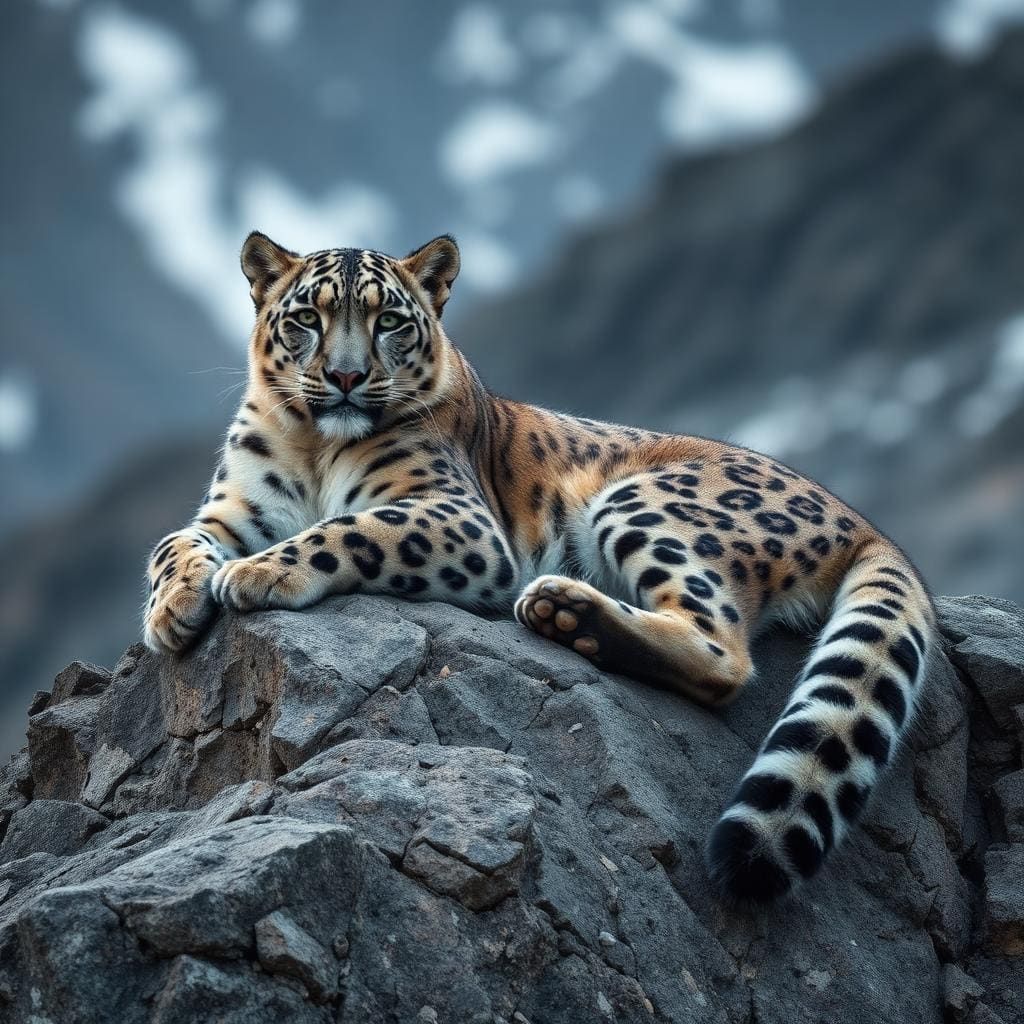
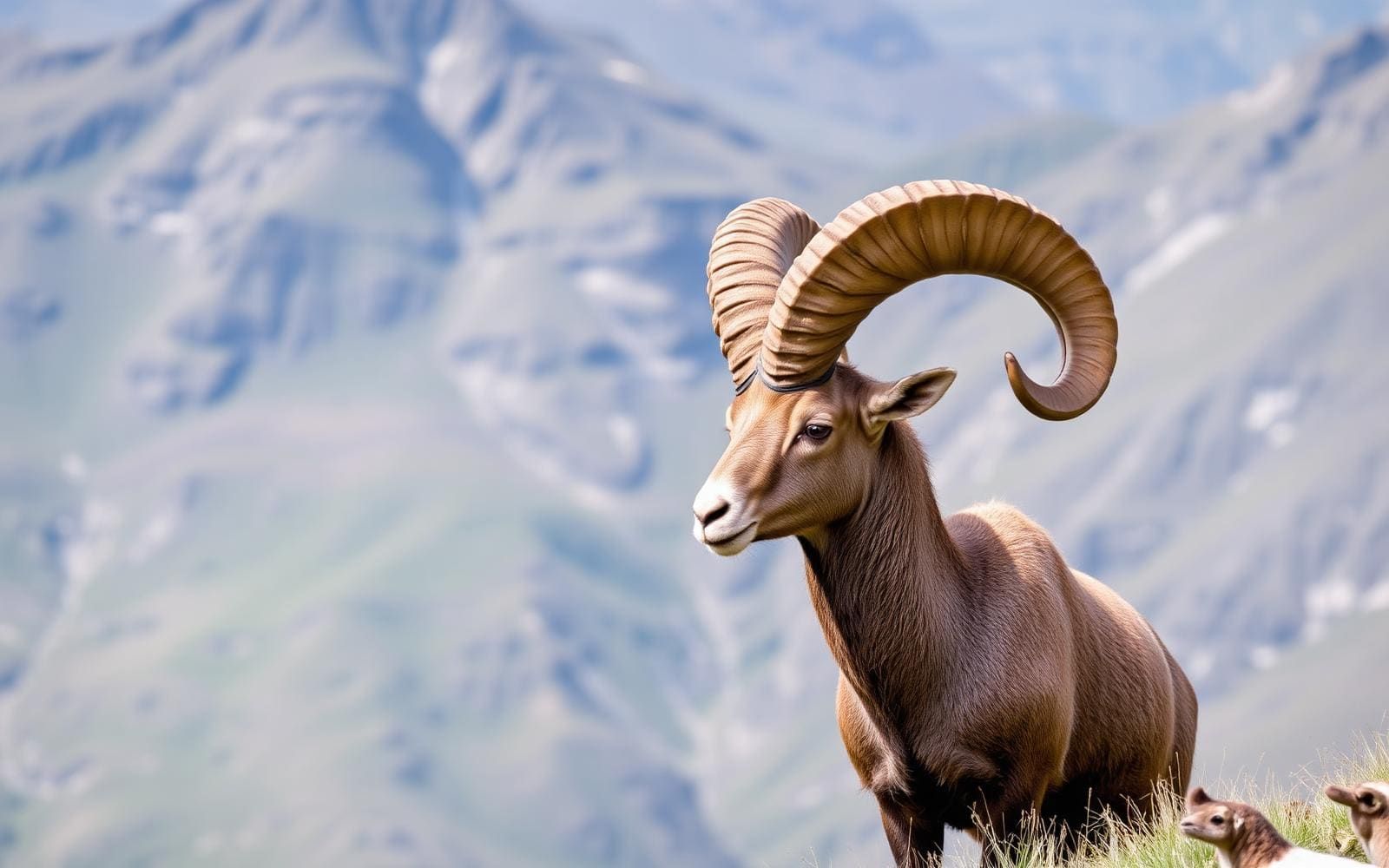

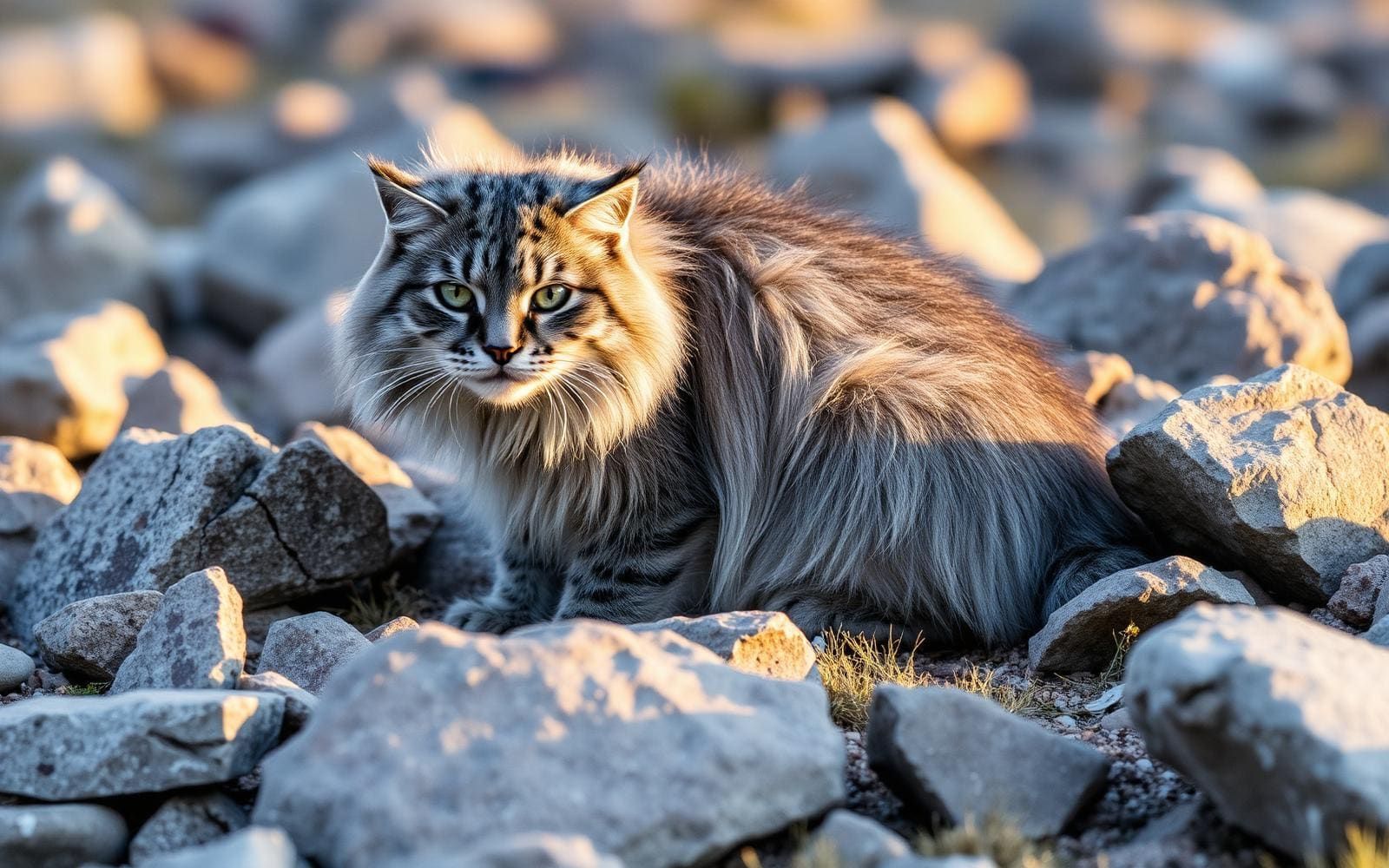
Khumbu and the southern side of Everest
Khumbu is the Nepalese setting for the Everest Base Camp Trek, which passes through Sagarmatha National Park on the southern side of Mount Everest. For a trip centered on Khumbu, this is the relevant side of the mountain: the northern approach belongs to Tibet and is a separate destination choice. Everest, also called Qomolangma in Tibetan, stands at 8,848.86 metres and straddles the Nepal–China border. That geographic distinction matters when choosing an itinerary. A general description of visiting Everest may refer to either country, while the Khumbu base camp trek specifically means the Nepalese approach. Keep the trip plan anchored to that distinction rather than treating all Everest access information as interchangeable. The southern region is the more commonly visited of the two.
Choosing the right kind of Everest trip
The named trekking option here is the Everest Base Camp Trek through Khumbu and Sagarmatha National Park. Plan around that objective rather than assuming that a visit to Everest means climbing the mountain. Base camp trekking and travel into the Khumbu Icefall should not be treated as equivalent undertakings. The icefall is associated with Everest climbing work and a documented fatal avalanche, not simply with the broad idea of visiting the region. Before committing to an itinerary, establish exactly where the proposed trip goes and whether its objective is base camp or climbing terrain. The northern-side option is Qomolangma nature reserve in Tibet; it is less visited, but it is not an alternative route through Khumbu. Choose the side and activity before arranging access.
The Khumbu Icefall and its human consequences
The Khumbu Icefall has a history of fatal ice avalanches that deserves specific attention, without projecting that hazard onto every part of the base camp trek. On 18 April 2014, seracs on Everest’s western spur failed, causing an ice avalanche that killed sixteen climbing Sherpas in the icefall. Thirteen bodies were recovered within two days; three were not recovered because further recovery attempts were too dangerous. The same icefall was the site of the 1970 Mount Everest disaster. On 22 April 2014, Sherpas announced that they would not work on Everest for the remainder of that year as a mark of respect for the victims. This history underscores both the seriousness of the climbing environment and the consequences borne by the people working in it.
Route options
- Everest Base Camp Trek through Khumbu
The named Nepalese trekking option through Khumbu and Sagarmatha National Park on Everest’s southern side.
- Qomolangma northern-side visit
A visit to the nature reserve on the Tibetan side of Everest rather than a route through Khumbu. This is a separate destination option, not a continuation of the Everest Base Camp Trek.
Sample itineraries
- Khumbu orientation day · 1 day
Use a day within a longer Khumbu trip to review the Everest Base Camp Trek plan, assess readiness for higher terrain, and confirm local conditions. This is a planning segment, not a complete base camp itinerary.
- Everest Base Camp visit segment · 1 day
Reserve a day within an appropriately paced trek for the base camp objective, only when already positioned and acclimatized for it. Approach through Khumbu on Everest’s Nepalese side. This segment does not imply that base camp is reachable from the region’s entrance in one day.
Seasonal conditions
Spring
Confirm suitable travel timing locally.
Do not assume spring makes high-mountain terrain safe. A fatal serac-collapse avalanche occurred in the Khumbu Icefall on 18 April 2014. Treat icefall conditions separately from the base camp trekking plan.
Summer
Confirm suitable travel timing locally.
Check current mountain weather and trekking conditions before committing to the base camp approach. Allow flexibility rather than relying on a fixed daily progression.
Fall
Confirm suitable travel timing locally.
Assess current conditions and personal acclimatization before moving higher. A seasonal label alone does not establish whether a high-mountain itinerary is suitable.
Winter
Confirm suitable travel timing locally.
Plan conservatively for cold exposure in high-mountain terrain. Confirm weather, equipment needs, and the feasibility of the intended trek before departure.
| Season | Window | Conditions |
|---|---|---|
| Spring | Confirm suitable travel timing locally. | Do not assume spring makes high-mountain terrain safe. A fatal serac-collapse avalanche occurred in the Khumbu Icefall on 18 April 2014. Treat icefall conditions separately from the base camp trekking plan. |
| Summer | Confirm suitable travel timing locally. | Check current mountain weather and trekking conditions before committing to the base camp approach. Allow flexibility rather than relying on a fixed daily progression. |
| Fall | Confirm suitable travel timing locally. | Assess current conditions and personal acclimatization before moving higher. A seasonal label alone does not establish whether a high-mountain itinerary is suitable. |
| Winter | Confirm suitable travel timing locally. | Plan conservatively for cold exposure in high-mountain terrain. Confirm weather, equipment needs, and the feasibility of the intended trek before departure. |
Permits, fees & closures
Confirm current permit, fee, and reservation requirements for the Khumbu trek and Sagarmatha National Park with the managing agency.
Confirm current permits, fees, and closures with the managing agency before you go.
Hazards & regulations
- High-altitude travel requires gradual acclimatization and willingness to stop ascending when unwell.
- Serac collapse can trigger fatal ice avalanches in the Khumbu Icefall. Do not treat the icefall as a casual extension of a base camp visit.
- Mountain weather and cold exposure require protective clothing, flexible plans, and conservative decisions.
What to pack for Khumbu Region (Everest Base Camp)
- Insulating layers
- Weatherproof outer layers
- Warm hat and gloves
- Sturdy trekking footwear
- Water-carrying capacity and water treatment
- Sun protection and sunglasses
- Personal first-aid supplies
- Navigation and emergency communication tools
Khumbu Region (Everest Base Camp) FAQ
- Where is the Khumbu Everest Base Camp Trek?
- It approaches Everest from the Nepalese, southern side through Khumbu and Sagarmatha National Park. Khumbu is in Solukhumbu, Nepal.
- Is this the same approach as the Tibetan side?
- No. Everest straddles Nepal and China’s Tibet region. The Khumbu trek is the more commonly visited southern approach; Qomolangma Nature Reserve is on the northern, Tibetan side.
- Do the one-day itineraries describe a complete base camp trek?
- No. They are individual segments within a longer trip. Set the full schedule around the approach, acclimatization, current conditions, and return travel.
- Why does the Khumbu Icefall require particular caution?
- On 18 April 2014, seracs on Everest’s western spur failed, causing an ice avalanche that killed sixteen climbing Sherpas in the Khumbu Icefall. The danger also prevented recovery of three bodies.
- How high is Everest, and is that the trekking elevation?
- Everest’s summit is 8,848.86 metres. That is the summit elevation, not the elevation of base camp or the Khumbu trekking route.