Skip to content
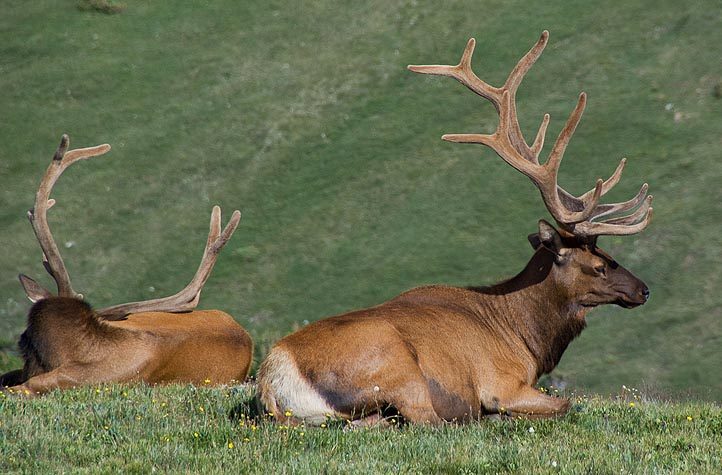
Rocky Mountain elk herd in a high meadow

Hunting

Woodsmanship first. Equipment second. Ethics always.

Six guides covering the game you pursue and the four ways you take it — rifle, shotgun, recurve, and compound — written for people who intend to eat what they shoot.

Hunting is 95% knowing where an animal will be and 5% making the shot — but that 5% carries all of the responsibility.

These guides treat both halves seriously: the scouting, wind, and patience that put you in range, and the marksmanship and shot placement that make the kill quick.

Guides
7 in this hub
Species covered
8 big game
Weapons
Rifle · Shotgun · Bow
Sources
State agency cited

Start here

Hunting in North America: what a new hunter actually needs to know

Six fundamentals that shape every hunt, from the season calendar and weapon choice to shot placement, regulations, and getting the meat home in good shape.

How hunting seasons are structured

Most states open archery first in early fall, follow with a muzzleloader or primitive-weapon window, then run the general firearm season around the rut. Understanding that ladder tells you which weapon to learn first, how much competition you will share the woods with, and when the animals you are after will be most predictable.

Choosing a weapon for the game you hunt

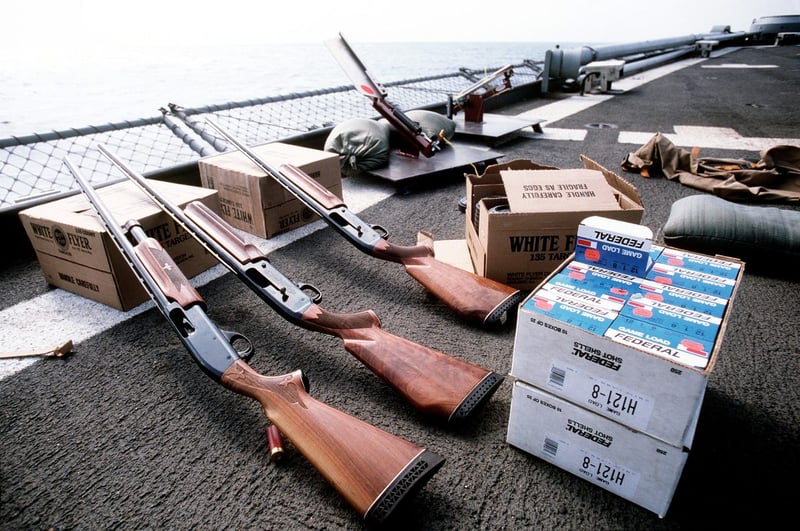
Deer-sized big game is well served by a .243 through .30-06 rifle, a 20- or 12-gauge slug gun in shotgun-only counties, or a 45–60 lb bow. Upland birds and waterfowl are shotgun work, with gauge, choke, and non-toxic shot rules driving the choice. Match the tool to the species and the legal season, not to the marketing.

Scouting, wind, and stand placement

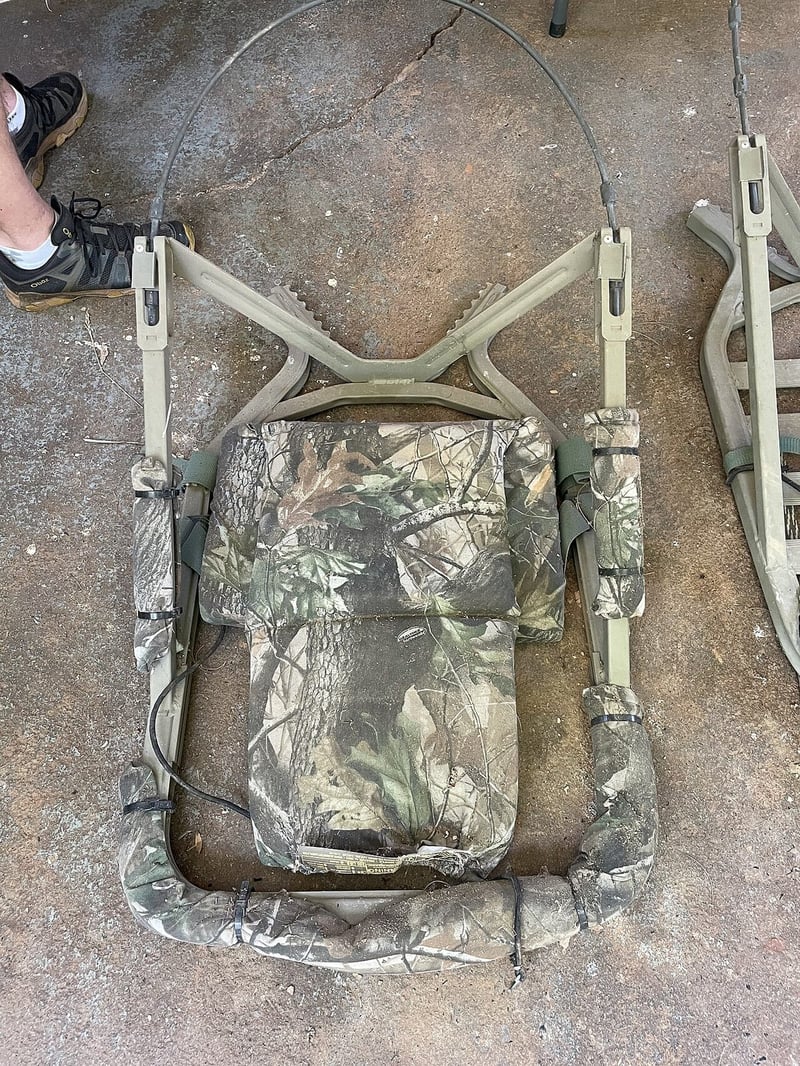
Find food, water, and bedding cover on a map, then confirm it on foot or with trail cameras. Place stands and blinds so the prevailing wind carries your scent away from the approach trail, and always keep a second setup for the opposite wind. Scouting done in summer is what makes an October morning look easy.

Shot placement and ethical range

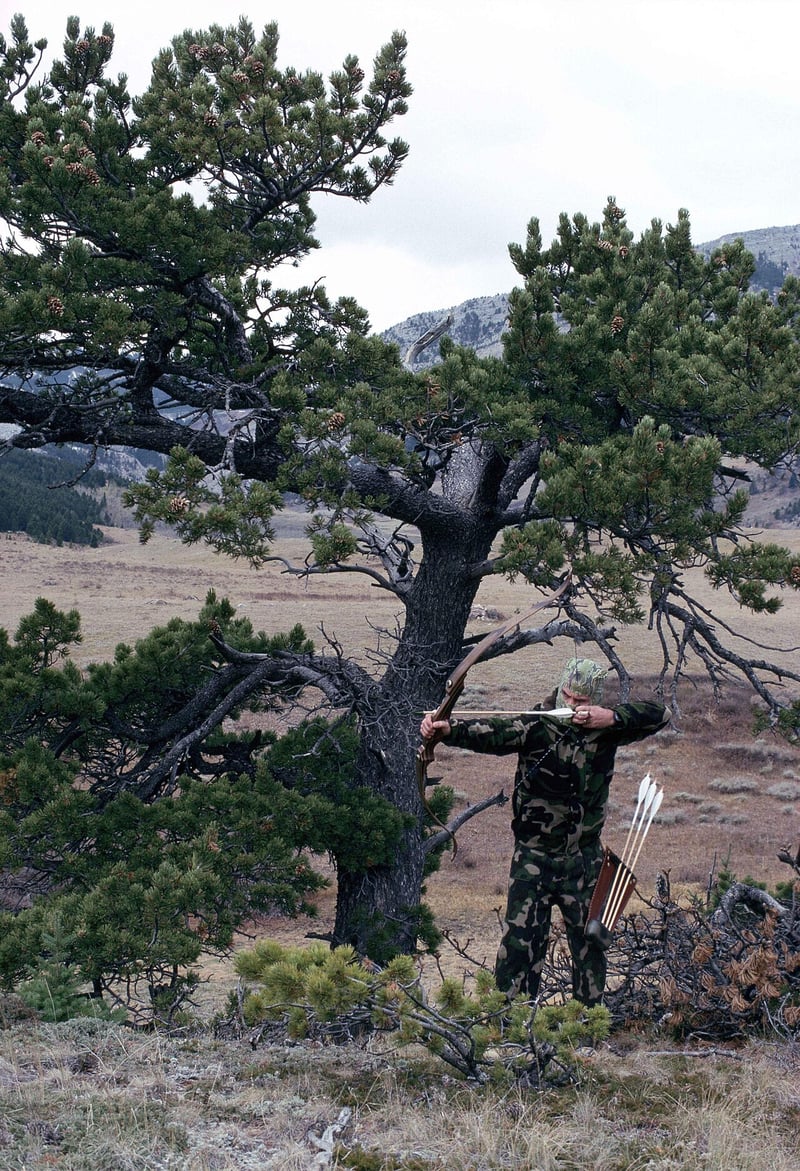
Broadside double-lung is the highest-percentage shot for both bullets and broadheads. Quartering-away is acceptable with a rifle and marginal with archery gear. Establish your maximum range from field positions on a paper plate at home, then hold that line in the field even when a bigger animal tempts you past it.

Regulations, tags, and public access

License, tag, unit, weapon type, and legal hours are set annually by your state or provincial wildlife agency, and draw deadlines for premium units land months before the season. Read the current-year regulation booklet cover to cover, and verify public land boundaries in a mapping app before you step off a road.

Meat care after the shot

The clock starts the moment the animal is down. Field dress promptly, get hide off and air on the muscle, keep quarters in breathable game bags, and reach ice or a cooler within a few hours in warm weather. More venison is ruined by heat in the first six hours than by anything a butcher does later.

Field gallery

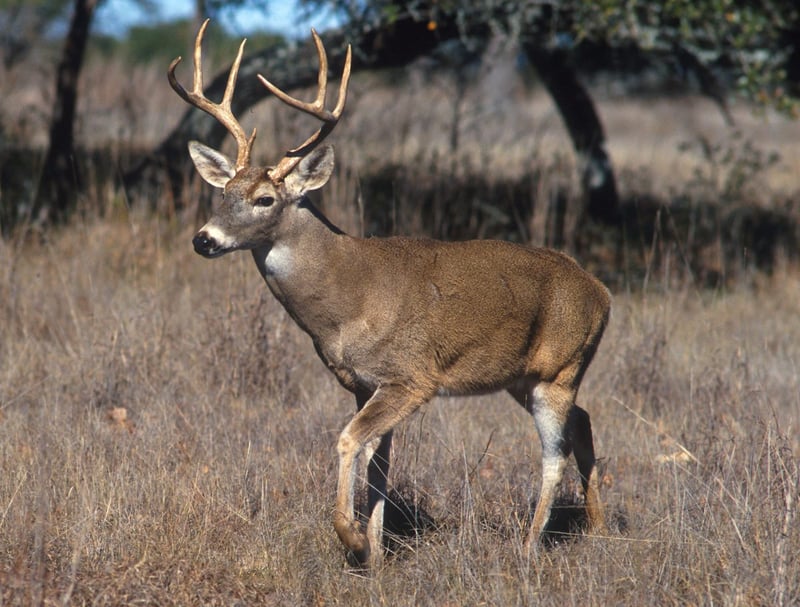
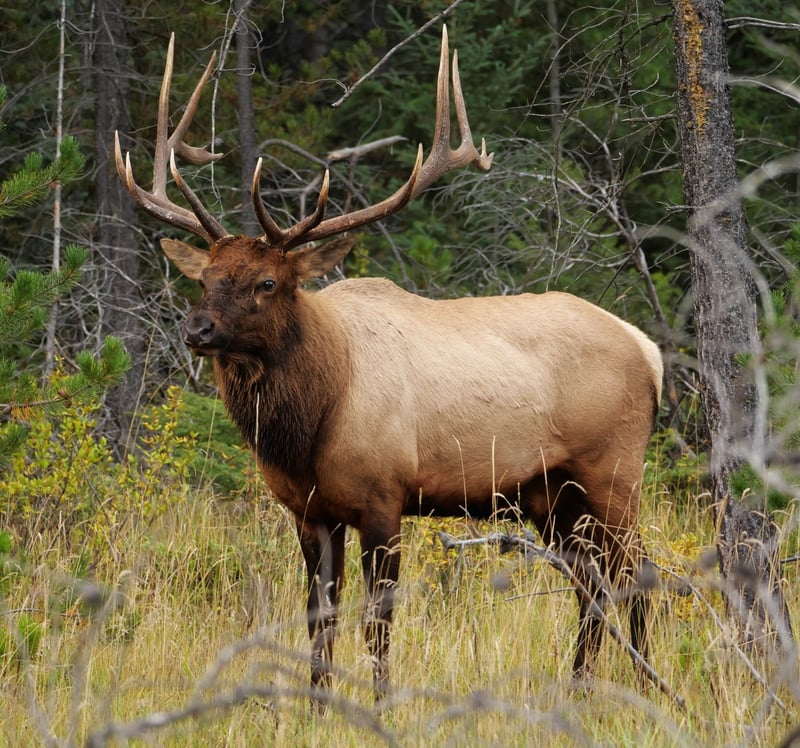
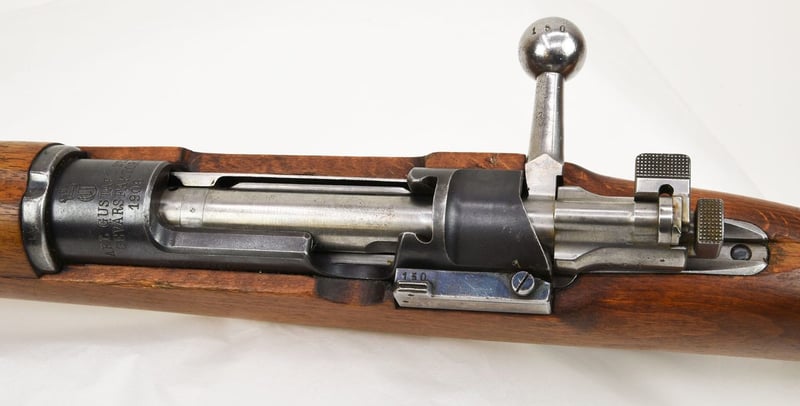
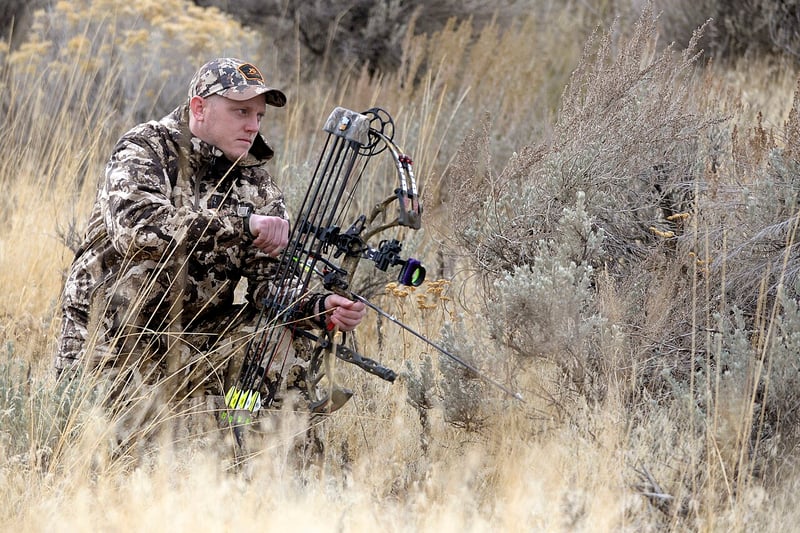
Tap any frame for the full photograph — species, sign, and the setups that put you in range.

Groundwork

Before your first season

Five things to settle long before opening morning — in this order.

  1. 1

    Hunter education

    Required almost everywhere, and the course covers the legal and safety framework the rest of this section assumes you know.

  2. 2

    License, tags, and regulations

    Species, weapon type, unit, and dates. Read the current-year booklet; rules change annually.

  3. 3

    Access

    Public-land boundaries on a mapping app, or written private permission. Confirm before opening day, not on it.

  4. 4

    Proficiency

    Zero your rifle or tune your bow, then practice from the positions you will actually shoot from — kneeling, off a pack, or sitting in a stand with a harness on.

  5. 5

    A plan for the meat

    Cooler, ice, game bags, and a butcher or a plan to break it down yourself. Meat care starts the minute the animal is down.

Where hunting meets the rest of the site

Use the Trip Planner to build the logistics of a backcountry hunt, the clothing layer builder for cold sits, and camp recipes for cooking wild game in the field. Our wildlife guides cover the behavior side in more depth, and outdoor skills covers navigation, fire, and first aid.

Questions

Frequently asked

What do I need before my first hunt?
A hunter education certificate (required in nearly every state and province), the correct license and tags for the species and unit, permission or public-land access confirmed, and a weapon you have zeroed and practiced with from field positions. In that order.
Is rifle, shotgun, or bow the best way to start hunting?
Start with what your season structure allows. Archery seasons run earlier and longer with less competition but require months of practice and a 30-yard game. Rifle seasons are shorter and busier but forgiving in range. Shotgun is the most accessible for small game and birds.
How far away should I be willing to shoot?
Your maximum ethical range is the distance at which you can put every practice shot into a paper plate, from a field position, under stress. For most bowhunters that is 30 yards; for most rifle hunters, 300 yards is optimistic. Be honest about your own number.
What is the most important skill in hunting?
Wind discipline. A whitetail, elk, or bear will forgive a snapped twig or a flash of movement long before it forgives your scent. Hunt the wind on every approach, every stand choice, and every stalk, or nothing else you do matters.
How do I find a place to hunt?
Start with public land layered onto a mapping app that shows unit boundaries, then scout for edges — food adjacent to cover, funnels between bedding areas, and water in dry country. Knocking on doors for private permission still works, especially outside the opening week.
What caliber is best for deer hunting?
Anything from .243 Winchester to .30-06 Springfield kills deer cleanly inside normal ranges, and the .270 Winchester, 7mm-08, and .308 Winchester sit in the sweet spot of recoil, ammunition availability, and terminal performance. Shot placement matters far more than caliber choice.
How much does it cost to start hunting?
Budget roughly $600 to $1,200 for a first season: hunter education and a resident license and tag typically run $50 to $150, a capable used rifle or entry-level bow $400 to $700, and boots, blaze orange, a knife, and game bags another $200. Public land keeps access free.
What should I wear hunting in cold weather?
Layer a merino or synthetic base, a fleece or grid mid-layer, an insulated puffy for sitting still, and a quiet windproof or waterproof shell. Hike in with layers off so you never sweat, then add insulation the moment you settle into the stand. Wet cotton is the fastest route to a short hunt.
Do I need a hunter education course?
In nearly every US state and Canadian province, yes — anyone born after a cutoff year must complete hunter education before buying a license. Courses are offered online with a short in-person field day, and the certificate is honored nationwide once you have it.
Is hunting good for wildlife conservation?
License and tag sales plus the federal Pittman-Robertson excise tax on firearms and ammunition fund the majority of state wildlife agency budgets, paying for habitat purchases, population surveys, and access programs. Regulated harvest also keeps deer and hog populations within what the habitat can support.


Also on The Wild10

Fishing Guides

Fish identification, the knots that hold, lure selection by conditions, and the habits that fill a stringer.

Open the fishing hub →
Fly angler casting on a clear northern river