



From the north
Wildlife Guides
Predators, large mammals, and venomous species — grouped by the Alone regions where they matter for planning. Behavior, sign, habitat, and the field notes that keep you honest about the country you're moving through.
Featured wildlife
Species spotlight
A rotating selection from Alone filming regions and other wild destinations — behavior, sign, and camp-planning notes.
 Alone region
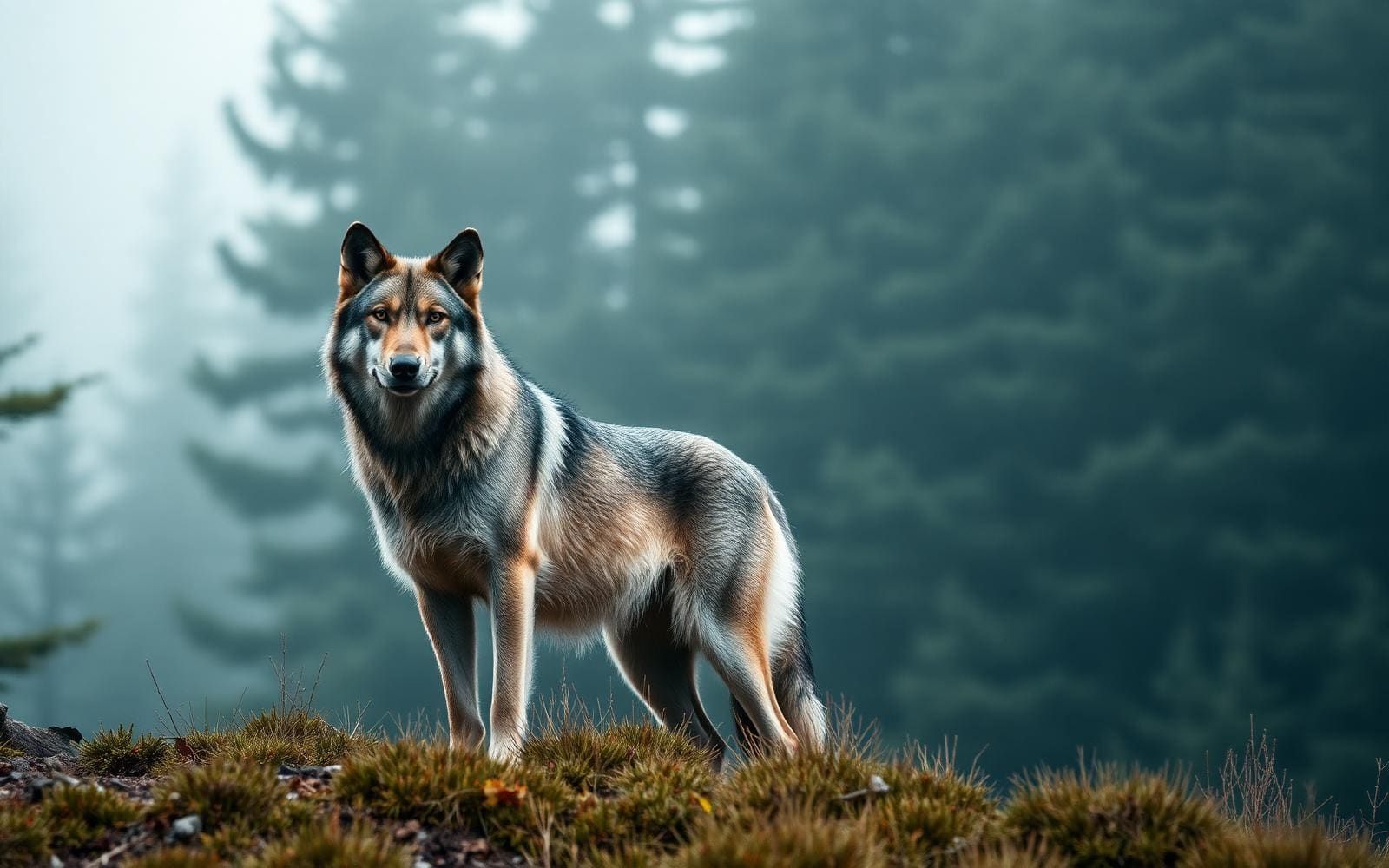
Timber wolf
Canis lupus
The apex canid of the boreal — travels far, kills big, teaches everything else in the forest to move quietly.
 Alone region
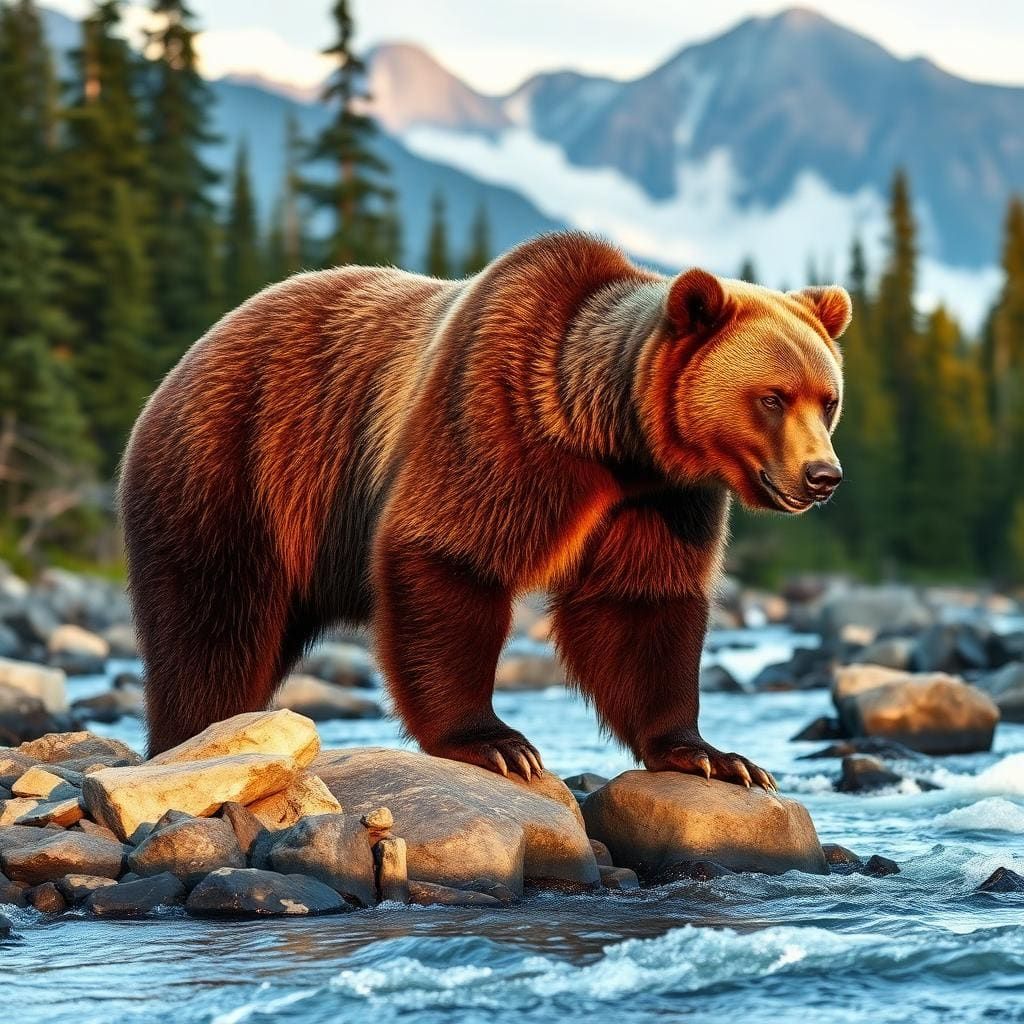
Grizzly bear
Ursus arctos horribilis
The North American brown bear — bigger, more open-country, and a whole different response protocol than a black bear.
 Alone region
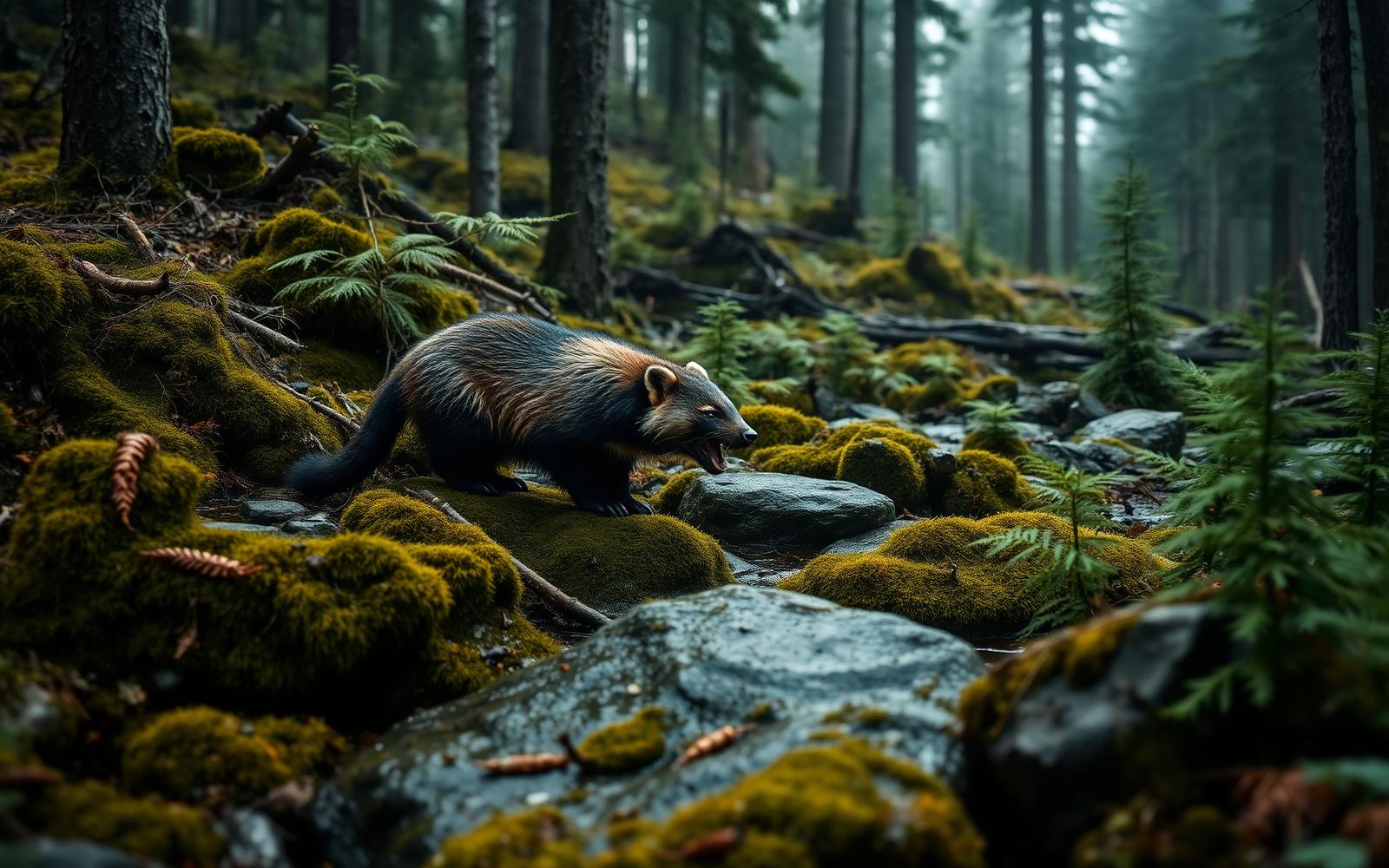
Wolverine
Gulo gulo
The largest land weasel — small on the scale, huge on attitude, unmatched at moving through wild snow country.
160 guides across 26 regions
Vancouver Island (S1–S2)
Canada · North America
Coastal rainforest — cougar country, high black bear density, sea wolves.
- Predator
Canis lupus
Timber wolf
The apex canid of the boreal — travels far, kills big, teaches everything else in the forest to move quietly.
 Predator
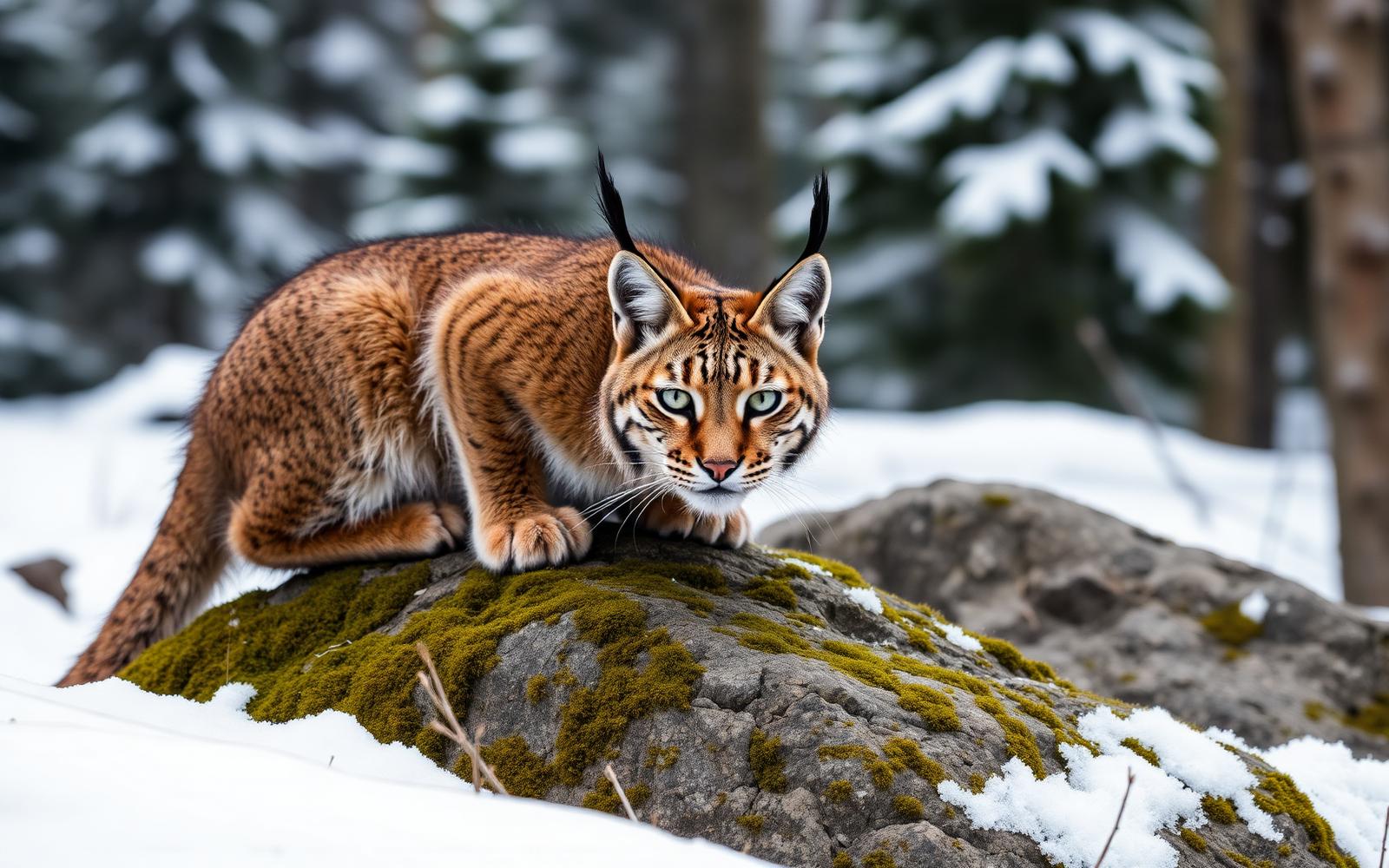
Lynx canadensis
Canada lynx
A silent specialist tied to one prey species and one landscape — dense spruce, deep snow, and snowshoe hare.
 Predator
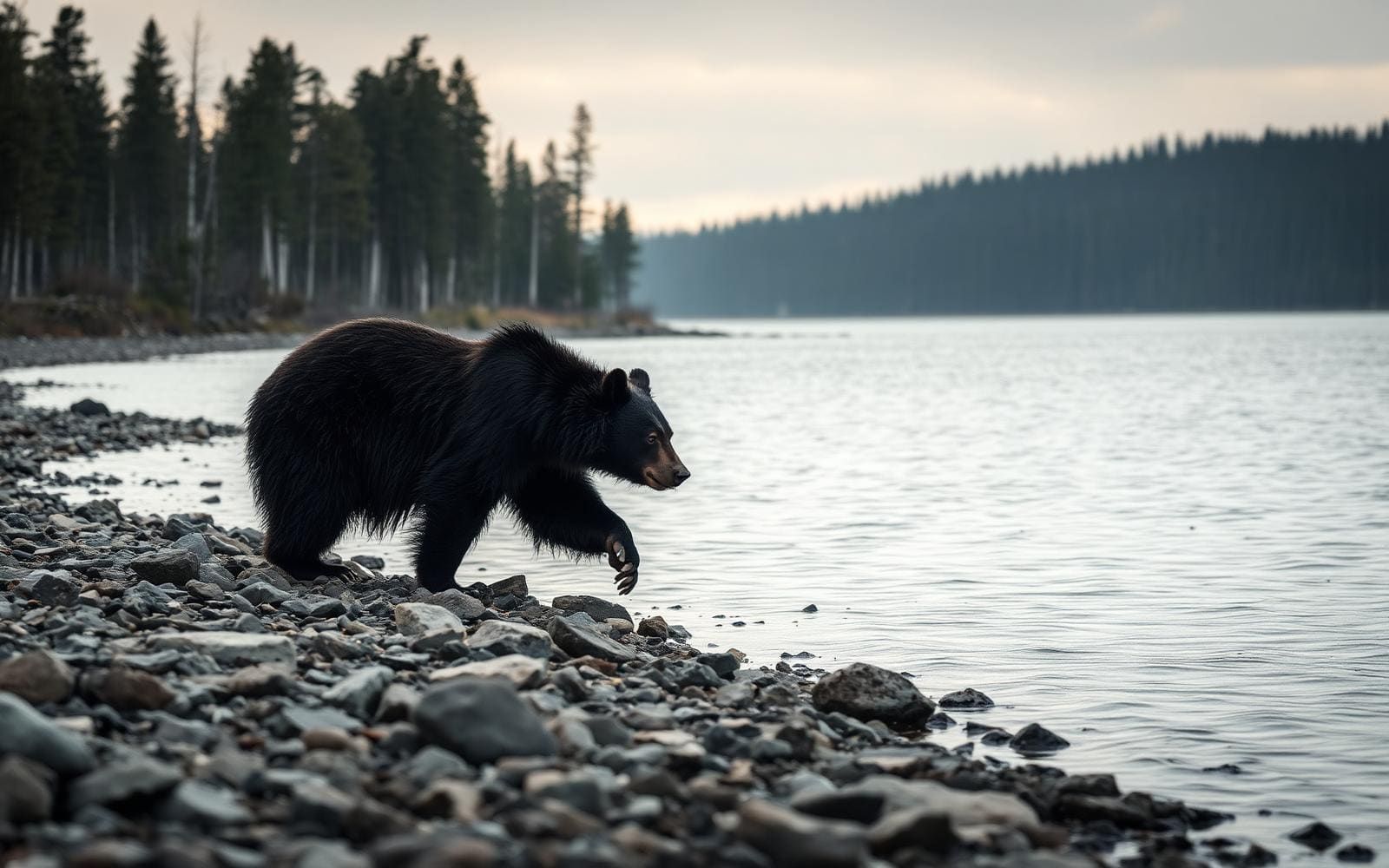
Ursus americanus
Black bear
The most widespread bear in North America — a shy, food-driven opportunist you will absolutely share the woods with.
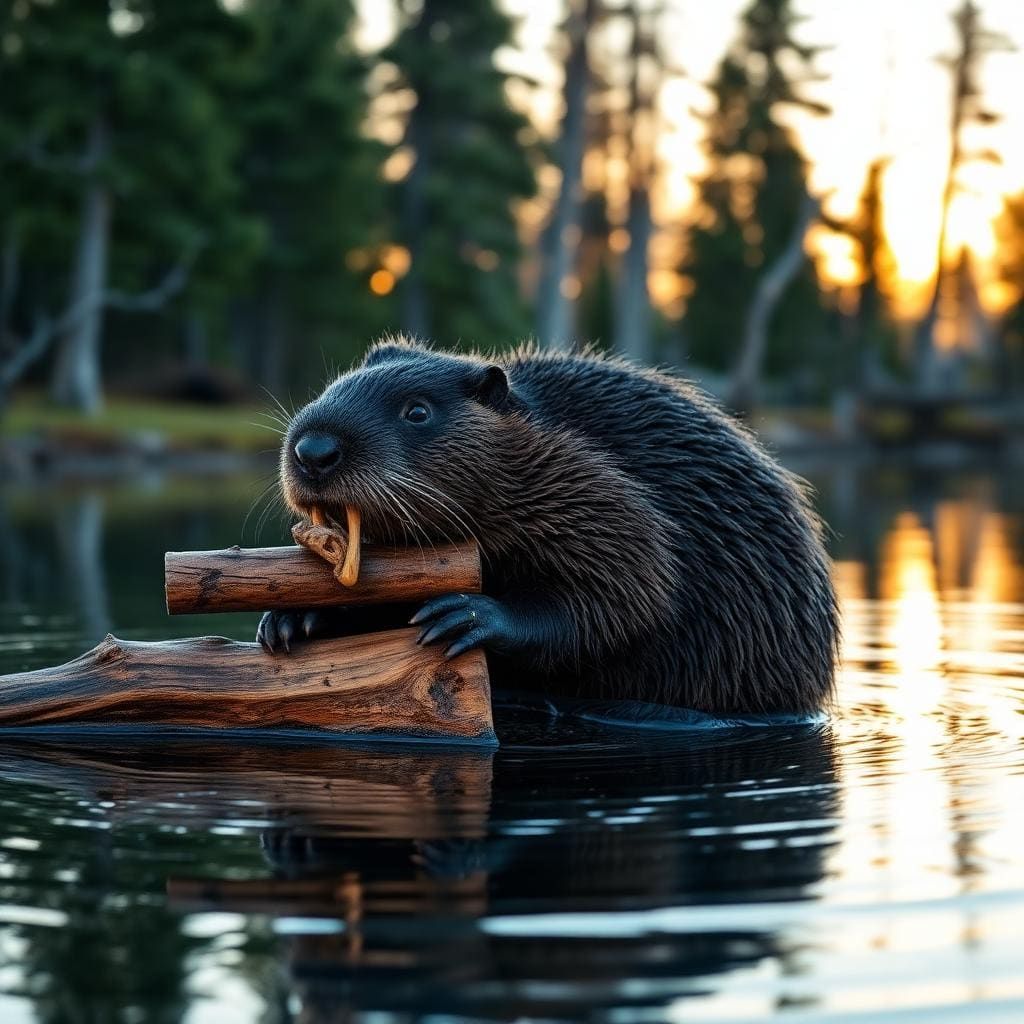
Castor canadensis
North American beaver
The ecosystem engineer — floods valleys, builds fish habitat, feeds moose, and quietly makes the country wetter, cooler, and more resilient.
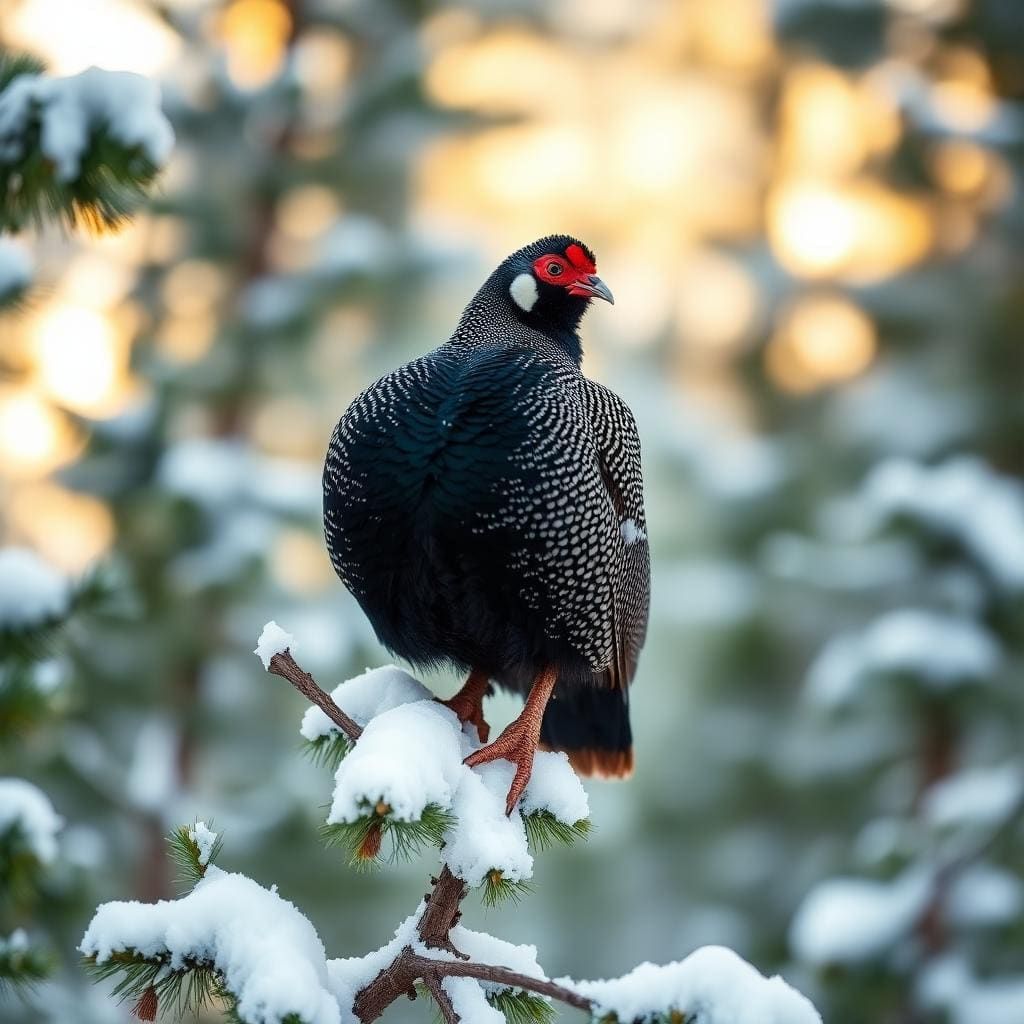
Falcipennis canadensis
Spruce grouse
The fool hen — a chicken-of-the-woods so tame it walks past you, and one of the most reliable survival proteins in the boreal.
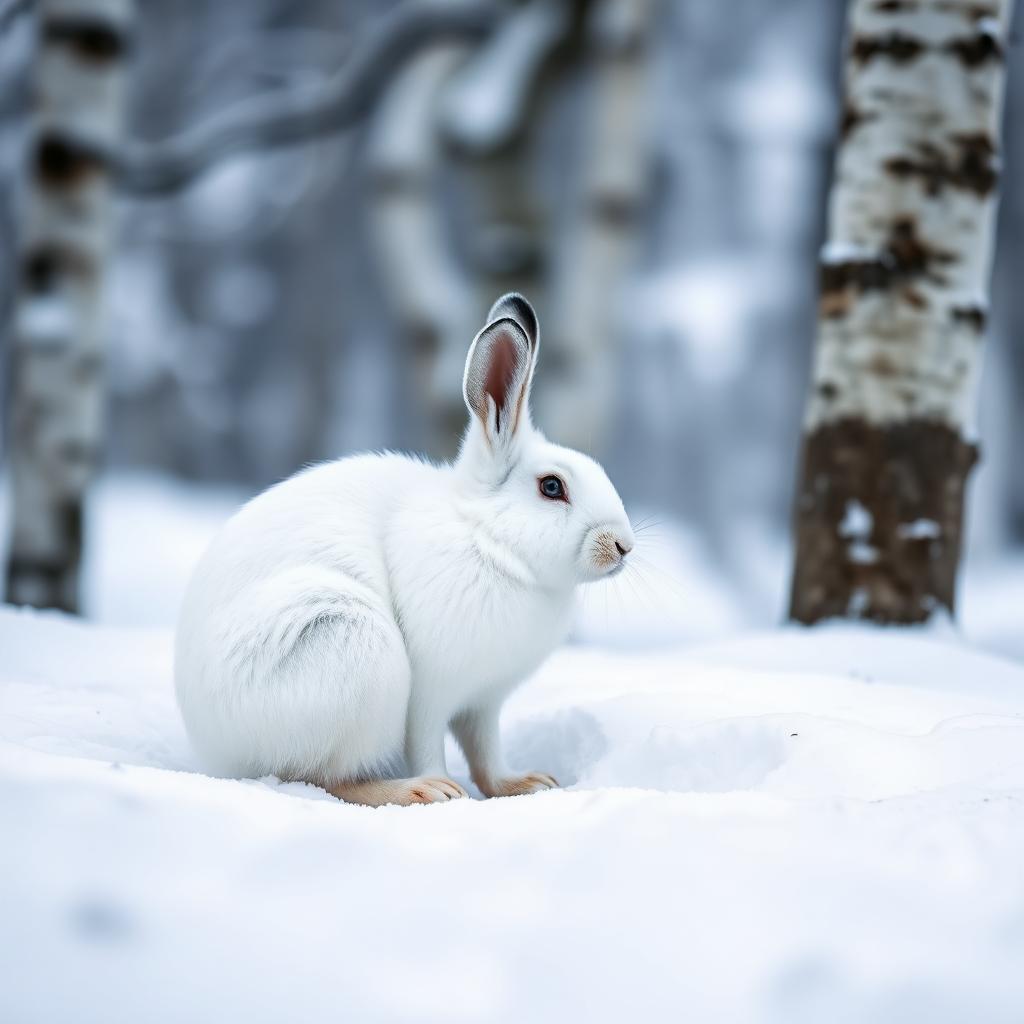
Lepus americanus
Snowshoe hare
The keystone rodent-shaped animal of the boreal — feeds lynx, fisher, marten, owl, fox, and coyote, and turns pure white when the snow arrives.
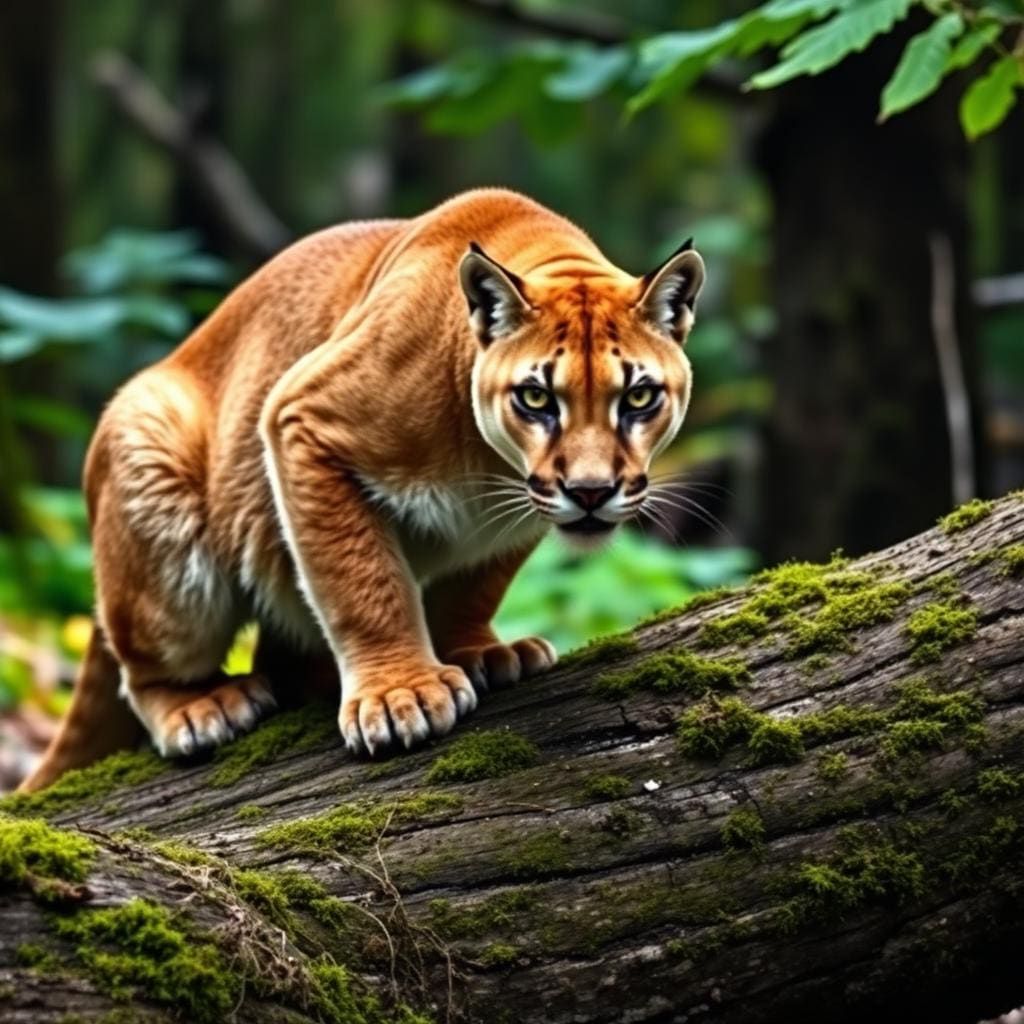 Predator
Puma concolor
Cougar
The silent apex of Vancouver Island, Chilko, and Patagonia — an ambush cat that watches you long before you know it exists.
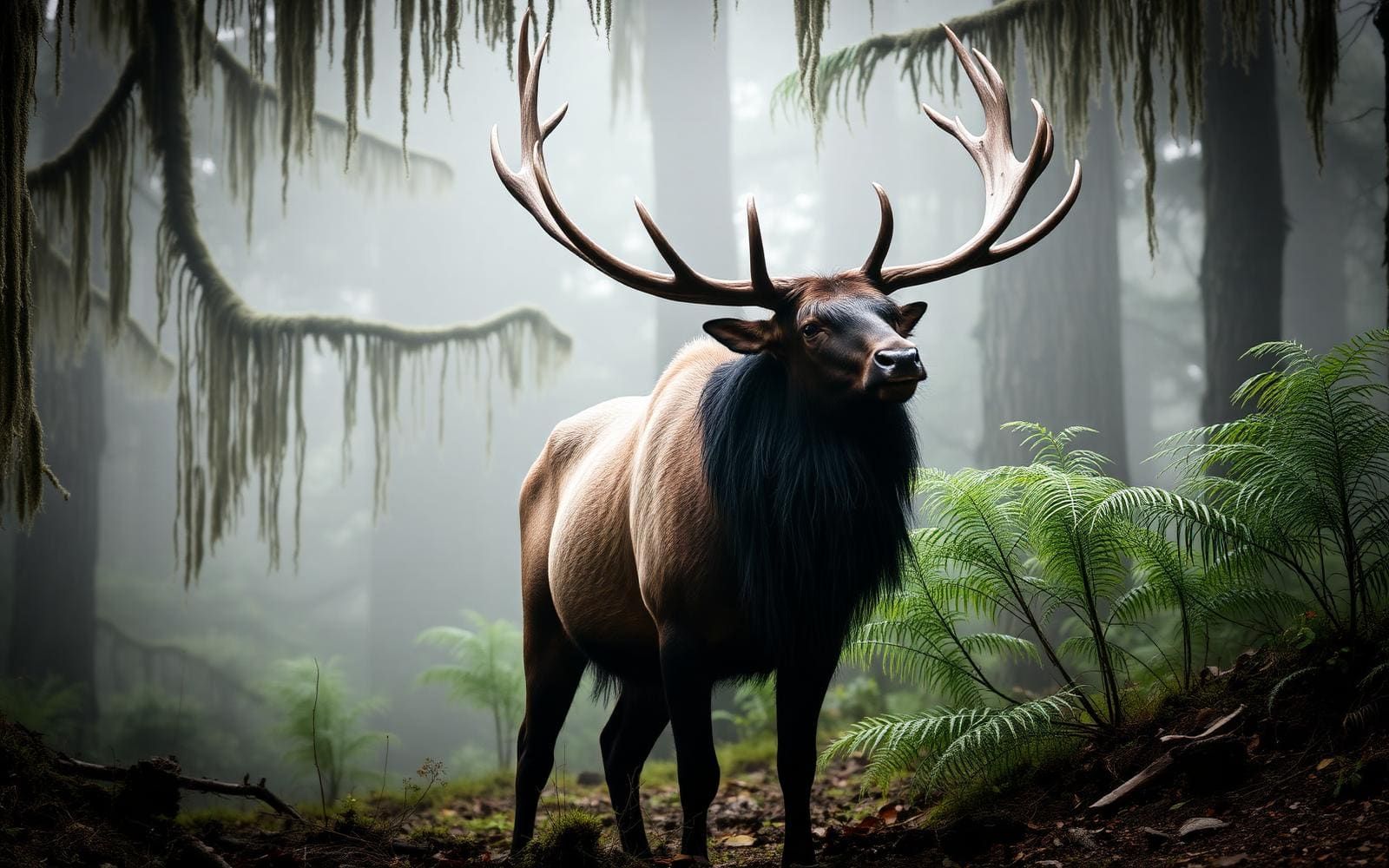 Large mammal
Cervus canadensis roosevelti
Roosevelt elk
The largest elk subspecies in North America — a rainforest specialist bigger than a Rocky Mountain bull and unique to Vancouver Island's old-growth.
Patagonia (S3)
Argentina & Chile · South America
Andean foothills — puma is the apex; no venomous snakes of concern.
- Predator
Puma concolor
Cougar
The silent apex of Vancouver Island, Chilko, and Patagonia — an ambush cat that watches you long before you know it exists.
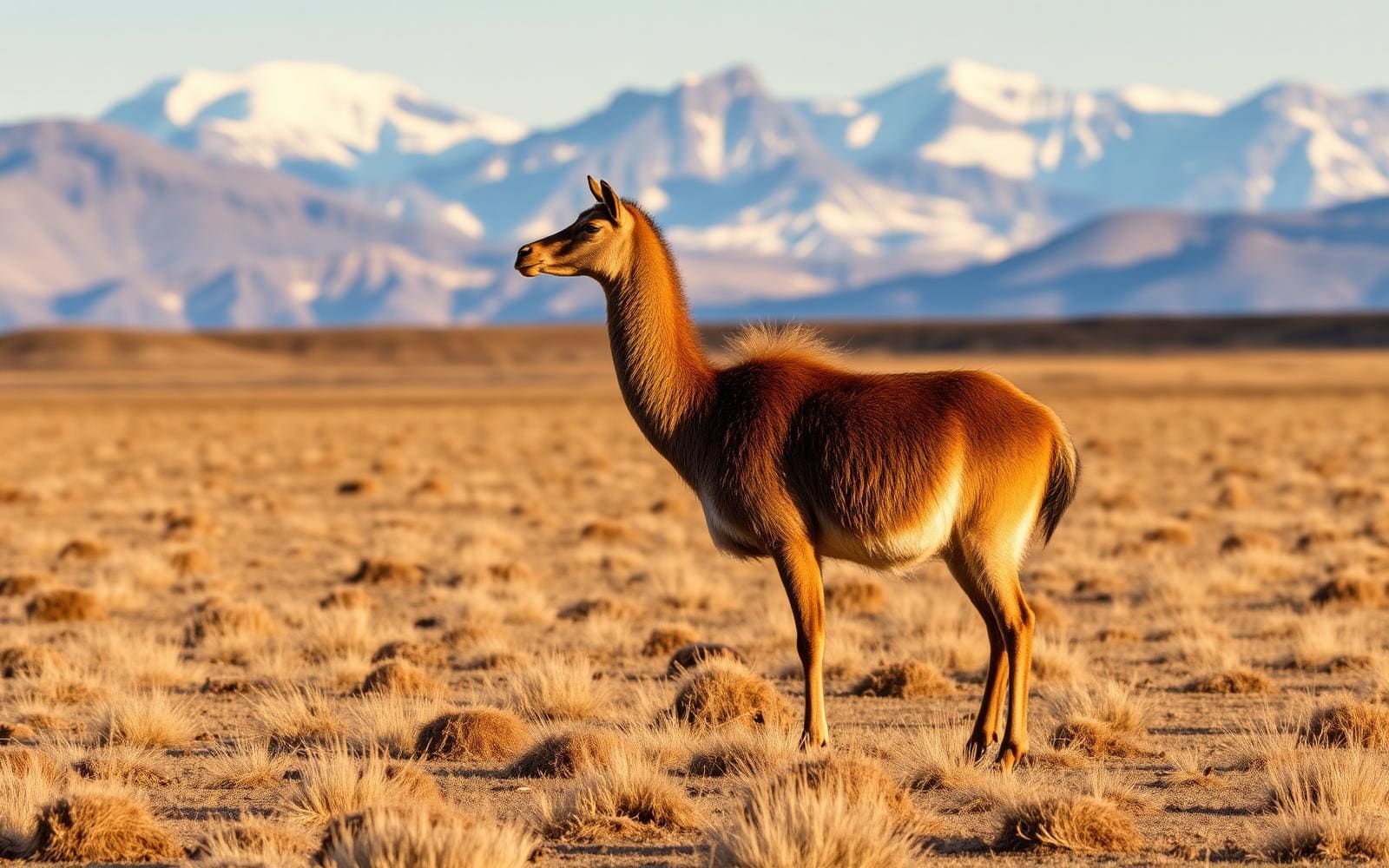 Large mammal
Lama guanicoe
Guanaco
The wild ancestor of the llama and Patagonia's dominant large herbivore — the puma's main prey and the animal you'll see most in open country.
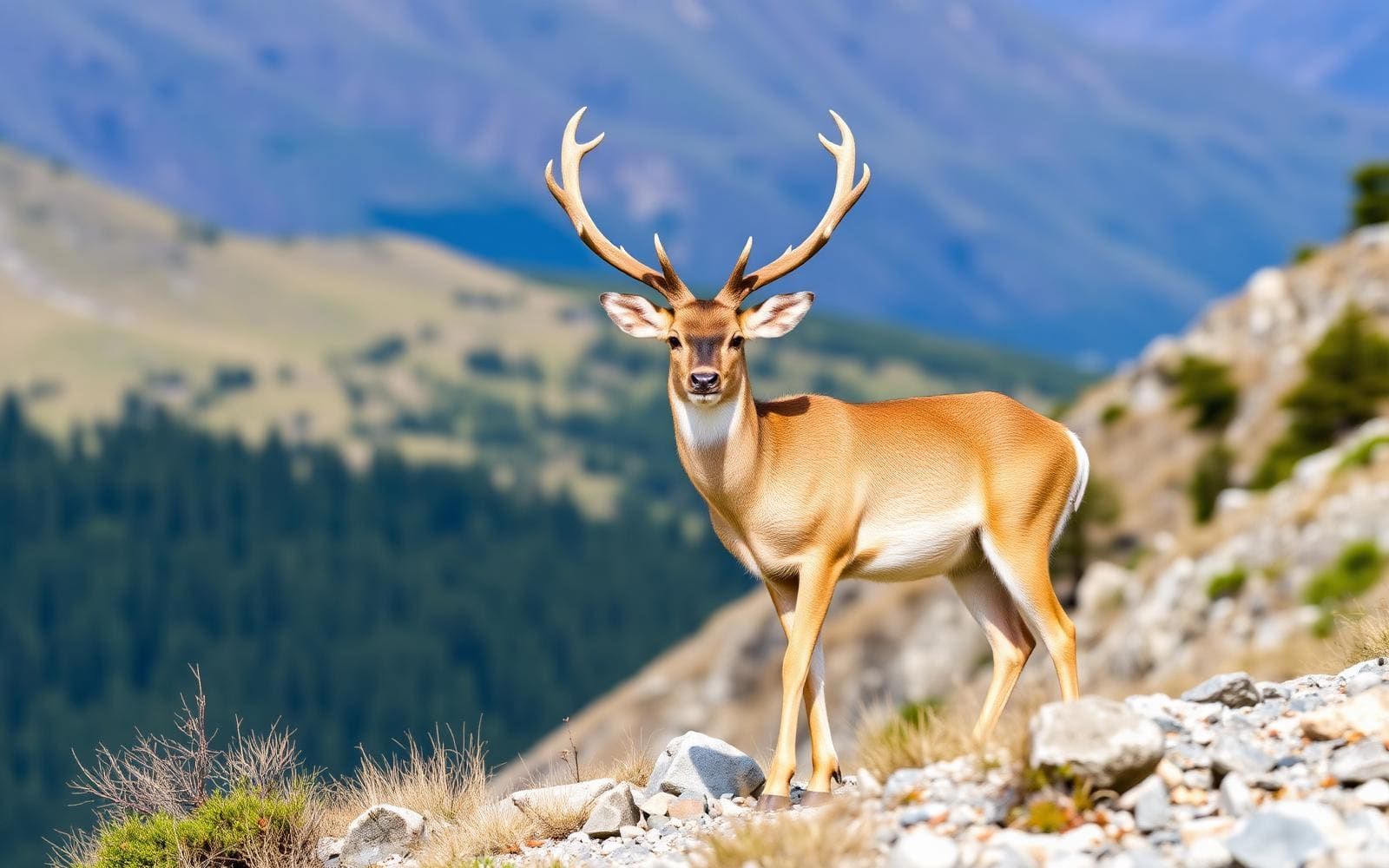 Large mammal
Hippocamelus bisulcus
Huemul
The endangered mountain deer on Chile's national coat of arms — a stocky, cliff-adapted browser that most travelers pass without seeing.
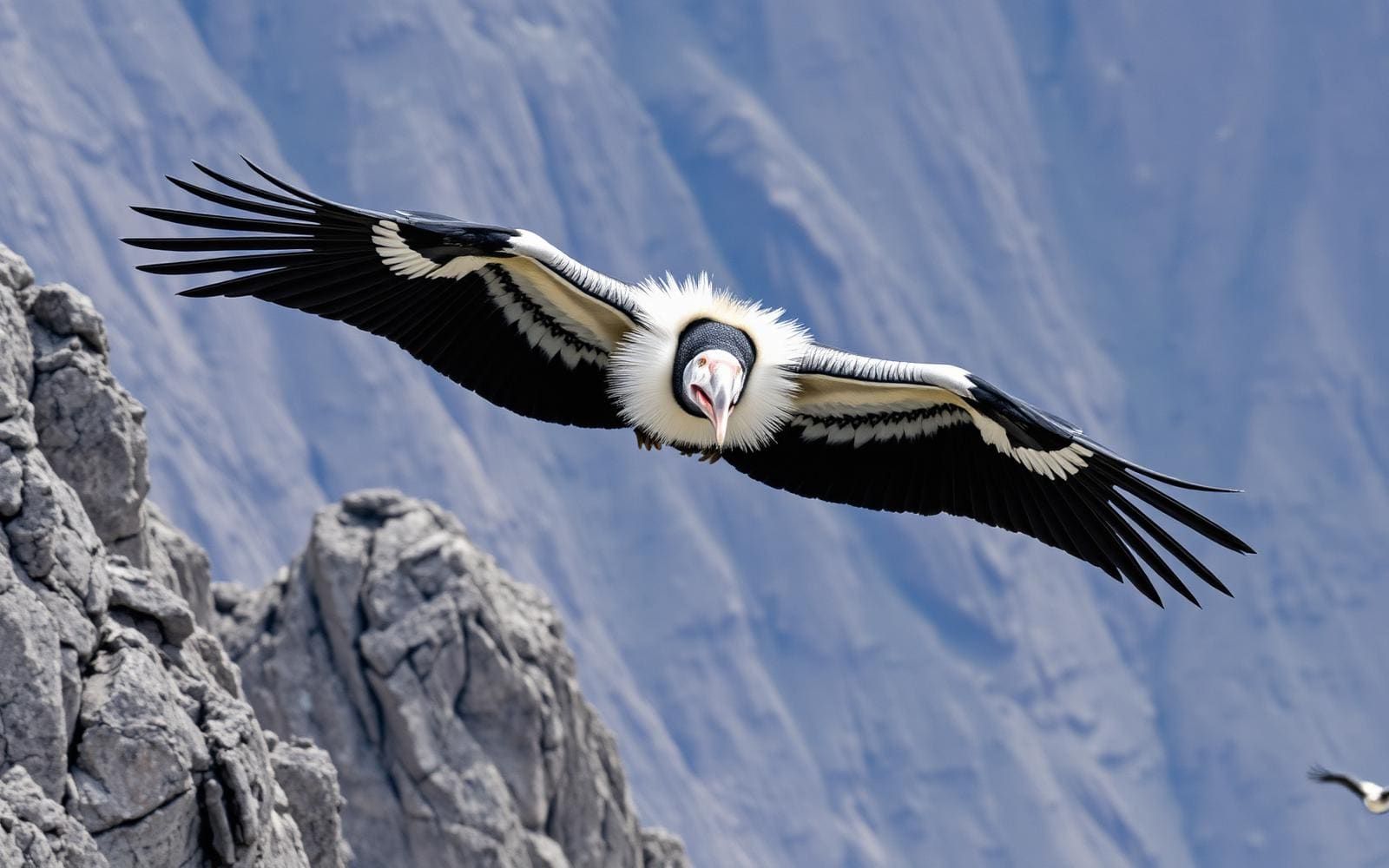 Scavenger
Vultur gryphus
Andean condor
The largest flying bird on Earth by combined weight and wingspan — a soaring scavenger you'll spot before you know it's there.
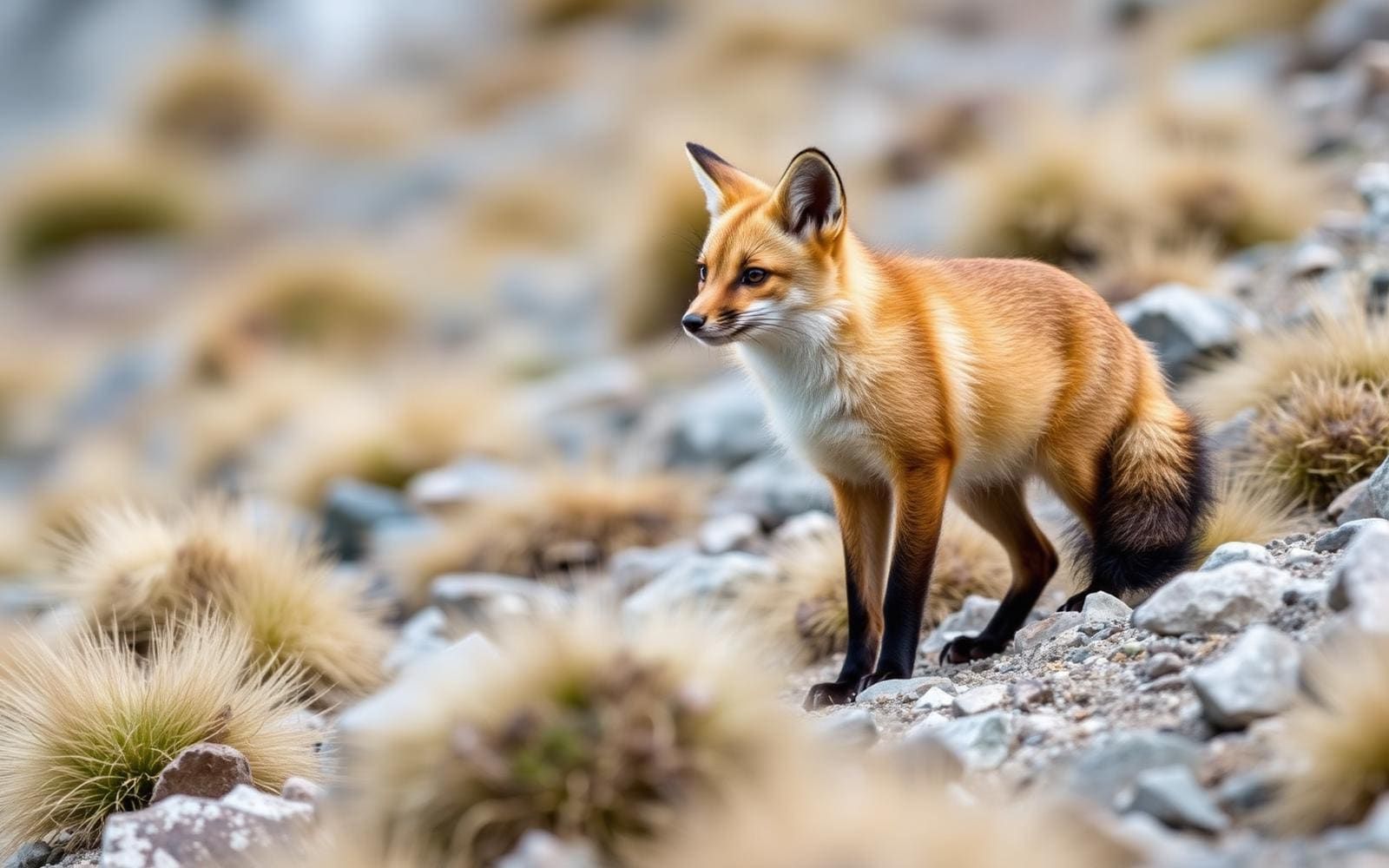 Predator
Lycalopex culpaeus
Culpeo
Patagonia's largest fox — a mid-sized predator that fills a coyote-shaped niche where no wolves or coyotes ever evolved.
Mongolia (S5)
Mongolia · Asia
Steppe and taiga edge — snow leopard, Siberian wolf, brown bear.
- Predator
Canis lupus
Timber wolf
The apex canid of the boreal — travels far, kills big, teaches everything else in the forest to move quietly.
- Predator
Gulo gulo
Wolverine
The largest land weasel — small on the scale, huge on attitude, unmatched at moving through wild snow country.
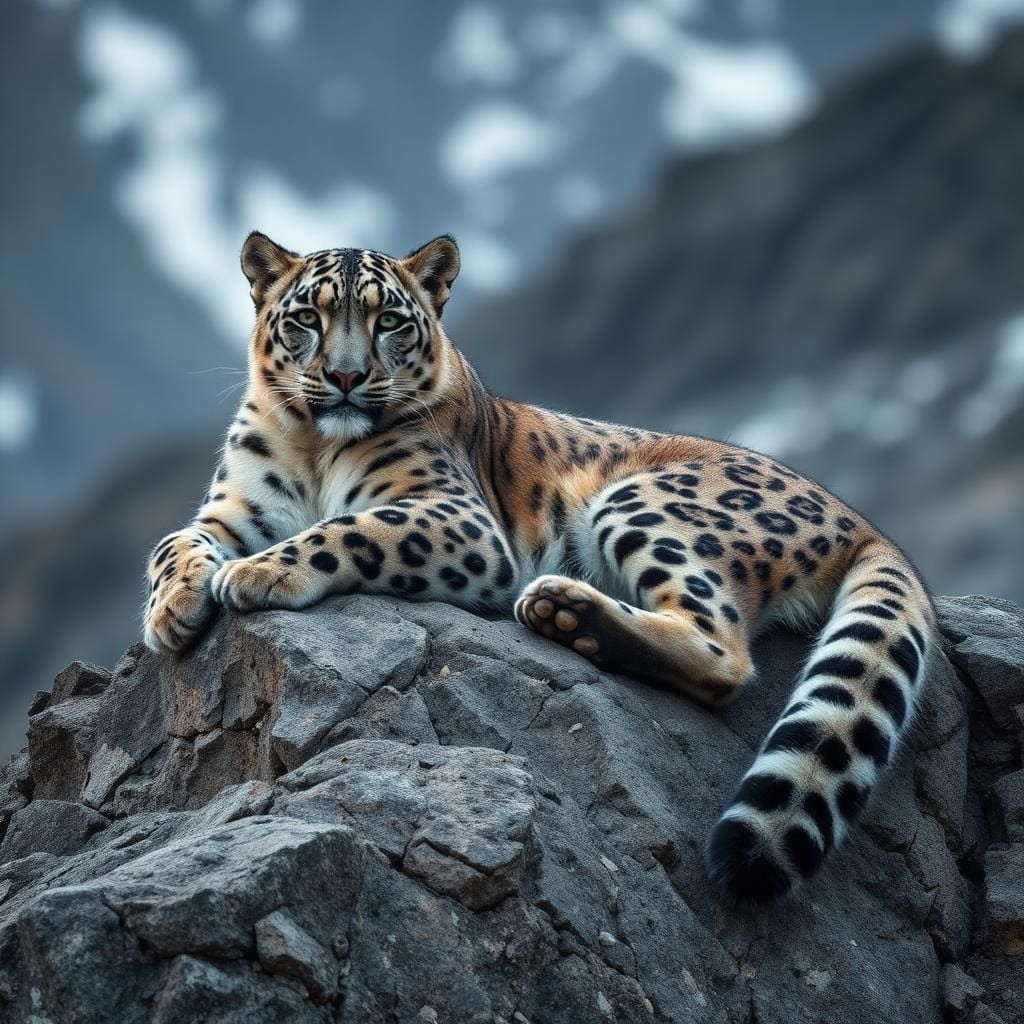 Predator
Panthera uncia
Snow leopard
The ghost of the Mongolian Altai — an ambush cat you will almost certainly never see, but whose sign shapes the ridgelines you cross.
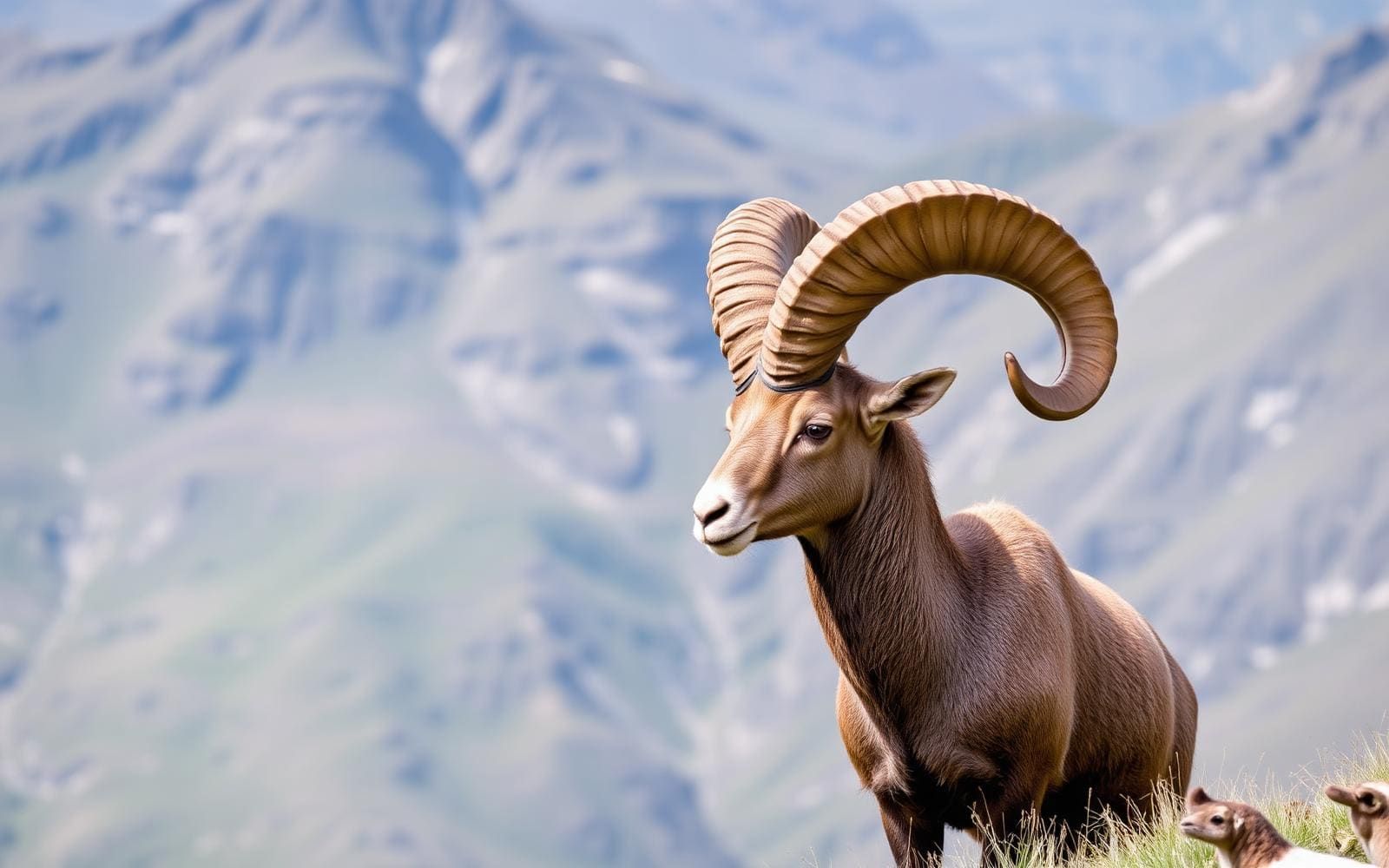 Large mammal
Ovis ammon
Argali
The largest wild sheep on Earth — a Mongolian mountain giant whose curled horns can weigh as much as a whole mule deer.
 Large mammal
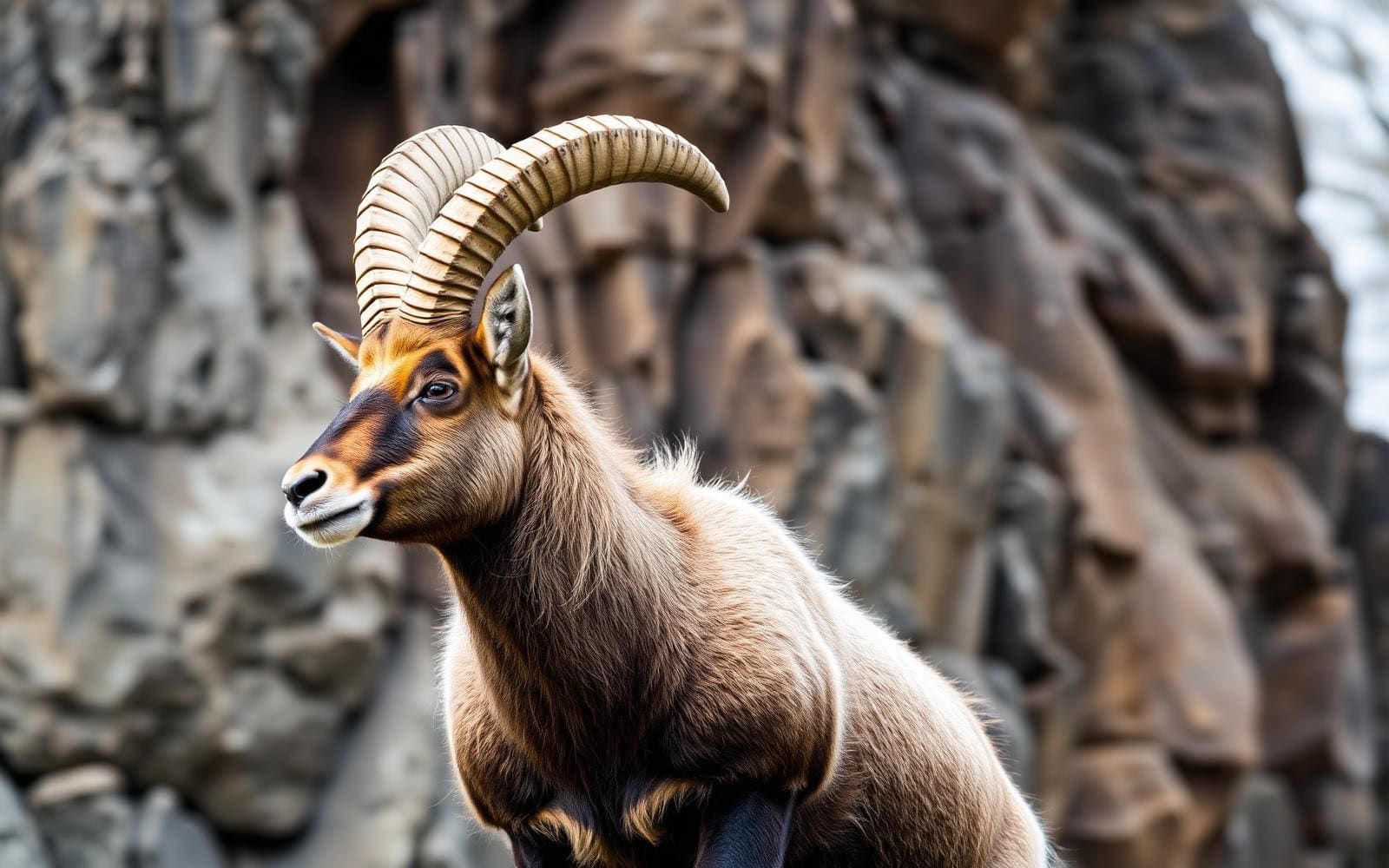
Capra sibirica
Siberian ibex
The cliff-dwelling wild goat of the Altai — snow leopard's other main prey and the only ungulate that goes higher than argali.
 Predator
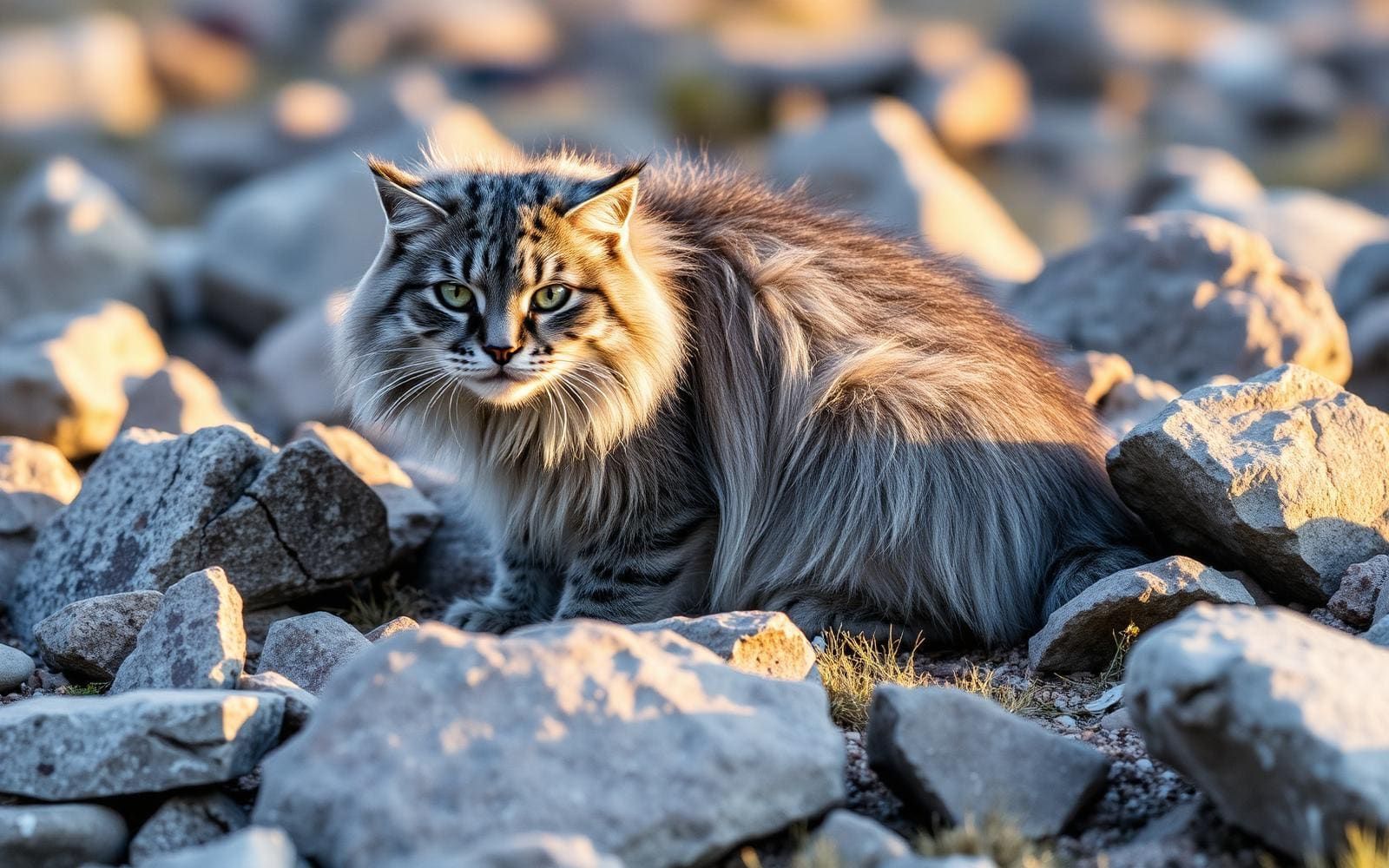
Otocolobus manul
Pallas's cat
The grumpiest small cat in Asia — an ambush hunter the size of a house cat with the fur of a small bear.
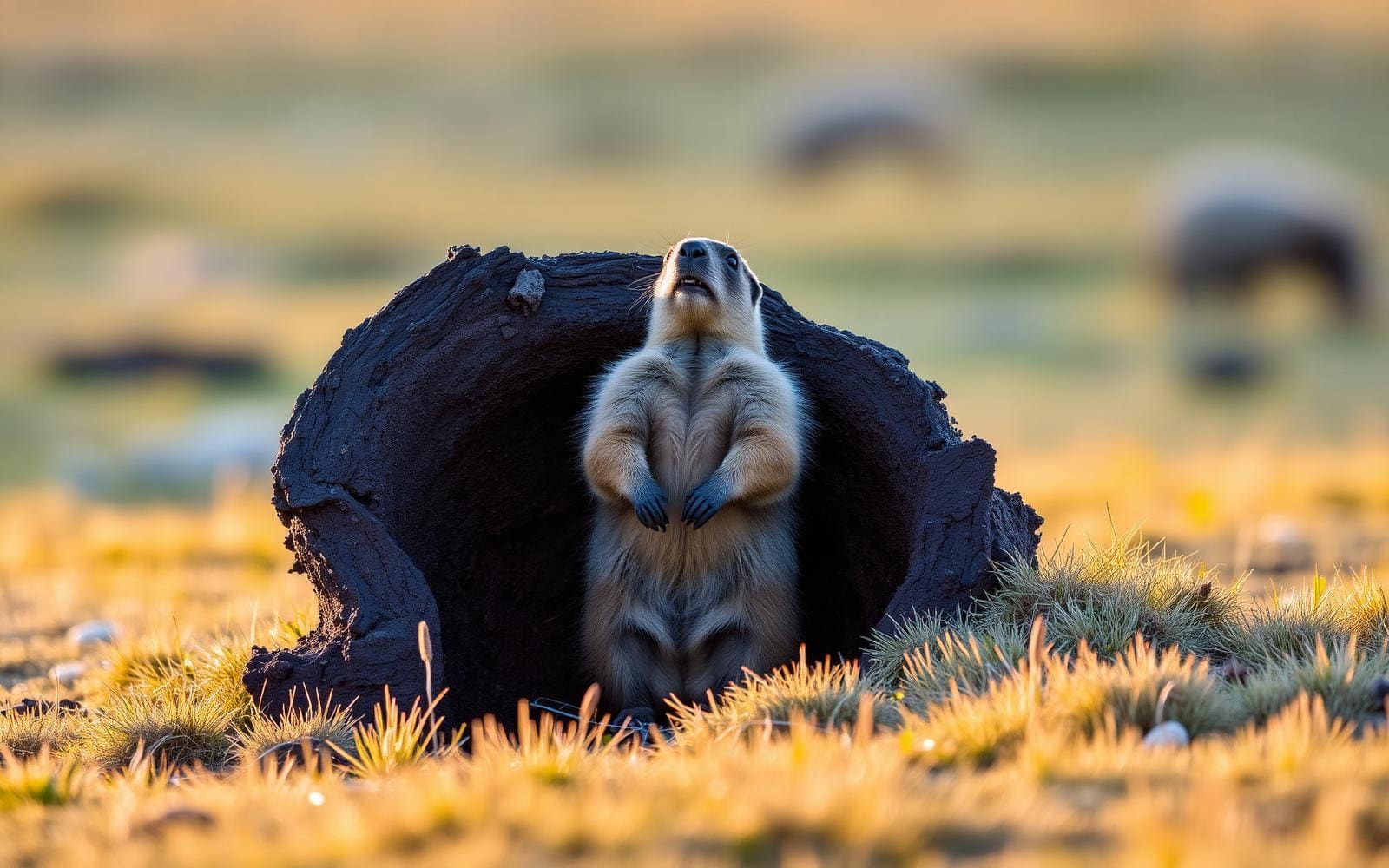
Marmota sibirica
Tarbagan marmot
The staple small game of the Mongolian steppe — the marmot whose burrows shelter Pallas's cats and whose whistle warns everything else there is a raptor overhead.
Great Slave Lake / Frozen (S6–S7, Frozen)
Canada · North America
Sub-arctic — wolves, wolverine, muskox, occasional polar bear on the coast.
- Predator
Canis lupus
Timber wolf
The apex canid of the boreal — travels far, kills big, teaches everything else in the forest to move quietly.
- Predator
Lynx canadensis
Canada lynx
A silent specialist tied to one prey species and one landscape — dense spruce, deep snow, and snowshoe hare.
- Predator
Ursus americanus
Black bear
The most widespread bear in North America — a shy, food-driven opportunist you will absolutely share the woods with.
- Predator
Ursus arctos horribilis
Grizzly bear
The North American brown bear — bigger, more open-country, and a whole different response protocol than a black bear.
- Predator
Gulo gulo
Wolverine
The largest land weasel — small on the scale, huge on attitude, unmatched at moving through wild snow country.
 Large mammal
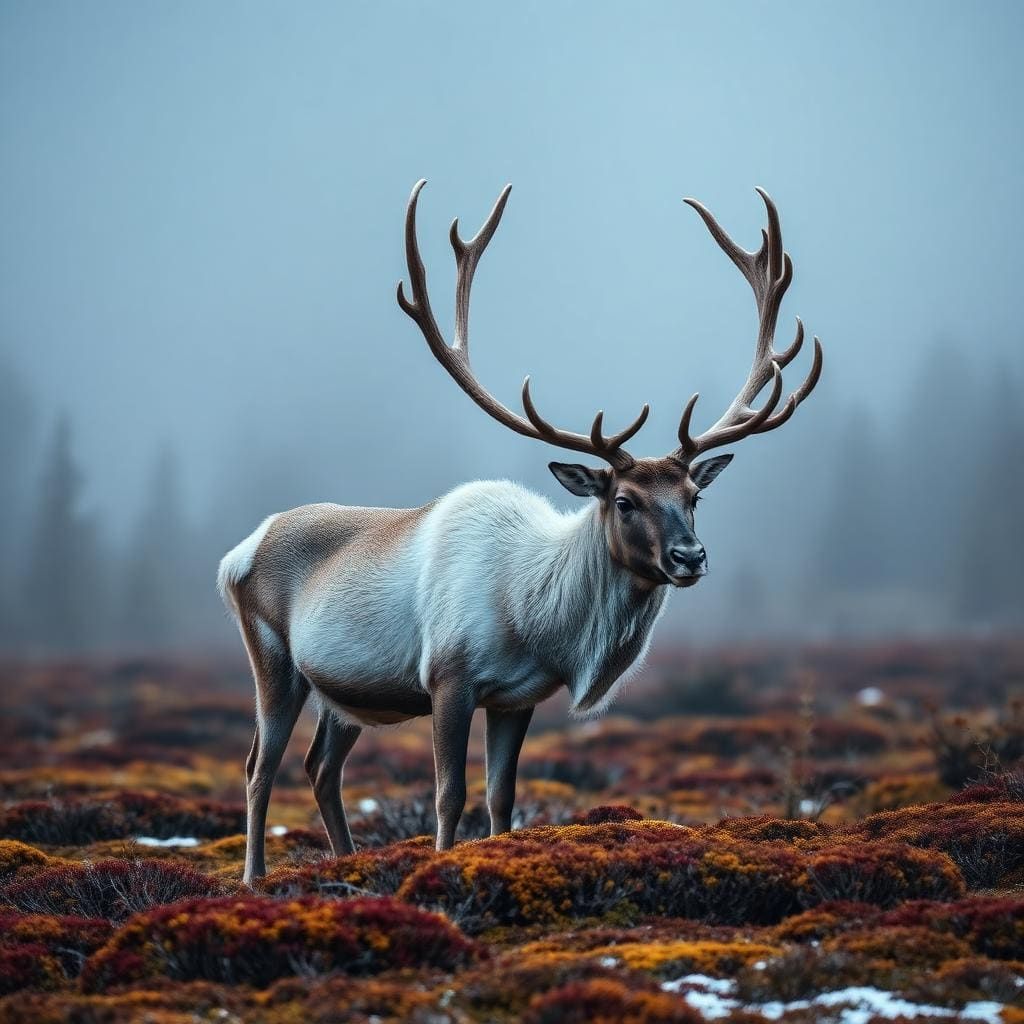
Rangifer tarandus caribou
Woodland caribou
The boreal cousin of tundra caribou — a lichen-eating, old-growth specialist and one of the most imperiled large mammals on the continent.
Castor canadensis
North American beaver
The ecosystem engineer — floods valleys, builds fish habitat, feeds moose, and quietly makes the country wetter, cooler, and more resilient.
Falcipennis canadensis
Spruce grouse
The fool hen — a chicken-of-the-woods so tame it walks past you, and one of the most reliable survival proteins in the boreal.
Lepus americanus
Snowshoe hare
The keystone rodent-shaped animal of the boreal — feeds lynx, fisher, marten, owl, fox, and coyote, and turns pure white when the snow arrives.
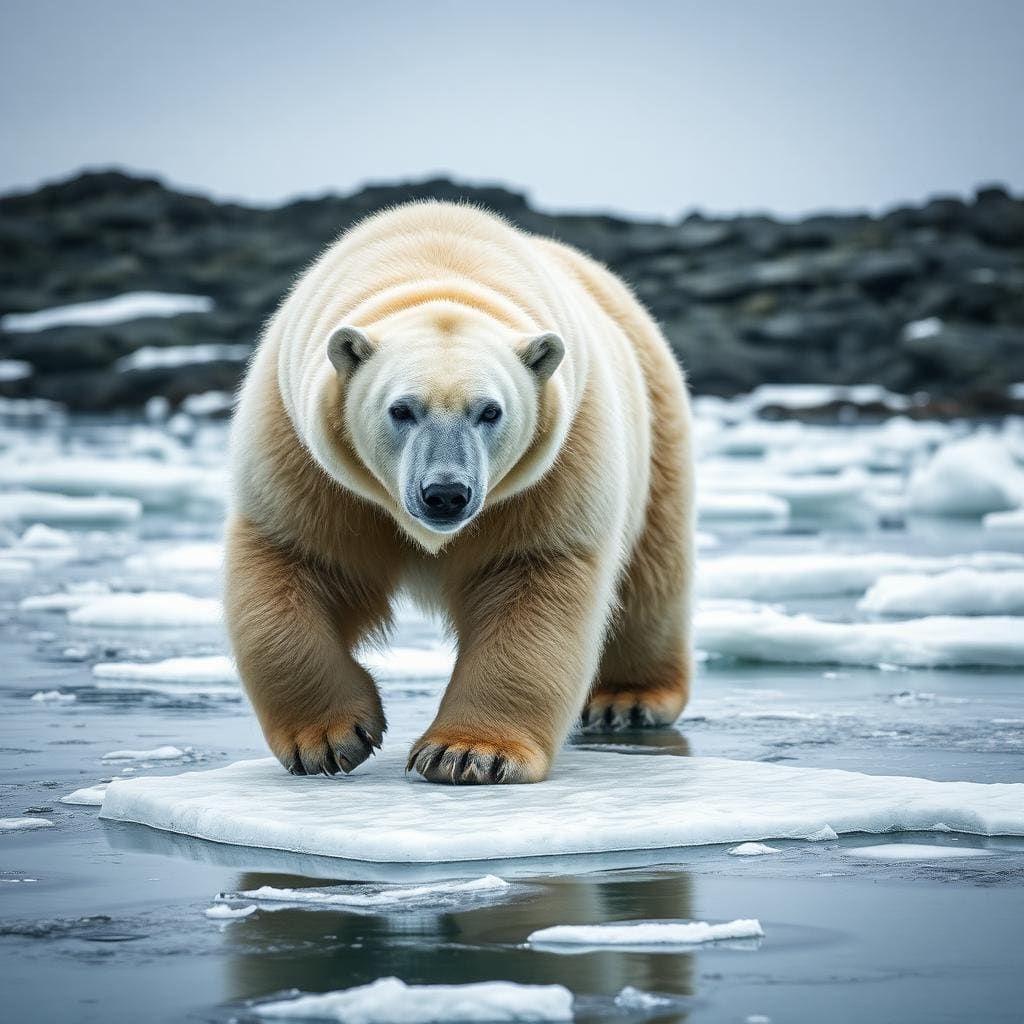 Predator
Ursus maritimus
Polar bear
The only bear on Earth that treats humans as legitimate prey — the reason Labrador and Frozen crews carry a rifle to the shoreline.
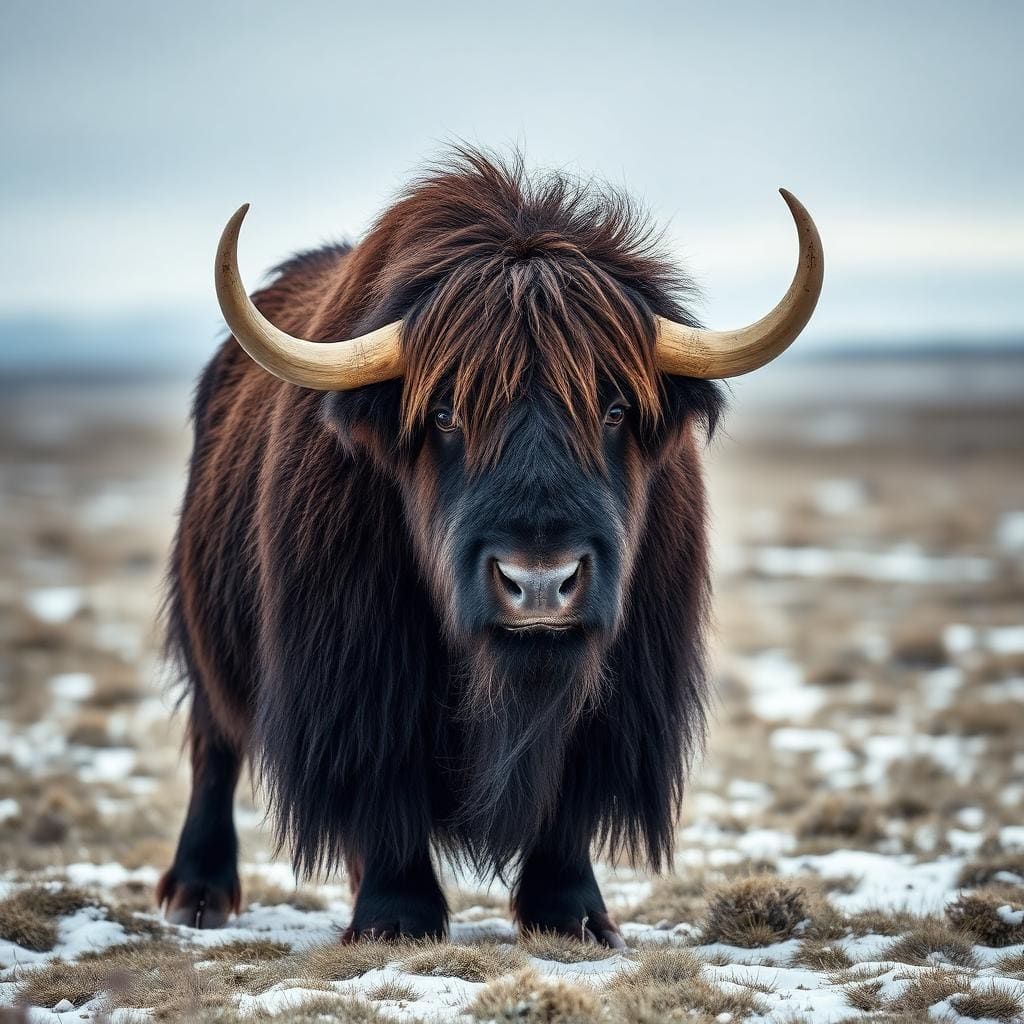 Large mammal
Ovibos moschatus
Muskox
A shaggy 800-pound relic of the Pleistocene — usually indifferent, but a defensive bull can flatten a tent and everything in it.
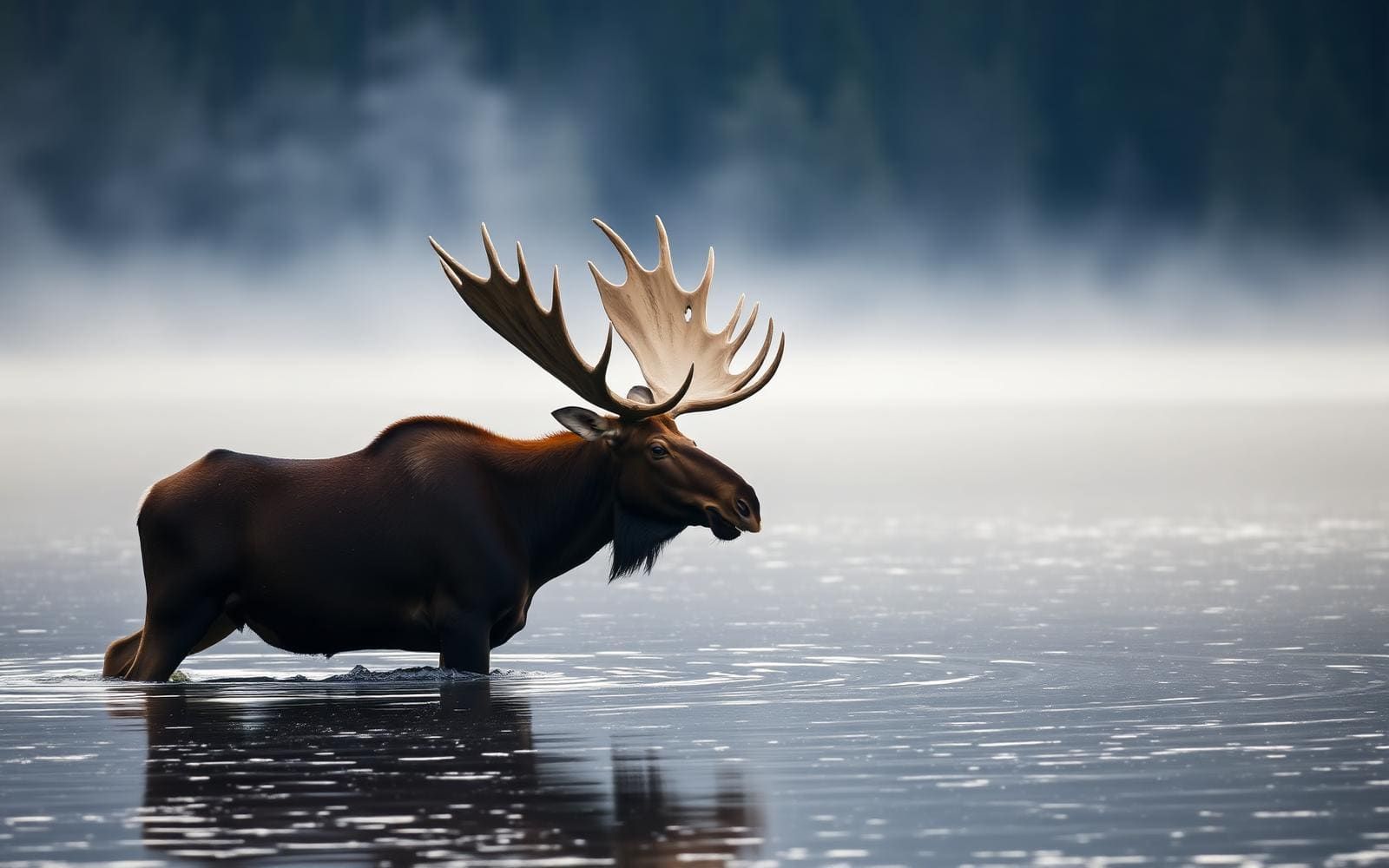 Large mammal
Alces alces
Moose
The largest deer on Earth — a 1,000-pound answer to every question about protein, danger, and river crossings in the boreal.
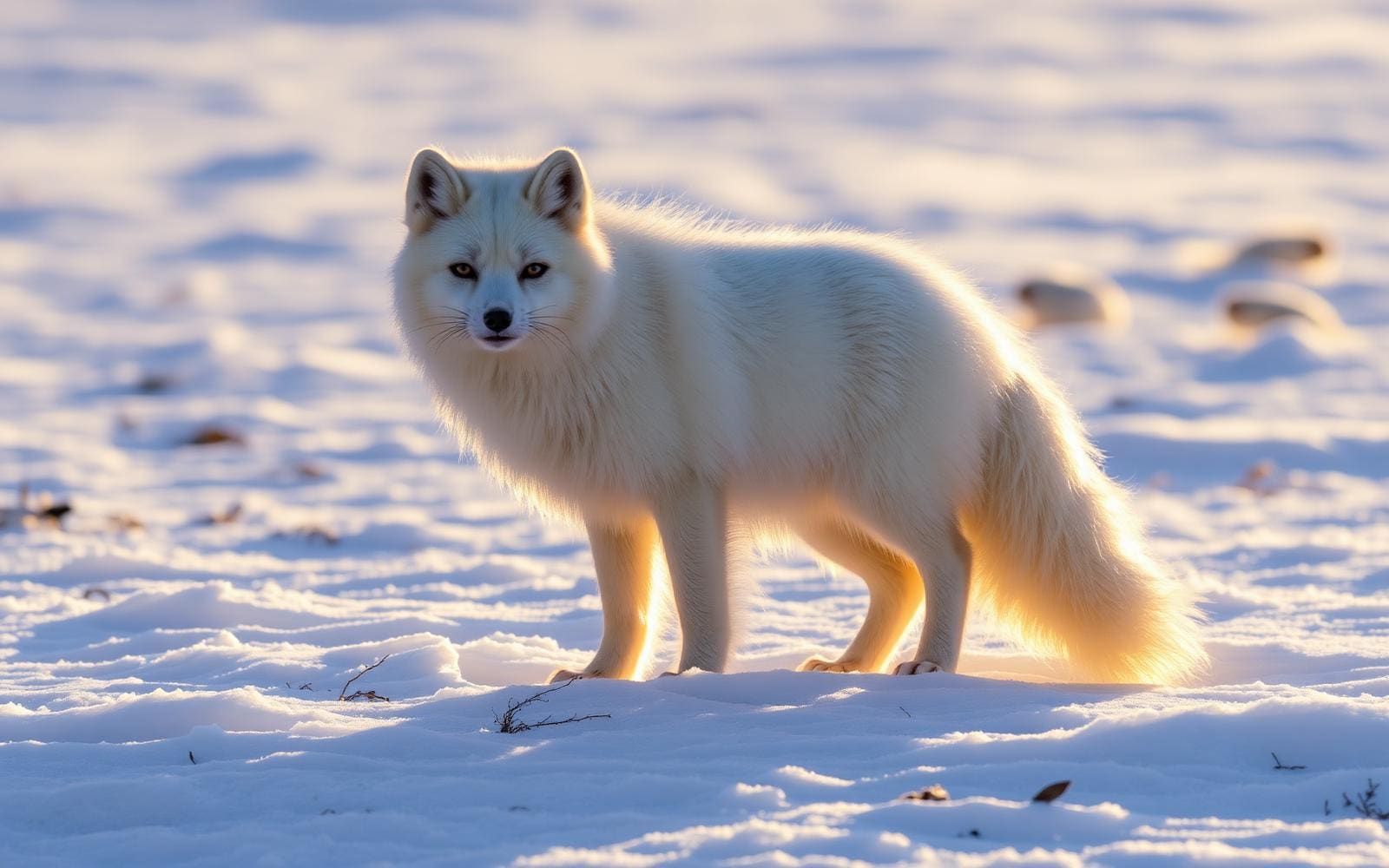 Predator
Vulpes lagopus
Arctic fox
A small tundra predator with the warmest fur of any mammal — often the last carnivore working a carcass after the polar bear has left.
Chilko Lake, BC (S8)
Canada · North America
Interior BC mountains — grizzly, cougar, wolves at elevation.
- Predator
Canis lupus
Timber wolf
The apex canid of the boreal — travels far, kills big, teaches everything else in the forest to move quietly.
- Predator
Lynx canadensis
Canada lynx
A silent specialist tied to one prey species and one landscape — dense spruce, deep snow, and snowshoe hare.
- Predator
Ursus americanus
Black bear
The most widespread bear in North America — a shy, food-driven opportunist you will absolutely share the woods with.
- Predator
Ursus arctos horribilis
Grizzly bear
The North American brown bear — bigger, more open-country, and a whole different response protocol than a black bear.
- Predator
Gulo gulo
Wolverine
The largest land weasel — small on the scale, huge on attitude, unmatched at moving through wild snow country.
Castor canadensis
North American beaver
The ecosystem engineer — floods valleys, builds fish habitat, feeds moose, and quietly makes the country wetter, cooler, and more resilient.
Falcipennis canadensis
Spruce grouse
The fool hen — a chicken-of-the-woods so tame it walks past you, and one of the most reliable survival proteins in the boreal.
Lepus americanus
Snowshoe hare
The keystone rodent-shaped animal of the boreal — feeds lynx, fisher, marten, owl, fox, and coyote, and turns pure white when the snow arrives.
- Predator
Puma concolor
Cougar
The silent apex of Vancouver Island, Chilko, and Patagonia — an ambush cat that watches you long before you know it exists.
- Large mammal
Alces alces
Moose
The largest deer on Earth — a 1,000-pound answer to every question about protein, danger, and river crossings in the boreal.
 Large mammal
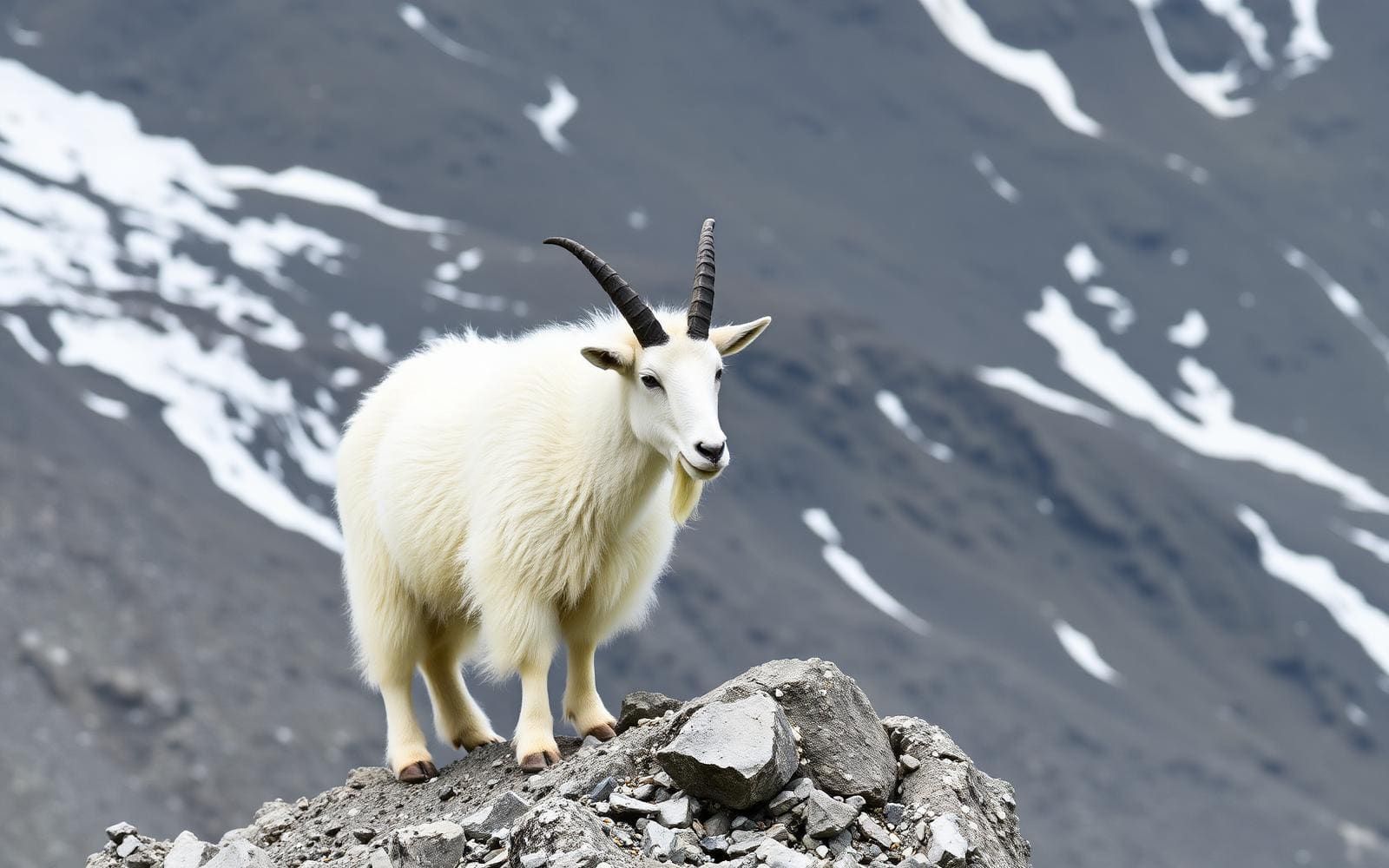
Oreamnos americanus
Mountain goat
A cliff-adapted alpine specialist — not a true goat, and one of the few large mammals more sure-footed than a cougar on wet rock.
Labrador (S9)
Canada · North America
Sub-arctic coast — black bear, wolves, polar bear along the shore.
- Predator
Canis lupus
Timber wolf
The apex canid of the boreal — travels far, kills big, teaches everything else in the forest to move quietly.
- Predator
Lynx canadensis
Canada lynx
A silent specialist tied to one prey species and one landscape — dense spruce, deep snow, and snowshoe hare.
- Predator
Ursus americanus
Black bear
The most widespread bear in North America — a shy, food-driven opportunist you will absolutely share the woods with.
- Predator
Gulo gulo
Wolverine
The largest land weasel — small on the scale, huge on attitude, unmatched at moving through wild snow country.
- Large mammal
Rangifer tarandus caribou
Woodland caribou
The boreal cousin of tundra caribou — a lichen-eating, old-growth specialist and one of the most imperiled large mammals on the continent.
Castor canadensis
North American beaver
The ecosystem engineer — floods valleys, builds fish habitat, feeds moose, and quietly makes the country wetter, cooler, and more resilient.
Falcipennis canadensis
Spruce grouse
The fool hen — a chicken-of-the-woods so tame it walks past you, and one of the most reliable survival proteins in the boreal.
Lepus americanus
Snowshoe hare
The keystone rodent-shaped animal of the boreal — feeds lynx, fisher, marten, owl, fox, and coyote, and turns pure white when the snow arrives.
- Predator
Ursus maritimus
Polar bear
The only bear on Earth that treats humans as legitimate prey — the reason Labrador and Frozen crews carry a rifle to the shoreline.
- Large mammal
Alces alces
Moose
The largest deer on Earth — a 1,000-pound answer to every question about protein, danger, and river crossings in the boreal.
- Predator
Vulpes lagopus
Arctic fox
A small tundra predator with the warmest fur of any mammal — often the last carnivore working a carcass after the polar bear has left.
Reindeer Lake, Sask. (S10)
Canada · North America
Boreal shield — black bear, wolves, wolverine, moose.
- Predator
Canis lupus
Timber wolf
The apex canid of the boreal — travels far, kills big, teaches everything else in the forest to move quietly.
- Predator
Lynx canadensis
Canada lynx
A silent specialist tied to one prey species and one landscape — dense spruce, deep snow, and snowshoe hare.
- Predator
Ursus americanus
Black bear
The most widespread bear in North America — a shy, food-driven opportunist you will absolutely share the woods with.
- Predator
Gulo gulo
Wolverine
The largest land weasel — small on the scale, huge on attitude, unmatched at moving through wild snow country.
- Large mammal
Rangifer tarandus caribou
Woodland caribou
The boreal cousin of tundra caribou — a lichen-eating, old-growth specialist and one of the most imperiled large mammals on the continent.
Castor canadensis
North American beaver
The ecosystem engineer — floods valleys, builds fish habitat, feeds moose, and quietly makes the country wetter, cooler, and more resilient.
Falcipennis canadensis
Spruce grouse
The fool hen — a chicken-of-the-woods so tame it walks past you, and one of the most reliable survival proteins in the boreal.
Lepus americanus
Snowshoe hare
The keystone rodent-shaped animal of the boreal — feeds lynx, fisher, marten, owl, fox, and coyote, and turns pure white when the snow arrives.
- Large mammal
Alces alces
Moose
The largest deer on Earth — a 1,000-pound answer to every question about protein, danger, and river crossings in the boreal.
Tasmania (Alone Australia)
Australia · Oceania
Cool temperate — tiger snake and Tasmanian devil are the planning problems.
 Venomous
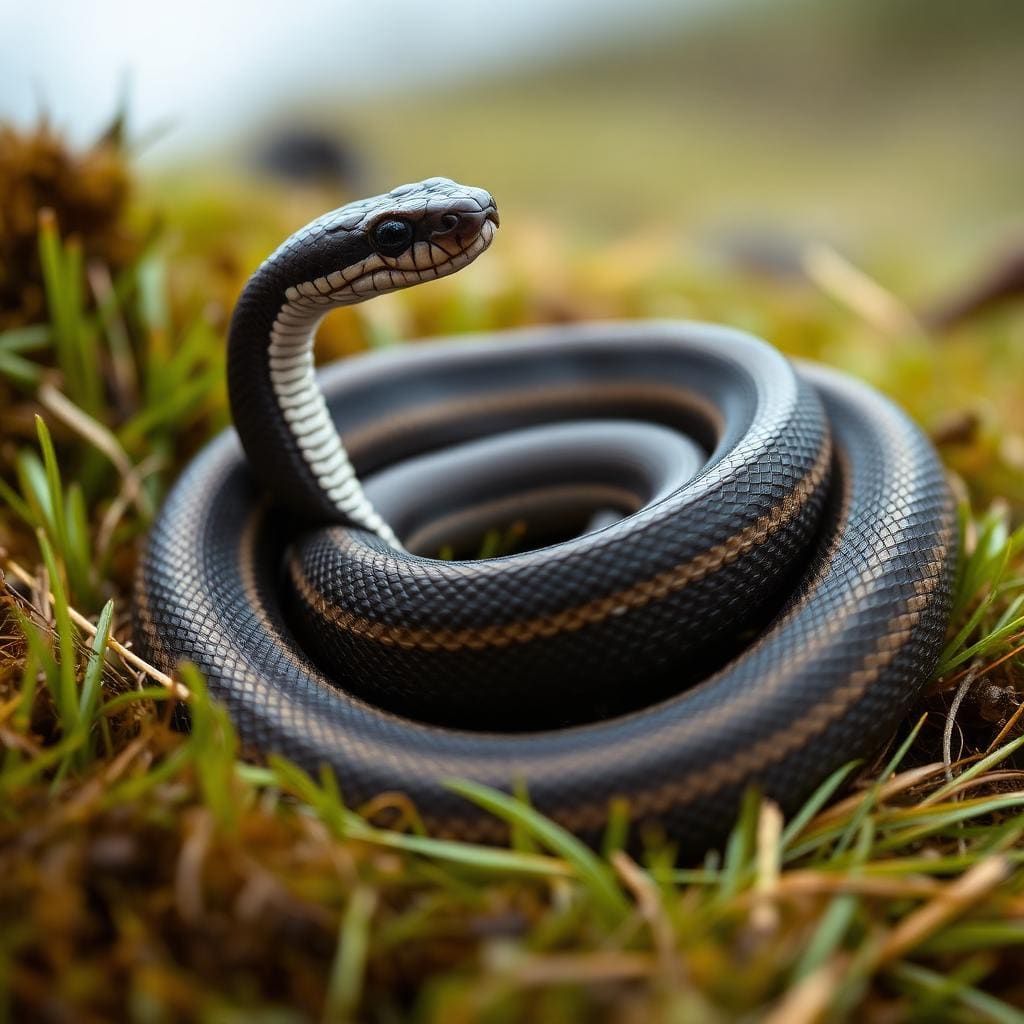
Notechis scutatus
Tiger snake
Tasmania's most medically significant snake — highly neurotoxic venom, willing to stand its ground on cool days near water.
 Scavenger
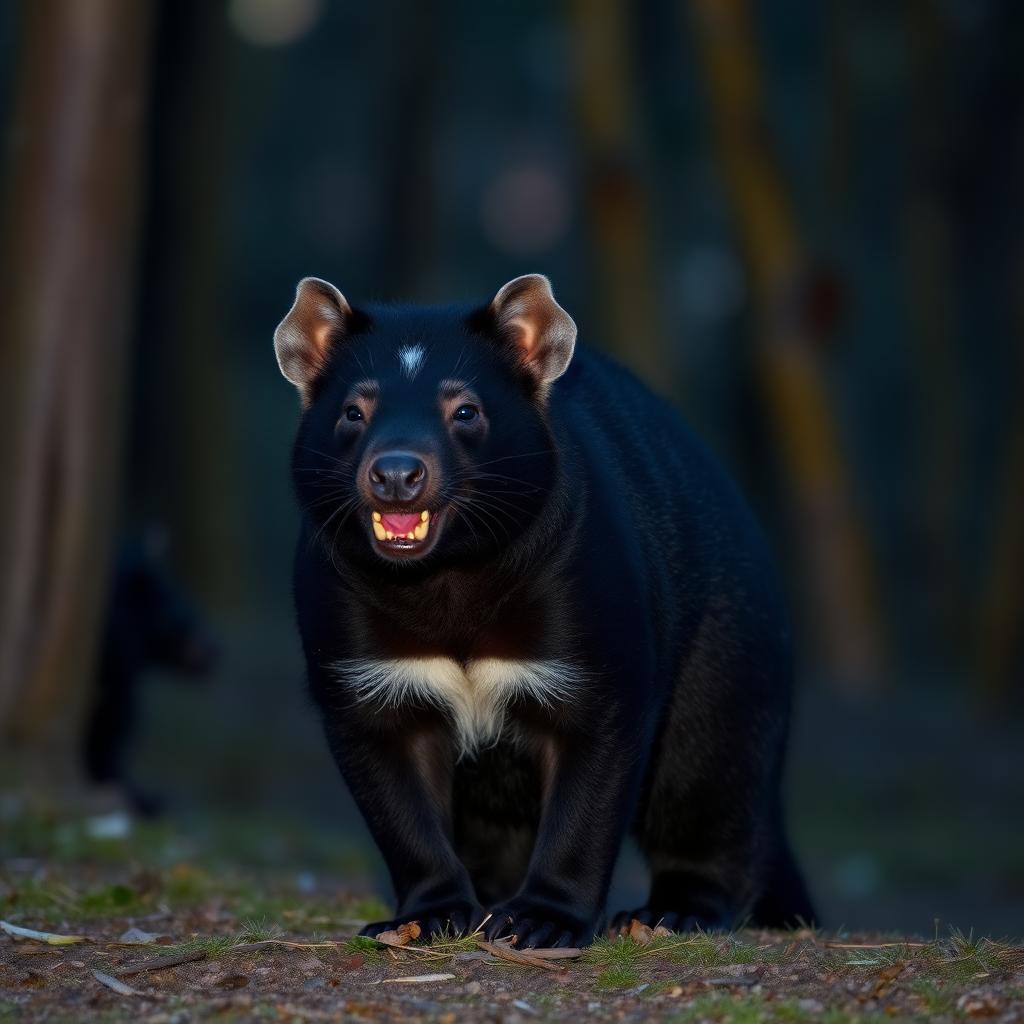
Sarcophilus harrisii
Tasmanian devil
A stocky nocturnal scavenger with the strongest bite-per-body-mass of any living mammal — a nuisance to food caches, not a threat to people.
 Large mammal
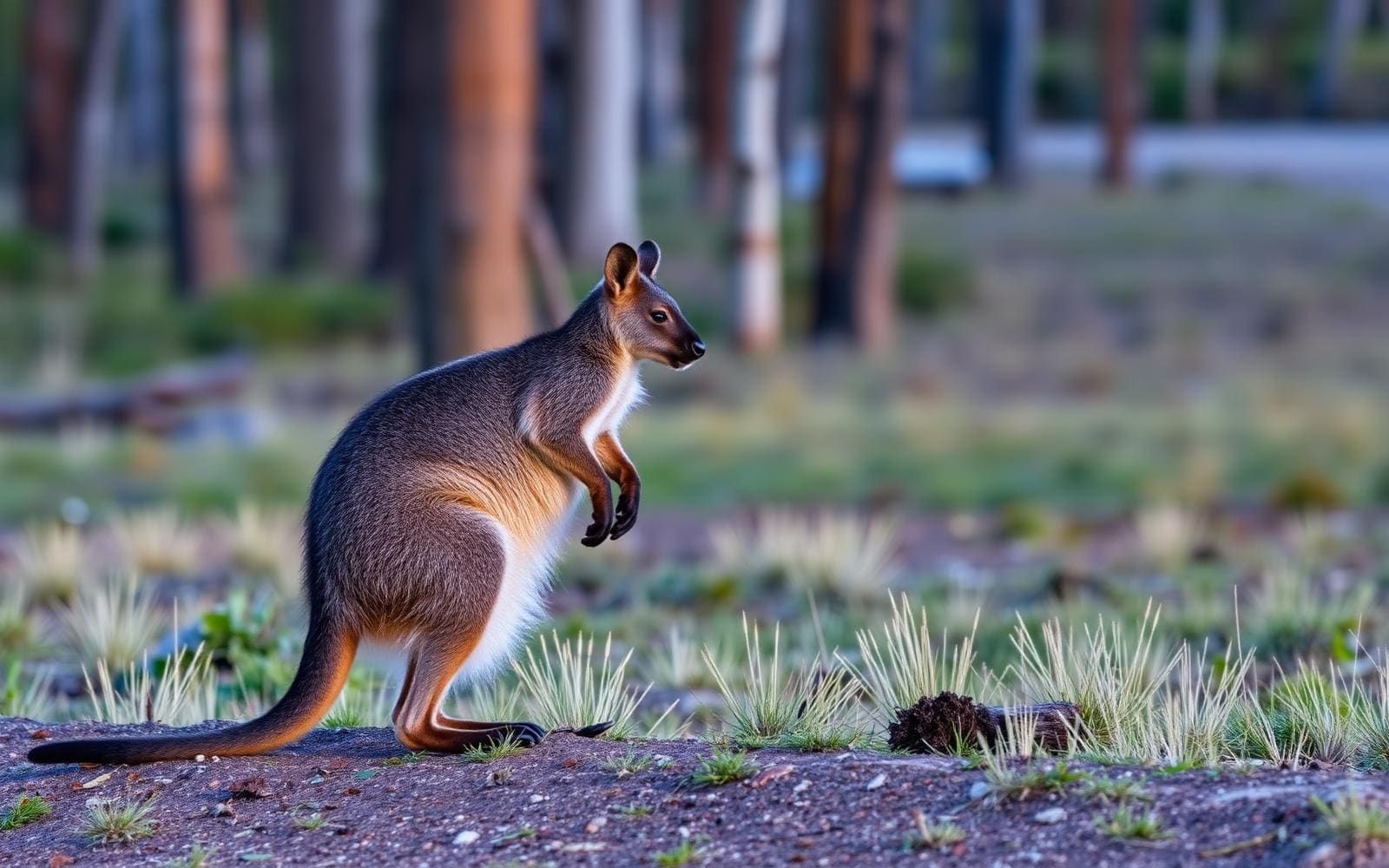
Notamacropus rufogriseus
Bennett's wallaby
Tasmania's mid-sized macropod — the abundant grazing marsupial that lives at almost every campsite and every road edge on the island.
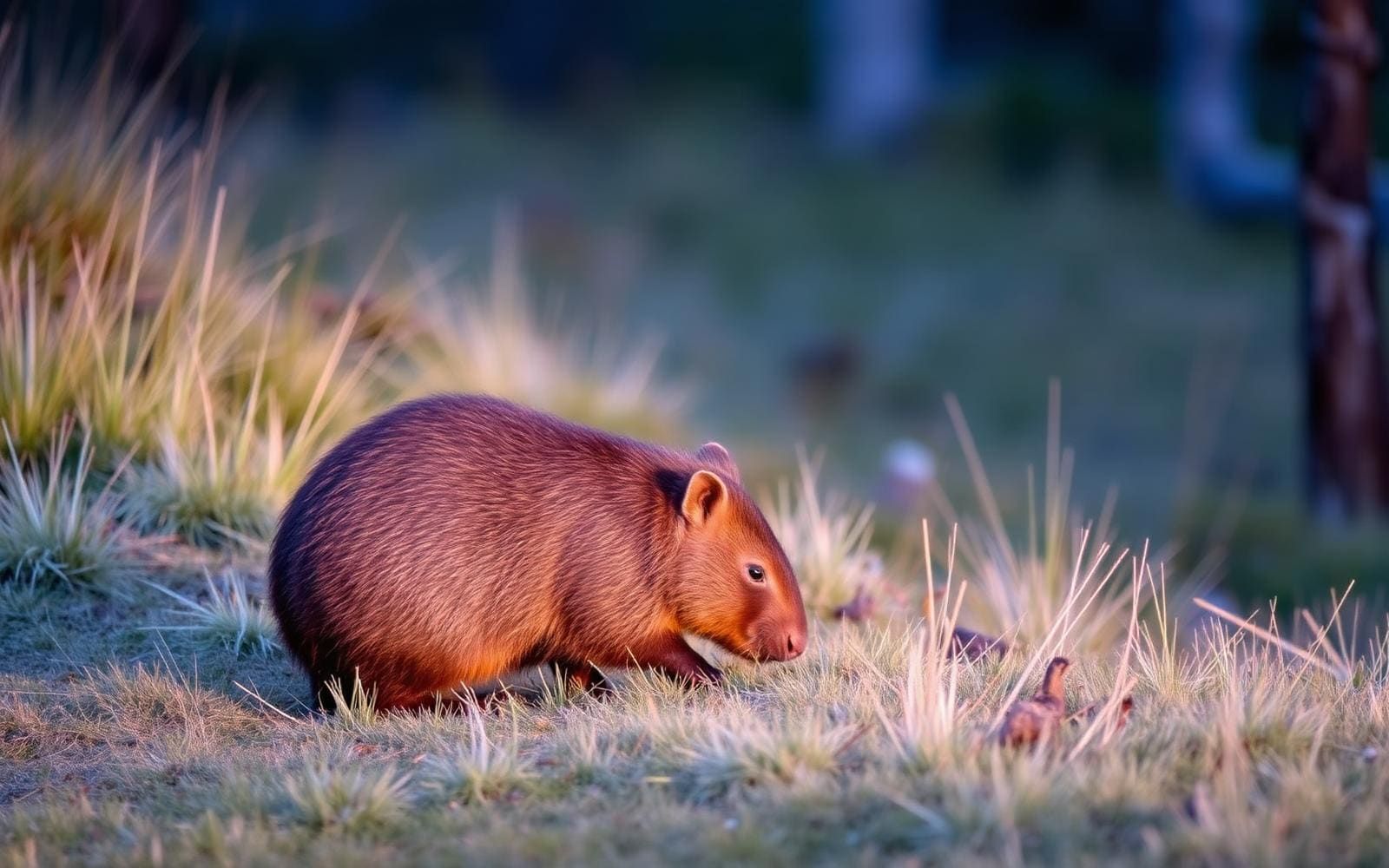
Vombatus ursinus
Common wombat
A 60-pound burrowing marsupial with a bone plate in its rump and cube-shaped scat — the tank of the Tasmanian forest.
Appalachian & Eastern US
United States · North America
Hardwood forest and southern highlands — black bear, white-tailed deer, timber rattler.
- Predator
Ursus americanus
Black bear
The most widespread bear in North America — a shy, food-driven opportunist you will absolutely share the woods with.
Castor canadensis
North American beaver
The ecosystem engineer — floods valleys, builds fish habitat, feeds moose, and quietly makes the country wetter, cooler, and more resilient.
Lepus americanus
Snowshoe hare
The keystone rodent-shaped animal of the boreal — feeds lynx, fisher, marten, owl, fox, and coyote, and turns pure white when the snow arrives.
- Predator
Puma concolor
Cougar
The silent apex of Vancouver Island, Chilko, and Patagonia — an ambush cat that watches you long before you know it exists.
- Large mammal
Alces alces
Moose
The largest deer on Earth — a 1,000-pound answer to every question about protein, danger, and river crossings in the boreal.
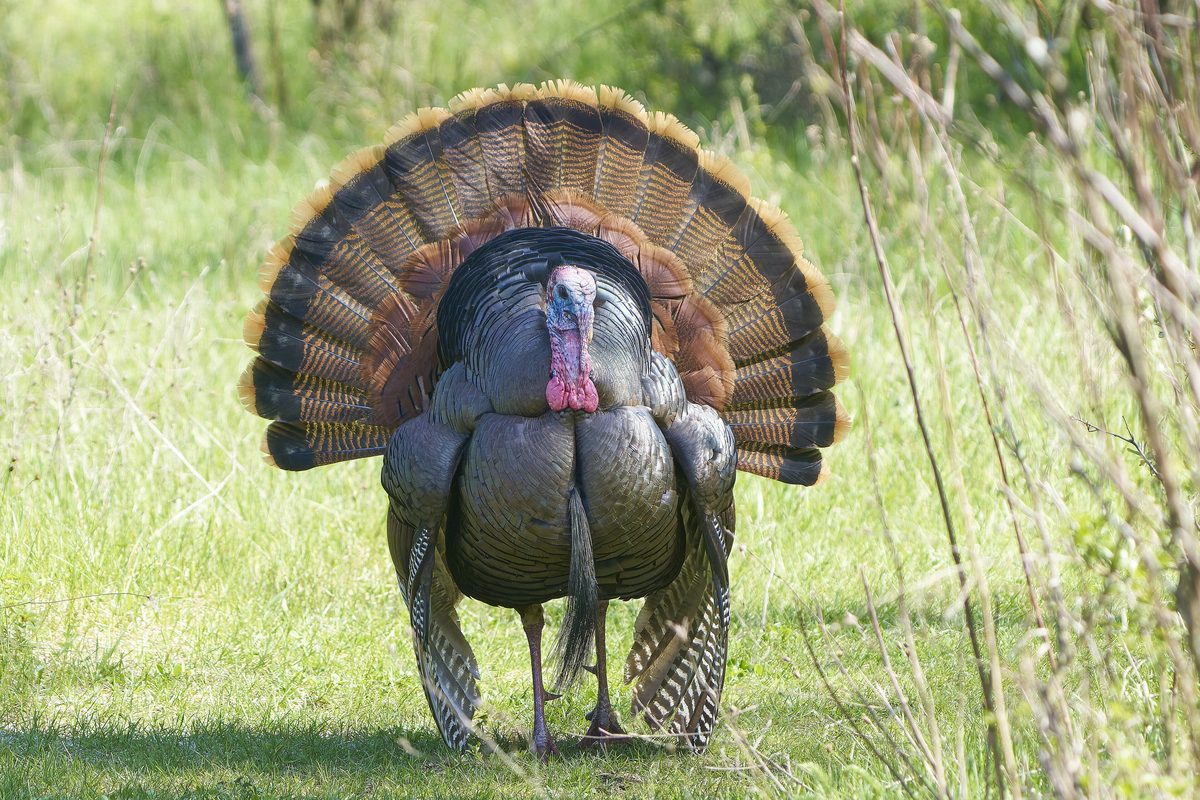
Meleagris gallopavo
Wild turkey
North America's loudest, sharpest-eyed game bird — a woodland ground-dweller that roosts in trees, hears everything, and forgives nothing.
US Rockies & Northern Range
United States · North America
Alpine and montane forest — grizzly, wolf, elk, cougar, mountain goat.
- Predator
Canis lupus
Timber wolf
The apex canid of the boreal — travels far, kills big, teaches everything else in the forest to move quietly.
- Predator
Lynx canadensis
Canada lynx
A silent specialist tied to one prey species and one landscape — dense spruce, deep snow, and snowshoe hare.
- Predator
Ursus americanus
Black bear
The most widespread bear in North America — a shy, food-driven opportunist you will absolutely share the woods with.
- Predator
Ursus arctos horribilis
Grizzly bear
The North American brown bear — bigger, more open-country, and a whole different response protocol than a black bear.
- Predator
Gulo gulo
Wolverine
The largest land weasel — small on the scale, huge on attitude, unmatched at moving through wild snow country.
Castor canadensis
North American beaver
The ecosystem engineer — floods valleys, builds fish habitat, feeds moose, and quietly makes the country wetter, cooler, and more resilient.
Falcipennis canadensis
Spruce grouse
The fool hen — a chicken-of-the-woods so tame it walks past you, and one of the most reliable survival proteins in the boreal.
Lepus americanus
Snowshoe hare
The keystone rodent-shaped animal of the boreal — feeds lynx, fisher, marten, owl, fox, and coyote, and turns pure white when the snow arrives.
- Predator
Puma concolor
Cougar
The silent apex of Vancouver Island, Chilko, and Patagonia — an ambush cat that watches you long before you know it exists.
- Large mammal
Alces alces
Moose
The largest deer on Earth — a 1,000-pound answer to every question about protein, danger, and river crossings in the boreal.
- Large mammal
Cervus canadensis roosevelti
Roosevelt elk
The largest elk subspecies in North America — a rainforest specialist bigger than a Rocky Mountain bull and unique to Vancouver Island's old-growth.
- Large mammal
Oreamnos americanus
Mountain goat
A cliff-adapted alpine specialist — not a true goat, and one of the few large mammals more sure-footed than a cougar on wet rock.
Meleagris gallopavo
Wild turkey
North America's loudest, sharpest-eyed game bird — a woodland ground-dweller that roosts in trees, hears everything, and forgives nothing.
US Southwest & Desert
United States · North America
Slickrock, desert scrub, and sky islands — cougar, javelina, rattlesnake.
- Predator
Puma concolor
Cougar
The silent apex of Vancouver Island, Chilko, and Patagonia — an ambush cat that watches you long before you know it exists.
Meleagris gallopavo
Wild turkey
North America's loudest, sharpest-eyed game bird — a woodland ground-dweller that roosts in trees, hears everything, and forgives nothing.
US Southeast & Gulf Wetlands
United States · North America
Cypress swamp, marsh, and coastal plain — alligator, black bear, cottonmouth.
- Predator
Ursus americanus
Black bear
The most widespread bear in North America — a shy, food-driven opportunist you will absolutely share the woods with.
Meleagris gallopavo
Wild turkey
North America's loudest, sharpest-eyed game bird — a woodland ground-dweller that roosts in trees, hears everything, and forgives nothing.
California & Sierra Nevada
United States · North America
High granite country and coast range — black bear, mountain lion, mule deer.
- Predator
Ursus americanus
Black bear
The most widespread bear in North America — a shy, food-driven opportunist you will absolutely share the woods with.
- Predator
Puma concolor
Cougar
The silent apex of Vancouver Island, Chilko, and Patagonia — an ambush cat that watches you long before you know it exists.
- Large mammal
Cervus canadensis roosevelti
Roosevelt elk
The largest elk subspecies in North America — a rainforest specialist bigger than a Rocky Mountain bull and unique to Vancouver Island's old-growth.
Meleagris gallopavo
Wild turkey
North America's loudest, sharpest-eyed game bird — a woodland ground-dweller that roosts in trees, hears everything, and forgives nothing.
Pacific Northwest
United States · North America
Cascades, Olympics, and coast temperate rainforest — Roosevelt elk, cougar, black bear.
- Predator
Ursus americanus
Black bear
The most widespread bear in North America — a shy, food-driven opportunist you will absolutely share the woods with.
- Predator
Puma concolor
Cougar
The silent apex of Vancouver Island, Chilko, and Patagonia — an ambush cat that watches you long before you know it exists.
- Large mammal
Cervus canadensis roosevelti
Roosevelt elk
The largest elk subspecies in North America — a rainforest specialist bigger than a Rocky Mountain bull and unique to Vancouver Island's old-growth.
- Large mammal
Oreamnos americanus
Mountain goat
A cliff-adapted alpine specialist — not a true goat, and one of the few large mammals more sure-footed than a cougar on wet rock.
Alaska & the Arctic
United States · North America
Brooks Range and coastal tundra — grizzly, polar bear, moose, caribou, wolverine.
- Predator
Canis lupus
Timber wolf
The apex canid of the boreal — travels far, kills big, teaches everything else in the forest to move quietly.
- Predator
Lynx canadensis
Canada lynx
A silent specialist tied to one prey species and one landscape — dense spruce, deep snow, and snowshoe hare.
- Predator
Ursus americanus
Black bear
The most widespread bear in North America — a shy, food-driven opportunist you will absolutely share the woods with.
- Predator
Ursus arctos horribilis
Grizzly bear
The North American brown bear — bigger, more open-country, and a whole different response protocol than a black bear.
- Predator
Gulo gulo
Wolverine
The largest land weasel — small on the scale, huge on attitude, unmatched at moving through wild snow country.
- Large mammal
Rangifer tarandus caribou
Woodland caribou
The boreal cousin of tundra caribou — a lichen-eating, old-growth specialist and one of the most imperiled large mammals on the continent.
Falcipennis canadensis
Spruce grouse
The fool hen — a chicken-of-the-woods so tame it walks past you, and one of the most reliable survival proteins in the boreal.
Lepus americanus
Snowshoe hare
The keystone rodent-shaped animal of the boreal — feeds lynx, fisher, marten, owl, fox, and coyote, and turns pure white when the snow arrives.
- Predator
Ursus maritimus
Polar bear
The only bear on Earth that treats humans as legitimate prey — the reason Labrador and Frozen crews carry a rifle to the shoreline.
- Large mammal
Ovibos moschatus
Muskox
A shaggy 800-pound relic of the Pleistocene — usually indifferent, but a defensive bull can flatten a tent and everything in it.
- Large mammal
Alces alces
Moose
The largest deer on Earth — a 1,000-pound answer to every question about protein, danger, and river crossings in the boreal.
- Large mammal
Oreamnos americanus
Mountain goat
A cliff-adapted alpine specialist — not a true goat, and one of the few large mammals more sure-footed than a cougar on wet rock.
- Predator
Vulpes lagopus
Arctic fox
A small tundra predator with the warmest fur of any mammal — often the last carnivore working a carcass after the polar bear has left.
Canadian Boreal & Shield
Canada · North America
Lake-and-spruce country across the Canadian Shield — moose, wolf, black bear, lynx.
- Predator
Canis lupus
Timber wolf
The apex canid of the boreal — travels far, kills big, teaches everything else in the forest to move quietly.
- Predator
Lynx canadensis
Canada lynx
A silent specialist tied to one prey species and one landscape — dense spruce, deep snow, and snowshoe hare.
- Predator
Ursus americanus
Black bear
The most widespread bear in North America — a shy, food-driven opportunist you will absolutely share the woods with.
- Predator
Ursus arctos horribilis
Grizzly bear
The North American brown bear — bigger, more open-country, and a whole different response protocol than a black bear.
- Predator
Gulo gulo
Wolverine
The largest land weasel — small on the scale, huge on attitude, unmatched at moving through wild snow country.
- Large mammal
Rangifer tarandus caribou
Woodland caribou
The boreal cousin of tundra caribou — a lichen-eating, old-growth specialist and one of the most imperiled large mammals on the continent.
Castor canadensis
North American beaver
The ecosystem engineer — floods valleys, builds fish habitat, feeds moose, and quietly makes the country wetter, cooler, and more resilient.
Falcipennis canadensis
Spruce grouse
The fool hen — a chicken-of-the-woods so tame it walks past you, and one of the most reliable survival proteins in the boreal.
Lepus americanus
Snowshoe hare
The keystone rodent-shaped animal of the boreal — feeds lynx, fisher, marten, owl, fox, and coyote, and turns pure white when the snow arrives.
- Large mammal
Alces alces
Moose
The largest deer on Earth — a 1,000-pound answer to every question about protein, danger, and river crossings in the boreal.
- Large mammal
Oreamnos americanus
Mountain goat
A cliff-adapted alpine specialist — not a true goat, and one of the few large mammals more sure-footed than a cougar on wet rock.
European Alps & Central Mountains
Europe · Europe
High Alps, Dolomites, Tatras — chamois, ibex, marmot, golden eagle.
Scandinavia & Fennoscandia
Norway, Sweden & Finland · Europe
Nordic taiga and fell country — moose, brown bear, wolverine, reindeer.
- Predator
Canis lupus
Timber wolf
The apex canid of the boreal — travels far, kills big, teaches everything else in the forest to move quietly.
- Predator
Lynx canadensis
Canada lynx
A silent specialist tied to one prey species and one landscape — dense spruce, deep snow, and snowshoe hare.
- Predator
Gulo gulo
Wolverine
The largest land weasel — small on the scale, huge on attitude, unmatched at moving through wild snow country.
- Large mammal
Rangifer tarandus caribou
Woodland caribou
The boreal cousin of tundra caribou — a lichen-eating, old-growth specialist and one of the most imperiled large mammals on the continent.
Castor canadensis
North American beaver
The ecosystem engineer — floods valleys, builds fish habitat, feeds moose, and quietly makes the country wetter, cooler, and more resilient.
- Large mammal
Alces alces
Moose
The largest deer on Earth — a 1,000-pound answer to every question about protein, danger, and river crossings in the boreal.
- Predator
Vulpes lagopus
Arctic fox
A small tundra predator with the warmest fur of any mammal — often the last carnivore working a carcass after the polar bear has left.
British Isles & Ireland
United Kingdom & Ireland · Europe
Highlands, glens, and moor — red deer, golden eagle, red fox.
Mediterranean Europe
Southern Europe · Europe
Pyrenees, Apennines, and Iberian sierra — wild boar, ibex, wolf, golden eagle.
- Predator
Canis lupus
Timber wolf
The apex canid of the boreal — travels far, kills big, teaches everything else in the forest to move quietly.
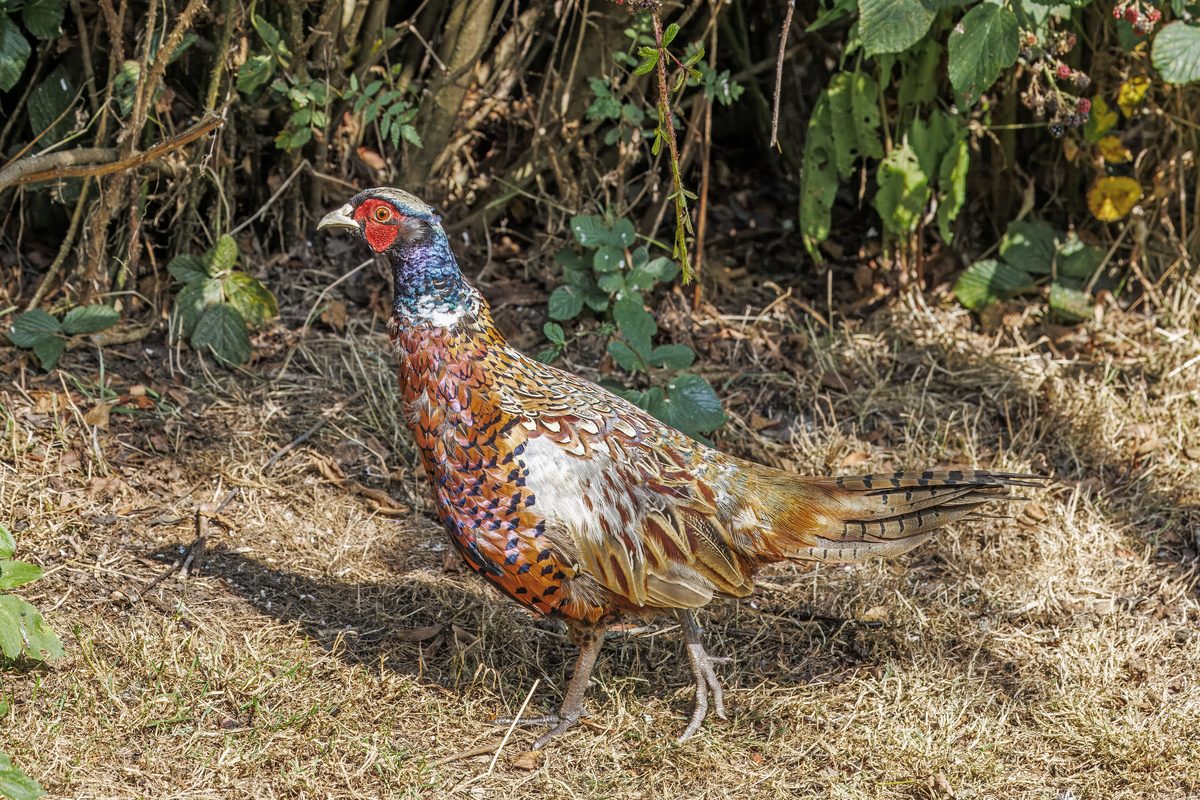
Phasianus colchicus
Ring-necked pheasant
An Asian steppe bird that became the signature game bird of the American grain belt — a runner first, a flusher second, and the loudest cackle in the uplands.
Himalaya & Karakoram
Nepal, India & Pakistan · Asia
High Asia — snow leopard, blue sheep, Himalayan brown bear, tahr.
- Predator
Panthera uncia
Snow leopard
The ghost of the Mongolian Altai — an ambush cat you will almost certainly never see, but whose sign shapes the ridgelines you cross.
- Large mammal
Ovis ammon
Argali
The largest wild sheep on Earth — a Mongolian mountain giant whose curled horns can weigh as much as a whole mule deer.
- Large mammal
Capra sibirica
Siberian ibex
The cliff-dwelling wild goat of the Altai — snow leopard's other main prey and the only ungulate that goes higher than argali.
- Predator
Otocolobus manul
Pallas's cat
The grumpiest small cat in Asia — an ambush hunter the size of a house cat with the fur of a small bear.
Central Asian Steppe & Altai
Mongolia & Central Asia · Asia
Steppe, taiga edge, and Altai peaks — argali, ibex, snow leopard, Pallas's cat.
- Predator
Canis lupus
Timber wolf
The apex canid of the boreal — travels far, kills big, teaches everything else in the forest to move quietly.
- Predator
Panthera uncia
Snow leopard
The ghost of the Mongolian Altai — an ambush cat you will almost certainly never see, but whose sign shapes the ridgelines you cross.
- Large mammal
Ovis ammon
Argali
The largest wild sheep on Earth — a Mongolian mountain giant whose curled horns can weigh as much as a whole mule deer.
- Large mammal
Capra sibirica
Siberian ibex
The cliff-dwelling wild goat of the Altai — snow leopard's other main prey and the only ungulate that goes higher than argali.
- Predator
Otocolobus manul
Pallas's cat
The grumpiest small cat in Asia — an ambush hunter the size of a house cat with the fur of a small bear.
Marmota sibirica
Tarbagan marmot
The staple small game of the Mongolian steppe — the marmot whose burrows shelter Pallas's cats and whose whistle warns everything else there is a raptor overhead.
Phasianus colchicus
Ring-necked pheasant
An Asian steppe bird that became the signature game bird of the American grain belt — a runner first, a flusher second, and the loudest cackle in the uplands.
Andes & Tropical Cordillera
Peru, Bolivia & Ecuador · South America
Peruvian and Bolivian high country — puma, spectacled bear, Andean condor, vicuña.
- Predator
Puma concolor
Cougar
The silent apex of Vancouver Island, Chilko, and Patagonia — an ambush cat that watches you long before you know it exists.
- Large mammal
Lama guanicoe
Guanaco
The wild ancestor of the llama and Patagonia's dominant large herbivore — the puma's main prey and the animal you'll see most in open country.
- Large mammal
Hippocamelus bisulcus
Huemul
The endangered mountain deer on Chile's national coat of arms — a stocky, cliff-adapted browser that most travelers pass without seeing.
- Scavenger
Vultur gryphus
Andean condor
The largest flying bird on Earth by combined weight and wingspan — a soaring scavenger you'll spot before you know it's there.
- Predator
Lycalopex culpaeus
Culpeo
Patagonia's largest fox — a mid-sized predator that fills a coyote-shaped niche where no wolves or coyotes ever evolved.
Mexico & Central America
Mexico & Central America · North America
Sierra Madre, tropical dry forest, and cloud forest — jaguar, coati, howler monkey.
- Predator
Ursus americanus
Black bear
The most widespread bear in North America — a shy, food-driven opportunist you will absolutely share the woods with.
- Predator
Puma concolor
Cougar
The silent apex of Vancouver Island, Chilko, and Patagonia — an ambush cat that watches you long before you know it exists.
Mainland Australia
Australia · Oceania
Outback, alpine, and rainforest — red kangaroo, dingo, saltwater crocodile, brown snake.
- Venomous
Notechis scutatus
Tiger snake
Tasmania's most medically significant snake — highly neurotoxic venom, willing to stand its ground on cool days near water.
- Scavenger
Sarcophilus harrisii
Tasmanian devil
A stocky nocturnal scavenger with the strongest bite-per-body-mass of any living mammal — a nuisance to food caches, not a threat to people.
- Large mammal
Notamacropus rufogriseus
Bennett's wallaby
Tasmania's mid-sized macropod — the abundant grazing marsupial that lives at almost every campsite and every road edge on the island.
Vombatus ursinus
Common wombat
A 60-pound burrowing marsupial with a bone plate in its rump and cube-shaped scat — the tank of the Tasmanian forest.
Arctic Circumpolar
Arctic · North America
High Arctic tundra and pack ice — polar bear, muskox, arctic fox, snowy owl.
- Large mammal
Rangifer tarandus caribou
Woodland caribou
The boreal cousin of tundra caribou — a lichen-eating, old-growth specialist and one of the most imperiled large mammals on the continent.
- Predator
Ursus maritimus
Polar bear
The only bear on Earth that treats humans as legitimate prey — the reason Labrador and Frozen crews carry a rifle to the shoreline.
- Large mammal
Ovibos moschatus
Muskox
A shaggy 800-pound relic of the Pleistocene — usually indifferent, but a defensive bull can flatten a tent and everything in it.
- Predator
Vulpes lagopus
Arctic fox
A small tundra predator with the warmest fur of any mammal — often the last carnivore working a carcass after the polar bear has left.
Big Game
14 profiles
Deer, elk, bear, sheep and the rest of the North American big-game list — biology, range, sign, and how to plan around them.
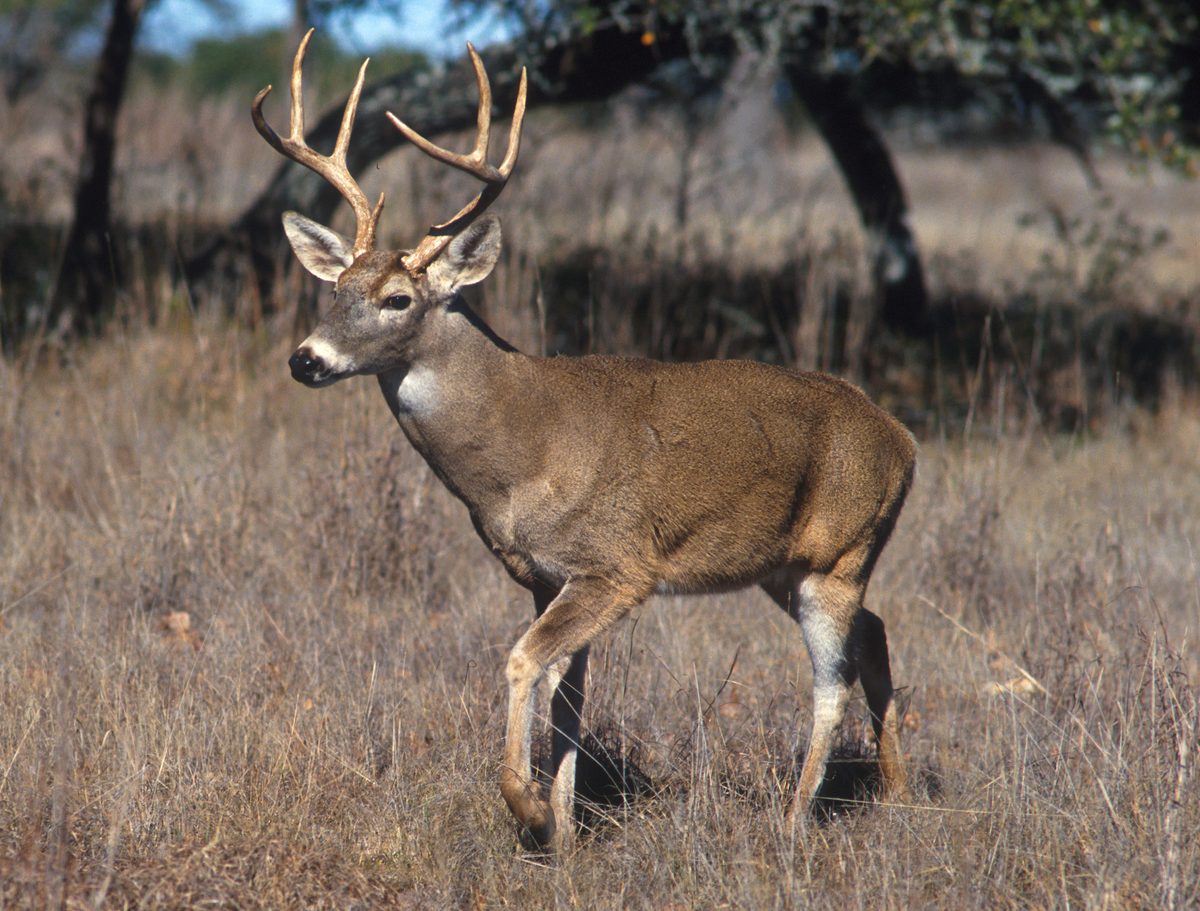
Odocoileus virginianus
Whitetail Deer
The most hunted big-game animal on the continent — roughly 6 million hunters chase whitetails every fall, and almost all of them hunt within a few hours of home.
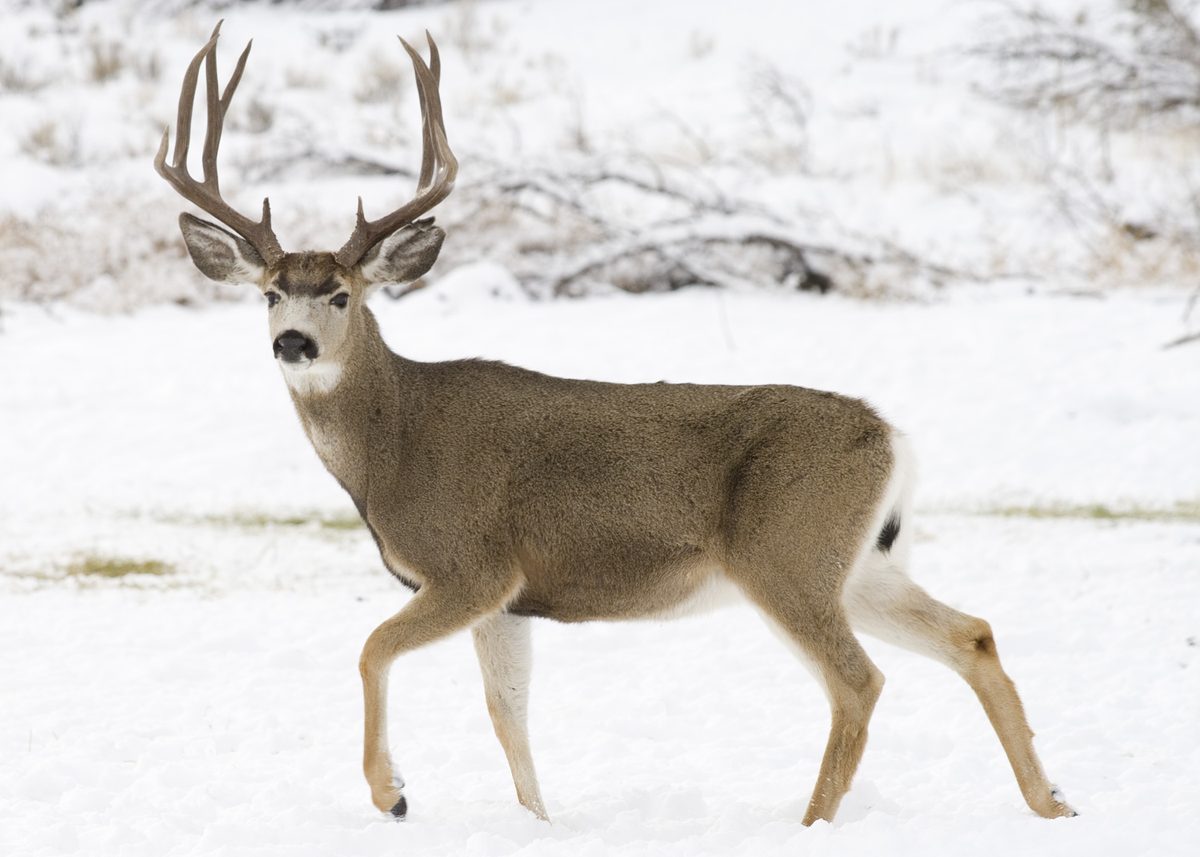
Odocoileus hemionus
Mule Deer
The western spot-and-stalk deer — glassed from a mile away, stalked across open country, and hunted almost entirely on public land.
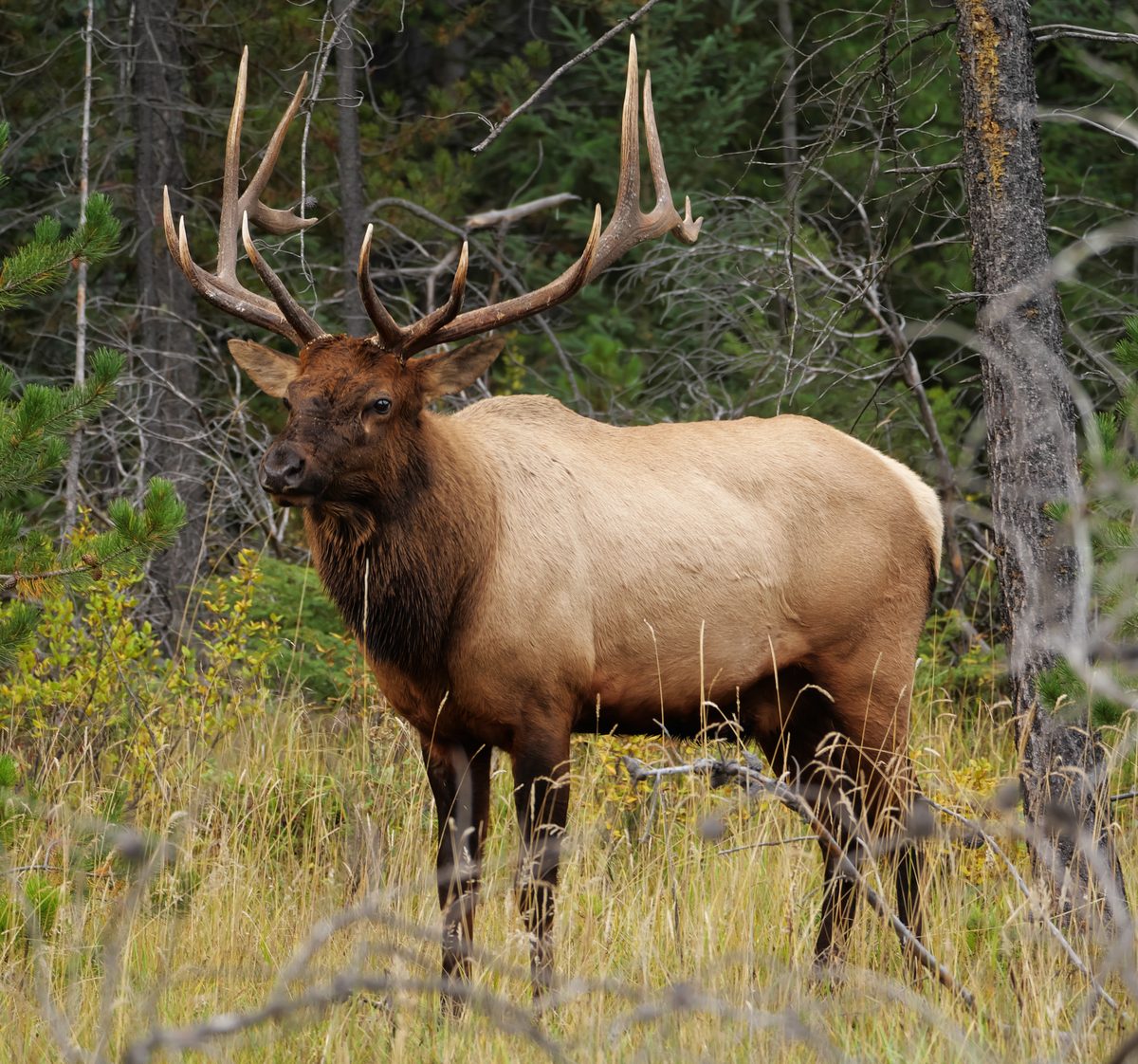
Cervus canadensis
Elk
The benchmark North American hunt: a 700-pound animal that screams at you in the dark timber and lives where the walking is hardest.
Alces alces
Moose
The largest deer on Earth — a 1,000-pound answer to every question about protein, danger, and river crossings in the boreal.
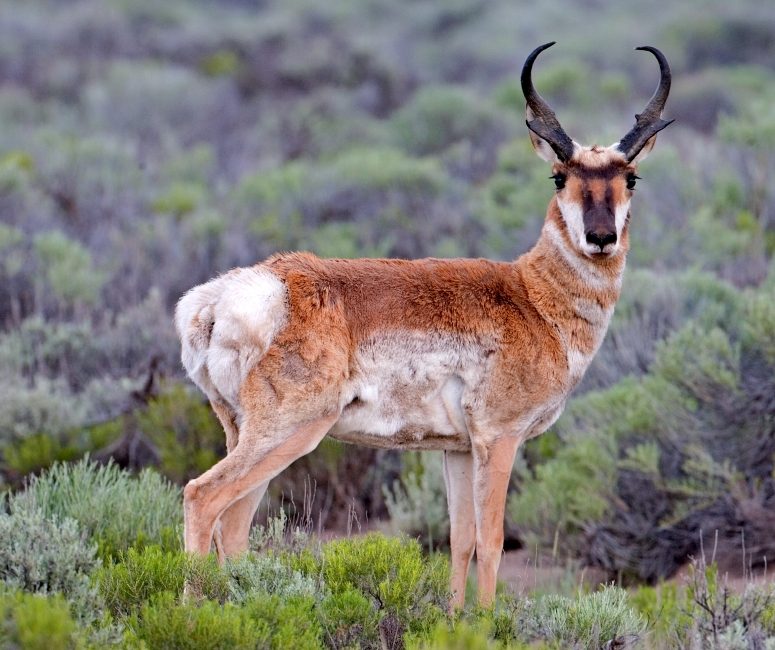
Antilocapra americana
Pronghorn Antelope
The fastest land animal in the hemisphere, the easiest western tag to draw, and the best first do-it-yourself western hunt there is.
Ursus americanus
Black bear
The most widespread bear in North America — a shy, food-driven opportunist you will absolutely share the woods with.
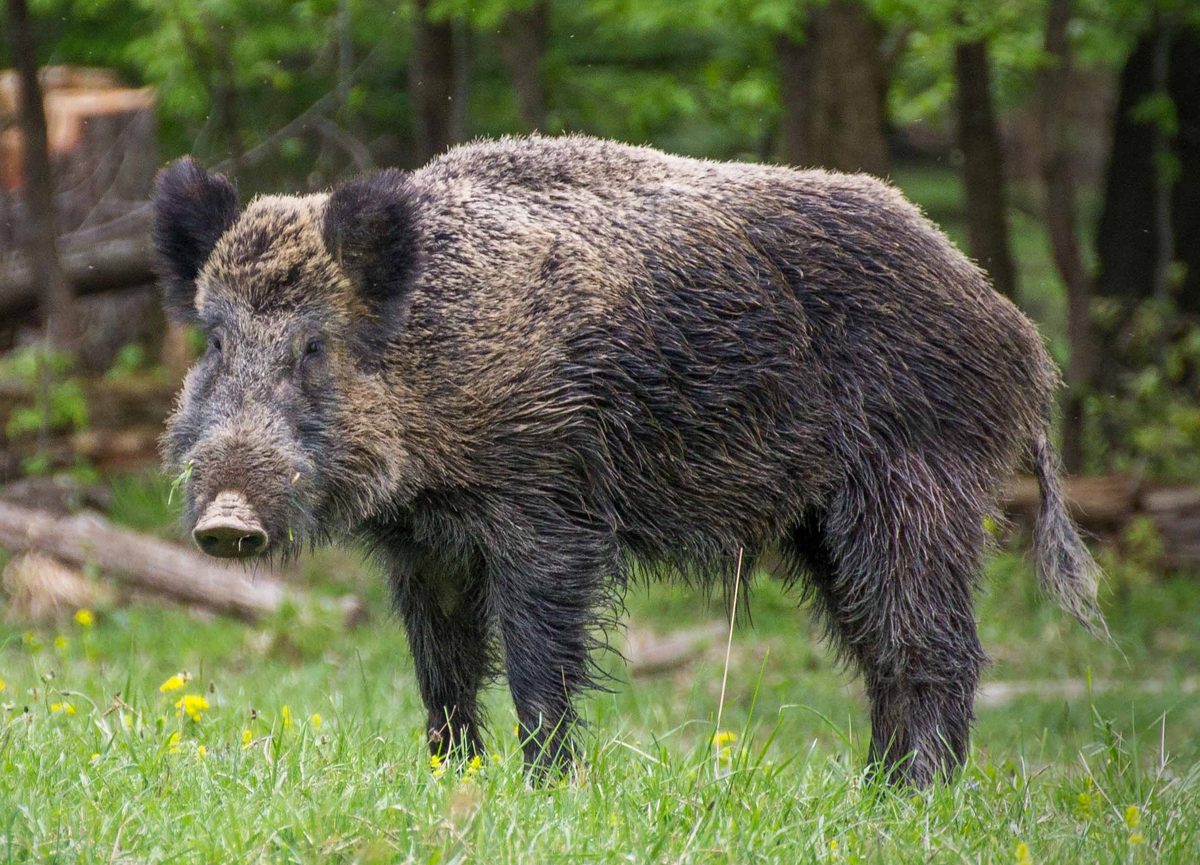
Sus scrofa
Wild Hog
An invasive species with no closed season in most of its range — the most available, most repeatable big-game hunting in America.
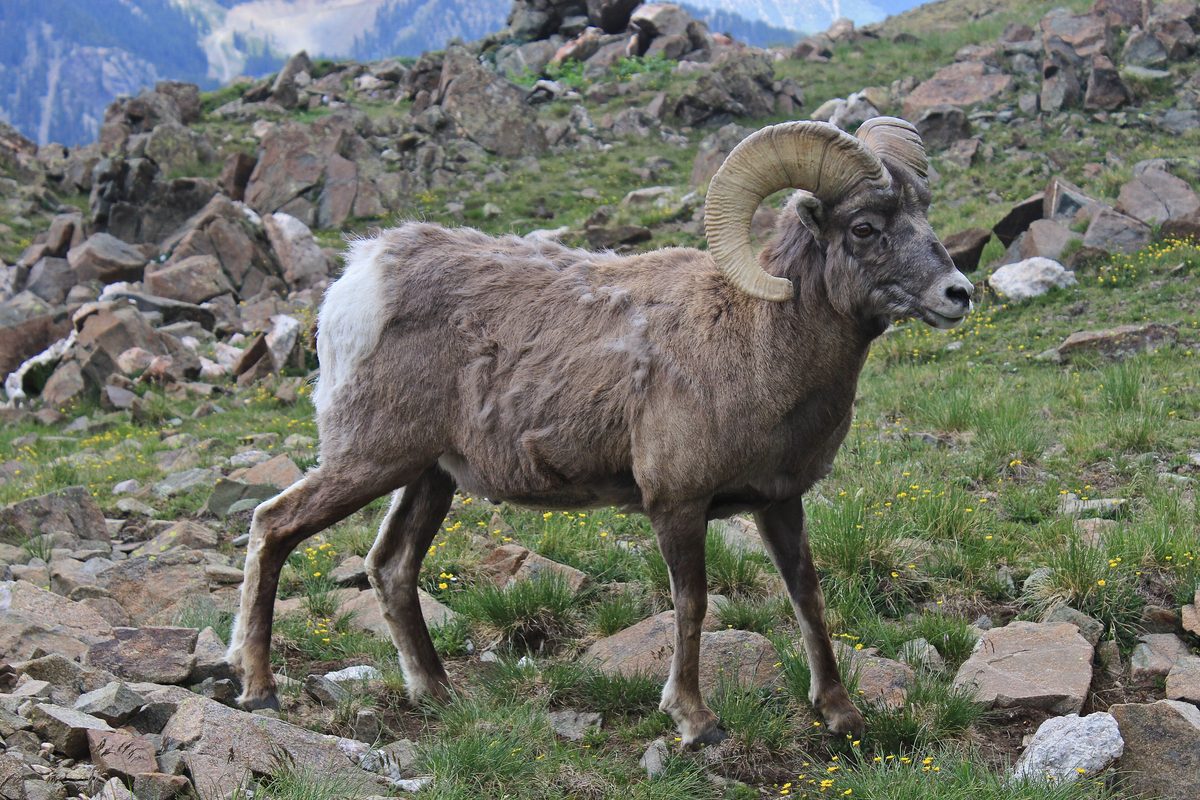
Ovis canadensis
Bighorn Sheep
The most difficult tag to draw and the most physically demanding hunt in North America — a genuine once-in-a-lifetime pursuit.
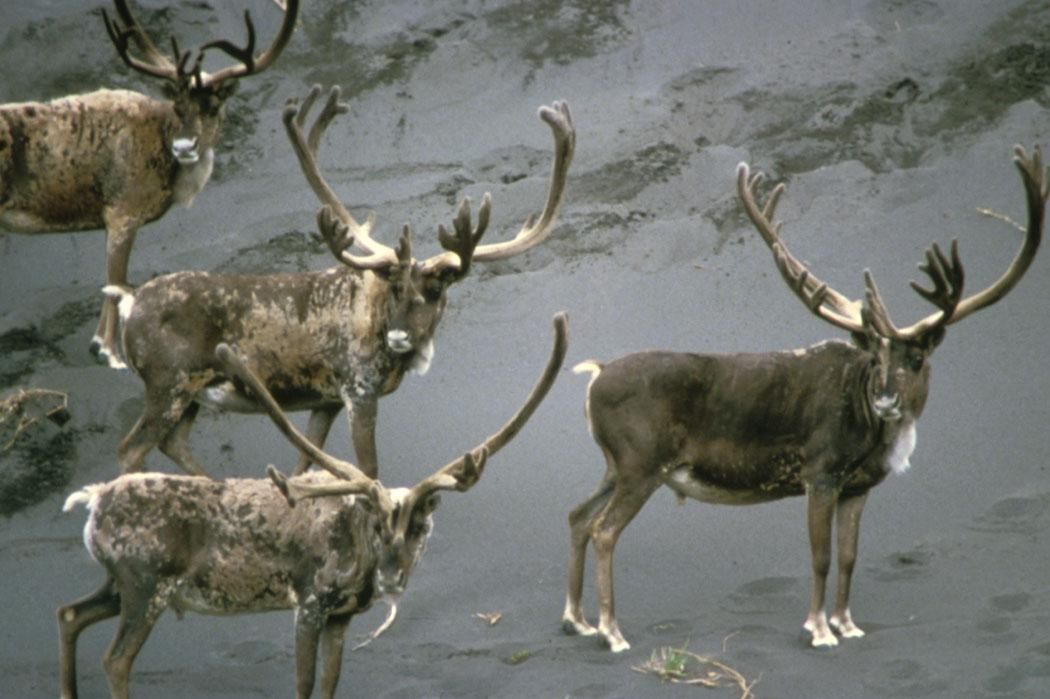
Rangifer tarandus
Caribou
A tundra nomad hunted almost entirely by air charter and spotting scope — one of the last true wilderness hunts left on the continent.
Oreamnos americanus
Mountain goat
A cliff-adapted alpine specialist — not a true goat, and one of the few large mammals more sure-footed than a cougar on wet rock.
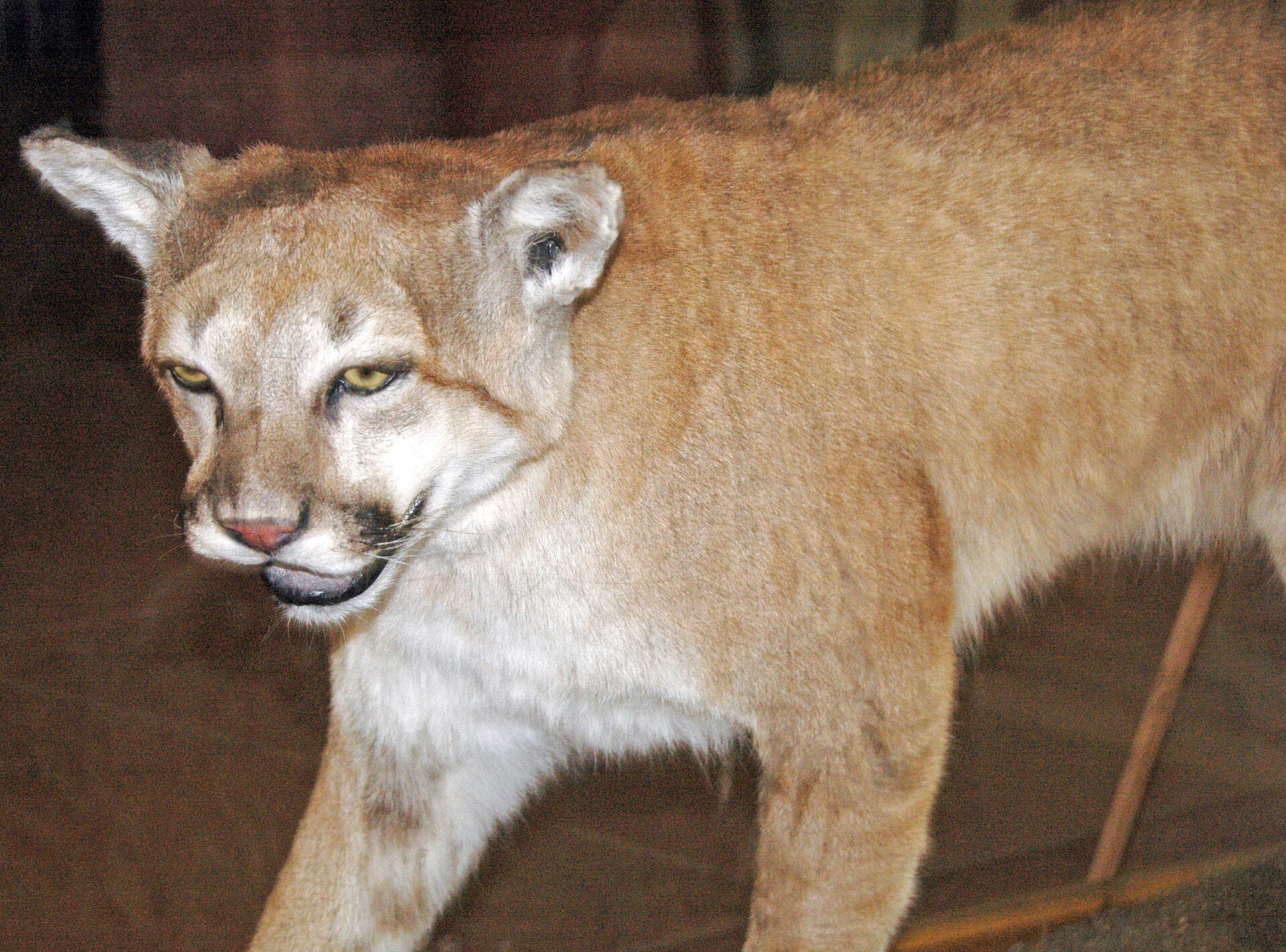
Puma concolor
Mountain Lion
A winter track-and-tree hunt through deep snow behind a pack of hounds — one of the most physically demanding and traditional hunts in North America.
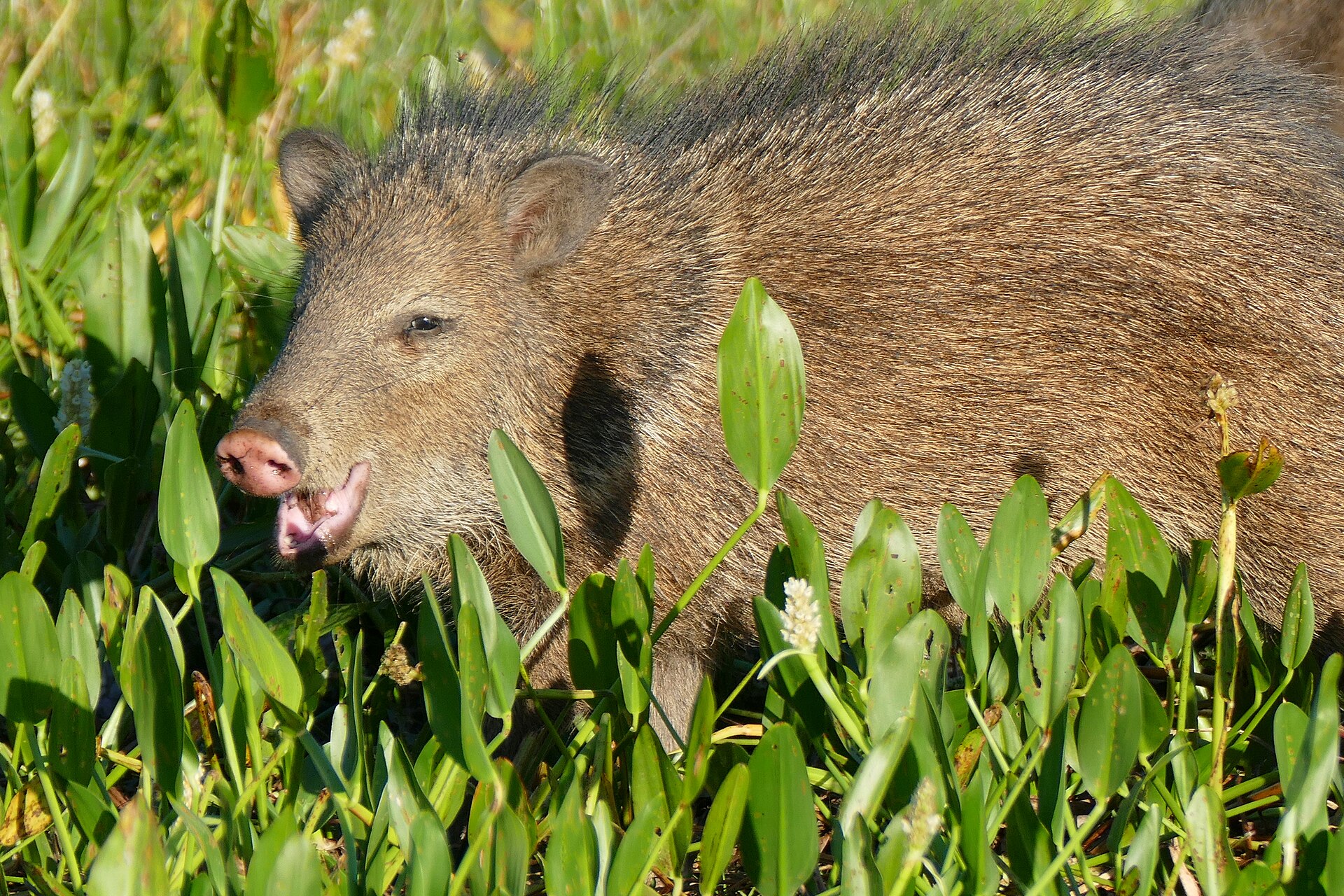
Pecari tajacu
Javelina
A herding desert peccary that offers the cheapest, most beginner-friendly spot-and-stalk hunt in the American Southwest.
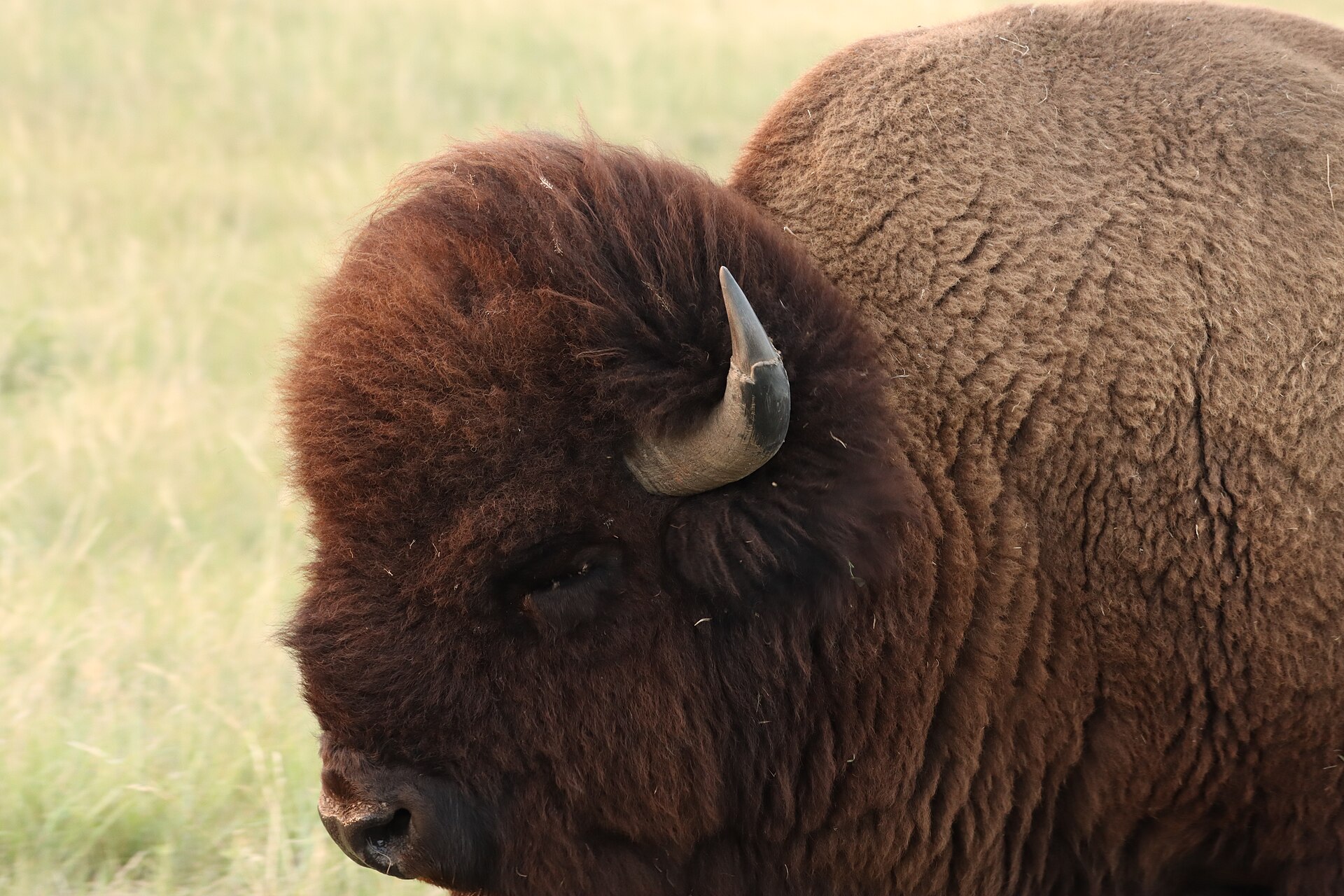
Bison bison
Bison
North America's largest land animal, a genuine once-in-a-lifetime public-land tag in most states, and a pack-out that dwarfs even moose or elk.
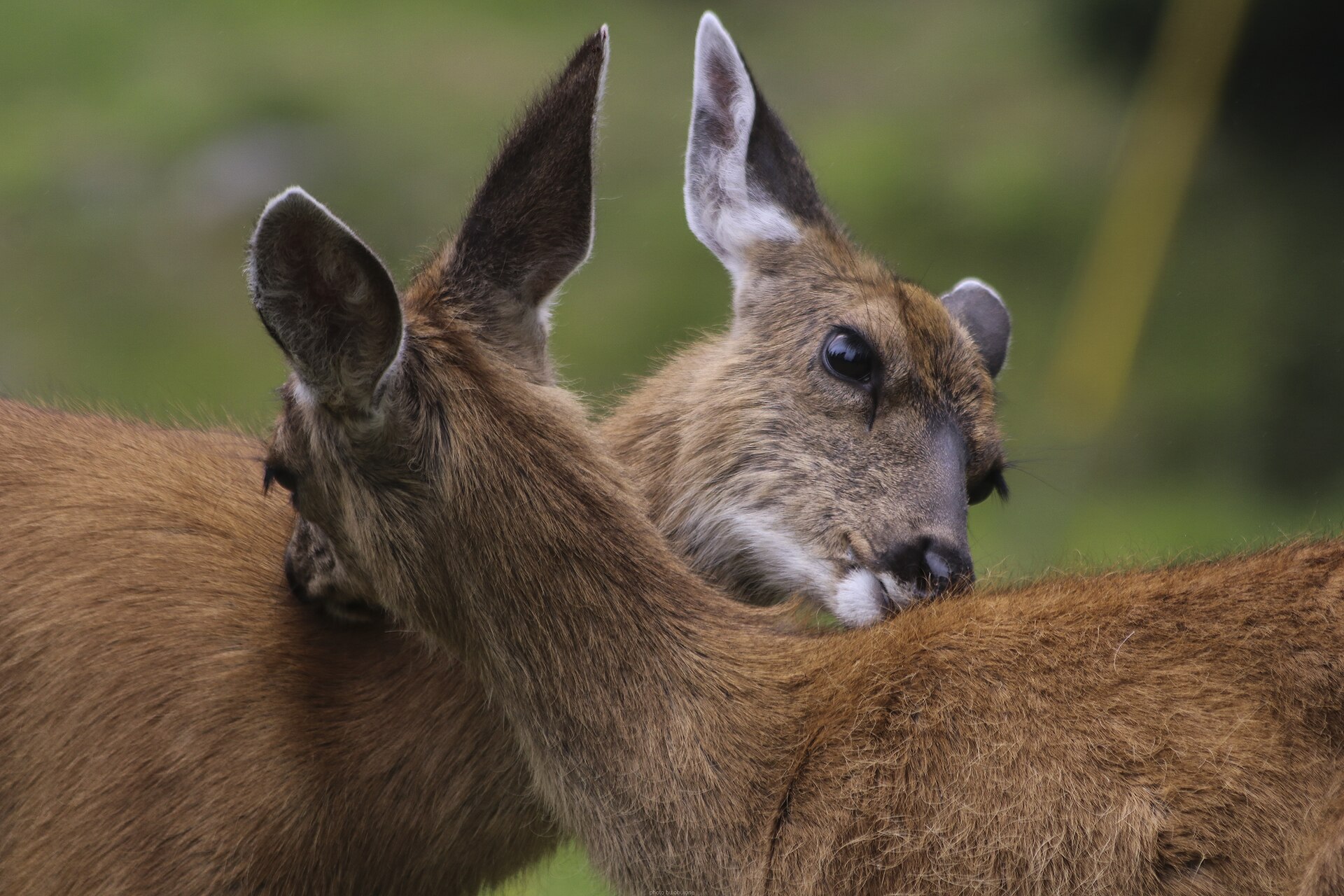
Odocoileus hemionus columbianus
Blacktail Deer
A secretive coastal deer hunted in dense rainforest and coastal brush where visibility is measured in yards, not miles.
Small Game, Upland & Waterfowl
16 profiles
Upland birds, waterfowl, rabbits, squirrels and predators — the species you see most and understand least.
Meleagris gallopavo
Wild turkey
North America's loudest, sharpest-eyed game bird — a woodland ground-dweller that roosts in trees, hears everything, and forgives nothing.
Phasianus colchicus
Ring-Necked Pheasant
A cackling flush out of thick grass, a hard crossing shot, and the reason wingshooters plan whole vacations around South Dakota every fall.
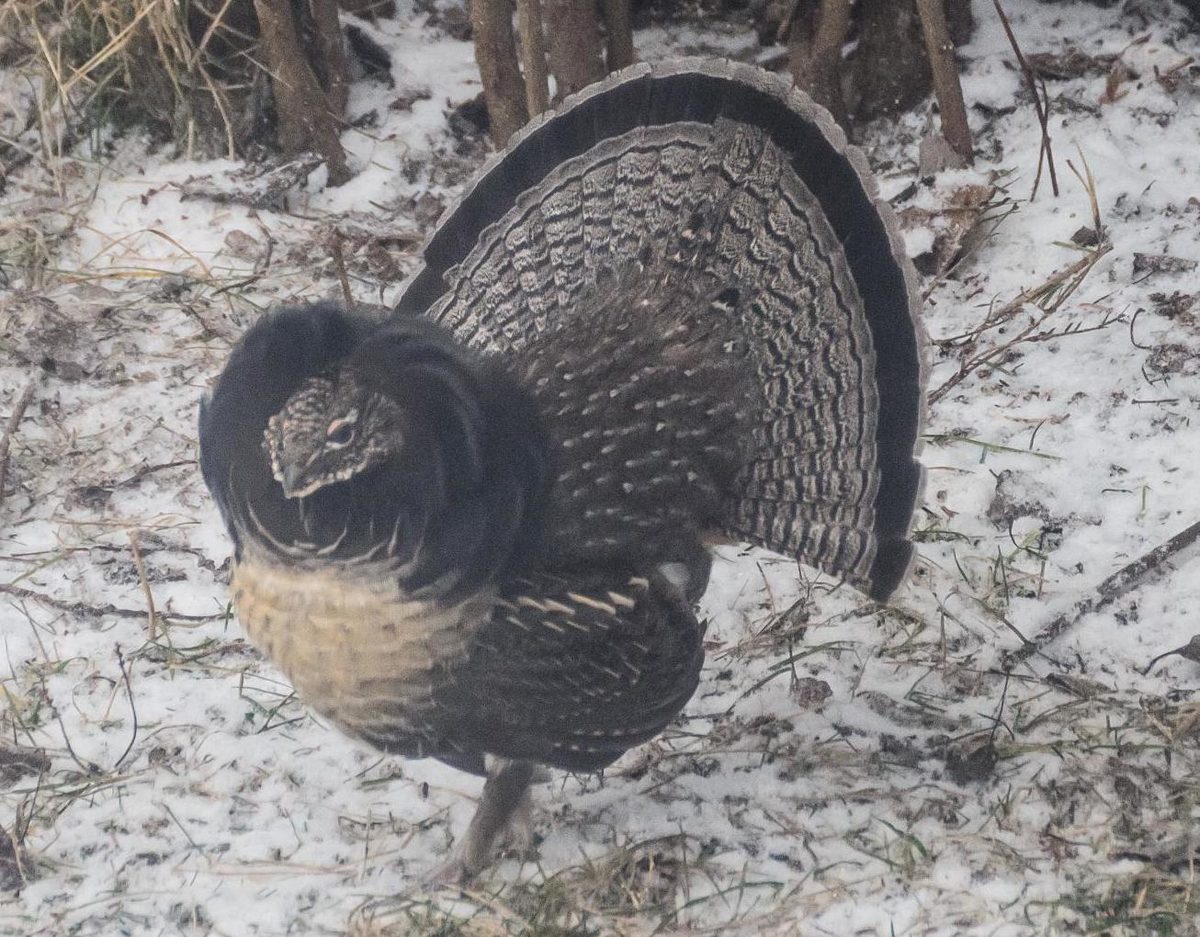
Bonasa umbellus
Ruffed Grouse
The 'king of game birds' — a thunderous wild flush from thick aspen cover that gives you a half-second snap shot and nothing more.
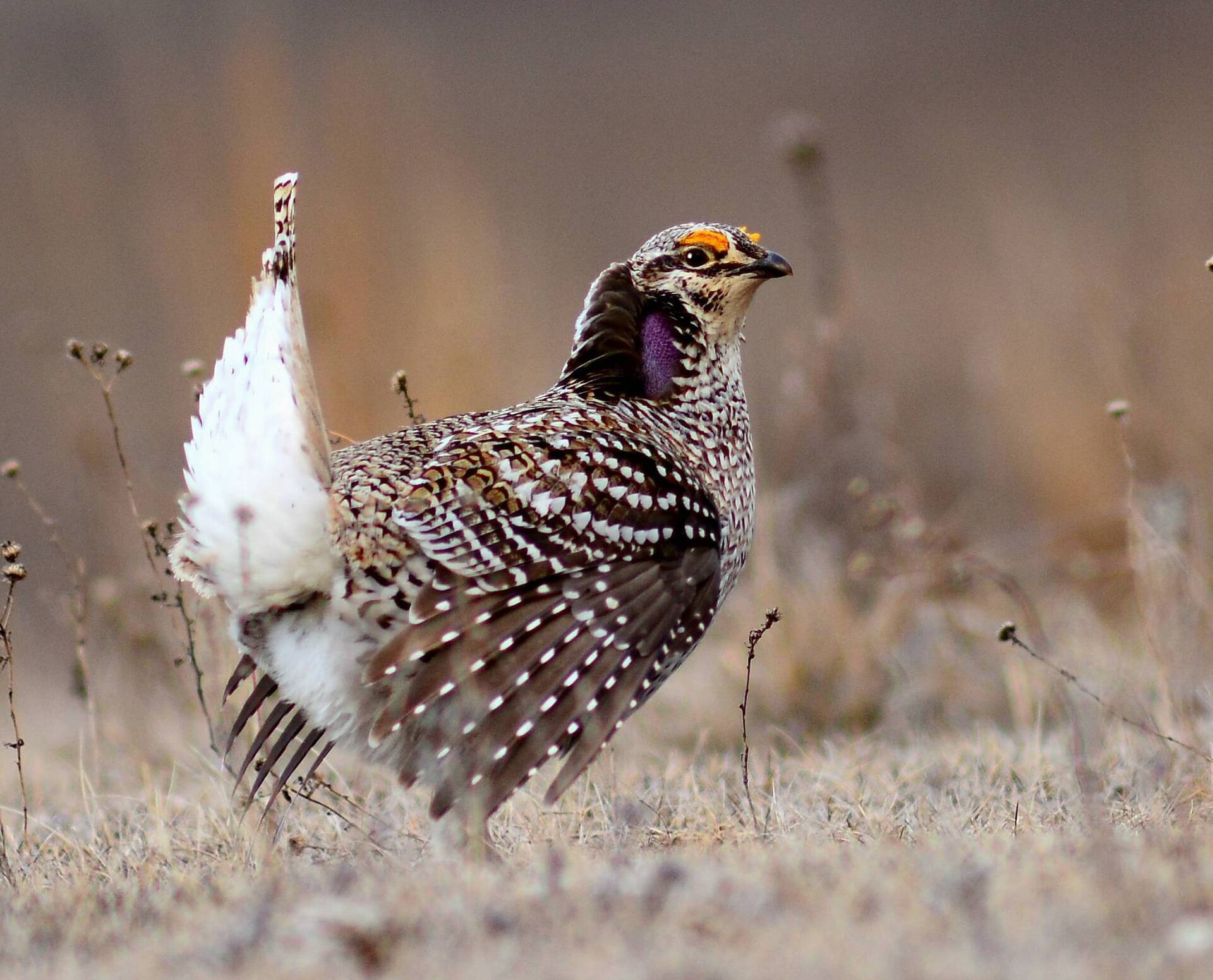
Tympanuchus phasianellus
Sharp-Tailed Grouse
A prairie grouse that flushes in loose coveys from mixed grass and rolling hills, made for a long walk and an open-choke shotgun.
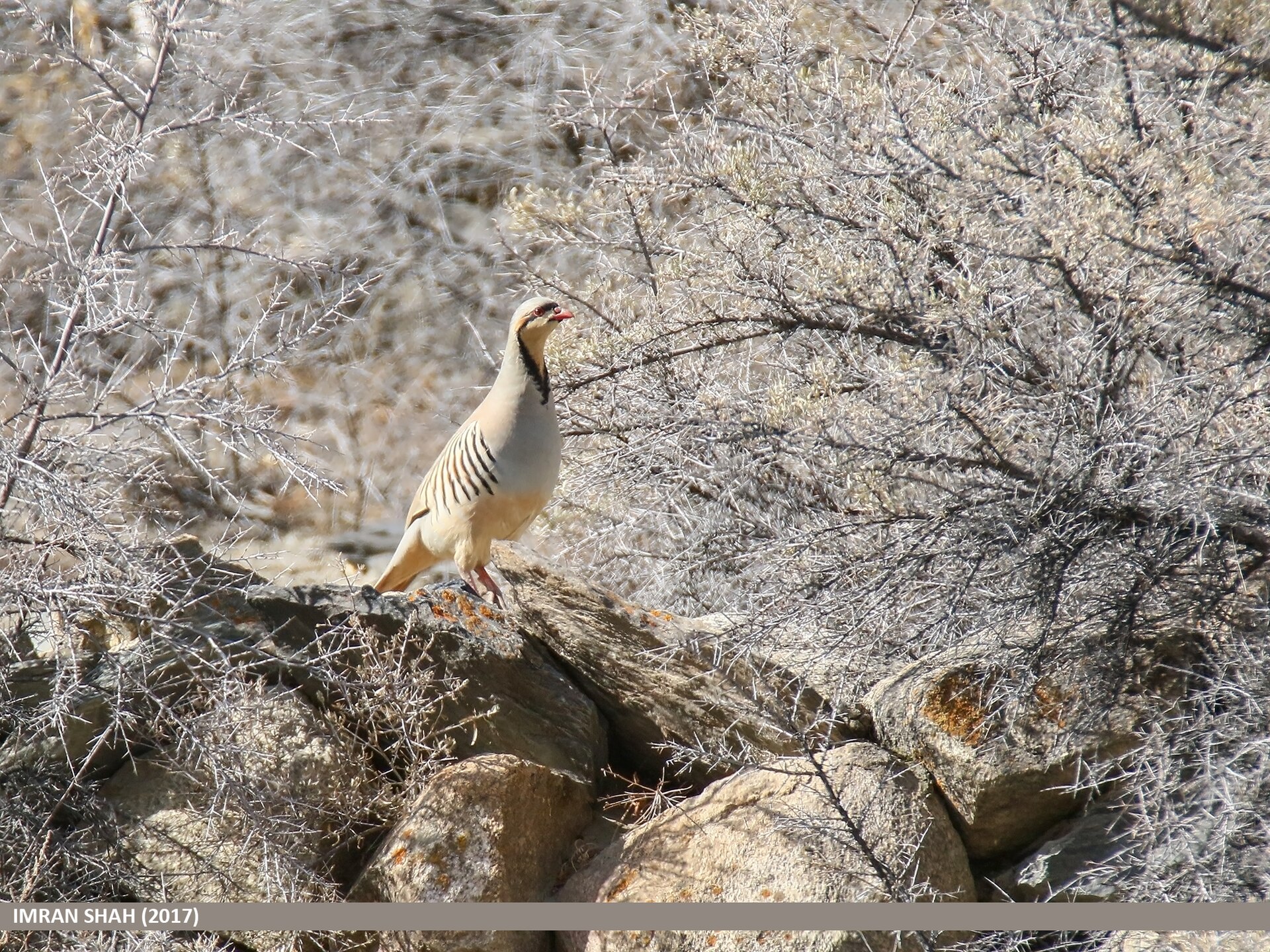
Alectoris chukar
Chukar Partridge
Introduced from Asia to live on the West's steepest, rockiest canyon slopes — chukar hunting is a leg workout with a shotgun attached.
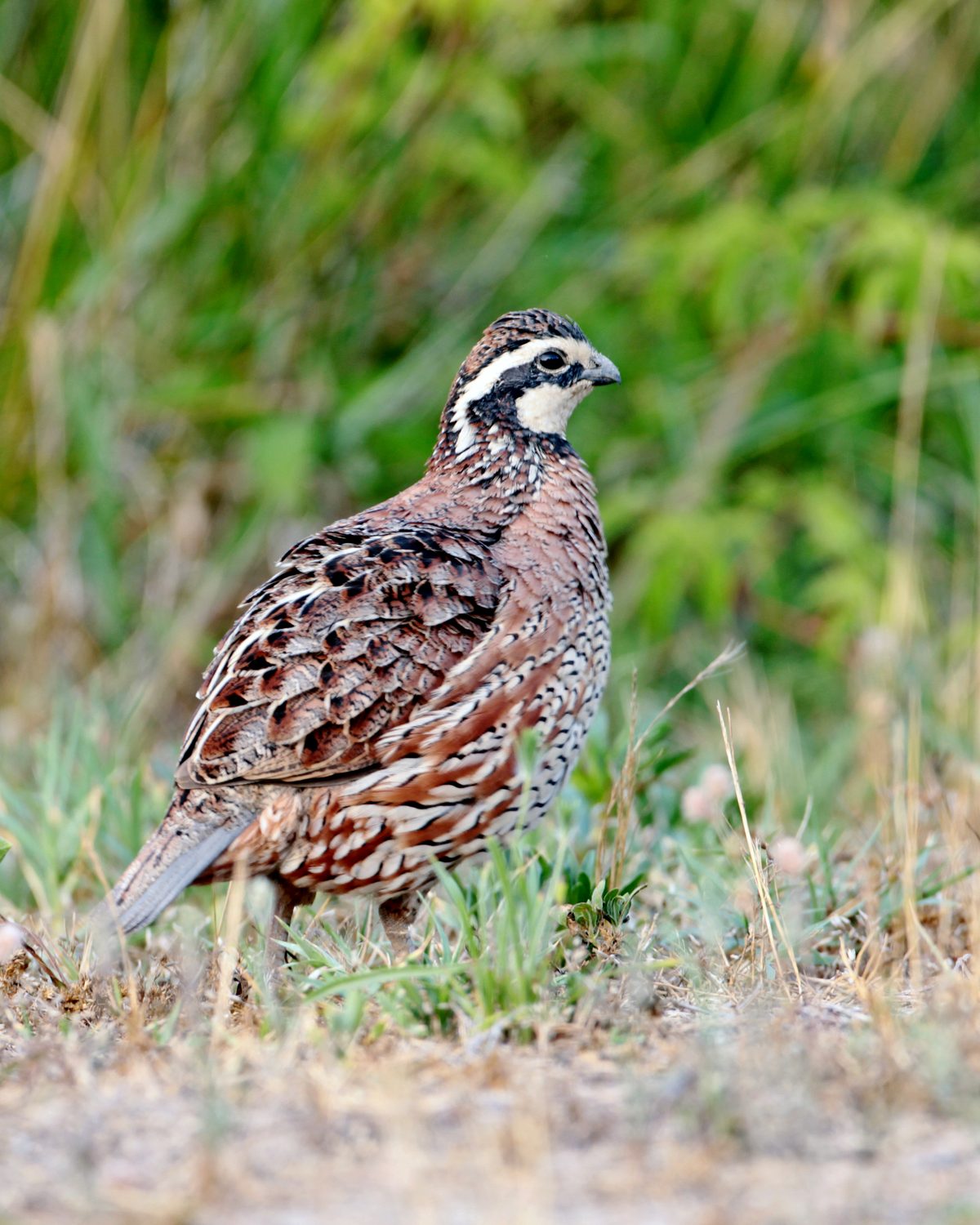
Colinus virginianus
Northern Bobwhite Quail
The classic Southern gentleman's game bird — pointing dogs, a whistled covey call, and the most explosive close-range flush in wingshooting.
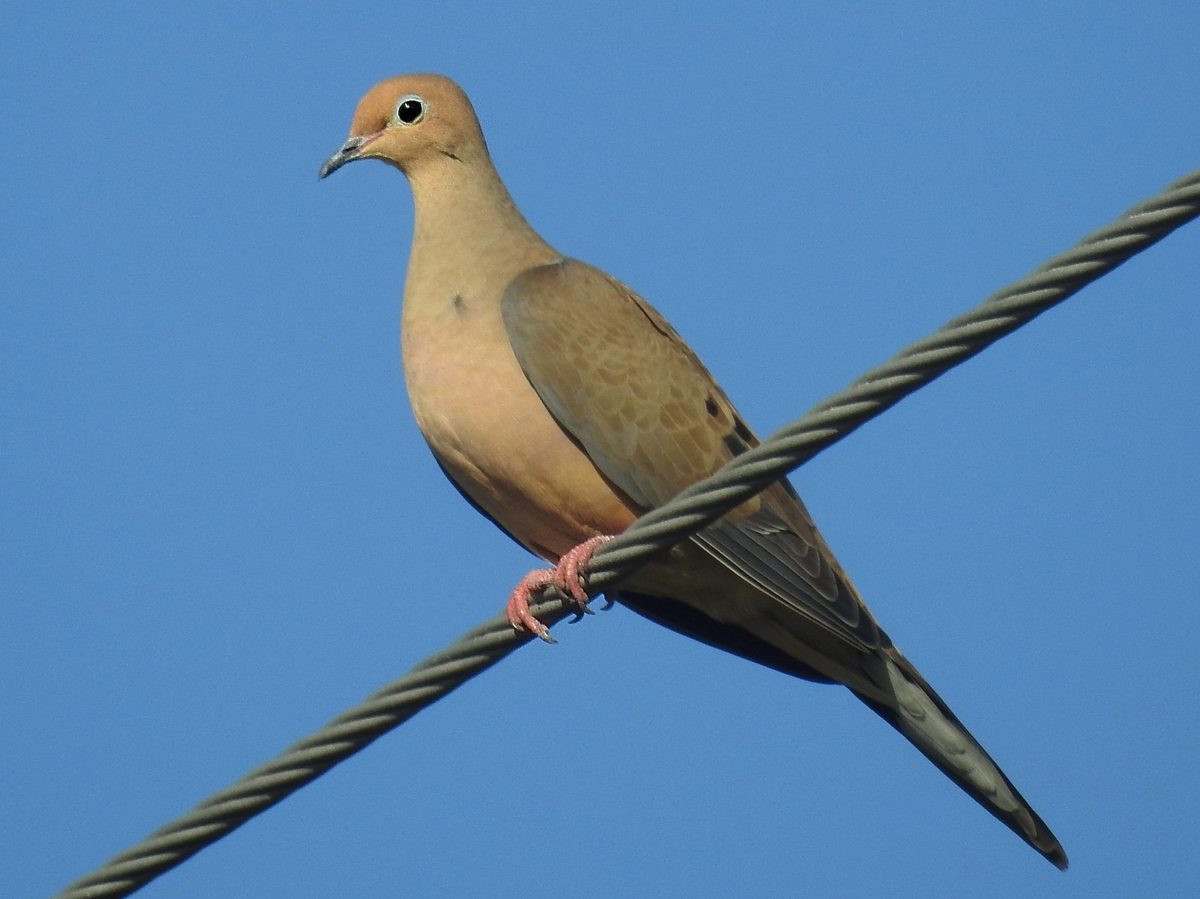
Zenaida macroura
Mourning Dove
The most-hunted game bird in America — a fast, erratic flier over a harvested grain field that humbles even good wingshooters every September.
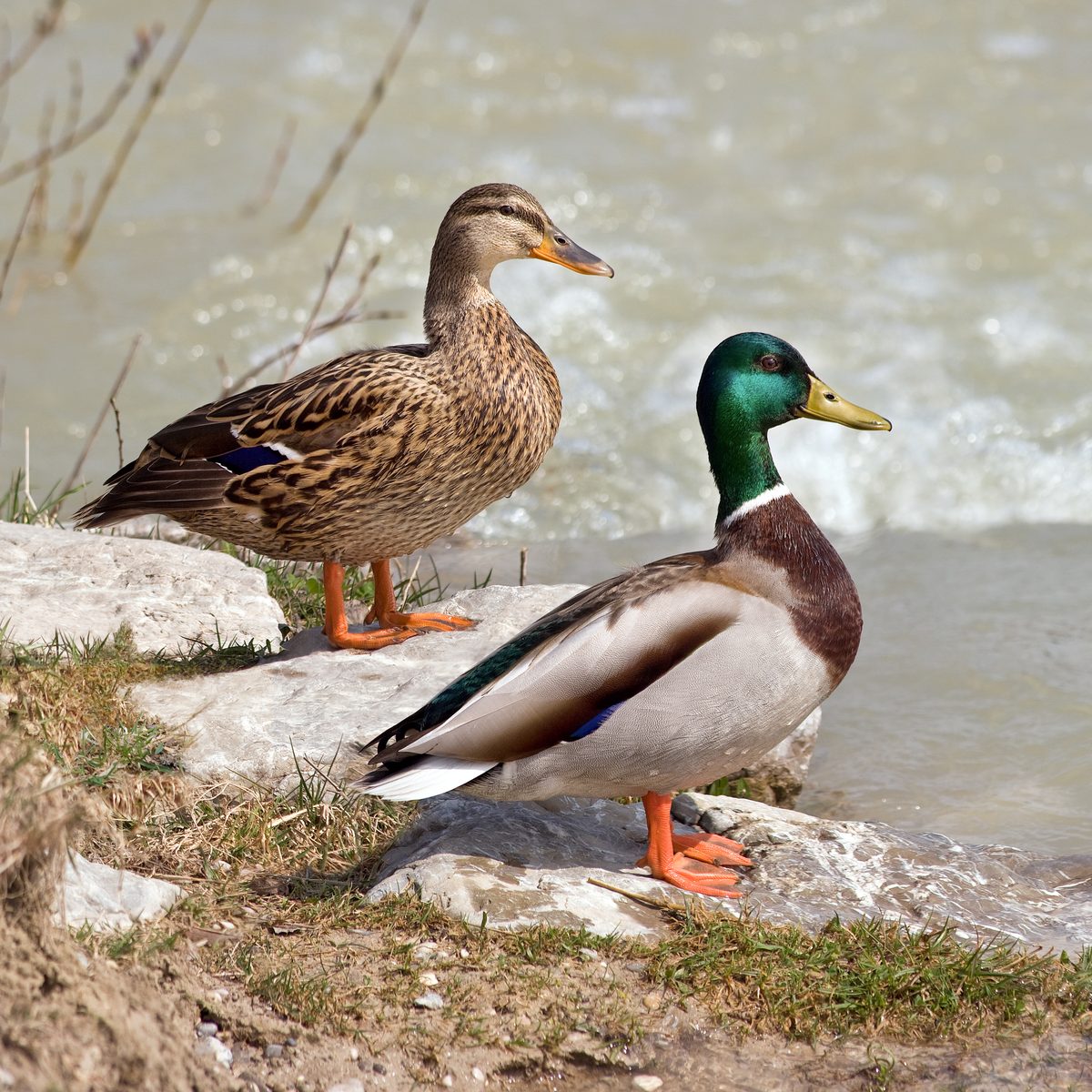
Anas platyrhynchos
Mallard
The most recognizable duck in North America — greenheads cupping into a decoy spread is the image most people picture when they think of duck hunting.
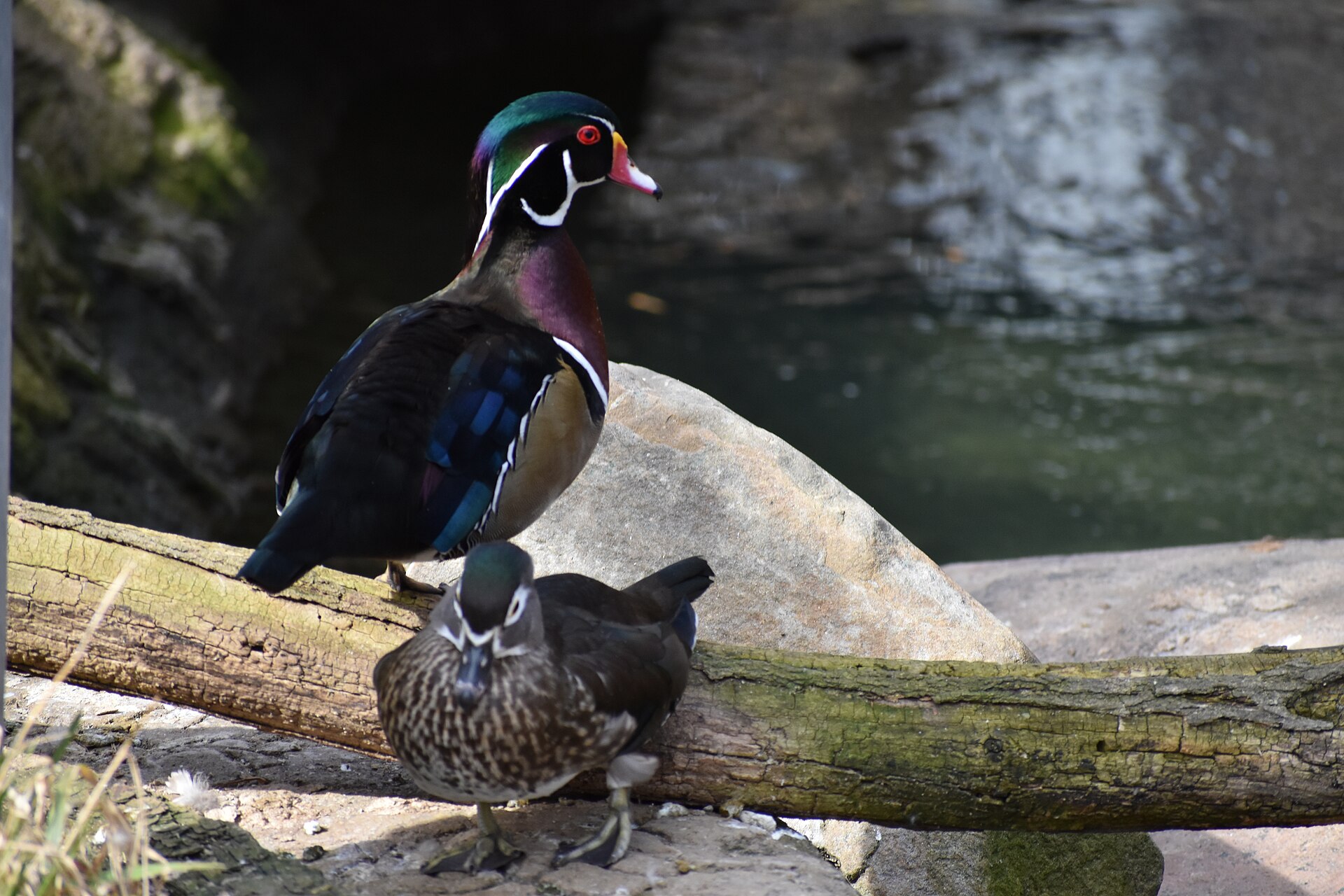
Aix sponsa
Wood Duck
The most strikingly colored duck in North America, dropping through timber holes into flooded woods at first light in a way no other duck does.
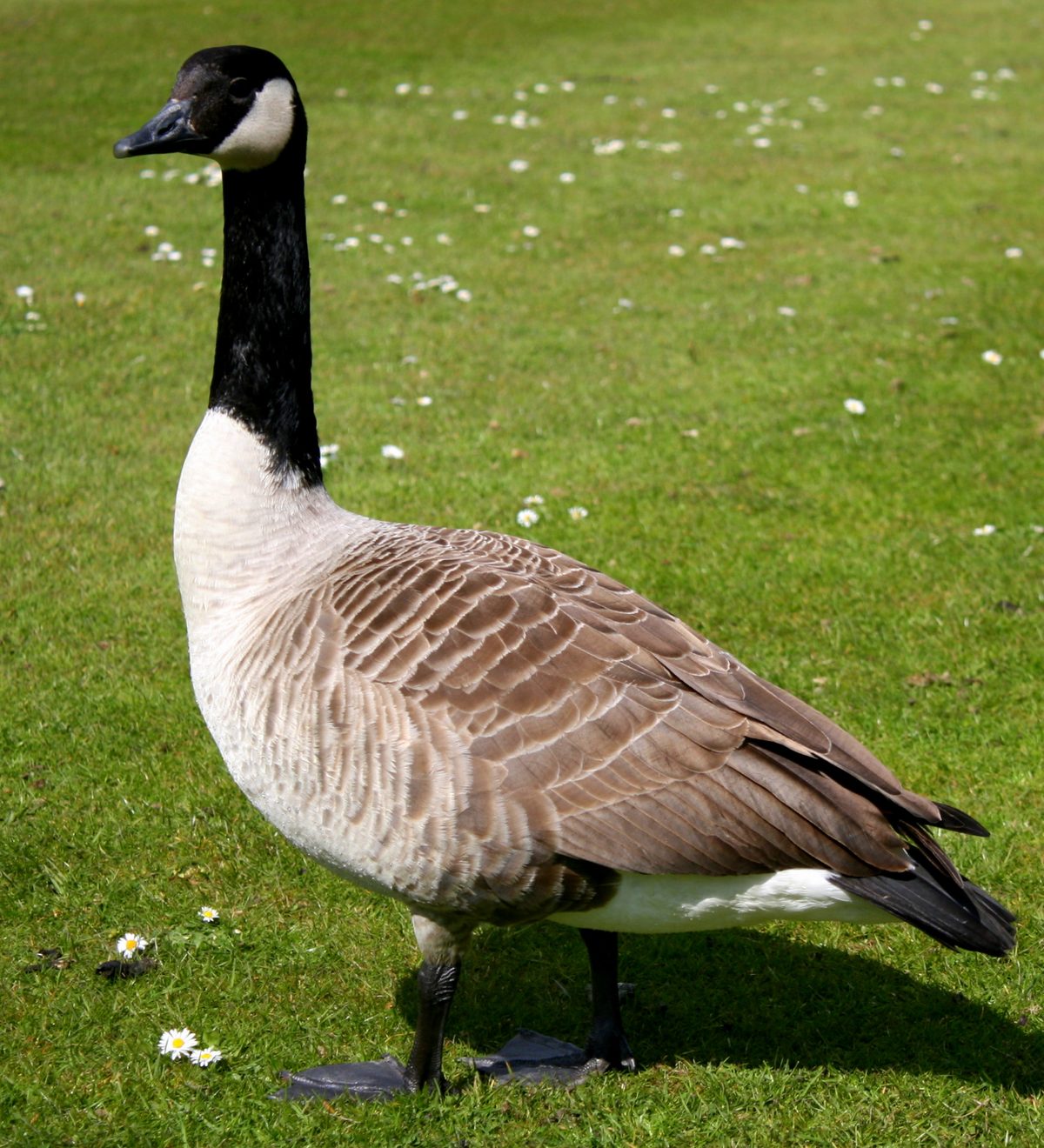
Branta canadensis
Canada Goose
A big, wary bird that finishes into a field spread in a way that rewards patient decoy work and disciplined calling more than any other waterfowl species.
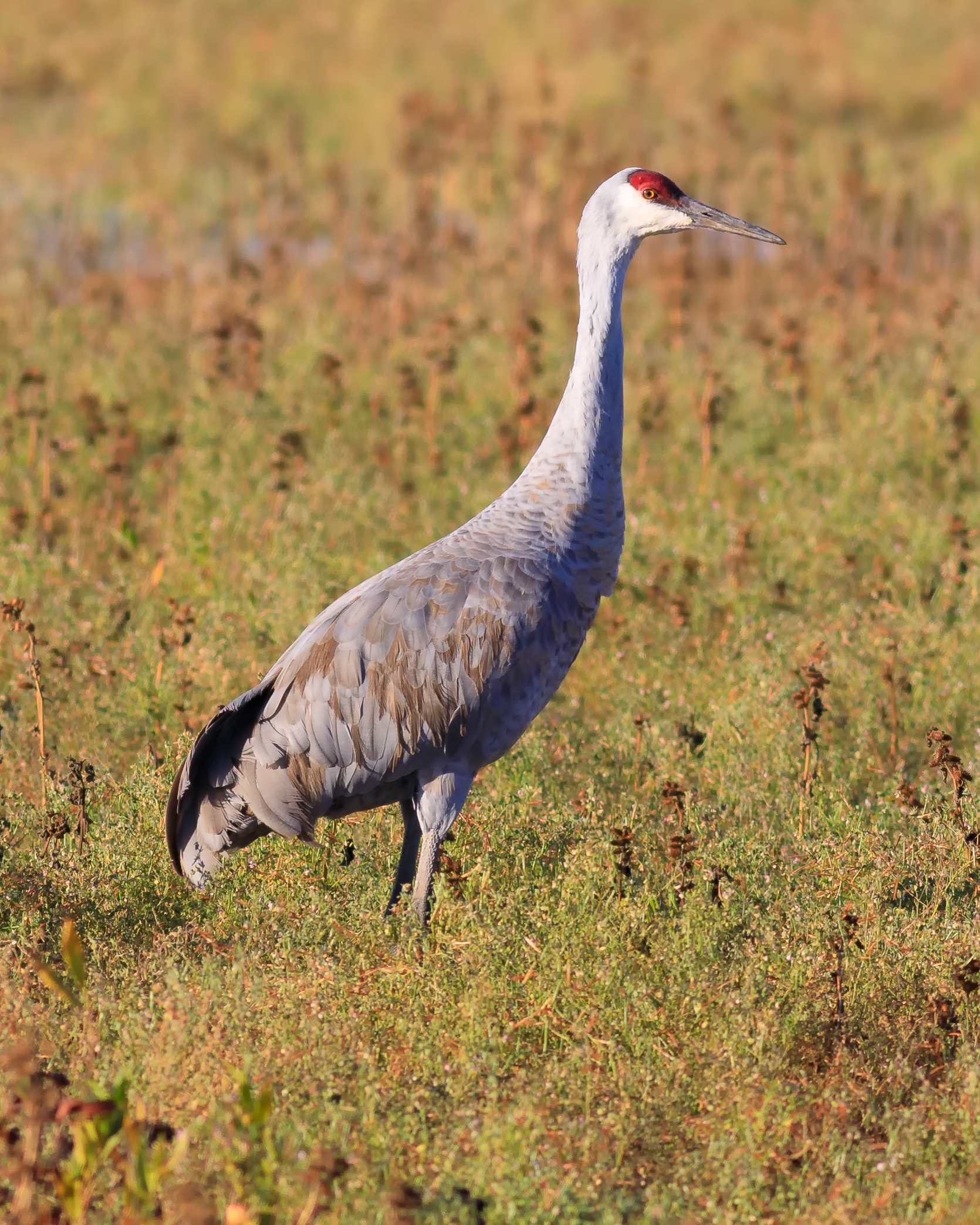
Antigone canadensis
Sandhill Crane
A large, prehistoric-looking migratory bird nicknamed the 'ribeye of the sky,' hunted over grain fields with a limited-permit system separate from ducks and geese.
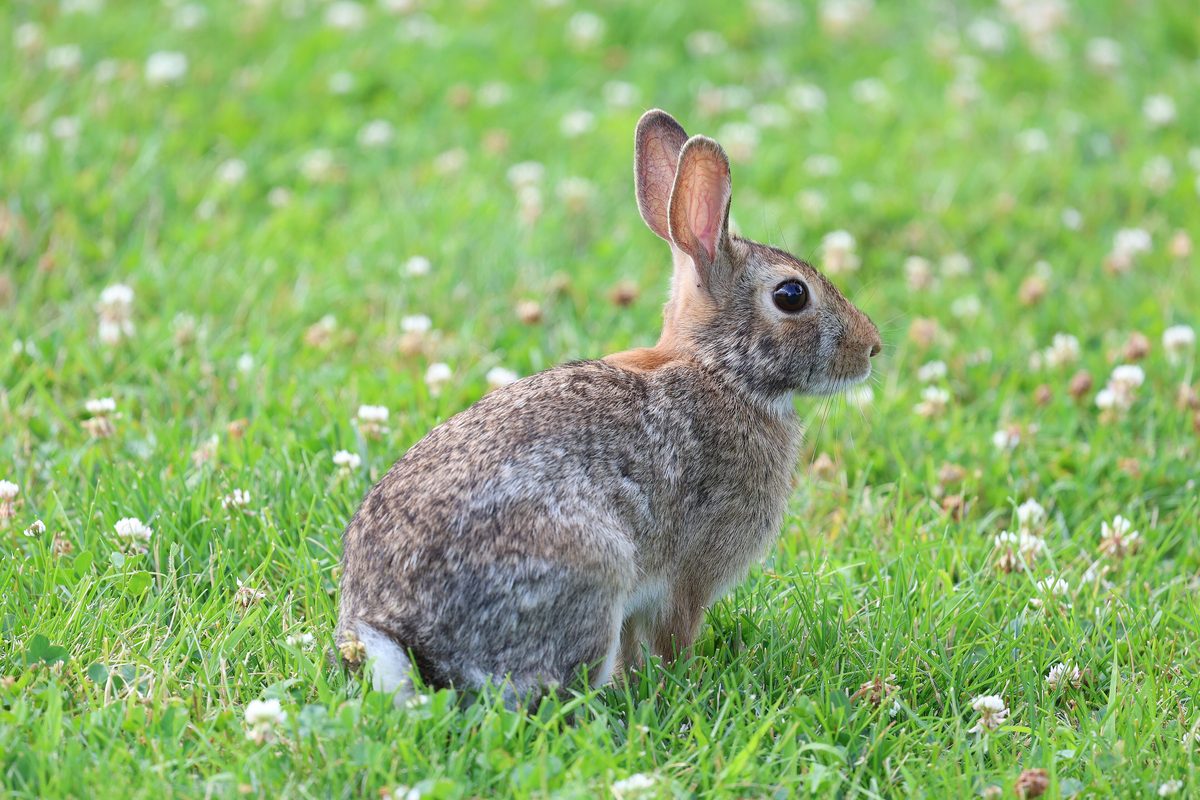
Sylvilagus floridanus
Eastern Cottontail Rabbit
The classic beginner's small-game hunt — a pack of baying beagles pushing a rabbit in a circle back toward the gun.
Lepus americanus
Snowshoe hare
The keystone rodent-shaped animal of the boreal — feeds lynx, fisher, marten, owl, fox, and coyote, and turns pure white when the snow arrives.
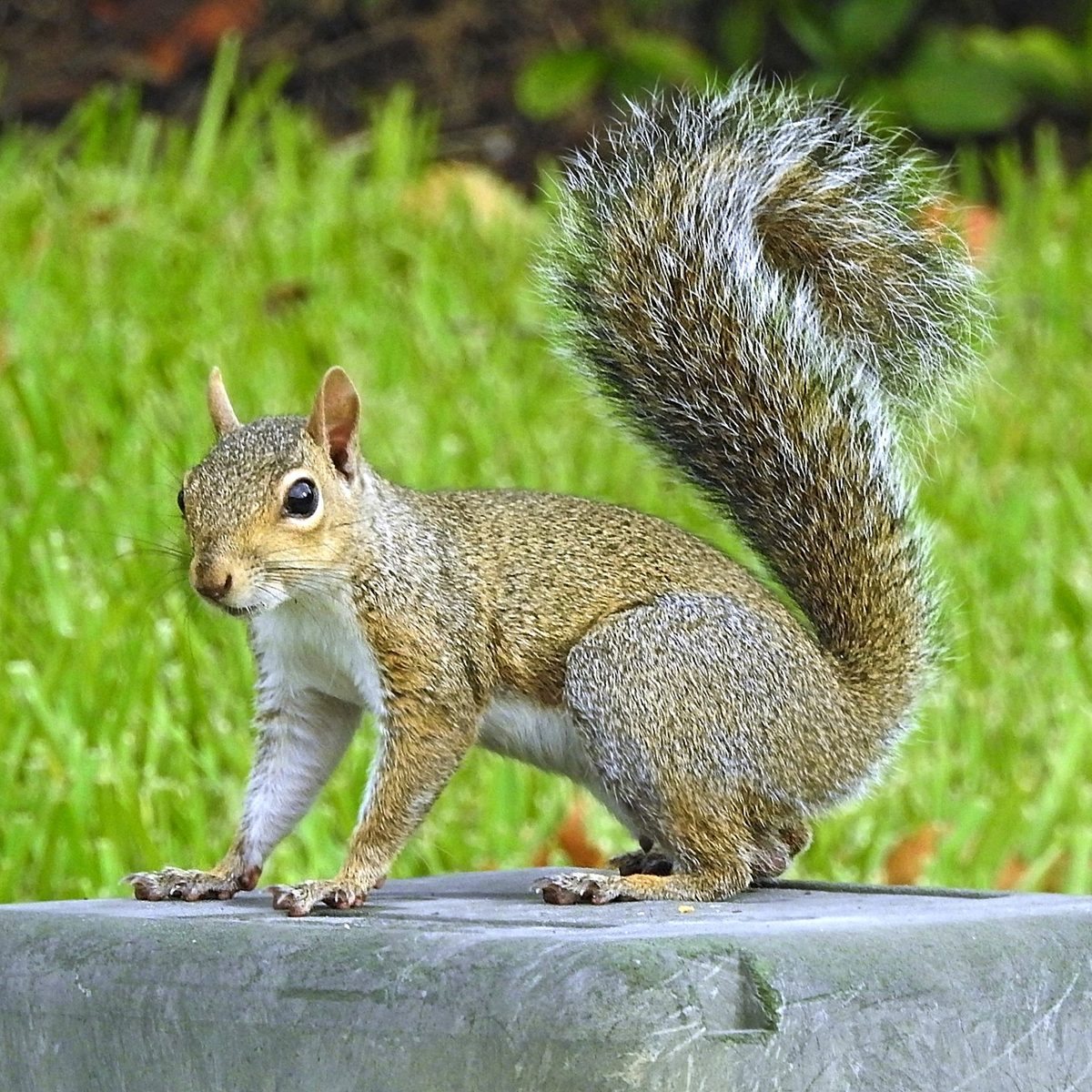
Sciurus carolinensis
Eastern Gray Squirrel
Widely considered the best hunt for teaching new hunters patience, stillness, and woodsmanship — and a genuinely underrated table bird... er, mammal.
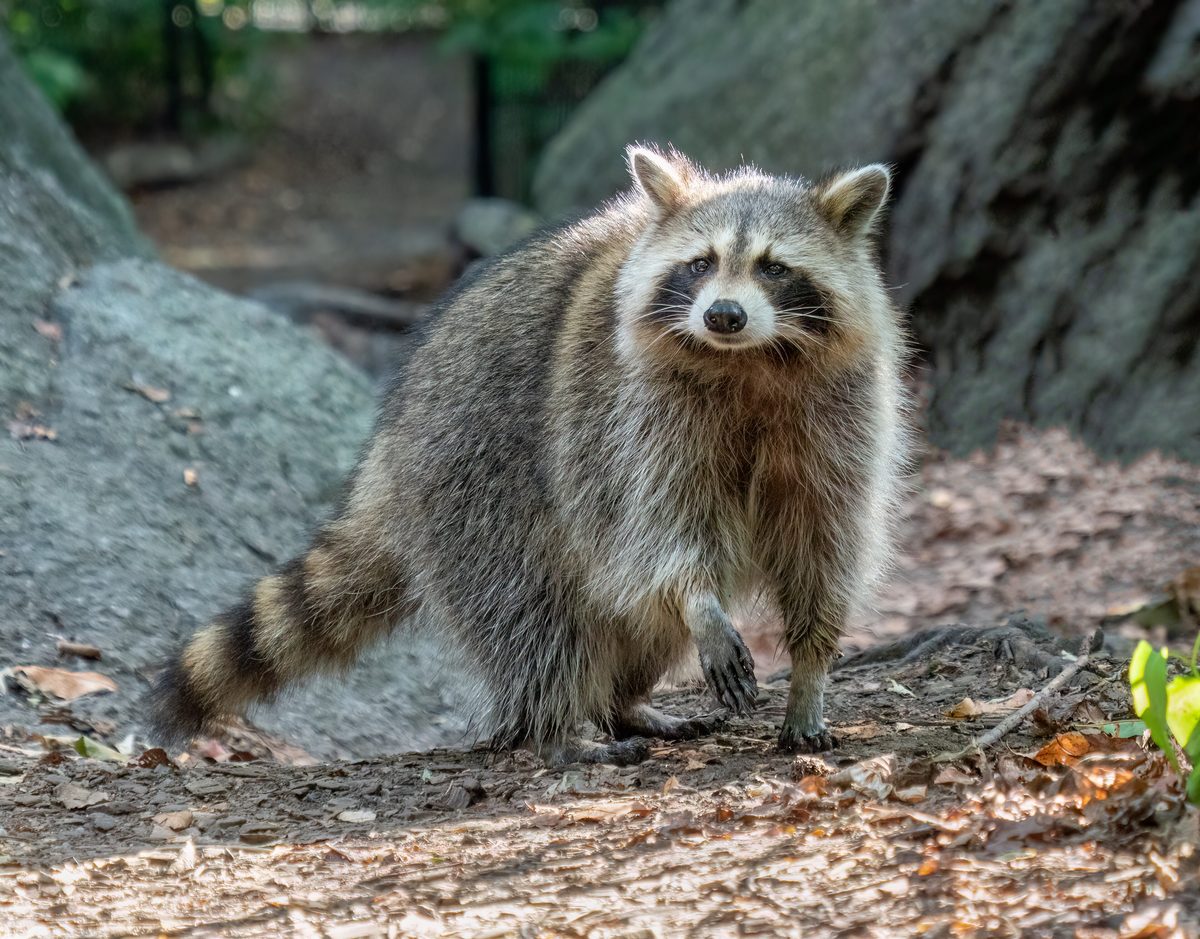
Procyon lotor
Raccoon
A nighttime hound-hunting tradition built entirely around a dog's nose and voice, ending with a treed raccoon lit up by headlamp.
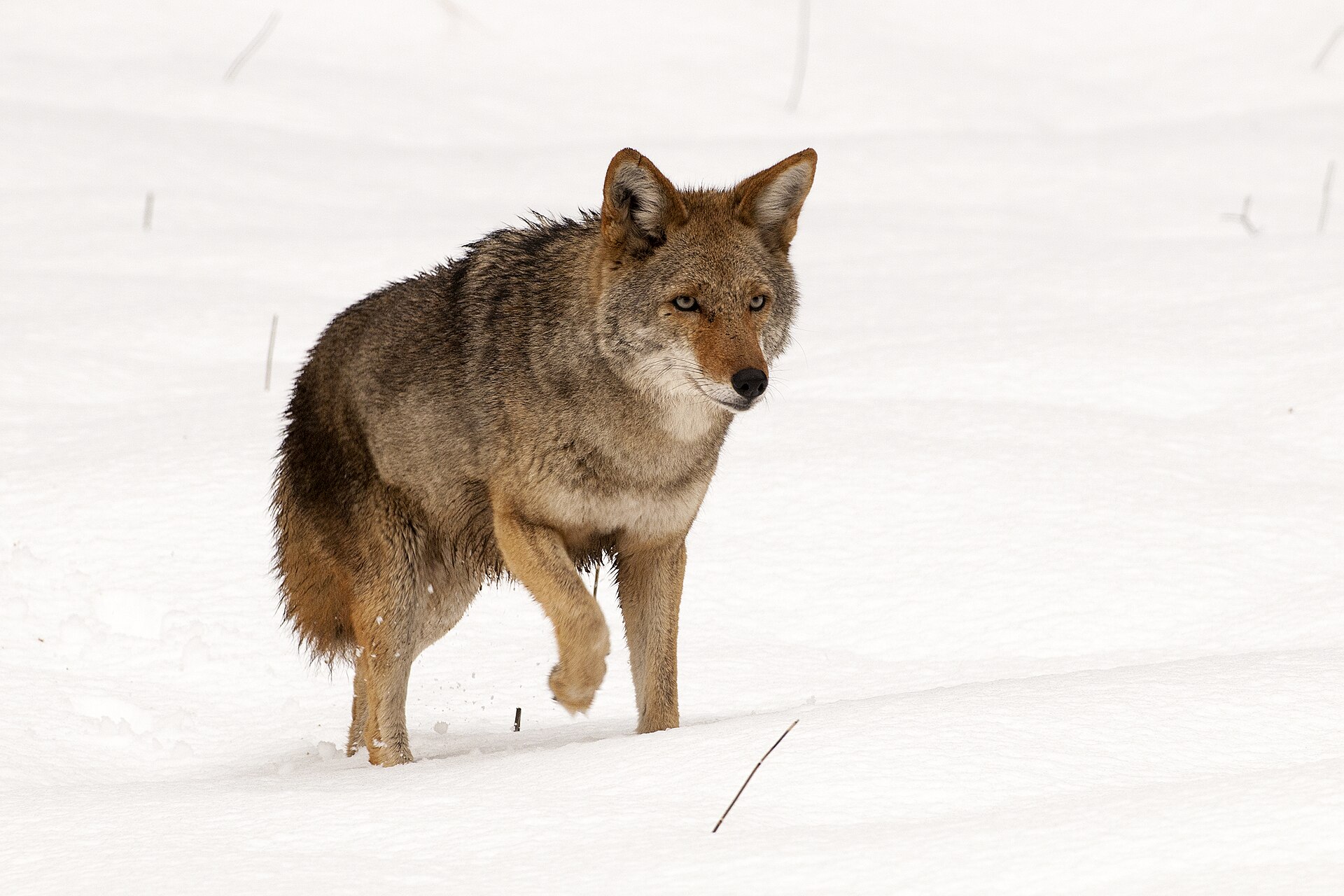
Canis latrans
Coyote
A wary, intelligent predator hunted almost entirely by calling — mimicking a wounded rabbit or a fighting pack to pull a coyote into rifle range.
Freshwater Fish
19 profiles
Lake, river and pond gamefish — where they hold through the year, how they feed, and how to handle them.
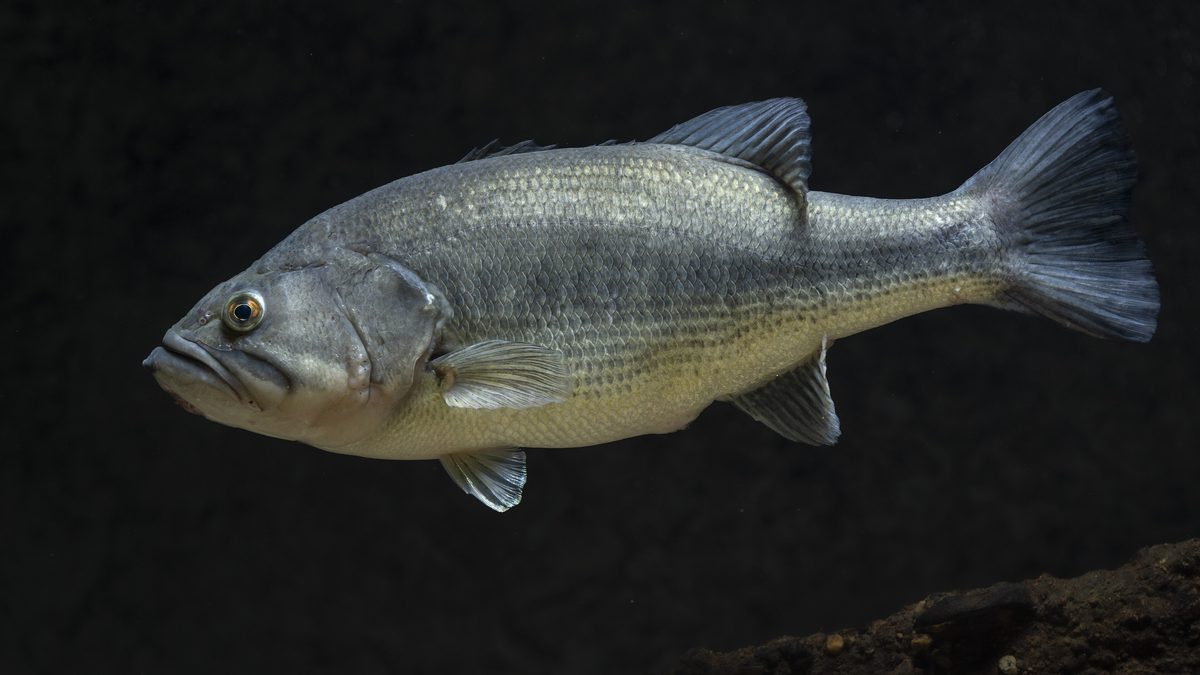
Micropterus nigricans
Largemouth Bass
The most available gamefish in North America — a farm pond fish and a trophy fish at the same time, depending on how you fish for it.
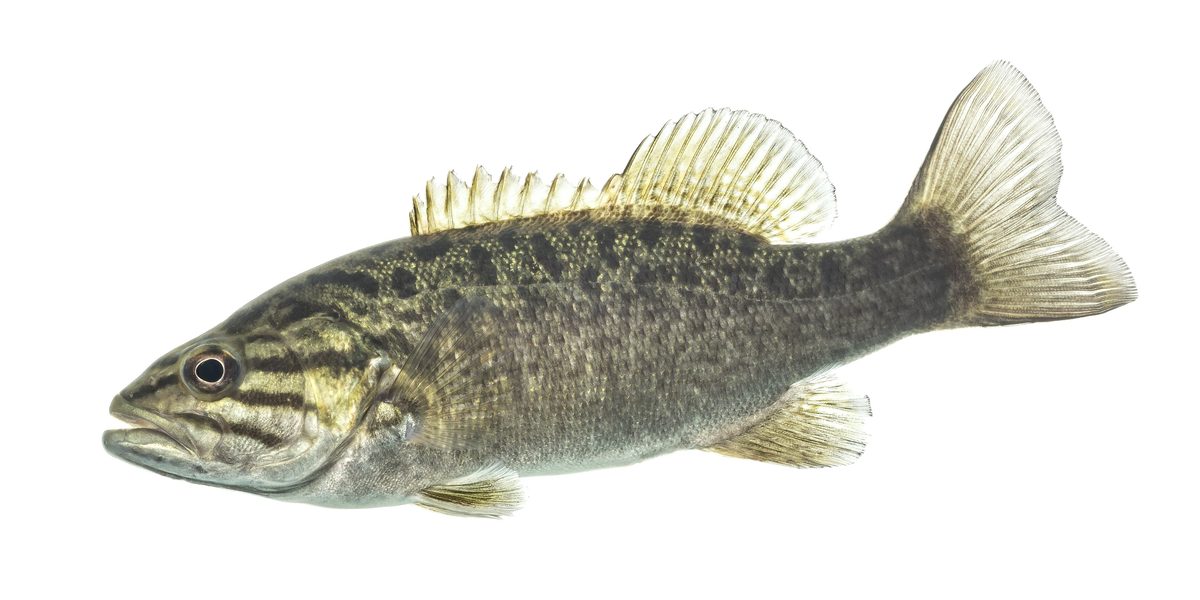
Micropterus dolomieu
Smallmouth Bass
Pound for pound the hardest-fighting freshwater fish most anglers will ever hook — and it lives in current and clean rock.
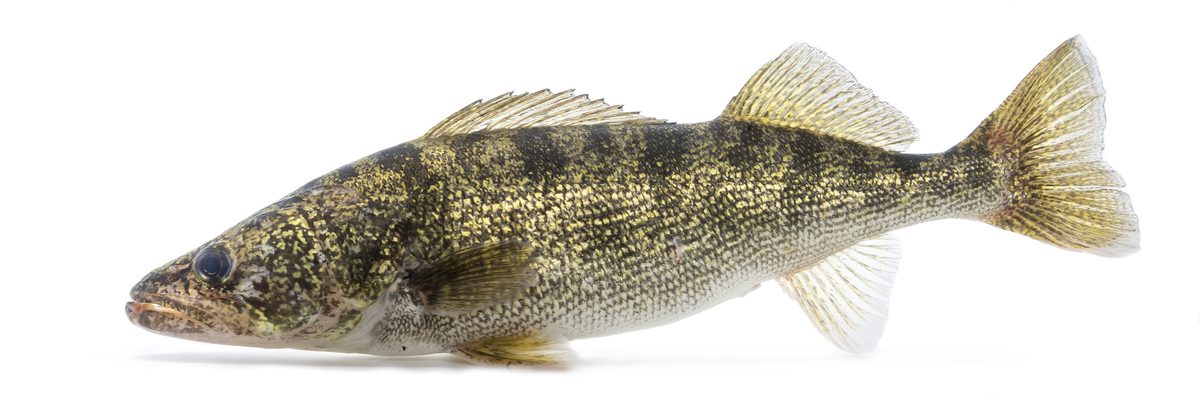
Sander vitreus
Walleye
The best-eating fish in fresh water, and the one most tied to light, wind, and depth.
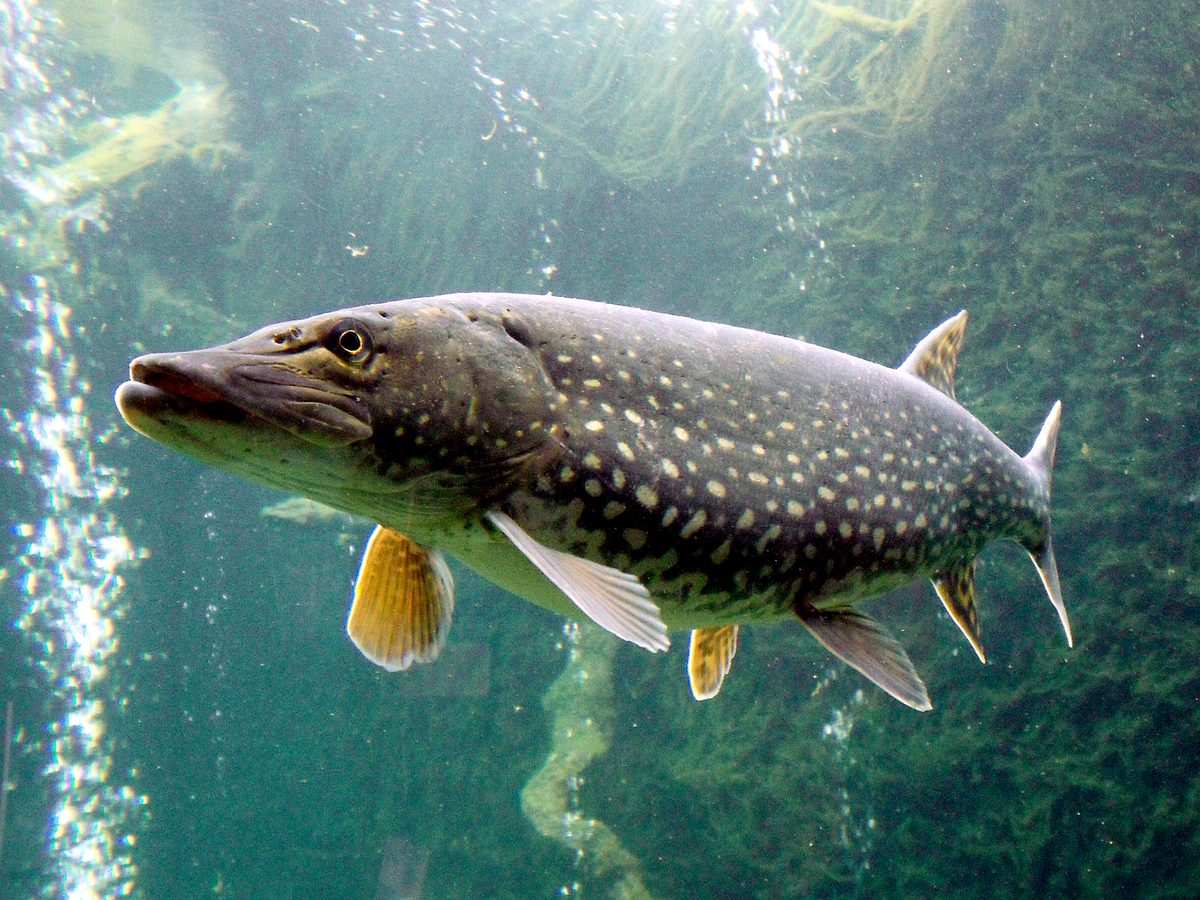
Esox lucius
Northern Pike
A weed-edge ambush predator that will eat a lure half its own length and cut your line doing it.
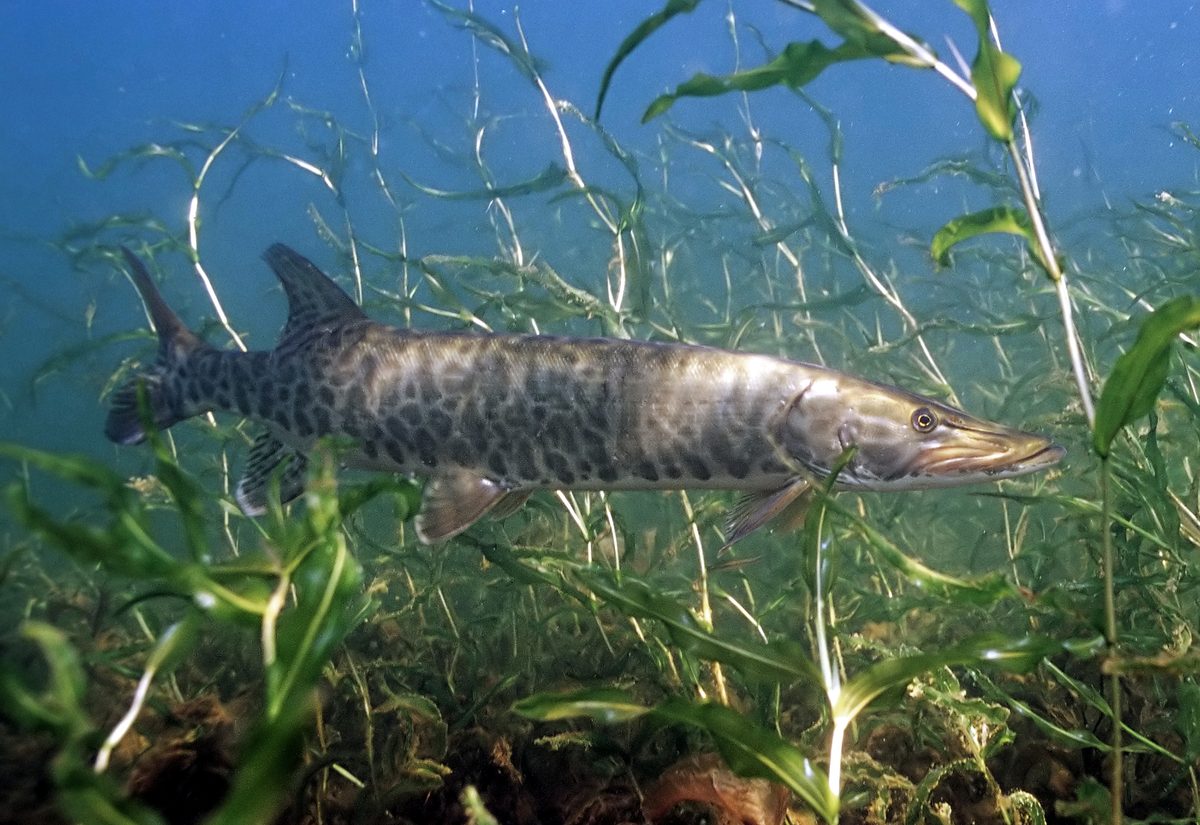
Esox masquinongy
Muskellunge
The fish of ten thousand casts — and the reason a whole subculture of anglers throws baits the size of a walleye.
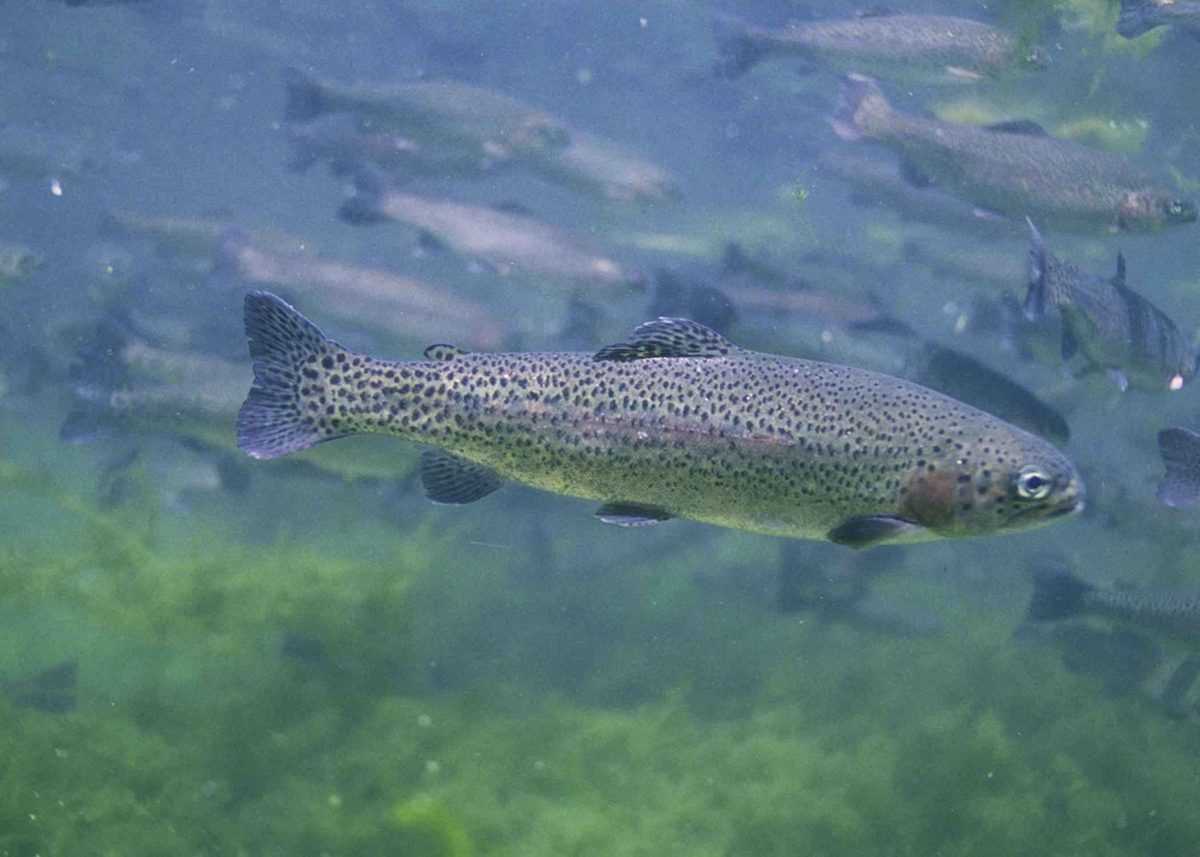
Oncorhynchus mykiss
Rainbow Trout
The most widely stocked trout in the world and, in the right river, one of the hardest fighting.
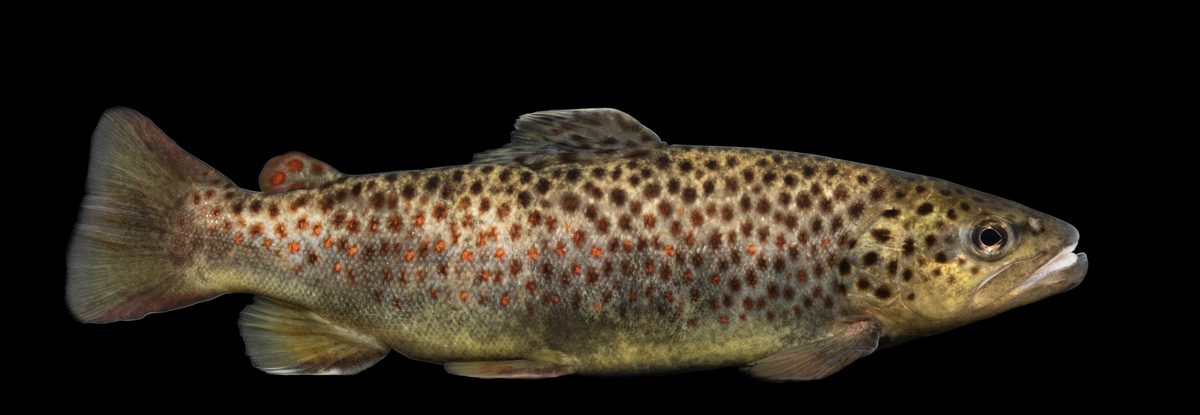
Salmo trutta
Brown Trout
The most cautious trout in the river, and the one most likely to be the biggest fish in it.
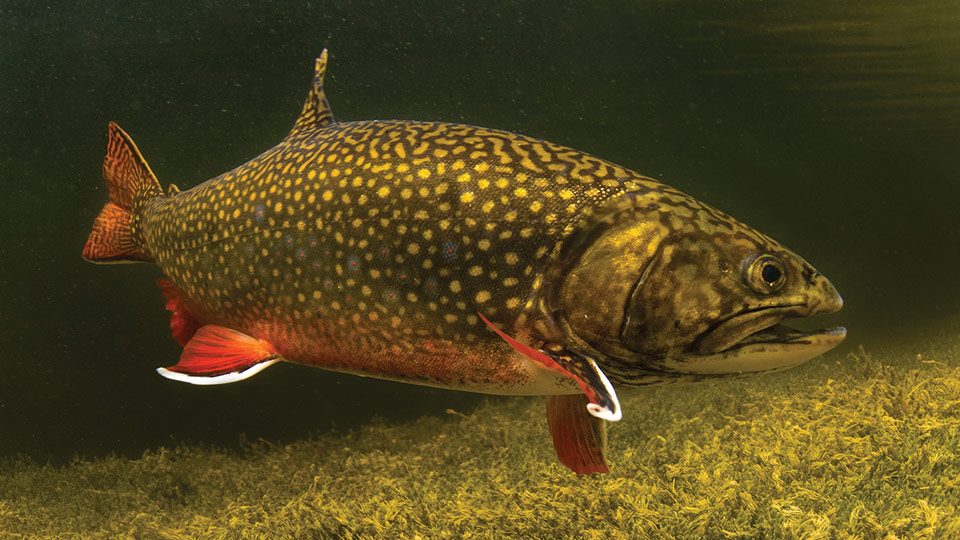
Salvelinus fontinalis
Brook Trout
A native char of cold headwaters — small, spectacular, and the best reason to hike upstream.
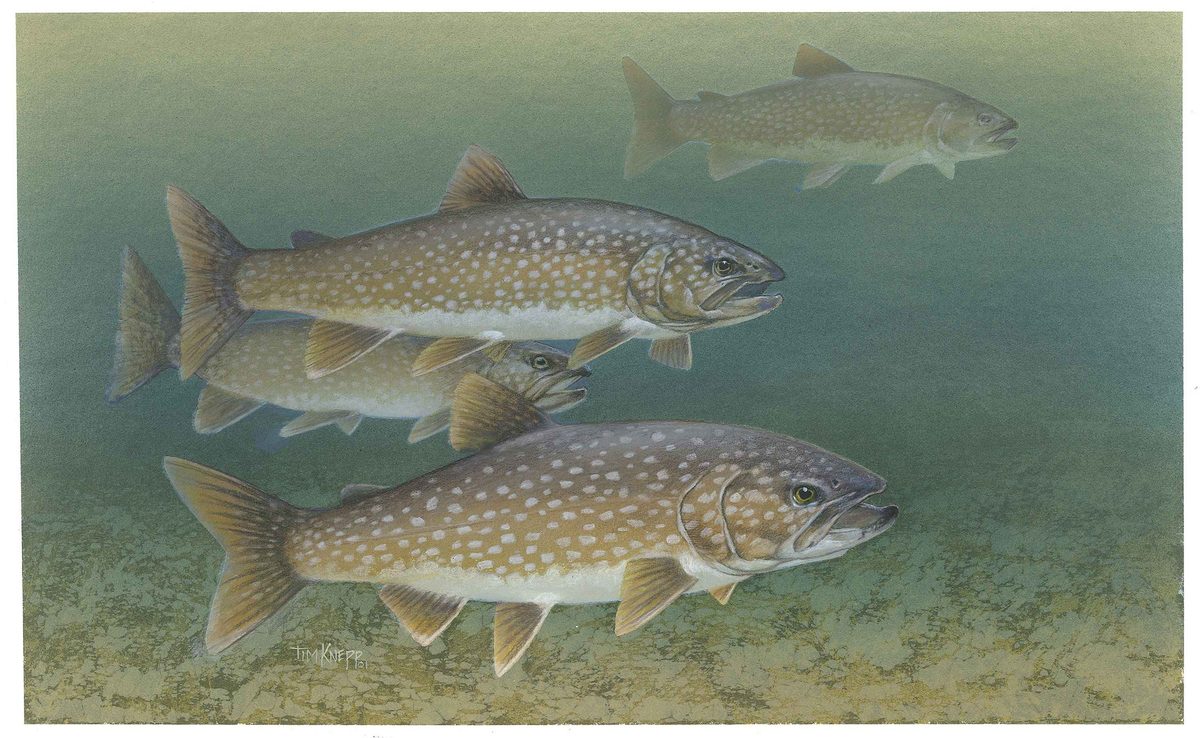
Salvelinus namaycush
Lake Trout
A deep, cold-water char that comes within reach twice a year — right after ice-out and through the hardwater season.
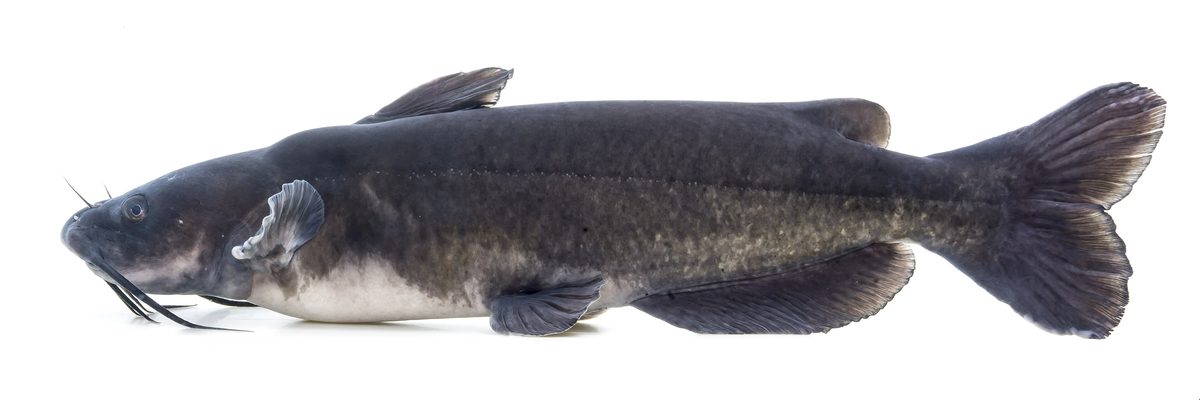
Ictalurus punctatus
Channel Catfish
The most available big fish in America, catchable from the bank, at night, with simple gear.
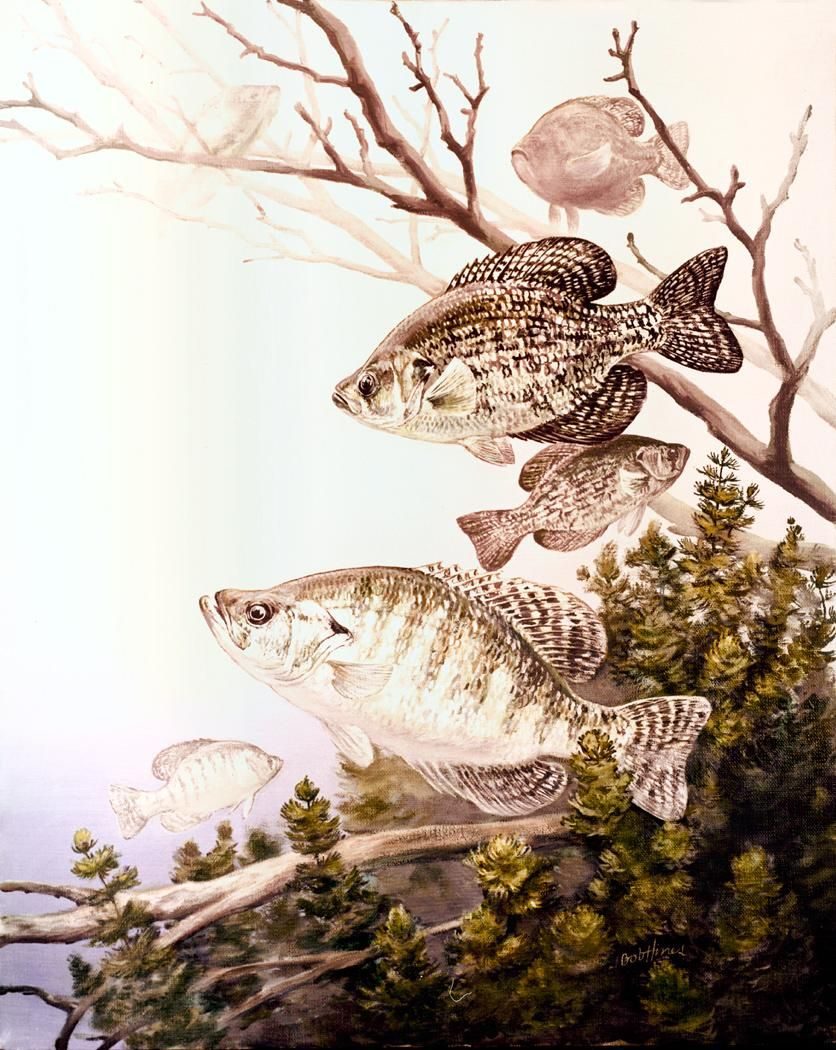
Pomoxis annularis / nigromaculatus
Crappie
The best-tasting fish most people can catch in numbers, and the one that schools tight enough to fill a cooler.
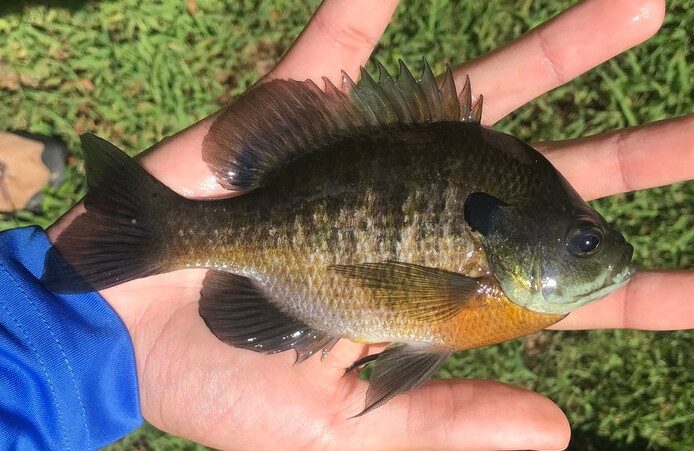
Lepomis macrochirus
Bluegill
The fish that teaches everyone to fish, and still the best afternoon on the water for most families.
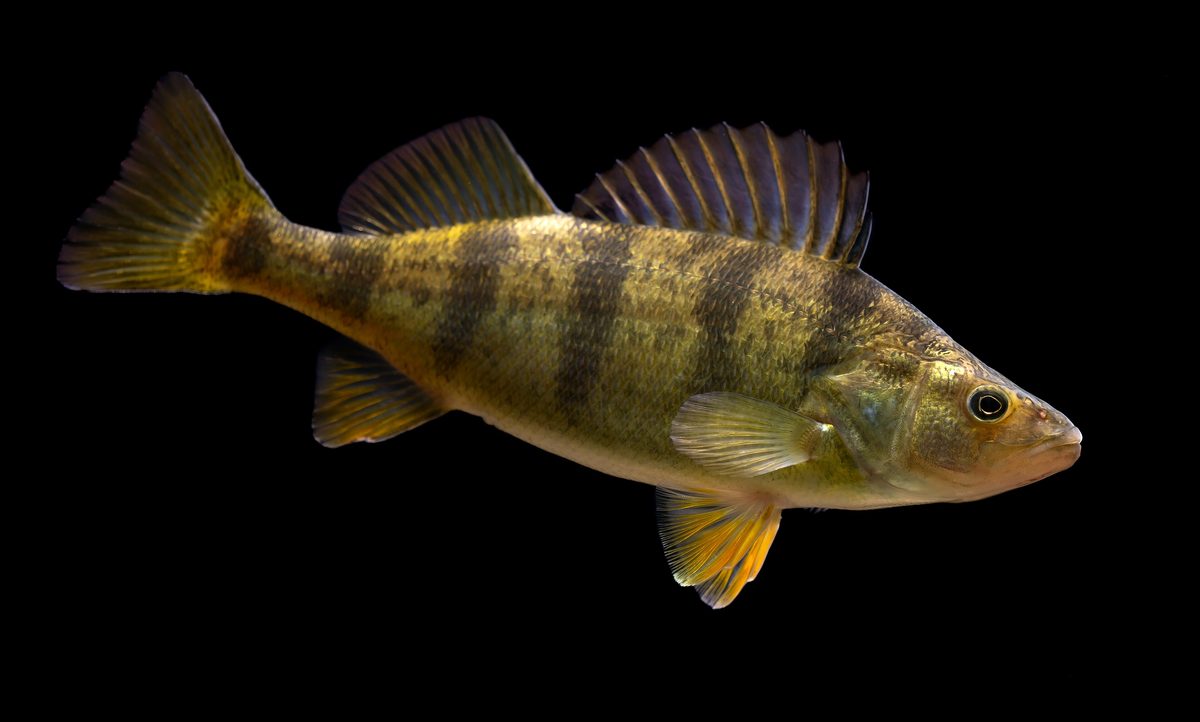
Perca flavescens
Yellow Perch
A schooling, bottom-oriented panfish that gets better the colder it gets — and the best-eating small fish in fresh water.
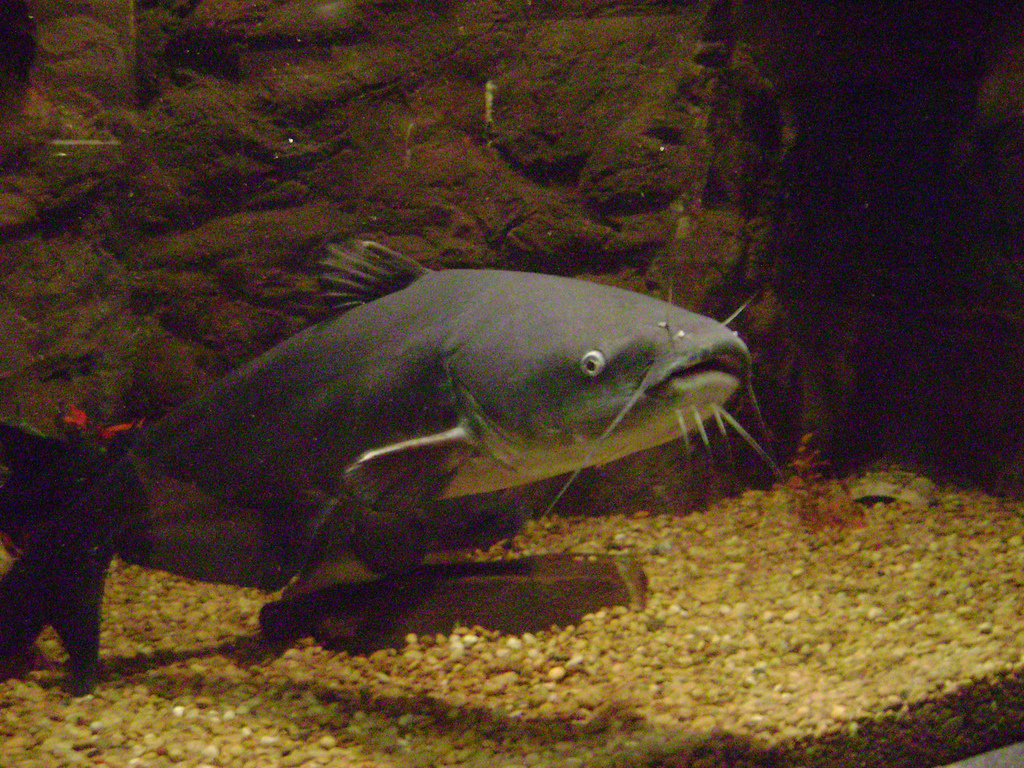
Ictalurus furcatus
Blue Catfish
The largest catfish in North America and the most attainable genuine trophy fish in fresh water — 40-pounders come from public river water within an hour of most southern cities.
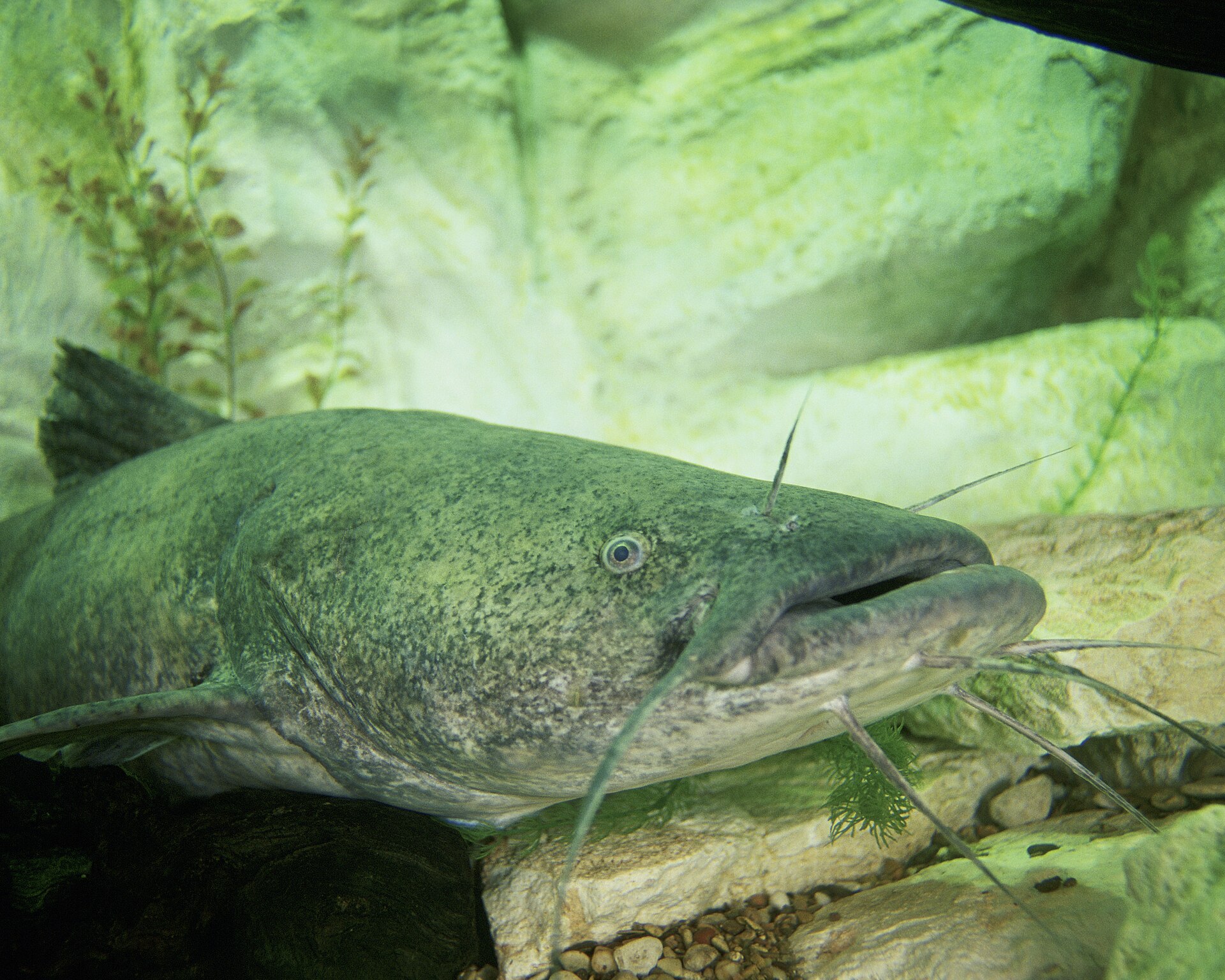
Pylodictis olivaris
Flathead Catfish
A live-bait predator that lives inside logjams and refuses everything dead — the most specialized catfish in North America and the best eating of the three.
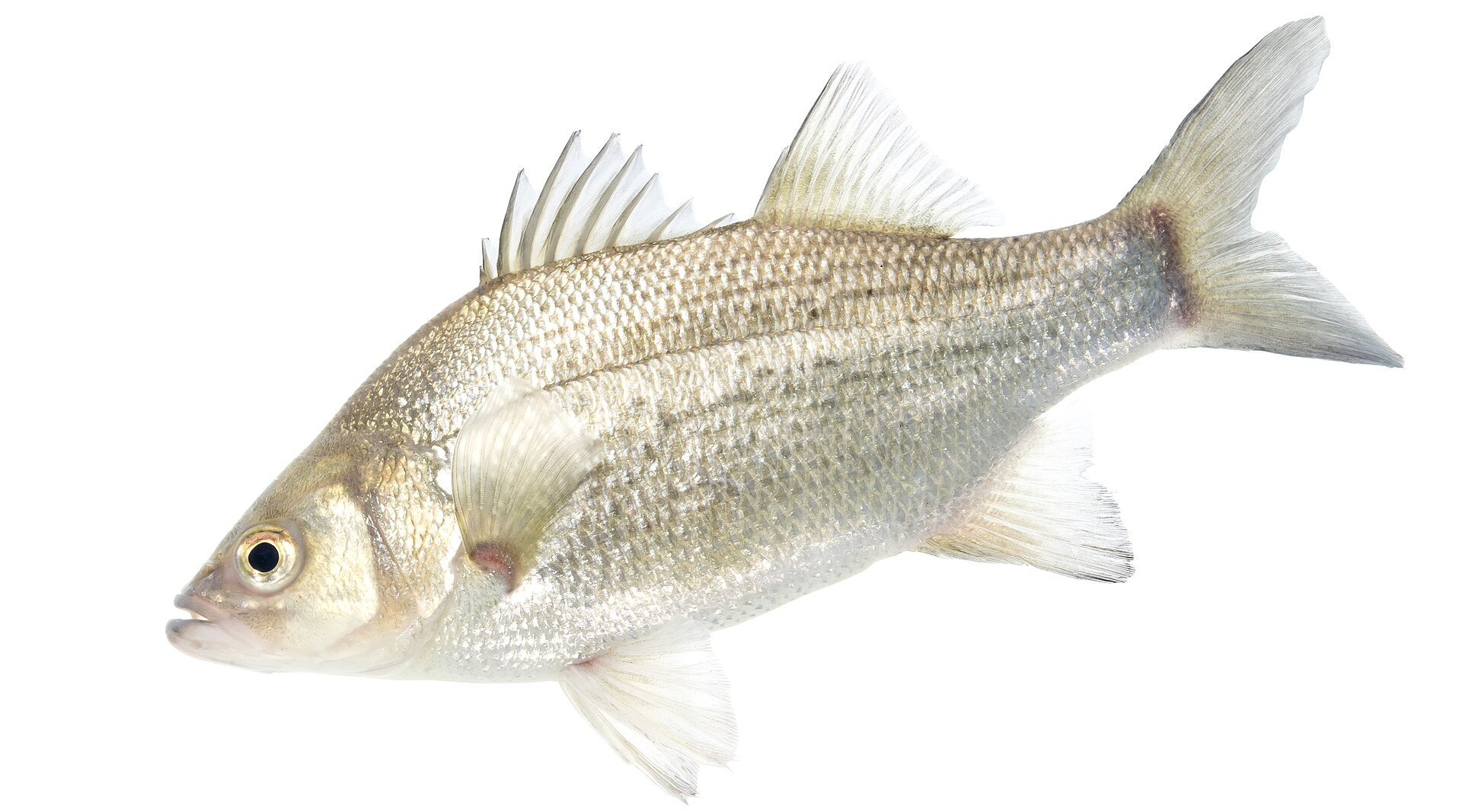
Morone chrysops
White Bass
A schooling shad-chaser that runs up rivers by the thousand every spring — the fastest fishing of the year for anyone who times it right.
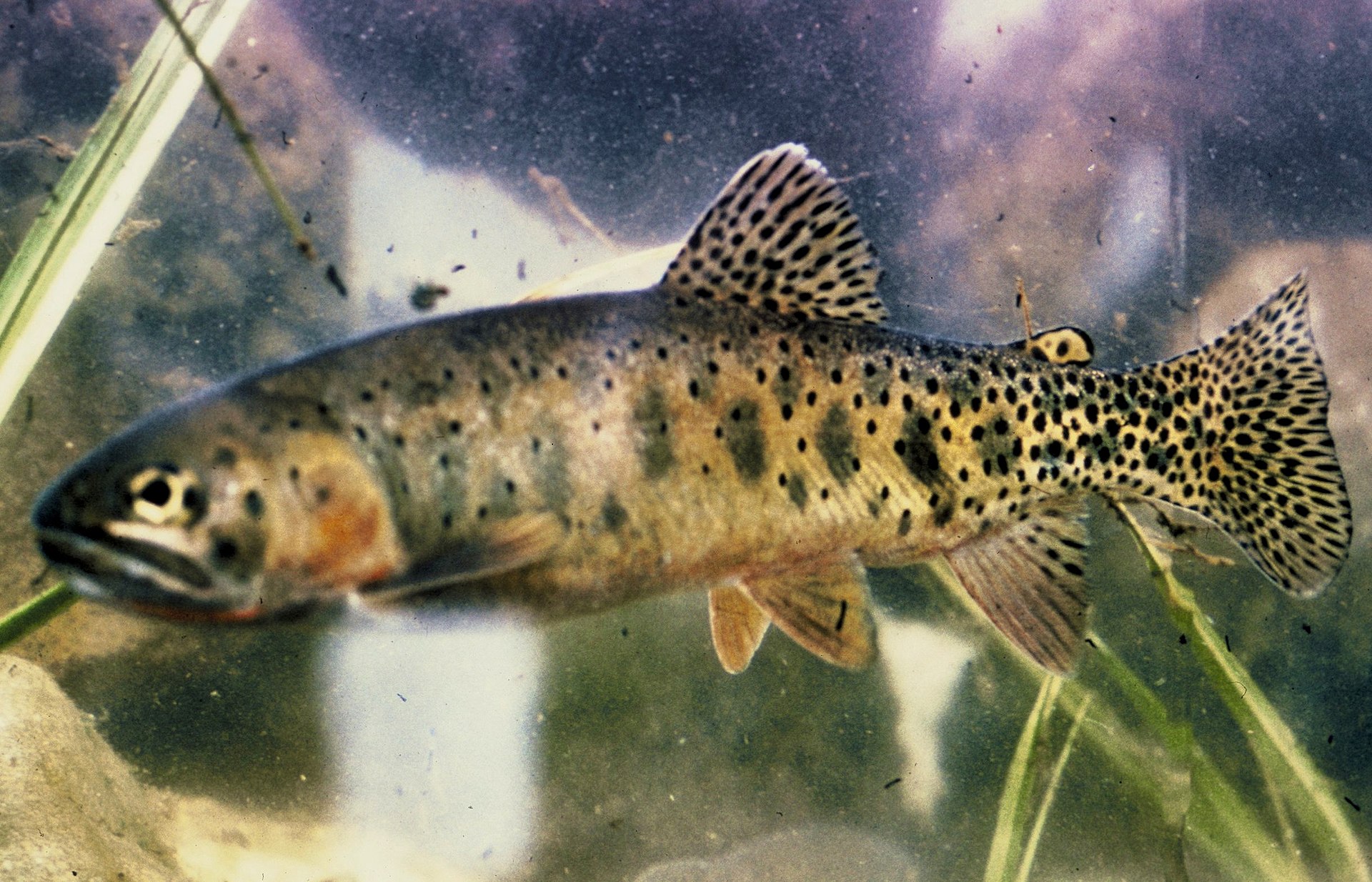
Oncorhynchus clarkii
Cutthroat Trout
The native trout of the American West — willing on a dry fly, gorgeous in the hand, and almost always found in the prettiest water on the map.
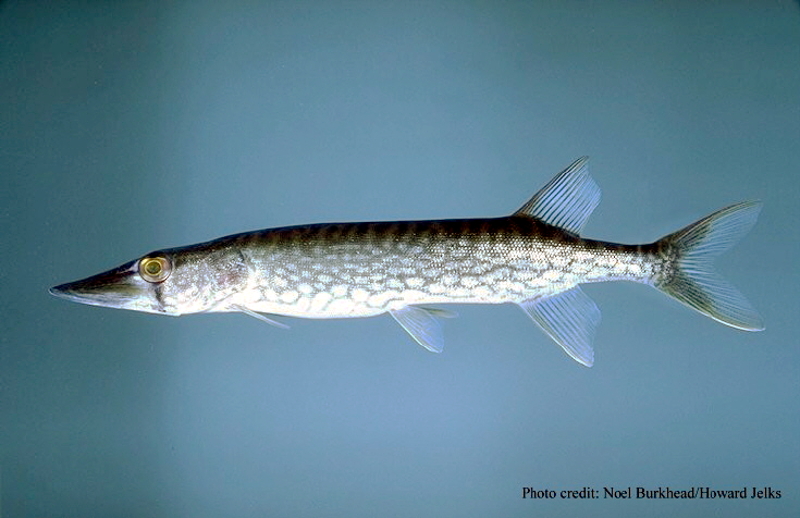
Esox niger
Chain Pickerel
The little pike of eastern swamps and ponds — a savage striker that bites when it is too cold for anything else to move.
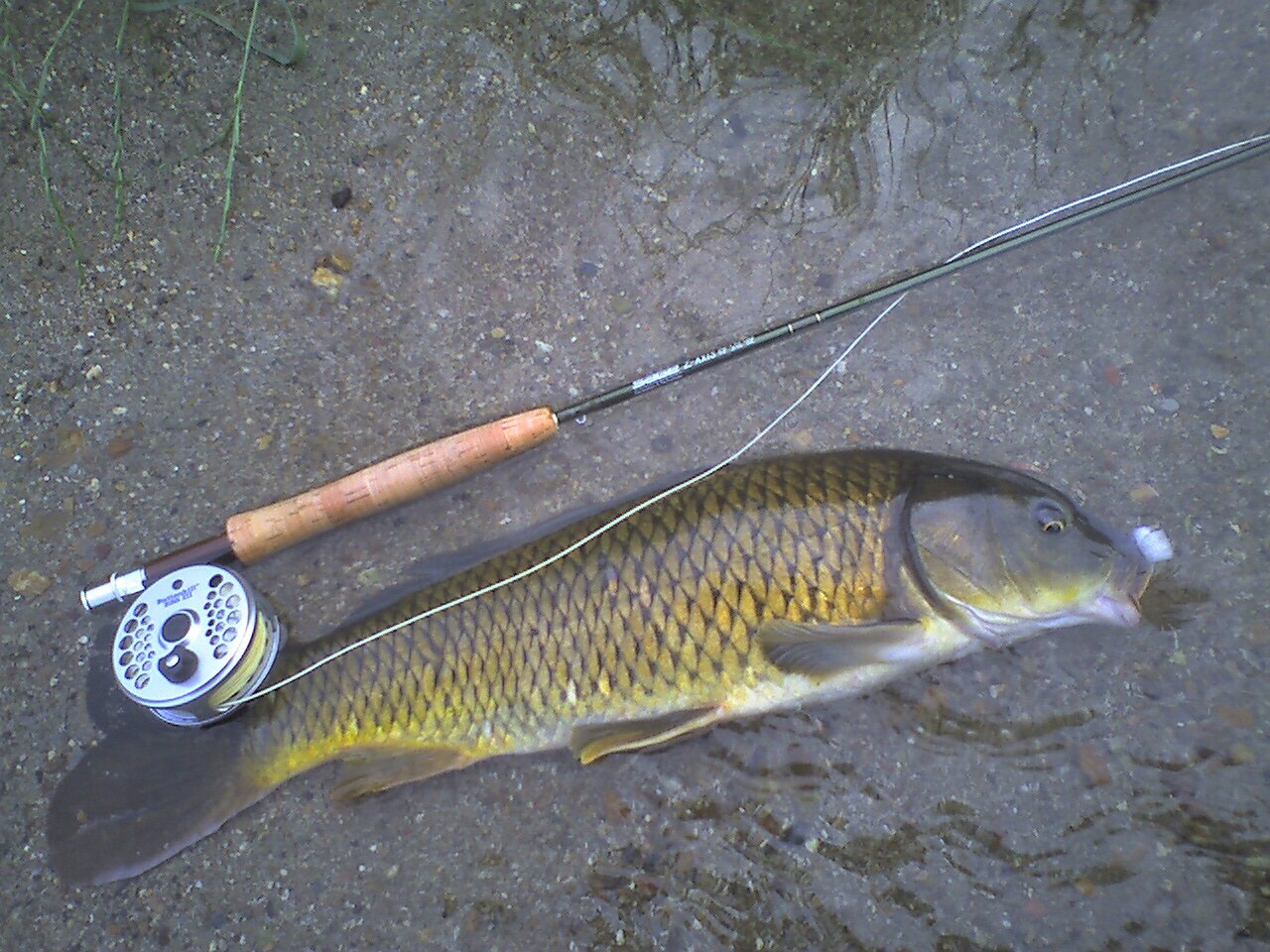
Cyprinus carpio
Common Carp
The most difficult, hardest-pulling, most widely available fish in North America — and the one almost nobody fishes for on purpose.
Saltwater Fish
12 profiles
Inshore, nearshore and offshore gamefish — migrations, structure, and handling for the table or release.
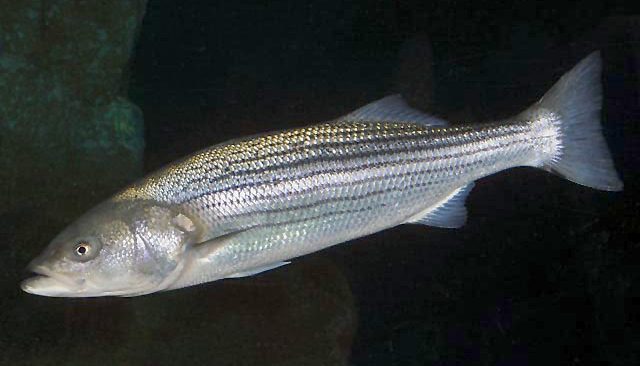
Morone saxatilis
Striped Bass
The great migratory gamefish of the Atlantic coast — and a legitimate landlocked reservoir target too.
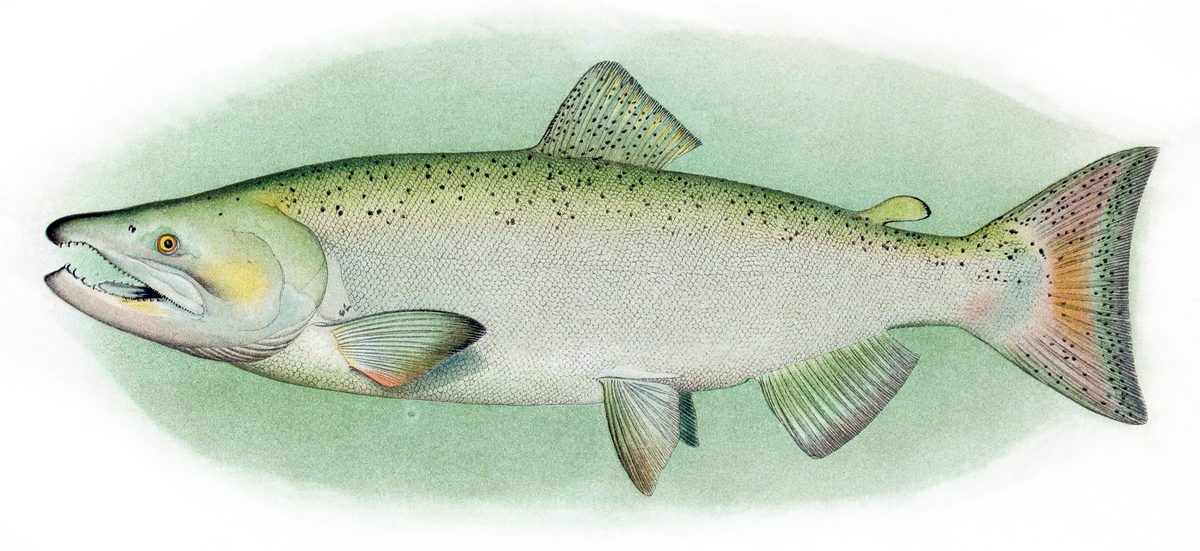
Oncorhynchus spp.
Pacific Salmon
Five species, one life cycle, and a run calendar that organizes the entire Pacific Northwest fishing year.
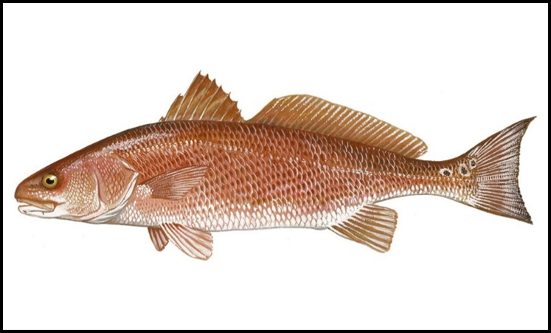
Sciaenops ocellatus
Red Drum
The best shallow-water sight-fishing target in America — and a fish that will eat almost anything presented well.
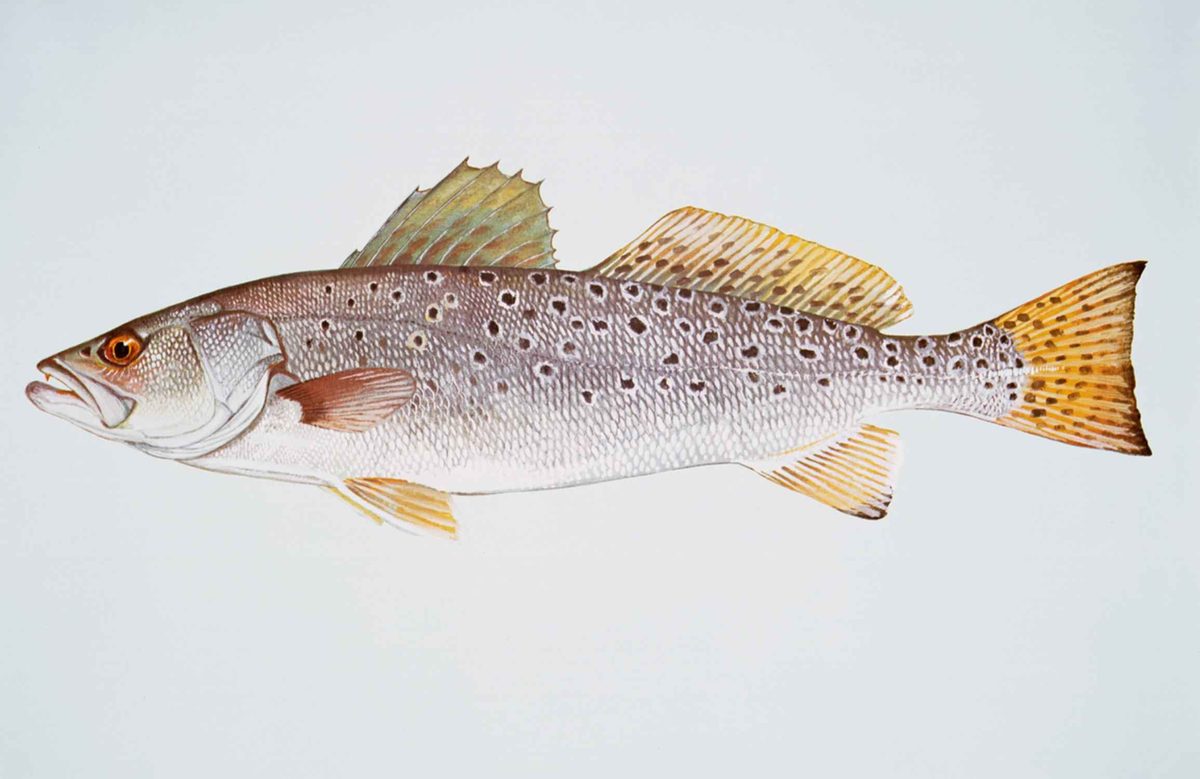
Cynoscion nebulosus
Spotted Seatrout
The inshore fish that eats a topwater at sunrise and hides in a deep hole by January.
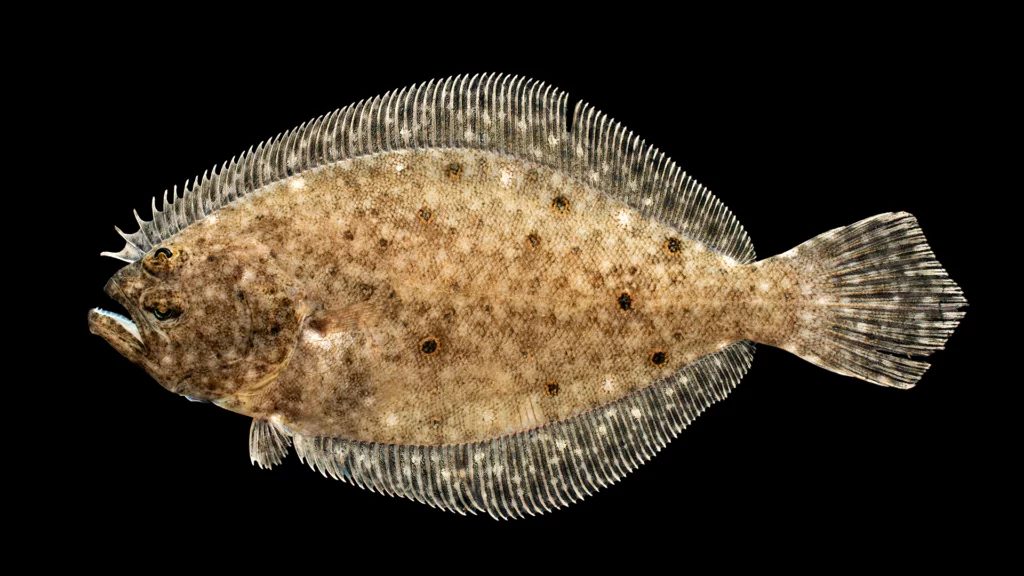
Paralichthys spp.
Flounder
A flatfish that buries in the sand, ambushes upward, and rewards a bait dragged slowly across the bottom.
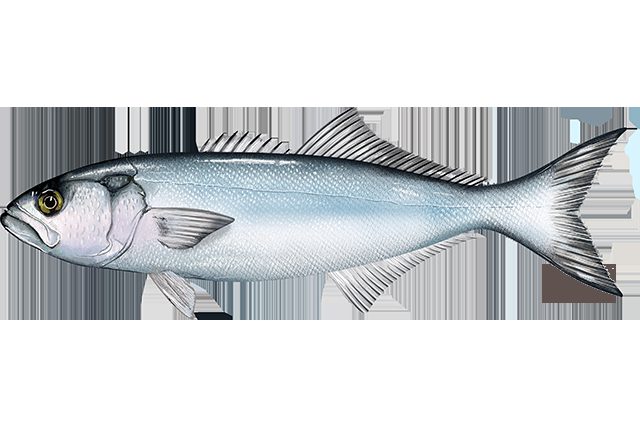
Pomatomus saltatrix
Bluefish
The most aggressive fish in the surf — a schooling predator that destroys bait, plugs, and leaders alike.
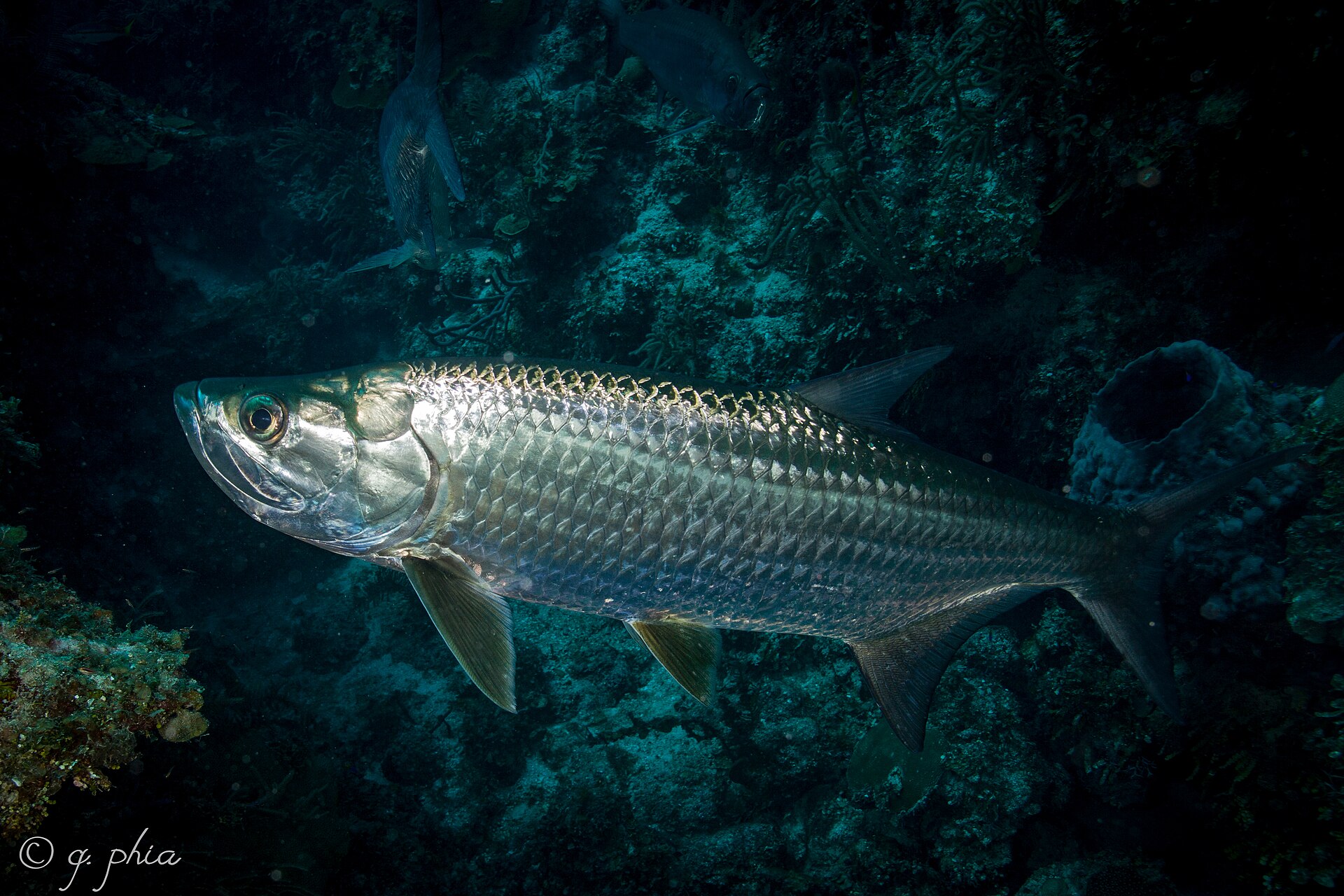
Megalops atlanticus
Tarpon
A hundred-pound prehistoric fish that jumps six feet out of the water — the most spectacular hookup available from a boat or a bridge in North America.
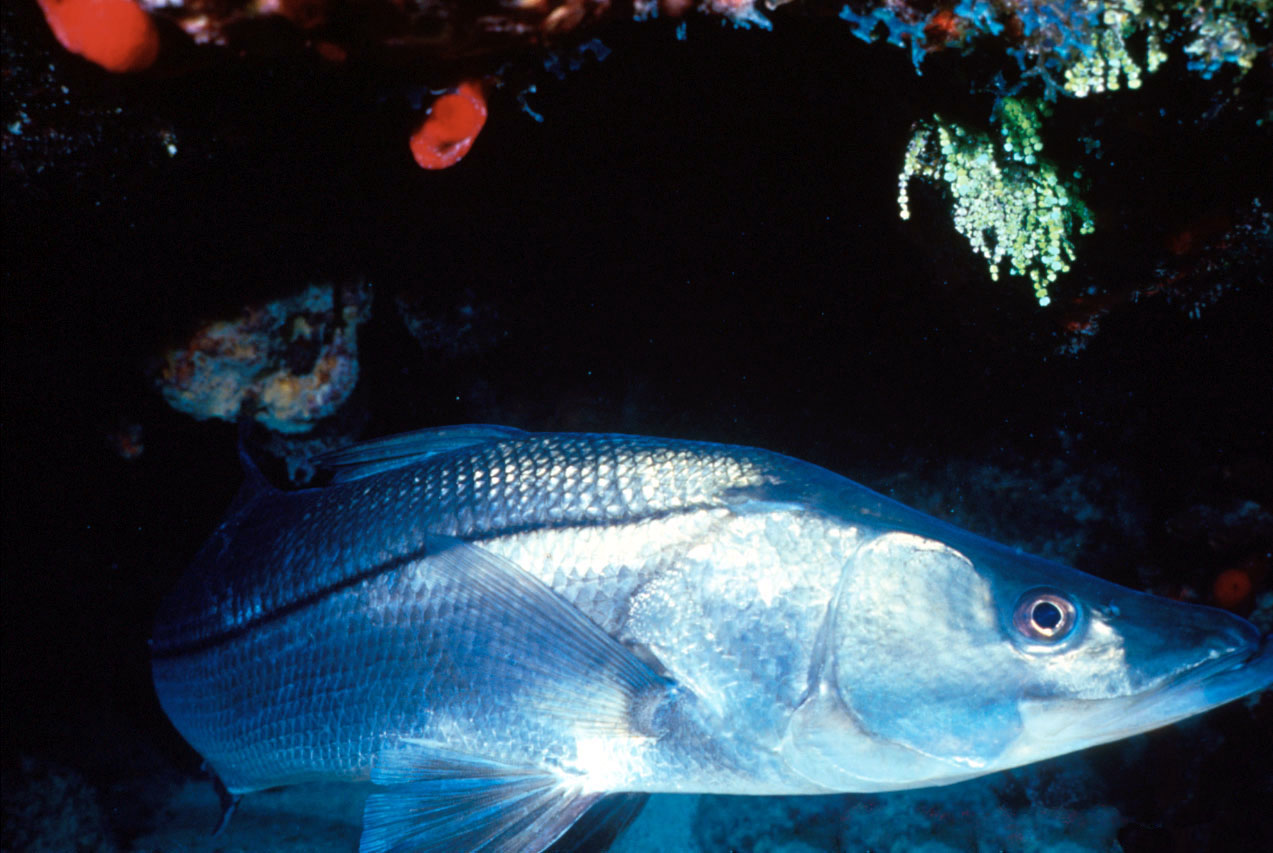
Centropomus undecimalis
Common Snook
A structure-obsessed ambush predator with a razor gill plate and a hard head-shaking fight — the defining inshore gamefish of south Florida.
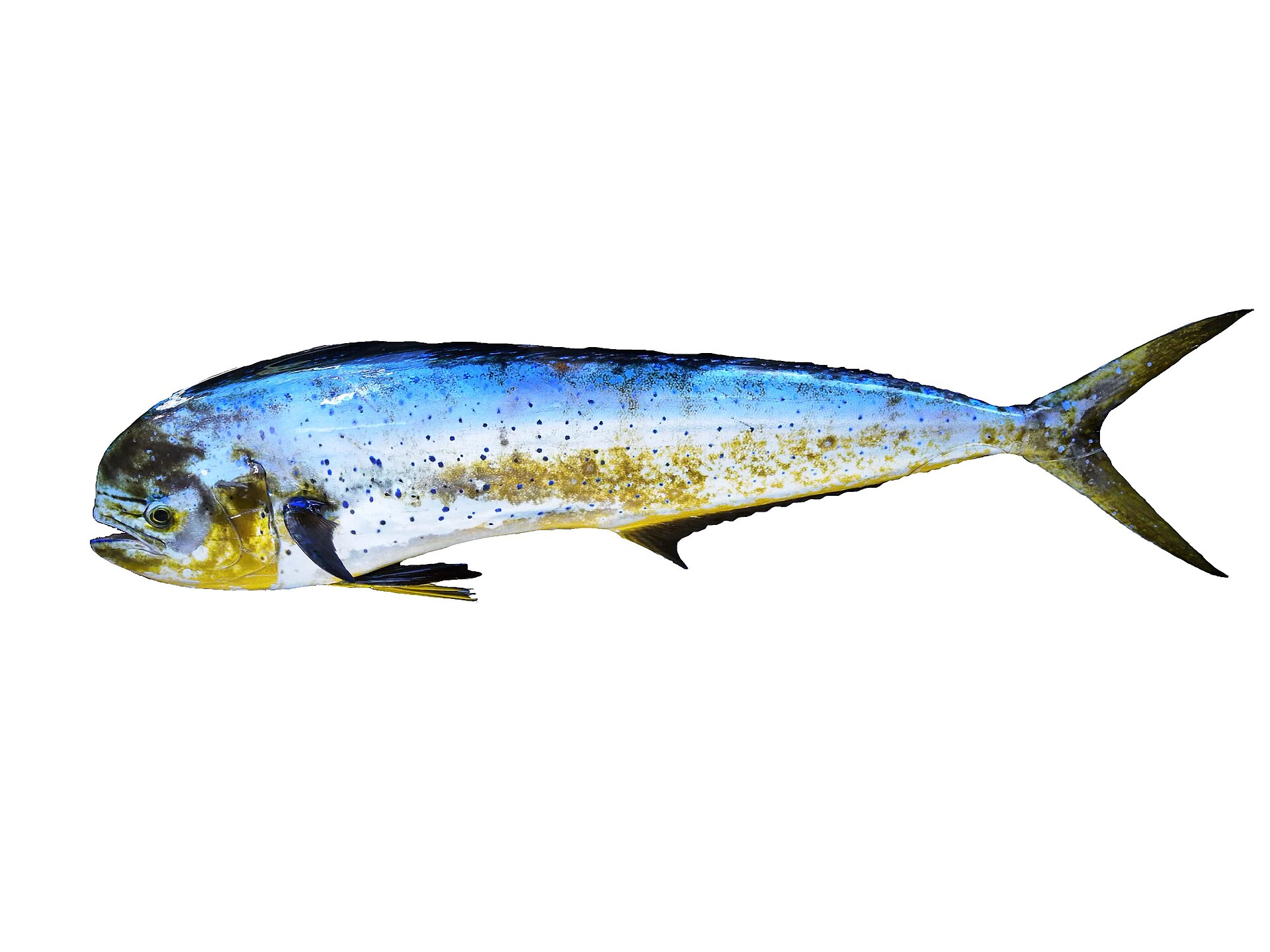
Coryphaena hippurus
Mahi-mahi
The fastest-growing gamefish in the ocean — electric blue and gold, willing to eat almost anything, and the best fillet you can bring home from blue water.
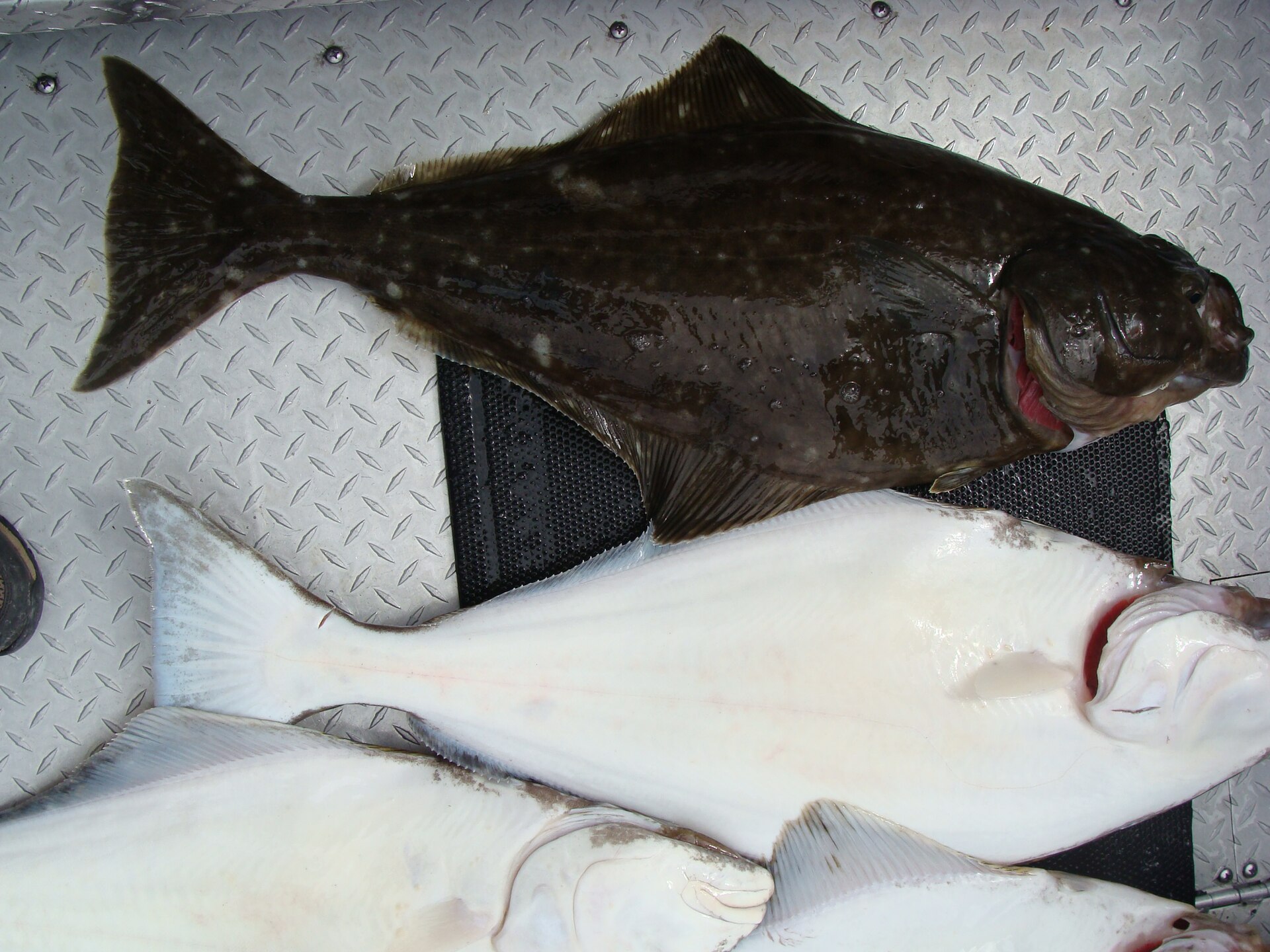
Hippoglossus stenolepis
Pacific Halibut
A flatfish that reaches four hundred pounds, lives in 150 feet of cold water, and fills a freezer with the best white fillets in the Pacific.
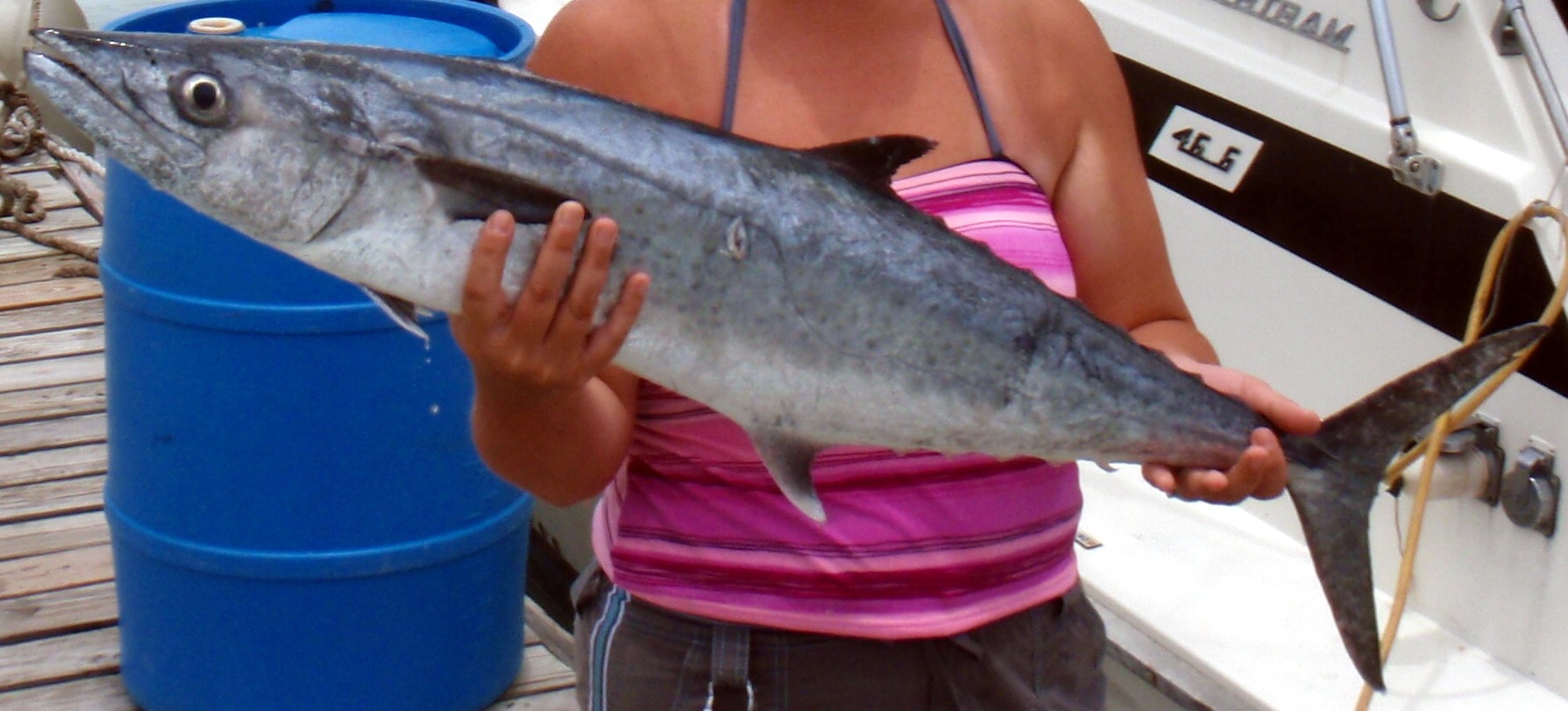
Scomberomorus cavalla
King Mackerel
A high-speed pelagic predator that skyrockets on live bait and strips a hundred yards of line before you get the rod out of the holder.
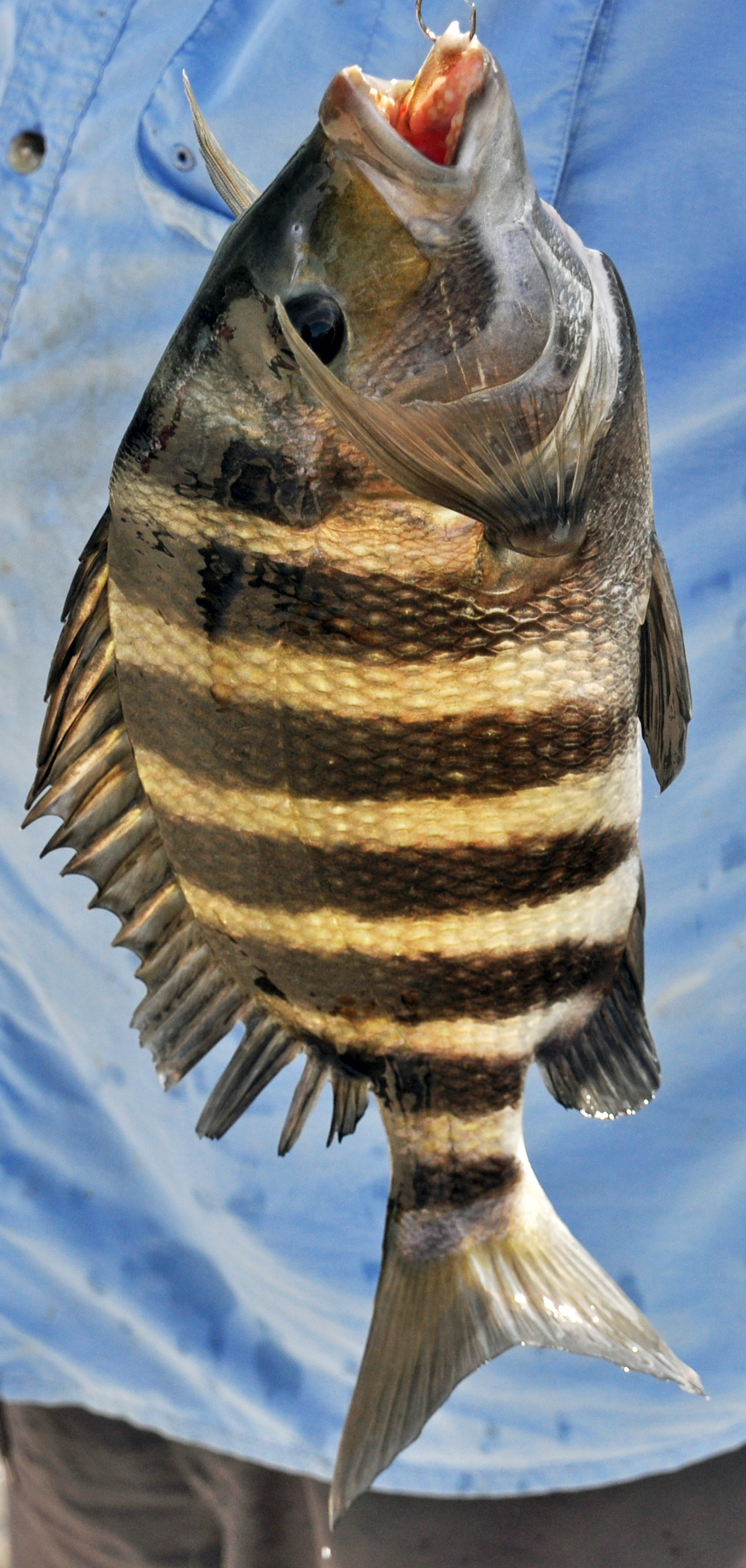
Archosargus probatocephalus
Sheepshead
A structure-hugging convict-striped bait thief with human-like teeth — the hardest inshore fish to hook and one of the best to eat.