Skip to content
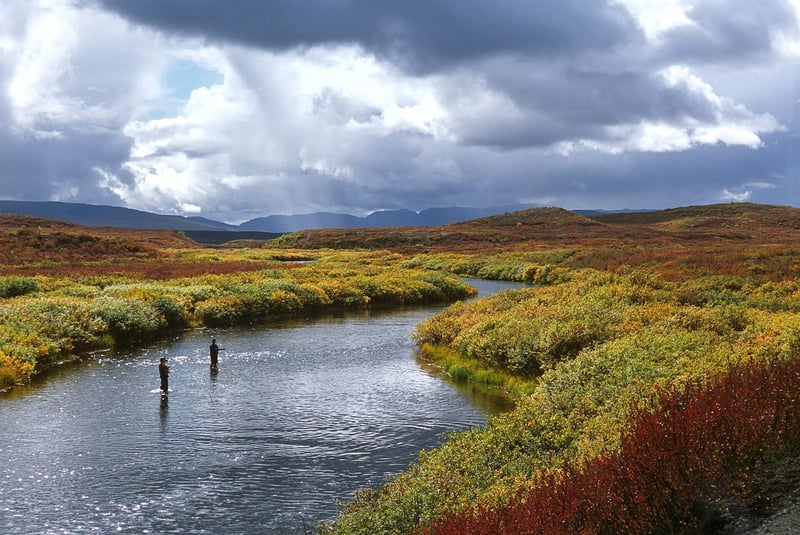
Fly angler casting on a clear northern river

Fishing

Read the water. Match the food. Tie it so it holds.

Everything we know about catching fish, organized the way you actually need it on the bank: what it is, what to tie, what to throw, and when.

Fishing rewards observation more than equipment.

The angler who notices the wind pushing bait into a corner, the temperature break at the creek mouth, or the mayfly hatch starting at dusk will out-fish someone with twice the tackle every single time. These guides teach that habit of noticing — then give you the specific knots, lures, and techniques to act on it.

Guides
4 in this hub
Species covered
30+ gamefish
Knots
12 step-by-step
Water
Fresh & salt

Start here

How to start fishing: gear, water, lures, and seasons

Six fundamentals that decide whether you catch fish — the rig you carry, the water you read, the lure you tie on, and the season you are fishing into.

Choosing your first rod, reel, and line

A 6'6" to 7' medium-power spinning rod with a 2500-size reel covers trout, bass, walleye, panfish, and light inshore fishing. Spool 10 lb braid for sensitivity and casting distance, then add a fluorocarbon leader for abrasion resistance and low visibility. Baitcasting gear earns its place later, when you are throwing heavier lures with accuracy.

Reading water before you cast

Fish hold where current, structure, and food intersect: seams behind boulders, drop-offs at creek mouths, weed edges, laydowns, and wind-blown banks that stack plankton and baitfish. Spend the first five minutes at any new spot watching the surface and the shoreline instead of casting blind.

Matching lures to conditions

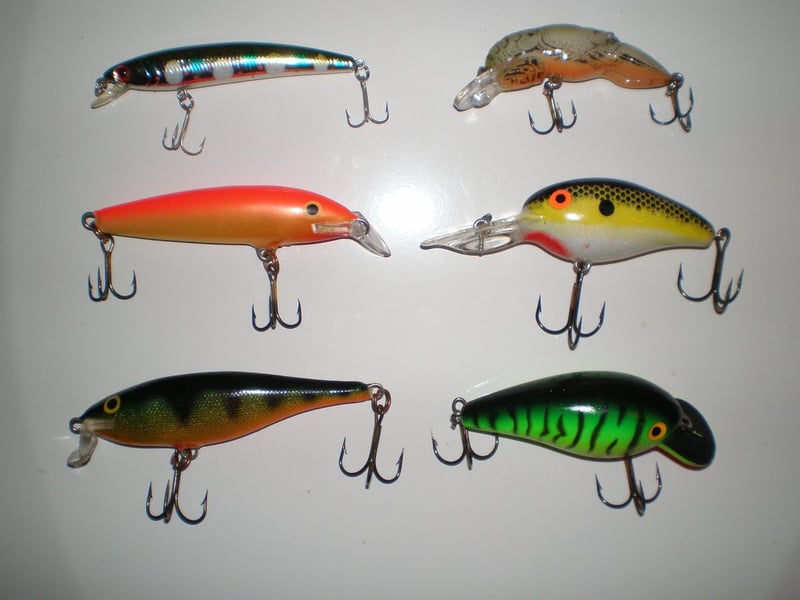
Cold or clear water asks for smaller, natural, slower presentations — jigs, finesse plastics, and suspending jerkbaits. Warm or stained water rewards bigger profiles with vibration and flash: spinnerbaits, crankbaits, and topwater at dawn and dusk. Depth first, speed second, profile third.

Knots that actually hold

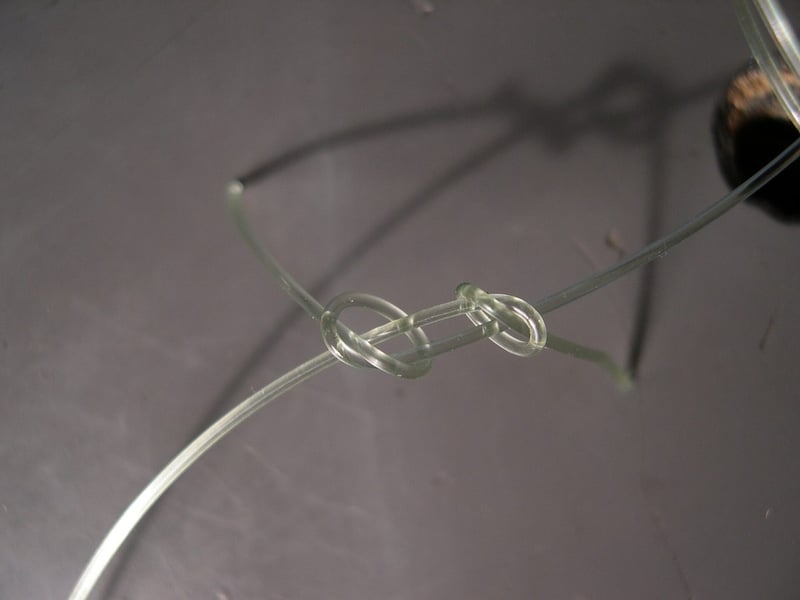
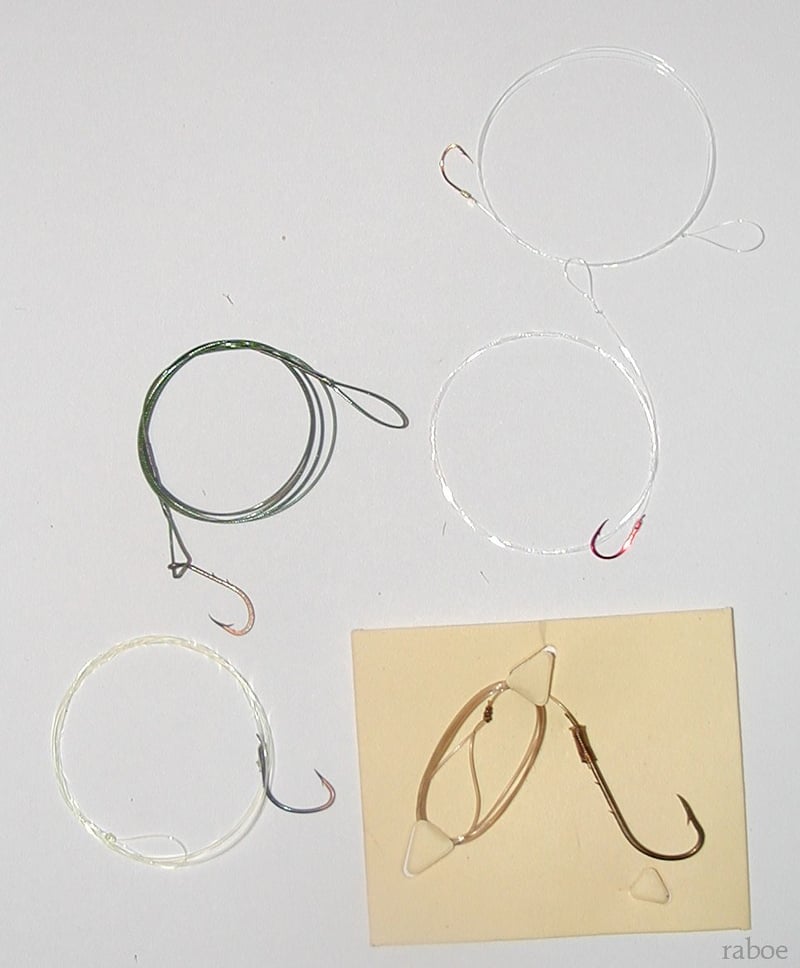
Learn four and you are covered for life: the Palomar for terminal connections, the improved clinch for mono and fluorocarbon, the double uni or FG for braid-to-leader, and the loop knot for jerkbaits and streamers that need free movement. Wet every knot before you cinch it, and re-tie after each fish.

Seasonal patterns through the year

Spring pushes fish shallow to spawn in warming coves. Summer splits them between low-light shallow feeding and deep, oxygenated structure at midday. Fall triggers heavy feeding as bait schools migrate. Winter concentrates fish in deep, stable water where slow vertical presentations win.

Licenses, limits, and catch-and-release care

Every US state and Canadian province requires a license above a set age, and slot limits, seasons, and gear rules vary by water body. If you are releasing fish, keep them wet, support the body horizontally, pinch barbs, and skip the long photo session in warm water when survival rates drop.

Field gallery

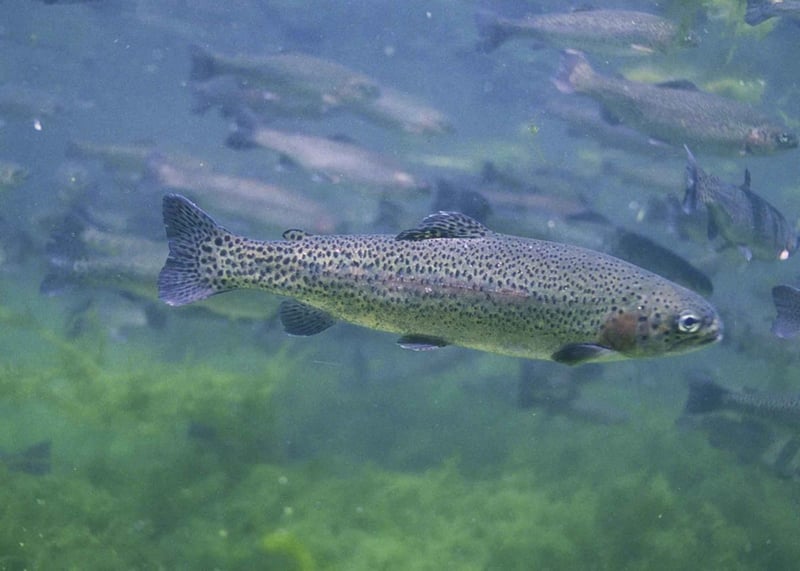
Tap any frame for the full photograph — species markings, lure profiles, and the water types they belong to.

On the water

Start with four decisions

Settle these in order and most days sort themselves out.

  1. 1

    Depth

    Where in the water column are the fish holding? Everything else follows from this. Surface, mid-column, or bottom decides your entire lure category.

  2. 2

    Speed

    Cold water means slow; warm water lets you cover ground. When in doubt, slow down — far more fish are lost to a bait moving too fast than too slow.

  3. 3

    Profile

    Match the size and silhouette of the dominant forage. In stained water, go bigger and louder; in gin-clear water, go smaller and more natural.

  4. 4

    Connection

    The strongest rod in the world is irrelevant if your knot slips. See the fishing knots guide.

Fishing on a planned trip

If you are fishing away from home, run the water through the AI Trip Planner — it pulls the destination, weather window, and a packing list, and you can save the whole thing to My Basecamp. Pair it with the meal planner if you intend to cook your catch in camp.

Questions

Frequently asked

What is the best all-around fishing setup for a beginner?
A 6'6" to 7' medium-power, fast-action spinning rod with a 2500-size reel spooled with 10 lb braid and a 10 lb fluorocarbon leader handles trout, bass, walleye, panfish, and light inshore species. It is the single most versatile rig you can own.
When is the best time of day to fish?
The first two hours after sunrise and the last two before dark produce most of the time, because low light pushes predators shallow and reduces their caution. Overcast days extend that window all day; bright, calm mid-afternoons are the hardest conditions.
Do I need different knots for braid and monofilament?
Yes. Braid is slick and needs extra wraps or a knot designed for it — the Palomar for terminal ties and the FG or double uni for leader connections. Mono and fluorocarbon grip themselves, so an improved clinch or uni knot is enough.
What water temperature turns the bite on?
Most warmwater species (bass, pike, walleye) feed hardest between 60°F and 75°F. Trout peak between 50°F and 62°F. Once water passes 80°F or drops below 40°F, fish move deep, slow down, and require smaller, slower presentations.
Do I need a fishing license?
In every US state and Canadian province, yes, for anyone above a set age — typically 16. Licenses are sold online, at bait shops, and at most outdoor retailers. Regulations on season, slot limits, and gear vary by water body, so read the local rules before your first cast.
What is the difference between braid, monofilament, and fluorocarbon line?
Braid has almost no stretch and the thinnest diameter for its strength, so it casts far and telegraphs light bites. Monofilament stretches, floats, and is cheapest — good for topwater and beginners. Fluorocarbon sinks and is nearly invisible underwater, which is why it is the default leader material.
What lure should I start with?
Carry three: a 1/8 to 3/8 oz jig head with a soft plastic minnow, a shallow-diving crankbait, and an inline spinner. Those three cover nearly every freshwater situation from trout streams to bass ponds, and each teaches you a different retrieve speed and depth.
How do I catch fish from the bank?
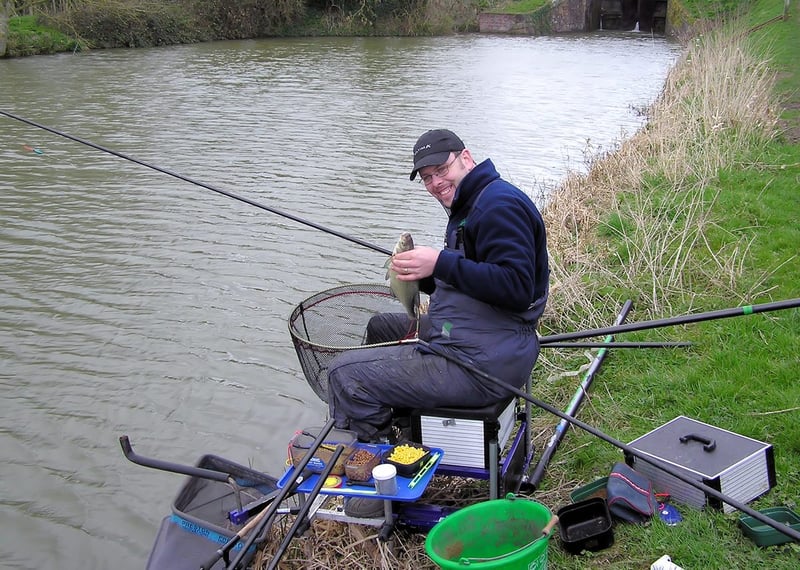
Fish parallel to the shoreline rather than straight out, target visible cover like laydowns, docks, and weed edges within your first two casts, and move every ten minutes until you find fish. Bank anglers who keep walking consistently out-produce those who sit on one spot.
Is it better to fish before or after rain?
The falling barometer just before a front is often the best bite of the week, and light rain keeps feeding going by breaking up the surface. The bluebird high-pressure day right after a front passes is the toughest, and usually calls for smaller baits fished slowly and deeper.
How do I release a fish so it survives?
Keep it in the water as much as possible, wet your hands before handling, support the belly horizontally instead of hanging it vertically, use pliers to back the hook out, and revive it facing into current until it swims off on its own. Pinched barbs make all of this faster.


Also on The Wild10

Hunting Guides

Same field-tested approach, applied to game species, rifles, shotguns, and bows — from scouting through meat care.

Open the hunting hub →
Hardwood forest in peak autumn color