



- Region
- Madre de Dios, Peru
- Best season
- Spring, Summer
- Permits
- Confirm current entry requirements and gui…
Plan with verified data
Manu National Park trip tools
Tools for a trip here
Picked for how, when and where you're going. Free, no signup.
Photos of Manu National Park
How to get there
Most trips begin in Cusco; there are no direct commercial flights to Manu. Travel is by private vehicle through the Andes and cloud forest, followed by motorized canoe from a river port along the Madre de Dios or Manu River. The road portion can take 6–10 hours, depending on the destination, and boat transfers can take 1–5 hours, depending on the lodge. Confirm the actual river port, lodge, and transfer sequence with the operator. Return journeys also involve boat and road travel.
- Cusco
The usual departure city for road-and-river trips to Manu. Road travel crosses the Andes and cloud forest before connecting with river transport.
- Madre de Dios River
A river access corridor used by motorized canoes after the road transfer. Boat travel depends on the lodge location; confirm the boarding port with the operator.
- Manu River
Another river corridor used for onward motorized-canoe travel into the rainforest. The appropriate connection depends on the itinerary and lodge.
Sources: Wikipedia · manurainforestperu.com. Confirm road and trailhead conditions with the managing agency before you leave.
Madre de Dios, Peru · Season: Best: May - October
- Canoeing
- Kayaking
- Birdwatching
- Hiking
- Wildlife Viewing
- Backpacking
- Fishing
The country
Manu spans the complete eastern slope of the Andes, plunging from high altitude cloud forests down to the flooded Amazon basin. The sheer variety of microclimates supports record-breaking biodiversity, including giant otters, jaguars, and hundreds of bird species. The deep interior remains entirely untouched, home to uncontacted indigenous groups.
Why enthusiasts come
Hardcore naturalists and jungle explorers seek out Manu because it is vastly wilder and more protected than the accessible parts of the Amazon. Overland expeditions involve traversing terrifying mud roads to reach the river catchments. Packrafters and canoeists brave the upper tributaries for a true jungle descent through primordial rainforest.
Top experiences
Descending the Alto Madre de Dios river by motorized canoe offers constant wildlife spotting and deep immersion. Hiking in the Reserved Zone requires navigating dense swamps to access oxbow lakes, seeking out the elusive harpy eagle. Nighttime walks with a guide reveal a bizarre, hyper-active world of tarantulas, tree frogs, and snakes.
Planner-relevant notes
Independent travel into the Reserved Zone is completely prohibited; you must go with massive logistical support from an authorized tour operator. Malaria and yellow fever vaccinations are strongly recommended. The Cultural Zone allows more independent exploration but lacks the profound isolation of the inner park.
Field notes
- Keep all clothing sealed in dry bags; humidity is so high that damp clothes will never dry and mold overnight.
- Rubber boots (wellingtons) are far superior to hiking boots for wading deep mud and avoiding snake strikes.
- Never wander off the trail unguided. The uniformity of the jungle makes getting lost fatally easy.
- Take precautions against leishmaniasis by wearing DEET-heavy repellent and long sleeves at all times.
Where on earth
Satellite imagery flying in from a world view to Manu National Park, Madre de Dios, Peru. Use the + / − buttons, or click the map to zoom with your scroll wheel; drag to pan and pinch to zoom on touch.
Coordinates
- Decimal degrees
- -11.9660, -71.2830
- Latitude (DMS)
- 11° 57′ 57.6″ S
- Longitude (DMS)
- 71° 16′ 58.8″ W
Coordinates are an access-point reference for Manu National Park, not a route. Carry a paper map and confirm trailhead or put-in access with the managing agency before you go.
Topic summary
An unparalleled plunge from the Andes down into the most biodiverse, impenetrable lowland jungle on Earth.
Key takeaways
- Region: Madre de Dios, Peru
- Best season: Best: May - October
- Coordinates: -11.966, -71.283
Climate suitability
Best: May - October
Keep planning
Popular pursuits at Manu National Park
- Canoeing
Paddle routes, portages, and put-ins.
- Kayaking
Sheltered and open-water paddling lines.
- Birdwatching
Migration windows and the habitat that concentrates birds.
- Hiking
Day miles on marked trail, with route notes and trail links below.
- Wildlife Viewing
Best light, best season, and where animals move.
- Backpacking
Multi-day travel with everything on your back — see the packing blocks below.
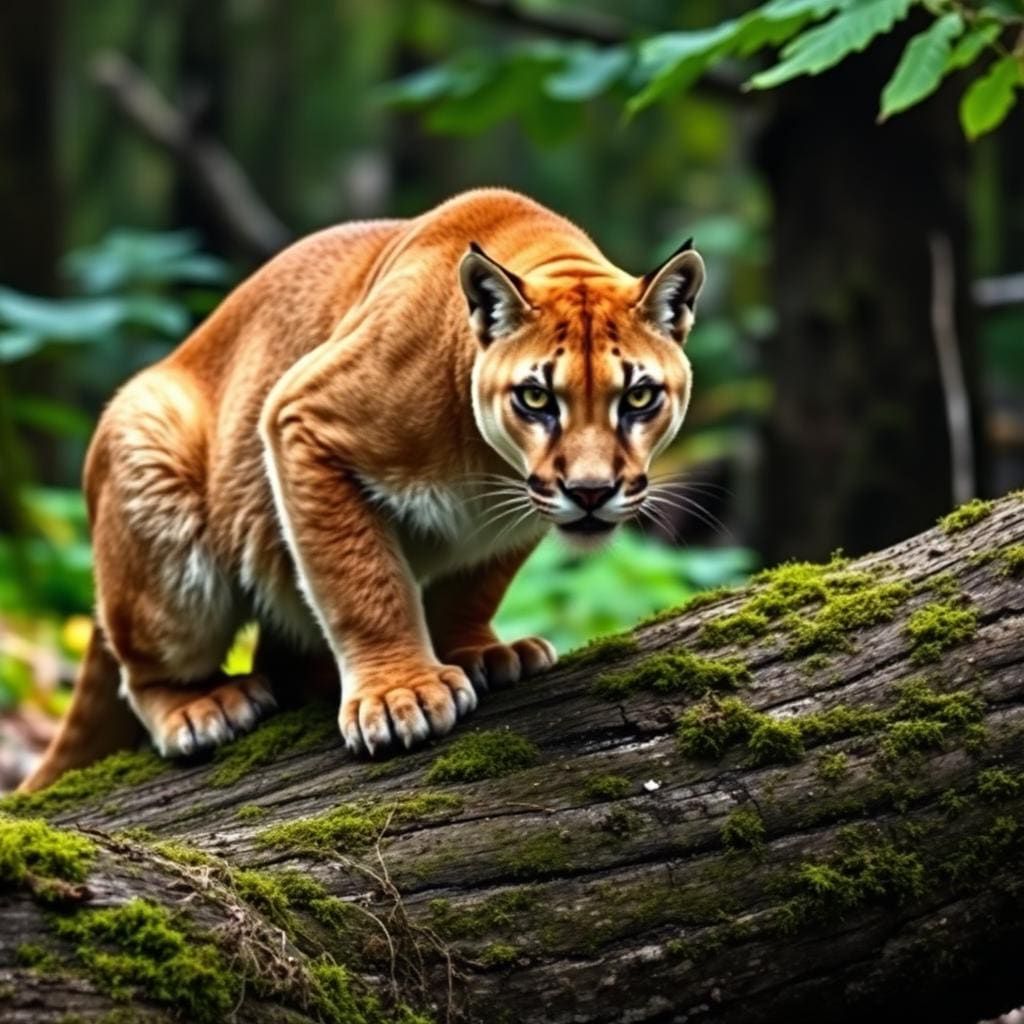
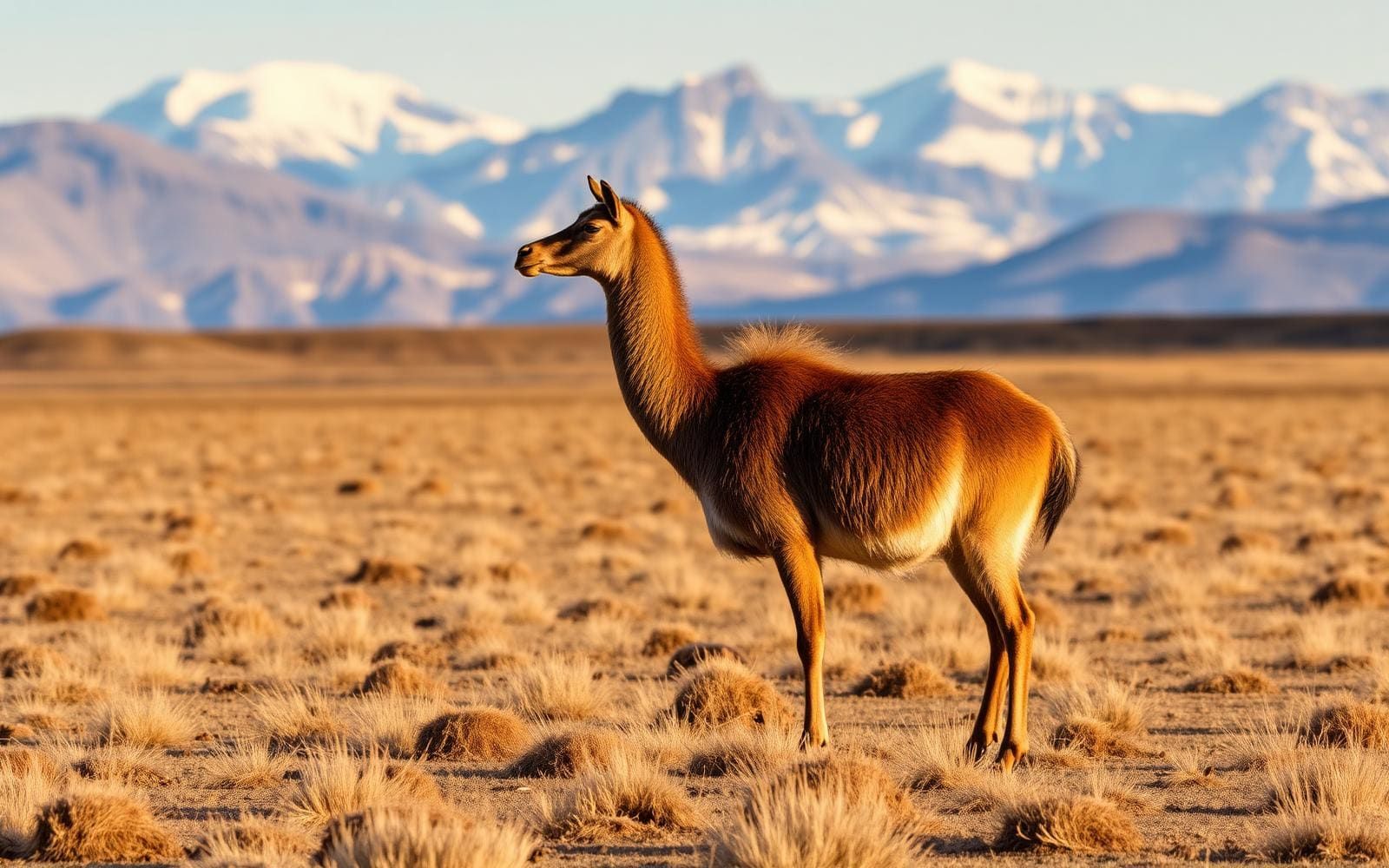
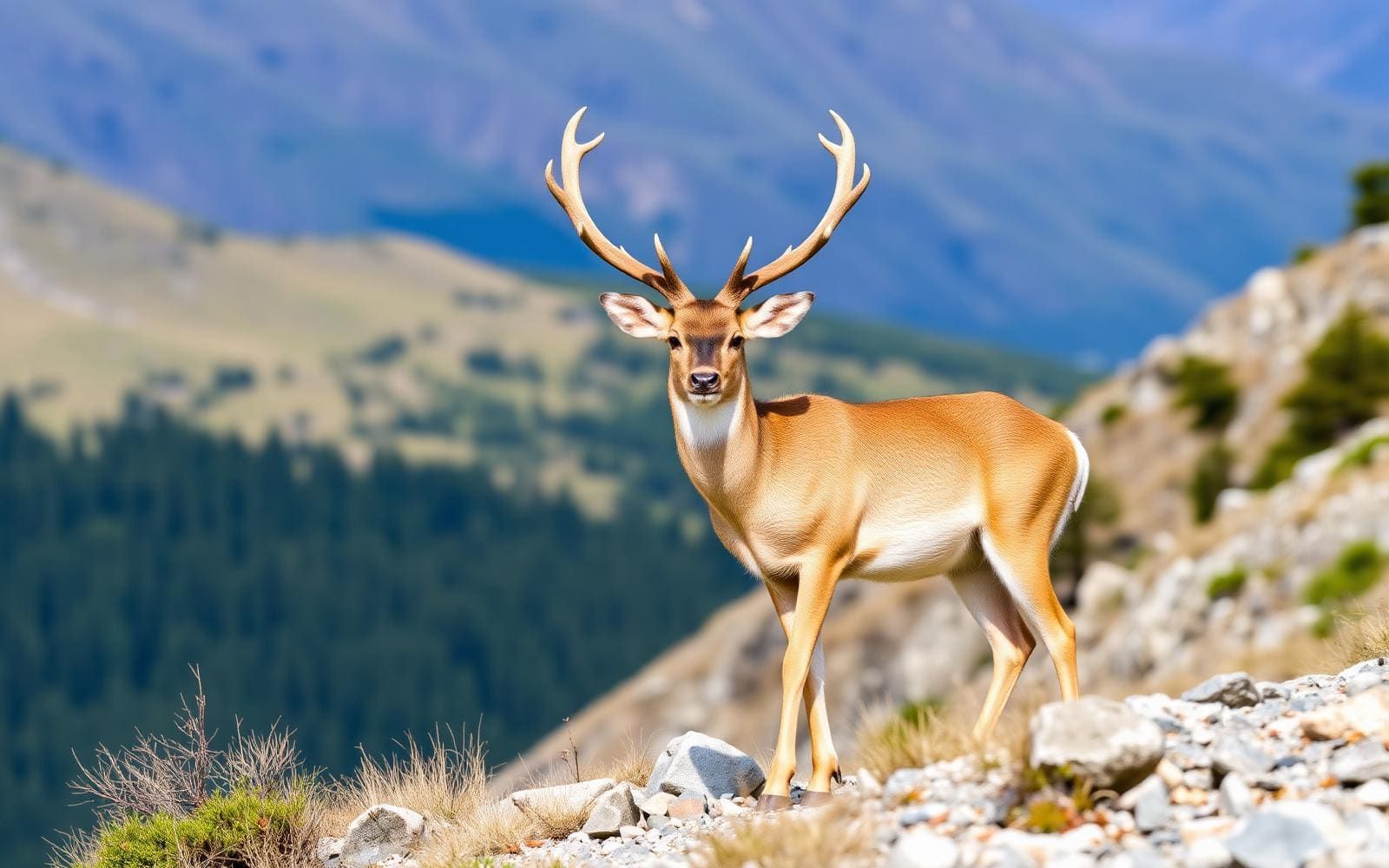
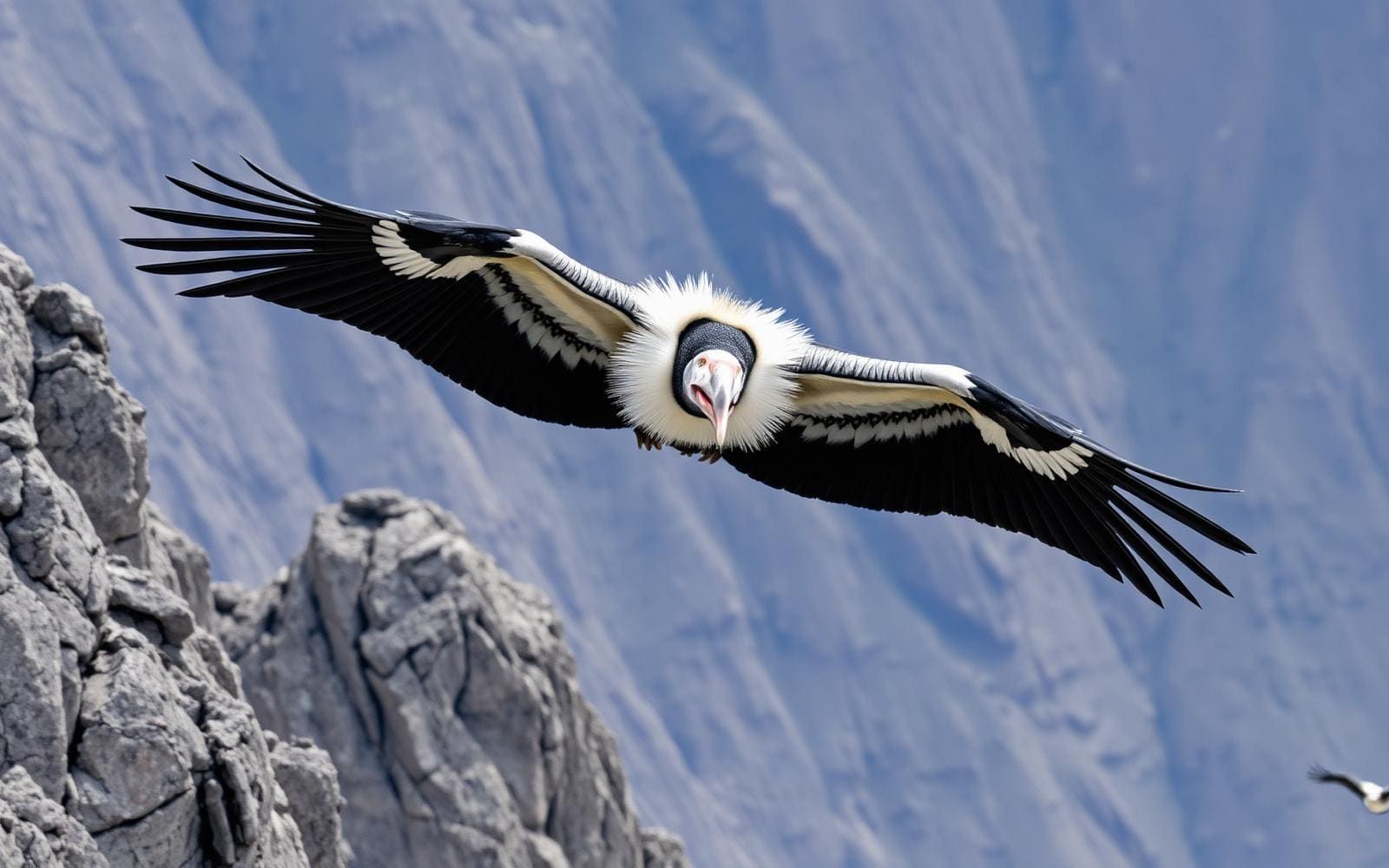
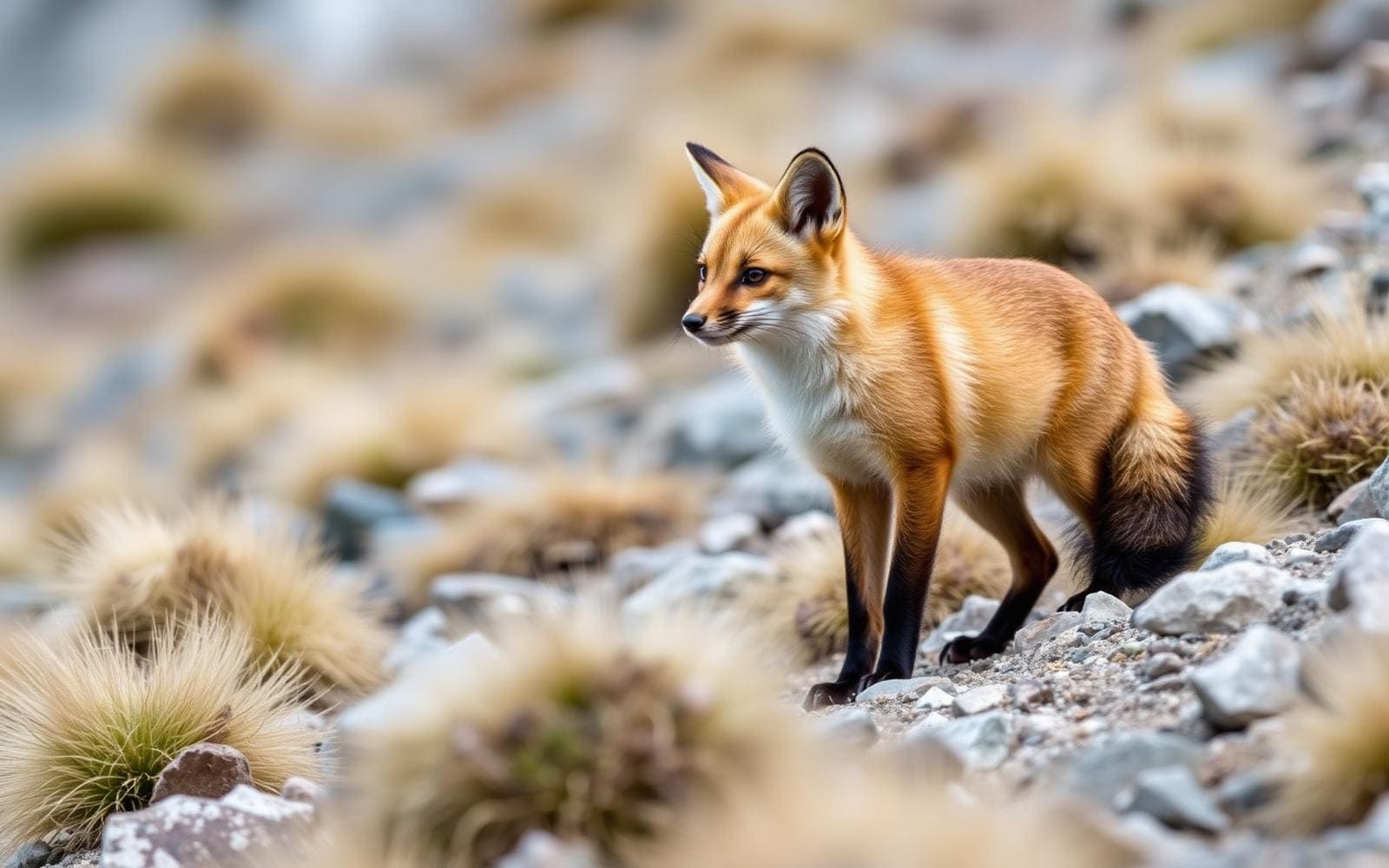
Animals around Manu National Park
From Andean forest to Amazon lowlands
Manu National Park sits between the Andes and the Amazon Basin in southeastern Peru. A trip here crosses markedly different environments, from cool mountain and cloud forests to warm tropical rainforest. That transition shapes the journey as much as the lodge-based excursions: road travel descends from Cusco before motorized canoes carry visitors farther into the forest. For planning purposes, tour itineraries distinguish the Cultural, Biosphere, and Reserved zones. Shorter trips generally focus on the Cultural or Biosphere Zone, while longer itineraries reach deeper into the Biosphere or Reserved Zone. Choose by the time available and tolerance for long transfers rather than by wildlife promises. Tours commonly run from three to seven days, with both outward and return travel taking a substantial share of the schedule. Confirm current entry arrangements with the managing agency before committing to an itinerary.
Wildlife watching and daily life
Wildlife watching in Manu combines river travel, forest walks, and early starts. Possible sightings include monkeys, macaws, parrots, toucans, sloths, caimans, and giant river otters, but none is guaranteed. Clay licks are a focus of many itineraries, with parrots and macaws gathering at exposed riverbanks in the early morning. Guides also look for animal tracks and explain forest plants during daytime walks. After dark, guided outings shift attention to frogs, insects, tarantulas, and nocturnal mammals. Expect a schedule built around sunrise rather than late mornings. Accommodation is generally in simple wooden lodges, often beside rivers, with mosquito nets and either private or shared bathrooms. Electricity may be available only during limited hours, so plan charging around the lodge's arrangements. Follow guide instructions, stay on marked trails, avoid feeding wildlife, and respect local communities.
Seasons, effort, and packing
The dry season, May through October, generally brings easier trails, cooler temperatures, and better wildlife visibility. November through April is rainier, with higher river levels and more insects. Neither season removes the need for rain protection or patience with changing weather. Manu trips are moderately active rather than purely sedentary wildlife tours: uneven jungle trails, humidity, boat transfers, and early mornings all contribute to fatigue. Basic fitness helps, and health concerns should be discussed with the operator before departure. Pack lightweight long sleeves, quick-drying pants, hiking shoes, a rain jacket, insect repellent, sunscreen, a headlamp, and a reusable water bottle. Keep luggage light and ask the operator about baggage limits. The remote setting and long travel times make careful preparation worthwhile; consider travel insurance and choose an itinerary whose walking and transfer demands match the group's abilities.
Route options
- Cultural or Biosphere Zone: 3–4 daysModerately active, with uneven trails, humidity, boat travel, and early mornings.
Shorter itineraries generally stay in the Cultural or Biosphere Zone, combining lodge stays with jungle walks, river excursions, and guided night walks. Allow for substantial transfers within the limited schedule.
- Biosphere or Reserved Zone: 5–7 daysModerately active, with uneven jungle trails and extended road-and-river travel.
Longer itineraries travel deeper into the Biosphere or Reserved Zone and provide more time for forest walks, river exploration, and wildlife observation. Additional time creates more opportunities for sightings, not guarantees.
Sample itineraries
- Cultural Zone Short Trip · 3 days
Start in Cusco and travel through the Andes and cloud forest toward the Cultural Zone. Choose a short lodge-based tour combining jungle walks, river excursions and guided night walks. Allow for substantial road travel rather than expecting three full days in the forest.
- Biosphere Zone Lodge Stay · 4 days
Travel from Cusco by road, then continue by motorized canoe to a rainforest lodge. Focus on guided forest walks, river wildlife and early mornings. Clay-lick visits and night walks may feature, depending on the tour. Return travel uses both boat and road.
- Extended Reserved Zone Exploration · 7 days
Choose a longer guided trip into the Reserved Zone, with road and river transfers from Cusco. Spend the middle days on jungle hikes, river exploration, clay-lick visits and night walks. Extra time allows slower exploration, but wildlife sightings remain unpredictable. Confirm access arrangements before booking.
Seasonal conditions
Spring
Dry-to-rainy season transition
The dry season runs through October; the rainy season begins in November. Expect the shift toward higher river levels and more insects. Carry rain protection even when planning around easier dry-season trails.
Summer
Rainy season
Rainy-season conditions include lush forest, higher river levels and more insects. Humidity and warm rainforest afternoons can make walking tiring. Quick-dry clothing, insect protection and waterproof packing are useful.
Fall
Rainy-to-dry season transition
The rainy season continues through April; the dry season begins in May. Conditions shift toward easier trails, cooler temperatures and better wildlife visibility. Weather can still change quickly.
Winter
Dry season
The May–October dry season generally brings easier trails, cooler temperatures and better wildlife visibility. Trips still cross cool mountain forest and warm tropical rainforest, so pack for both environments.
| Season | Window | Conditions |
|---|---|---|
| Spring | Dry-to-rainy season transition | The dry season runs through October; the rainy season begins in November. Expect the shift toward higher river levels and more insects. Carry rain protection even when planning around easier dry-season trails. |
| Summer | Rainy season | Rainy-season conditions include lush forest, higher river levels and more insects. Humidity and warm rainforest afternoons can make walking tiring. Quick-dry clothing, insect protection and waterproof packing are useful. |
| Fall | Rainy-to-dry season transition | The rainy season continues through April; the dry season begins in May. Conditions shift toward easier trails, cooler temperatures and better wildlife visibility. Weather can still change quickly. |
| Winter | Dry season | The May–October dry season generally brings easier trails, cooler temperatures and better wildlife visibility. Trips still cross cool mountain forest and warm tropical rainforest, so pack for both environments. |
Permits, fees & closures
Confirm current entry requirements and guide arrangements with the managing agency before booking.
Confirm current permits, fees, and closures with the managing agency before you go.
Hazards & regulations
- Uneven jungle trails require steady footing; use hiking shoes and stay on marked trails.
- Humidity and warmer afternoons can make moderate walks demanding. Pace activity and carry drinking water.
- Weather can change quickly, and rainy-season river levels are higher. Follow guide instructions during boat travel.
- Insects are more numerous in the rainy season. Use repellent, long sleeves and lodge mosquito nets.
- Remote surroundings and long road-and-river transfers complicate travel. Discuss health conditions with the operator beforehand and consider travel insurance.
- Night walks involve limited visibility. Carry a headlamp and stay with the guide.
What to pack for Manu National Park
- Lightweight long-sleeve shirts
- Quick-dry pants
- Rain jacket
- Hiking shoes
- A light layer for cool mountain forests
- DEET insect repellent
- High-SPF sunscreen
- Reusable water bottle
- Headlamp or flashlight
- Waterproof protection for essential belongings
- Light luggage suited to road and canoe transfers
Manu National Park FAQ
- How do trips reach Manu from Cusco?
- Most begin by road through the Andes and cloud forest, followed by a motorized canoe on the Madre de Dios or Manu River. Road travel can take 6–10 hours and boat travel 1–5 hours, depending on the destination. There are no direct commercial flights to Manu.
- How much time should a trip allow?
- Tours commonly last 3–7 days. Shorter trips usually focus on the Cultural or Biosphere Zone; longer trips explore deeper into the Biosphere or Reserved Zone. Transfers take a substantial share of the schedule.
- What are the lodges like?
- Expect simple wooden lodges, private or shared bathrooms, mosquito nets, clean bedding and meals. Electricity is usually available only at limited hours. Check the specific accommodation before booking rather than assuming consistent facilities.
- How physically demanding are the tours?
- Expect moderately active days with uneven trails, humidity, boat travel and early starts. Basic fitness helps. Tell the operator about health conditions beforehand and ask how much walking the chosen itinerary includes.
- Are wildlife sightings guaranteed?
- No. Early mornings, river outings and clay-lick visits provide opportunities, but animals move freely. More time allows more observation, not guaranteed sightings. Follow guide instructions and never feed wildlife.
- When is the most straightforward season for a first visit?
- May–October generally offers easier trails, cooler temperatures and better wildlife visibility. November–April brings lush forest, higher rivers and more insects. Rain protection remains useful in either season.