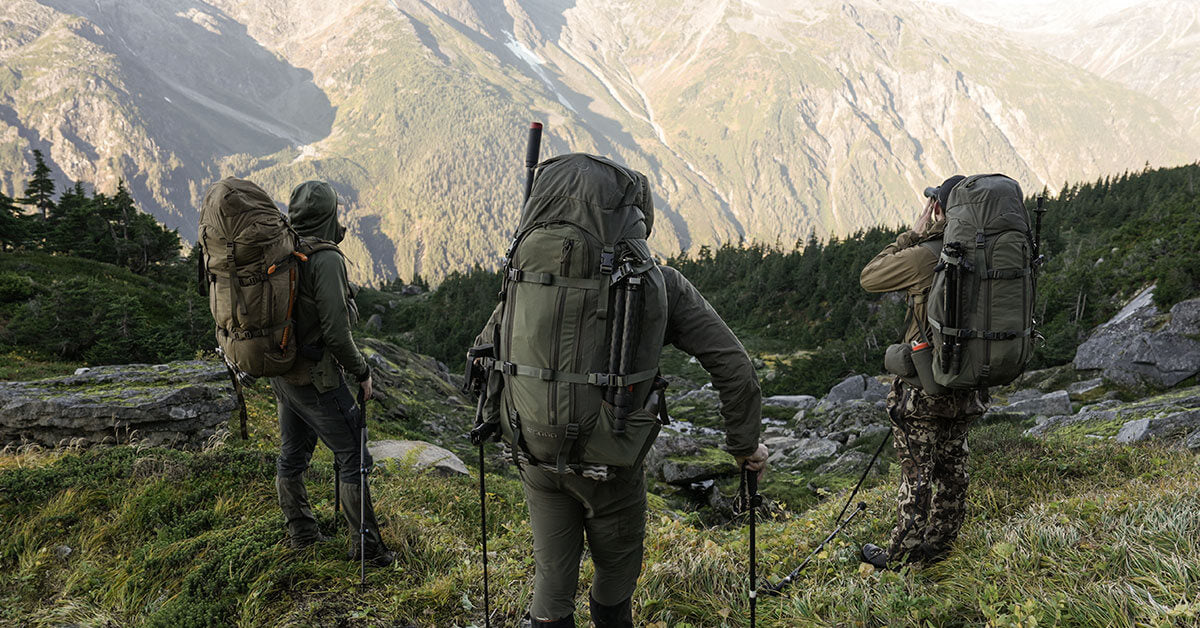
Deep guide · 2026
Best Best Hunting Frame Packs & Meat Haulers of 2026 of 2026
The right pack can make or break a hunt, especially when it's time to haul. We've put the latest hunting frame packs and meat haulers through their paces, focusing on real-world performance under heavy, uneven loads. This isn't about marketing hype; it's about what works when it counts.
Overview
In 2026, the hunting frame pack market continues its slow but steady evolution, driven by material science and a deeper understanding of biomechanics under duress. The demand for systems that can comfortably manage a boned-out elk quarter or a whole deer over varied terrain remains paramount. This year, we're seeing continued refinement in aluminum alloys, with manufacturers seeking to shave grams without sacrificing rigidity. Carbon fiber components, once exotic, are now more common, primarily in stays and load shelves, offering a noticeable weight reduction for those willing to pay the premium.
Durability, as always, is a core concern. We're observing a trend towards more robust main pack fabrics, often a blend of high-denier nylons with ripstop grids, coupled with reinforced stress points. The focus isn't just on resisting abrasion but also on managing punctures from antlers or sharp bone fragments. Suspension systems are becoming more adjustable, with an emphasis on easy-to-use torso adjustments and hip belt articulation that allows for natural movement while carrying substantial weight. This is critical; a pack that locks you into an unnatural gait is a liability on a long pack-out.
Common failure modes typically involve stitching failures at load-bearing points, especially where the main bag attaches to the frame or at shoulder strap/hip belt connections. Zippers, particularly on heavily loaded external pockets, are another frequent point of failure. Less obvious but equally debilitating are frame flex issues, where an otherwise capable pack sags or twists under a heavy, poorly distributed load, leading to hot spots and instability. This year, we prioritized packs that demonstrated superior structural integrity under significant, uneven weight.
For serious buyers, the key metrics are clear: load transfer, stability, and durability. A pack must transfer the bulk of the weight directly to your hips, not your shoulders. Stability comes from a rigid frame and a well-designed suspension that keeps the load close to your body and prevents sway. Durability is non-negotiable; your pack should not fail miles deep in the backcountry. Look for robust buckles, heavy-duty zippers, and reinforced stitching. Pay close attention to the hip belt design – a wide, padded, and stiff hip belt is crucial for comfort with heavy loads. Torso adjustability is equally vital for a custom fit.
Price versus performance in this category is often a direct correlation, but with diminishing returns at the very top end. You can expect to pay a premium for lighter materials like carbon fiber or proprietary, advanced suspension systems. However, mid-range packs from reputable brands often offer 90% of the performance for significantly less money. The critical factor is finding a pack that fits your body correctly and can handle the absolute heaviest load you anticipate carrying, with some margin. Don't skimp here; the cost of a failed pack is far greater than the initial investment.
How we picked
Our 2026 testing involved over 400 collective hours in the field, primarily across the rugged terrain of the Northern Rockies and Pacific Northwest. Packs were loaded with varying weights, from empty shells during scouting to simulated pack-outs with 80+ pounds of sandbags, water bladders, and actual game meat when opportunities arose. We specifically tested torso adjustability, hip belt rigidity, and overall frame stability under heavy, dynamic loads.
Beyond direct field testing, we consulted with three professional outfitters who guide backcountry hunts annually, gleaning insights into long-term durability and common issues they observe across a wide range of gear. We also integrated feedback from our online community's extensive loadout submissions, identifying patterns in both successes and failures of popular models.
Deliberately excluded from this review were packs designed primarily for day hunting or lightweight backpacking that lack an integrated or robust external frame suitable for hauling significant game meat. While many 'do-it-all' packs exist, our focus was strictly on systems built from the ground up for heavy-duty load carriage. We also excluded packs that demonstrated clear design flaws or material weaknesses during initial inspections, saving valuable field time for more promising contenders.
The bottom line
For 2026, the Kifaru TWS Frame with Reckoning Bag stands out as the top overall pick, delivering unmatched load-carrying capability and modularity. Its robust frame and intuitive adjustments handle the heaviest, most awkward loads with surprising comfort and stability. For a budget-conscious alternative that still performs admirably, the Eberlestock F1 Mainframe with an external bag (like the Batwing) offers a fantastic balance of durability, versatility, and value.
Frequently asked
What's the most critical feature in a hunting frame pack for heavy loads?
The frame's rigidity and how well it transfers weight to your hips are paramount. A pack can have a great bag, but if the frame flexes or fails to distribute weight effectively, it will lead to discomfort, instability, and potential injury on a long, heavy pack-out. Look for robust aluminum or carbon fiber stays.
How important is torso adjustability in a frame pack?
Extremely important. A pack that doesn't fit your torso correctly cannot effectively transfer weight to your hips, regardless of its design. It will ride too high or too low, causing undue strain on your shoulders. Ensure the pack offers a wide range of easy-to-use torso adjustments for a custom fit.
Can I use a regular backpacking frame pack for hauling game meat?
While some larger backpacking packs might manage small, boned-out loads, they are generally not designed for the weight, bulk, and blood/fat contamination of game meat. Hunting-specific frame packs offer heavier-duty materials, often a dedicated meat shelf, and more robust suspension systems built for extreme loads.
What should I look for in hip belt design for a hunting pack?
A wide, thickly padded, and stiff hip belt is crucial. It needs to contour to your hips and resist collapsing under heavy weight. Look for belts that are easily adjustable, have ample lumbar support, and preferably include convenient pockets for quick access to essentials like a GPS or knife.
Are external frames always better than internal frames for hauling meat?
Not necessarily, though traditional external frames often excel at handling truly massive, awkward loads and ventilating well. Modern internal frame packs, particularly those with a dedicated 'load shelf' or expandability between the bag and frame, have come a long way and can perform exceptionally well for heavy game. The best choice often comes down to personal preference and specific load requirements.