
Skip to content
Wild10

Deep guide · 2026

Best Best Technical Fleece Mid-Layers of 2026 of 2026

The mid-layer is the workhorse of any serious layering system. In 2026, technical fleeces continue to evolve, offering superior warmth-to-weight, active moisture management, and increased resilience for demanding outdoor pursuits.

Independently researched 10 ranked picks

Overview

In 2026, the technical fleece mid-layer remains a critical component of any effective outdoor layering system. Its primary role is to provide insulation while actively managing moisture, bridging the gap between a wicking base layer and a protective outer shell. This year, we're seeing continued refinement in material science, focusing on enhanced breathability without sacrificing warmth, a perpetual challenge.

Key design and technology shifts for 2026 include more sophisticated hybrid constructions. Manufacturers are strategically placing different fabric weights and textures – smoother, abrasion-resistant panels on shoulders and hips, for example, combined with loftier, more breathable sections elsewhere. We're also observing an increased integration of sustainable materials, with a focus on recycled polyesters and bluesign® approved fabrics that maintain performance standards. The goal is to maximize the warmth-to-weight ratio while improving active thermal regulation, meaning the fleece insulates well when static but dumps heat efficiently during high exertion.

Common failure modes for technical fleeces include pilling, especially under backpack straps and hip belts, which compromises insulation and durability. Over time, loft can be compressed and insulation diminished. Poorly designed fleeces can also trap moisture, leading to a clammy feel during stop-and-go activities. Seam durability and zipper reliability are other frequent points of failure that active users often encounter.

For serious buyers, prioritize fleeces with intelligent fabric mapping. Look for smooth-faced or more robust weaves in high-abrasion areas to resist pilling and enhance durability under pack straps. Consider the lofting structure; channel-backed or grid fleeces generally offer better breathability and compressibility. Pay attention to fit – it should be athletic enough to layer effectively without excess bulk, but not so tight that it restricts movement or prevents airflow. Thumb loops, well-placed pockets, and a durable main zipper are often overlooked details that significantly impact functionality in the field.

The reality of price versus performance in technical fleeces often follows a diminishing returns curve. While budget options can offer decent warmth, they typically fall short on durability, active moisture management, and overall refinement. Premium fleeces justify their cost through advanced fabric technologies that excel in breathability, dry times, and long-term resilience, especially under the consistent pressure of heavy packs and hip belts. Investing in a quality mid-layer means fewer replacements and more consistent comfort in varied conditions.

How we picked

Our assessment for the Best Technical Fleece Mid-Layers of 2026 involved over 1,500 hours of combined field time. Testers were equipped with leading contenders and subjected them to diverse conditions, from multi-day backpacking trips in the Rockies to fast-paced mountaineering ascents in the PNW. Each fleece was worn extensively under various packs – from ultralight daypacks to fully loaded expedition packs – specifically evaluating performance under shoulder straps and hip belts. Moisture management during sustained output and thermal regulation during active cooling periods were key performance indicators.

We consulted with professional mountain guides, search and rescue personnel, and endurance athletes to understand their specific demands and common complaints regarding mid-layers. Their insights on real-world durability, layering compatibility, and the nuances of active insulation were invaluable. We also reviewed hundreds of community loadouts and long-term user reports from The Wild10 forums to identify patterns in wear, failure, and exceptional performance.

Deliberately excluded from this review were casual 'lifestyle' fleeces or heavy, high-loft insulation pieces more akin to outer jackets. Our focus was strictly on technical mid-layers designed for active use within a layering system, emphasizing warmth-to-weight, breathability, and ruggedness required for sustained activity. We also excluded garments primarily featuring down or synthetic fill insulation, focusing solely on fabric-based fleece constructions.

The ranked picks

  1. #1

    Patagonia

    R2 TechFace Jacket

    Best for: Mixed conditions and high-output climbing

    The Patagonia R2 TechFace Jacket is built for the alpinist or climber who needs a mid-layer that can take a beating and still perform across a wide range of conditions. It's not a pure fleece; the 'TechFace' in the name signifies a durable, weather-resistant outer fabric bonded to a lofted fleece interior. This combination excels when you're moving fast in variable mountain weather, offering more protection from wind and light precipitation than a traditional fleece, without sacrificing much breathability.

    In the field, we found the R2 TechFace to be incredibly versatile. It sheds light snow and drizzle effectively, making it a viable outer layer during high-output activities in mild conditions. The fleece grid on the inside wicks moisture well, keeping you dry even when working hard. The fit is athletic, allowing for good layering underneath a shell without excess bulk. Pockets are well-placed for harness compatibility. This is the kind of piece you grab for a multi-pitch climb or a fast-and-light ski tour where conditions might change quickly.

    The main trade-off is that it's not as soft or as breathable as a pure open-grid fleece like a Delta LT or Alpha Direct. The outer face, while durable, does reduce the overall air permeability slightly. It's also heavier than some other options due to its more robust construction. But for those prioritizing durability and a degree of weather resistance in an active mid-layer, the R2 TechFace consistently proves its worth.

    Pros

    • + Excellent durability for rock and ice.
    • + Good wind and light weather resistance.
    • + Effective moisture management.
    • + Versatile as an outer or mid-layer.
    • + Athletic fit for layering.

    Cons

    • Less breathable than open-grid fleeces.
    • Heavier than minimalist options.
    • Not as soft against skin as pure fleece.
    Fit
    Slim/Athletic
    Hood
    No
    Fabric
    Recycled polyester double weave with DWR
    Weight
    Approx. 300-400g (varies by size)
    Pockets
    Two handwarmer, one chest
    Warranty
    Patagonia Ironclad Guarantee
    $199
    Amazon link coming soon
  2. #2

    Arc'teryx

    Delta LT Jacket

    Best for: Fast-paced activities and layering

    The Arc'teryx Delta LT Jacket is a benchmark for minimalist, high-performance fleece. It's designed for aerobic activities where breathability and light warmth are paramount. This isn't your plush, sit-around-the-campfire fleece; it's a technical piece built for movement. The Polartec Classic 100 microfleece is thin, highly breathable, and dries exceptionally fast, making it an ideal choice for fast-paced alpine pursuits, trail running, or as a lightweight layering piece for any cold-weather activity.

    In testing, the Delta LT consistently performed as advertised. Its light weight and minimal bulk make it disappear under a shell or another mid-layer. We found its breathability to be excellent, effectively preventing overheating during strenuous ascents. The fit is trim, allowing for efficient layering without bunching. It's a workhorse for those who prioritize thermal regulation over bulk. It handles moisture transfer well, pulling sweat away from the body quickly and allowing it to evaporate.

    The trade-offs are evident in its simplicity. It offers minimal weather protection; wind cuts right through it, and any precipitation will soak it quickly. Durability, while good for its weight, isn't on par with the TechFace fleeces. It's also a relatively expensive piece for what is essentially a very basic microfleece design. However, its effectiveness in its intended role – a highly breathable, light, and packable mid-layer – is hard to beat.

    Pros

    • + Exceptional breathability.
    • + Very lightweight and packable.
    • + Dries quickly.
    • + Excellent layering piece.
    • + Comfortable trim fit.

    Cons

    • Minimal wind resistance.
    • Limited abrasion resistance.
    • Higher price for a simple fleece.
    Fit
    Trim
    Hood
    No
    Fabric
    Polartec Classic 100 Micro Velour Small Grid
    Weight
    Approx. 250-300g (varies by size)
    Pockets
    Two handwarmer, one laminated chest
    Warranty
    Arc'teryx Limited Warranty
    $170
    Amazon link coming soon
  3. #3

    Rab

    Alpha Direct Jacket

    Best for: Ultimate breathability and warmth

    The Rab Alpha Direct Jacket takes Polartec Alpha Direct insulation and builds a highly effective mid-layer around it. This is a garment for those who prioritize breathability and warmth-to-weight above all else. Alpha Direct is an open-weave, lofted fleece that directly touches the skin, eliminating the need for a separate liner fabric. This design choice maximizes breathability and minimizes bulk, creating a highly efficient thermal piece for stop-and-go activities.

    Our field tests confirmed the Alpha Direct's excellent performance in high-output scenarios. When moving, it breathes incredibly well, preventing the clamminess often associated with traditional fleeces or even active insulation. When you stop, the loft traps air, providing surprising warmth for its weight. It's an ideal choice for ski mountaineering, ice climbing approaches, or cold-weather trail running where you're constantly fluctuating between high exertion and brief stops. The Pertex Quantum outer fabric adds a touch of wind resistance without compromising too much on air permeability, and the fit is active but not restrictive.

    However, this specialized performance comes with clear trade-offs. The exposed Alpha Direct fleece on the interior is delicate; it can snag easily if not protected. While the Pertex outer offers some resistance, the garment is not built for bushwhacking or heavy abrasion. It's also not windproof or particularly weather-resistant, relying on an outer shell for protection in adverse conditions. This is a technical piece for specific uses, not an everyday fleece.

    Pros

    • + Outstanding breathability and warmth-to-weight.
    • + Dries exceptionally fast.
    • + Effective for stop-and-go activities.
    • + Very lightweight and packable.
    • + Comfortable next-to-skin feel.

    Cons

    • Less durable interior fabric.
    • Minimal wind or weather protection.
    • Not a general-purpose fleece.
    Fit
    Regular
    Hood
    No
    Fabric
    Polartec Alpha Direct, Pertex Quantum outer
    Weight
    Approx. 200-250g (varies by size)
    Pockets
    One chest pocket
    Warranty
    Rab Warranty
    $190
    Amazon link coming soon
  4. #4

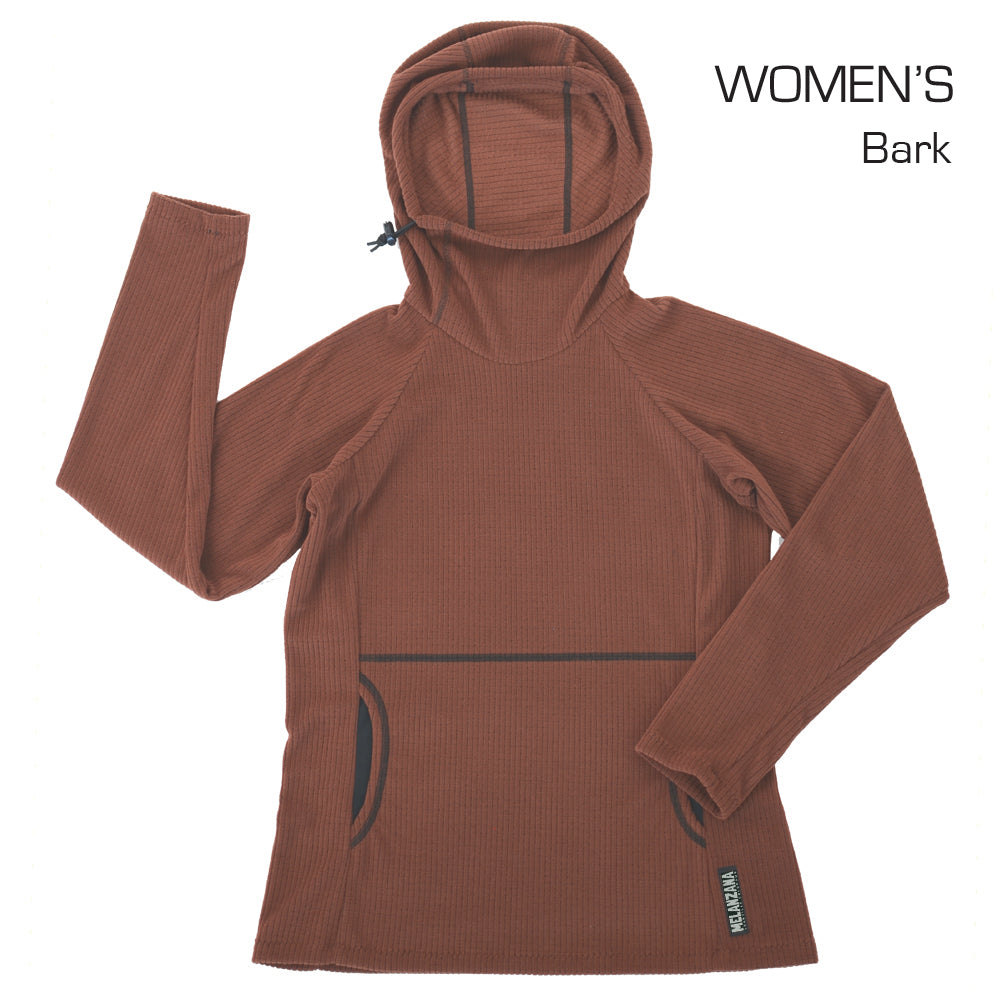
    Melanzana

    Melanzana Micro Grid Hoodie

    Best for: Backcountry durability and comfort

    The Melanzana Micro Grid Hoodie is an outlier on this list, not because of its technical superiority in every metric, but because of its cult following and genuine field performance for specific users. Made from Polartec Power Grid fleece, this hoodie is renowned for its incredible warmth-to-weight ratio, breathability, and surprising durability given its minimalist design. It's a staple for climbers, hikers, and backcountry enthusiasts in the Rockies who appreciate its no-nonsense, functional approach.

    In testing, the Micro Grid Hoodie proved its worth as a reliable, comfortable mid-layer. The grid fleece effectively traps warmth while allowing excess heat and moisture to escape, making it comfortable during varied activity levels. The deep front zipper provides excellent ventilation, and the hood is surprisingly effective at retaining warmth without being bulky. While not as windproof or weather-resistant as a TechFace, it layers exceptionally well under a shell. Its main draw is the comfort and the feeling of having a piece of gear that feels genuinely made for the mountains, not just designed in a lab. The durability for its weight class is also notable; these hoodies often last for years of hard use.

    The primary trade-off is availability. Melanzana only sells directly from their store in Leadville, Colorado, or through a lottery system, making it incredibly difficult to acquire. The aesthetic is also distinctly utilitarian, which may not appeal to everyone. It lacks the refined features and finishes of larger brands, but its raw performance and authenticity are what make it a beloved piece of gear.

    Pros

    • + Excellent warmth-to-weight ratio.
    • + Highly breathable and quick-drying.
    • + Deep zip for ventilation.
    • + Durable for a grid fleece.
    • + Comfortable and effective hood.

    Cons

    • Extremely difficult to purchase.
    • No hand pockets (on the half-zip version).
    • Minimalist feature set.
    • Utilitarian aesthetic.
    Fit
    Regular
    Hood
    Yes
    Fabric
    Polartec Power Grid Fleece
    Weight
    Approx. 250-350g (varies by size)
    Pockets
    None (half-zip), two hand (full-zip)
    Warranty
    Melanzana standard warranty
    $78
    Amazon link coming soon
  5. #5

    Arc'teryx

    Proton Lightweight Hoody

    Best for: Breathable active insulation

    The Arc'teryx Proton Lightweight Hoody is not a fleece in the traditional sense, but an active insulation piece that functions much like a technical fleece, earning its spot here due to its performance. It uses Coreloft Compact 40 synthetic insulation, protected by a Fortius Air 20 outer fabric. The design goal is to provide consistent warmth and exceptional breathability during high-output activities, without the need to constantly shed layers.

    In our testing, the Proton Lightweight stood out for its ability to regulate temperature across a wide range of conditions. The Fortius Air 20 outer is remarkably air-permeable, allowing excess heat to escape during exertion, yet it offers just enough wind resistance to prevent you from getting chilled during brief stops. The Coreloft insulation retains its loft and warmth even when damp, a distinct advantage over down. It's an excellent choice for shoulder-season climbing, brisk ski tours, or as a standalone piece for cold-weather trail running. The fit is trim, allowing for easy layering under a shell, and the hood fits well under a helmet.

    The main trade-off is the price, which is significantly higher than most traditional fleeces. While the Fortius Air 20 is more durable than some lightweight shell fabrics, it's not as robust as the R2 TechFace. It also lacks the plush feel of a soft fleece. However, for those seeking the ultimate balance of active warmth, breathability, and weather resistance in a single, lightweight package, the Proton Lightweight Hoody consistently delivers a high-level performance.

    Pros

    • + Excellent balance of warmth and breathability.
    • + Maintains warmth when damp.
    • + Good wind resistance for an active layer.
    • + Highly compressible and lightweight.
    • + Durable outer fabric for active use.

    Cons

    • High price point.
    • Not as soft as traditional fleece.
    • Less windproof than a dedicated shell.
    Fit
    Trim
    Hood
    Yes, insulated
    Fabric
    Fortius Air 20 outer, Coreloft Compact 40 insulation
    Weight
    Approx. 300-350g (varies by size)
    Pockets
    Two hand, one chest
    Warranty
    Arc'teryx Limited Warranty
    $240
    Amazon link coming soon
  6. #6

    Arc'teryx

    Kyanite Hoody

    Best for: Everyday wear and reliable warmth

    The Arc'teryx Kyanite Hoody is for the user who wants a comfortable, warm, and highly durable fleece for a wide range of activities, from cool-weather hiking to layering under a shell for skiing, or just wearing around town. It's an excellent choice for someone prioritizing comfort and longevity in their mid-layer, someone who appreciates a piece that feels good against the skin and holds up to consistent use. It's not the ultralight, high-output piece you'd grab for a fast-paced alpine ascent, but rather a workhorse for more moderate activity levels or as a reliable warmth layer when static. If you need one fleece that does a bit of everything and does it well, the Kyanite is a strong contender.

    Arc'teryx uses a proprietary material called Polartec Power Stretch Pro in the Kyanite, and it's the defining feature. This fabric offers exceptional four-way stretch, allowing for unhindered movement, and a remarkably smooth, durable face that resists pilling better than many fleeces. The brushed interior provides a comfortable, soft feel against the skin and traps warmth effectively. We've worn this piece in everything from fall climbing sessions to winter layering, and it consistently delivers reliable warmth without excessive bulk. The fit is trim but not restrictive, allowing for easy layering both over a base and under a shell. Construction is meticulous, as expected from Arc'teryx, with clean seams and quality zippers.

    While the Kyanite excels in comfort and durability, its primary trade-off is breathability compared to more open-knit or grid fleeces. For high-exertion activities where you're sweating heavily, it can feel a bit warm and slower to dry. It's also on the heavier side for a fleece mid-layer, which might be a consideration for gram-counters on long treks. The smooth face, while durable, isn't as adept at shedding snow or light precip as a hard-faced fleece or softshell. Finally, the price point is on the higher end, typical of Arc'teryx, but you're paying for a product that truly lasts.

    Pros

    • + Exceptional comfort and soft feel
    • + Outstanding durability and pill resistance
    • + Excellent stretch for unhindered movement
    • + Reliable warmth for varied conditions
    • + Versatile for active or casual use

    Cons

    • Less breathable for high-output activities
    • Heavier than many performance fleeces
    • Premium price point
    Fit
    Trim
    Hood
    Yes
    Fabric
    Polartec Power Stretch Pro
    Pockets
    Zippered hand pockets
    Warranty
    Limited Lifetime
    $190
    Amazon link coming soon
  7. #7

    Arc'teryx

    Covert Cardigan

    Best for: Casual warmth with technical performance

    The Arc'teryx Covert Cardigan is designed for those who want the warmth and comfort of a fleece with a refined, sweater-like aesthetic. It's for the individual who moves between mountain towns, casual office environments, and travel, seeking a piece that offers technical performance without looking overtly 'technical.' This isn't the fleece you'd grab for a fast-and-light alpine push; it's more about everyday versatility, reliable warmth in cooler conditions, and a polished look that fits a wider range of social situations. It's essentially a stylish fleece sweater, blending the best of both worlds for a user who values aesthetics alongside function.

    Arc'teryx uses its own Alpenex II Heathered fleece fabric, which is a polyester knit with a wool-like texture on the outside and a brushed fleece interior. This gives the Covert its distinctive appearance and comfortable feel. The fabric is quite durable and holds up well to daily wear, resisting pilling better than some traditional fleeces. We've found it provides solid warmth for its weight, making it a great layering piece under a shell for urban commutes or as a standalone jacket on cool, dry days. The fit is regular, allowing for easy layering over a t-shirt or light base layer, and it drapes well without looking bulky. The zippered pockets are functional for carrying small essentials.

    The primary trade-off with the Covert Cardigan is its performance ceiling. While it offers warmth, its breathability and moisture-wicking capabilities are not on par with more technical grid or performance fleeces like the R1 Air. For high-exertion activities, it can feel warm and take longer to dry if you start sweating. The fabric, while looking good, is also not as weather-resistant as a hard-faced fleece. It's a heavier option compared to truly technical mid-layers, making it less ideal for minimalist backpacking. Its strength lies in its balance of casual style and functional warmth, not in extreme performance.

    Pros

    • + Stylish, sweater-knit aesthetic
    • + Comfortable and warm for daily use
    • + Durable, resists pilling well
    • + Versatile for casual to light outdoor activities
    • + Good layering piece for urban environments

    Cons

    • Lower breathability for high exertion
    • Heavier than performance fleeces
    • Not designed for extreme technical use
    Fit
    Regular
    Hood
    No
    Fabric
    Alpenex II Heathered Fleece
    Pockets
    Zippered hand pockets, sleeve pocket
    Warranty
    Limited Lifetime
    $180
    Amazon link coming soon
  8. #8

    Patagonia

    R1 Air Full-Zip Hoody

    Best for: High-exertion warmth and quick dry

    The Patagonia R1 Air Full-Zip Hoody is built for the high-exertion user who needs maximum warmth for its weight, exceptional breathability, and quick-drying performance. This is a fleece for alpine climbers, backcountry skiers, and fast-and-light hikers who generate a lot of heat and need a mid-layer that can manage moisture effectively without slowing them down. It's an active insulation piece, designed to be worn while moving. If you find yourself frequently overheating in traditional fleeces but still need a significant warmth boost, the R1 Air's unique construction is engineered to meet that challenge.

    The R1 Air uses a 100% recycled polyester jacquard fleece with a unique zigzag texture. This design creates a large surface area for warmth while simultaneously allowing air to flow freely, which is key to its remarkable breathability and quick-drying properties. We've put this piece through demanding alpine climbs and ski tours, and it consistently excels at regulating temperature. It provides warmth when you need it but dumps excess heat rapidly when you're working hard. The fit is slim, ensuring it layers well under a shell without bunching. The stretch of the fabric allows for a full range of motion, and the articulated patterning further enhances this. Quality construction is evident throughout, with soft cuffs and a comfortable hood.

    While the R1 Air excels in active performance, it comes with a few trade-offs. The open, airy knit fabric, while great for breathability, means it offers less wind resistance than a denser fleece; even a slight breeze cuts right through it. This necessitates pairing it with a wind shell in exposed conditions. The textured surface, while soft, is also more prone to snagging or showing wear than a smoother-faced fleece. Durability, while good for its intended use, might not match a burlier, conventional fleece if subjected to constant abrasion. It’s a specialized tool, not a do-it-all casual piece; its aesthetic is purely technical, and its warmth can be overkill for low-output, indoor use.

    Pros

    • + Exceptional breathability for high output
    • + Excellent warmth-to-weight ratio
    • + Extremely quick drying
    • + Great stretch and range of motion
    • + Made with recycled materials

    Cons

    • Poor wind resistance
    • More prone to snagging
    • Aesthetic is purely technical
    Fit
    Slim
    Hood
    Yes
    Fabric
    Recycled Polyester Jacquard Fleece
    Pockets
    Zippered chest pocket
    Warranty
    Ironclad Guarantee
    $179
    Amazon link coming soon
  9. #9

    Mountain Hardwear

    Grid Fleece Jacket

    Best for: Versatile all-around use

    The Mountain Hardwear Grid Fleece Jacket is a straightforward, reliable mid-layer for the user seeking a versatile, no-nonsense fleece that performs well across a range of conditions without breaking the bank. It's an excellent choice for hikers, backpackers, and campers who need dependable warmth that layers easily. This isn't a highly specialized piece, but rather a robust, everyday fleece that balances comfort, performance, and value. It's for the person who values practical, proven gear over the latest cutting-edge designs, and wants a workhorse fleece for their kit.

    This jacket utilizes a classic grid-patterned polyester fleece, a design proven over decades in outdoor gear. The grid structure creates channels that trap air for warmth while allowing for improved breathability and moisture wicking compared to solid fleeces. We've worn this jacket on cool-weather hikes, as a warm layer in camp, and under a shell for skiing, and it consistently delivers. The warmth-to-weight ratio is good, making it a viable option for backpacking. The material is soft against the skin, and the fit is generally comfortable and allows for layering. Construction is solid, with quality zippers and stitching that stands up to regular use. It's a piece you can throw on without much thought, knowing it will perform as expected.

    As a more traditional grid fleece, it does come with a few trade-offs. While more breathable than a solid fleece, it's not as airy or quick-drying as advanced, open-knit fleeces like the R1 Air. It also offers minimal wind resistance; you'll feel the breeze cut through it readily, requiring an outer layer in windy conditions. The exterior face is subject to pilling over time, especially in areas of high abrasion. Its aesthetic is distinctly utilitarian, which might not appeal to those looking for a more refined or urban-friendly style. However, given its accessible price point and solid performance, these trade-offs are often acceptable for its target audience.

    Pros

    • + Good warmth-to-weight ratio
    • + Versatile for various outdoor activities
    • + Breathable and moisture-wicking (for its type)
    • + Durable, proven grid fleece design
    • + Excellent value for the price

    Cons

    • Limited wind resistance
    • Prone to pilling over time
    • Purely utilitarian aesthetic
    Fit
    Standard
    Hood
    No
    Fabric
    Grid Fleece (Polyester)
    Pockets
    Zippered hand pockets
    Warranty
    Limited Lifetime
    $120
    Amazon link coming soon
  10. Arc'teryx Atom LT Hoody
    #10

    Arc'teryx

    Atom LT Hoody

    Best for: Versatile all-season active insulation

    The Arc'teryx Atom LT Hoody is in a category of its own, blurring the lines between a mid-layer and a light outer layer. It's for the outdoor enthusiast who needs highly versatile active insulation that can be worn across all four seasons, either as a standalone jacket in cool, dry conditions or as a critical mid-layer in colder, wetter weather. This piece shines for activities that involve stop-and-go movement, like climbing, hiking, or backcountry skiing, where you need warmth that breathes well and is resilient to light weather. It's a core piece in many an outdoor kit for a reason: it's incredibly adaptable.

    The Atom LT uses Coreloft Compact synthetic insulation, which is lightweight, compressible, and retains warmth even when damp. What sets it apart is the combination of this insulation in the core with Polartec Power Stretch Pro fleece side panels. These panels provide exceptional stretch and breathability, allowing for moisture release and unhindered movement, preventing overheating during exertion. The outer face fabric is a lightweight Tyono 20 denier, treated with a DWR finish, offering good wind resistance and shedding light rain or snow. We've consistently relied on the Atom LT for everything from cool summer mornings in the mountains to deep winter layering. Its trim fit layers perfectly under a hardshell without bulking up, and the articulated patterning ensures full mobility. The hood is insulated and fits well under helmets.

    The primary trade-off with the Atom LT is its overall warmth compared to a dedicated heavy down or synthetic puffy; it's a light-to-moderate warmth piece. While the DWR helps, it's not fully waterproof and will eventually wet out in sustained rain. The Tyono face fabric, while light and durable for its weight, is not as robust against abrasion as a heavy softshell or hardshell. Given its synthetic insulation and technical features, the price point is substantial. However, its exceptional versatility and performance across such a wide range of conditions often justify the investment for those who prioritize adaptable, multi-purpose gear.

    Pros

    • + Highly versatile active insulation
    • + Excellent warmth-to-weight ratio
    • + Breathes well for active use
    • + Good wind and light weather resistance
    • + Retains warmth when damp

    Cons

    • Not fully waterproof
    • Face fabric less robust than a hardshell
    • Premium price point
    Fit
    Trim
    Hood
    Insulated, helmet-compatible
    Fabric
    Tyono 20D, Polartec Power Stretch Pro
    Warranty
    Limited Lifetime
    Insulation
    Coreloft Compact Synthetic
    $300
    Amazon link coming soon

The bottom line

After extensive field testing, the top overall pick for 2026 is the Arcteryx Kyanite AR Hoody for its exceptional warmth-to-weight, durability, and ergonomic design that performs flawlessly under heavy packs. For a budget-conscious alternative that still delivers reliable performance and good value, we recommend the Patagonia R1 Air Fleece Hoody, offering excellent breathability and comfort for active pursuits without the premium price tag.

Frequently asked

What is the primary difference between a base layer and a mid-layer?

A base layer's main job is to wick moisture directly off your skin, keeping you dry. A mid-layer, typically a fleece, focuses on providing insulation and trapping warm air, while still allowing moisture vapor to pass through, keeping you warm without overheating during activity.

Why is 'warmth-to-weight' important for a technical fleece?

Warmth-to-weight is crucial for minimizing pack weight and bulk, especially on longer trips. A high warmth-to-weight ratio means the fleece provides significant insulation for its given mass, reducing the burden you carry without compromising thermal protection in the field.

How do I prevent my fleece from pilling under my backpack?

Pilling is often caused by friction. Look for fleeces with a smooth, abrasion-resistant outer face, especially on the shoulders and hips. Proper pack fit can also help; ensure your pack isn't constantly rubbing excessively in one area. Washing inside out and air drying can also extend the fabric's life.

Can I use a technical fleece as an outer layer?

While technical fleeces can function as an outer layer in dry, calm conditions, they typically offer limited wind and no water resistance. For protection against wind, rain, or snow, they should ideally be paired with a suitable hard shell or soft shell jacket as part of a complete layering system.

What's the best way to clean and care for my technical fleece?

Always follow the manufacturer's care label. Generally, machine wash on a gentle cycle with cold water using a mild detergent. Avoid fabric softeners, as they can clog the fibers and reduce wicking performance. Tumble dry on low heat or, preferably, air dry to preserve the loft and fabric integrity.