
Olive Knives Arbor
Olive Knives Arbor
Best for: Bushcraft & Woodcraft
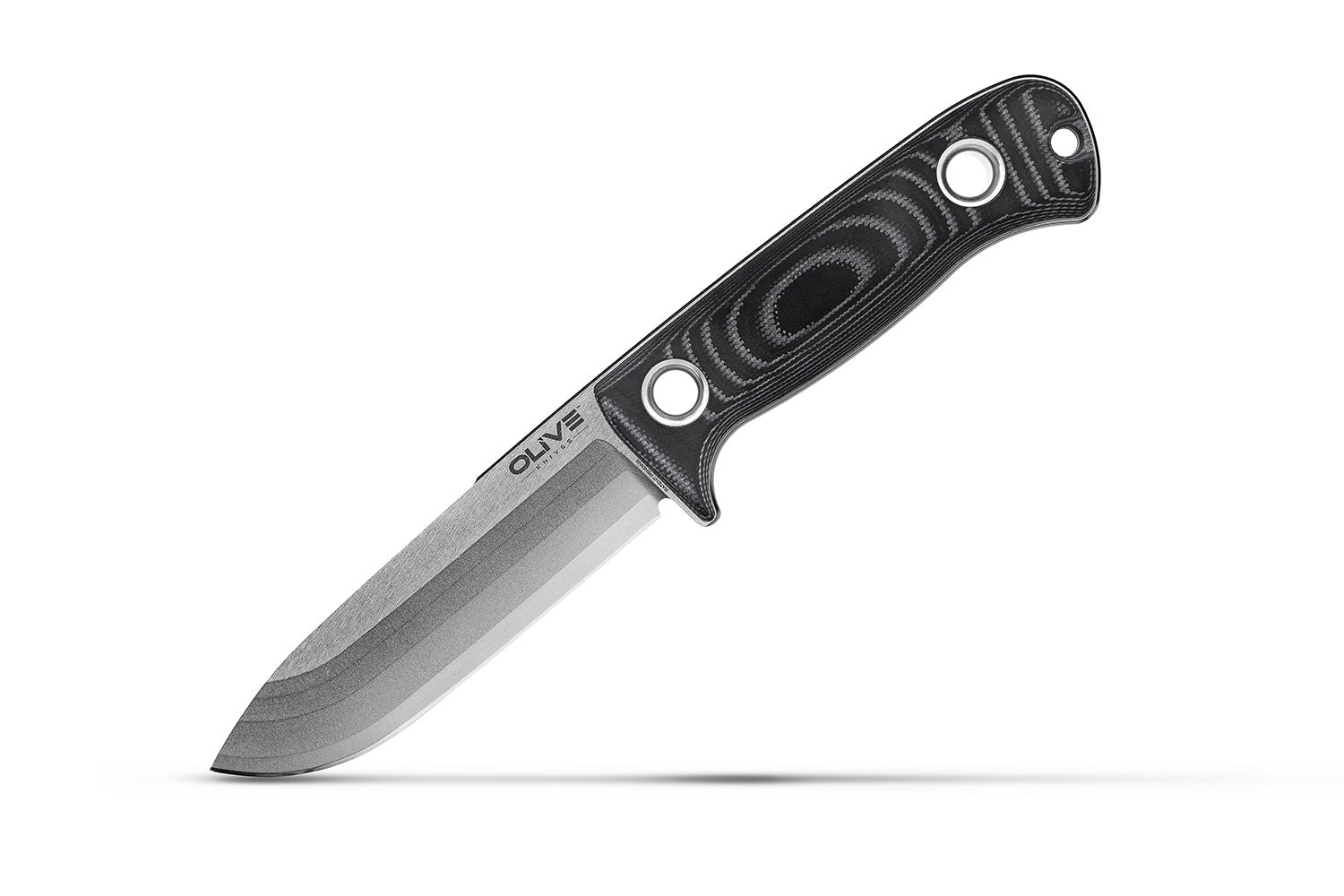
The Olive Knives Arbor isn't just a knife; it's a testament to what happens when thoughtful design meets high-quality materials, purpose-built for the rigors of bushcraft and camping. Unlike many knives that try to be a jack-of-all-trades, the Arbor focuses acutely on its intended use: cutting, carving, and clearing wood in a wilderness setting. Its distinctive blade geometry, which we'll delve into, is a standout feature, making it exceptionally efficient for tasks like feather sticking and processing firewood. This isn't a knife you'll baby; it's designed to be a reliable workhorse, capable of enduring the repetitive stresses of batoning and heavy carving without complaint. The attention to detail extends beyond the blade to a handle that provides a secure, comfortable grip in various conditions, and a sheath that's as practical as it is robust. Many knives look good on paper but fall short in the hand; the Arbor bridges that gap, delivering on its promises in the field. It’s an investment, certainly, but one that pays dividends in performance and peace of mind when you’re relying on your gear far from civilization. This is the knife for serious outdoor enthusiasts who demand uncompromising quality and function from their tools.
Construction & Materials
The Arbor boasts a full-tang construction, a non-negotiable for serious bushcraft knives, ensuring maximum strength and durability under heavy use. Its blade is crafted from a premium carbon steel, selected for its excellent edge retention and ease of sharpening in the field—a critical factor when you're far from a workbench. The trade-off, as with all carbon steels, is the need for proper maintenance to prevent corrosion, but a little oil and common sense go a long way. The handle scales are made from Micarta, a composite material known for its grip even when wet or cold, and its resistance to temperature changes. This combination of robust materials means the knife can withstand significant abuse without compromising its structural integrity.
Blade Geometry & Performance
What truly sets the Arbor apart is its modified Scandi grind. This grind creates a very strong, keen edge that excels at wood processing. The geometry facilitates efficient chip removal, making tasks like splitting kindling, carving notches, or feathersticking remarkably easy and precise. It bites deep into wood but also carves with a control that belies its robust build. We found it handled everything from detailed craft work to heavy batoning with equal aplomb. The thick spine adds to its durability and allows for effective striking with a baton, making it a true workhorse in the woods. This isn't just a sharp knife; it's a finely tuned cutting instrument designed for specific, demanding tasks.
Ergonomics & Grip
A knife is only as good as its handle, and the Arbor shines here. The Micarta handle is expertly contoured, fitting a wide range of hand sizes comfortably and securely. It provides excellent purchase even when your hands are sweaty or gloved, minimizing the risk of slippage during critical tasks. There are no hot spots or sharp edges that cause discomfort during prolonged use, a common flaw in lesser knives. This thoughtful design means you can work with the Arbor for extended periods without fatigue, maintaining control and precision whether you're carving, chopping, or fine-tuning a trap. It’s a handle that disappears into your hand, allowing you to focus on the task at hand.
Sheath System
The Arbor comes with a well-designed Kydex sheath that offers excellent retention and versatility. Kydex is known for its durability, weather resistance, and ability to hold a knife securely without dulling the edge. The sheath features a multi-mount system, allowing for various carry options—vertically, horizontally, or even attached to pack straps—adapting to your preferred method and activity. It clicks satisfyingly into place, providing peace of mind that the knife won't accidentally fall out during dynamic movement. The drainage hole at the bottom is a small but critical detail, preventing moisture buildup and helping to protect the carbon steel blade from corrosion. This sheath is a functional piece of gear, not just an afterthought.
Value & Alternatives
At its price point, the Olive Knives Arbor competes with some of the best bushcraft knives on the market, offering a blend of premium materials, expert craftsmanship, and practical design. While there are cheaper alternatives, they often compromise on steel quality, handle ergonomics, or sheath functionality—elements that quickly become evident during heavy field use. More expensive custom knives might offer marginal gains in specific areas, but the Arbor strikes an excellent balance of performance and cost. It’s for the serious outdoors person who recognizes that investing in a high-quality, reliable tool ultimately saves money and frustration in the long run. The value here is in its dependable, long-term performance.
Pros
- + Exceptional cutting and carving performance on wood
- + Robust full-tang construction for heavy-duty use
- + Ergonomic Micarta handle provides secure, comfortable grip
- + Durable, versatile Kydex sheath with strong retention
- + Premium carbon steel holds a keen edge and is field-sharpenable
Cons
- − Carbon steel requires regular maintenance to prevent rust
- − Higher price point than many entry-level fixed blades
- − Not ideal for fine culinary tasks due to blade thickness
- Steel Type
- Premium Carbon Steel
- Blade Grind
- Modified Scandi
- Blade Length
- Approx. 4.5 inches
- Overall Length
- Approx. 9.5 inches
- Handle Material
- Micarta
- Sheath Material
- Kydex with multi-mount system
- Weight (Knife only)
- Approx. 8 oz