



What Happened
Episode 9, titled "Splintered," further illuminated the profound mental and physical toll of long-term wilderness survival. The dwindling group of participants experienced a deepening sense of isolation, leading to increased introspection and self-doubt. The primary challenge across the board remained caloric intake. As the days stretched on, the effects of severe starvation became more pronounced, manifesting in physical symptoms that forced critical decisions.
Ann Rosenquist, having endured 19 days in the Arctic environment, faced a severe medical emergency. Her body, deprived of essential nutrients, began to exhibit alarming symptoms, specifically heart palpitations. This is a common and serious consequence of prolonged starvation, signaling the body's systems struggling under extreme duress. Recognizing the gravity of her condition and prioritizing her safety, Ann made the difficult but necessary choice to tap out.
Beyond Ann's departure, the narrative of the episode focused on the general decline in physical and mental reserves among the remaining contestants. The inability to consistently procure sufficient food sources meant that even those still in the game were operating at significantly reduced capacity, their resilience tested daily by hunger, cold, and the unyielding solitude.
Who is Under Pressure
Every contestant remaining in the competition is under immense pressure, primarily from starvation. Ann's medical tap-out serves as a stark reminder of the physiological limits to human endurance. Heart palpitations due to starvation are a direct consequence of the body consuming its own muscle tissue, including the heart, to fuel basic metabolic functions. This is an indisputable red flag for a medical evacuation.
For those still competing, the pressure mounts not just from hunger, but from the psychological weight of their own deteriorating condition. The reflective mood noted in the synopsis indicates participants are confronting the raw reality of their situation – the possibility of failing, the physical pain, and the overwhelming loneliness. This internal battle is as critical as finding food, as mental fortitude often determines the ability to continue under such extreme duress. Each passing day without a substantial caloric intake brings them closer to similar physical breakdowns or the psychological breaking point.
Gear That Mattered
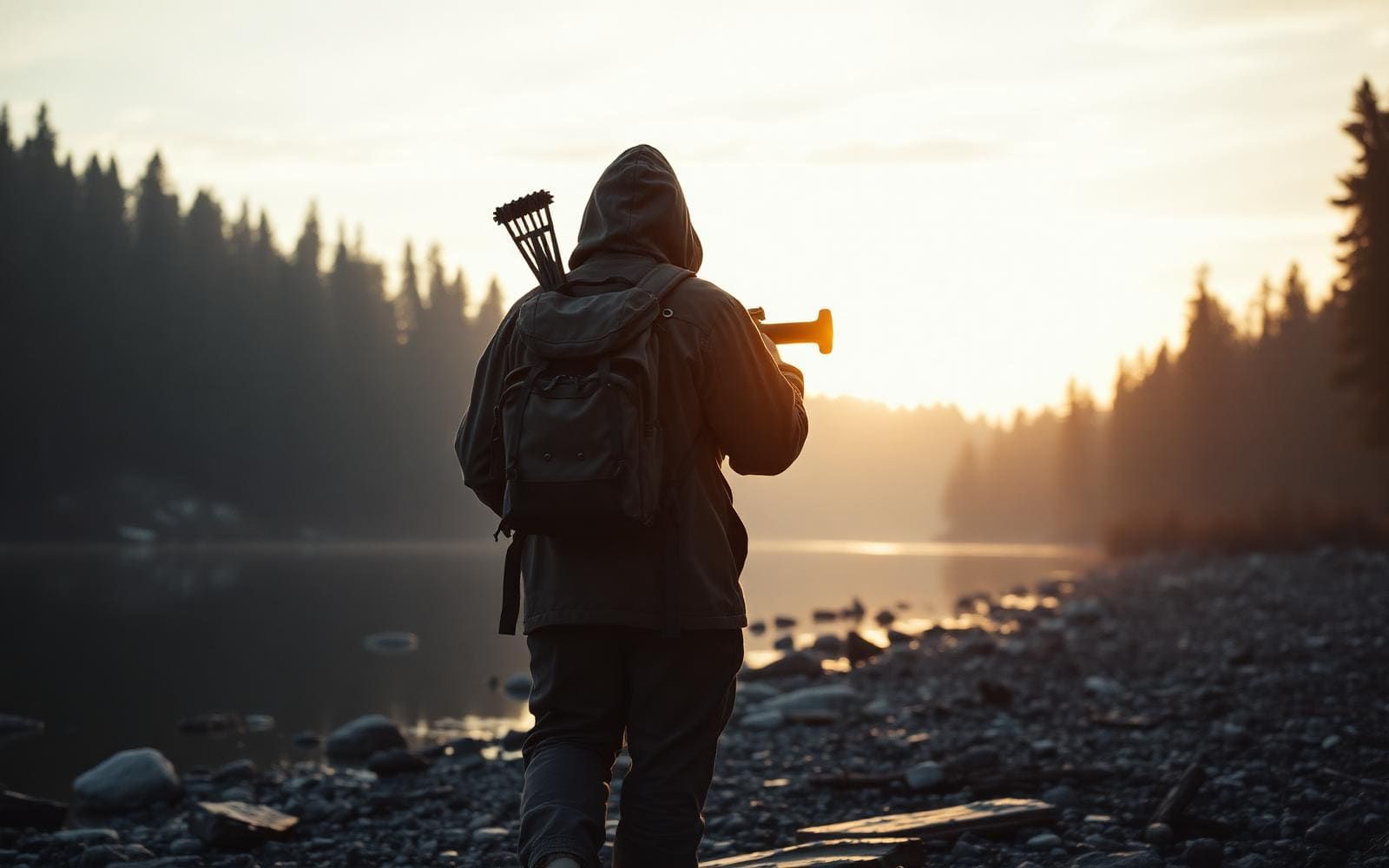
While specific gear details for Ann's tap-out were not provided, the general context of medical issues stemming from starvation highlights the indirect importance of all hunting and fishing gear. The ability to effectively acquire food is paramount. For example, a reliable fishing kit, including robust lines, hooks, and lures suitable for the local species, can be the difference between sustained caloric intake and severe starvation. Similarly, effective bow setups or snares are crucial for trapping small game.
Furthermore, basic survival gear like shelter materials and fire-starting tools are critical for conserving energy. A well-constructed, insulated shelter reduces the caloric expenditure required to stay warm, which is vital when food is scarce. Reliable fire starters ensure warmth, the ability to cook what little food is found, and boil water, preventing additional energy loss to illness. In a situation where the body is already failing, preventing any secondary energy drains becomes incredibly important.
Standings
With Ann Rosenquist tapping out due to starvation-related heart palpitations on Day 19, the field has narrowed. The precise number of remaining contestants was not detailed in the provided information, but the overall competition continues, with each participant pushing deeper into the unknown challenges of the Arctic wilderness.
Bottom Line
Episode 9, "Splintered," underscored the critical interplay between physical health and mental resilience in extreme survival scenarios. Ann Rosenquist's departure due to starvation-induced heart palpitations served as a visceral demonstration of the body's breaking point. This event also acts as a powerful reminder to the remaining contestants of the very real dangers they face. As the duration of the challenge extends, the line between pushing through and needing to prioritize safety becomes increasingly thin. The ability to consistently forage, hunt, and fish is not just about winning; it's about staying medically viable. Each contestant must now confront their limitations and make increasingly difficult choices under the immense pressure of isolation and dwindling physical reserves.
Build the kit you just watched
Every item below is ranked from field use — no filler, no budget picks.
- The 10 items, rankedWhat actually survives 100 days — our tested picks for every slot on the list.
- Best bushcraft axesThe axe is the highest-leverage pick in the game. Here are the ones worth the weight.
- Best bushcraft knivesEvery winner carried one. These are the fixed blades that hold up to a full season.
- What the winners carriedSeason-by-season loadout analysis of every Alone champion.