



The Boundary Waters Canoe Area Wilderness (BWCAW) in northern Minnesota is a place of quiet solitude, ancient forests, and, for many, incredible fishing. It's a vast wilderness of interconnected lakes and rivers, accessible only by paddle and portage, offering a fishing experience that's as much about the journey as it is the catch. This isn't your roadside access, twenty-foot boat kind of fishing. This is wilderness angling, demanding preparation, patience, and a willingness to adapt.
I’ve spent a lot of time in the BWCA, both guiding and on personal trips, and the fishing has almost always been a highlight. It's not always easy, but the rewards are substantial. This guide aims to give you the honest rundown on what to expect, how to prepare, and how to maximize your chances of success out there.
Understanding the BWCA Fishing Landscape
The BWCA is a protected wilderness area. This means no motors on most lakes, no permanent structures, and a strict 'leave no trace' ethic. For fishing, it translates to generally healthy fish populations that see less pressure than many accessible lakes. It also means you’re relying on your own two hands, a paddle, and a good map to find the fish.
Fish populations vary by lake type. Some are deep, cold-water lakes holding lake trout. Others are shallower, stained waters perfect for walleye and northern pike. Smallmouth bass are widespread and often abundant. Doing your homework on specific entry points and the lakes you plan to visit is crucial. Look for old fishing reports or call local outfitters for current conditions and species concentrations.
Regulations and Ethics
Before you even pack a rod, understand the regulations. Minnesota fishing licenses are required, and the BWCA has special regulations that can differ from statewide rules. These often include stricter slot limits, daily bag limits, and sometimes even artificial-lure-only restrictions on certain lakes. Always check the current Minnesota DNR fishing regulations for the specific area you'll be entering. Ignorance is no excuse, and wardens do patrol.
Beyond the law, embrace the BWCA ethos:
- Catch and Release: While keeping some fish for a shore lunch is part of the experience, consider releasing larger fish and those not intended for immediate consumption. These are often the prime breeders.
- Barbless Hooks: Many anglers pinch down barbs. It makes releasing fish easier and causes less harm.
- No Live Bait (often): Some lakes prohibit live bait to prevent the introduction of invasive species. Again, check regulations.
- Leave No Trace: Pack out everything you pack in, including fish guts. Dispose of them deep in the woods or in flowing water, far from camp and shorelines.
Target Species: What You'll Find and How to Catch Them
The BWCA is home to several popular game fish. Each has its preferred habitat and tactics.
Walleye
Walleye are a primary target for many BWCA anglers. They’re excellent eating and can be found in a wide variety of lakes.
- Habitat: Look for them in lakes with rocky points, humps, current areas, and deep-water structure. They prefer lower light conditions, so dawn, dusk, and cloudy days are prime.
- Seasons: Peak walleye fishing is typically spring (post-spawn through early summer) and fall. Summer can be productive, but they often move to deeper, cooler water.
- Tactics:
- Jigs: A jig and a plastic grub or a live minnow (if allowed) is a classic walleye killer. Work it slowly along drop-offs.
- Slip Bobbers: Effective for suspended walleye or when fishing breaks. Suspend a leech or minnow just off the bottom.
- Trolling: Small crankbaits or spinner rigs with a worm can be trolled slowly along contour lines or across flats, especially in larger lakes.
Northern Pike
Northerns are abundant, aggressive, and can offer some truly exciting fights. They're often found in the same waters as walleye, but also thrive in shallower, weedy bays.
- Habitat: Weedy bays, lily pad fields, downed trees, and rocky points. Basically, anywhere they can ambush prey.
- Seasons: Good year-round, with spring and fall often producing the largest fish. Summer pike will be in and around cover.
- Tactics:
- Spoons: Classic red-and-white, five of diamonds, or similar casting spoons are highly effective.
- Spinnerbaits: Great for working through weeds and cover.
- Large Crankbaits: Aggressive retrieves along drop-offs or over structure can trigger strikes.
- Topwater: In summer, large topwater baits can be exhilarating in shallow, weedy areas.
Smallmouth Bass
Smallmouth bass are often overlooked but provide some of the most consistent action and strongest fights, pound for pound. They are widespread throughout the BWCA.
- Habitat: Rocky shorelines, points, boulders, and submerged timber. They prefer clear water.
- Seasons: Excellent from late spring through fall. Summer is prime for topwater action.
- Tactics:
- Jigs: Small jigs with grub tails, or even hair jigs, are very effective.
- Soft Plastics: Wacky-rigged worms, tubes, or creature baits fished weightless or lightly weighted.
- Crankbaits: Small to medium crankbaits fished near rocky structure.
- Topwater: Poppers, walk-the-dog baits, and prop baits in low light conditions or over deeper water in summer.
Lake Trout
Lake trout are a cold-water species found in the deeper, colder lakes. Catching them often requires specialized gear and techniques.
- Habitat: Deep, clear, cold lakes. They will be near the surface in spring and fall, then retreat to thermocline depths in summer.
- Seasons: Best in spring (just after ice-out) and fall. Summer fishing requires finding them in deeper water.
- Tactics:
- Jigging: Heavy spoons or tube jigs tipped with a minnow fished vertically over deep structure.
- Downriggers/Deep Trolling: For summer lakers, this is often the most effective method, though downriggers are cumbersome to portage. Spoon and large crankbaits are common lures.
- Flatlining (spring/fall): In cooler water, they'll come up. Trolling larger spoons or stickbaits closer to the surface.
Essential Gear for BWCA Fishing
Packing light and smart is paramount in the BWCA. Every ounce you carry over a portage counts.
Rods and Reels
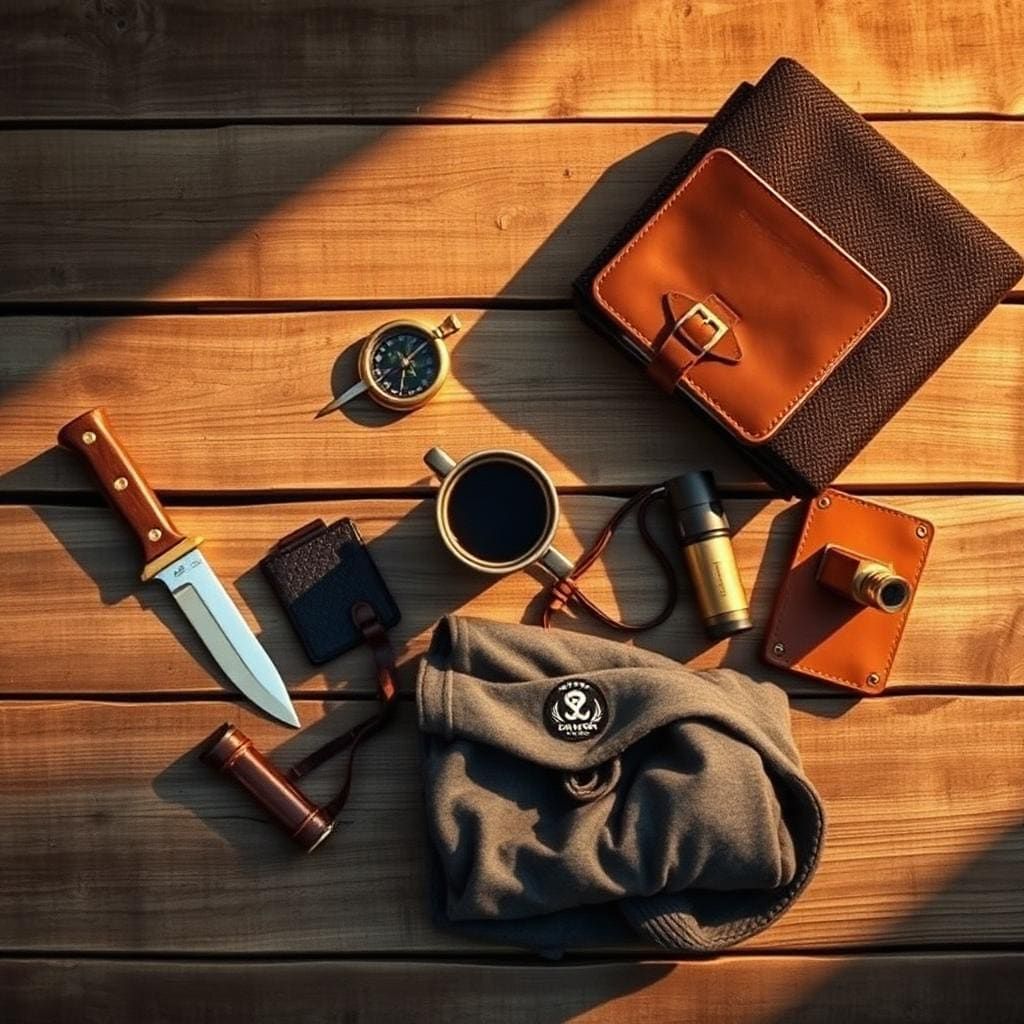
- Spinning Combos (2): I usually bring two medium-light to medium power spinning rods (6'6" - 7' range). One can be spooled with 6-8 lb mono or fluorocarbon for walleye/bass, the other with 10-15 lb braid (with a fluorocarbon leader) for pike or heavier applications. Travel rods that break down into 3-4 pieces are excellent for portaging and protecting.
- Reels: Good quality spinning reels in the 2000-3000 size range are versatile and durable.
Terminal Tackle
Simplify. Don't bring your entire tackle box. Focus on versatile lures.
- Jigs: 1/8 oz to 3/8 oz jigs in various colors (chartreuse, white, black, orange). Bring plenty.
- Soft Plastics: Grubs (various sizes/colors), tubes, stick worms (Wacky worms).
- Spoons: 1/4 oz to 1 oz spoons (red/white, silver, gold, five of diamonds). Good for pike and lake trout.
- Crankbaits: A few shallow divers and a few medium divers. Focus on natural baitfish patterns and some brighter options.
- Spinnerbaits: 1/4 oz to 1/2 oz for pike and bass.
- Topwater: A popper or walking bait for bass.
- Bobbers: Slip bobbers and a few fixed bobbers.
- Hooks: Octopus hooks, Aberdeen hooks (if using live bait), weedless hooks.
- Sinkers: Split shots, sliding sinkers (bullet weights or egg sinkers).
- Leaders: Steel or heavy fluorocarbon leaders for pike are a must to prevent bite-offs.
- Swivels, Snaps, Split Rings: Small assortment.
Tools and Accessories
- Pliers/Forceps: Absolutely essential for hook removal, especially from pike. Long-nosed pliers are best.
- Line Cutters: Small scissors or clippers.
- Scale/Measuring Tape: For documenting catches (catch-and-release and slot limits).
- Small Net: A rubberized, knotless net is best for fish health.
- Fillet Knife: For shore lunch.
- Small Tackle Box/Bag: Keep it organized and compact.
- Sun Protection: Hat, sunglasses, sunscreen.
- Bug Repellent: Non-negotiable in the BWCA.
- Water Bottle: Stay hydrated.
- First Aid Kit: Always.
- Headlamp/Flashlight: For early morning or late evening fishing.
- Maps/GPS: Critical for navigation and marking fishing spots. Waterproof is preferred.
Canoe-Fishing Tactics
Fishing from a canoe requires a different approach than from a larger boat. Stability, wind, and current become bigger factors.
Stability is Key
- Stay Low: Keep your center of gravity low. Sit on the bottom of the canoe, or use a low camp chair, rather than standing or sitting on the thwarts.
- Distribute Weight: Ensure tackle and gear are evenly distributed and secured. You don't want a tackle box sliding around.
- Teamwork: If fishing with a partner, communicate movements. Sudden shifts can capsize a canoe quickly.
Wind and Current Management
- Anchor: A small, collapsible anchor (like a grapple anchor) with about 50 feet of rope is incredibly useful for holding position over a specific spot. Just be mindful of snagging it.
- Drifting: Use the wind to your advantage. Drift over promising structure while casting. A drift sock can slow you down if the wind is too strong.
- Paddle Control: When fishing a shoreline or drop-off, the bow paddler can provide subtle steering to keep the canoe parallel to the structure, allowing both anglers to cast effectively.
Casting and Presentation
- Shorter Casts: While long casts have their place, often shorter, more accurate casts to specific structure are more effective from a canoe.
- Fan Casting: Work an area thoroughly by casting in a fan pattern around the canoe before moving.
- Vertical Jigging: This is very effective, especially for walleye and lake trout, as you can hover over a specific depth or piece of structure. Mark your position with a GPS point or physical landmarks.
- Trolling (Canoe Style): You can troll effectively by simply paddling slowly. This is a great way to cover water and find fish, especially with crankbaits or spinner rigs.
Shore Lunch
This is a BWCA tradition. Nothing beats fresh-caught fish cooked over a campfire. Bring a small skillet, oil, and seasoned flour or breading mix. Be mindful of fire restrictions and always have water nearby.
Seasons and Timing
Spring (Ice-out to Mid-June)
- Pros: Fish are often shallow and hungry after ice-out. Walleye and pike are actively spawning or post-spawn. Lake trout are near the surface.
- Cons: Water can be cold, weather unpredictable. Bugs (black flies, mosquitoes) can be intense as the weather warms.
Summer (Mid-June to August)
- Pros: Warm weather, long daylight hours. Smallmouth bass fishing is excellent, often with topwater action. Walleye and pike are still active but may be deeper.
- Cons: Fish can be deeper and spread out. Bugs are at their peak. Crowds can be higher on popular entry points.
Fall (September to Ice-on)
- Pros: Fewer bugs, stunning fall colors. Fish are actively feeding, bulking up for winter. Large pike and walleye are often more accessible. Lake trout move shallow again.
- Cons: Weather can turn cold quickly. Shorter daylight hours. Some amenities might be closing down.
Planning Your Route for Fishing
- Research Lakes: Use mapping tools, guidebooks, and online resources to identify lakes known for the species you want to target. Look for lakes with varied structure: points, islands, deep holes, weed beds.
- Consider Portages: Long, arduous portages with fishing gear can be a drag. Balance fishing potential with realistic travel. Sometimes, a smaller, less-fished lake just one extra portage in can be a goldmine.
- Entry Point Strategy: Choose an entry point that offers access to multiple lake types or good fishing immediately. An outfitter can be a huge help in planning this.
Bottom Line
Fishing the Boundary Waters is a truly unique adventure. It’s not just about catching fish, though a successful shore lunch is certainly a highlight. It's about disconnecting, learning to rely on yourself, and experiencing wilderness as it was meant to be. Go prepared, respect the environment, and be willing to adapt. The BWCA will reward you with memories, and often, some fantastic fish. Good luck out there, and enjoy the quiet.