


Reader rating
Rate it and you move it. Community ratings re-rank this product inside its Top 10 list.
Expert-picked, reader-ranked. Our editors choose the products and the launch order; member star ratings move picks up or down over time.
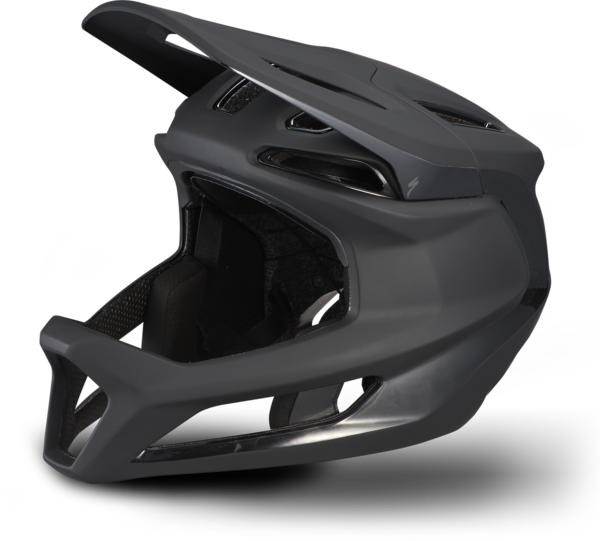
The Specialized Gambit represents a modern shift in full-face helmet design, built specifically for enduro racers and aggressive trail riders who demand downhill-certified safety without the crushing heat of a traditional downhill lid. Tipping the scales at a remarkably light 26.1 ounces, it relies on a proprietary carbon and polycarbonate skeleton to drop weight while maintaining structural rigidity across the chin bar and crown. Reviewers consistently highlight its airflow as a standout feature. Rather than relying on simple cutouts, the Gambit uses large, intake-channeling vents that pull air through the face opening and expel it out the rear, making sustained pedaling on hot transfer stages tolerable. The integrated retention system uses a micro-adjust dial combined with adjustable cheek pads, allowing riders to dial in a stable fit that prevents unwanted bobbing over high-speed brake bumps. The compromises stem from its hyper-focused lightweight design. Because it strips out excess bulk, the Gambit lacks the plush, sound-dampening interior padding found on burly resort downhill helmets. The visor is fixed in place, which helps maintain aerodynamic and structural integrity but limits where you can stow your goggles when climbing. At an approximate $300 price point, it is an investment piece tailored strictly for riders who pedal hard on technical terrain. **Highlights** - Exceptionally low weight of 26.1 ounces for a DH-certified full-face. - Massive airflow channels designed for active climbing and pedaling. - Integrated Mips SL system reduces rotational forces without impeding venting. - Multi-material shell combines carbon fiber, polycarbonate, and targeted EPS. - Fine-tune dial fit cradle provides a secure, wobble-free hold. **Watch-outs** - Fixed visor prevents on-helmet goggle storage. - Interior padding is thinner and less plush than traditional gravity lids. - Premium $300 price tag reflects specialized race engineering.
Pros
- Ultralight 26.1-ounce build reduces neck strain on long descents.
- Class-leading airflow allows active pedaling on steep transfer climbs.
- Integrated dial retention system delivers a secure, slip-free fit.
- Downhill certified to ASTM standards despite open ventilation.
Cons
- Fixed visor prevents on-helmet goggle storage when climbing.
- Sparse interior padding provides less plush comfort than downhill lids.
- High $300 price point represents a significant investment.
Best uses
- Enduro stage racing
- Self-shuttled technical riding
- Aggressive all-mountain trail
- Warm-weather downhill laps
Specifications
- Weight
- 26.1 oz (approx. 740 g)
- Safety Standard
- ASTM F1952 Downhill Certified
- Impact Tech
- Integrated Mips SL
- Shell Build
- Carbon fiber and polycarbonate composite
- Retention System
- Integrated micro-adjust rear dial
- Approximate Price
- $300
Pricing
We don't publish a price we haven't verified. The retailer links below open the live listing for this exact model.
Full catalog listing & offersBest for
Enduro stage racing, Self-shuttled technical riding, Aggressive all-mountain trail, Warm-weather downhill laps
Where to buy the Gambit
We don't have a direct Amazon listing on file yet — this opens an Amazon search for the exact make and model.
Some links are affiliate links. Buying through them supports our testing at no extra cost to you.
The Specialized Gambit represents an ambitious design philosophy tailored for enduro racers and aggressive trail riders who demand full-face protection without the suffocating heat or weight of a traditional downhill lid. Tipping the scales at a remarkably light 26.1 ounces, the helmet bridges the gap between lightweight trail half-shells and burly gravity armor. It is built explicitly for riders who earn their descents through thousands of feet of technical climbing. The helmet achieves its balance of structural integrity and breathability through an integrated structural skeleton of carbon fiber, polycarbonate, and targeted-density foam. Recognized by independent testing outlets such as OutdoorGearLab as a top-tier full-face performer, the Gambit stands out for intake channels that promote airflow at slow pedaling speeds, coupled with a dial-actuated retention system adapted from XC and trail helmets. At an approximate retail price of $300, the Gambit represents a serious financial investment. The compromises stem directly from its hyper-focused, weight-saving mission. Padding is purposefully sparse, the visor cannot be adjusted to park your goggles, and the helmet lacks the plush sound dampening of standard park lids. However, for self-shuttled riders seeking genuine downhill certification in a breathable package, it delivers an exceptional blend of safety and utility.
Target Rider and Intent
The Gambit is engineered specifically for enduro racers, aggressive trail riders, and technical mountain bikers who pedal to the top of steep, technical descents. It is not intended for lift-served downhill purists or dirt jumpers who prioritize heavily padded comfort, roost protection, and acoustic deadening over airflow. Instead, this helmet targets the rider who finds standard full-face models unwearable on prolonged summer climbs but recognizes that a half-shell provides inadequate facial protection in high-speed rock gardens. If you regularly participate in stage races, navigate high-consequence backcountry descents, or ride an e-mountain bike where pedal assist keeps you working hard in demanding terrain, the Gambit matches your demands. It eliminates the frequent enduro compromise of carrying two helmets or constantly taking a full-face off during transfer climbs.
Construction and Materials
Specialized reduced the Gambit's weight without compromising its ASTM downhill certification by rethinking structural layout. Rather than relying on a uniform, bulky EPS foam shell, the Gambit employs a multi-material architecture. It combines a carbon fiber interior skeleton with polycarbonate outer capping and strategically targeted densities of EPS foam throughout the crown and chin bar. This construction handles direct impacts efficiently while keeping overall cross-sectional bulk low. Rotational impact management is provided by the integrated Mips SL system. Rather than using an intrusive plastic slip-plane that covers vents, Mips SL utilizes minimalist pad-anchored mechanisms directly in the liner. This approach retains the helmet's rotational force dissipation properties while keeping air channels unobstructed.
Airflow and Climbing Performance
Ventilation is the definitive strength of the Gambit. Traditional full-face helmets rely on passive airflow that requires downhill velocities to push air across the rider's scalp, which leads to overheating at climbing cadences. The Gambit features massive forward-facing intake vents around the brow and chin, channeled deeply across the internal crown, and exhausted through wide rear ports. Because the chin bar sits slightly further forward and the front aperture is cavernous, natural convection clears hot air even while grinding up low-speed fire roads. Independent evaluations frequently praise this quality, noting that it breathes closer to an aggressive half-shell than a standard gravity lid. Heavy breathing rarely fogs eyewear, and heat dissipation remains consistent during sustained physical output.
Fit and Adjustability
Fit architecture on the Gambit departs from conventional full-face design. Most downhill lids rely purely on varying thicknesses of cheek pads and neck rolls to compress against the rider's head. The Gambit incorporates a fully integrated micro-adjustable rear dial cradle, identical to the retention mechanisms found on high-end half-shell trail helmets. This dial allows fine adjustments to perimeter tension, preventing the lid from pitching forward or backward across repeated brake bumps. Swappable cheek pads help tailor lateral fit across the jaw. However, because internal foam is minimal, the helmet feels firmer against the skull than traditional gravity models. Riders between sizes or with rounder head shapes should test the shell shape carefully before committing.
Durability and Everyday Trade-Offs
Prioritizing featherweight performance inevitably introduces distinct trade-offs. The Gambit's interior liner is thin and utilitarian, trading plush comfort for minimal sweat retention and fast drying. Ambient trail noise and wind whistle are significantly higher than in heavily insulated downhill helmets. Furthermore, the visor is completely fixed in place to maintain aerodynamic airflow and structural integrity in an impact. This design makes it virtually impossible to stow goggles beneath the visor on climbs, forcing riders to flip goggles backward or rest them on their neck. Additionally, while the shell meets full downhill impact standards, the composite structure and external venting make the lid more vulnerable to cosmetic dings when bouncing loose in the bed of a truck.
Value and Comparable Alternatives
Selling around the $300 mark, the Gambit competes in the premium lightweight full-face category alongside models like the Fox Proframe and Troy Lee Designs Stage. The Fox Proframe shares a similarly open, high-airflow philosophy, though it relies strictly on cheek pad sizing rather than a micro-adjustable dial retention cradle. The Troy Lee Designs Stage offers slightly thicker interior comfort and an adjustable visor, though it incurs a minor weight penalty. The Gambit commands its price tag by offering one of the lowest verified weights in the ASTM-certified category while providing superior mechanical fit adjustment via its integrated dial. For racers and backcountry riders prioritizing maximum ventilation and gram reduction, the Gambit justifies its high tier.
How we picked
We started with a long list of bike helmets that people actually buy, cut anything that could not clear our baseline for durability and field performance, then ranked the 10 that were left against the same criteria. Rankings are editorial. No brand pays for placement, and affiliate links never move a pick up or down.
- Real-world durability
- How the material, stitching, or steel holds up after a season of hard use — not how it looks new.
- Performance in bad conditions
- Wind, rain, cold, and grit are the test. Anything that only works on a nice day gets marked down.
- Weight and packability
- Every ounce has to earn its place in the pack, but not at the cost of something that fails in the field.
- Ease of use
- Setup, adjustment, and maintenance with cold hands, in the dark, without the manual.
- Value at its price point
- Compared against the closest competitors in the same tier, not against cheaper gear in a different class.
- Repairability and support
- Field-fixable design, available parts, and a warranty the maker actually honors.
Gambit — frequently asked questions
- Is the Gambit worth it?
- We rank it #1 in Bike Helmets. The Specialized Gambit represents a modern shift in full-face helmet design, built specifically for enduro racers and aggressive trail riders who demand downhill-certified safety without the crushing heat of a traditional downhill lid. 1 ounces, it relies on a proprietary carbon and polycarbonate skeleton to drop…
- What is the Gambit best for?
- Best for enduro stage racing, self-shuttled technical riding, aggressive all-mountain trail and warm-weather downhill laps. Standouts: ultralight 26.1-ounce build reduces neck strain on long descents. and class-leading airflow allows active pedaling on steep transfer climbs..
- What are the downsides of the Gambit?
- Fixed visor prevents on-helmet goggle storage when climbing., Sparse interior padding provides less plush comfort than downhill lids. and High $300 price point represents a significant investment..
- What are the key specs of the Gambit?
- Weight: 26.1 oz (approx. 740 g) · Safety Standard: ASTM F1952 Downhill Certified · Impact Tech: Integrated Mips SL · Shell Build: Carbon fiber and polycarbonate composite · Retention System: Integrated micro-adjust rear dial
- Target Rider and Intent — what should I know about the Gambit?
- The Gambit is engineered specifically for enduro racers, aggressive trail riders, and technical mountain bikers who pedal to the top of steep, technical descents. It is not intended for lift-served downhill purists or dirt jumpers who prioritize heavily padded comfort, roost protection, and acoustic deadening over…
- Construction and Materials — what should I know about the Gambit?
- Specialized reduced the Gambit's weight without compromising its ASTM downhill certification by rethinking structural layout. Rather than relying on a uniform, bulky EPS foam shell, the Gambit employs a multi-material architecture.
Compare side by side
Put the Gambit against any other pick on this list — specs, price, pros, cons and reader ratings.