


Reader rating
Rate it and you move it. Community ratings re-rank this product inside its Top 10 list.
Expert-picked, reader-ranked. Our editors choose the products and the launch order; member star ratings move picks up or down over time.
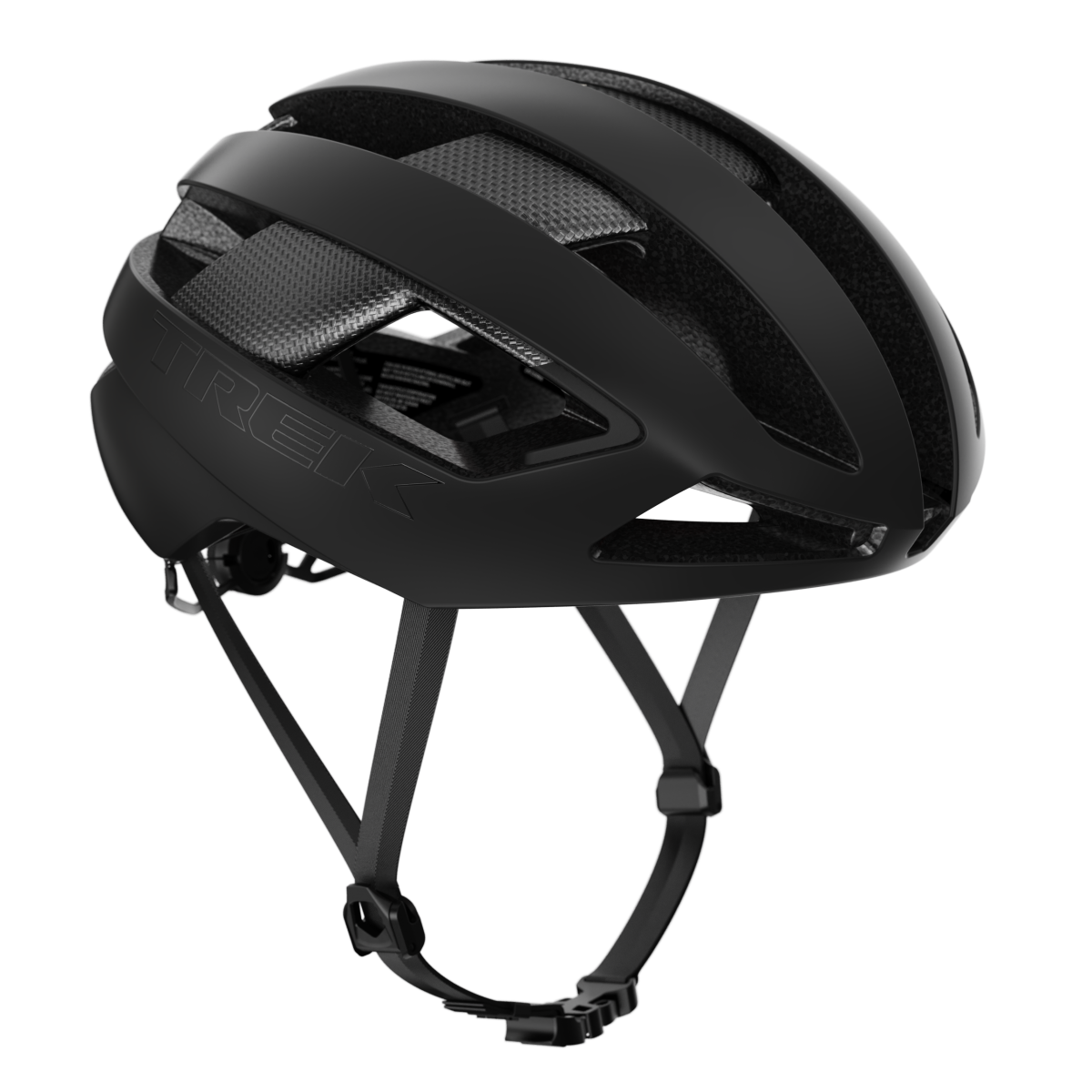
Designed specifically for road racers, gravel grinders, and long-distance endurance riders, the Trek Velocis Mips focuses squarely on aerodynamic efficiency, weight reduction, and active cooling. Weighing in at a verified 270 grams in a size medium, it is built to disappear on your head across multi-hour rides while providing top-tier safety. Trek developed the Velocis using extensive wind-tunnel analysis and structural carbon inserts, allowing the brand to carve out wider vent channels without sacrificing structural strength. In real-world reviews, the internal airflow channels receive high marks for drawing heat away from the scalp at both low cadence and race speeds. For safety, it utilizes Mips Air Node technology—a hyper-light, sweat-wicking slip plane integrated directly into the helmet pads, eliminating the bulky plastic liners of older designs. Fit is dialed via a single-cable BOA closure that distributes tension cleanly around the circumference of the head. Sunglass storage ports along the front secure frames firmly via rubberized grips. The clear trade-off is the $330 retail cost, which places it firmly in the premium category, alongside a streamlined shape that provides less rear-head coverage than a dedicated trail helmet. **Highlights** - Feathery 270-gram measured weight in size medium. - Carbon-reinforced bridge permits large, unrestricted ventilation channels. - BOA 360-degree retention system provides precise, pressure-free fit adjustment. - Integrated Mips Air Node system blends rotational protection into internal pads. - Rubber-lined sunglass gripper vents keep eyewear firmly parked. **Watch-outs** - High retail cost around $330 limits accessibility. - Road-specific geometry lacks extended rear occipital coverage. - Minimalist padding requires periodic washing to maintain grip and comfort.
Pros
- Low 270-gram measured weight provides all-day comfort without neck fatigue.
- Mips Air Node integrates rotational safety directly into lightweight padding.
- BOA 360-degree retention system eliminates focal pressure points on the skull.
- Deep internal ventilation channels keep air moving on low-speed climbs.
- Rubber-gripped eyewear ports hold sunglasses securely over rough terrain.
Cons
- Premium $330 retail price point is a heavy investment for casual riders.
- Road-specific profile lacks deep rear coverage for aggressive trail riding.
- Exposed lower EPS foam requires delicate handling during transport.
Best uses
- Road racing and criteriums
- Competitive gravel grinding
- Hot-weather endurance centuries
- Gran fondo cycling
Specifications
- Measured Weight
- 270 g (Size Medium)
- Impact Protection
- Mips Air Node system
- Retention System
- BOA 360-degree micro-adjust dial
- Shell Construction
- Polycarbonate with carbon inserts
- Intended Use
- Road racing, gravel, endurance cycling
- Approximate Price
- $330
Pricing
We don't publish a price we haven't verified. The retailer links below open the live listing for this exact model.
Full catalog listing & offersBest for
Road racing and criteriums, Competitive gravel grinding, Hot-weather endurance centuries, Gran fondo cycling
Where to buy the Velocis Mips
We don't have a direct Amazon listing on file yet — this opens an Amazon search for the exact make and model.
Some links are affiliate links. Buying through them supports our testing at no extra cost to you.
The Trek Velocis Mips occupies an unapologetically premium position in modern road and endurance cycling. Developed for cyclists who log extensive, high-cadence hours in the saddle, it balances low aerodynamic drag with comprehensive ventilation. Instead of prioritizing entry-level affordability, Trek targeted performance thresholds where minimal grams, active airflow, and rotational impact mitigation converge. At a verified weight of 270 grams for a size medium, it feels exceptionally nimble on the head, making it an easy companion across multi-hour rides. The helmet's foundation relies on a streamlined composite shell reinforced with internal carbon bridges, allowing designers to sculpt wide vent channels without compromising structural resilience. This layout feeds cool air directly across the scalp even during steep, low-cadence climbing efforts, addressing a historical flaw of aerodynamic road helmets. Safety is anchored by Mips Air Node technology, which stitches rotational slip-plane protection straight into the internal moisture-wicking pads. At roughly $330, the Velocis represents a deliberate financial commitment. It is not an all-purpose commuter lid or a trail helmet, lacking visors and extended rear coverage. Instead, it serves road racers, gran fondo riders, and gravel grinders seeking uncompromised aerodynamics, intuitive fit tuning, and reliable cooling when pushed to their limits in hot conditions.
Intended Rider and Purpose
The Velocis Mips caters directly to drop-bar riders who refuse to choose between wind-tunnel aerodynamics and hot-weather ventilation. Trek engineered this lid for competitive road racers, gravel grinders, and long-range endurance cyclists who sustain high speeds over extended distances. It is not configured for casual trail riding or aggressive mountain biking, as it deliberately omits a visor and lacks the deep rear coverage common on cross-country and trail lids. Instead, the focus is pure, uncompromised road efficiency. Riders living in warmer climates or those frequently tackling mountainous routes with steep, slow ascents will particularly appreciate its ability to exhaust thermal buildup. For riders who prioritize absolute lightweight agility and aerodynamic efficiency above all else, the Velocis delivers precisely targeted functionality.
Materials and Impact Protection
Structurally, the Velocis uses an in-mold polycarbonate shell paired with high-density EPS foam, reinforced by internal carbon-fiber composite bridges. These carbon trusses increase structural rigidity under severe impacts, allowing designers to carve out massive ventilation pathways without degrading safety margins. To handle rotational forces during angled impacts, Trek implements Mips Air Node technology. Unlike traditional Mips setups that rely on a standalone yellow plastic slip plane that can obstruct airflow and trap heat, Air Node integrates the low-friction layer directly into the internal moisture-wicking pads. This layout sheds weight, boosts ventilation efficiency, and significantly reduces the bulkiness often felt against the scalp. The result is a robust, streamlined framework that holds top-tier safety marks while maintaining a refined internal profile.
Ventilation and Aerodynamics
Aerodynamic gear often compromises thermal regulation, but independent testing and wind-tunnel analysis confirm the Velocis bridges that gap cleanly. Trek achieved a frontal profile that slices through the air with reduced drag while channeling massive amounts of fresh air over the crown of the head. Internal recessed channels pull incoming air from forward intake ports and flush it over the scalp, evacuating heat out the substantial rear exhaust ports. This active draft functions reliably whether pushing 40 kilometers per hour on flat terrain or churning up steep gradients at single-digit speeds. The design prevents the suffocating heat dome typical of fully closed aero shells. It keeps sweat under control during sweltering midsummer centuries without forcing riders to sacrifice watt-saving aerodynamic profiles on race day.
Fit and Eyewear Integration
Retention is managed via a single-cable BOA closure system that wraps 360 degrees around the cranium. Rather than pinching strictly from behind, the BOA harness evenly distributes tightening pressure, avoiding hotspots on the temporal bones and forehead. Micro-adjustments are simple to make on the fly, even while wearing full-finger cycling gloves. The internal cradle also accommodates different head shapes comfortably, with vertical height adjustability built into the rear basket. Up front, dedicated sunglass docks feature textured rubber grips molded into the outer intake vents. These docks hold eyewear arms firmly in place across rough chip-seal roads and gravel washboards. The integration prevents sunglasses from rattling loose, addressing a consistent frustration for riders who routinely transition between bright tarmac and shaded forest canopy.
Durability and Maintenance
Constructed with a premium finish, the Velocis shows clean seam tolerances where the outer shell meets the underlying foam core. However, like most hyper-light performance road helmets, portions of the lower EPS edge remain exposed to keep overall weight at 270 grams. These exposed areas require careful handling in transit to prevent cosmetic dents from car trunks or bike bags. The minimalist Mips Air Node pads, while comfortable and breathable, are quite thin and absorb sweat rapidly during high-output summer riding. Riders will need to rinse and air-dry the pads regularly to prevent salt crystallization and preserve their cushioning ability over multiple seasons. The thin BOA cable system is exceptionally tough, but riders should keep it clear of sand and grit to ensure smooth micro-adjustments over years of riding.
Market Alternatives and Value
At roughly $330, the Velocis sits right at the sharp end of the road helmet pricing spectrum. In this rarefied air, its primary competition includes the Giro Aries Spherical and the Specialized S-Works Prevail 3. The Giro Aries offers Spherical ball-and-socket Mips technology that completely isolates moving parts from the head, though it carries a slight weight penalty compared to the Velocis. Specialized's S-Works Prevail 3 utilizes an aramid-reinforced cage that maximizes open space, appealing to riders hunting absolute ventilation at the expense of aero optimization. The Velocis counters by striking a middle ground: it provides better aerodynamic gains than pure climbing helmets while venting noticeably better than dedicated aero road shells. For riders who want one premier helmet for fast crits, gran fondos, and gravel events, the Velocis holds its ground against any flagship contender.
How we picked
We started with a long list of bike helmets that people actually buy, cut anything that could not clear our baseline for durability and field performance, then ranked the 10 that were left against the same criteria. Rankings are editorial. No brand pays for placement, and affiliate links never move a pick up or down.
- Real-world durability
- How the material, stitching, or steel holds up after a season of hard use — not how it looks new.
- Performance in bad conditions
- Wind, rain, cold, and grit are the test. Anything that only works on a nice day gets marked down.
- Weight and packability
- Every ounce has to earn its place in the pack, but not at the cost of something that fails in the field.
- Ease of use
- Setup, adjustment, and maintenance with cold hands, in the dark, without the manual.
- Value at its price point
- Compared against the closest competitors in the same tier, not against cheaper gear in a different class.
- Repairability and support
- Field-fixable design, available parts, and a warranty the maker actually honors.
Velocis Mips — frequently asked questions
- Is the Velocis Mips worth it?
- We rank it #3 in Bike Helmets. Designed specifically for road racers, gravel grinders, and long-distance endurance riders, the Trek Velocis Mips focuses squarely on aerodynamic efficiency, weight reduction, and active cooling. Weighing in at a verified 270 grams in a size medium, it is built to disappear on your head across multi-hour rides while…
- What is the Velocis Mips best for?
- Best for road racing and criteriums, competitive gravel grinding, hot-weather endurance centuries and gran fondo cycling. Standouts: low 270-gram measured weight provides all-day comfort without neck fatigue. and mips air node integrates rotational safety directly into lightweight padding..
- What are the downsides of the Velocis Mips?
- Premium $330 retail price point is a heavy investment for casual riders., Road-specific profile lacks deep rear coverage for aggressive trail riding. and Exposed lower EPS foam requires delicate handling during transport..
- What are the key specs of the Velocis Mips?
- Measured Weight: 270 g (Size Medium) · Impact Protection: Mips Air Node system · Retention System: BOA 360-degree micro-adjust dial · Shell Construction: Polycarbonate with carbon inserts · Intended Use: Road racing, gravel, endurance cycling
- Intended Rider and Purpose — what should I know about the Velocis Mips?
- The Velocis Mips caters directly to drop-bar riders who refuse to choose between wind-tunnel aerodynamics and hot-weather ventilation. Trek engineered this lid for competitive road racers, gravel grinders, and long-range endurance cyclists who sustain high speeds over extended distances.
- Materials and Impact Protection — what should I know about the Velocis Mips?
- Structurally, the Velocis uses an in-mold polycarbonate shell paired with high-density EPS foam, reinforced by internal carbon-fiber composite bridges. These carbon trusses increase structural rigidity under severe impacts, allowing designers to carve out massive ventilation pathways without degrading safety margins.
Compare side by side
Put the Velocis Mips against any other pick on this list — specs, price, pros, cons and reader ratings.