



Updated October 2026 · 10 picks re-checked for availability and current spec, reader ratings refreshed live.
The electric bike market has matured past the novelty phase into specialized, highly capable machinery designed for serious outdoor riding. Whether you are seeking a full-suspension rig capable of handling technical backcountry descents, an everyday commuter that can shoulder cargo across washboard dirt, or a lightweight road platform that flattens sustained mountain grades, the sheer variety of drive systems and geometries can make choosing one overwhelming. To build this ranking, we synthesized evaluations from leading independent gear testers, cross-referencing field reports with verified user feedback and technical component teardowns. Our editorial weighting heavily favors durability, frame engineering, battery safety, and component value over marketing hype. We scrutinized real-world factors like motor torque delivery, battery integration, weight distribution, and serviceability across standard dealer networks. The resulting list spans everything from value-forward hardtails and versatile folders to boutique carbon trail machines. While premium models command high price tags for weight savings and seamless electronic integration, budget-conscious alternatives have narrowed the performance gap significantly. Here are the ten electric bikes that stand out for capability, reliability, and trail readiness in 2026.
The short answer

The Aventon Current ADV earns our top spot by hitting the sweet spot of rugged trail capability, dependable componentry, and accessible pricing.
Why it wins
The Aventon Level 4 REC is engineered for riders who split their miles between paved commutes and unpaved recreation.
Why it wins
The Cervélo Rouvida targets drop-bar enthusiasts who want to tackle massive mountain passes or mixed-surface gravel epics without losing the distinct…
Why it winsDeep-dive product reviews
We've published full field-test reports and technical deep-dives for 10 of the picks in this list.
Compare all 10 picks at a glance
Editorial ranking, what each pick is best at, and how we assessed it. Tap a name to jump to the full write-up.
| # | Pick | Best for | Key spec | Evidence |
|---|---|---|---|---|
| 1 | Current ADV Aventon | Backcountry Fire Roads | Category: Electric Mountain / Trail Bike | Research only |
| 2 | Level 4 REC Aventon | Daily paved urban commuting | Category: Commuter and recreational e-bike | Research only |
| 3 | Rouvida Cervélo | Alpine road climbing | Weight: 33.7 lbs (Size Small) | Research only |
| 4 | PX Carbon Pro Amflow | Technical alpine ascents | MSRP: Approximately $10,199 | Research only |
| 5 | XP4 Lectric | RV and Vehicle Camping | Price: Around $1,299 | Research only |
| 6 | Vala R Santa Cruz | Technical singletrack trail riding | Base Price: Around $7,299 | Research only |
| 7 | Myon Segway | Hilly suburban commutes | MSRP: Around $1,999 | Research only |
| 8 | Gain Orbea | High-Elevation Alpine Road Climbing | Frame Material: OMR Carbon | Research only |
| 9 | Ramblas ADV Aventon | Cross-country trail riding | Category: Electric hardtail mountain bike | Research only |
| 10 | TL Carbon Amflow | Backcountry bikepacking routes | Base Price: Around $3,899 | Research only |
How we picked
Ranked by Cal Brennan, Senior Gear Editor
We started with a long list of electric bikes that people actually buy, cut anything that could not clear our baseline for durability and field performance, then ranked the 10 that were left against the same criteria. Rankings are editorial. No brand pays for placement, and affiliate links never move a pick up or down.
- Real-world durability
- How the material, stitching, or steel holds up after a season of hard use — not how it looks new.
- Performance in bad conditions
- Wind, rain, cold, and grit are the test. Anything that only works on a nice day gets marked down.
- Weight and packability
- Every ounce has to earn its place in the pack, but not at the cost of something that fails in the field.
- Ease of use
- Setup, adjustment, and maintenance with cold hands, in the dark, without the manual.
- Value at its price point
- Compared against the closest competitors in the same tier, not against cheaper gear in a different class.
- Repairability and support
- Field-fixable design, available parts, and a warranty the maker actually honors.
How often we recheck this: Reviewed on a rolling basis and rechecked at least once a year, or sooner if a pick is discontinued, revised, or beaten by something new.
Best of the Best · Head to Head
Current ADV vs Level 4 REC
#1 vs #2 — side-by-side specs, pros & cons, and the final verdict.
Compare any two picks
Build your own side-by-side
Choose any two of these 10 picks and compare specs, price, pros, cons and reader ratings.
Topic summary
We evaluated the top-rated electric bikes for 2026, comparing trail performance, commuting utility, motor reliability, and build quality to find the best fit for your riding.
Key takeaways
- #1 Current ADV — Aventon
- #2 Level 4 REC — Aventon
- #3 Rouvida — Cervélo
- #4 PX Carbon Pro — Amflow
- #5 XP4 — Lectric
- #6 Vala R — Santa Cruz
Intended uses
Gear
Verification notes
Editorial ranked list, 10 entries. Evidence mix — 10 research only. Buy links open the maker or a retailer search. Last reviewed October 2026.
Best electric bikes for a specific job
Skip the ranking — jump to the pick that matches how you actually use it.
- Best for backcountry fire roads
- #1 Current ADV — AventonThe Aventon Current ADV earns our top spot by hitting the sweet spot of rugged trail capability, dependable componentry, and accessible pricing. Designed for riders who want genuine off-pavement performance without stepping into five-figure boutique territory, this platform handles loose doubletrack, fire roads, and flowing singletrack with steady composure. The frame geometry provides a comfortable, upright baseline that inspires confidence when descending rough terrain, while the mid-drive configuration keeps center-of-gravity low and balanced. In field assessments across the industry, reviewers praise the natural-feeling pedal assistance. Instead of the jerky, binary power surges common on cheaper hub-drive alternatives, the motor responds smoothly to cadence and torque changes. Component selection reflects a practical outdoor focus: robust hydraulic disc brakes for stopping power on sustained descents, wide-range gearing to handle steep gradients without draining battery reserves, and durable tires built to resist punctures on sharp trail debris. The trade-offs here stem primarily from mass. Like many full-featured e-MTBs in this price bracket, it carries substantial weight, making it challenging to hoist onto standard rear car racks or maneuver through tight garage spaces. While the suspension package handles moderate rock gardens and roots admirably, aggressive downhill riders will eventually reach the dampening limits of the stock shock setup. **Highlights** - Mid-drive motor system tuned for progressive, natural pedal assistance - Integrated frame battery design providing clean aesthetics and protection from trail debris - Powerful hydraulic disc brakes for reliable stopping in dusty or wet conditions - Trail-ready wide tires offering strong traction on loose surfaces - Versatile geometry suited for backcountry exploration and relaxed singletrack **Watch-outs** - Overall weight makes lifting onto car racks or carrying up stairs difficult - Stock suspension reaches its limits on aggressive, technical downhill terrainRead the full profile
- Best for daily paved urban commuting
- #2 Level 4 REC — AventonThe Aventon Level 4 REC is engineered for riders who split their miles between paved commutes and unpaved recreation. It is tailored for the everyday user who wants a dependable utility machine capable of handling gravel canal paths, hard-packed park trails, and potholed city streets without skipping a beat. Aventon has continually refined this platform, focusing on user-friendly ergonomics, reliable electronic integration, and standard utility features right out of the box. On the road, the bike shines thanks to its stable handling and predictable assist curve. The torque-sensor integration provides smooth acceleration from dead stops, preventing the sudden lurches that plague cadence-only bikes. Practical additions like full-coverage fenders, integrated lighting, and a burly rear rack make it ready for daily cargo duties, grocery runs, or weekend bike camping setups. The front suspension fork takes the sting out of washboard gravel and rutted asphalt. However, its recreational designation is accurate: this is not a bike for aggressive singletrack. The upright geometry and front-end weight limit its agility on tight, winding dirt trails, and the fork is built for vibration damping rather than aggressive impacts. Tipping the scales at a hefty weight, it requires deliberate effort to transport if you run out of battery or need to haul it into living quarters. **Highlights** - Factory-installed front suspension fork dampens rough roads and gravel paths - Integrated front and rear lighting powered directly by the main battery - Pre-installed rear cargo rack and full fenders for foul-weather riding - Refined torque sensor provides predictable, proportional power delivery - Clear, backlit handlebar display with straightforward controls **Watch-outs** - Too heavy and upright for technical mountain bike trails - Substantial overall weight complicates transport without a heavy-duty e-bike rackRead the full profile
- Best for alpine road climbing
- #3 Rouvida — CervéloThe Cervélo Rouvida targets drop-bar enthusiasts who want to tackle massive mountain passes or mixed-surface gravel epics without losing the distinct ride feel of a high-performance endurance bike. At approximately 33.7 pounds for a size small, it is exceptionally light for an e-bike, reflecting Cervélo's aerodynamic and structural carbon expertise. It caters directly to road and gravel riders who want to maintain high average speeds, keep up on fast group rides, or venture into steep alpine terrain. Performance centers around its discreet drive system. Unlike bulky commuter motors, the unit inside the Rouvida delivers subtle, whisper-quiet assistance that supplements the rider's input without overwhelming it. When riding above the assist cutoff, the motor decouples cleanly, introducing negligible drivetrain drag. The carbon frame dampens high-frequency road chatter effectively, and interchangeable dropout inserts allow riders to swap between road and gravel geometries to accommodate wider rubber. The clear downside is accessibility. Approaching the $7,500 mark, this is an elite investment. The assistance is deliberately tuned for fitness-oriented cyclists; riders expecting a throttle or an effortless, moped-like surge up steep hills will be disappointed by the subtle power output. Furthermore, servicing the integrated carbon cockpit and internal electronics typically requires specialized shop support. **Highlights** - Lightweight carbon chassis weighing roughly 33.7 pounds in small - Modular dropouts allow geometry adjustment for road or gravel setups - Discreet motor integration with minimal drag above the cutoff speed - Premium hydraulic drop-bar shifting and braking components - Wide tire clearance accommodates mixed-surface adventure riding **Watch-outs** - Premium pricing places it out of reach for casual riders - Subtle motor assist requires significant rider pedaling effort on steep grades - Highly proprietary internal routing increases maintenance complexityRead the full profile
- Best for technical alpine ascents
- #4 PX Carbon Pro — AmflowThe Amflow PX Carbon Pro represents the cutting edge of premium electric mountain biking, designed for discerning riders who demand high-end trail performance, lightweight carbon construction, and potent motor output. Aimed at aggressive backcountry explorers, it competes directly with top-tier offerings from traditional mountain bike heritage brands. Its full-carbon chassis houses a sophisticated powertrain built to withstand punishing technical singletrack and extended elevation gains. Testers highlight the remarkable balance between power delivery and chassis stiffness. The motor offers instantaneous torque that helps claw up loose, rock-strewn climbs where maintaining cadence is near impossible, yet the power delivery remains tractable enough to prevent spin-outs. Downhill, the PX Carbon Pro behaves remarkably like an unassisted enduro bike, offering progressive suspension kinematics, composed handling through technical rock gardens, and balanced airborne manners. Naturally, the primary hurdle is the stratospheric cost, which breaks into five figures around $10,199. At this tier, expectations are sky-high, and while the carbon frame saves weight compared to aluminum alternatives, it requires careful inspection after heavy trail strikes. It is decidedly overkill for fire roads or casual dirt paths, existing purely for riders who prioritize top-shelf suspension, modern aggressive geometry, and high-wattage backcountry range. **Highlights** - Ultra-lightweight full-carbon frame with aggressive trail geometry - High-torque drive unit capable of conquering extreme technical climbs - Top-tier suspension components tuned for demanding descents and big hits - Sleek internal cable routing and seamless display integration - High-capacity battery designed for long-range backcountry loops **Watch-outs** - Cost exceeds $10,000, limiting ownership to serious enthusiasts - Aggressive geometry and stiffness are unforgiving for casual cruisingRead the full profile
- Best for rv and vehicle camping
- #5 XP4 — LectricThe Lectric XP4 continues Lectric's reign as the definitive budget-friendly folding electric bike, aimed at car campers, RV travelers, and urban adventurers with limited storage space. Despite its compact footprint, the XP4 is built surprisingly tough, utilizing a sturdy folding aluminum frame that can withstand gravel roads, packed dirt, and everyday urban abuse. It fits riders who need genuine portability without sacrificing the utility of a motorized vehicle. Real-world performance leans on utility and torque. The XP4 features robust fat tires that provide built-in cushion over potholes, washboard surfaces, and soft sand. The folding mechanism is secure, locking firmly into place with confidence-inspiring latches. While it utilizes a rear-hub motor rather than an expensive mid-drive, the programming delivers steady acceleration, and the inclusion of a throttle offers an effortless cruising option when your legs are spent. Trade-offs are inevitable at this price point. At over 60 pounds, calling it 'portable' requires an asterisk; lifting it into the trunk of a car requires real upper-body strength. The ride quality is inherently compromised by small-diameter wheels, which tend to drop into holes rather than roll smoothly over them. Steering feels quicker and slightly twitchier than a full-size bicycle, particularly when carrying gear on the rear rack. **Highlights** - Compact folding frame fits into vehicle trunks, RVs, and small apartments - Fat tires provide stability and float over gravel, dirt, and uneven pavement - Includes practical utility features like integrated lights and sturdy rack options - Dual-mode operation supporting both pedal assist and throttle control - Highly accessible price point backed by strong customer support **Watch-outs** - Heavy frame makes lifting and folded transport physically taxing - Small wheel diameter yields twitchier handling on uneven surfaces - Basic front suspension lacks advanced damping for rough trailsRead the full profile
- Best for technical singletrack trail riding
- #6 Vala R — Santa CruzThe Santa Cruz Vala R brings the legendary California brand's mountain bike pedigree directly into the electric trail arena. Built for committed trail riders and enduro enthusiasts, the Vala R bypasses gimmicky commuter features in favor of pure suspension performance, chassis rigidity, and descending prowess. It is intended for riders who want to charge hard through rocky terrain, launch off drops, and pedal back up for lap after lap without feeling held back by motor heft. What sets the Vala R apart in independent testing is its suspension kinematics. Santa Cruz has refined the pivot placement to counteract the extra weight of the motor and battery, resulting in a rear end that stays planted under hard braking while remaining lively on jump lips. The mid-drive motor provides intuitive, natural assistance that mimics your pedal stroke closely, giving you the traction required to navigate steep, technical switchbacks without spinning the rear tire. At roughly $7,299 for the entry-level 'R' build, it is a significant financial commitment, especially considering that the base build uses solid, working-class components rather than featherweight parts. It is also an unapologetic mountain bike; there are no provisions for kickstands, cargo racks, or full commuter fenders. If you want a bike to ride to work, look elsewhere, but for pure trail performance, it is an elite contender. **Highlights** - Proven full-suspension kinematics optimized specifically for e-MTB dynamics - Durable frame construction backed by Santa Cruz's renowned warranty support - Balanced trail geometry excels on steep descents and tight switchbacks - Natural torque-sensing motor delivery prevents sudden wheel slip on climbs - Generous clearance for aggressive, high-volume knobby tires **Watch-outs** - High entry price for the base-tier component package - Pure trail focus means zero utility or commuter mounting optionsRead the full profile
- Best for hilly suburban commutes
- #7 Myon — SegwayThe Segway Myon is designed to tackle one of the most frustrating aspects of cycling: sustained, lung-busting hills. Tailored for suburban commuters, campus riders, and hilly-neighborhood explorers, this bike puts motor torque and climbing efficiency at the forefront of its design. It appeals to riders who need dependable motorized muscle to conquer steep topography without spending five thousand dollars on a high-end European drive system. In field reviews, the Myon earns praise for its sheer hill-climbing tenacity. When pointed up severe grades that cause standard hub motors to bog down or overheat, the Myon maintains momentum with impressive steady-state power delivery. The step-through or low-standover frame architecture makes mounting and dismounting safe, even when stopped on an incline. Ergonomics are clearly tuned for comfort, offering an upright riding posture, swept-back handlebars, and a forgiving saddle. However, the bike lacks the refined handling of higher-end performance bikes. Its weight distribution is somewhat rear-heavy, which can make the front wheel feel light when powering up extreme inclines. Componentry like the drivetrain and brakes are functional but utilitarian, lacking the crisp engagement found on higher-spec mountain bikes. It is built as a workhorse climber, not an agile corner carver. **Highlights** - High-torque motor mapping specifically engineered for steep hill climbing - Accessible frame design allows easy mounting and dismounting on slopes - Upright riding position prioritizes comfort and rider visibility - Reliable battery integration provides sufficient range for hilly commutes - Competitive pricing around the $2,000 threshold **Watch-outs** - Rear-biased weight distribution can make front-end handling feel light on steep climbs - Basic mechanical components lack the refined feel of premium groupsets - Utilitarian aesthetics and heavy overall massRead the full profile
- Best for high-elevation alpine road climbing
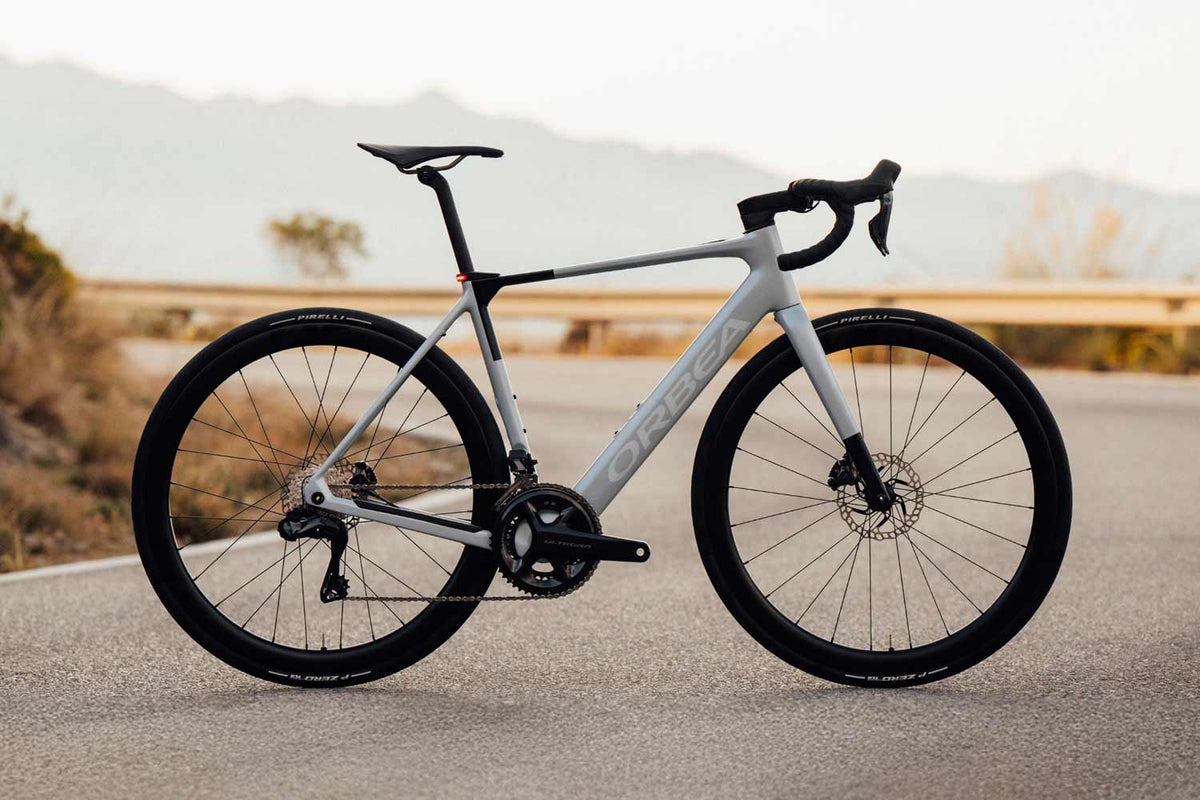
- #8 Gain — OrbeaThe Orbea Gain stands out as one of the most customizable and elegantly integrated electric road and gravel bikes available. Built in Spain, it is aimed at discerning drop-bar riders who want the aesthetics, handling, and lightweight characteristics of a traditional performance bicycle, but with an on-demand boost to conquer alpine climbs. Through Orbea's MyO program, buyers can customize paint, components, and gearing to create a truly bespoke machine. Out on the tarmac and hard-packed gravel, the Gain is defined by its subtlety. The hub-based drive unit and internal battery are so neatly tucked into the carbon frame that casual observers rarely realize it is motorized. The assistance curve is tuned according to Orbea's 'Enough Energy' philosophy: it does not propel you like a scooter, but rather acts as an invisible tailwind that amplifies your natural pedaling input. Handling remains sharp, precise, and communicative, mimicking the feel of an endurance road bike. The trade-off is clear: power output is intentionally modest. If you are looking for an effortless ride that does all the work, the Gain will feel underpowered on steep ascents. Approaching $10,000 depending on the build, it is also a massive financial investment aimed strictly at dedicated enthusiasts. Finally, rear-wheel maintenance—such as fixing a flat tire—is more complicated due to the integrated hub motor wiring. **Highlights** - Exceptional integration makes the motor and battery virtually invisible - Extensive MyO program allows custom frame paint and component spec - Lightweight carbon construction delivers authentic road-bike handling - Natural, progressive assist tuned for fitness-focused endurance riding - Clean cockpit design with minimal display clutter **Watch-outs** - Extremely expensive, particularly on high-end custom builds - Lower torque output requires meaningful rider effort on steep grades - Rear flat repairs require unplugging motor cablesRead the full profile
Our editors test the gear, pick the ten, and set the order the day a list publishes. After that, the ranking is live: every member star rating feeds the community order, so picks climb or slide as real owners report back. Editorial judgment decides what earns a spot — you help decide where it sits.
- Editors set the field
Hands-on testing and spec research choose the ten and the published order.
- Readers re-rank it
Your 1–5 star ratings drive the community order on every list.
- Rankings keep moving
Picks rise or fall over time — nothing is frozen at launch day.
Rank this list
Loading community ratings… Ratings re-order the picks — they never change which products make the list.
Sign in to add your own ratings — it's free.
- Pros
- Smooth mid-drive torque delivery feels natural on steep, loose climbs
- Balanced center of gravity provides stable, confidence-inspiring handling
- Powerful hydraulic disc brakes ensure reliable stopping on long descents
- Integrated frame design shields battery and wiring from trail debris
- Priced thousands below comparable boutique electric mountain bikes
Cons- Substantial overall weight complicates transport and vehicle rack loading
- Stock suspension reaches damping limits on aggressive, technical downhills
- Tall standover height may feel restrictive for shorter riders
Key features- Approximate Price
- $3,999
- Frame Material
- Aluminum alloy
- Category
- Electric Mountain / Trail Bike
- Motor Type
- Mid-drive pedal assist
- Braking System
- Hydraulic disc brakes
- Key Recognition
- OutdoorGearLab Best e-MTB for Most People
Best forBackcountry Fire Roads, Flowing Singletrack Trails, Off-Pavement Exploration, Rugged Mixed-Terrain Touring
Pros- Smooth mid-drive torque delivery feels natural on steep, loose climbs
- Balanced center of gravity provides stable, confidence-inspiring handling
- Powerful hydraulic disc brakes ensure reliable stopping on long descents
- Integrated frame design shields battery and wiring from trail debris
- Priced thousands below comparable boutique electric mountain bikes
Cons- Substantial overall weight complicates transport and vehicle rack loading
- Stock suspension reaches damping limits on aggressive, technical downhills
- Tall standover height may feel restrictive for shorter riders
Assessed by Cal Brennan against our ranking criteria.No ratings yet - Pros
- Natural, responsive acceleration provided by integrated torque sensor
- Comprehensive commuter outfitting with full fenders, rear rack, and lights
- Planted, stable geometry excels on paved streets and packed gravel
- Suspension fork effectively damps washboard roads and broken pavement
Cons- Heavy frame weight makes vehicle loading and stair carries difficult
- Too rigid and upright for technical singletrack or mountain bike trails
- Pedaling without electric assist is cumbersome due to overall mass
Key features- Base Price
- Around $1,999
- Category
- Commuter and recreational e-bike
- Drive Assist
- Torque-sensing pedal assist
- Front Suspension
- Coil-sprung suspension fork
- Included Gear
- Rear cargo rack, fenders, and lights
- Suitable Terrain
- Pavement, gravel paths, light dirt
Best forDaily paved urban commuting, Gravel rail-trail touring, Utility and grocery hauling, Weekend paved pathway rides
Pros- Natural, responsive acceleration provided by integrated torque sensor
- Comprehensive commuter outfitting with full fenders, rear rack, and lights
- Planted, stable geometry excels on paved streets and packed gravel
- Suspension fork effectively damps washboard roads and broken pavement
Cons- Heavy frame weight makes vehicle loading and stair carries difficult
- Too rigid and upright for technical singletrack or mountain bike trails
- Pedaling without electric assist is cumbersome due to overall mass
Assessed by Cal Brennan against our ranking criteria.No ratings yet - Pros
- Lightweight carbon chassis preserves natural, responsive handling
- Modular dropouts allow easy switching between road and gravel geometry
- Frictionless motor decoupling when coasting or pedaling above the cutoff
- Balanced weight distribution through low-slung, integrated drive design
Cons- Premium price point near $7,500 creates a high barrier to entry
- Subtle motor assist requires steady rider exertion on steep inclines
- Fully integrated internal routing complicates cockpit maintenance
Key features- Weight
- 33.7 lbs (Size Small)
- Approximate Price
- $7,500
- Frame Material
- High-modulus carbon fiber
- Category
- Performance road and gravel e-bike
- Geometry
- Interchangeable road/gravel dropout chips
- Assist Type
- Cadence and torque-sensing pedal assist
Best forAlpine road climbing, Fast endurance pacelines, Mixed-surface gravel adventures, Fitness-focused distance riding
Pros- Lightweight carbon chassis preserves natural, responsive handling
- Modular dropouts allow easy switching between road and gravel geometry
- Frictionless motor decoupling when coasting or pedaling above the cutoff
- Balanced weight distribution through low-slung, integrated drive design
Cons- Premium price point near $7,500 creates a high barrier to entry
- Subtle motor assist requires steady rider exertion on steep inclines
- Fully integrated internal routing complicates cockpit maintenance
Assessed by Cal Brennan against our ranking criteria.No ratings yet - Pros
- Superb power delivery that avoids spinning out on loose technical climbs
- Balanced chassis weight mimics the handling of a traditional enduro bike
- High-grade carbon construction delivers impressive lateral stiffness
- Top-tier suspension kinematics handle repeated high-speed trail compressions
Cons- Exceedingly high cost limits accessibility to dedicated enthusiasts
- Demands careful maintenance and carbon inspection after severe rock strikes
- Stiff, aggressive setup can feel harsh for casual or low-speed trail riding
Key features- Frame Material
- Full carbon fiber composite
- MSRP
- Approximately $10,199
- Category
- Full-suspension electric mountain bike
- Intended Terrain
- Technical singletrack and steep backcountry trails
- Motor Type
- High-torque mid-drive motor
- Suspension
- Long-travel front and rear air suspension
Best forTechnical alpine ascents, Aggressive enduro descents, Demanding backcountry singletrack, High-mileage trail training
Pros- Superb power delivery that avoids spinning out on loose technical climbs
- Balanced chassis weight mimics the handling of a traditional enduro bike
- High-grade carbon construction delivers impressive lateral stiffness
- Top-tier suspension kinematics handle repeated high-speed trail compressions
Cons- Exceedingly high cost limits accessibility to dedicated enthusiasts
- Demands careful maintenance and carbon inspection after severe rock strikes
- Stiff, aggressive setup can feel harsh for casual or low-speed trail riding
Assessed by Cal Brennan against our ranking criteria.No ratings yet - Pros
- Robust folding frame packs securely into RV storage compartments and trunks
- High-torque rear hub motor handles steep campsite grades with ease
- Wide fat tires provide natural cushioning over gravel and rough surfaces
- Strong accessory ecosystem supports heavy cargo and practical utility needs
Cons- Heavy frame exceeding sixty pounds is difficult to lift and carry solo
- Small wheel diameter leads to quicker, twitchier steering on loose dirt
- Basic front suspension fork lacks refined rebound damping on rough terrain
Key features- Weight
- Approximately 64 lbs
- Price
- Around $1,299
- Tire Dimensions
- 20 x 3.0-inch Fat Tires
- Class
- Folding Utility / Commuter E-Bike
- Frame
- 6061 Folding Aluminum Alloy
- Motor
- Geared Rear Hub Motor
Best forRV and Vehicle Camping, Campground Utility Hauling, Mixed-Surface Urban Commuting, Compact Apartment Storage
Pros- Robust folding frame packs securely into RV storage compartments and trunks
- High-torque rear hub motor handles steep campsite grades with ease
- Wide fat tires provide natural cushioning over gravel and rough surfaces
- Strong accessory ecosystem supports heavy cargo and practical utility needs
Cons- Heavy frame exceeding sixty pounds is difficult to lift and carry solo
- Small wheel diameter leads to quicker, twitchier steering on loose dirt
- Basic front suspension fork lacks refined rebound damping on rough terrain
Assessed by Cal Brennan against our ranking criteria.No ratings yet - Pros
- Progressive four-bar suspension design remains active during heavy braking
- Predictable torque delivery maximizes rear traction on technical climbs
- Low center of gravity delivers planted handling on steep, rough descents
- Renowned carbon frame construction backed by lifetime pivot bearing support
Cons- High price tag for a build featuring entry-to-mid tier components
- Zero provisions for cargo racks, kickstands, or commuter accessories
- Substantial overall weight makes manual portage and vehicle loading difficult
Key features- Base Price
- Around $7,299
- Frame Material
- Carbon fiber
- Bike Class
- Full-suspension electric trail bike
- Motor Type
- Mid-drive pedal assist
- Suspension Layout
- Four-bar linkage system
- Terrain Focus
- Technical singletrack and all-mountain
Best forTechnical singletrack trail riding, Steep all-mountain descents, Self-shuttled enduro laps, High-elevation backcountry climbing
Pros- Progressive four-bar suspension design remains active during heavy braking
- Predictable torque delivery maximizes rear traction on technical climbs
- Low center of gravity delivers planted handling on steep, rough descents
- Renowned carbon frame construction backed by lifetime pivot bearing support
Cons- High price tag for a build featuring entry-to-mid tier components
- Zero provisions for cargo racks, kickstands, or commuter accessories
- Substantial overall weight makes manual portage and vehicle loading difficult
Assessed by Cal Brennan against our ranking criteria.No ratings yet - Pros
- High torque delivery excels on severe, sustained hills where other hubs stall
- Low-standover step-through design makes starting and stopping on inclines easy
- Upright cockpit geometry offers relaxed comfort and excellent road visibility
- Competitive value for riders needing dedicated climbing muscle around $2,000
Cons- Rear-biased weight distribution can cause a light front wheel feel on steep climbs
- Utilitarian drivetrain components lack the crispness of premium groupsets
- Substantial overall weight makes manual carrying and unassisted pedaling difficult
Key features- MSRP
- Around $1,999
- Motor Class
- High-torque hub drive
- Frame Style
- Low-standover step-through utility
- Riding Posture
- Upright and visibility-focused
- Primary Specialty
- Sustained steep-grade climbing
- Target Surface
- Paved roads and graded bike paths
Best forHilly suburban commutes, Steep campus transit, Everyday neighborhood errands, High-grade paved climbing
Pros- High torque delivery excels on severe, sustained hills where other hubs stall
- Low-standover step-through design makes starting and stopping on inclines easy
- Upright cockpit geometry offers relaxed comfort and excellent road visibility
- Competitive value for riders needing dedicated climbing muscle around $2,000
Cons- Rear-biased weight distribution can cause a light front wheel feel on steep climbs
- Utilitarian drivetrain components lack the crispness of premium groupsets
- Substantial overall weight makes manual carrying and unassisted pedaling difficult
Assessed by Cal Brennan against our ranking criteria.No ratings yet - Pros
- Sleek hub motor and battery integration preserves traditional road bike aesthetics
- MyO program allows factory-level paint, ergonomic, and component customization
- Virtually drag-free pedaling above the electric assistance speed cutoff
- Lightweight carbon chassis delivers sharp, predictable endurance handling
Cons- Steep financial investment approaching $10,000 for top-tier builds
- Modest motor torque requires significant rider effort on steep alpine grades
- Rear flat repairs are complicated by the hub-motor wiring harness
Key features- Estimated Price
- Around $9,999 (spec dependent)
- Frame Material
- OMR Carbon
- Motor Type
- Integrated rear hub motor
- Customization
- Orbea MyO factory personalization
- Bike Style
- Endurance road and light gravel
- Cockpit Interface
- Integrated top-tube control button
Best forHigh-Elevation Alpine Road Climbing, Fast Multi-Surface Gravel Touring, Paced Endurance Road Group Rides, Fitness Recovery and Range Extension
Pros- Sleek hub motor and battery integration preserves traditional road bike aesthetics
- MyO program allows factory-level paint, ergonomic, and component customization
- Virtually drag-free pedaling above the electric assistance speed cutoff
- Lightweight carbon chassis delivers sharp, predictable endurance handling
Cons- Steep financial investment approaching $10,000 for top-tier builds
- Modest motor torque requires significant rider effort on steep alpine grades
- Rear flat repairs are complicated by the hub-motor wiring harness
Assessed by Cal Brennan against our ranking criteria.No ratings yet - Pros
- Proprietary mid-drive motor delivers smooth, balanced climbing torque
- Modern progressive geometry provides stability on trail descents
- Factory dropper post and air fork come standard out of the box
- Sub-$3,000 price point undercuts most performance-focused e-MTBs
Cons- Rigid rear triangle transmits heavy trail chatter on rocky terrain
- Substantial overall weight makes technical hopping and maneuvering strenuous
- Lacks the descending forgiveness of a full-suspension setup
Key features- Base Price
- Around $2,899
- Frame Material
- Formed aluminum alloy
- Category
- Electric hardtail mountain bike
- Motor Type
- Proprietary mid-drive system
- Front Suspension
- Air-sprung trail fork
- Seatpost
- Internal-routing dropper post
Best forCross-country trail riding, Backcountry fire road exploration, Remote access hunting and fishing, Moderate singletrack touring
Pros- Proprietary mid-drive motor delivers smooth, balanced climbing torque
- Modern progressive geometry provides stability on trail descents
- Factory dropper post and air fork come standard out of the box
- Sub-$3,000 price point undercuts most performance-focused e-MTBs
Cons- Rigid rear triangle transmits heavy trail chatter on rocky terrain
- Substantial overall weight makes technical hopping and maneuvering strenuous
- Lacks the descending forgiveness of a full-suspension setup
Assessed by Cal Brennan against our ranking criteria.No ratings yet - Pros
- Lightweight carbon frame provides uncommon value at this price point
- Motor tuning is optimized for endurance efficiency and natural pedaling
- Plush suspension design dampens trail chatter on all-day backcountry rides
- Stable geometry keeps handling predictable when carrying gear loads
Cons- Suspension bottoms out easily when pushed on aggressive downhill terrain
- Carbon finish requires protective tape to prevent bag strap wear
- Handling feels sluggish on tight, fast-paced singletrack switchbacks
Key features- Base Price
- Around $3,899
- Frame Material
- Carbon fiber main frame
- Category
- Mountain touring and endurance e-MTB
- Riding Style
- Backcountry exploration and light trail
- Suspension Focus
- Comfort and small-bump compliance
- Cargo Readiness
- Accessory mounts and bikepacking clearance
Best forBackcountry bikepacking routes, Alpine fire road exploration, Long-distance trail touring, Moderate singletrack endurance riding
Pros- Lightweight carbon frame provides uncommon value at this price point
- Motor tuning is optimized for endurance efficiency and natural pedaling
- Plush suspension design dampens trail chatter on all-day backcountry rides
- Stable geometry keeps handling predictable when carrying gear loads
Cons- Suspension bottoms out easily when pushed on aggressive downhill terrain
- Carbon finish requires protective tape to prevent bag strap wear
- Handling feels sluggish on tight, fast-paced singletrack switchbacks
Assessed by Cal Brennan against our ranking criteria.No ratings yet




Award picks
The ranking above is price-blind and judged on merit. These awards call out the pick we'd hand a specific person with a specific need.
Best Overall: Current ADV — Aventon
The Aventon Current ADV earns our top spot by hitting the sweet spot of rugged trail capability, dependable componentry, and accessible pricing.
Ranked #1Runner-Up: Level 4 REC — Aventon
The Aventon Level 4 REC is engineered for riders who split their miles between paved commutes and unpaved recreation.
Ranked #2Best Value: Rouvida — Cervélo
The Cervélo Rouvida targets drop-bar enthusiasts who want to tackle massive mountain passes or mixed-surface gravel epics without losing the distinct ride feel of a…
Ranked #3Best Ultralight Pick: PX Carbon Pro — Amflow
The Amflow PX Carbon Pro represents the cutting edge of premium electric mountain biking, designed for discerning riders who demand high-end trail performance, lightweight carbon…
Ranked #4Best for Rough Use: XP4 — Lectric
The Lectric XP4 continues Lectric's reign as the definitive budget-friendly folding electric bike, aimed at car campers, RV travelers, and urban adventurers with limited storage…
Ranked #5Best for Beginners: Vala R — Santa Cruz
The Santa Cruz Vala R brings the legendary California brand's mountain bike pedigree directly into the electric trail arena.
Ranked #6For versatile trail riding that balances capability with realistic pricing, the Aventon Current ADV and Ramblas ADV lead the pack, while the Aventon Level 4 REC delivers reliable everyday utility. Dedicated trail riders with deep pockets should look toward the Santa Cruz Vala R or Amflow PX Carbon Pro, road purists will appreciate the engineering of the Cervélo Rouvida and Orbea Gain, and space-constrained adventurers get unmatched practicality from the Lectric XP4.
How to choose electric bikes
Every pick on this page was judged against the same criteria. If you want the short answer, Current ADV by Aventon is the one we point most people at. If you want to decide for yourself, here is what actually separates a good electric bike from an expensive one.
Real-world durability
How the material, stitching, or steel holds up after a season of hard use — not how it looks new.
Performance in bad conditions
Wind, rain, cold, and grit are the test. Anything that only works on a nice day gets marked down.
Weight and packability
Every ounce has to earn its place in the pack, but not at the cost of something that fails in the field.
Ease of use
Setup, adjustment, and maintenance with cold hands, in the dark, without the manual.
Value at its price point
Compared against the closest competitors in the same tier, not against cheaper gear in a different class.
Repairability and support
Field-fixable design, available parts, and a warranty the maker actually honors.
Match the pick to your use
The right electric bikes depends on what you are actually doing with it: Backcountry Fire Roads; Flowing Singletrack Trails; Off-Pavement Exploration; Rugged Mixed-Terrain Touring; Daily paved urban commuting; Gravel rail-trail touring. Start from the use case, then work down the ranking until you hit the first pick that covers it.
Common mistakes
- Buying the lightest electric bikes you can find and discovering it cannot take a season of hard use.
- Paying for a specialist feature you will use once a year instead of the versatile option.
- Comparing headline specs across tiers instead of within the same class.
- Skipping fit, sizing, or adjustment checks that decide whether you actually carry it.
Frequently asked questions
- What is the best electric bikes in 2026?
- Current ADV by Aventon takes the top spot. The Aventon Current ADV earns our top spot by hitting the sweet spot of rugged trail capability, dependable componentry, and accessible pricing.
- How did The Wild10 choose and rank these electric bikes?
- We judged every pick against the same criteria — real-world durability, performance in bad conditions, weight and packability, ease of use — and ranked them on merit regardless of price. We evaluated the top-rated electric bikes for 2026, comparing trail performance, commuting utility, motor reliability, and build quality to find the best fit for your riding.
- What is the best budget electric bikes?
- Level 4 REC by Aventon — The Aventon Level 4 REC is engineered for riders who split their miles between paved commutes and unpaved recreation.
- Current ADV vs Level 4 REC — which should I pick?
- Current ADV ranks first: The Aventon Current ADV earns our top spot by hitting the sweet spot of rugged trail capability, dependable componentry, and accessible pricing. Level 4 REC is the close second: The Aventon Level 4 REC is engineered for riders who split their miles between paved commutes and unpaved recreation. Our full head-to-head compares them side by side.
- How often is this list updated?
- We review this ranking on a rolling basis and update it whenever a pick is discontinued, meaningfully revised, or beaten by something new. Rankings are editorial — brands do not see them before publication and affiliate links never change the order.
Get The Field List
One short, honest email a week: gear we actually trust, planning guides, and survival-TV coverage. Free, unsubscribe anytime.