


Reader rating
Rate it and you move it. Community ratings re-rank this product inside its Top 10 list.
Expert-picked, reader-ranked. Our editors choose the products and the launch order; member star ratings move picks up or down over time.
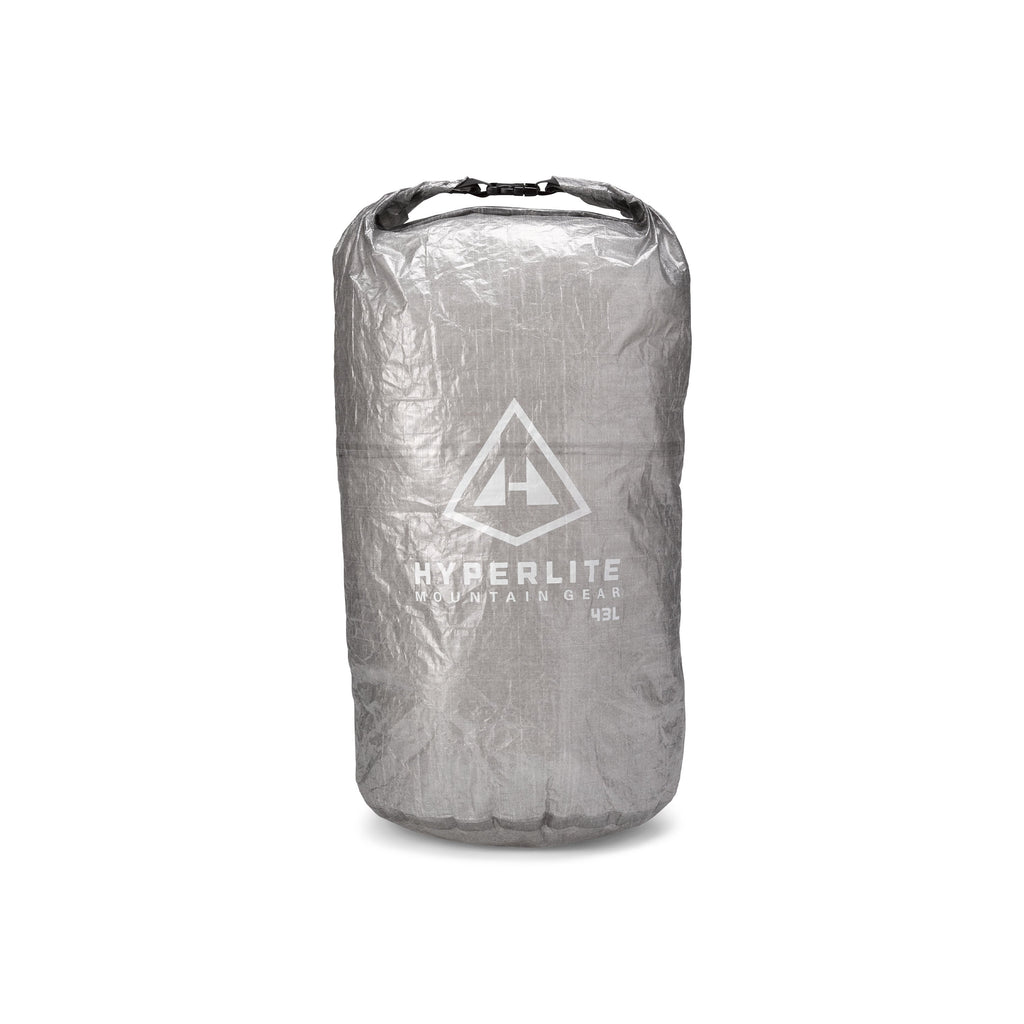
Hyperlite Mountain Gear's Roll-Top Stuff Sacks in standard multi-size configurations provide an ultralight organization ecosystem for hikers who want consistent protection throughout their pack. Intended to segment sleeping gear, cold-weather clothing, and camp items into weatherproof compartments, these sacks streamline daily packing routines. Constructed from fully taped Dyneema Composite Fabric, these bags offer complete water barrier performance when closed properly with multiple rolls. Review outlets note their reliable structural stability: DCF holds its three-dimensional shape well during loading, preventing the sack from collapsing as you insert bulky garments. The clean, minimalist seam layout eliminates unnecessary weight and point failures. The trade-offs center on texture and budget. The crinkly nature of the composite fabric is less pliable than silky nylon, meaning multiple sacks packed together can create subtle gaps inside an oval pack cavity. They also carry a premium price tag that makes outfitting an entire pack costly. For demanding expeditions where gear failure is not an option, the investment pays off in durability and weight savings. **Highlights** - Built from high-tenacity, waterproof Dyneema Composite Fabric - Seams are fully taped to block moisture and rain ingress - Roll-top buckle closure doubles as a grab handle - Highly resistant to stretch, mildew, and moisture absorption - Semi-translucent material simplifies gear location **Watch-outs** - Premium pricing makes full-pack organization an expensive proposition - Stiff fabric does not deform as easily as silicone-treated nylon
Pros
- Dyneema fabric does not absorb water or gain weight when wet
- Fully taped seams provide reliable barrier protection for critical sleep gear
- Semi-translucent laminate allows quick identification of internal gear
- Semi-rigid fabric stands upright on its own during loading
Cons
- High price makes outfitting an entire pack system expensive
- Stiff fabric does not compress or conform to pack contours as easily as nylon
- Repeated hard creasing over extended years can cause micro pinholes
Best uses
- Thru-hiking and long trails
- Wet-weather backpacking expeditions
- Sleeping quilt water protection
- Modular ultralight pack organization
Specifications
- Fabric
- Dyneema Composite Fabric (DCF)
- Seams
- Fully taped waterproof construction
- Closure
- Roll-top with side-release buckle
- Water Resistance
- Highly weatherproof when rolled properly
- Structure
- Self-supporting, semi-rigid profile
- Transparency
- Semi-translucent for visibility
Pricing
We don't publish a price we haven't verified. The retailer links below open the live listing for this exact model.
Full catalog listing & offersBest for
Thru-hiking and long trails, Wet-weather backpacking expeditions, Sleeping quilt water protection, Modular ultralight pack organization
Where to buy the Roll-Top Stuff Sacks
We don't have a direct Amazon listing on file yet — this opens an Amazon search for the exact make and model.
Some links are affiliate links. Buying through them supports our testing at no extra cost to you.
Hyperlite Mountain Gear Roll-Top Stuff Sacks target long-distance backpackers and wet-weather hikers who prioritize extreme weight savings without compromising moisture protection. Built from Dyneema Composite Fabric with fully taped seams, these sacks serve as dependable modular dry bags within a broader packing system. Rather than relying solely on a single pack liner, using individual roll-tops allows hikers to isolate vulnerable sleeping insulation and thermal layers from wet shelters and damp trail clothing. The defining characteristic of these sacks is the inherent nature of the composite fabric. Unlike standard silnylon or polyurethane-coated textiles, Dyneema does not absorb water, stretch when saturated, or degrade easily under constant exposure to moisture. Its structure gives the sacks enough rigidity to stand upright during packing, simplifying the chore of stuffing an uncooperative sleeping bag or bulky puffy jacket inside. However, that same rigidity introduces distinct compromises in packability and cost. Outfitting an entire pack system with these sacks requires a significant financial investment, and the stiff laminate creates awkward dead space inside a tightly packed internal frame bag. For those moving through sustained rain or navigating remote trails where wet insulation poses a genuine hazard, the structural security justifies the premium.
Target Audience and Intended Use
These sacks appeal directly to ounce-counting thru-hikers, alpine trekkers, and multi-day backpackers operating in consistently wet climates. Anyone heading into sustained rain where down sleeping bags and spare clothing must stay bone dry will appreciate the peace of mind they offer. They are particularly well-suited for modular packers who prefer segmenting gear into discrete, weatherproof compartments rather than relying on one massive trash-bag liner. Casual weekenders who stick to fair weather will find little practical need for this level of specialized engineering and will balk at the steep price tag.
Materials and Taped Construction
Hyperlite constructs these roll-top sacks using Dyneema Composite Fabric, a non-woven laminate incorporating ultra-high-molecular-weight polyethylene filaments sandwiched between polyester films. This construction yields exceptional tensile strength relative to weight and eliminates water absorption entirely. The critical element is the seam work: every stitch line is fully sealed with bonded waterproof tape, matching the barrier performance of the base textile. The top opening incorporates a stiffener strip that facilitates clean, flat folds before clipping the miniature side-release buckle.
Real-World Packing Performance
In daily trail use, the composite fabric behaves quite differently from slippery nylon. The natural stiffness allows the sack to remain open and upright while resting on the ground, eliminating the frustrating collapse that often occurs when trying to stuff sleeping quilts into flaccid bags. The semi-translucent quality lets you identify contents from the outside without opening the top. However, Dyneema possesses virtually zero elasticity. If you overstuff the bag, it will not stretch to accommodate awkward items, and making the minimum three rolls required for a reliable seal requires deliberate discipline.
Durability and Wear Characteristics
Dyneema is renowned for high tensile strength and tear resistance, but it exhibits specific wear patterns under prolonged friction. While point punctures from sharp tent stakes or stove corners are rare, repeated folding along the exact same crease lines can eventually cause pinholes in the outer polyester film over hundreds of nights. Fortunately, field maintenance is remarkably simple: an ordinary piece of DCF repair tape or Tenacious Tape creates an instant, permanent, waterproof fix. Dirt and mud rinse off cleanly without soaking into the fibers.
Packing Dynamics and Fit
The rigid, crinkly hand feel of DCF impacts pack organization. Slippery silnylon bags slide past one another and conform dynamically to the contours of an internal frame pack. In contrast, Hyperlite roll-top sacks behave like rigid building blocks, occasionally creating small voids and dead spaces around the pack perimeter. To optimize space, users should pack softer items inside and push the filled sacks down into the base of the pack before loading heavier, rigid items like cook kits or bear canisters above them.
Market Alternatives and Trade-Offs
At this price tier, the closest alternatives are ultralight silnylon or silpoly dry sacks from brands like Sea to Summit or Zpacks. Silnylon alternatives, such as the Sea to Summit Ultra-Sil Dry Sack, are significantly less expensive, slide effortlessly into narrow packs, and compress down smaller when empty, though they can wet out over extended exposure. Zpacks offers similar DCF roll-top bags with minor hardware variations. The Hyperlite model sits at the premium apex: you pay more for robust build quality, clean aesthetics, and exceptional strength-to-weight ratios.
How we picked
We started with a long list of stuff sacks that people actually buy, cut anything that could not clear our baseline for durability and field performance, then ranked the 10 that were left against the same criteria. Rankings are editorial. No brand pays for placement, and affiliate links never move a pick up or down.
- Real-world durability
- How the material, stitching, or steel holds up after a season of hard use — not how it looks new.
- Performance in bad conditions
- Wind, rain, cold, and grit are the test. Anything that only works on a nice day gets marked down.
- Weight and packability
- Every ounce has to earn its place in the pack, but not at the cost of something that fails in the field.
- Ease of use
- Setup, adjustment, and maintenance with cold hands, in the dark, without the manual.
- Value at its price point
- Compared against the closest competitors in the same tier, not against cheaper gear in a different class.
- Repairability and support
- Field-fixable design, available parts, and a warranty the maker actually honors.
Roll-Top Stuff Sacks — frequently asked questions
- Is the Roll-Top Stuff Sacks worth it?
- We rank it #7 in Stuff Sacks. Hyperlite Mountain Gear's Roll-Top Stuff Sacks in standard multi-size configurations provide an ultralight organization ecosystem for hikers who want consistent protection throughout their pack. Intended to segment sleeping gear, cold-weather clothing, and camp items into weatherproof compartments, these sacks…
- What is the Roll-Top Stuff Sacks best for?
- Best for thru-hiking and long trails, wet-weather backpacking expeditions, sleeping quilt water protection and modular ultralight pack organization. Standouts: dyneema fabric does not absorb water or gain weight when wet and fully taped seams provide reliable barrier protection for critical sleep gear.
- What are the downsides of the Roll-Top Stuff Sacks?
- High price makes outfitting an entire pack system expensive, Stiff fabric does not compress or conform to pack contours as easily as nylon and Repeated hard creasing over extended years can cause micro pinholes.
- What are the key specs of the Roll-Top Stuff Sacks?
- Fabric: Dyneema Composite Fabric (DCF) · Seams: Fully taped waterproof construction · Closure: Roll-top with side-release buckle · Water Resistance: Highly weatherproof when rolled properly · Structure: Self-supporting, semi-rigid profile
- Target Audience and Intended Use — what should I know about the Roll-Top Stuff Sacks?
- These sacks appeal directly to ounce-counting thru-hikers, alpine trekkers, and multi-day backpackers operating in consistently wet climates. Anyone heading into sustained rain where down sleeping bags and spare clothing must stay bone dry will appreciate the peace of mind they offer.
- Materials and Taped Construction — what should I know about the Roll-Top Stuff Sacks?
- Hyperlite constructs these roll-top sacks using Dyneema Composite Fabric, a non-woven laminate incorporating ultra-high-molecular-weight polyethylene filaments sandwiched between polyester films. This construction yields exceptional tensile strength relative to weight and eliminates water absorption entirely.
Compare side by side
Put the Roll-Top Stuff Sacks against any other pick on this list — specs, price, pros, cons and reader ratings.