


Reader rating
Rate it and you move it. Community ratings re-rank this product inside its Top 10 list.
Expert-picked, reader-ranked. Our editors choose the products and the launch order; member star ratings move picks up or down over time.
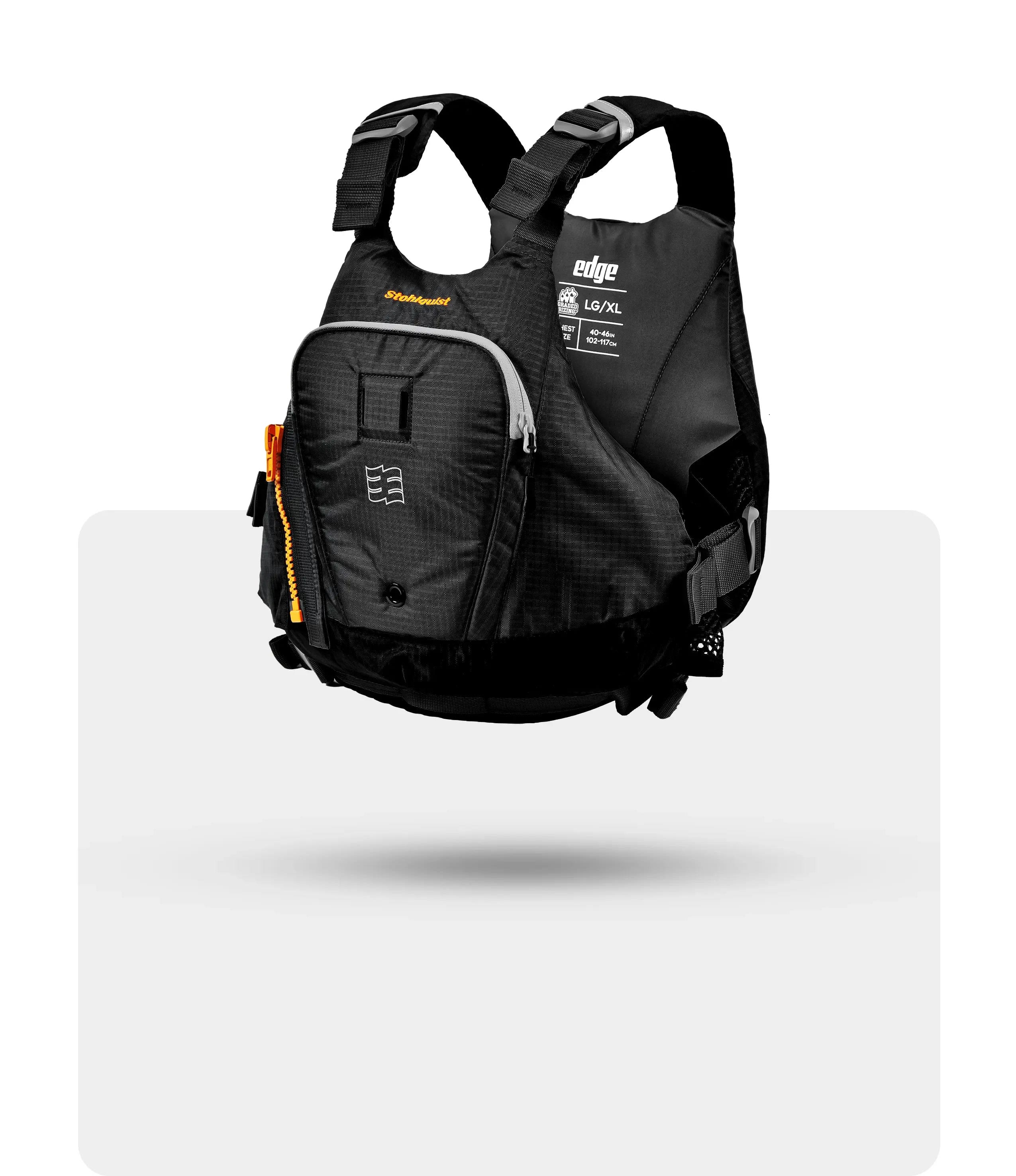
A compact whitewater vest that punches above its price. The WRAPTURE torso and cross-chest cinch keep it planted in aerated water, the low-profile cut gives full shoulder rotation for playboating, and the big front pocket swallows a pin kit and snacks.
Pros
- Exceptional mobility for paddle strokes and rolls
- Secure, non-riding fit in turbulent water
- Durable construction handles rough use
- Good value for a performance whitewater PFD
- Compact design minimizes bulk and snags
Cons
- Limited pocket space for extensive gear
- Lacks integrated rescue features like QR harness
- Not ideal for flatwater comfort or lumbar support
- Higher cut might not suit all body types
Best uses
- Whitewater kayaking
- Playboating
- River running (Class III-IV)
- Paddlers valuing mobility
Specifications
- Fit System
- WRAPTURE Torso + Cross-Chest Cinch
- Intended Use
- Whitewater, Playboating, River Running
- Profile
- Low-Profile, High Mobility
- Pocket(s)
- Single large front pocket
- Flotation
- Foam (Type III PFD)
- Materials
- Durable Nylon Shell
Pricing
We don't publish a price we haven't verified. The retailer links below open the live listing for this exact model.
Full catalog listing & offersBest for
Whitewater kayaking, Playboating, River running (Class III-IV), Paddlers valuing mobility
Where to buy the Edge
We don't have a direct Amazon listing on file yet — this opens an Amazon search for the exact make and model.
Some links are affiliate links. Buying through them supports our testing at no extra cost to you.
The Stohlquist Edge is a PFD designed for serious paddlers who demand unrestricted movement and a secure fit, particularly in dynamic water. It stands out in its class for combining a relatively accessible price point with features typically found on more premium whitewater vests. Its compact design is a deliberate choice, aiming to minimize bulk while providing adequate buoyancy. This vest isn't about luxury; it's about reliable performance when you need to focus on paddling, not adjusting your gear. It carves out a niche for itself by offering a robust platform for everything from creeking to playboating, where mobility is paramount. The Edge leverages Stohlquist’s WRAPTURE torso system, a design philosophy focused on providing a comfortable, body-hugging fit that moves with the paddler rather than against them. This is complemented by a unique cross-chest cinch system, which effectively eliminates ride-up, a common complaint with less thoughtfully designed PFDs, especially in turbulent conditions. The result is a vest that stays put whether you're bracing, rolling, or executing complex paddle strokes. Its low-profile cut around the shoulders ensures a full range of motion, crucial for both high-angle paddling and aggressive playboating maneuvers. For those who value function over excessive frills, the Edge delivers consistent, dependable performance in demanding aquatic environments. While it might not have the extensive pockets or modularity of some top-tier rescue vests, its single large front pocket is well-placed and capacious enough for essential safety gear like a pin kit, a throw bag, or quick energy snacks. The materials and construction are chosen for durability, holding up to the inevitable scuffs and scrapes of river life. It’s a workhorse PFD that prioritizes comfort and security, making it a solid choice for paddlers looking for a reliable, no-nonsense option that won't break the bank.
Who It's For
The Stohlquist Edge is best suited for intermediate to advanced whitewater paddlers who spend their time in kayaks or smaller rafts. It's a prime choice for playboaters, creekers, and river runners who need unhindered mobility for paddle strokes, rolls, and bracing. Its secure fit minimizes distractions in turbulent water, making it a favorite for those tackling Class III-IV rapids regularly. Beginners might find it less forgiving than bulkier, more buoyant PFDs, but its performance benefits quickly become apparent as skills progress. It’s not designed for touring or recreational lake paddling where comfort and expansive pockets might be prioritized differently.
Materials & Build
The Edge utilizes a robust 500D Cordura shell for its exterior, offering good abrasion resistance against rocks and gear. Internally, the flotation comes from soft, contoured PVC-free foam panels, which contribute to its comfortable, body-wrapping fit. The WRAPTURE torso system integrates these panels to follow the body's natural curves. The cross-chest cinch is a standout feature, using a simple but effective strap to pull the PFD snugly into the chest, preventing ride-up. All buckles and webbing are high-quality, ensuring longevity and reliable adjustment in varied conditions. Stitching is reinforced at stress points, indicating attention to durable construction.
Real-World Performance
On the water, the Edge lives up to its promise of security and freedom. The low-profile design means no bulky foam interferes with full shoulder rotation, critical for aggressive paddle strokes and quick rolls. In aerated whitewater, the PFD remains firmly in place, even during swims or unexpected impacts, thanks to the combination of the WRAPTURE design and the cross-chest cinch. The single front pocket, while not expansive, is strategically placed and large enough to swallow a small throw bag, a knife, and a few energy bars, keeping essential safety gear accessible without adding unnecessary bulk or snag points. It handles repeated soakings and drying cycles without issues.
Weight & Packability
As a relatively compact whitewater PFD, the Edge is not excessively heavy, contributing to less fatigue over long days on the water. Its weight is typical for its class, prioritizing durability and buoyancy over ultra-light design, which would compromise safety. While not designed for minimalist backpacking, its low profile means it stows reasonably well in a boat's stern or bow. It's not a vest that can be compressed to nothing, given its essential foam flotation, but it won't hog precious space in a crowded vehicle or gear bag. The compact nature also makes it less cumbersome to wear off-water during scouting or portaging.
Honest Trade-offs
The Edge excels at its core mission, but this focus comes with certain trade-offs. The single pocket, while functional for essentials, will be insufficient for those who like to carry extensive gear directly on their PFD, such as multiple carabiners, slings, or larger first-aid kits. Its streamlined design, while great for mobility, means it doesn't offer the robust amount of supplemental flotation or rescue features (like a quick-release harness) found on dedicated rescue vests. For extended flatwater touring, some might find the fit a bit too snug compared to more relaxed designs, and its relatively high cut might not appeal to those prioritizing lower back support.
How we picked
We started with a long list of paddling pfds that people actually buy, cut anything that could not clear our baseline for durability and field performance, then ranked the 10 that were left against the same criteria. Rankings are editorial. No brand pays for placement, and affiliate links never move a pick up or down.
- Fabric behavior over time
- Breathability, DWR life, loft retention, and how the piece performs after repeated washing.
- Real-world durability
- How the material, stitching, or steel holds up after a season of hard use — not how it looks new.
- Performance in bad conditions
- Wind, rain, cold, and grit are the test. Anything that only works on a nice day gets marked down.
- Weight and packability
- Every ounce has to earn its place in the pack, but not at the cost of something that fails in the field.
- Ease of use
- Setup, adjustment, and maintenance with cold hands, in the dark, without the manual.
- Value at its price point
- Compared against the closest competitors in the same tier, not against cheaper gear in a different class.
Edge — frequently asked questions
- Is the Edge worth it?
- We rank it #8 in Paddling PFDs. A compact whitewater vest that punches above its price. The WRAPTURE torso and cross-chest cinch keep it planted in aerated water, the low-profile cut gives full shoulder rotation for playboating, and the big front pocket swallows a pin kit and snacks.
- What is the Edge best for?
- Best for whitewater kayaking, playboating, river running (class iii-iv) and paddlers valuing mobility. Standouts: exceptional mobility for paddle strokes and rolls and secure, non-riding fit in turbulent water.
- What are the downsides of the Edge?
- Limited pocket space for extensive gear, Lacks integrated rescue features like QR harness and Not ideal for flatwater comfort or lumbar support.
- What are the key specs of the Edge?
- Fit System: WRAPTURE Torso + Cross-Chest Cinch · Intended Use: Whitewater, Playboating, River Running · Profile: Low-Profile, High Mobility · Pocket(s): Single large front pocket · Flotation: Foam (Type III PFD)
- Who It's For?
- The Stohlquist Edge is best suited for intermediate to advanced whitewater paddlers who spend their time in kayaks or smaller rafts. It's a prime choice for playboaters, creekers, and river runners who need unhindered mobility for paddle strokes, rolls, and bracing.
- Materials & Build — what should I know about the Edge?
- The Edge utilizes a robust 500D Cordura shell for its exterior, offering good abrasion resistance against rocks and gear. Internally, the flotation comes from soft, contoured PVC-free foam panels, which contribute to its comfortable, body-wrapping fit.
Compare side by side
Put the Edge against any other pick on this list — specs, price, pros, cons and reader ratings.