



About this topic
Big objectives: expedition logistics, alpine travel, remote resupply, and the training and gear that separate a summit day from an epic.
15 articles

Satellite Communicators, PLBs, and Emergency Plans: What the Device Cannot Do
Emergency communication devices are powerful, but none creates instant rescue. Satellite messengers, personal locator beacons, radios, and phones differ in coverage, monitoring, messaging, batteries, subscriptions, and response pathways. Th
· 2 min read
Lightning in the Mountains: Planning Around a Hazard With No Safe Outdoor Shelter
Lightning demands early decisions because there is no completely safe place outdoors during a thunderstorm. The National Weather Service advises seeking a substantial enclosed building or hard-topped vehicle when thunder is heard. In remote
· 2 min read
Post-Expedition Recovery: How to Learn, Repair, and Return Stronger
The expedition is not over when the vehicle starts. Recovery includes medical attention, sleep, nutrition, hydration, equipment care, incident reporting, emotional processing, financial claims, and a useful debrief. Skipping these steps con
· 2 min read
High-Adventure Trip Planning: Turn a Big Goal Into a Safe Expedition
A high-adventure objective becomes manageable when it is divided into route, people, skills, equipment, logistics, hazards, communications, and decisions. Ambition is useful during planning and dangerous when it edits the plan in the field.
· 2 min read
Build a Simple Outdoor Risk Matrix Without Pretending Risk Is a Spreadsheet
A risk matrix helps teams compare hazards, prioritize controls, and decide where margin is thin. It does not calculate the future. Ratings for likelihood and consequence are judgments shaped by route, people, conditions, and uncertainty. Us
· 2 min read
Expedition Team Dynamics: How Strong Groups Make Decisions Under Stress
Expeditions fail socially before they fail technically more often than teams admit. Fatigue, hunger, fear, status, unclear authority, and different risk tolerances distort communication. Strong groups create decision rules before the trip,
· 2 min read
Adventure Travel Insurance and Evacuation Planning: Questions to Ask Before You Go
Travel insurance can cover selected financial losses, and evacuation or rescue memberships may coordinate specific services, but policies vary dramatically. “Adventure covered” is not a technical definition. Read the current contract, exclu
· 2 min readHypothermia and Heat Illness: Outdoor Prevention and Early Action
Temperature illness often begins as a performance problem: pace changes, judgment slips, coordination declines, or behavior becomes unusual. Prevention depends on clothing, hydration, food, shade, workload, acclimatization, weather timing,
· 2 min readAlpine Starts and Turnaround Times: Why Timing Is a Safety Tool
An alpine start is not an initiation ritual involving a 2 a.m. alarm and resentful oatmeal. It is a timing strategy. Starting early can place a team past exposed terrain before thunderstorms, snow softening, rockfall, heat, crowds, or river
· 2 min read
How to Assess a Backcountry River Crossing
Moving water deserves suspicion. Depth alone does not determine risk; speed, footing, temperature, width, obstacles, downstream hazards, group strength, and the consequences of a fall all matter. The correct crossing is often a bridge, a sa
· 2 min read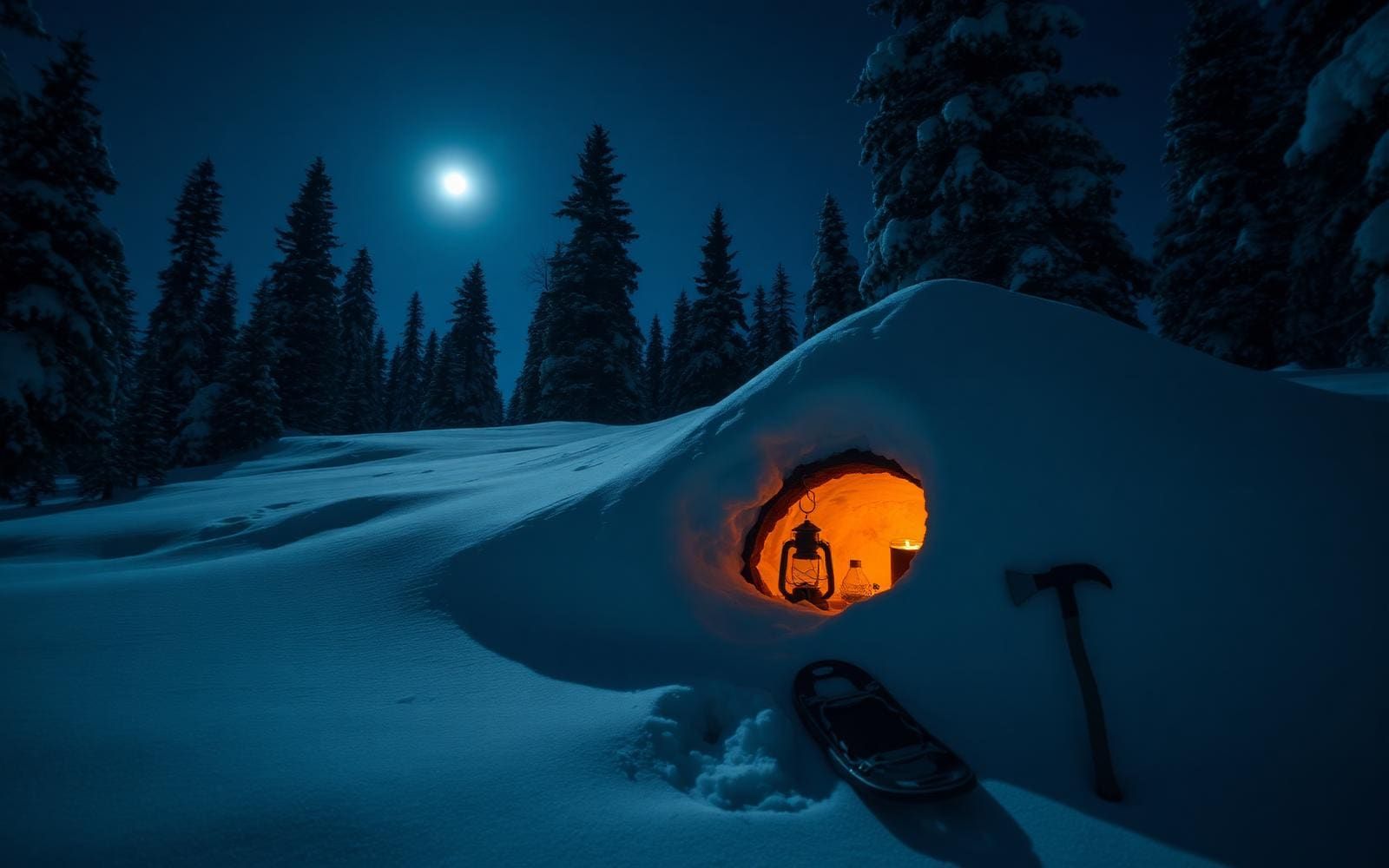
Cold-Weather Layering, Head to Toe
Master cold-weather layering for high adventure. This guide covers practical strategies from base to outer shells, ensuring warmth and safety in harsh environments.
· 10 min read
A Realistic Look at Solo Expeditions
Considering a solo expedition? This article cuts through the hype to give you a pragmatic understanding of the unique challenges and profound rewards of venturing into the wild alone.
· 8 min read


