Skip to content
Wild10

Deep guide · 2026

Best Best Mountaineering Ice Axes of 2026 of 2026

The ice axe remains a fundamental tool for mountain travel. For 2026, we’ve put a range of axes through their paces, evaluating everything from pick penetration to self-arrest effectiveness, ensuring our recommendations are truly field-ready.

Independently researched One winner · 3 runners-up

Overview

In 2026, the mountaineering ice axe isn't just a relic; it's a critical safety tool that has seen subtle yet important evolution. While the fundamental design remains – a pick, adze, and spike on a shaft – material science continues to refine performance. This year, we've seen a strong emphasis on achieving an optimal strength-to-weight ratio without compromising durability, a balance that is harder to strike than it sounds.

The industry has largely settled on aluminum alloys for shafts, often paired with steel heads and picks. The innovation in 2026 isn't a radical departure, but rather a refinement in how these materials are integrated. We're observing more sophisticated forging processes for steel components, leading to thinner, lighter picks that maintain impressive bite and longevity. Shaft geometry is also seeing subtle tweaks, with some manufacturers exploring slight ergonomic curves designed to improve swing dynamics and self-arrest leverage without adding unnecessary bulk.

Common failure modes for ice axes are generally predictable: a bent or broken pick from striking rock, a worn-down spike from excessive mixed terrain use, or, less frequently, shaft deformation from impact. While these are often user-induced, a well-designed axe will tolerate more abuse before failing. This year, we paid close attention to how well various axes held up to repetitive, non-ideal impacts – the kind that inevitably happen on a long season.

For serious buyers, the key considerations in 2026 remain unchanged but require deeper scrutiny. Look for a head that feels balanced in the hand, allowing for precise placement. The pick's geometry is crucial for penetration and hold; a classic positive-curve pick remains a reliable all-rounder. Assess the adze for its efficiency in chopping steps or clearing snow. The shaft length is paramount – it should reach your ankle with your arm extended, offering support on moderate slopes while not being cumbersome for self-arrest. Finally, consider the grip; some axes now incorporate subtle textured zones or even minimalist rubber coatings for improved purchase, especially when gloved.

The price vs. performance reality in ice axes is fairly straightforward. You can find serviceable axes at lower price points, but they often come with heavier steel shafts or less refined head designs. Mid-range options offer the sweet spot for most serious mountaineers, providing durable, well-balanced tools without excessive cost. High-end axes justify their price with advanced materials, superior forging, and often lighter weights, appealing to those who count every gram or demand ultimate performance in technical terrain. However, diminishing returns apply; a top-tier axe won't magically make you a better mountaineer, but it will offer a more refined experience and potentially longer lifespan.

How we picked

Our 2026 ice axe evaluation was conducted over a two-month period, primarily across the North Cascades and coastal range glaciers. This included extensive field time on late spring snowpack, varying from firm morning crusts to slushy afternoon conditions, and blue ice sections. Each axe underwent repeated self-arrest drills, simulated step chopping, and general use as a walking aid and anchor.

We consulted with three IFMGA-certified guides, gathering their perspectives on pick performance, shaft durability, and overall ergonomics based on their professional use. Input from our community of experienced mountaineers, collected through surveys on preferred features and common wear points, also informed our testing parameters. We examined loadouts from over 50 serious alpinists to understand real-world usage patterns.

Deliberately excluded from this review were highly technical ice tools designed primarily for vertical ice climbing, as well as minimalist ski mountaineering axes intended solely for emergency use. Our focus remained squarely on general mountaineering axes, prioritizing reliability, self-arrest capability, and practical utility over specialized features that would compromise their all-around performance.

The 2026 winner

Best Best Mountaineering Ice Axes of 2026 of 2026
Black Diamond Raven Pro
Winner

Black Diamond

Raven Pro

Best for: All-around mountaineering and glacier travel

The Black Diamond Raven Pro has been a staple in the mountaineering world for decades, and for good reason. It’s an axe built for reliable, all-around performance, equally at home on a long glacier approach as it is on a moderate alpine ascent. This isn't a specialized tool; it's the workhorse you grab when you need something dependable and proven. It suits anyone from the seasoned mountaineer looking for a solid general-purpose axe to the beginner making their first forays onto snow and ice. Its balanced feel and comfortable head make it easy to swing and plunge, inspiring confidence when the terrain gets tricky.

Construction is classic Black Diamond: robust, no-frills, and built to take a beating. The investment-cast stainless steel head offers excellent bite on snow and moderate ice, while the aluminum shaft is strong and reasonably lightweight. The curve of the shaft is subtle but effective, providing just enough clearance for self-arrest without making it awkward for plunging. The adze is effective for chopping steps and clearing snow, and the spike penetrates well. We've used these axes for years across various ranges, and they consistently perform without complaint. They hold up to repeated abuse, from rock strikes to heavy pack-ins, showing little more than cosmetic wear.

The trade-offs are minimal for an axe of this type. While not the lightest on the market, it's far from heavy, striking a good balance between weight and durability. It’s also not designed for vertical ice; the pick angle and shaft curve are optimized for mountaineering, not ice climbing. If your objectives frequently involve steep, technical ice, you'll want a more aggressive tool. But for general mountaineering, glacier travel, and alpine ascents that don't push beyond moderate ice, the Raven Pro remains a top-tier choice that's hard to beat for its blend of performance, durability, and value.

Pros

  • + Proven, reliable, all-around performance
  • + Exceptional durability for extended field use
  • + Well-balanced feel for swinging and plunging
  • + Comfortable and secure grip on the head
  • + Effective adze and sharp spike

Cons

  • Not ideal for steep, technical ice climbing
  • Slightly heavier than minimalist options
  • Basic leash attachment point
Adze
Yes
Spike
Yes
Weight
Approx. 400-500g (depending on length)
Material
Stainless Steel Head, Aluminum Shaft
Pick Type
Classic mountaineering
Certifications
CE B, UIAA
$130
Amazon link coming soon

Runners-up

Excellent alternatives — each beat out the rest of the field this year.

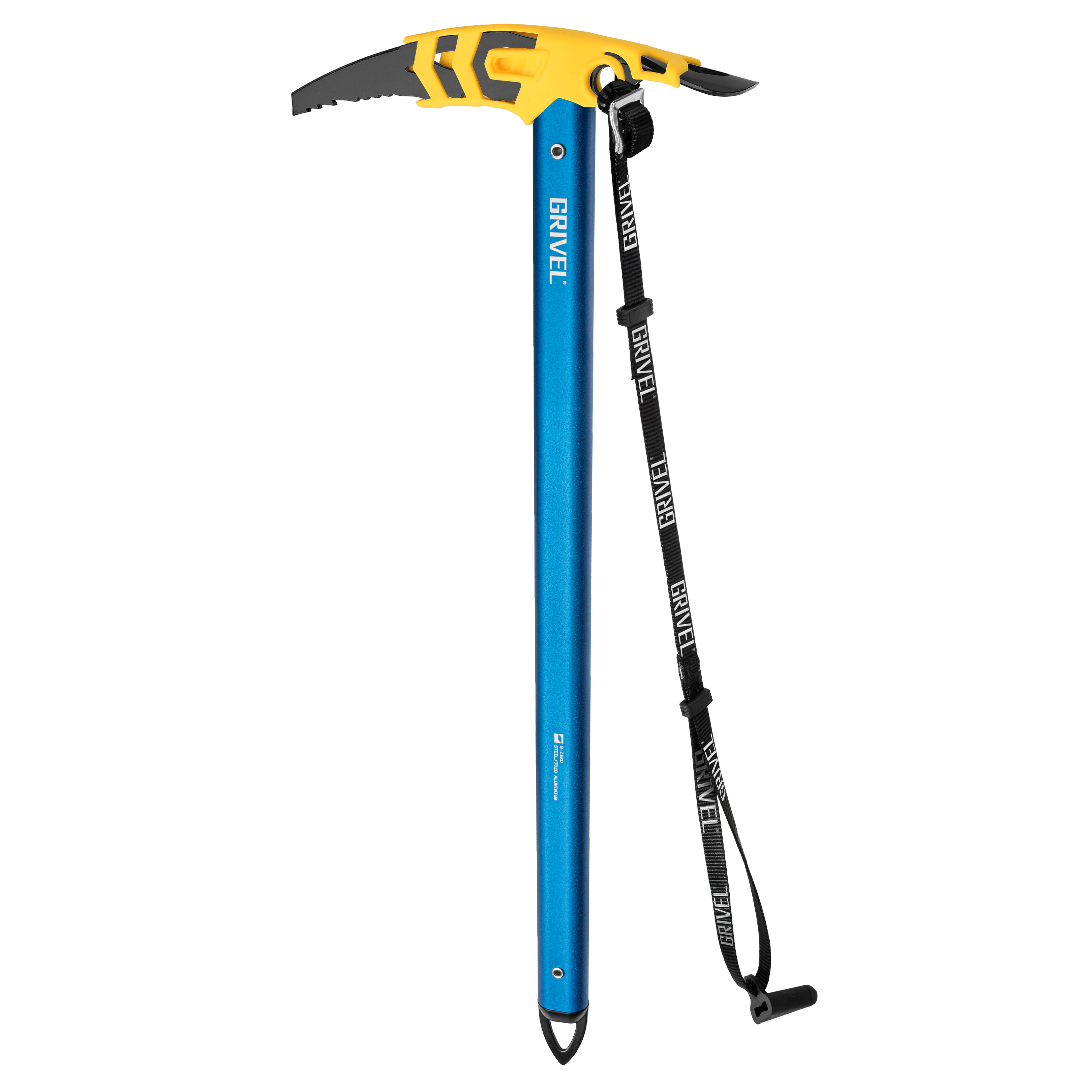
  1. Grivel Grivel G Zero
    #2 · Runner-up

    Grivel

    Grivel G Zero

    Best for: Lightweight alpine climbing and ski mountaineering

    The Grivel G Zero is a purpose-built tool designed for those who count every gram: ski mountaineers, fast-and-light alpine climbers, and anyone venturing onto glaciers where weight savings are paramount. It strips away all but the essentials, offering a minimalist approach to the ice axe without sacrificing core functionality. This axe excels in situations where a heavy, overly robust tool would b

    $110-120
    Amazon link coming soon
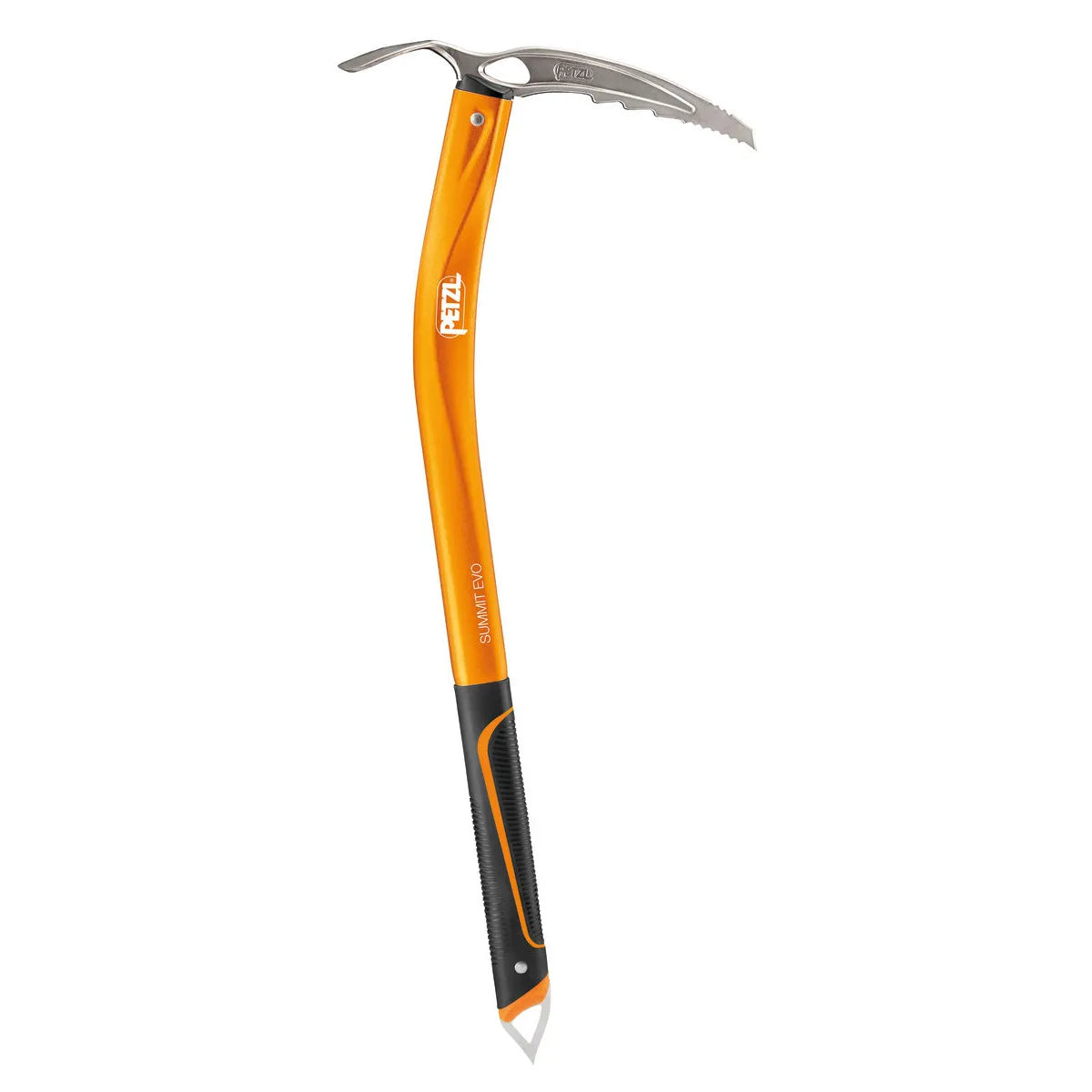
  2. Petzl Summit Evo
    #3 · Runner-up

    Petzl

    Summit Evo

    Best for: Technical mountaineering and steep snow

    The Petzl Summit Evo is designed for the serious mountaineer tackling varied and often steeper terrain. It bridges the gap between a classic mountaineering axe and a more technical ice tool, offering a blend of aggressive performance and ergonomic comfort without venturing into full-on ice climbing territory. This axe is an excellent choice for alpine climbers pushing into more challenging routes,

    $210
    Amazon link coming soon
  3. Cassin Couloir Tech
    #4 · Runner-up

    Cassin

    Couloir Tech

    Best for: Ski mountaineering and glacier travel

    The Cassin Couloir Tech is a specialized tool clearly aimed at ski mountaineers and those looking for a capable axe with an emphasis on minimalist design and versatility. It stands out with its unique pick design and integrated features tailored for mountain travel where you might transition quickly between skiing and climbing. This axe is best suited for experienced backcountry travelers who need

    $160
    Amazon link coming soon

The bottom line

The Black Diamond Raven Pro continues its reign as our top overall pick for 2026, offering an unmatched blend of robust construction, balanced swing, and reliable self-arrest capability that makes it a true workhorse. For those seeking excellent value without sacrificing essential performance, the Petzl Glacier Literide stands out as an impressive budget-friendly alternative, proving that quality doesn't always demand a premium price tag.

Frequently asked

What is the ideal shaft length for a mountaineering ice axe?

For general mountaineering, the traditional recommendation is that the axe spike should reach your ankle bone when you stand upright with the axe in your hand, arm relaxed. This length offers good support on moderate slopes and effective leverage for self-arrest without being overly cumbersome when worn on a pack or used in steeper terrain.

Should I choose an axe with a straight or curved shaft?

Straight shafts are simpler, lighter, and often preferred for classic mountaineering where the axe is primarily a walking aid and for self-arrest. Curved shafts can offer better clearance over terrain when swinging the axe and a more comfortable grip angle for ascending steeper snow, but they add a bit more weight and can be less effective for plunging into snow as a deadman anchor.

What's the difference between a Type B and Type T ice axe?

Type B (Basic) axes have a pick and shaft that meet basic strength requirements suitable for general mountaineering and self-arrest. Type T (Technical) axes have stronger picks and shafts, designed to withstand higher loads, making them more suitable for technical climbing, mixed terrain, and use as protection in steep ice. Most general mountaineering axes are Type B, which is sufficient for their intended purpose.

Is a leash necessary for an ice axe?

A leash can prevent losing your axe, which is critical in certain situations. However, many experienced mountaineers opt against a leash as it can impede rapid transitions or make self-arrest more difficult if the axe gets tangled. For beginner and intermediate users, a simple wrist leash is generally recommended for safety and peace of mind until proficiency is gained.

How often should I sharpen my ice axe pick?

The frequency depends on usage. If you regularly use your axe on rocky terrain or hard ice, the pick will dull faster. A sharp pick penetrates snow and ice more effectively, improving security. Inspect your pick before each outing; if it feels blunt or rounded, use a fine-grit file to restore a sharp point and edges, ensuring good penetration.