Atwood Rope MFG
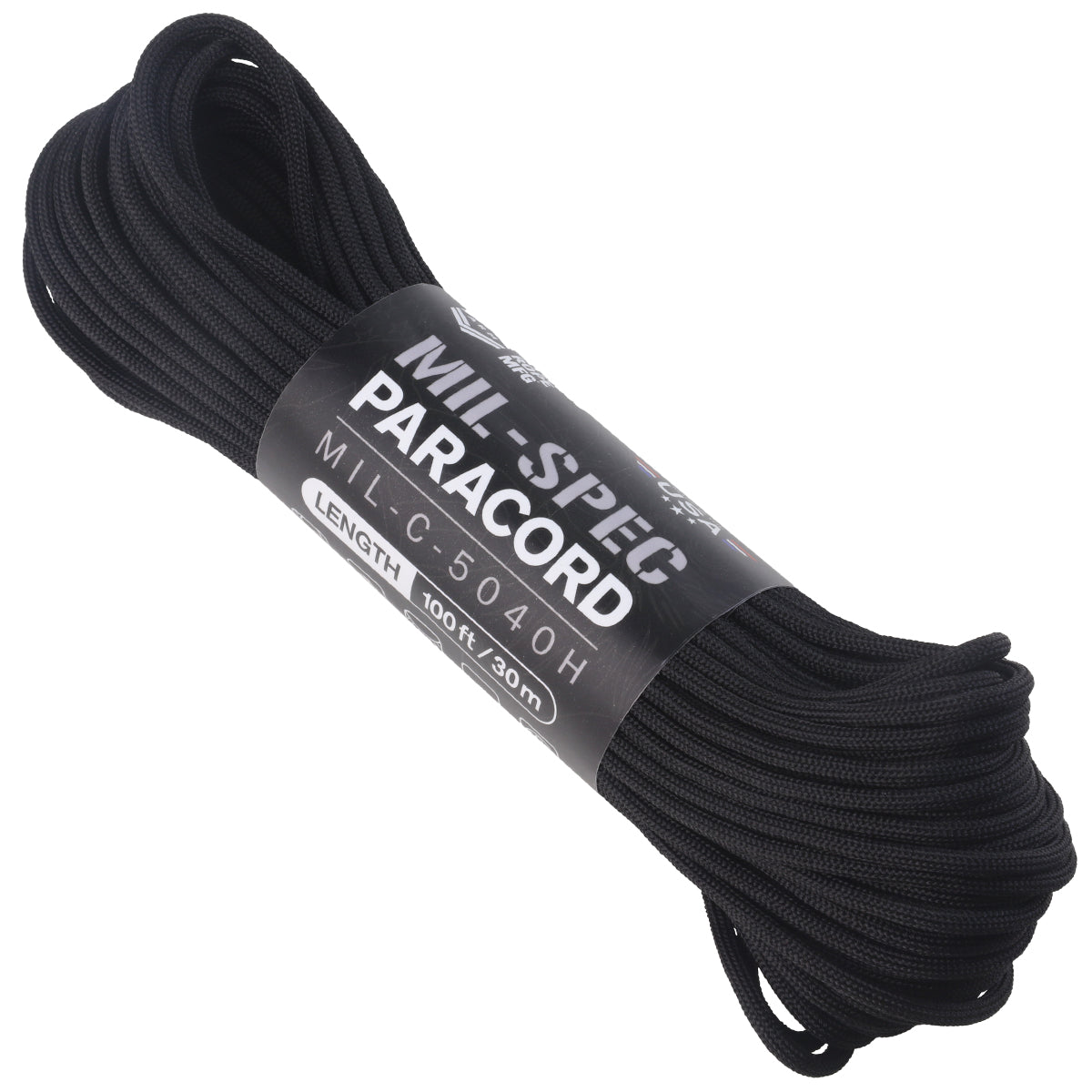
550 Paracord (Mil-Spec Type III)
Best for: Tent guy lines
When it comes to versatile cordage for outdoor pursuits, genuine 550 Paracord, specifically Mil-Spec Type III, remains the undisputed champion. It's not the newest or the flashiest material, but its enduring utility, reliability, and sheer adaptability are unmatched. This isn't just about break strength; it's about the entire package: a core of seven individual strands, each capable of being used independently, encased in a durable woven sheath. This construction provides an incredible strength-to-weight ratio for its class, resisting abrasion and UV degradation better than most synthetics. For anyone who spends time in the backcountry, understanding and utilizing 550 Paracord isn't just a recommendation; it's a fundamental skill, as essential as knowing how to tie a good knot or navigate with a map and compass.
What truly sets genuine 550 apart from imitators is its consistent quality and adherence to military specifications. Many generic 'paracord' products cut corners, using fewer inner strands, cheaper materials, or a looser weave, all of which compromise strength and utility. Atwood Rope MFG, a long-standing American manufacturer, exemplifies the standard. Their Mil-Spec Type III is made with 100% nylon, ensuring excellent performance characteristics like resistance to rot and mildew, and good knot retention. It's a workhorse material, designed for demanding applications, and its utility extends far beyond simple tie-downs. From emergency repairs to crafting survival tools, its inherent design facilitates a multitude of uses, making it an indispensable part of any outdoor kit.
Construction & Materials
Genuine Mil-Spec Type III 550 Paracord is constructed from 100% nylon, a synthetic polymer known for its high tensile strength, elasticity, and resistance to abrasion. The core consists of seven individual, twisted nylon strands, each typically made of three plies. These core strands are then enveloped by a braided outer sheath, also nylon, which usually comprises 32 interwoven strands. This intricate construction is what provides the cord its remarkable strength and versatility. The ability to extract and use the inner strands for fine tasks like fishing line, sewing thread, or trap snares, while the sheath retains utility for other purposes, is a key differentiator that sets it apart from simpler cordage. The all-nylon composition also ensures good performance in wet conditions.
Real-World Performance
In the field, 550 Paracord consistently performs. Its 550-pound break strength is a genuine metric, not a marketing claim, meaning it can reliably bear significant loads for tarps, bear hangs, and even emergency rappels if used correctly and with appropriate redundancies. It holds knots well, a critical feature for safety and reliability, and its smooth nylon surface minimizes snagging. We've used it for everything from securing tent guy lines in high winds to jury-rigging a broken backpack strap, and even as an emergency tow rope for a small kayak. The core strands, when pulled out, offer a finer diameter and reduced strength, ideal for smaller repairs, lashing, or crafting. Its resistance to UV and moisture means it can be left exposed for extended periods without significant degradation, an important consideration for long-term camps.
Weight & Packability
For its strength and versatility, 550 Paracord offers an excellent balance of weight and packability. A 100-foot hank typically weighs around 8-10 ounces, depending on the manufacturer and specific weave. It compresses down easily into a small coil, fitting into any backpack pocket, survival tin, or even wrapped around gear. Given the sheer number of potential uses, carrying a substantial length (50-100 feet is a good minimum) adds minimal bulk and weight to a pack. Compared to carrying multiple specialized ropes for different tasks, 550 Paracord allows for significant weight savings by consolidating function into a single, highly adaptable item. This makes it an essential 'just-in-case' item for any trip, from day hikes to extended expeditions.
Durability & Longevity
Genuine 550 Paracord is exceptionally durable. Its 100% nylon construction provides inherent resistance to rot, mildew, and many chemicals. The tightly woven sheath protects the inner core from abrasion and UV damage, though prolonged, continuous exposure to harsh sunlight will eventually degrade any synthetic fiber. In practical terms, a well-cared-for length of paracord can last for years of regular use. Inspecting it periodically for fraying, especially in high-stress areas, is good practice. When stored dry and away from extreme temperatures, its lifespan is impressive, offering reliable performance season after season. This longevity contributes significantly to its value, making it a sound long-term investment for any outdoor enthusiast.
Honest Trade-offs
While 550 Paracord is incredibly versatile, it's not without its trade-offs. Its moderate diameter means it's overkill for very lightweight tasks like securing small items in a pack or crafting miniature traps, where thinner lines like bank line or even dental floss might be more appropriate. It also has a moderate amount of stretch under load, which can be a disadvantage in applications requiring zero elongation, such as precise tarp pitches or ridgelines where a taut setup is crucial. For these situations, low-stretch cordage like Dyneema or Zing-It/Lash-It is superior. Its friction coefficient isn't as high as some natural fiber ropes, so certain knots might require more attention to ensure they don't slip, especially when new.
Pros
- + Unmatched versatility for a wide range of outdoor tasks
- + Genuine 550 lb break strength for reliable performance
- + Inner strands provide additional utility for fine tasks
- + Excellent resistance to rot, mildew, and UV degradation
- + Good strength-to-weight ratio and packability
- + Widely available and cost-effective for its quality
Cons
- − Moderate stretch, not ideal for zero-elongation tasks
- − Can be overkill for very lightweight lashing jobs
- − Bulkier than specialized ultralight cordage
- − Requires proper handling to prevent knot slippage
- Type
- Mil-Spec Type III
- Material
- 100% Nylon
- Rot/Mildew
- Resistant
- Core Strands
- 7 (3-ply twisted)
- Sheath Weave
- 32-strand interlocking
- Break Strength
- 550 lbs