



Watching Alone on History Channel isn't just entertainment; it's a masterclass in realistic wilderness survival. Over the years, we've seen contestants arrive with varying levels of experience and confidence, but a recurring pattern emerges: the individuals who make it deep into the competition, and particularly those who win, consistently demonstrate mastery of a core set of bushcraft skills. It’s not just about one impressive feat; it's the confluence of these fundamental abilities that truly distinguishes the finalists from the early tap-outs.
From Patagonia to the Arctic, the environments change, but the underlying principles of self-sufficiency remain constant. We're not talking about flashy tricks here, but the foundational knowledge and diligent practice that allow a person to meet their most basic needs in isolation. This isn't a theoretical exercise; it's about what works when your well-being, and ultimately your life in that environment, depends on it.
1. Fire Starting: Beyond the Ferro Rod
Every contestant arrives with a ferro rod, but genuine fire mastery goes far beyond striking a spark. It's about preparedness, efficiency, and adaptability. The best contestants aren't just starting fires; they're managing them.
Efficient Tinder and Kindling Selection
Knowing what makes good tinder in various conditions – be it birch bark in the rain, cattail fluff, or carefully shaved wood — is crucial. Similarly, kindling needs to be bone dry and abundant. Finalists spend time gathering and preparing these materials, often in significant quantities, so they always have them on hand, regardless of sudden weather shifts.
Fire Management for Heat, Cooking, and Drying
It's easy to build a big fire, but a controlled, efficient fire is a skill. Winners understand how to use their fire for cooking without burning food, for drying wet clothes without scorching them, and for maintaining warmth throughout the night with minimal fuel consumption. This often involves building different types of fire lays for specific purposes.
2. Shelter Building: More Than Just a Roof
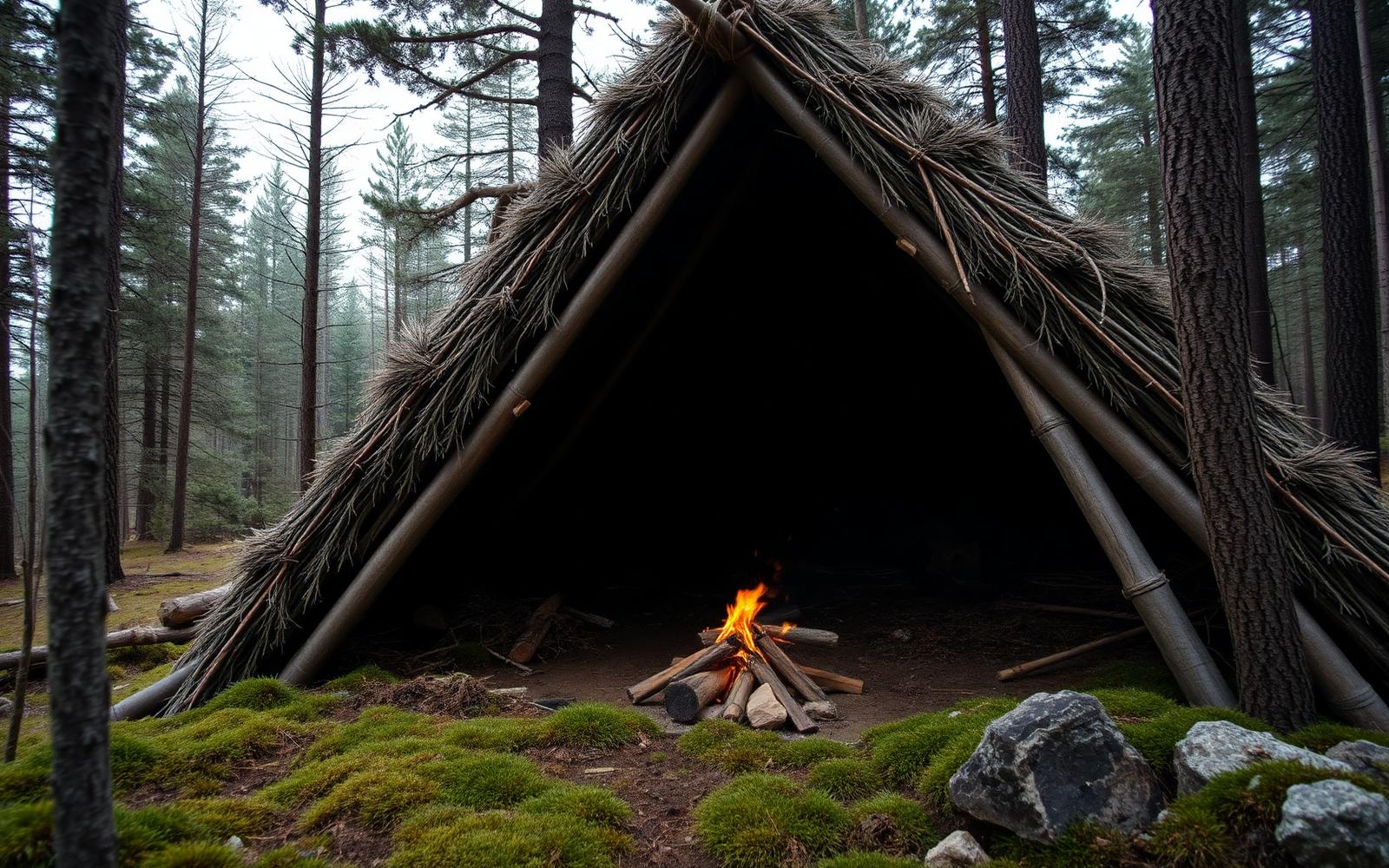
A good shelter isn't just about keeping rain off; it's about creating a microclimate that protects against wind, cold, and insects. While many start with a tarp, the long-term survivors always enhance it or build something more substantial.
Insulation and Heat Retention
The real game-changer in cold environments is insulation. Finalists spend countless hours gathering boughs, leaves, moss, and other natural materials to line their shelters, creating a barrier against the cold ground and air. This attention to detail dramatically reduces heat loss.
Strategic Placement
Choosing a shelter site isn’t arbitrary. It involves considering prevailing winds, water runoff, overhead hazards, proximity to resources (firewood, water, food), and sun exposure. A well-placed, insulated shelter can make the difference between a comfortable night and hypothermia.
3. Water Procurement and Purification: The Lifeline
Dehydration is a constant threat. While water sources might seem abundant, making that water potable is a non-negotiable skill. Even with a pot for boiling, resourcefulness is key.
Reliable Sourcing
Knowing where to find water that is less likely to be contaminated – higher up a stream, from springs, or by collecting rainwater – saves time and effort. In colder environments, melting snow and ice carefully without wasting fuel becomes paramount.
Effective Purification Methods
Boiling is the most common method, but skilled contestants might also devise simple filtration systems using sand, charcoal, and cloth to remove particulate matter before boiling, making the water clearer and more palatable. Emergency distillation has even been attempted.
4. Food Procurement: The Long Game
This is arguably the toughest challenge for most contestants. The ability to consistently find and process calories is what separates the survivors from those who waste away. It's not just hunting; it's foraging, trapping, and fishing.
Trap Setting and Snaring
Small game provides consistent, if small, calories. Mastering various snare designs (conibear, deadfall, leg snares for larger animals if allowed) and knowing where to set them for maximum efficacy around game trails is a crucial skill. Checking traps frequently and resetting them is diligent work.
Fishing Techniques
From hand-lines to gill nets (if permitted or crafted), effective fishing offers a good caloric return. Understanding local fish species, their habits, and the best baits or lures is a significant advantage. Spear fishing in clear, shallow waters has also been seen.
Foraging for Edibles
Identifying local edible plants, berries, fungi, and knowing how to prepare them safely (e.g., leaching tannins from acorns) provides supplemental nutrition. This requires extensive prior knowledge and cautious identification, as misidentification can be disastrous.
5. Tool Making and Repair: Ingenuity in Action
Tools are precious. Knowing how to maintain them, repair them, and even create new ones from natural materials demonstrates true resourcefulness.
Knife and Axe Maintenance
A sharp blade is a safe blade. Contestants who keep their primary cutting tools razor-sharp throughout their stay show good discipline. This involves knowing how to sharpen with a stone, or even improvised abrasive materials.
Cordage and Fasteners
From shelter construction to trapping, cordage is indispensable. Making strong, durable cordage from plant fibers (like cedar bark, nettle, or inner bark) or animal sinew is a fundamental skill. Similarly, knowing how to lash and knot effectively is critical.
Improvised Tools
Crafting digging sticks, fishing spears, bone needles, or even baskets from natural materials enhances efficiency and comfort, allowing contestants to perform tasks that would otherwise be impossible or incredibly arduous.
6. Navigation and Awareness: Knowing Your Backyard
While largely confined to a specific area, understanding that area is vital. It's not about directional navigation, but about intimate knowledge of their chosen 'zone'.
Mapping Resources
Mentally mapping out their territory – where water sources are, good foraging spots, game trails, prime trapping locations, and sources of shelter material – allows contestants to move efficiently and exploit their environment fully.
Reading the Landscape
Understanding how terrain affects weather, where animals might gather, and where potential dangers lie (e.g., unstable banks, dense thickets) informs all their decisions.
7. Medical Care and Hygiene: Preventing the Downfall
Even a small cut can become a life-threatening infection in the wilderness. The ability to manage basic health and maintain hygiene is often overlooked but crucial.
Wound Management
Cleaning and dressing wounds to prevent infection, often using sterile water and improvised bandages, is paramount. Knowing about natural antiseptics (like tree resin or certain plant poultices) can be beneficial.
Personal Hygiene
Keeping clothes dry, managing body odor to avoid attracting pests, finding ways to wash oneself, and keeping food preparation areas clean are all part of preventing illness and discomfort that can rapidly erode morale and health.
8. Mental Fortitude and Adaptability: The Inner Game
This isn't a bushcraft skill in the traditional sense, but it is as critical as any practical ability. The mental game often determines success or failure.
Resilience and Problem Solving
Setbacks are constant. The ability to adapt to changing conditions, learn from mistakes, and persist in the face of hunger, cold, and loneliness is what keeps contestants in the game.
Self-Talk and Goal Setting
Successfully managing negative thoughts, setting small achievable daily goals, and maintaining a positive outlook despite the grim realities are hallmarks of long-term survivors. They find ways to entertain themselves and keep their minds engaged.
9. Processing Game and Foraged Food: Maximizing Every Calorie
Once food is procured, knowing how to get the most out of it is essential. Waste in a survival situation is simply not an option.
Butchering and Preservation
Properly butchering an animal to utilize all its parts – meat, organs, fat, hide, bones, and sinew – is crucial. Knowing how to preserve meat (smoking, drying) for future consumption prevents spoilage.
Cooking and Nutritional Extraction
Being able to cook food thoroughly, extract nutrients effectively (e.g., making bone broth), and prepare foraged foods to make them palatable and safe are vital skills for sustained health.
10. Observation and Tracking: Reading the Forest
Understanding the ecosystem around them gives contestants a profound advantage in finding food and avoiding danger.
Animal Behavior
Observing animal tracks, scat, feeding signs, and understanding migratory patterns or daily routines helps in placing traps, finding good hunting spots, and knowing when animals are likely to be active.
Environmental Changes
Paying attention to changes in weather patterns, plant growth, water levels, and the general health of the environment allows for proactive decision-making rather than reactive problem-solving.
Bottom Line
The Alone series consistently demonstrates that deep wilderness survival isn't about being an expert in one or two areas, but about a well-rounded mastery of fundamental bushcraft skills. It's the meticulous daily effort in fire management, the intelligent construction of a warm shelter, the patient and persistent pursuit of calories, and the ingenious use of limited resources that truly determines who endures. Beyond the practical, it's the unwavering mental toughness that ties all these skills together, allowing someone to not just survive, but to truly live, alone in the wild.
Winners aren't just lucky; they’re consistently prepared, adaptable, and demonstrate an almost obsessive commitment to the details of self-sufficiency. These are the lessons Alone teaches, season after season.
Build the kit you just watched
Every item below is ranked from field use — no filler, no budget picks.
- The 10 items, rankedWhat actually survives 100 days — our tested picks for every slot on the list.
- Best bushcraft axesThe axe is the highest-leverage pick in the game. Here are the ones worth the weight.
- Best bushcraft knivesEvery winner carried one. These are the fixed blades that hold up to a full season.
- What the winners carriedSeason-by-season loadout analysis of every Alone champion.