


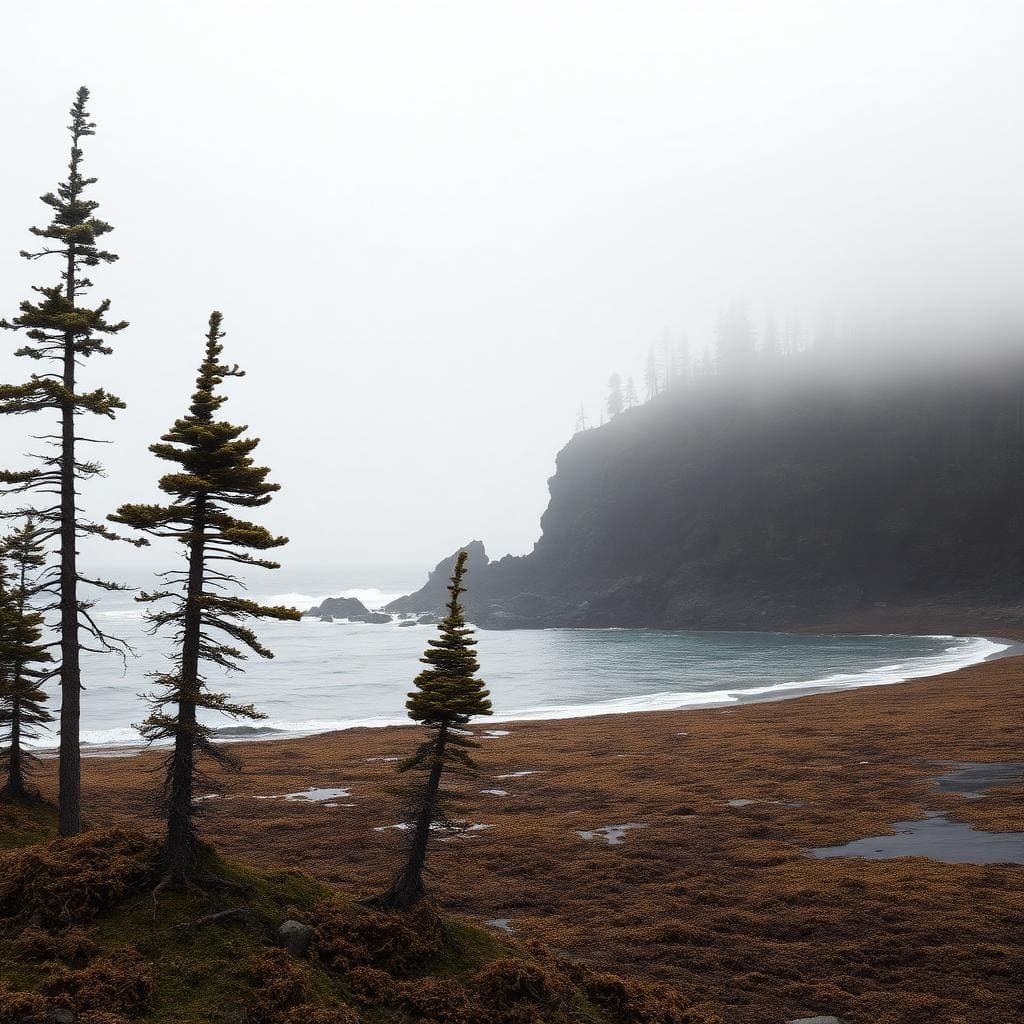
The first season of Alone did not have years of fan theory, established strategy, or a proven production grammar behind it. That uncertainty is part of its charm. Beginning with “And So It Begins,” the Vancouver Island season asked whether skilled people, self-shot footage, and genuine isolation could carry a series without manufactured interpersonal conflict. The answer was emphatic—and television has been better for it.
The participants entered an unknown experiment
Later casts could study previous shelter designs, gear patterns, food strategies, and mental challenges. Season 1 participants had no such library. They were not only surviving a location; they were discovering what the format demanded. Their uncertainty gives the season unusual immediacy.
Vancouver Island established the visual identity
Wet forest, dark water, dense vegetation, and persistent moisture created a setting that felt both abundant and hostile. Materials were everywhere, yet dryness, visibility, movement, and wildlife pressure complicated their use. The location taught viewers that green landscapes can be deeply unforgiving.
The series learned to value quiet work
Early episodes established the rhythm that still defines Alone: site assessment, shelter, fire, water, food, maintenance, and reflection. The production discovered that audiences would watch methodical labor when the stakes were clear. That was a creative risk worth celebrating.

Emotional honesty arrived immediately
The first season showed that technical preparation does not cancel fear, loneliness, or longing. Participants spoke openly because the format gave them room. That emotional range prevented the show from becoming a simple skills exhibition and set the tone for later seasons.
Its rough edges are part of the appeal
A new format naturally carries experimentation in pacing, footage, and storytelling. Those imperfections make the season feel exploratory. Viewers and producers were learning together. The result has the energy of a trail being cut rather than followed.
Final word
Season 1 deserves admiration not only for launching a successful series, but for proving a better premise: competence, isolation, and honest self-documentation can sustain television without synthetic conflict. “And So It Begins” was an accurate title. It began a format whose simplicity still feels radical.
Editorial note: This original commentary contains light spoilers. Episode titles, dates, and official descriptions were checked against the HISTORY episode guide on July 14, 2026.
Build the kit you just watched
Every item below is ranked from field use — no filler, no budget picks.
- The 10 items, rankedWhat actually survives 100 days — our tested picks for every slot on the list.
- Best bushcraft axesThe axe is the highest-leverage pick in the game. Here are the ones worth the weight.
- Best bushcraft knivesEvery winner carried one. These are the fixed blades that hold up to a full season.
- What the winners carriedSeason-by-season loadout analysis of every Alone champion.