


What Happened
The tenth season of Alone launched with ten new participants dropped into the wilderness surrounding Reindeer Lake, Saskatchewan. This initial episode focused on the critical first 24-48 hours: gear selection, insertion via float plane, initial scouting for camp locations, and the foundational work of shelter building. The landscape presented a mix of dense forest, rock formations, and proximity to water, offering varied challenges and opportunities for each individual. Several participants immediately prioritized water access and building a robust shelter, while others spent more time scouting for food sources or specific building materials. The prevailing early strategy seemed to be establishing a secure base camp before expanding foraging efforts.
Who Is Under Pressure
Early in the season, all participants are under pressure to establish themselves quickly and efficiently. The immediate threat isn't starvation, but exposure and inefficient use of energy. Those who struggled with site selection, or faced particularly challenging terrain, would likely feel this pressure acutely. Building a watertight and warm shelter is paramount, and any delays or miscalculations here can lead to significant energy expenditure, discomfort, and potentially early withdrawal due to hypothermia or exhaustion. The mental game also begins immediately; the isolation, while a known factor, becomes a real experience from the moment the plane departs. Adaptability to the specific micro-environment of their drop-off zone is key.
Gear That Mattered
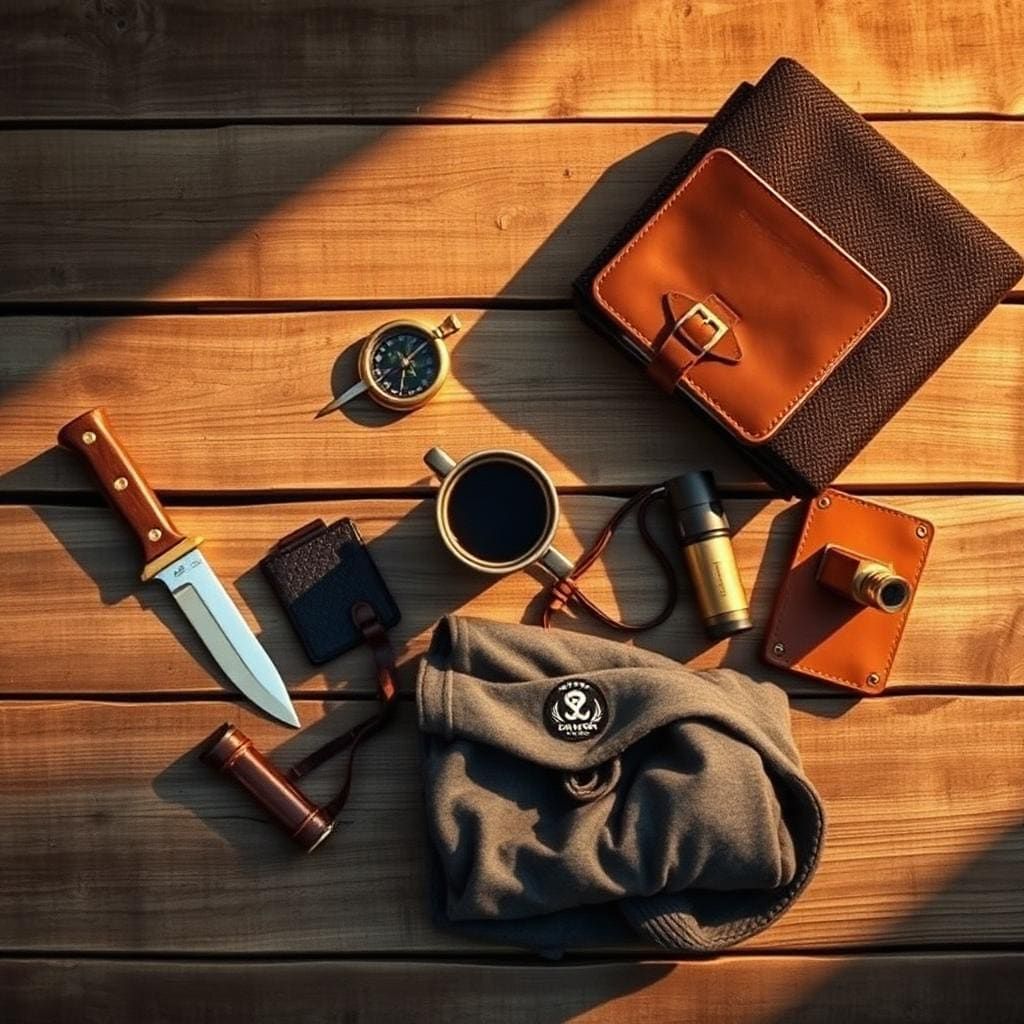
The initial gear selection is always a critical component of Alone, and this episode highlighted its immediate impact. Items such as a quality axe or saw were visibly crucial for shelter construction, allowing for efficient processing of logs and branches. Tarps and sleeping bags were fundamental for immediate protection from the elements, ensuring participants could stay dry and warm during the first nights. Fire starters, often flint and steel or a ferro rod, were indispensable for warmth, cooking, and morale. Water filtration systems, whether a filter or pot for boiling, were vital for maintaining hydration safely. The choice of a durable backpack, too, was evident as participants hauled their limited supplies to their chosen sites.
Standings
With only the first episode complete, all ten participants remain in the competition. No eliminations occurred, as the focus was entirely on their initial drop-off, gear deployment, and the commencement of their survival efforts. The mental and physical resilience of the cast is just beginning to be tested, and the diverse strategies for initial camp setup suggest varied approaches to the long game.
Bottom Line
Season 10 has started with the familiar intensity of Alone. The Saskatchewan environment promises a cold, resource-intensive challenge. The premiere underscored the importance of sound preparation, efficient initial resource allocation, and a robust mental outlook. While no one faced immediate peril beyond the inherent challenge of the wilderness, the groundwork laid in these first hours will undoubtedly dictate their immediate future. The critical early decisions around shelter, water, and site selection will continue to ripple through their experience as the season progresses.
Build the kit you just watched
Every item below is ranked from field use — no filler, no budget picks.
- The 10 items, rankedWhat actually survives 100 days — our tested picks for every slot on the list.
- Best bushcraft axesThe axe is the highest-leverage pick in the game. Here are the ones worth the weight.
- Best bushcraft knivesEvery winner carried one. These are the fixed blades that hold up to a full season.
- What the winners carriedSeason-by-season loadout analysis of every Alone champion.