



What Happened
Episode 5, 'Spirit Bear', highlighted the increasing pressure exerted by the wilderness itself, particularly the local wildlife. The ongoing presence of bears became a significant factor for several participants, forcing them to dedicate time and energy to defensive measures. This ranged from reinforcing existing shelters to implementing new strategies for food storage and personal safety. The persistent threat of large predators adds a layer of psychological strain, compounding the physical demands of survival. Despite these external pressures, some contestants were able to make tangible progress on their core objectives: shelter improvement and food acquisition. Others continued to grapple with the multifaceted challenges of isolation and the natural depletion of caloric reserves, which inevitably impacts both physical output and mental resilience.
Who Is Under Pressure
The entire field faced increased pressure this week, largely due to heightened wildlife activity. The constant vigilance required to mitigate bear encounters consumes valuable time and energy that would otherwise be directed towards essential tasks like foraging, shelter refinement, or trap-line maintenance. For individuals already struggling with food intake or the psychological toll of isolation, this additional stressor can be particularly detrimental. The need to establish and maintain a secure camp, beyond just a comfortable one, becomes paramount. This also impacts sleep quality, a critical component of sustained performance in a survival scenario. Those with less robust shelter structures or a more scattered food supply found themselves at a distinct disadvantage.
Gear That Mattered
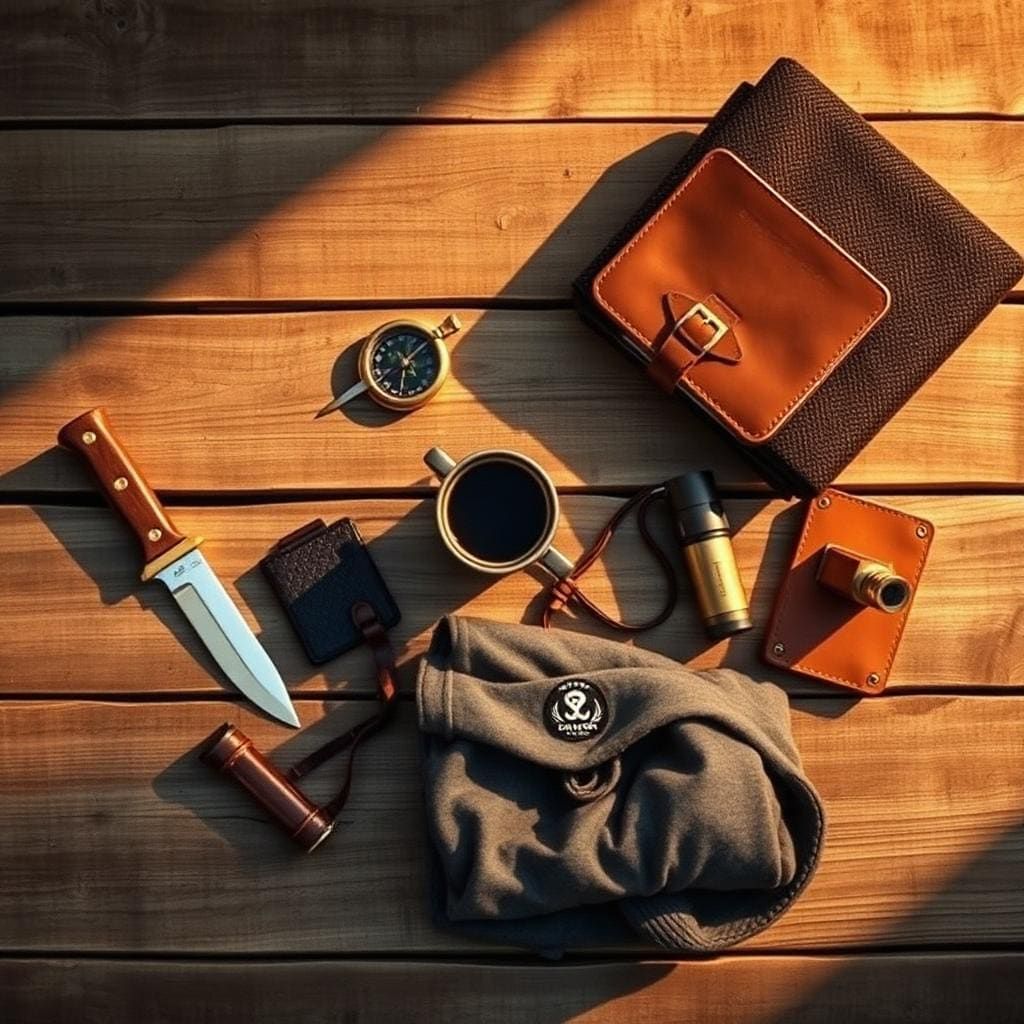
The gear choices related to shelter and defense were highlighted this episode. Durable tarps and cordage are essential for reinforcing structures against both weather and potential animal intrusions. Tools capable of processing wood quickly, such as a sturdy axe or saw, would be critical for building stronger walls or creating defensive barriers. For securing food, robust food storage containers or bear bags, even if improvised from existing gear, are indispensable for preventing wildlife from raiding provisions and creating an unsafe camp. While not explicit in the provided details, the strategic use of fire as a deterrent, and the means to reliably ignite it, would also fall into this category. The ability to craft strong, lasting cordage from natural materials or to use supplied cordage effectively for lashing and securing is a constant requirement.
Standings
No eliminations were reported this episode. The competition continues with all participants present at the start of Episode 5 still actively engaged in the challenge. The focus remains on individual struggles and progress, with no shifts in the overall participant count this week.
Bottom Line
'Spirit Bear' served as a potent reminder of the unyielding nature of the wilderness. The constant threat of wildlife underscores the importance of a holistic survival strategy that integrates robust shelter, secure food storage, and mental fortitude. Time spent on defense is time taken from food procurement or comfort, a critical trade-off that each participant must manage. The episodes ahead will likely continue to test not just physical endurance, but also the contestants' ability to adapt to an environment that offers no respite.
Build the kit you just watched
Every item below is ranked from field use — no filler, no budget picks.
- The 10 items, rankedWhat actually survives 100 days — our tested picks for every slot on the list.
- Best bushcraft axesThe axe is the highest-leverage pick in the game. Here are the ones worth the weight.
- Best bushcraft knivesEvery winner carried one. These are the fixed blades that hold up to a full season.
- What the winners carriedSeason-by-season loadout analysis of every Alone champion.