



Updated October 2026 · 10 picks re-checked for availability and current spec, reader ratings refreshed live.
Choosing a one-person backpacking tent requires balancing total pack weight against everyday livability. While solo shelters cut base weight faster than almost any other gear swap, they also represent the tightest living quarters in outdoor gear. The category splits cleanly into two distinct philosophies: dedicated-pole tents (either fully freestanding or semi-freestanding) and non-freestanding shelters supported by trekking poles. Freestanding designs offer dead-simple setup across rocky granite slabs, sand, and narrow wooden tent platforms, but their aluminum pole sets add fixed weight and pack volume. Trekking-pole shelters, by contrast, offer exceptional weight savings for long-distance hikers who already walk with poles. However, they demand a firm grasp of tensioning, reliable ground for staking, and an understanding of fabric dynamics. The choice between single-wall and double-wall construction further defines your camp experience. Single-wall designs save weight by integrating the fly and body into one fabric panel, yet they require vigilant site selection and venting to manage internal condensation. Double-wall tents separate the breathable inner canopy from the waterproof rainfly, protecting your sleep system from damp shelter walls at the expense of a few extra ounces. To build this guide, we analyzed published technical specifications, manufacturer pitch instructions, long-term user reports, and structural design geometry across the outdoor market. We evaluated floor dimensions, peak heights, vestibule area, fabric coatings, and wind-shedding profiles. Whether you prioritize stormproof dependability, maximum interior headroom, or a sub-two-pound base weight, this list highlights the standout solo shelters available today.
The short answer
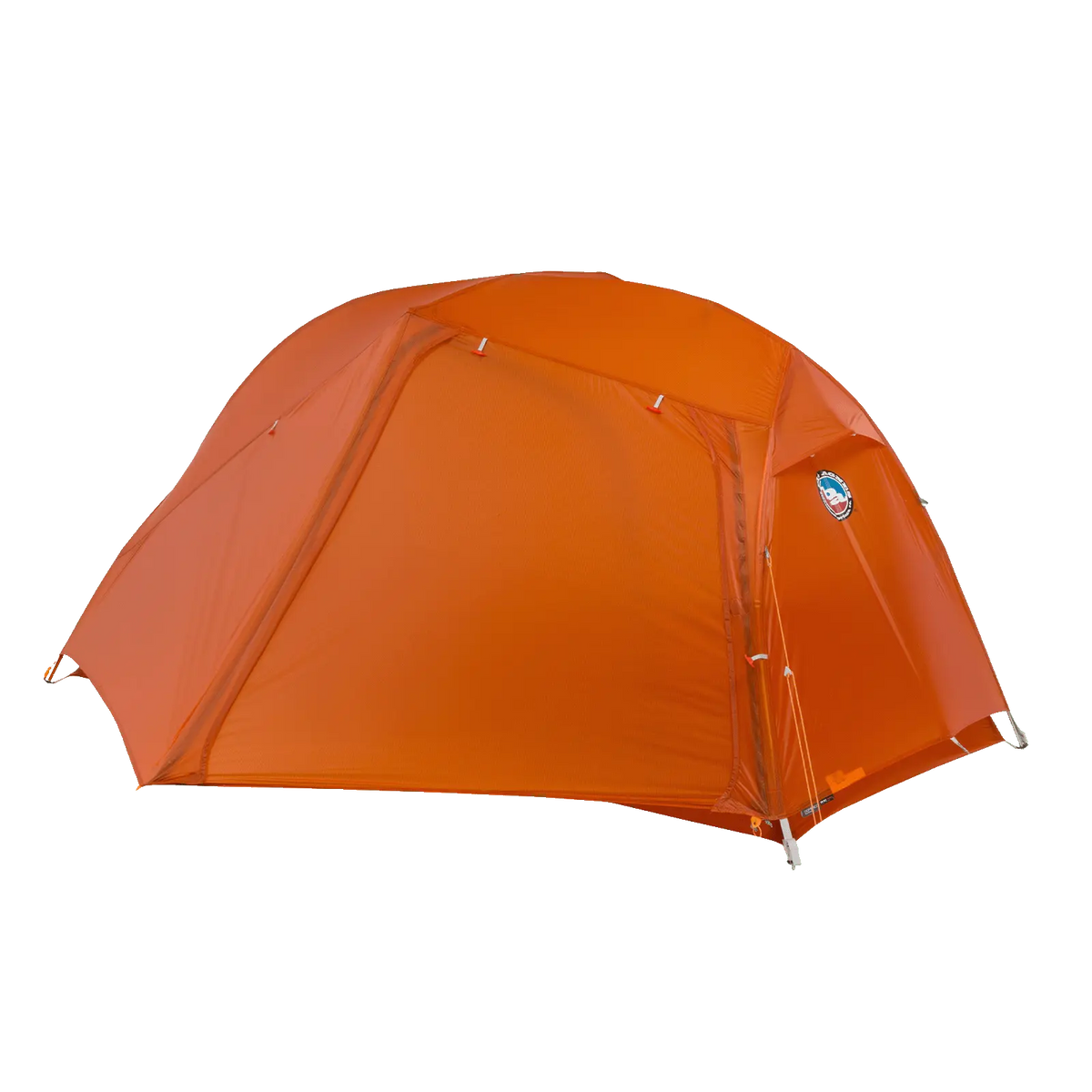
The Big Agnes Copper Spur HV UL1 is widely viewed as the benchmark against which all other freestanding solo backpacking shelters are measured.
Why it wins
The Nemo Hornet OSMO 1P caters directly to weight-conscious backpackers who prefer a dedicated pole frame over trekking-pole setups.
Why it wins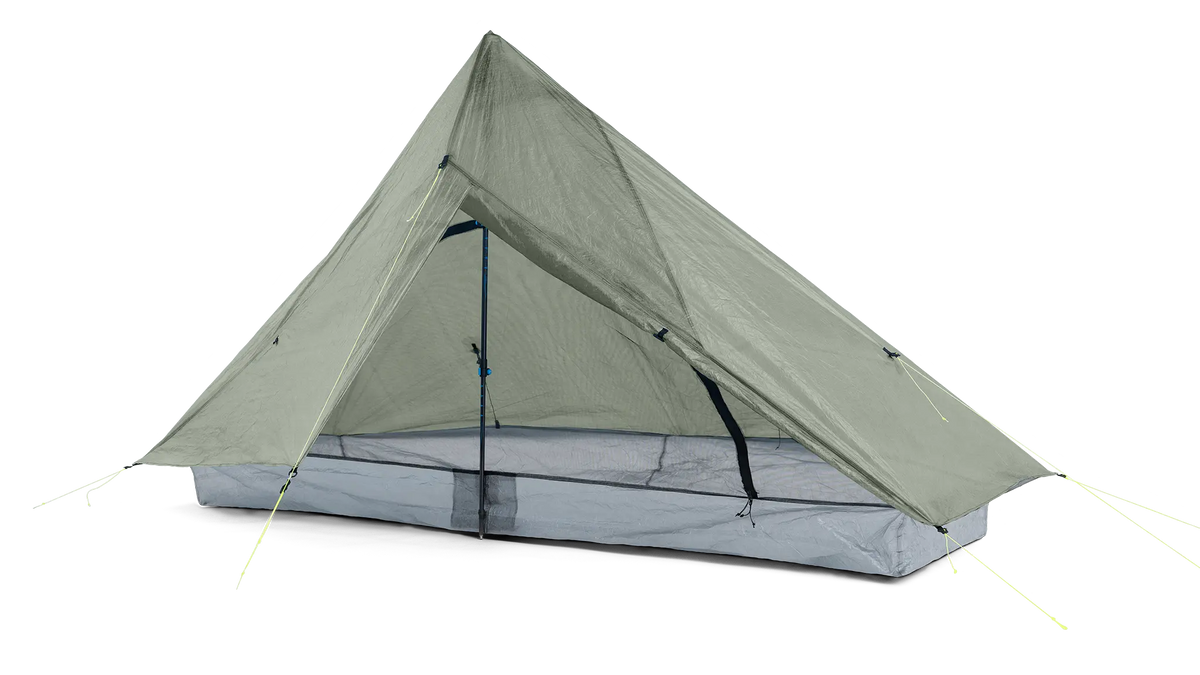
The Zpacks Plex Solo is engineered for dedicated ultralight backpackers and long-distance thru-hikers where every fraction of an ounce matters.
Why it winsDeep-dive product reviews
We've published full field-test reports and technical deep-dives for 10 of the picks in this list.
Compare all 10 picks at a glance
Editorial ranking, what each pick is best at, and how we assessed it. Tap a name to jump to the full write-up.
| # | Pick | Best for | Key spec | Evidence |
|---|---|---|---|---|
| 1 | Copper Spur HV UL1 Big Agnes | Three-season solo wilderness backpacking | Design Type: Freestanding double-wall solo tent | Research only |
| 2 | Hornet OSMO 1P Nemo | Ultralight solo thru-hiking | Shelter Type: Semi-freestanding double-wall solo tent | Research only |
| 3 | Plex Solo Zpacks | Long-distance thru-hiking | Shelter Type: Non-freestanding trekking-pole tent | Research only |
| 4 | X-Mid 1 Durston | Three-season thru-hiking | Shelter Type: Trekking-pole double-wall tent | Research only |
| 5 | Hubba Hubba LT 1 MSR | Three-season mountain backpacking | Shelter Type: Fully freestanding double-wall | Research only |
| 6 | The One Gossamer Gear | Three-season ultralight backpacking | Shelter Type: Single-wall non-freestanding | Research only |
| 7 | Lunar Solo Six Moon Designs | Ultralight solo backpacking | Pole Requirement: 1 trekking pole (approx. 49 inches) | Research only |
| 8 | Tiger Wall UL1 Big Agnes | Fast-and-light thru-hiking | Design Type: Semi-freestanding double-wall | Research only |
| 9 | Dragonfly OSMO 1P Nemo | 3-Season Solo Backpacking | Design Type: Fully freestanding double-wall | Research only |
| 10 | Notch Li Tarptent | Wet climate thru-hiking | Design Type: Double-wall trekking-pole tent | Research only |
How we picked
Ranked by Cal Brennan, Senior Gear Editor
We started with a long list of 1-person tents that people actually buy, cut anything that could not clear our baseline for durability and field performance, then ranked the 10 that were left against the same criteria. Rankings are editorial. No brand pays for placement, and affiliate links never move a pick up or down.
- Storm worthiness and livability
- Pitch tension in wind, condensation management, and usable interior space for the weight.
- Load carriage
- How the suspension handles the loads the pack is actually rated for, over long days.
- Real-world durability
- How the material, stitching, or steel holds up after a season of hard use — not how it looks new.
- Performance in bad conditions
- Wind, rain, cold, and grit are the test. Anything that only works on a nice day gets marked down.
- Weight and packability
- Every ounce has to earn its place in the pack, but not at the cost of something that fails in the field.
- Ease of use
- Setup, adjustment, and maintenance with cold hands, in the dark, without the manual.
How often we recheck this: Reviewed on a rolling basis and rechecked at least once a year, or sooner if a pick is discontinued, revised, or beaten by something new.
Best of the Best · Head to Head
Copper Spur HV UL1 vs Hornet OSMO 1P
#1 vs #2 — side-by-side specs, pros & cons, and the final verdict.
Compare any two picks
Build your own side-by-side
Choose any two of these 10 picks and compare specs, price, pros, cons and reader ratings.
Topic summary
Solo backpacking tents compared by livable space, weight trade-offs, pitch style and weather protection.
Key takeaways
- #1 Copper Spur HV UL1 — Big Agnes
- #2 Hornet OSMO 1P — Nemo
- #3 Plex Solo — Zpacks
- #4 X-Mid 1 — Durston
- #5 Hubba Hubba LT 1 — MSR
- #6 The One — Gossamer Gear
Intended uses
Gear
Verification notes
Editorial ranked list, 10 entries. Evidence mix — 10 research only. Buy links open the maker or a retailer search. Last reviewed October 2026.
Best 1-person tents for a specific job
Skip the ranking — jump to the pick that matches how you actually use it.
- Best for three-season solo wilderness backpacking
- #1 Copper Spur HV UL1 — Big AgnesThe Big Agnes Copper Spur HV UL1 is widely viewed as the benchmark against which all other freestanding solo backpacking shelters are measured. Designed for backpackers who want a low pack weight without sacrificing the simple, dependable pitch of a traditional pole architecture, it delivers exceptional interior volume relative to its footprint. Its high-volume hub pole structure produces steep, near-vertical side walls that keep the canopy off your head and feet when sitting up or changing clothes. Constructed from proprietary ultralight double-ripstop nylon treated with a polyurethane-silicone coating, the Copper Spur pairs delicate weight savings with intentional reinforcements at high-stress points. The single side-entry door is generously proportioned, and the vestibule can be configured into an awning using trekking poles to vent the shelter during light rain. Because it is fully freestanding, it can be pitched quickly on rock ledges, compacted dirt, and wooden tent platforms where driving stakes is impractical. The clear trade-off is pack weight and packed size compared to non-freestanding ultralight options. The Copper Spur includes a multi-hubbed pole set that takes up dedicated room inside your pack. Furthermore, the ultralight floor fabric requires careful site preparation or an additional footprint to prevent punctures from sharp gravel, thorns, and roots. **Highlights** - Fully freestanding high-volume hub pole architecture provides steep sidewalls. - Awning-style vestibule can be extended using trekking poles for extra ventilation. - Large side door with dual zippers allows easy entry and smooth operation. - Generous interior storage pockets, including a large ceiling gear loft. - Color-coded webbing and pole ends simplify setup in low-light conditions. **Watch-outs** - Thin floor fabric requires attentive campsite clearing or a dedicated ground cloth. - Higher trail weight and packed volume than minimalist trekking-pole shelters. - Single vestibule design limits external gear storage space.Read the full profile
- Best for ultralight solo thru-hiking
- #2 Hornet OSMO 1P — NemoThe Nemo Hornet OSMO 1P caters directly to weight-conscious backpackers who prefer a dedicated pole frame over trekking-pole setups. Operating as a semi-freestanding shelter, the Hornet utilizes a single hubbed pole structure with a Y-configuration that provides structure to the head end while requiring two corner stakes to extend the footbox. This layout substantially reduces pole weight while retaining a predictable, quick setup. A central feature of this tent is Nemo's proprietary OSMO composite fabric. Blending recycled polyester and nylon fibers, the material is engineered to resist water absorption, sag substantially less when wet, and dry faster than conventional silnylon. Overhead, the patented Flybar clip pulls the inner tent mesh outward at the apex, increasing shoulder-level volume and preventing the tent wall from bowing inward against the camper. Because the foot end is non-freestanding, the Hornet requires secure staking to achieve its full interior length and prevent the foot of your sleeping bag from brushing the fly. The interior floor is distinctly tapered, leaving minimal room beside your sleeping pad for extra gear. Campers who prioritize shoulder and elbow clearance over a wide floor plan will appreciate the balance, but taller hikers may find the low footbox restrictive. **Highlights** - Semi-freestanding design cuts frame weight while maintaining a rapid pitch. - OSMO poly-nylon fabric offers three times less wet sag and faster dry times. - Flybar clip creates noticeably better headroom and shoulder width at the apex. - Compact packed dimensions fit horizontally inside narrow ultralight backpacks. - Nightlight Pocket diffuses headlamp beams to create warm, ambient ceiling lighting. **Watch-outs** - Tapered footbox requires solid ground stakes to avoid canopy sag. - Snug interior floor plan leaves virtually no room for gear beside a sleeping pad. - Ultralight fabrics require gentle handling around rough surfaces.Read the full profile
- Best for long-distance thru-hiking
- #3 Plex Solo — ZpacksThe Zpacks Plex Solo is engineered for dedicated ultralight backpackers and long-distance thru-hikers where every fraction of an ounce matters. Built around a single-wall architecture supported by a single trekking pole set to approximately 52 inches, the shelter strips away unnecessary hardware to achieve an astonishingly low trail weight. It packs down remarkably small, making it a staple among high-mileage hikers tackling extended trail systems. The entire canopy is constructed from Dyneema Composite Fabric (DCF), an exceptionally strong, inherently waterproof non-woven laminate. Unlike nylon or polyester, DCF absorbs zero water, meaning the tent will not sag during prolonged rainstorms and can be packed away wet without gaining significant water weight. The bathtub floor is sewn directly to the canopy via breathable perimeter mesh, which aids airflow while keeping ground moisture and insects out. Operating a single-wall DCF shelter introduces clear practical trade-offs. Condensation is an unavoidable reality in humid or poorly ventilated conditions, requiring users to wipe down interior walls with a camp towel and practice smart campsite selection. Setup requires a firm foundation with at least six stakes—often ten in high winds—and the single-pole pyramid profile leaves limited elbow room away from the apex. **Highlights** - Dyneema Composite Fabric construction eliminates wet fabric stretch and water absorption. - Exceptionally low total weight and minimal packed volume for ultralight kits. - Single-pole pitch utilizes standard trekking poles adjusted to fixed heights. - Deep bathtub floor keeps splash and running ground water away from your sleep system. - Storm doors feature metal hooks and overlapping panels for straightforward weather adjustments. **Watch-outs** - High retail cost associated with premium Dyneema Composite Fabric construction. - Single-wall design demands active condensation management in humid environments. - Requires secure staking across multiple guy points to maintain structural integrity.Read the full profile
- Best for three-season thru-hiking
- #4 X-Mid 1 — DurstonThe Durston X-Mid 1 has developed a passionate following among three-season backpackers due to its innovative geometry. Designed by an experienced long-distance hiker, the shelter uses an offset two-pole trekking pole architecture oriented around a rectangular footprint. This diagonal orientation positions the two poles outside the living area, creating vertical side walls, generous shoulder space, and an expansive vestibule without blocking the entry doors. Unlike traditional trekking-pole tents that require complex tensioning, the X-Mid 1 pitches with just four perimeter stakes placed in a true rectangle before the poles are inserted. The fly and inner tent can be pitched together or separately, allowing hikers to set up the waterproof outer shell first during heavy downpours to keep the interior dry. Built from 20D polyester rather than nylon, the fabric resists water absorption and does not stretch or sag when wet. The tent is a double-wall design, meaning internal condensation is physically separated from your sleeping bag by a full mesh inner. The main consideration is the overall pitch footprint; the combination of dual large vestibules and the diagonal geometry means the tent occupies a broader area of ground than conventional solo shelters, which can require careful scouting in tight or brushy campsites. **Highlights** - Offset pole geometry creates vertical walls and moves poles out of the doorway. - Four-stake rectangular pitch makes initial setup simple and repeatable. - Polyester fabric resists water absorption and maintains taut pitch without sagging. - Dual doors and dual large vestibules provide extensive covered gear storage. - Fly-first pitching protects the inner mesh canopy from rain during stormy setups. **Watch-outs** - Large external footprint requires wider campsite clearings than typical solo tents. - Requires two trekking poles for setup, which may inconvenience hikers who walk with one pole or none. - Peak vents must be manually propped open to maintain optimal airflow.Read the full profile
- Best for three-season mountain backpacking
- #5 Hubba Hubba LT 1 — MSRThe MSR Hubba Hubba LT 1 is an updated, weight-trimmed iteration of MSR's longstanding solo shelter line. Built for backpackers who value storm-tested reliability, structural rigidity, and freestanding ease, this shelter uses a symmetrical, unified pole skeleton that provides predictable strength in variable mountain weather. It appeals to hikers who want a dependable sanctuary that requires no guesswork or specialized pitching techniques. The tent features a truly rectangular floor that avoids the aggressive tapering seen in many competitor models, allowing wide rectangular sleeping pads to sit flat with space left over for small gear items. The rainfly is treated with MSR's durable waterproof coatings and reinforced with factory-taped seams designed to resist peeling and hydrolysis over years of seasonal use. Its large StayDry door incorporates a built-in rain gutter to prevent water from dripping into the living area when unzipped. While the LT version sheds weight compared to legacy Hubba models, it remains noticeably heavier and bulkier than modern trekking-pole shelters and minimalist semi-freestanding tents. The aluminum frame pieces must be carried inside or strapped outside your pack. For backpackers prioritizing longevity, simple setup on rocky ground, and room to move inside, the weight penalty is often an acceptable trade. **Highlights** - Fully freestanding unified pole system pitches reliably on virtually any surface. - True rectangular floor plan accommodates wide sleeping pads without edge curl. - StayDry entry door incorporates a rain gutter to keep the interior dry during entry. - Proven structural geometry handles moderate wind gusts and rain with minimal buffeting. - Intuitive color-coded components speed up pitching in poor weather. **Watch-outs** - Higher pack weight and larger bundle size than semi-freestanding or trekking-pole models. - Symmetrical design limits vestibule volume relative to offset pole architectures. - Premium price point for a double-wall aluminum-pole shelter.Read the full profile
- Best for three-season ultralight backpacking
- #6 The One — Gossamer GearGossamer Gear The One is an established ultralight single-wall shelter that emphasizes spacious living dimensions alongside a minimal pack weight. Supported by two trekking poles in an A-frame configuration, the tent provides impressive vertical headroom and a wide ridge line that prevents the canopy from closing in around your head and shoulders when sitting upright. It is aimed directly at hikers who want ultralight efficiency without feeling claustrophobic. The canopy and floor are crafted from custom ultralight silicone- and polyurethane-coated polyester. Switching to polyester allows the tent to retain pitch tension through cold, rainy nights without the stretching and sagging common to traditional silnylon. Factory-taped seams throughout ensure out-of-the-box water resistance without requiring manual seam sealing, and full-length perimeter mesh allows ambient air to flow beneath the canopy. Because The One is a single-wall shelter, managing internal condensation requires intentional practice. Pitching high off the ground, orienting the large side door into a breeze, and leaving the vestibule cracked open are critical steps in humid valleys. Additionally, securing a taut pitch requires reliable staking at six points, meaning hikers must carry sturdy stakes suited to loose or rocky soil. **Highlights** - Spacious interior geometry with generous sitting headroom along the central ridge. - Silicone/polyurethane-coated polyester fabric maintains tension through wet weather. - Factory-taped seams provide full out-of-the-box waterproof protection. - Large side entrance with integrated vestibule makes ingress and gear access easy. - Built-in clothesline and interior storage pockets keep small gear organized. **Watch-outs** - Single-wall canopy requires active venting and site selection to mitigate moisture buildup. - Non-freestanding structure requires at least six dependable stake points. - Long guyline spans increase the total area required to secure a proper pitch.Read the full profile
- Best for ultralight solo backpacking
- #7 Lunar Solo — Six Moon DesignsThe Six Moon Designs Lunar Solo is a classic pyramid-style solo shelter that has served long-distance backpackers for years. Utilizing a single trekking pole set to roughly 49 inches, it features a hexagonal profile designed to shed wind efficiently from multiple angles. It sits at a sweet spot for hikers seeking an ultralight setup with a generous internal footprint at an accessible entry point. Constructed from 100% silicone-coated polyester, the Lunar Solo eliminates wet-weather sagging and retains structural tension across overnight rainstorms. The floor layout is surprisingly broad, offering extra floor space alongside a standard sleeping pad for stowing your backpack, clothing, and footwear inside the enclosed mesh zone. A deep 6-inch bathtub floor helps prevent ground splashback during heavy downpours. Because the shelter uses a single central pole positioned just outside the sleeping area, ingress requires navigating around the pole support. As a single-wall shelter, condensation can gather along the underside of the canopy; if the tent is pitched poorly or buffeted by strong wind, water droplets can shake loose. Proper tensioning at the six primary stake points is critical to keeping the fabric taut and maximizing interior volume. **Highlights** - Hexagonal pyramid profile sheds shifting winds effectively. - Single-pole setup reduces gear complexity and simplifies pitched tensioning. - Generous floor width provides ample internal room for storing dry gear inside. - Durable silicone-coated polyester fabric avoids wet-weather slackening. - High-venting perimeter mesh promotes airflow along the base of the shelter. **Watch-outs** - Single-wall design requires vigilance regarding interior moisture and condensation. - Central support pole slightly obstructs the front entryway. - Requires user seam sealing or purchasing an optional factory seam-sealing service.Read the full profile
- Best for fast-and-light thru-hiking
- #8 Tiger Wall UL1 — Big AgnesThe Big Agnes Tiger Wall UL1 is the stripped-down, semi-freestanding sibling to the Copper Spur. Engineered specifically for weight-conscious backpackers who still want the convenience of a dedicated pole skeleton, it sheds several ounces by adopting a single-pole spine that branches into a Y-shape at the head end while tapering down to a single pole tip at the foot. This architecture allows the head end of the shelter to stand on its own, speeding up initial setup. To establish the full floor plan and lift the fabric off your sleeping bag, the two foot corners must be staked out firmly. The canopy and floor are crafted from ultralight silicone-treated ripstop nylon with a waterproof polyurethane coating, delivering impressive packability and featherweight trail carry. A single side door and vestibule provide practical storage for trail shoes and a mid-sized backpack. The trade-offs center around living space and fabric delicacy. The interior floor tapers aggressively toward the feet, limiting space for wider sleeping pads or loose gear. Because it relies on thin nylon textiles, campsite preparation is essential to prevent punctures. Wind stability is also moderately reduced compared to fully freestanding cross-pole designs, making careful orientation into prevailing gusts important. **Highlights** - Semi-freestanding pole design balances dedicated structure with minimal trail weight. - DAC Featherlite NFL pole system provides reliable structural strength. - Single side-entry door and vestibule provide dedicated dry gear storage. - Exceptionally small packed bundle fits easily in low-volume backpacks. - Pre-attached guylines and color-coded components streamline pitch time. **Watch-outs** - Non-freestanding foot end requires solid staking to prevent fabric sag. - Tapered floor layout restricts pad width and internal gear storage. - Ultralight fabrics require attentive handling around rough or sharp ground.Read the full profile
Our editors test the gear, pick the ten, and set the order the day a list publishes. After that, the ranking is live: every member star rating feeds the community order, so picks climb or slide as real owners report back. Editorial judgment decides what earns a spot — you help decide where it sits.
- Editors set the field
Hands-on testing and spec research choose the ten and the published order.
- Readers re-rank it
Your 1–5 star ratings drive the community order on every list.
- Rankings keep moving
Picks rise or fall over time — nothing is frozen at launch day.
Rank this list
Loading community ratings… Ratings re-order the picks — they never change which products make the list.
Sign in to add your own ratings — it's free.
- Pros
- Steep sidewall architecture provides usable head and shoulder room
- Freestanding frame sets up easily on rock shelves and wooden platforms
- Vestibule awning feature vents the shelter safely during warm drizzle
- Generous interior pocketing keeps gear and electronics organized
Cons- Thin floor fabric necessitates careful site prep or an extra footprint
- Packs down larger than trekking-pole-supported ultralight shelters
- Single side vestibule limits overall exterior covered storage space
Key features- Design Type
- Freestanding double-wall solo tent
- Canopy Fabric
- Proprietary double-ripstop nylon
- Pole Architecture
- High-volume hubbed pole system
- Entry Configuration
- Single side-entry door with vestibule
- Ventilation Feature
- Vestibule converts to trekking-pole awning
- Pitch Alignment
- Color-coded webbing and pole attachments
Best forThree-season solo wilderness backpacking, Rocky and compacted terrain camping, Dedicated wooden platform pitches, Long-distance trail hiking
Pros- Steep sidewall architecture provides usable head and shoulder room
- Freestanding frame sets up easily on rock shelves and wooden platforms
- Vestibule awning feature vents the shelter safely during warm drizzle
- Generous interior pocketing keeps gear and electronics organized
Cons- Thin floor fabric necessitates careful site prep or an extra footprint
- Packs down larger than trekking-pole-supported ultralight shelters
- Single side vestibule limits overall exterior covered storage space
Assessed by Cal Brennan against our ranking criteria.No ratings yet - Pros
- OSMO composite fabric drastically cuts wet fabric sag and dries quickly
- Flybar clip widens shoulder-level headroom at the tent apex
- Side-entry layout is significantly easier to access than front-door solo tents
- Packs down small enough for minimalist packs and bikepacking setups
Cons- Semi-freestanding footbox requires solid stake points to avoid sagging
- Tapered floor plan provides virtually no room inside for personal gear
- Ultralight shell fabrics require diligent site clearance to prevent tears
Key features- Shelter Type
- Semi-freestanding double-wall solo tent
- Frame Structure
- Single-hubbed aluminum Y-pole system
- Fly Fabric
- Proprietary OSMO poly-nylon composite
- Interior Tensioner
- Flybar volumizing canopy clip
- Staking Needs
- Two required corner stakes at the foot
- Ambient Lighting
- Headlamp-diffusing Nightlight Pocket
Best forUltralight solo thru-hiking, Fast-and-light summer backpacking, Solo bikepacking trips, Weight-focused mountain section hikes
Pros- OSMO composite fabric drastically cuts wet fabric sag and dries quickly
- Flybar clip widens shoulder-level headroom at the tent apex
- Side-entry layout is significantly easier to access than front-door solo tents
- Packs down small enough for minimalist packs and bikepacking setups
Cons- Semi-freestanding footbox requires solid stake points to avoid sagging
- Tapered floor plan provides virtually no room inside for personal gear
- Ultralight shell fabrics require diligent site clearance to prevent tears
Assessed by Cal Brennan against our ranking criteria.No ratings yet - Pros
- Dyneema Composite Fabric absorbs zero water and will not sag in sustained rain.
- Remarkably low trail weight and compact packed size for ultralight kits.
- Single-pole pitch uses standard trekking poles adjusted to roughly 52 inches.
- Deep bathtub floor keeps running ground runoff away from sleeping gear.
Cons- Single-wall geometry requires active condensation wiping in damp environments.
- High retail price compared to conventional silnylon or silpoly solo shelters.
- Non-freestanding structure relies entirely on secure ground stakes to pitch.
Key features- Shelter Type
- Non-freestanding trekking-pole tent
- Wall Structure
- Single-wall with perimeter mesh
- Canopy Fabric
- Dyneema Composite Fabric (DCF)
- Support Pole
- One trekking pole (approx. 52 inches)
- Staking Needs
- 6 stakes baseline, up to 10 in wind
- Intended Use
- Ultralight backpacking and thru-hiking
Best forLong-distance thru-hiking, Ultralight backpacking trips, High-mileage fastpacking, Three-season mountain routes
Pros- Dyneema Composite Fabric absorbs zero water and will not sag in sustained rain.
- Remarkably low trail weight and compact packed size for ultralight kits.
- Single-pole pitch uses standard trekking poles adjusted to roughly 52 inches.
- Deep bathtub floor keeps running ground runoff away from sleeping gear.
Cons- Single-wall geometry requires active condensation wiping in damp environments.
- High retail price compared to conventional silnylon or silpoly solo shelters.
- Non-freestanding structure relies entirely on secure ground stakes to pitch.
Assessed by Cal Brennan against our ranking criteria.No ratings yet - Pros
- Simple four-stake rectangular base allows rapid, repeatable setup
- 20D polyester canopy resists water sagging and maintains pitch tension
- Offset dual poles keep entryways clear and maximize usable headroom
- Double-wall architecture effectively separates condensation from gear
Cons- Large overall footprint requires expansive campsite clearings
- Requires two trekking poles to set up properly in standard configuration
Key features- Shelter Type
- Trekking-pole double-wall tent
- Support Required
- Two trekking poles
- Canopy Fabric
- 20D polyester
- Entry Points
- Dual doors and dual vestibules
- Base Pitch
- Four-stake rectangular foundation
Best forThree-season thru-hiking, Wet-weather backcountry backpacking, Trekking pole solo touring, Extended wilderness trail routes
Pros- Simple four-stake rectangular base allows rapid, repeatable setup
- 20D polyester canopy resists water sagging and maintains pitch tension
- Offset dual poles keep entryways clear and maximize usable headroom
- Double-wall architecture effectively separates condensation from gear
Cons- Large overall footprint requires expansive campsite clearings
- Requires two trekking poles to set up properly in standard configuration
Assessed by Cal Brennan against our ranking criteria.No ratings yet - Pros
- Fully freestanding frame pitches easily on solid rock or wooden platforms
- Rectangular floor accommodates wide sleeping pads without edge curl
- StayDry door design diverts rain runoff away from the tent interior
- Color-coded poles and clips ensure fast, straightforward assembly
Cons- Heavier and bulkier in a pack than semi-freestanding and tarp-tent options
- Symmetrical pole hub leaves vestibule gear storage relatively constrained
- Carries a premium price point within the three-season solo category
Key features- Shelter Type
- Fully freestanding double-wall
- Floor Profile
- True rectangular geometry
- Pole System
- Unified aluminum hubbed frame
- Door Design
- Single side entry with StayDry gutter
- Pitch Style
- Color-coded clip and grommet setup
- Weatherproofing
- Hydrolysis-resistant coated fabrics
Best forThree-season mountain backpacking, Rocky terrain and platform camping, General solo wilderness trekking, Extended backcountry trail routes
Pros- Fully freestanding frame pitches easily on solid rock or wooden platforms
- Rectangular floor accommodates wide sleeping pads without edge curl
- StayDry door design diverts rain runoff away from the tent interior
- Color-coded poles and clips ensure fast, straightforward assembly
Cons- Heavier and bulkier in a pack than semi-freestanding and tarp-tent options
- Symmetrical pole hub leaves vestibule gear storage relatively constrained
- Carries a premium price point within the three-season solo category
Assessed by Cal Brennan against our ranking criteria.No ratings yet - Pros
- Polyester canopy resists wet-weather sagging and holds tension through rain
- Generous ridge geometry offers upright sitting headroom without feeling cramped
- Factory-taped seams deliver complete waterproof protection out of the box
- Perimeter mesh venting and wide side door maximize ventilation options
Cons- Single-wall construction requires active airflow management to prevent condensation
- Non-freestanding pitch demands at least six secure stakes and careful anchoring
- Broad side panels catch wind if not oriented properly against prevailing gusts
Key features- Shelter Type
- Single-wall non-freestanding
- Support Poles
- Two trekking poles
- Canopy Fabric
- Silicone and PU-coated polyester
- Seam Construction
- Factory-taped seams
- Minimum Stakes
- Six perimeter stakes
- Access Design
- Side entry with integrated vestibule
Best forThree-season ultralight backpacking, Thru-hiking and long trails, Trekking pole solo travel, Fast and light touring
Pros- Polyester canopy resists wet-weather sagging and holds tension through rain
- Generous ridge geometry offers upright sitting headroom without feeling cramped
- Factory-taped seams deliver complete waterproof protection out of the box
- Perimeter mesh venting and wide side door maximize ventilation options
Cons- Single-wall construction requires active airflow management to prevent condensation
- Non-freestanding pitch demands at least six secure stakes and careful anchoring
- Broad side panels catch wind if not oriented properly against prevailing gusts
Assessed by Cal Brennan against our ranking criteria.No ratings yet - Pros
- Silicone-coated polyester resists sagging and retains tension when wet
- Single-pole hexagonal pyramid sheds multi-directional winds efficiently
- Generous interior floor width accommodates sleeping pad and internal gear storage
- Six-inch bathtub floor helps prevent ground-level rain splashback
Cons- Single-wall canopy requires active management to mitigate condensation
- Support pole placement partially obstructs the vestibule doorway
- Must be manually seam sealed or ordered with factory sealing service
Key features- Pole Requirement
- 1 trekking pole (approx. 49 inches)
- Shelter Style
- Non-freestanding single-wall
- Canopy Fabric
- 100% silicone-coated polyester
- Minimum Stakes
- 6 ground stakes
- Floor Design
- 6-inch raised bathtub floor
- Seam Sealing
- Required before field use
Best forUltralight solo backpacking, Long-distance thru-hiking, Trekking-pole shelter setups, Three-season fastpacking
Pros- Silicone-coated polyester resists sagging and retains tension when wet
- Single-pole hexagonal pyramid sheds multi-directional winds efficiently
- Generous interior floor width accommodates sleeping pad and internal gear storage
- Six-inch bathtub floor helps prevent ground-level rain splashback
Cons- Single-wall canopy requires active management to mitigate condensation
- Support pole placement partially obstructs the vestibule doorway
- Must be manually seam sealed or ordered with factory sealing service
Assessed by Cal Brennan against our ranking criteria.No ratings yet - Pros
- Substantial weight savings through a streamlined semi-freestanding frame
- Side-entry door and vestibule provide practical gear storage and access
- Color-coded webbing and poles make initial setup quick and intuitive
- DAC Featherlite NFL pole structure creates good peak height at the head end
Cons- Foot corners must be securely staked out to establish living volume
- Tapered floor profile restricts the use of wider sleeping pads
- Ultralight ripstop textiles require careful campsite clearing to prevent damage
Key features- Design Type
- Semi-freestanding double-wall
- Pole System
- DAC Featherlite NFL aluminum
- Canopy Fabric
- Silicone-treated ripstop nylon and mesh
- Floor Fabric
- Silicone-treated ripstop nylon with PU
- Doors & Vestibules
- One side-entry door, one vestibule
- Setup Requirement
- Stakes required at foot corners
Best forFast-and-light thru-hiking, Three-season solo backpacking, Minimalist bikepacking trips, Weight-focused distance trekking
Pros- Substantial weight savings through a streamlined semi-freestanding frame
- Side-entry door and vestibule provide practical gear storage and access
- Color-coded webbing and poles make initial setup quick and intuitive
- DAC Featherlite NFL pole structure creates good peak height at the head end
Cons- Foot corners must be securely staked out to establish living volume
- Tapered floor profile restricts the use of wider sleeping pads
- Ultralight ripstop textiles require careful campsite clearing to prevent damage
Assessed by Cal Brennan against our ranking criteria.No ratings yet - Pros
- True freestanding design sets up easily on hard ground or tent platforms
- OSMO fabric blend resists sagging and absorbs less moisture in continuous rain
- Pre-bent pole sections generate upright sidewalls and generous headroom
- Spacious vestibule features a dedicated gear tub to elevate equipment
Cons- Heavier trail weight compared to semi-freestanding and trekking-pole options
- Bulkier packed size demands more internal pack space
- Higher investment cost than entry-level solo backpacking tents
Key features- Season Rating
- 3-Season
- Design Type
- Fully freestanding double-wall
- Canopy Fabric
- OSMO poly-nylon ripstop blend
- Pole Structure
- Hubbed aluminum with pre-bent segments
- Entry Points
- 1 side door with 1 trapezoidal vestibule
Best for3-Season Solo Backpacking, Rocky Terrain Camping, Weekend Wilderness Treks, Platform Camping Trips
Pros- True freestanding design sets up easily on hard ground or tent platforms
- OSMO fabric blend resists sagging and absorbs less moisture in continuous rain
- Pre-bent pole sections generate upright sidewalls and generous headroom
- Spacious vestibule features a dedicated gear tub to elevate equipment
Cons- Heavier trail weight compared to semi-freestanding and trekking-pole options
- Bulkier packed size demands more internal pack space
- Higher investment cost than entry-level solo backpacking tents
Assessed by Cal Brennan against our ranking criteria.No ratings yet - Pros
- True double-wall DCF construction completely isolates camper from condensation
- Dual side doors and dual vestibules provide generous entry and gear storage
- Dyneema fabric will not absorb water or sag overnight during rainstorms
- End struts elevate fabric above sleeping bag to prevent quilt dampness
Cons- Fixed carbon struts create a long packed length that limits pack options
- Significant financial investment compared to traditional silnylon shelters
- Non-freestanding architecture requires solid stake purchase to stand securely
Key features- Canopy Material
- Dyneema Composite Fabric (DCF)
- Design Type
- Double-wall trekking-pole tent
- Pole Requirement
- Two trekking poles
- Entry Style
- Dual side doors with vestibules
- End Structure
- Integrated carbon fiber struts
- Interior Layout
- Detachable inner with mesh canopy
Best forWet climate thru-hiking, Three-season ultralight backpacking, High-humidity solo trekking, Trekking pole shelter camping
Pros- True double-wall DCF construction completely isolates camper from condensation
- Dual side doors and dual vestibules provide generous entry and gear storage
- Dyneema fabric will not absorb water or sag overnight during rainstorms
- End struts elevate fabric above sleeping bag to prevent quilt dampness
Cons- Fixed carbon struts create a long packed length that limits pack options
- Significant financial investment compared to traditional silnylon shelters
- Non-freestanding architecture requires solid stake purchase to stand securely
Assessed by Cal Brennan against our ranking criteria.No ratings yet


Award picks
The ranking above is price-blind and judged on merit. These awards call out the pick we'd hand a specific person with a specific need.
Best Overall: Copper Spur HV UL1 — Big Agnes
The Big Agnes Copper Spur HV UL1 is widely viewed as the benchmark against which all other freestanding solo backpacking shelters are measured.
Ranked #1Runner-Up: Hornet OSMO 1P — Nemo
The Nemo Hornet OSMO 1P caters directly to weight-conscious backpackers who prefer a dedicated pole frame over trekking-pole setups.
Ranked #2Best Value: Hubba Hubba LT 1 — MSR
The MSR Hubba Hubba LT 1 is an updated, weight-trimmed iteration of MSR's longstanding solo shelter line.
Ranked #5Best Ultralight Pick: Plex Solo — Zpacks
The Zpacks Plex Solo is engineered for dedicated ultralight backpackers and long-distance thru-hikers where every fraction of an ounce matters.
Ranked #3Best for Rough Use: Lunar Solo — Six Moon Designs
The Six Moon Designs Lunar Solo is a classic pyramid-style solo shelter that has served long-distance backpackers for years.
Ranked #7Best for Beginners: X-Mid 1 — Durston
The Durston X-Mid 1 has developed a passionate following among three-season backpackers due to its innovative geometry.
Ranked #4For the easiest pitch and best balance of livability, the Big Agnes Copper Spur HV UL1 remains the gold standard in freestanding solo tents, while the Durston X-Mid 1 stands out as the most practical double-wall trekking-pole shelter. Hikers shaving every last ounce will find the Zpacks Plex Solo unmatched for minimalist base weight, provided they understand single-wall condensation management.
How to choose 1-person tents
Every pick on this page was judged against the same criteria. If you want the short answer, Copper Spur HV UL1 by Big Agnes is the one we point most people at. If you want to decide for yourself, here is what actually separates a good 1-person tent from an expensive one.
Storm worthiness and livability
Pitch tension in wind, condensation management, and usable interior space for the weight.
Load carriage
How the suspension handles the loads the pack is actually rated for, over long days.
Real-world durability
How the material, stitching, or steel holds up after a season of hard use — not how it looks new.
Performance in bad conditions
Wind, rain, cold, and grit are the test. Anything that only works on a nice day gets marked down.
Weight and packability
Every ounce has to earn its place in the pack, but not at the cost of something that fails in the field.
Ease of use
Setup, adjustment, and maintenance with cold hands, in the dark, without the manual.
Match the pick to your use
The right 1-person tents depends on what you are actually doing with it: Three-season solo wilderness backpacking; Rocky and compacted terrain camping; Dedicated wooden platform pitches; Long-distance trail hiking; Ultralight solo thru-hiking; Fast-and-light summer backpacking. Start from the use case, then work down the ranking until you hit the first pick that covers it.
Common mistakes
- Buying the lightest 1-person tents you can find and discovering it cannot take a season of hard use.
- Paying for a specialist feature you will use once a year instead of the versatile option.
- Comparing headline specs across tiers instead of within the same class.
- Skipping fit, sizing, or adjustment checks that decide whether you actually carry it.
Frequently asked questions
- What is the best 1-person tents in 2026?
- Copper Spur HV UL1 by Big Agnes takes the top spot. The Big Agnes Copper Spur HV UL1 is widely viewed as the benchmark against which all other freestanding solo backpacking shelters are measured.
- How did The Wild10 choose and rank these 1-person tents?
- We judged every pick against the same criteria — storm worthiness and livability, load carriage, real-world durability, performance in bad conditions — and ranked them on merit regardless of price. Solo backpacking tents compared by livable space, weight trade-offs, pitch style and weather protection.
- What is the best budget 1-person tents?
- Hubba Hubba LT 1 by MSR — The MSR Hubba Hubba LT 1 is an updated, weight-trimmed iteration of MSR's longstanding solo shelter line.
- Copper Spur HV UL1 vs Hornet OSMO 1P — which should I pick?
- Copper Spur HV UL1 ranks first: The Big Agnes Copper Spur HV UL1 is widely viewed as the benchmark against which all other freestanding solo backpacking shelters are measured. Hornet OSMO 1P is the close second: The Nemo Hornet OSMO 1P caters directly to weight-conscious backpackers who prefer a dedicated pole frame over trekking-pole setups. Our full head-to-head compares them side by side.
- How often is this list updated?
- We review this ranking on a rolling basis and update it whenever a pick is discontinued, meaningfully revised, or beaten by something new. Rankings are editorial — brands do not see them before publication and affiliate links never change the order.
Related gear comparisons
Get The Field List
One short, honest email a week: gear we actually trust, planning guides, and survival-TV coverage. Free, unsubscribe anytime.