



Alone Season 7, Episode 2, titled 'The Rock House', continues to track the contestants as they push further into the Canadian wilderness. The initial scramble for shelter transitions into more deliberate, long-term preparations for enduring the environment.
What Happened
This episode saw participants consolidating their initial camps, refining makeshift shelters into more substantial structures, and actively pursuing food sources. The focus for many was on setting up fishing lines and identifying edible flora, indicating a shift from immediate survival to sustainable living in their respective locations. The early days of isolation began to present mental challenges, a common theme in Alone seasons as the reality of the situation settles in.
The logistical and physical demands of the environment proved too much for two participants. Shawn Helton, after ten days in the field, faced a critical setback when he lost his fire-starting equipment. In a northern environment, fire is not merely a comfort; it's a multi-tool for warmth, cooking, water purification, and morale. The loss of such fundamental gear often forces an immediate reevaluation of one's ability to continue. Without the means to reliably create fire, long-term survival becomes exponentially harder and riskier, making his decision to leave the game a pragmatic one given the circumstances. The show confirmed his tap-out on Day 10.
Correy Hawk, on Day 12, encountered a different challenge: a knee injury that severely limited his mobility. In a wilderness survival context, mobility is paramount. It affects everything from foraging and hunting to collecting firewood and water, and even the ability to react to emergencies. A debilitating injury, especially to a major joint like the knee, can quickly make the environment too dangerous to navigate. Correy was medically evacuated, highlighting how quickly physical setbacks can end a survival attempt.
Who Is Under Pressure
Beyond those who exited, the isolation itself emerged as a significant pressure point for several participants. The novelty of the challenge can wear off quickly, replaced by the persistent mental grind of being alone. This psychological aspect is as formidable as any physical hardship or gear failure. The constant need to be vigilant, to procure resources, and to fight off the elements without human interaction taxes mental fortitude. Contestants who struggled with the solitude early on will need to develop coping mechanisms quickly if they hope to last.
Gear That Mattered
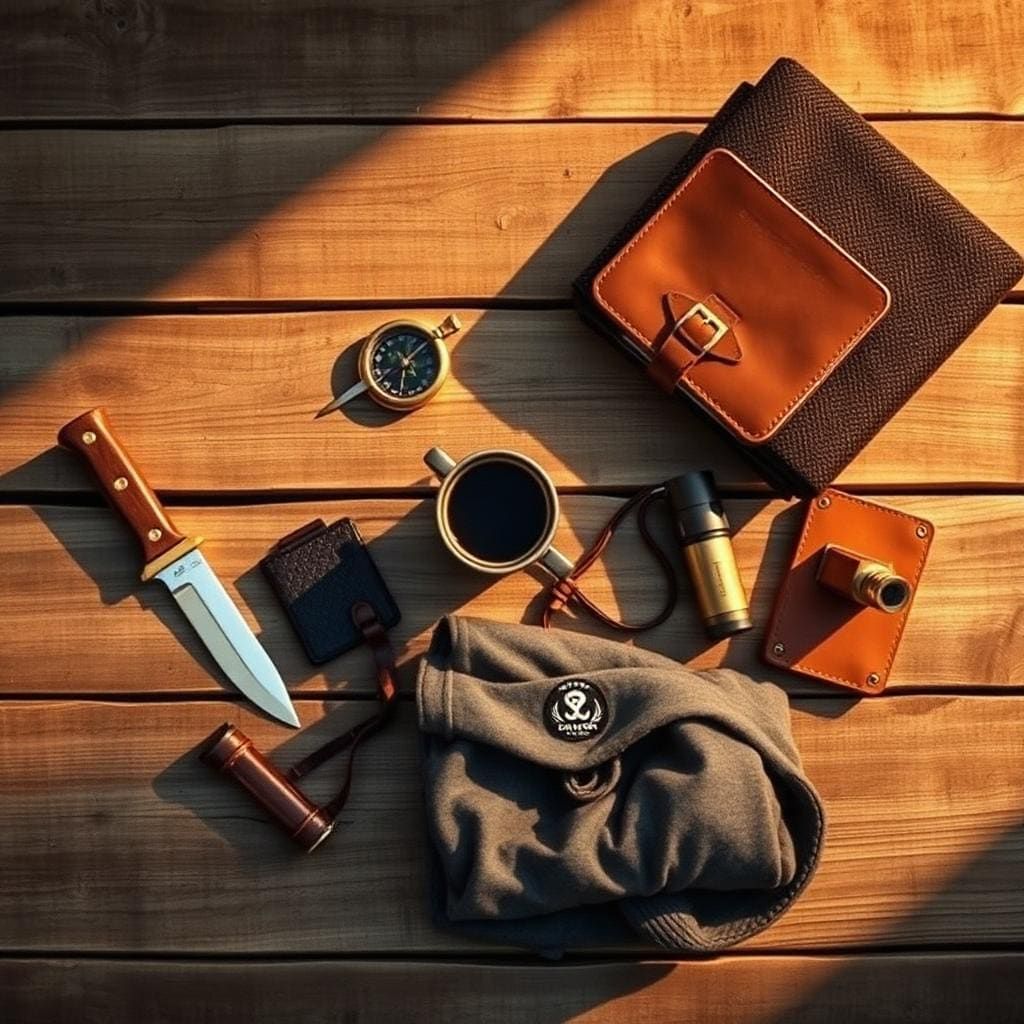
The most impactful gear, or lack thereof, in this episode revolved around fire-starting capabilities. Shawn Helton's loss of his fire kit underscores the critical importance of redundancy and secure storage for essential items. A primary fire starter (ferro rod, lighter, matches) is a non-negotiable item, and a backup – perhaps even a third – is best practice in any serious wilderness endeavor. The failure to secure this vital gear directly led to his exit.
Beyond fire, effective shelter tools such as an axe or saw are continually important for contestants building more permanent structures. Fishing gear, specifically lines and hooks, proved essential for those attempting to secure a consistent protein source. These simple items become high-value assets for contestants aiming for sustained presence in the field. The overall health and integrity of one's gear, including clothing and footwear, also play a subtle but crucial role in preventing injuries like Correy's, though the direct cause of his knee injury was not specified.
Standings
- Shawn Helton: Tapped out on Day 10 due to loss of fire-starting equipment.
- Correy Hawk: Medically evacuated on Day 12 due to a knee injury.
At the close of this episode, the remaining participants continued their struggle against the elements and isolation, with the field narrowing early in the competition.
Bottom Line
Episode 2 reinforces that early game mistakes or misfortunes can quickly end a survival attempt. The loss of critical gear, especially something as fundamental as fire-starting apparatus, is often irrecoverable without external assistance. Similarly, a significant physical injury can render even the most experienced individual vulnerable in a challenging environment. The initial days of Alone are not just about setting up camp, but about establishing a robust and resilient system that accounts for potential failures, both external and internal. The mental and physical demands begin to take their toll, highlighting that survival is a constant negotiation with the wilderness and one's own limitations.
Build the kit you just watched
Every item below is ranked from field use — no filler, no budget picks.
- The 10 items, rankedWhat actually survives 100 days — our tested picks for every slot on the list.
- Best bushcraft axesThe axe is the highest-leverage pick in the game. Here are the ones worth the weight.
- Best bushcraft knivesEvery winner carried one. These are the fixed blades that hold up to a full season.
- What the winners carriedSeason-by-season loadout analysis of every Alone champion.