


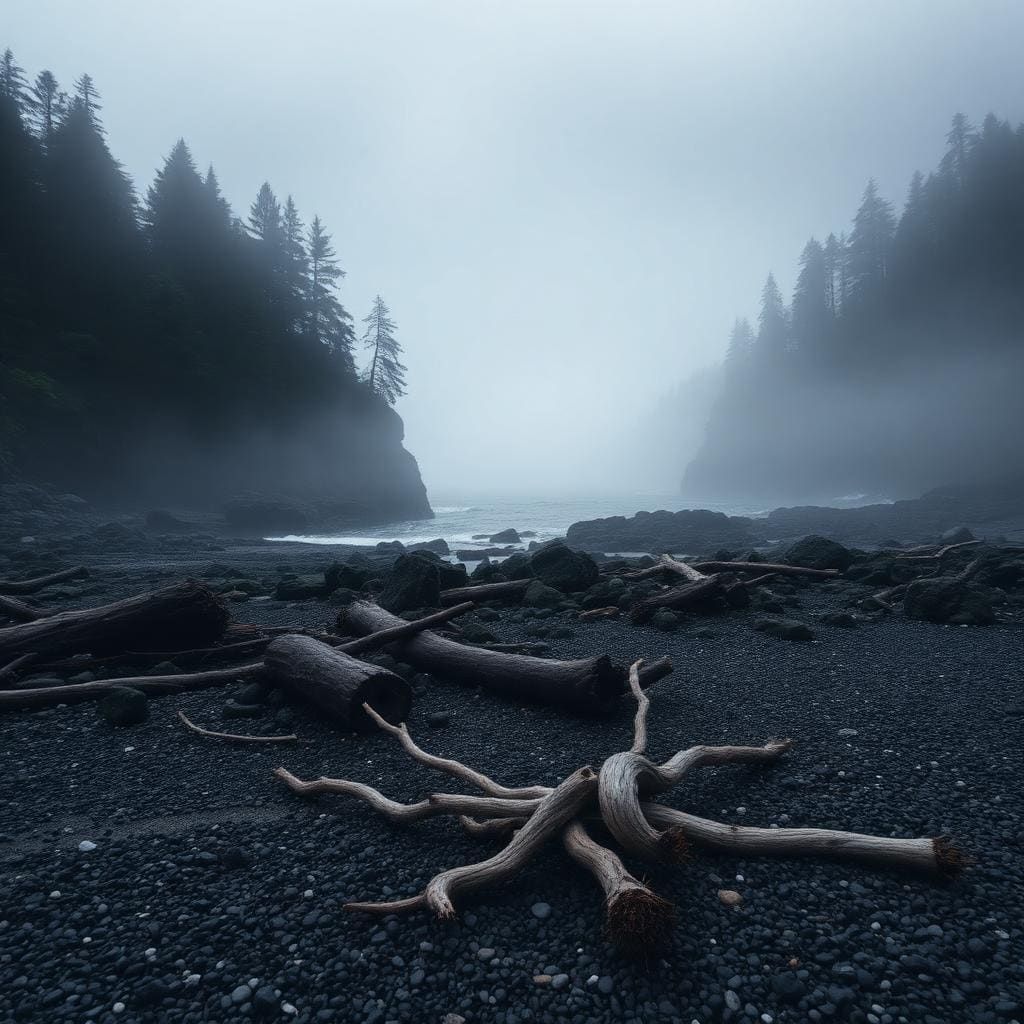
Season 7 changed the psychological architecture of Alone by giving participants a fixed target: survive 100 days in the Arctic for a one-million-dollar prize. The traditional format asks, “Can I outlast everyone else?” The 100-day challenge asked something more severe and strangely clarifying: “Can I reach a known finish line even when I have no idea how anyone else is doing?” That shift produced one of the series’ strongest seasons.
A fixed target changed daily decisions
Participants could measure remaining time, estimate resource needs, and build plans around a visible horizon. Yet the number could also loom. Ninety days completed did not reduce the danger of the next ten. The countdown created structure without making the outcome predictable.
The prize matched the scale of the challenge
A million dollars gave the 100-day goal appropriate weight. The amount mattered practically, but it also signaled that the format recognized the rarity of the achievement. The reward amplified motivation without replacing the personal reasons participants brought with them.
The Arctic remained the final authority
A production target cannot negotiate with temperature, health, food, or injury. Season 7 preserved the show’s integrity because the environment still determined what was feasible. The number 100 was dramatic, but it did not manufacture the hardship required to reach it.
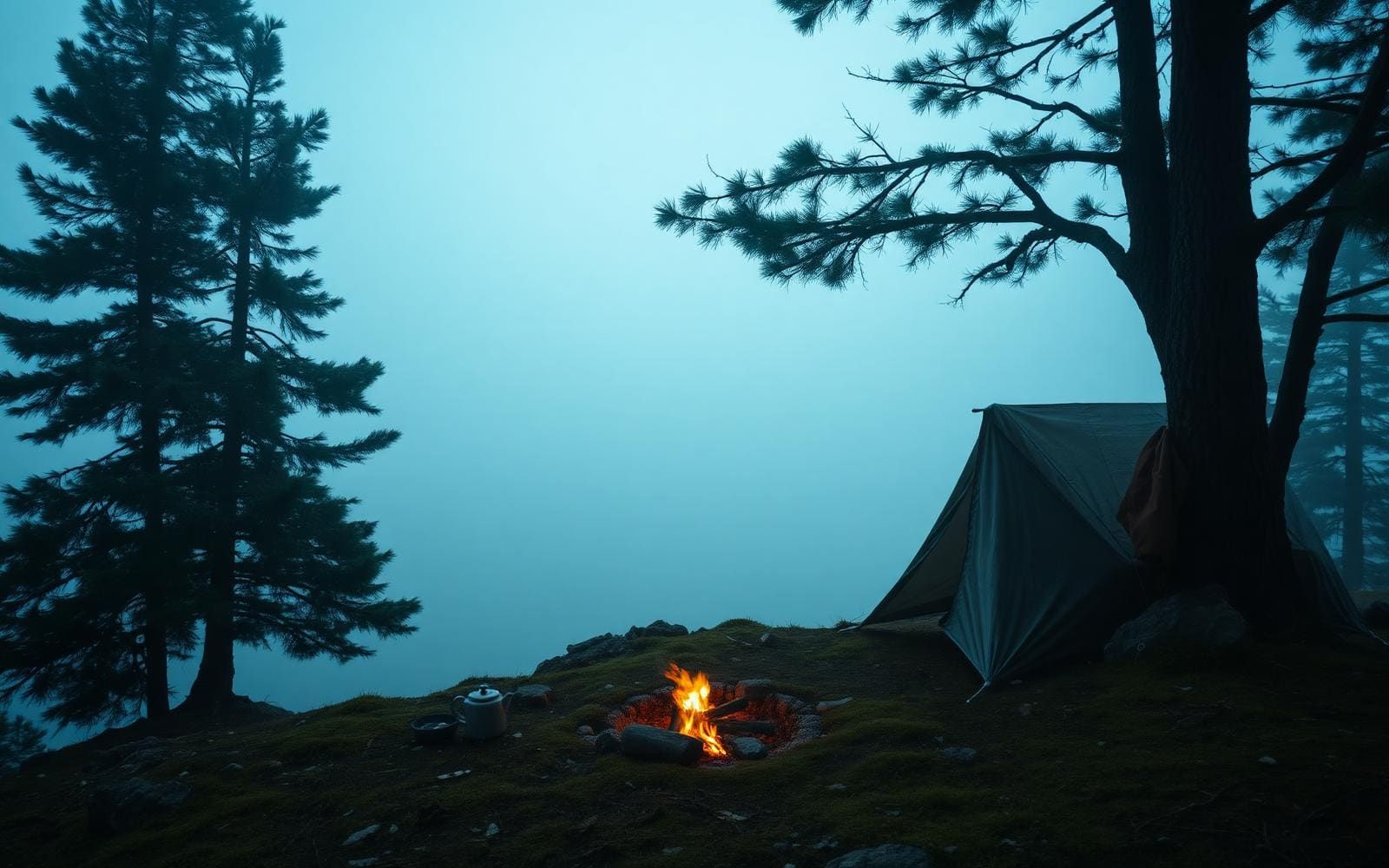
The format deepened mental strategy
A distant finish line can inspire and burden. Participants had to manage not only hunger and cold but the emotional effect of counting. Some focused on routines, projects, or small milestones. The season became a study in how people divide an overwhelming objective into survivable days.
It produced an earned sense of scale
Long-duration survival can be difficult to represent because days compress in editing. The explicit target helped viewers understand duration. Every milestone carried meaning, and late-season footage felt heavier because the audience knew how much work had accumulated behind it.
Final word
Season 7’s 100-day challenge was a rare format change that strengthened the original idea instead of decorating it. It preserved solitude, skill, and environmental consequence while adding a clear horizon with extraordinary stakes. The result was not merely longer survival. It was a more visible test of planning, purpose, and patience.
Editorial note: This original commentary contains light spoilers. Episode titles, dates, and official descriptions were checked against the HISTORY episode guide on July 14, 2026.
Build the kit you just watched
Every item below is ranked from field use — no filler, no budget picks.
- The 10 items, rankedWhat actually survives 100 days — our tested picks for every slot on the list.
- Best bushcraft axesThe axe is the highest-leverage pick in the game. Here are the ones worth the weight.
- Best bushcraft knivesEvery winner carried one. These are the fixed blades that hold up to a full season.
- What the winners carriedSeason-by-season loadout analysis of every Alone champion.