


What Happened
Episode 5, titled "The Buck," centered on the escalating necessity for substantial caloric intake among the remaining participants. With the season progressing, the limited food resources of the subarctic landscape become acutely apparent. The synopsis indicates a general shift in strategy, where contestants are now actively prioritizing hunting larger game. This is a common turning point in Alone seasons; while small game and foraging can sustain an individual for weeks, the long-term demands of cold weather, constant exertion, and mental fatigue necessitate a significant protein and fat source.
While specific events from the 'logged_events' are absent, the theme suggests participants were likely setting snares for bigger animals, scouting for deer or moose sign, and potentially constructing more robust shelters to conserve energy for these demanding tasks. Securing a large kill is a game-changer, providing not just immediate sustenance but also a morale boost and a buffer against future lean periods. The challenge lies in the energy expenditure required for successful hunting, especially without modern firearms. Primitive hunting methods are labor-intensive and low-percentage.
Who is Under Pressure
All remaining participants are under pressure, though the nature of that pressure varies. The synopsis highlights the "physical and mental grind" intensifying for everyone. Physically, the cold, the constant search for food, and the lack of proper nutrition take a toll. Joints ache, energy levels plummet, and the body begins to catabolize muscle tissue. Mentally, the isolation, the relentless monotony, and the specter of starvation can erode resilience. Those who are failing to consistently find even small food sources would be under the most immediate pressure. A participant struggling to adapt their hunting strategy to larger game, or one whose existing caloric deficit is becoming too severe, would be at a higher risk of self-evacuation.
The act of hunting large game itself is stressful. It requires patience, stealth, and often a degree of luck. Failure to secure a kill after significant effort can be demoralizing, further exacerbating the mental toll. Additionally, the physical demands of processing a large animal, should one be successful, are immense, especially for an already weakened individual. This episode likely showcases individuals grappling with the psychological weight of potential failure in their high-stakes hunts.
Gear That Mattered
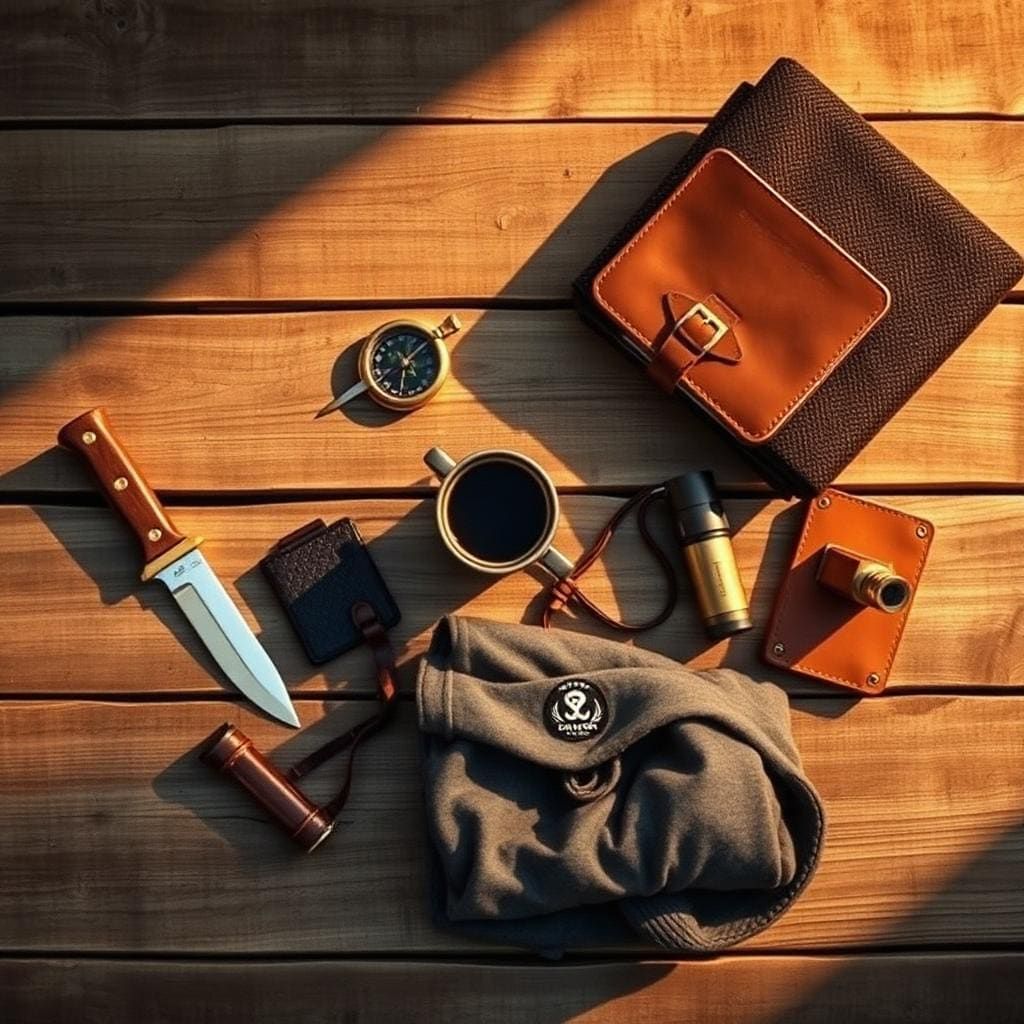
The shift to hunting larger game brings specific gear to the forefront. Essential tools for this phase include:
- Bow and Arrows/Snares: These are primary hunting implements for larger animals. A well-constructed bow and sharp arrows, or effective snare wire and knowledge of animal trails, are crucial. The quality of bow strings, fletching, and arrowheads can make or break a hunt.
- Knives/Axes: Processing a large animal is a massive undertaking. A robust, sharp knife is indispensable for skinning, butchering, and preparing meat. An axe or hatchet would assist in breaking down bone or harvesting wood for smoking/drying meat.
- Shelter Improvements: While not directly hunting gear, a warm and dry shelter is critical for energy conservation. Every calorie saved from shivering is a calorie available for hunting. Participants might be upgrading their shelters with better insulation or a more efficient firebox.
- Cordage: Beyond snares, cordage is vital for dragging large game, hanging meat to cure, or securing a temporary processing area. Strong, reliable cordage can be a game-changer in handling a major kill.
- Fire Starting Tools: A reliable method for fire is always paramount, but particularly so when processing meat. Fire allows for cooking, smoking, and drying meat, extending its shelf life and making it safer to consume.
The effectiveness of a contestant's gear choices and their proficiency in using them for large game hunting would directly correlate with their success and longevity in this episode.
Standings
No eliminations were reported in the synopsis for this episode. Therefore, the number of participants remains stable, continuing the competition as individuals push their limits in the subarctic environment. The lack of specific elimination details means the standings are effectively unchanged from the previous episode, with all active participants still in the running for the grand prize. The focus remains on their individual struggles and strategies rather than a reduction in numbers.
Bottom Line
Episode 5 of Alone Season 8 underscores a critical juncture in long-term wilderness survival: the transition from subsistence foraging to strategic hunting for significant caloric returns. As the subarctic environment exerts increasing pressure, the ability to successfully track, kill, and process large game becomes paramount. This episode likely served as a testament to the participants' adaptive skills, their resilience in the face of escalating physical and mental fatigue, and the practical application of their gear. Those who can secure substantial food sources will gain a significant advantage, potentially extending their stay by weeks or even months, while those who fail to adapt their hunting strategies face a rapidly dwindling energy reserve and increased risk of self-evacuation. The pursuit of "The Buck" is a high-stakes gamble, defining who has the capacity to endure the deepest into the season.
Build the kit you just watched
Every item below is ranked from field use — no filler, no budget picks.
- The 10 items, rankedWhat actually survives 100 days — our tested picks for every slot on the list.
- Best bushcraft axesThe axe is the highest-leverage pick in the game. Here are the ones worth the weight.
- Best bushcraft knivesEvery winner carried one. These are the fixed blades that hold up to a full season.
- What the winners carriedSeason-by-season loadout analysis of every Alone champion.