


What Happened
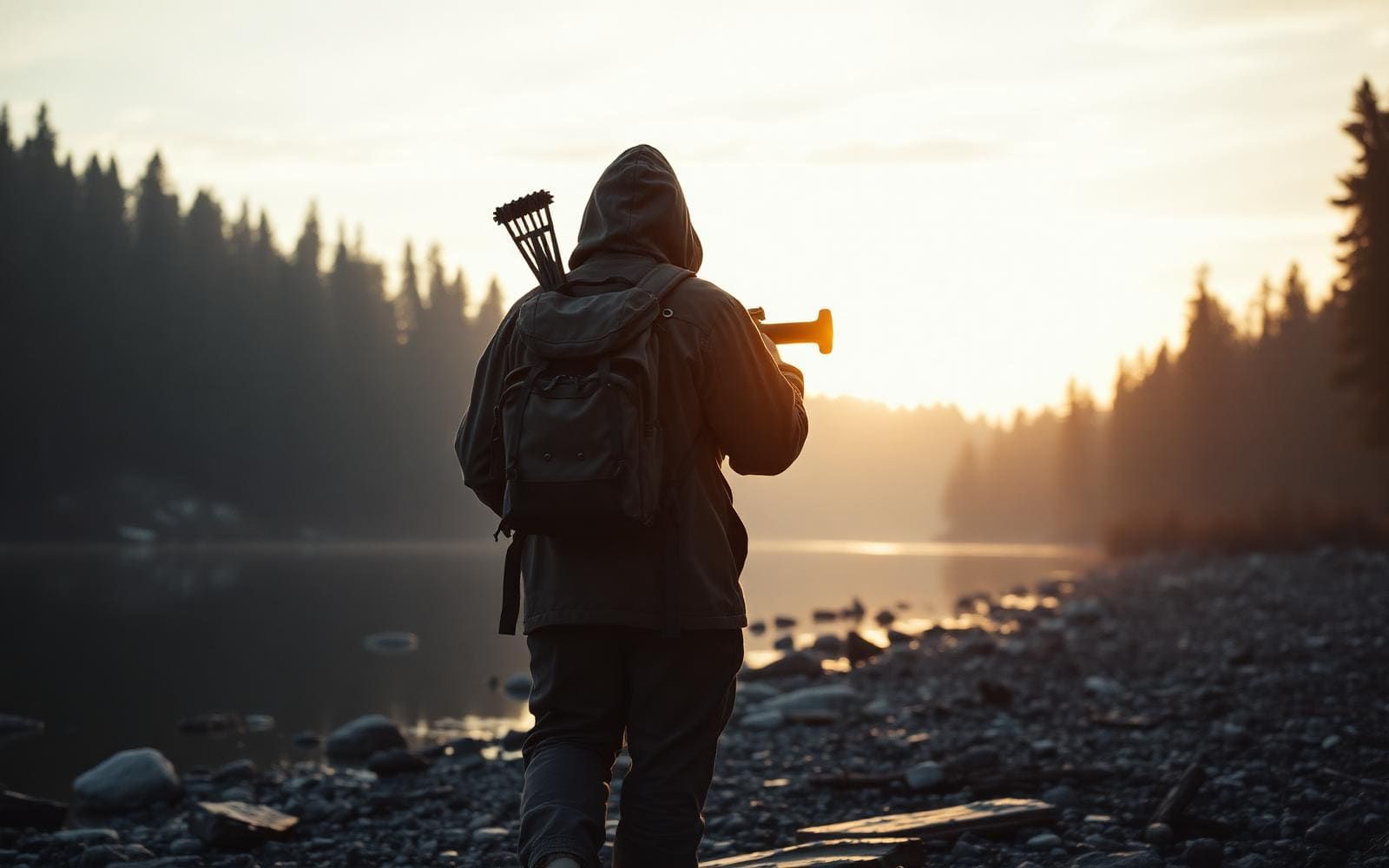
Episode 7, titled "Surrounded," saw the remaining participants continuing to grapple with the harsh realities of the British Columbia wilderness. The focus remained on the dual challenges of securing calories and managing the psychological toll of isolation. A significant development this episode was the increased frequency of wildlife encounters, adding a layer of immediate danger to an already demanding environment. The synopsis highlights 'wildlife encounters' and 'rugged mountain terrain,' suggesting that the participants' daily routines, such as foraging, setting snares, or even simply moving around their camps, were now directly impacted by the presence of large predators or other animals.
While specific events for each participant are not detailed in the provided synopsis, the general narrative indicates a heightened state of alert. Participants would have been forced to dedicate more time and energy to camp security, fire maintenance, and being aware of their surroundings. This shift in focus invariably takes away from time spent on food acquisition or shelter improvement, creating a cascading effect on their overall well-being and chances of success. The 'rugged mountain terrain' implies physical exertion is still a constant factor, wearing down bodies already struggling with caloric deficits.
Who Is Under Pressure
Given the episode's title and synopsis, every remaining participant is under significant pressure. The 'increased danger' from wildlife affects everyone. This means individuals with less robust shelters, inadequate fire management, or those who are becoming physically weaker are at a distinct disadvantage. A contestant who has not yet established a reliable food source or is struggling with the monotonous diet would be feeling this pressure acutely. Wildlife encounters not only pose a physical threat but also an immense psychological burden, leading to heightened anxiety and potentially sleep deprivation. The cumulative effect of 'extended isolation' compounds this, making critical decision-making harder.
Participants who have pushed themselves to expand their foraging or hunting range might be more prone to unexpected encounters. Conversely, those who are more sedentary due due to low energy or injury risk attracting animals to their immediate camp if they're not careful with food scraps or camp hygiene. Balancing the need for calories with the risk of encountering a predator is a constant, high-stakes calculation. Those with dwindling food stores are likely to take bigger risks, further increasing their exposure to these dangers.

Gear That Mattered
The most critical gear in an episode focused on wildlife and rugged terrain would include defensive items and tools for vigilance. A robust axe or saw would be essential for building or reinforcing shelters to deter animals and for maintaining a substantial fire, which is a primary defense against predators. Fire starters, reliable ones at that, would be paramount for safety and morale.
Binoculars or other optical aids, if chosen, would provide a crucial early warning system for spotting animals from a distance. The bow and arrows or sling chosen by some participants, while primarily for hunting, could also serve as a last-resort deterrent. Cordage remains vital for securing food caches out of reach of scavengers and for snare lines, which are often targets for larger animals. Given the 'rugged mountain terrain,' quality footwear and appropriate layers of clothing are always critical for mobility, warmth, and preventing injury, which becomes even more important when needing to react quickly to threats. Finally, a durable knife is always foundational for virtually every task, including processing game or making defensive tools.
Standings
As no eliminations or specific participant events are detailed in the synopsis, the standings of the remaining contestants are unchanged from the previous episode. The pool of survivors continues to shrink organically over time due to various factors like starvation, medical issues, or tapping out due to mental strain. The challenge for each individual now intensifies, as they must not only endure but also adapt to a more active and potentially dangerous wilderness environment. The core challenge remains: outlast the other participants by managing resources, maintaining mental fortitude, and avoiding critical errors in a landscape that offers no second chances.
Bottom Line
Episode 7, "Surrounded," underscores the escalating pressures faced by the Alone participants. The wilderness is not static; as the season progresses, environmental factors like wildlife activity become more prominent threats, alongside the chronic issues of food scarcity and psychological wear. Survival becomes a game of constant adaptation and heightened vigilance. The narrative suggests that those who can effectively integrate defensive strategies into their daily routine while still prioritizing calorie acquisition will have the best chance to continue. The mental and physical resilience of the remaining individuals is being tested in new and potentially more dangerous ways, forcing them to make critical decisions under extreme duress.
Build the kit you just watched
Every item below is ranked from field use — no filler, no budget picks.
- The 10 items, rankedWhat actually survives 100 days — our tested picks for every slot on the list.
- Best bushcraft axesThe axe is the highest-leverage pick in the game. Here are the ones worth the weight.
- Best bushcraft knivesEvery winner carried one. These are the fixed blades that hold up to a full season.
- What the winners carriedSeason-by-season loadout analysis of every Alone champion.