


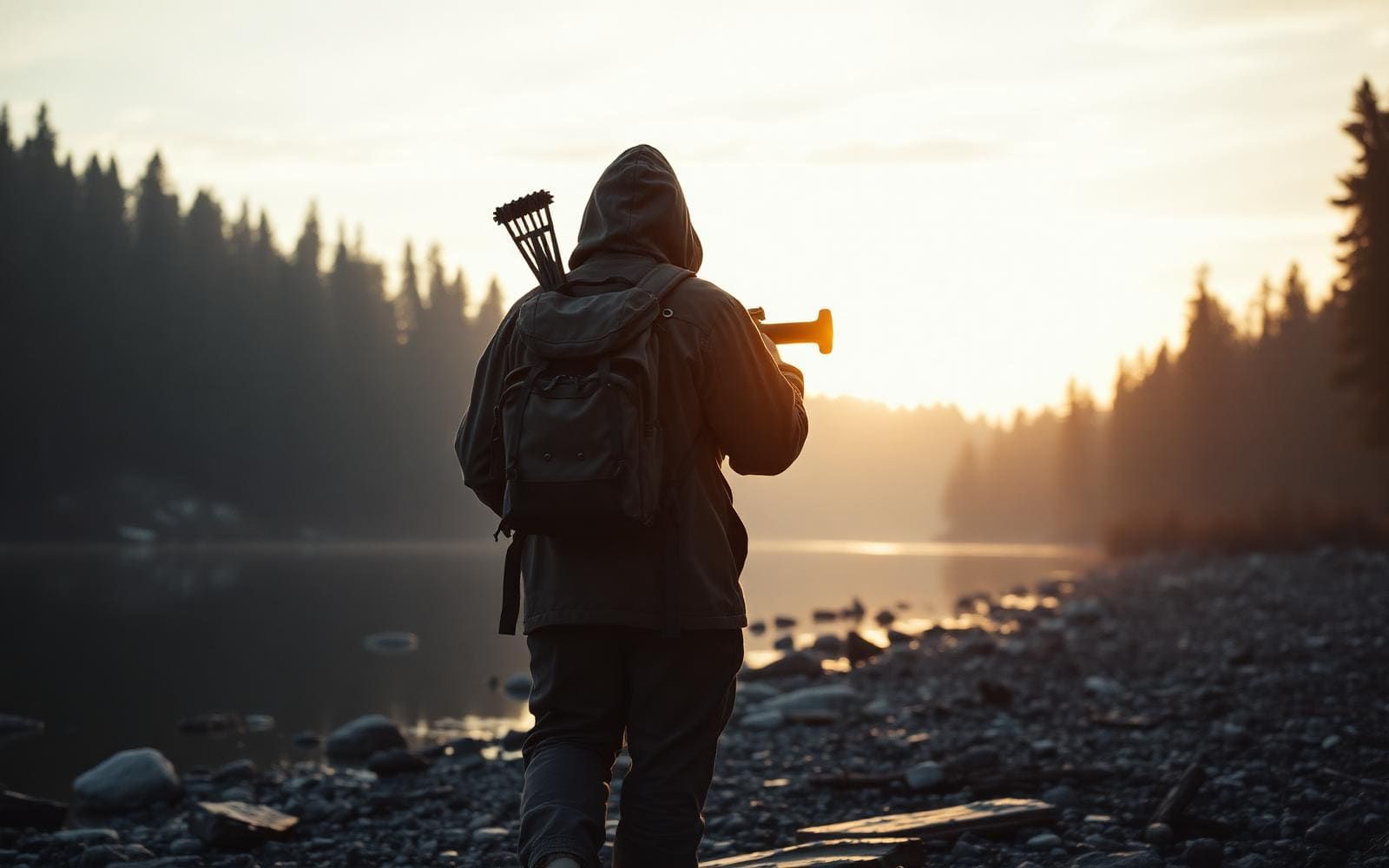
What Happened
Episode 10, titled "Winter's Grasp," underscored the critical turning point in this season of Alone: the full force of winter. The synopsis indicates the remaining contestants are battling not just hunger, but also the environmental factors that come with plummeting temperatures and increased snowfall. The focus shifts from merely finding food to actively conserving body heat, maintaining shelter integrity against harsher weather, and meticulously rationing dwindling food stores. This phase of the competition is less about proactive hunting and more about defensive survival – protecting core body temperature and preserving caloric intake until the end.
Without specific events logged, we analyze the general scenario presented. Contestants at this stage have likely refined their shelters, possibly adding insulation or reinforcing structures against wind and snow load. Food resources, which were already scarce, are now even harder to come by as animals migrate, hibernate, or become less active. Fishing may still be possible on larger bodies of water, but ice formation presents new challenges. The mental toll of constant cold and deprivation also becomes a significant factor, potentially leading to slower decision-making and reduced motivation.
Who Is Under Pressure
Every participant is under extreme pressure in this phase of the competition. The synopsis explicitly states "the encroaching winter conditions push endurance to its limits." This implies a universal struggle, but individuals who have failed to adequately prepare their shelters for sustained cold, or who have already depleted their calorie reserves through insufficient food acquisition or excessive exertion, will be feeling the pinch most acutely.
Those with less fat reserves will struggle more with thermoregulation. Anyone who hasn't secured a reliable, albeit minimal, food source will be facing rapid weight loss and reduced energy, making daily tasks like gathering firewood or maintaining shelter increasingly difficult and dangerous. The simple act of staying warm demands a constant burn of calories, further exacerbating the food crisis. Furthermore, the mental fortitude required to endure weeks of monotonous, cold, and hungry existence tests everyone, regardless of their physical state. The pressure is on anyone who has not established a sustainable routine for managing cold and hunger simultaneously.
Gear That Mattered
In these conditions, every piece of gear that aids in thermoregulation and efficient resource management becomes critical.

Shelter-building tools like a saw or axe would have been invaluable for felling timber to reinforce structures, build a substantial fire lay, or create a more robust sleeping platform to insulate from the frozen ground. A contestant with a high-quality, durable tarp or ground sheet would have a significant advantage in creating an effective vapor barrier and windbreak, both crucial for retaining heat within their shelter.
Sleeping bags rated for extreme cold are no longer a luxury but a necessity for survival through the freezing nights. A good sleeping bag minimizes metabolic energy expenditure on maintaining core body temperature during the longest, coldest hours. Supplemental insulation, perhaps sourced from natural materials like moss, leaves, or even animal hides if acquired, would also be layered within or around the sleeping system.
Fire-starting tools are paramount. A reliable ferro rod or multiple lighters ensure consistent access to fire for warmth, cooking, and boiling water to prevent hypothermia and illness. Without fire, the ability to thaw frozen resources or warm up after a cold task is severely hampered.
Finally, fishing line and hooks remain valuable. While ice fishing presents its own challenges, it might be one of the few viable methods for acquiring protein when land animals are scarce. Access to a relatively open water source or the ability to cut through ice would make this gear particularly impactful.
Standings
The information provided does not detail specific eliminations or the current number of participants remaining. The synopsis states "only a few contestants remaining," which aligns with the typical progression of an Alone season at this late stage. Without specific events, we infer that the standings remain dynamic, with each contestant's ability to withstand the cold and manage their diminishing resources determining their continued participation. The show typically reveals these standings as part of the narrative arc of each episode, often through medical checks or self-evaluation leading to a tap-out.
Bottom Line
"Winter's Grasp" is a stark reminder of the show's core challenge: human resilience against unforgiving nature. The episode's focus on "encroaching winter conditions" and "dwindling supplies" signifies a shift from active foraging and hunting to a more defensive, calorie-conservative strategy. Survival in this environment is less about impressive feats of skill and more about consistent, meticulous resource management, unwavering mental fortitude, and the ability to endure discomfort. The contestants who have prioritized robust shelter, conservative caloric expenditure, and effective thermoregulation from the outset are likely to have a significant advantage. For the others, the combination of hunger and cold will test their limits severely, potentially leading to medical intervention or self-elimination. The game at this point is a test of sheer will and a testament to the fact that sometimes, simply existing is the greatest challenge.
Build the kit you just watched
Every item below is ranked from field use — no filler, no budget picks.
- The 10 items, rankedWhat actually survives 100 days — our tested picks for every slot on the list.
- Best bushcraft axesThe axe is the highest-leverage pick in the game. Here are the ones worth the weight.
- Best bushcraft knivesEvery winner carried one. These are the fixed blades that hold up to a full season.
- What the winners carriedSeason-by-season loadout analysis of every Alone champion.