



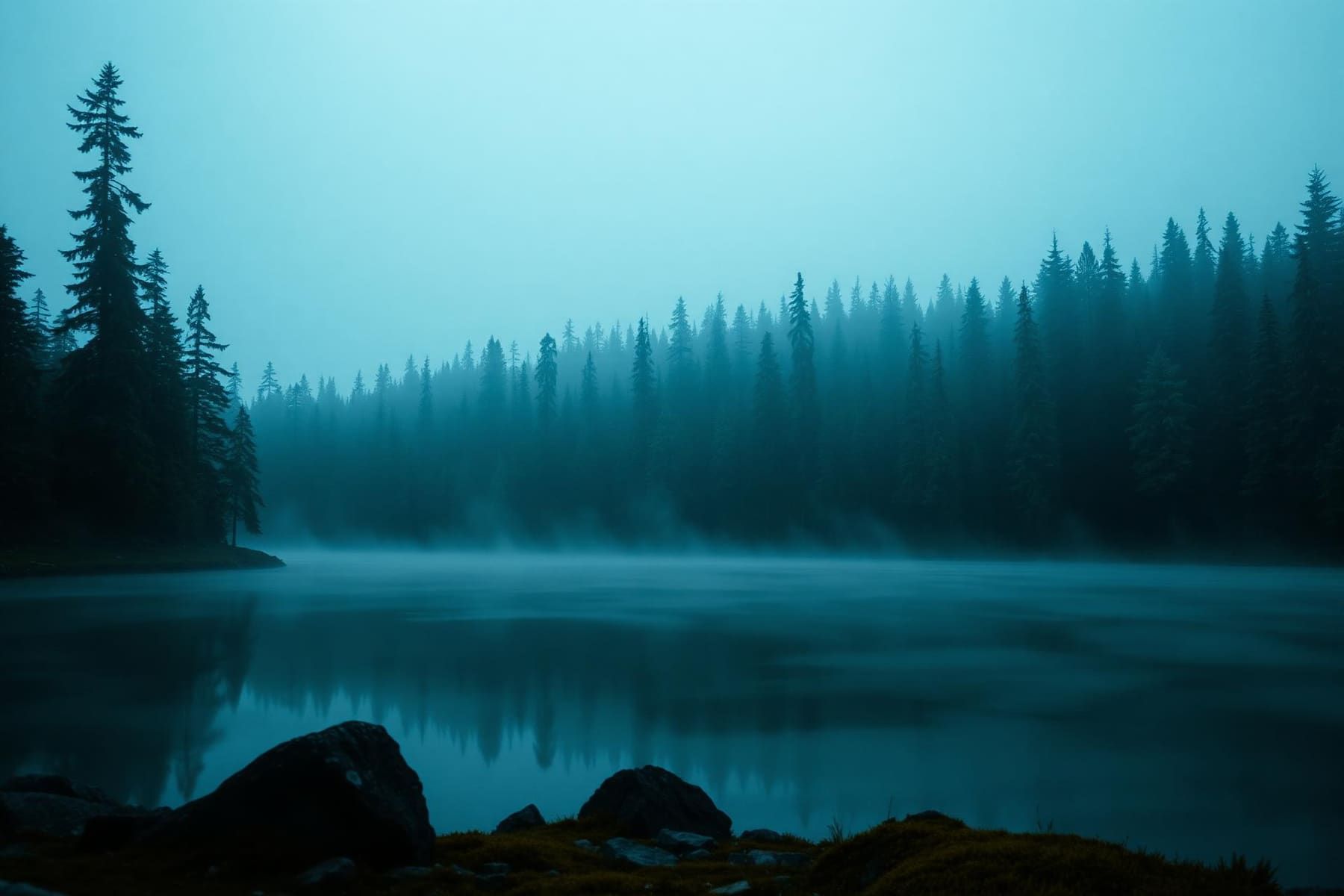
Alone Season 8 begins, setting its competitors in a new, high-elevation environment: Chilko Lake in British Columbia. This marks the first time the show has placed participants in an alpine setting, immediately introducing colder temperatures, scarce resources, and a shorter growing season compared to previous locations. The format returns to its original single-winner, last-person-standing model, putting all the pressure on long-term resilience.
What Happened
Ten new participants were dropped into the challenging terrain around Chilko Lake. The episode focused heavily on the initial scramble for shelter and the critical first efforts to secure food. The alpine environment immediately presented difficulties. The higher altitude means colder air, particularly at night, and a generally shorter period of warmer weather to forage or hunt. This necessitates an accelerated pace for establishing a robust shelter and finding reliable food sources.
Contestants quickly assessed their drop zones. Many prioritized finding suitable building materials and a defensible location. The urgency to construct a weather-tight shelter was palpable, given the likely rapid onset of colder conditions. Early efforts included building lean-tos, digging into embankments, and scouting for natural windbreaks or caves. The focus was on foundational survival: staying warm and dry, and beginning the arduous process of calorie acquisition.
Food acquisition strategies varied but universally recognized the scarcity inherent to an alpine forest. Initial efforts involved identifying local flora, setting up basic fishing lines, and scouting for game trails. The immediate priority is not to thrive, but to minimize calorie burn while simultaneously building the infrastructure for long-term survival.
Who Is Under Pressure
In this initial episode, all ten participants are under significant pressure. The alpine environment itself is the primary antagonist. The limited growing season means fewer berries, roots, and edible plants, making the initial foraging period critical before resources dwindle. The cold weather puts immediate pressure on shelter construction; a poorly insulated or leaky shelter can quickly lead to hypothermia and calorie depletion through shivering.
Those who struggled most in the opening hours were individuals who either spent too much time scouting without committing to a shelter location or those who underestimated the immediate need for a robust structure. Anyone who didn't quickly identify a water source or who misjudged the availability of suitable shelter-building materials found themselves expending critical energy early on, which is a dangerous long-term strategy. The immediate task for everyone was to get out of the elements and begin the painstaking process of accumulating calories without excessive expenditure.
Gear That Mattered
The 10-item gear list for Alone is always critical, but in an alpine setting, certain items become even more pronounced. A sleeping bag is paramount for warmth in colder nights and maintaining core body temperature, directly impacting survival time. A good pot is essential for boiling water – a non-negotiable for safety – and cooking any foraged or caught food, maximizing nutritional intake and safety.
A fishing kit was visibly important from day one. In an environment where large game might be scarce and plants limited, fish often represent a more accessible and consistent protein source, especially around a large body of water like Chilko Lake. Those with comprehensive fishing gear, including traps and various lures, were better positioned to start accumulating calories. Lastly, a knife and axe/saw are foundational tools for shelter construction, firewood processing, and any processing of food items. Without robust cutting tools, even basic shelter takes significantly more time and energy.
Standings
At the close of Episode 1, all ten participants remained in the competition. The first episode is always about the initial struggle and setting the stage, rather than immediate eliminations.
Bottom Line
Season 8's move to a high-elevation environment fundamentally alters the survival calculus. The primary takeaway from the premiere is that speed and efficiency in establishing core survival needs—shelter, water, and initial food reconnaissance—are amplified. The margin for error is narrower. Participants who approach the challenge with a high-energy, high-efficiency strategy for their initial setup, particularly concerning shelter and immediate caloric intake, are likely to weather the first few weeks best. The high-altitude setting is not just a scenic backdrop; it's a critical environmental factor that will dictate the pace and nature of this season's survival narrative.
Build the kit you just watched
Every item below is ranked from field use — no filler, no budget picks.
- The 10 items, rankedWhat actually survives 100 days — our tested picks for every slot on the list.
- Best bushcraft axesThe axe is the highest-leverage pick in the game. Here are the ones worth the weight.
- Best bushcraft knivesEvery winner carried one. These are the fixed blades that hold up to a full season.
- What the winners carriedSeason-by-season loadout analysis of every Alone champion.