


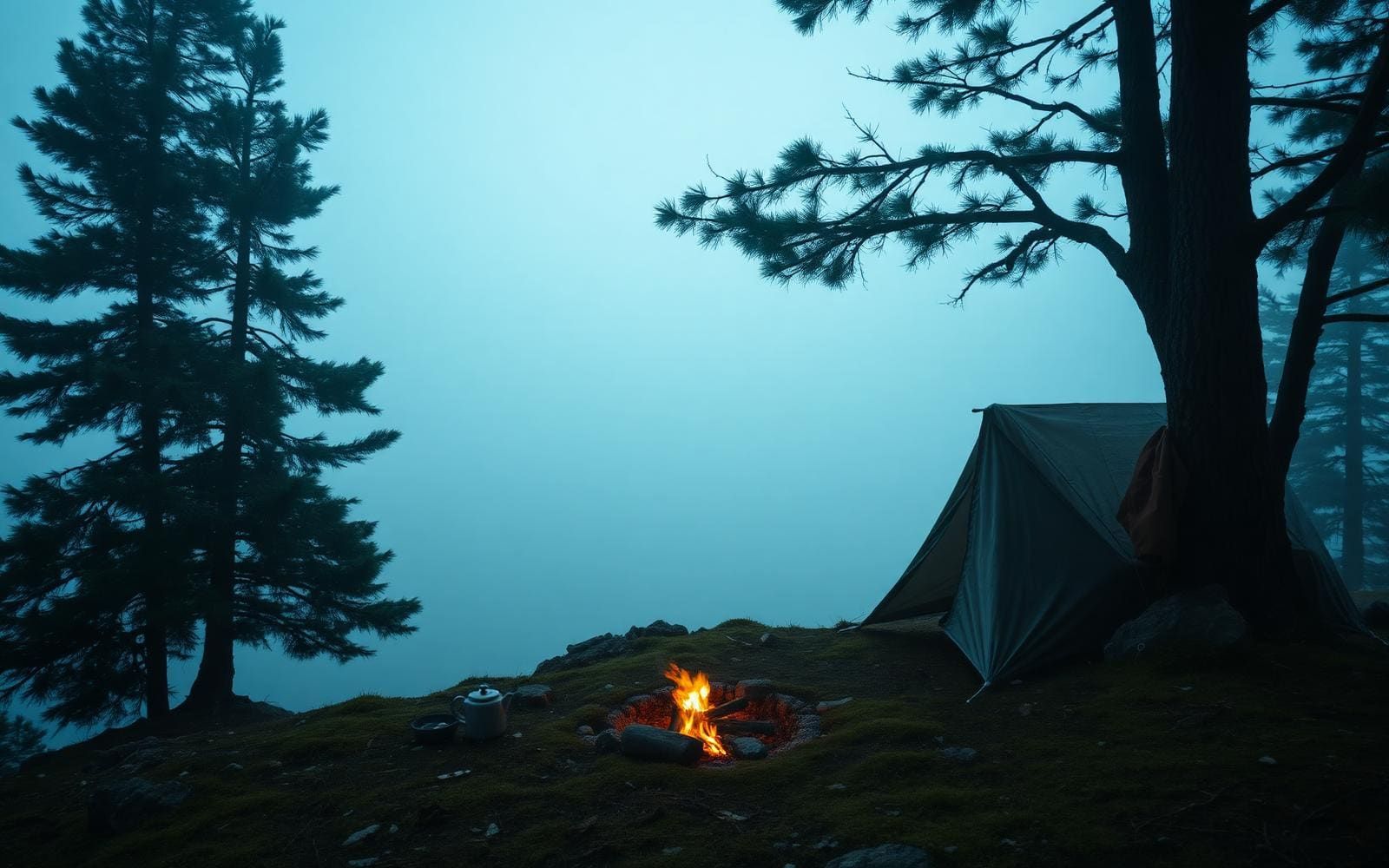
This week's episode, "The Birds," continues the trend of medical departures from Alone Season 9 on Baffin Island. As the days stretch into the mid-40s, the physical toll of the Arctic environment becomes increasingly evident, leading to two more exits.
What Happened
The episode saw a reduction in the contestant pool by two, both due to medical reasons. The Baffin Island landscape, while rich in certain resources, presents significant physical challenges that manifest in injuries and illness as the competition progresses.
Tom Garstang was medically evacuated on Day 43. His departure was due to a fall that resulted in injuries to both his back and knee. Wilderness environments, especially those with uneven terrain and harsh weather, constantly present risks of accidental injury. Even routine tasks like foraging, collecting firewood, or setting snares can become hazardous when fatigue sets in, caloric intake is low, and the body's resilience is compromised. A misstep on slippery rocks or unstable ground can lead to debilitating injuries that are impossible to self-treat in the field, making medical intervention necessary.
Just three days later, on Day 46, Jessie Krebs was also medically evacuated. Her evacuation stemmed from stomach inflammation. Digestive issues are a common concern in survival scenarios. A sudden change in diet, exposure to unfamiliar bacteria from untreated water or improperly cooked wild foods, or even the stress of the environment can all contribute to gastrointestinal distress. Without access to sterile environments, proper diagnostics, or medications, stomach inflammation can quickly become serious, impacting nutrient absorption and leading to dehydration and weakness, critical factors in a survival setting.
Who is Under Pressure
With two medical evacuations in a single episode, the pressure is on everyone still in the game. These departures highlight the constant physical and internal health monitoring required by each participant. The narrative around resource acquisition shifts slightly when the primary threat becomes internal body failure or accidental injury rather than solely starvation. Contestants are not only battling hunger and cold but also the insidious wear and tear on their bodies and immune systems.
Those who are maintaining their health, physically and mentally, are demonstrating critical long-term survival skills. Their ability to manage stress, ensure water is purified, and process any wild foods safely becomes paramount. Any participant neglecting self-care in favor of pure production, such as hunting or shelter building, risks ending up in a similar situation.
Gear That Mattered
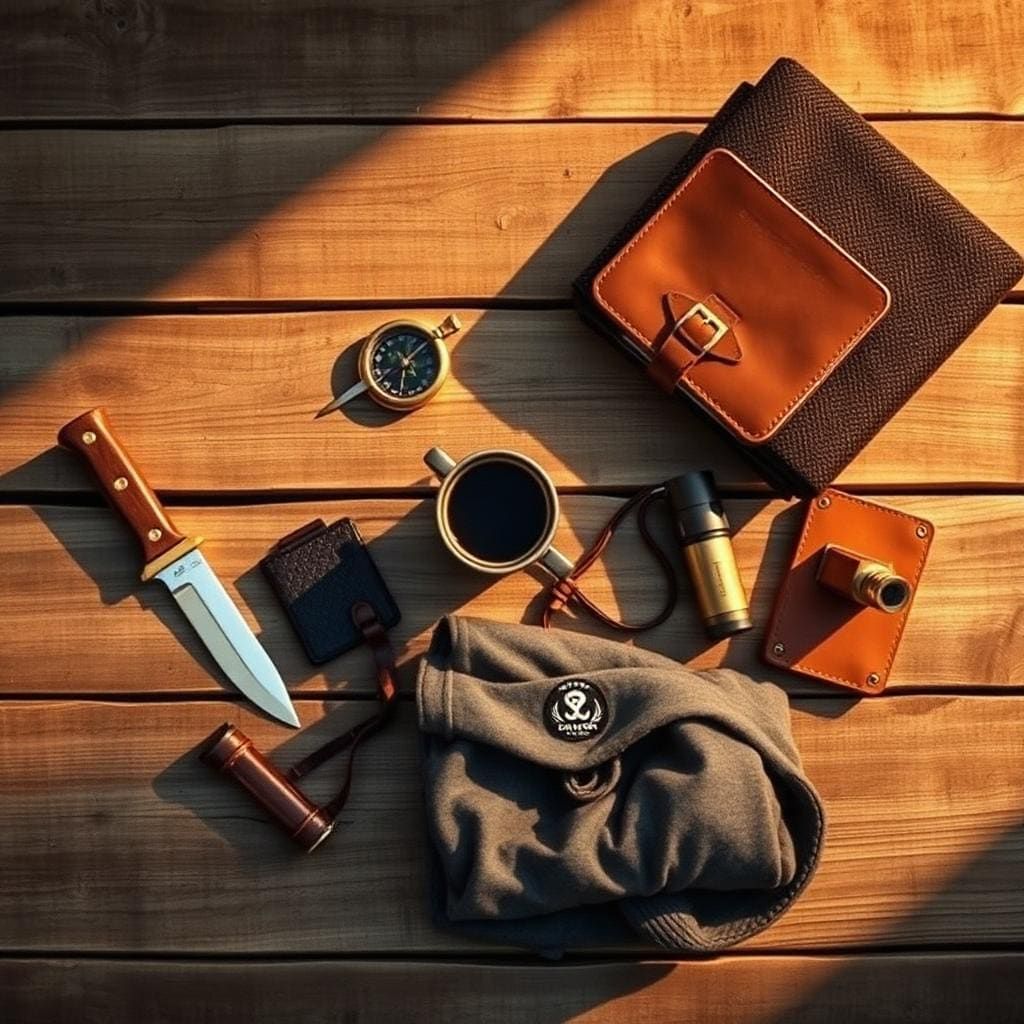
While specific gear details were not provided for the evacuations, the circumstances point to the general importance of several categories of equipment in mitigating risks:
- Shelter and Sleep Systems: An effective shelter and insulated sleep system are crucial for recovery and maintaining core body temperature, both of which are vital for overall bodily resilience. Hypothermia or even chronic cold stress can weaken the immune system and impair judgment, increasing injury risk and exacerbating illness.
- Water Purification: Given Jessie's stomach inflammation, reliable water purification gear – be it a filter, chemical tablets, or metal pot for boiling – is always a top priority. Contaminated water is a swift route to illness in the wilderness.
- Footwear and Outerwear: For Tom's fall, proper footwear with good ankle support and sturdy traction could potentially prevent some slips, though falls can happen to anyone. Durable, layered outerwear provides protection from the elements, reducing fatigue and allowing for safer movement through challenging terrain.
- First Aid Kit: Although contestants are not allowed extensive medical supplies, a basic first aid kit for minor injuries and wound care is essential. For more serious incidents like Tom's, it's about making the best of the situation until medical teams can arrive.
These events underscore that even the best gear cannot entirely prevent accidents or illness in an extreme environment, but appropriate choices can reduce the likelihood and severity of problems.
Standings
- Eliminated (Day 43): Tom Garstang (Medical: back and knee injury from fall)
- Eliminated (Day 46): Jessie Krebs (Medical: stomach inflammation)
The specific number of remaining contestants was not detailed in the provided information, but the field continues to shrink, emphasizing the intense difficulty of Alone Season 9.
Bottom Line
Episode 7 serves as a stark reminder of the non-starvation risks prevalent on Baffin Island. Injuries from falls and gastrointestinal issues are common wilderness ailments that can quickly end a survival attempt, regardless of a contestant's skill or resourcefulness. As the days grow longer, the cumulative effects of cold, inadequate nutrition, and constant physical exertion make participants more susceptible to both accident and illness. Surviving Alone isn't just about finding food; it's about maintaining physical integrity and internal health against a constantly challenging backdrop.
Build the kit you just watched
Every item below is ranked from field use — no filler, no budget picks.
- The 10 items, rankedWhat actually survives 100 days — our tested picks for every slot on the list.
- Best bushcraft axesThe axe is the highest-leverage pick in the game. Here are the ones worth the weight.
- Best bushcraft knivesEvery winner carried one. These are the fixed blades that hold up to a full season.
- What the winners carriedSeason-by-season loadout analysis of every Alone champion.