


What Happened
Episode 5, titled "The Land Giveth," focuses on the enduring efforts of the remaining contestants as they navigate the Labrador wilderness. With roughly half the initial field still active, the primary challenge shifted from initial setup to long-term sustainability. Contestants were observed refining their shelters, moving beyond basic protection to more robust structures designed for extended stay. This often involved improvements to insulation, weatherproofing, and internal living space. A significant emphasis was placed on food preservation techniques, an acknowledgment that immediate consumption of calories is insufficient for long-term survival in a nutrient-scarce environment. The changing weather patterns of Labrador continued to exert pressure, forcing adaptive responses in both shelter design and foraging/hunting strategies. The narrative also highlighted the increasing psychological and emotional burden of sustained isolation, a common inflection point in the Alone competition where mental resilience becomes as critical as physical prowess.
Who Is Under Pressure
At this stage, every participant is under continuous pressure, but the nature of that pressure evolves. Those who have not yet secured a substantial food cache or developed effective, consistent foraging/hunting routines are facing significant calorie deficits. This manifests as physical weakening and a decline in decision-making capacity. Similarly, individuals whose shelters are still rudimentary are at a disadvantage as the weather fluctuates. A poorly insulated or leaky shelter demands more energy for thermoregulation and provides less psychological comfort. The emotional toll of isolation becomes a palpable factor. Without external stimuli or human interaction, contestants must actively manage their mental state. Those who struggle with this internal battle, perhaps through rumination or a loss of purpose, are inherently more vulnerable, regardless of their physical condition or gear. The cumulative effect of physical hardship, dietary limitations, and solitude pushes everyone to their limits, but those lagging in food security or mental fortitude are at the highest risk.
Gear That Mattered
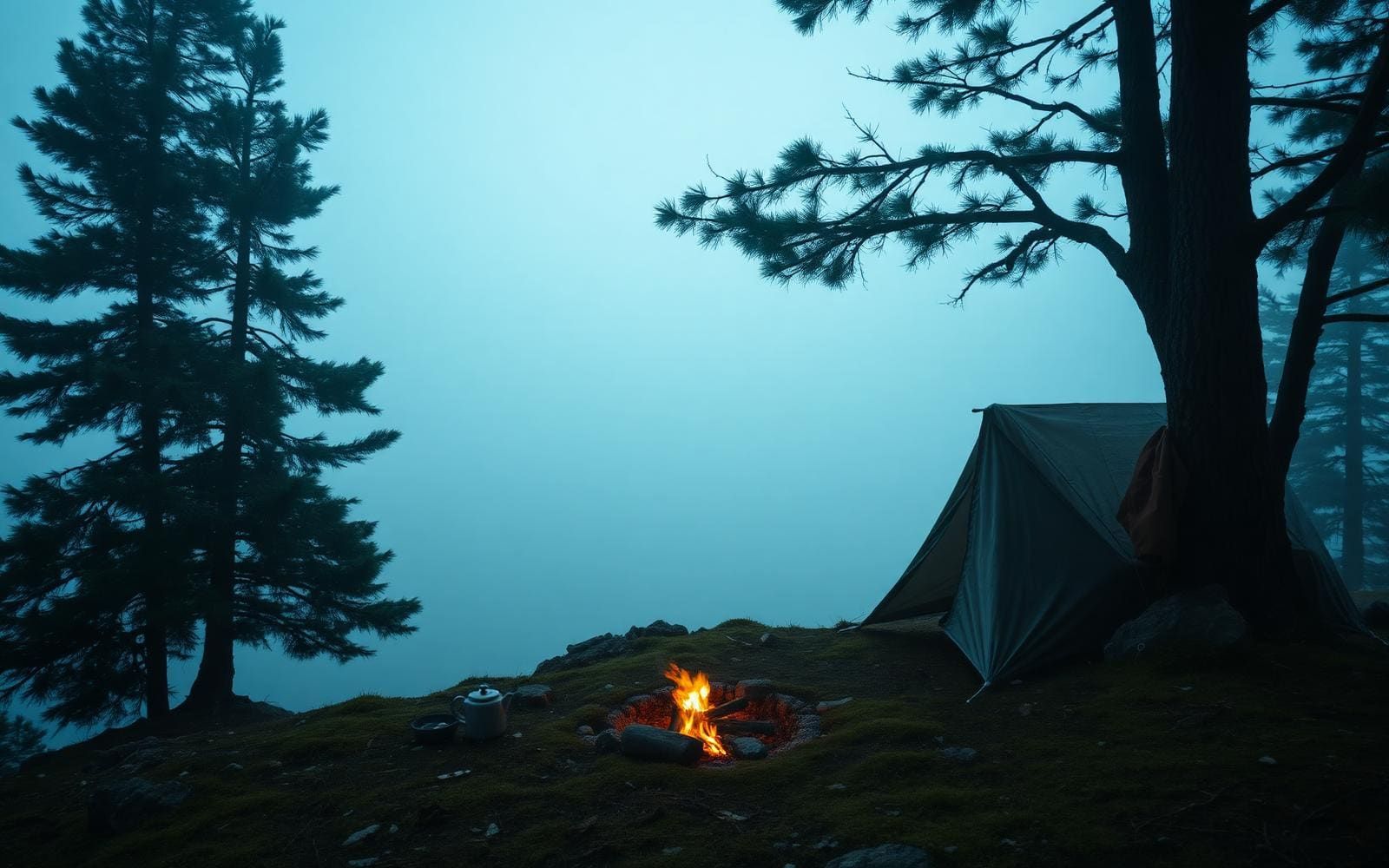
In this phase of the competition, gear choices that facilitate both long-term habitation and resource acquisition are paramount. Tools for shelter improvement – an axe or saw for felling and processing timber, a reliable knife for finer work – become indispensable. Contestants with robust tarps or even durable garbage bags for vapor barriers would be better positioned to create dry, warmer shelters. For food preservation, items like fishing line and hooks are crucial for securing protein, while knowledge of curing or smoking techniques leverages any catches. A quality pot or pan is essential for cooking, boiling water, and rendering fat, maximizing the caloric intake from food sources. Fire-starting implements remain critical, not just for warmth and cooking, but for psychological comfort and water purification. Beyond the practical, items that offer mental stimulation, such as a journal or a book, or even a simple piece of cordage for knot-tying practice, can act as vital pressure valves against the grind of isolation.
Standings
With no explicit eliminations detailed in this synopsis, the standings remain a relative assessment of who appears most sustainable. The field has been reduced by roughly half, implying that those remaining have, to varying degrees, demonstrated a foundational capacity for survival. The key differentiators at this point are the efficiency of their food acquisition, the robustness of their shelter, and their apparent mental fortitude. Contestants who have successfully established a balanced routine of foraging/hunting, shelter maintenance, and internal reflection are effectively 'leading' the competition, even if their specific standing isn't explicitly ranked. Conversely, those struggling with consistent food procurement or showing signs of mental fatigue are likely positioned at the lower end of the current competitive spectrum, regardless of their physical presence in the wilderness.
Bottom Line
Episode 5 underscores the transition from initial survival to long-term endurance. The Land Giveth and it can also take away; sustained success hinges on a contestant's ability to adapt to constant environmental shifts and the mounting internal pressures of isolation. Shelter refinement and effective food preservation are not merely tasks but critical pillars of a sustainable existence in Labrador. Those who innovate and plan for the long haul, both physically and mentally, are the ones positioned to continue in the competition. The episode serves as a reminder that Alone is as much a test of mental resilience as it is of bushcraft skill.
Build the kit you just watched
Every item below is ranked from field use — no filler, no budget picks.
- The 10 items, rankedWhat actually survives 100 days — our tested picks for every slot on the list.
- Best bushcraft axesThe axe is the highest-leverage pick in the game. Here are the ones worth the weight.
- Best bushcraft knivesEvery winner carried one. These are the fixed blades that hold up to a full season.
- What the winners carriedSeason-by-season loadout analysis of every Alone champion.