


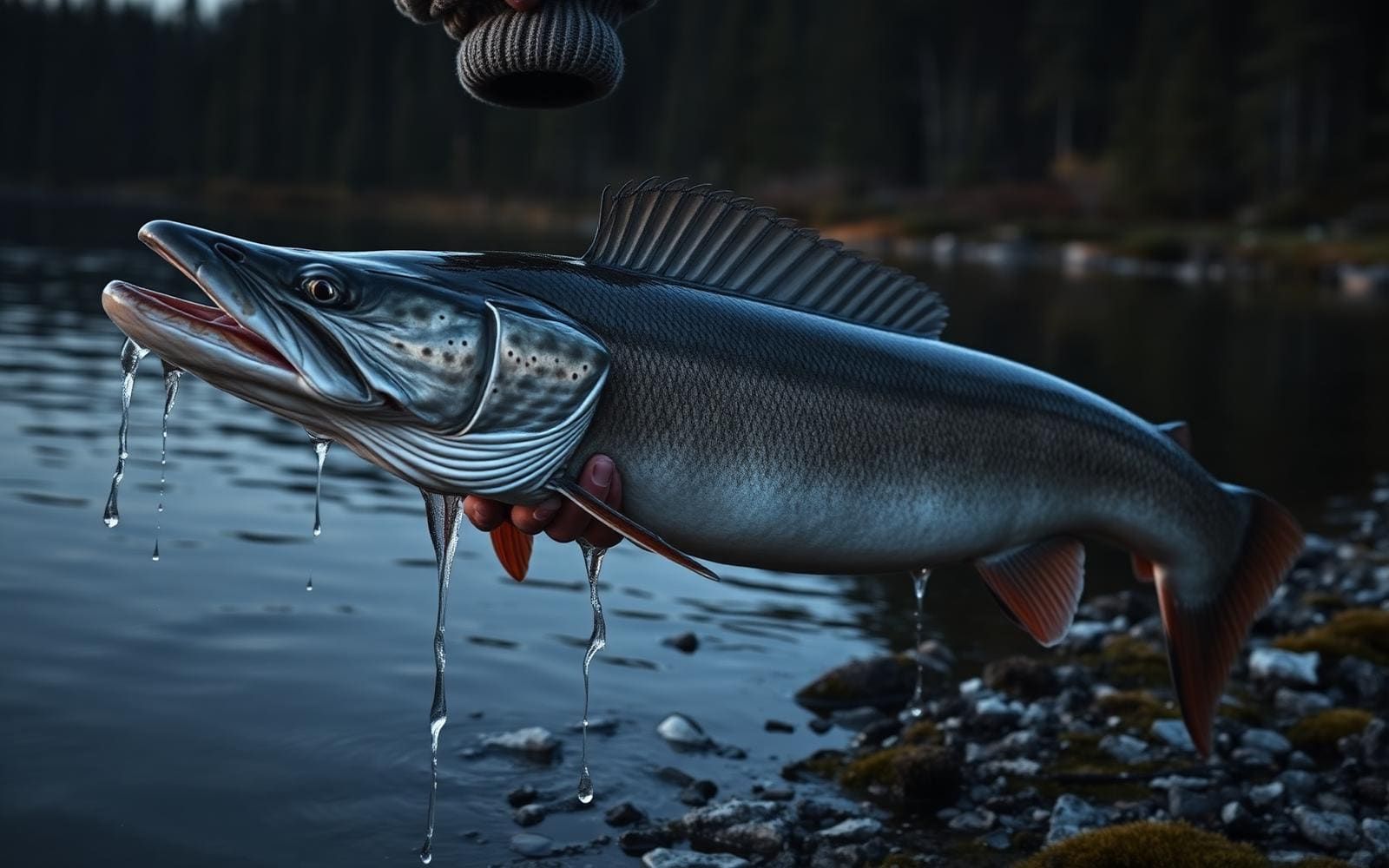
An Alone Season 10 practice plan should translate observation into safer recreational competence, not reproduce the competition. The season's broad themes—northern lake conditions, late-season weather, fishing strategy, and cumulative fatigue—can be broken into short drills with normal food, communication, and exit options.
Practice answer: Pick one system, define a safe outcome, use the exact gear from ordinary trips, add only one controlled complication, and finish with a written review. Never use starvation, dangerous cold, wildlife proximity, or isolation as training variables.
The rule for translating television into practice
Copy the decision problem, not the danger. If a season highlights wet shelter, practice keeping sleep insulation dry during a rainy setup near home. If it highlights food pressure, practice meal organization and energy budgeting with adequate food. If it highlights tool mistakes, work with an instructor while rested and warm—not while hungry and impaired.
Three season-specific drills
Make a shore-based no-launch decision
From a safe public access, compare the forecast with observed wind, waves, temperature, visibility, and exit options. Without launching, state the threshold that would cancel the trip and identify a land-based alternative. Confirm the decision with the least experienced group member.
Use a cumulative-fatigue checklist
At morning and afternoon, rate sleep, warmth, hand function, balance, hydration, mood, and task errors. Establish a rule that multiple yellow ratings cancel tool work, paddling, or remote travel. The exercise trains action on trends rather than waiting for collapse.
Plan a fishing day with a hard stop
Create a lawful fishing plan that includes travel time, weather checks, food, warm layers, communication, and a fixed return. Add a no-catch outcome and show that dinner and shelter remain secure. The hard stop does not move because activity finally becomes promising.
A season-specific decision scenario
The lake appears briefly calmer late in the day after earlier wind. The group is tired and the return would cross cold water near dusk. The decision drill rewards maintaining the no-launch threshold despite improved appearance, because time, fatigue, and rescue margin have not improved.
A five-session progression
Session 1: Baseline setup
Select one shelter, fire, water, camp, navigation, or communication system. Complete it slowly from packed state and write every missing item, awkward motion, and unclear decision. The baseline is evidence, not a performance.
Session 2: Repeat without prompts
Use the same equipment and conditions. Keep every safety check but remove the written sequence. If a step disappears, restore it before adding difficulty. Reliability is more valuable than novelty.
Session 3: Add weather or low light
Choose one mild complication—light rain, moderate wind, gloves, or early evening. Stay close to shelter and help. Stop when the complication changes from useful feedback to actual exposure.

Session 4: Combine two ordinary systems
Pair shelter with dry-gear management, camp cooking with food storage, navigation with a turnaround time, or paddling with a float plan. Observe whether one system blocks access to another.
Session 5: Run the decision drill
Have a partner introduce a realistic change: a failed item, earlier sunset, closed route, rising wind, or a tired group member. The success condition is an early safe modification, not finishing the original task at any cost.
A season-specific review prompt
After each session, ask how northern lake conditions, late-season weather, fishing strategy, and cumulative fatigue changed the order of priorities. Write one example in which stopping, simplifying, or using normal modern gear made the real-world decision safer than an Alone-style continuation.
What never belongs in the drill
Do not withhold food or water, expose someone to dangerous heat or cold, enter moving water, create a wildlife encounter, handle tools while impaired, evade land rules, disable communication, or hide the plan from a responsible contact. High-consequence skills require qualified instruction.
Frequently asked questions
How should I train after watching Alone Season 10?
Choose one low-consequence system—shelter setup, fire preparation where legal, water treatment, camp organization, or emergency communication—and repeat it with ordinary trip gear. Do not recreate starvation, isolation, unsafe tool use, wildlife proximity, or medical risk.
How long should an Alone-inspired practice session last?
Thirty to ninety minutes is enough for a focused skill session. Stop before cold, heat, fatigue, darkness, or frustration begins to reward bad repetitions. Overnight tests should remain close to an easy exit and use normal safety equipment.
What should a reviewer add before this article is published?
Add one carefully paraphrased, episode-specific example with source verification; one original field observation from a qualified outdoor practitioner; and a clear explanation of how real recreational safety differs from the program format.
Final takeaway
Alone Season 10 can be a useful prompt for outdoor learning when the article separates observation from instruction. Add original expert experience, verify episode-specific references through official sources, and keep the recreational translation safer than the television challenge.
Sources and further reading
- Alone — Official Series Page — HISTORY
- Alone Gear List — HISTORY
- Interview with Alone survival and safety consultant — HISTORY
- Alone Season 10 — official page — HISTORY
Independent editorial commentary. Wild10Basecamp is not affiliated with, endorsed by, or sponsored by HISTORY, A+E Networks, ITV, Leftfield Pictures, or the producers or participants of Alone. All trademarks belong to their owners.
Safety note: A television survival format is not a training program. Practice skills legally and under controlled conditions, obtain hands-on instruction, and do not imitate high-risk actions shown on screen.
Build the kit you just watched
Every item below is ranked from field use — no filler, no budget picks.
- The 10 items, rankedWhat actually survives 100 days — our tested picks for every slot on the list.
- Best bushcraft axesThe axe is the highest-leverage pick in the game. Here are the ones worth the weight.
- Best bushcraft knivesEvery winner carried one. These are the fixed blades that hold up to a full season.
- What the winners carriedSeason-by-season loadout analysis of every Alone champion.