


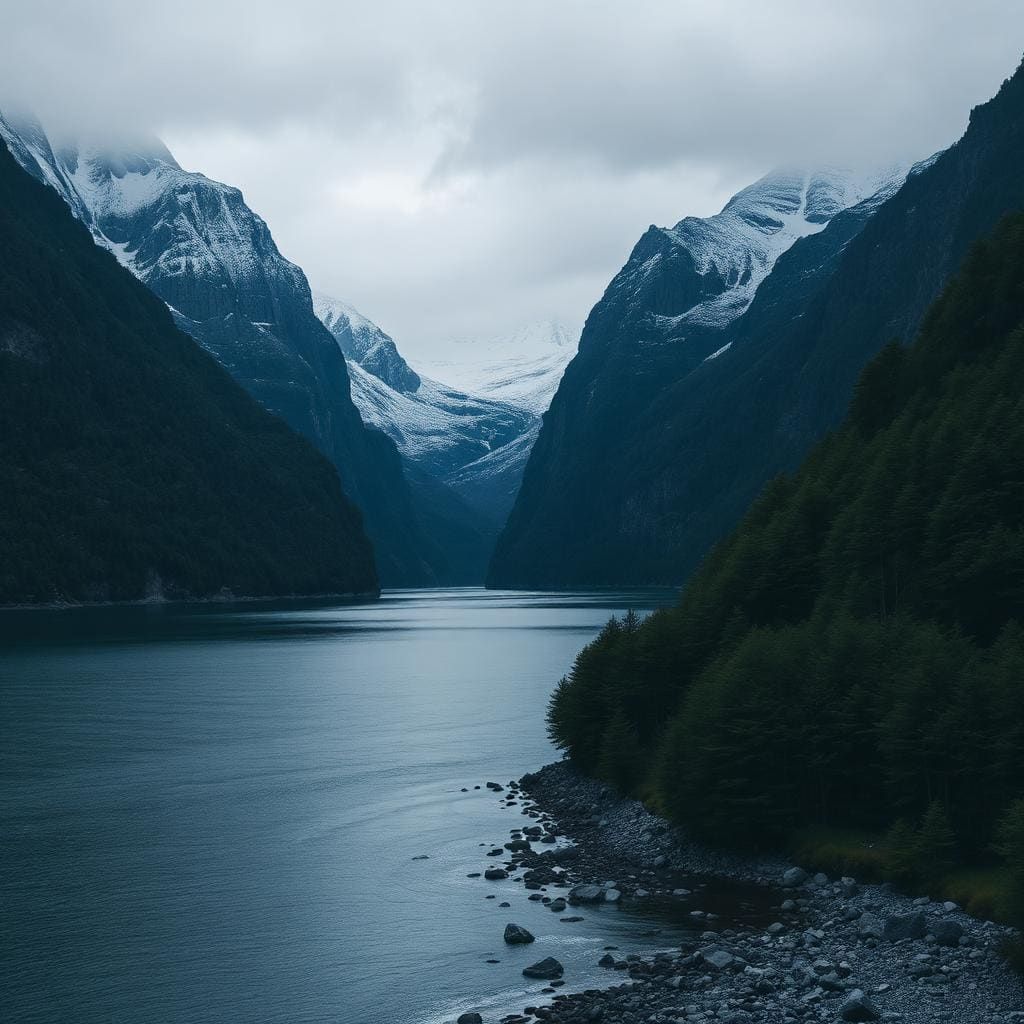
For many, the Boundary Waters Canoe Area Wilderness (BWCAW) represents the pinnacle of North American wilderness paddling. Its vast network of interconnected lakes and rivers, ancient forests, and abundant wildlife offer an unparalleled experience. But for first-timers, the sheer scope of planning can feel daunting. This blueprint will help you navigate the essentials.
Securing Your Permit: The First Paddle Stroke
Entry into the BWCAW is controlled by a permit system, designed to protect the wilderness character. This is your first and most critical step.
- Entry Points and Dates: Decide where and when you want to go. Popular entry points and peak season dates (typically June-August) book up quickly. Consider shoulder seasons (May, September, October) for fewer crowds and, often, fewer bugs.
- Reservation System: Permits are reserved through Recreation.gov. You'll need to select an entry point, entry date, and group size. Be prepared with a few alternative dates and entry points.
- Quota Limits: Each entry point has a daily quota for overnight visitors. Once filled, no more permits are issued for that day and entry point.
- Permit Holder: One adult (18 or older) in your group must be designated as the permit holder and must be present with the group for the entire trip.
Essential Gear: Packing Smart and Light
The BWCAW is a self-supported wilderness. Every item you bring must be carried in your canoe and portaged between lakes. Minimalism is key.
- Canoe and Paddles: Rent or own, ensure they are appropriate for wilderness tripping. Bring a spare paddle for every two canoes.
- PFDs (Personal Flotation Devices): Required by law. Wear them.
- Packs: Portaging packs designed for canoe trips (heavy-duty, comfortable shoulder straps, and good hip belts) are invaluable. Duluth Packs are a classic for a reason.
- Shelter: Tent(s) or tarp(s) suitable for your group size and conditions. A good quality rainfly is non-negotiable.
- Sleeping System: Sleeping bags rated for expected overnight lows, sleeping pads for insulation and comfort.
- Cooking System: Camp stove, fuel, pots, pan, utensils. Open fires are allowed when conditions permit, but a stove is more reliable.
- Water Treatment: Filter, pump, or chemical treatment. Never drink untreated lake water.
- Navigation: Topographic maps (waterproofed), compass, and GPS device (with spare batteries). Know how to use them all.
- First-Aid Kit: Comprehensive and easily accessible. Include blister treatment, pain relievers, and any personal medications.
- Safety Gear: Whistle, rescue rope, repair kit for canoe/gear.
- Personal Items: Headlamp/flashlight, raingear, appropriate layers of clothing (no cotton!), sun protection (hat, sunglasses, sunscreen), insect repellent.
- Food: Non-perishable, high-energy foods that don't require refrigeration. Plan meals carefully to minimize waste.
Navigation and Route Planning: Knowing Your Way
While the BWCAW feels wild, many of its routes are well-traveled. Still, navigation demands attention.
- Maps are Essential: USGS topographic maps or Voyageur Maps are the standard. Learn to read them and identify portages, campsites, and depth changes.
- Compass Skills: Understand declination and how to take a bearing. A compass is your reliable backup if electronics fail.
- Portages: These are the footpaths connecting lakes, where you carry your canoe and gear. They vary in length and difficulty. Expect mud, roots, and rocks. Take your time.
- Campsites: Designated campsites are marked on maps. They often include a fire grate and a latrine (outhouse). First-come, first-served.
Leave No Trace: Protecting the Wilderness
The principles of Leave No Trace are paramount in the BWCAW. Your actions directly impact the preservation of this unique ecosystem.
- Plan Ahead and Prepare: Research your route, know regulations, pack appropriate gear.
- Travel and Camp on Durable Surfaces: Stick to designated campsites and portages. Avoid trampling vegetation.
- Dispose of Waste Properly: Pack it in, pack it out—ALL garbage, including food scraps. Use latrines or dig catholes at least 200 feet from water, trails, and campsites.
- Leave What You Find: Do not disturb cultural or natural features. Leave rocks, plants, and other natural objects as you find them.
- Minimize Campfire Impacts: Use established fire grates. Keep fires small. Burn only dead and downed wood. Extinguish thoroughly.
- Respect Wildlife: Observe from a distance. Never feed animals. Store food and scented items in bear-resistant containers or hung properly.
- Be Considerate of Other Visitors: Camp away from others. Keep noise levels down. Preserve the solitude.
Your first Boundary Waters trip requires diligent planning, but the rewards—the quiet solitude, the call of a loon, the challenge of a portage, and the camaraderie of your group—are immeasurable. Embrace the challenge, respect the wilderness, and you'll forge memories that last a lifetime.