


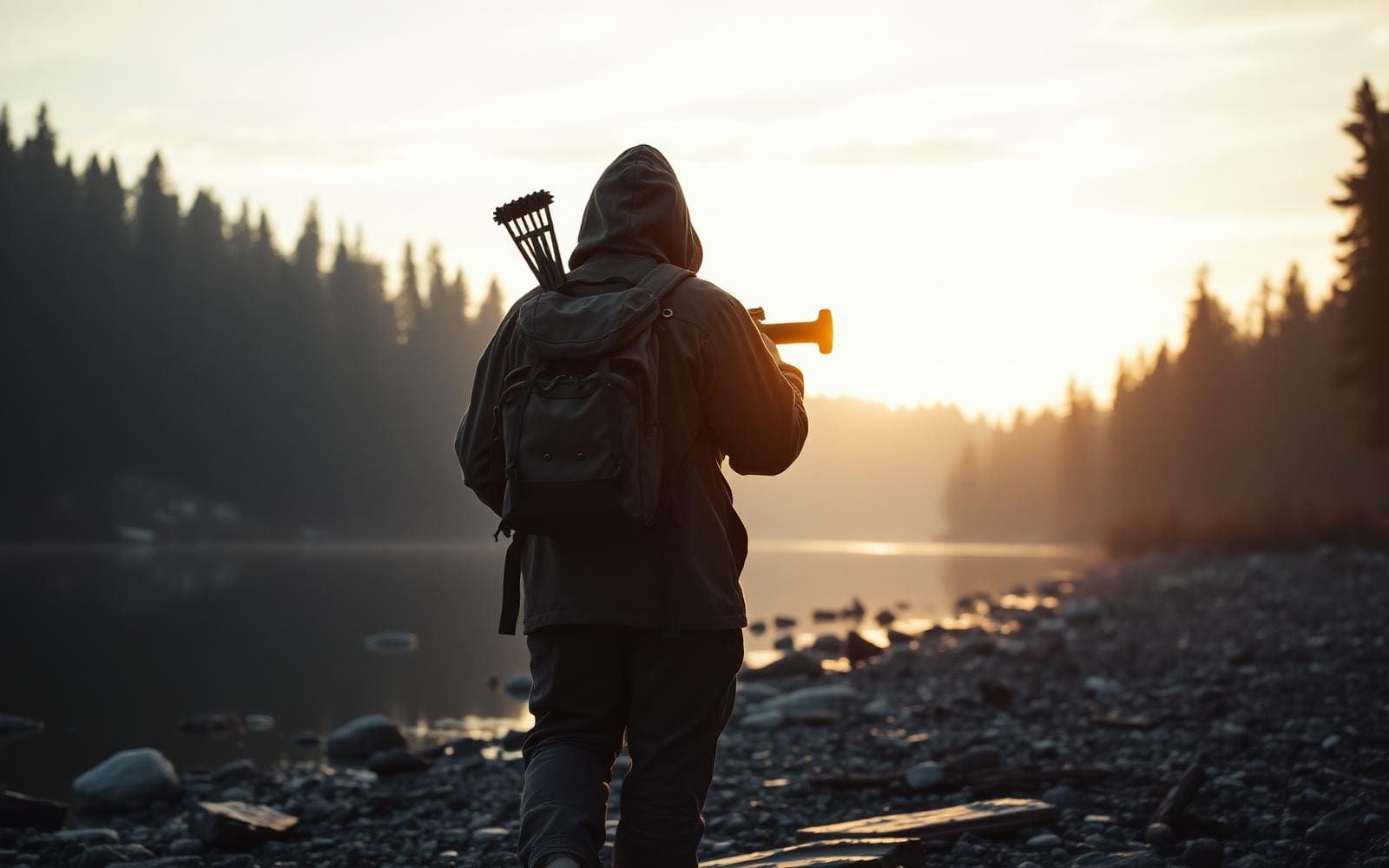
An ethical hunting shot begins with absolute target identification, legal status, a safe background, an unobstructed path, a stable position, and a high probability of rapid recovery. Range is only one variable. Wind, angle, animal posture, equipment, shooter condition, fading light, and nearby property can turn a practiced distance into an irresponsible one.
Identify the target and beyond it
Know the species, sex or age class where relevant, tag eligibility, and whether another animal overlaps the target. See the entire animal and the background. Do not shoot at sound, movement, color, or a partial silhouette. Be certain where the projectile or arrow can travel after a pass-through, miss, deflection, or ricochet.
Use demonstrated personal range
Establish a maximum distance through repeated practice from realistic field positions, in relevant clothing, with time pressure and variable conditions. Reduce that distance for wind, low light, poor rest, steep angle, unstable footing, moving animals, or limited recovery visibility. Technology can measure range; it cannot manufacture steadiness.
Wait for a responsible angle and behavior
Use species- and equipment-specific anatomy education from qualified hunter programs. Avoid shots where angle, obstruction, movement, or uncertainty reduces the likelihood of reaching vital organs and recovering the animal. Do not force a shot because the opportunity may be the last. The animal’s position can improve; a released projectile cannot be recalled.
Plan the recovery before taking the shot
Ask where the animal may travel, whether the terrain is accessible, how daylight and weather will affect sign, and whether legal property access exists. Mark the shooting location and last seen point. If recovery would be unsafe or impossible, do not shoot. Ethical range ends where reliable recovery ends.
Pre-shot gate
| Question | Required answer |
|---|---|
| Is the target legal and positively identified? | Yes |
| Is the background safe? | Yes, including miss and pass-through paths |
| Is the path clear? | Yes |
| Is the position stable and within personal range? | Yes |
| Can recovery be conducted safely and legally? | Yes |
Common mistakes to avoid
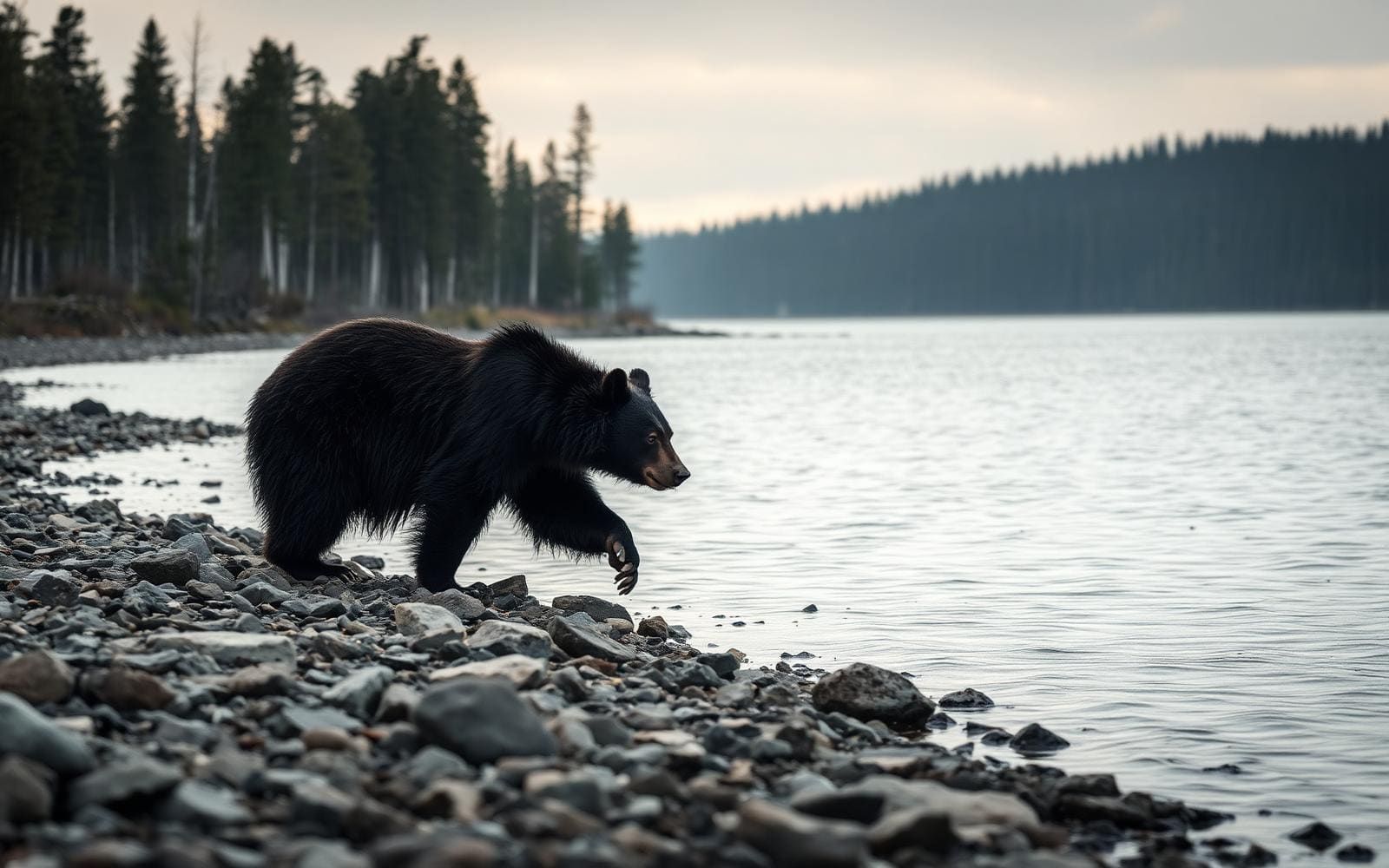
- Using equipment maximum as personal maximum: Ballistic capability is not field accuracy.
- Rushing because the animal may leave: Urgency does not improve certainty.
- Ignoring property and terrain beyond the animal: Recovery and projectile travel continue after the shot.
Field checklist
- Confirm target and legal status
- Confirm safe background
- Use a stable supported position
- Stay inside demonstrated limits
- Visualize recovery before acting
Frequently asked questions
What is an ethical maximum range?
It is individual and condition-specific, based on repeatable accuracy, target size, equipment, environment, and recovery probability.
Should a hunter take a moving shot?
Moving targets sharply increase uncertainty. Many responsible hunters decline unless highly trained, conditions are controlled, and the shot is legal and appropriate.
What if the angle is uncertain?
Wait or do not shoot. Uncertainty is the decision.
Final word
The most important hunting skill is the ability to keep the safety on or the bow undrawn. No animal owes the hunter an opportunity.