


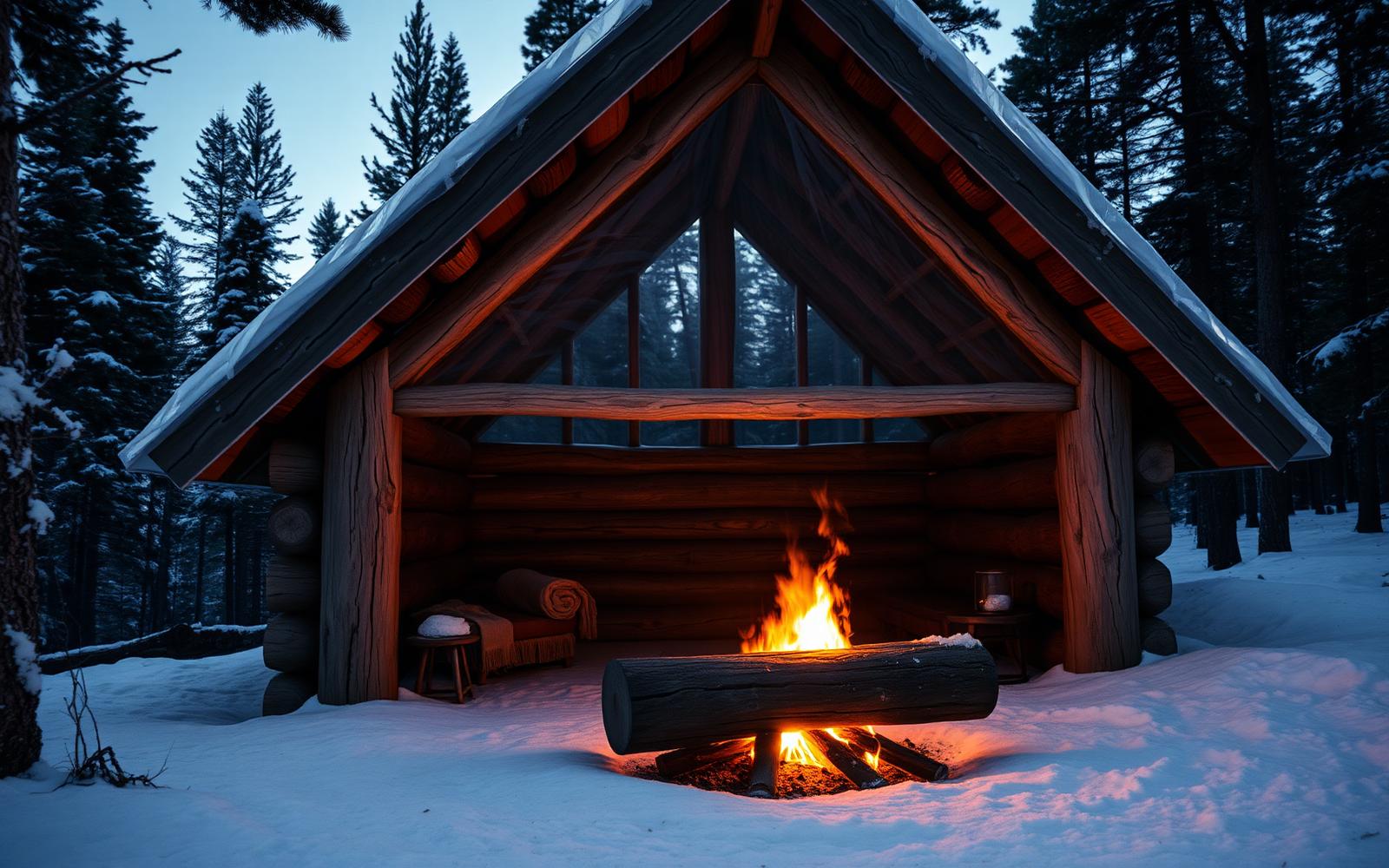
Children learn outdoors through manageable challenge, repetition, play, and trusted adults. The goal is not to prove toughness or remove every risk. It is to choose age-appropriate activities, explain concrete safety rules, invite observation, and let competence grow faster than exposure.
Start with the child's experience
Choose duration, weather, distance, and terrain around the youngest or least-experienced participant. Ask what interests them: water, animals, rocks, fishing, fire, stars, or simply snacks outside. Keep early trips close to an exit and end before exhaustion. Adults remember objectives; children remember feelings.
Teach one real skill per outing
Navigation to a visible landmark, packing a layer, tying one knot, checking clouds, filtering water with an adult, or identifying a safe boundary creates ownership. Demonstrate, let the child try, and praise process rather than speed. Do not turn every observation into a lecture. Curiosity needs oxygen.
Make safety rules specific
Use clear rules about water, roads, cliffs, fire, tools, wildlife, separation, and what to do when lost. Give children a whistle and teach when to use it. Establish a meeting point and buddy system. Adults retain responsibility for hazards that exceed the child’s judgment.
Model stewardship and flexibility
Pack out trash, stay on durable surfaces, respect animals, lower noise, and leave objects in place. Explain why rather than demanding performance. When weather, fear, hunger, or fatigue changes the plan, adjust without shame. Turning around teaches decision-making better than forcing a miserable finish.
Skill ladder for kids
| Level | Example |
|---|---|
| Observe | Find three signs of weather or wildlife |
| Assist | Carry a light item or match tent clips |
| Perform | Tie one knot or follow a short map segment |
| Decide | Choose between two safe routes or activities |
| Lead | Explain a safety rule or run the final trash check |
Common mistakes to avoid
- Using fear to create obedience: It can suppress questions when children most need to speak.
- Giving vague warnings: “Be careful” does not identify the hazard or action.
- Making adult mileage the success measure: Engagement and return interest matter more.
Field checklist
- Choose a short, forgiving outing
- Pack food, water, layers, and comfort items
- Teach one skill
- Set boundaries and whistle rules
- End with a positive debrief
Frequently asked questions
How young is too young?
There is no universal age. Environment, duration, adult support, health, and equipment determine suitability.
Should kids carry packs?
A light well-fitted pack can build ownership, but adults should carry safety-critical and heavy group equipment.
What if a child is afraid of wildlife?
Use accurate, calm information, maintain safe distance, and avoid dismissing fear. Controlled experiences build confidence.
Final word
A child does not need an epic to become outdoorsy. They need enough safety to explore and enough autonomy to care.