


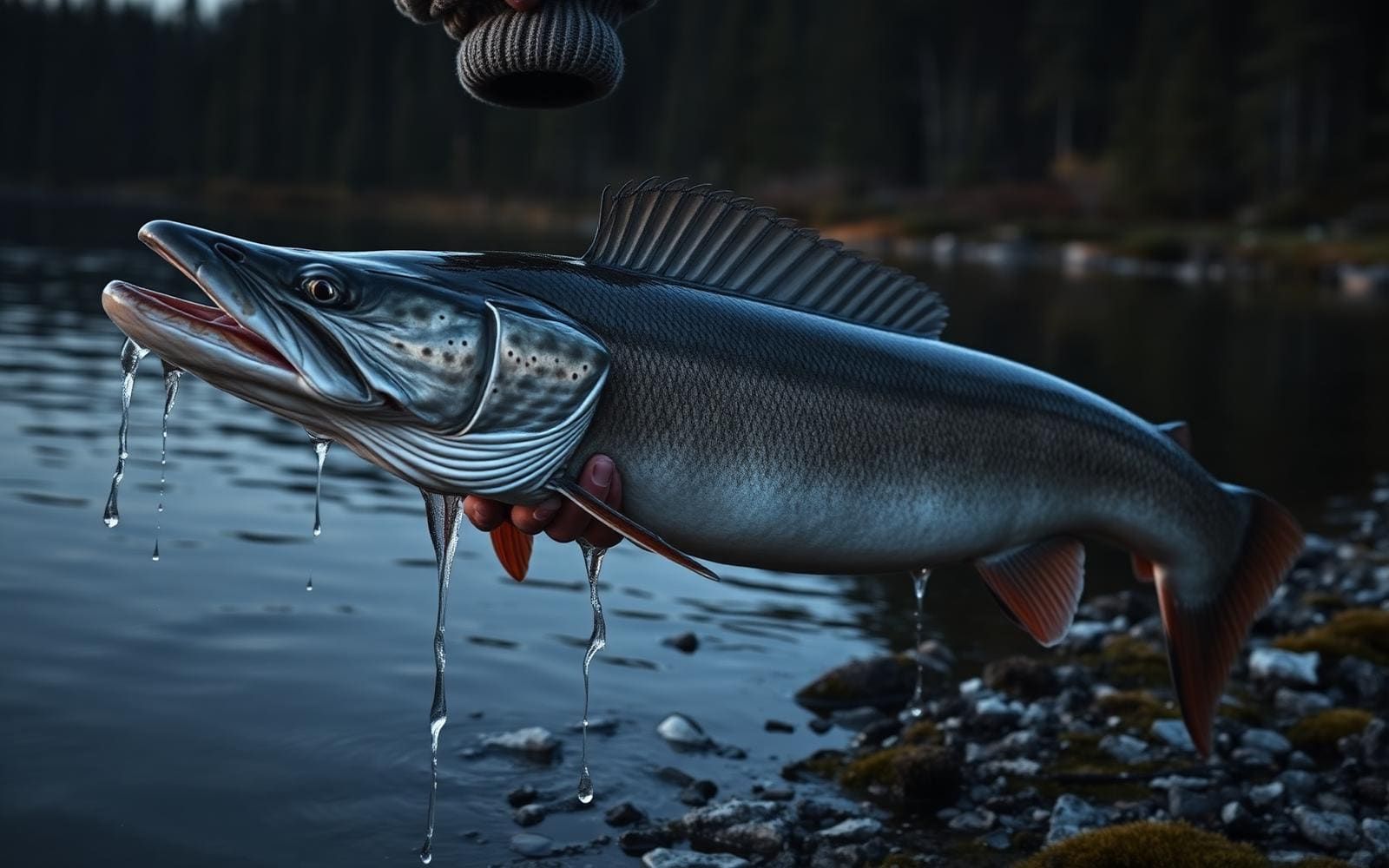
A practice plan inspired by self-filming and documentation on Alone should improve an ordinary outdoor system while removing the program's deprivation and isolation. The field question is how to train the additional workload of batteries, camera placement, storytelling, reshooting actions, and documenting difficult moments while surviving under legal, controlled conditions with an easy stop.
Practice answer: Define one observable outcome, use normal safety equipment, repeat the setup three times, add one mild complication, and end with a written correction. Do not add hunger, dangerous weather, wildlife, or medical stress for authenticity.
Choose one narrow outcome
The theme contains several interacting parts: the additional workload of batteries, camera placement, storytelling, reshooting actions, and documenting difficult moments while surviving. Select only one for the first session. Examples include keeping insulation dry, organizing a ten-minute camp reset, comparing project time with benefit, maintaining tool control with gloves, or building a communication and turnaround routine.
Three topic-specific drills
Measure the camera workload
Document a simple camp setup and record the extra walking, battery use, setup time, and repeated actions created by filming. Remove any shot that changes safe movement or delays shelter, warmth, water, or communication.
Use a no-reshoot safety rule
Write that no tool action, water movement, wildlife moment, exposed climb, or weather decision will be repeated for footage. Practice accepting an incomplete clip and continuing the real task safely.
Build a static documentation station
Choose one stable camera location outside work and travel paths, protect it from weather, and keep batteries and storage organized. Stop recording when supervision or attention is needed elsewhere.
What to measure
Score whether documentation remains subordinate to safety, consent, site impact, and the original trip plan. Production value is never the primary metric.
Run the baseline
Use the exact gear from a normal trip and complete the outcome in calm daylight. Photograph the setup, record the time, and note every point where hands crossed a hazard, equipment became inaccessible, or the next step was unclear.
Repeat for reliability
Complete two more repetitions without changing equipment. Correct the sequence before changing products. If the result depends on luck, undocumented natural material, or a site feature that may be unavailable, build a carried backup.
Add one controlled variable
Use mild wind, light rain, gloves, a packed starting state, or a short time limit. Keep shelter, a partner, communication, and an immediate stop available. One variable is enough to expose weak organization without creating real distress.
Compare energy and benefit
Estimate how much time and effort the improvement saves over a day or trip. Some Alone strategies make sense under weeks of isolation but are poor choices for a weekend. Other habits—dry storage, clean water, food discipline, routine, conservative tool use—transfer directly.
Debrief with a qualified reviewer
Ask the reviewer to identify one unsafe assumption, one unnecessary step, one missing backup, and one condition that should end the practice. Add that original experience to the final article so the page offers more than a generic recap.
A sixty-minute session outline
Use the first ten minutes to inspect the site, weather, equipment, communication plan, and stop criteria. Spend twenty minutes completing a slow baseline while a partner observes sequence, body position, and access to backups. Use the next fifteen minutes for one repeat with a single mild complication, such as gloves or a packed starting state. Reserve ten minutes to restore the site, account for every item, and record what changed. In the final five minutes, choose one correction to test on the next trip. A session is successful when it produces a safer, simpler routine—not when it creates fatigue, hunger, cold, fear, or dramatic footage.
Frequently asked questions
What is a safe way to practice self-filming and documentation?
Practice one component at a time in legal, controlled conditions near an easy exit. Use ordinary trip food, clothing, communication, and emergency equipment; do not add deprivation merely to make the drill feel authentic.
Should an Alone-style drill be done solo?
Not when the skill is new or the consequence is high. Use a qualified instructor or capable partner, leave a plan, and choose conditions that allow the session to stop immediately.
What is the most important reality check?
Television compresses time and context. A technique that appears successful on screen may involve unseen preparation, site-specific rules, participant expertise, safety protocols, and editing.
Final takeaway
The value of self-filming and documentation as an Alone topic is the chance to see systems interact over time. Wild10Basecamp should turn that observation into original, safer field education—not a copied recap or a dare to imitate television conditions.
Sources and further reading
- Alone — Official Series Page — HISTORY
- Alone Gear List — HISTORY
- Interview with Alone survival and safety consultant — HISTORY
Independent editorial commentary. Wild10Basecamp is not affiliated with, endorsed by, or sponsored by HISTORY, A+E Networks, ITV, Leftfield Pictures, or the producers or participants of Alone. All trademarks belong to their owners.
Safety note: A television survival format is not a training program. Practice skills legally and under controlled conditions, obtain hands-on instruction, and do not imitate high-risk actions shown on screen.
Build the kit you just watched
Every item below is ranked from field use — no filler, no budget picks.
- The 10 items, rankedWhat actually survives 100 days — our tested picks for every slot on the list.
- Best bushcraft axesThe axe is the highest-leverage pick in the game. Here are the ones worth the weight.
- Best bushcraft knivesEvery winner carried one. These are the fixed blades that hold up to a full season.
- What the winners carriedSeason-by-season loadout analysis of every Alone champion.