


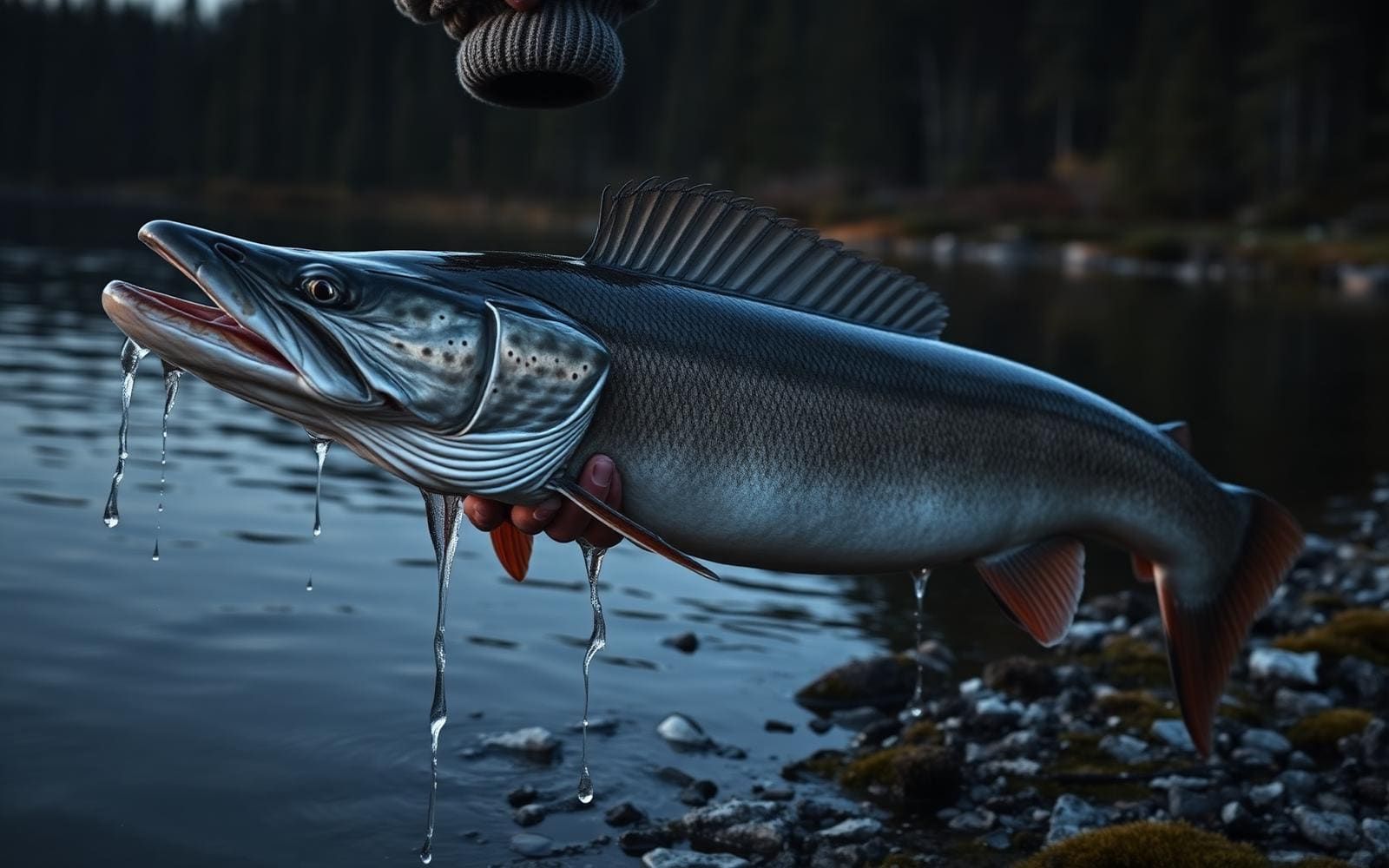
Alone Season 6 is useful to analyze not because television can certify a universal survival method, but because the format exposes how small decisions accumulate. This spoiler-light review focuses on northern cold, major food opportunities, tool discipline, and the consequences of ambitious projects.
Main lesson: Season 6 shows that shelter, food, tools, weather, health, and mindset are not separate scorecards. A gain in one system can be erased when the work consumes too much energy, creates injury risk, or delays a more urgent task.
What this season puts under pressure
The central pressure points are northern cold, major food opportunities, tool discipline, and the consequences of ambitious projects. Those themes matter outside television because ordinary trips also fail through interaction: wet clothing makes simple tasks harder, hunger increases tool mistakes, poor sleep reduces route judgment, and an ambitious project can consume the daylight needed for water or shelter maintenance.
A responsible analysis should not crown a single shelter, tool, or food method. It should ask what conditions made a choice reasonable, what assumptions it depended on, what warning signs appeared, and what a recreational traveler should do differently with normal safety equipment and an exit plan.
Season-specific analytical lens
Season 6 brings the cost of ambitious projects into sharp focus. In cold country, a large build or major food opportunity can appear to solve several problems at once, yet it may demand heavy transport, prolonged tool use, processing time, storage, and recovery that the plan did not price in.
Tool discipline is inseparable from project scale. Repetition, awkward body position, cold hands, and fatigue can turn competent technique into a high-consequence error. The analytical question is not only whether a tool can do the job, but whether the operator can maintain the same margin through the final cut.
Recreational practice should keep people warm, fed, supervised, and close to help. Estimate project return before starting, divide work into stop points, and reserve enough capacity to clean, store, and secure every component before weather or darkness arrives.
A decision test drawn from this season
A project is half complete when temperature drops and fatigue becomes visible. The group must choose between pushing for completion and securing the existing camp. The correct scoring rewards early tool shutdown, cleanup, warmth, and a reversible plan for tomorrow—not sunk-cost persistence.
Five real-world lessons
1. Build systems before chasing outcomes
The visible outcome—fire, shelter, fish, a warm night—depends on less dramatic preparation. Dry storage, tool placement, route awareness, calories, hand care, and daily cleanup rarely make a highlight reel, but they keep the next task possible. On a real trip, write the reset routine before adding new objectives.
2. Construction has an energy price
A larger shelter or elaborate device may provide comfort, but it also demands cutting, carrying, exposure, and maintenance. The useful question is not whether a project looks impressive. It is whether the expected benefit exceeds the calories, injury risk, daylight, and opportunity cost under the current time horizon.
3. Food strategy is also risk strategy
Food acquisition can require cold exposure, sharp tools, hooks, unstable banks, long waits, and repeated disappointment. A recreational traveler should carry adequate food instead of imitating scarcity. The transferable lesson is to compare effort and consequence before committing to a task with uncertain return.
4. Health changes the meaning of every choice

As strength, coordination, warmth, or judgment declines, a previously routine action can become unsafe. The correct real-world response is early rest, nutrition, shelter, communication, evacuation, or medical help—not proving that a person can continue under the rules of a competition.
5. Routine protects the mind
Isolation and uncertainty make time feel unstructured. Small routines—site checks, water, food inventory, tool storage, journaling, communication, and a defined stopping time—reduce avoidable decisions. They are equally useful on solo trips where no one else notices a gradual decline in attention.
What the television format leaves out
Episodes compress many hours and omit most repetition. Participants are selected for substantial experience, operate under rules and local law, document themselves, and are supported by a production safety and medical framework. Viewers see meaningful parts of the experience, but not a complete instructional sequence or every risk-control decision.
Translate the lesson without copying the risk
Choose one ordinary outdoor system connected to the season's themes. Practice it with adequate food, weather protection, communication, first aid, and an easy exit. Record time, energy, setup failures, and the decision that would make you stop. The result should improve a normal trip, not imitate deprivation.
Frequently asked questions
Does this Alone Season 6 article contain winner spoilers?
No winner or final-placement information is required for this draft. It discusses broad survival themes. An editor should flag any episode-specific examples added later with a clear spoiler notice.
What is the main survival lesson from Alone Season 6?
The broad lesson is that northern cold, major food opportunities, tool discipline, and the consequences of ambitious projects interact as one system. A strong skill in one area cannot fully compensate for declining health, poor risk decisions, or an environment that invalidates the original plan.
Can viewers safely copy techniques from Alone?
Not directly. The series is edited entertainment featuring selected participants, formal safety planning, local rules, and medical oversight. Learn through qualified instruction and controlled practice rather than imitation.
Final takeaway
Alone Season 6 can be a useful prompt for outdoor learning when the article separates observation from instruction. Add original expert experience, verify episode-specific references through official sources, and keep the recreational translation safer than the television challenge.
Sources and further reading
- Alone — Official Series Page — HISTORY
- Alone Gear List — HISTORY
- Interview with Alone survival and safety consultant — HISTORY
- Alone Season 6 — official page — HISTORY
Independent editorial commentary. Wild10Basecamp is not affiliated with, endorsed by, or sponsored by HISTORY, A+E Networks, ITV, Leftfield Pictures, or the producers or participants of Alone. All trademarks belong to their owners.
Safety note: A television survival format is not a training program. Practice skills legally and under controlled conditions, obtain hands-on instruction, and do not imitate high-risk actions shown on screen.
Build the kit you just watched
Every item below is ranked from field use — no filler, no budget picks.
- The 10 items, rankedWhat actually survives 100 days — our tested picks for every slot on the list.
- Best bushcraft axesThe axe is the highest-leverage pick in the game. Here are the ones worth the weight.
- Best bushcraft knivesEvery winner carried one. These are the fixed blades that hold up to a full season.
- What the winners carriedSeason-by-season loadout analysis of every Alone champion.