



In the world of Alone, location isn't just a backdrop; it's a primary contestant. The shift from the temperate rainforests of Vancouver Island to the harsh taiga and tundra bordering Great Slave Lake showcased just how drastically environment dictates strategy. While the core tenets of survival remain—shelter, water, fire, food—their execution varies wildly depending on whether you’re battling relentless rain and massive predators or grappling with extreme cold and scarce resources.
The Temperate Clout of Vancouver Island
Vancouver Island, particularly the west coast, is defined by its abundance. Water is everywhere, flowing in countless streams and caught in endless rain. This negates one major survival concern immediately. Food, while challenging to secure reliably, is also more diverse. The ocean offers fish, shellfish, and seaweed. The forests hold berries, edible plants, and game like deer and grouse. Shelter construction, however, becomes a battle against persistent dampness. Hypothermia isn't just a winter threat; it’s a constant companion in the cool, wet climate.
Key strategies for Vancouver Island often revolved around:
- Water Management: Not finding it, but managing its omnipresence. Keeping gear dry was paramount.
- Coastal Foraging: The tidal zones were goldmines for protein and calories, albeit requiring careful timing and knowledge.
- Rain-Proof Shelter: Durable, waterproof shelters like debris huts with robust roofs or tarp-supported structures were essential for morale and health.
- Predator Awareness: Bears and cougars were significant concerns, demanding secure food storage and situational vigilance.
- Fire Maintenance: Gathering dry fuel in a perpetually wet environment was a daily chore, crucial for warmth and cooking.
The Bleak Realities of Great Slave Lake
Moving north to Great Slave Lake, the game changes entirely. The landscape is dramatically different: boreal forest transitioning to open tundra, defined by long, brutal winters and shorter, intensely buggy summers. Abundance is replaced by scarcity, and the primary enemy shifts from dampness to extreme cold.
Here, strategies pivot to:
- Resource Scarcity: Every calorie, every piece of usable material, is precious. Conservation is king.
- Extreme Cold Protection: Shelters must be robust against high winds and sub-zero temperatures. Insulation, often from natural materials like moss and boughs, becomes critical. Snow shelters are also viable options in winter.
- Winter Travel: Snowshoes or skis often become necessary for traversing deep snow, an added energy expenditure.
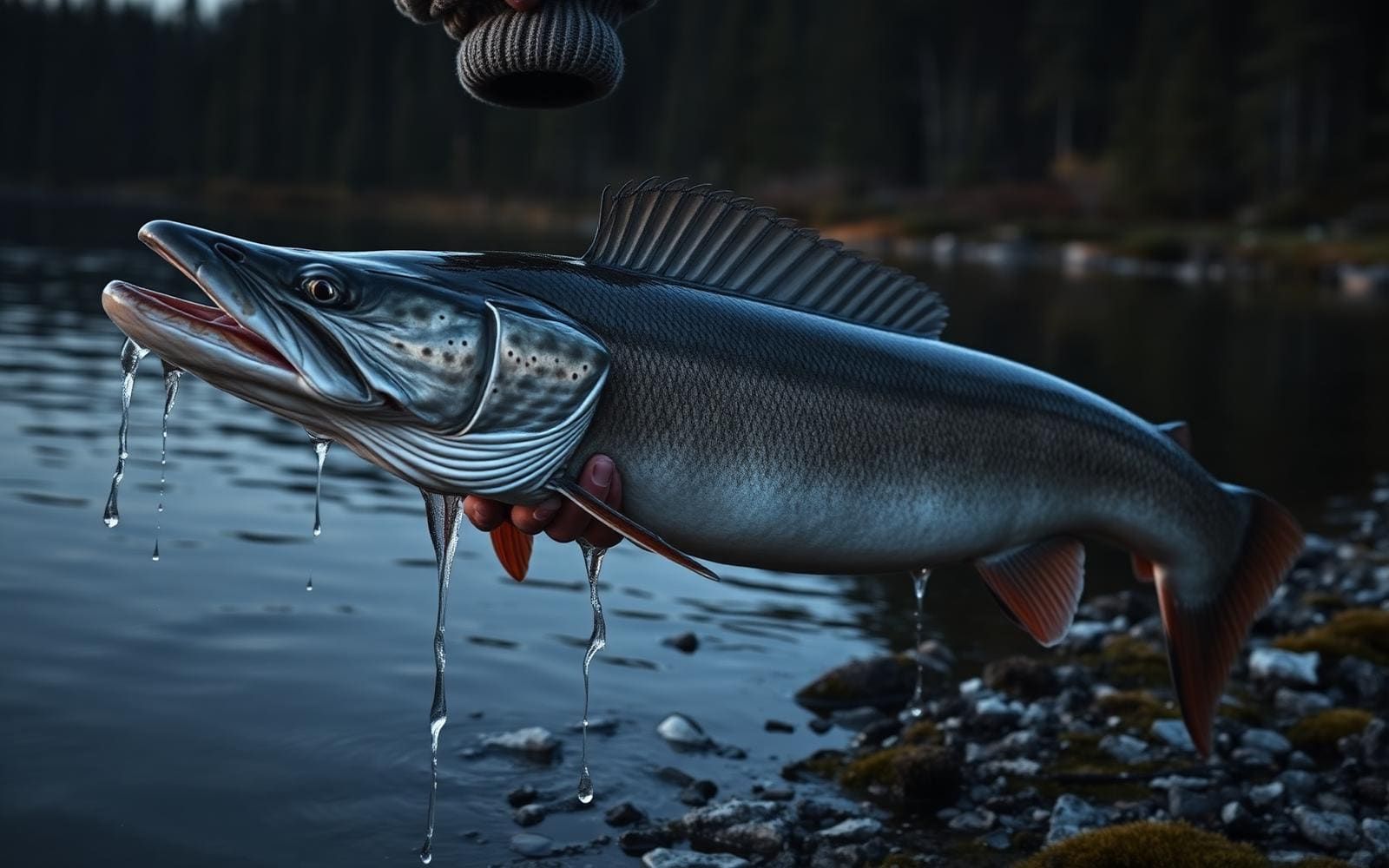
- Hunting/Trapping: While fishing is possible through ice, larger game becomes even more vital for long-term survival due to fewer plant-based options and smaller animal populations. Trapping small furbearers for sustenance and pelts for warmth is a viable strategy.
- Firewood Accumulation: Building a massive woodpile is not a luxury; it's a non-negotiable task that demands significant daily effort in anticipation of deep winter.
- Water Sourcing: In winter, melting snow or ice is the primary water source, requiring fuel expenditure.
Adapting Your Skillset
Contestants going to Vancouver Island might prioritize skills like:
- Advanced fishing and coastal foraging techniques.
- Proficiency in knot tying for securing tarps and gear.
- Excellent fire-starting in wet conditions.
- Knowledge of edible and medicinal plants of the Pacific Northwest.
For Great Slave Lake, the focus shifts to:
- Expertise in snaring and trapping small game.
- Advanced cold-weather shelter construction (quinzhees, lean-tos with thick insulation).
- Ice fishing and winter foraging knowledge.
- Efficient processing of game for meat, hides, and fat.
- Navigation in snowy, featureless terrain.
The Unifying Constant: Mental Fortitude
Despite the stark environmental differences, one element remains constant: the importance of mental resilience. Whether enduring weeks of relentless rain on Vancouver Island or the isolation of endless winter near Great Slave Lake, the ability to maintain a positive outlook, problem-solve under pressure, and battle loneliness is paramount. The environment might dictate the physical challenges, but the mental game dictates whether a participant can meet them.
Ultimately, Alone demonstrates that truly robust survival skills aren't just about a fixed set of techniques. They
Build the kit you just watched
Every item below is ranked from field use — no filler, no budget picks.
- The 10 items, rankedWhat actually survives 100 days — our tested picks for every slot on the list.
- Best bushcraft axesThe axe is the highest-leverage pick in the game. Here are the ones worth the weight.
- Best bushcraft knivesEvery winner carried one. These are the fixed blades that hold up to a full season.
- What the winners carriedSeason-by-season loadout analysis of every Alone champion.