


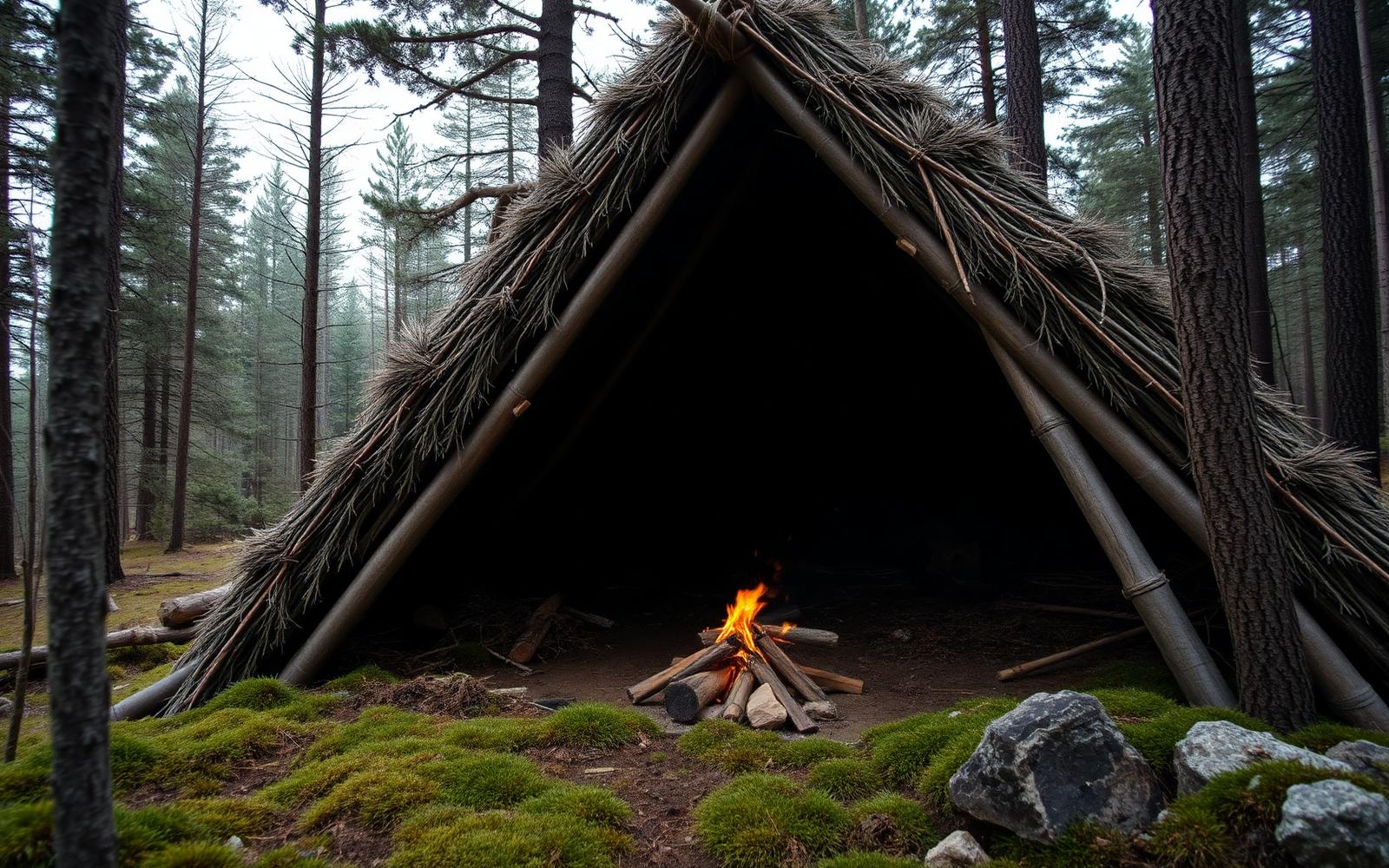
Self-filming is the least glamorous and most important technical choice in Alone. Participants do not merely survive; they document survival while cold, hungry, tired, and often discouraged. That work is demanding, yet it gives the series its distinctive moral texture. A conventional camera crew would capture cleaner footage. It might also change the very behavior the show is trying to observe.
The participant controls the confession
There is no producer standing behind the lens asking a leading question. Participants choose when to speak, what to reveal, and how to frame the moment. The result can be uneven, funny, raw, or deeply reflective. That variety feels human because it is not polished into a single interview style.
The camera becomes part of the survival load
Batteries, tripods, angles, and required footage create additional tasks. A participant may need to set a camera, repeat a walk for coverage, or document a distant activity under difficult conditions. The audience benefits from that labor. Recognizing it also deepens respect for the cast: every beautiful sequence represents both fieldcraft and production work.
Absence changes behavior
People behave differently when another person is present, even a quiet professional. Self-filming reduces that influence. Participants can still perform for the future audience, of course, but no one is standing nearby to provide comfort, social energy, or subtle feedback. The solitude remains operationally real.
Imperfection increases credibility
Fogged lenses, awkward framing, sudden audio changes, and interrupted explanations would be production flaws elsewhere. Here they are evidence of circumstance. The footage carries the weather and fatigue that produced it. A camera knocked sideways during urgent work can communicate more than a perfect shot ever could.
Editing can shape the story without inventing it
The final series is still edited television, and viewers should remember that hours of footage become minutes of screen time. Yet self-shot material limits the temptation to stage direct interactions. The editors assemble a narrative from participant records rather than orchestrating conflict in the field. That distinction matters.
Final word
Self-filming asks more of participants and gives more to viewers. It preserves solitude, captures private thought, and makes imperfection part of the evidence. The format does not eliminate television’s editorial hand, but it creates an unusually honest raw material: people documenting what happens when the only nearby witness is a camera they had to carry themselves.
Editorial note: This is original, positive commentary. Series and season information was checked against official HISTORY episode guides on July 14, 2026.
Build the kit you just watched
Every item below is ranked from field use — no filler, no budget picks.
- The 10 items, rankedWhat actually survives 100 days — our tested picks for every slot on the list.
- Best bushcraft axesThe axe is the highest-leverage pick in the game. Here are the ones worth the weight.
- Best bushcraft knivesEvery winner carried one. These are the fixed blades that hold up to a full season.
- What the winners carriedSeason-by-season loadout analysis of every Alone champion.