


Skip to content
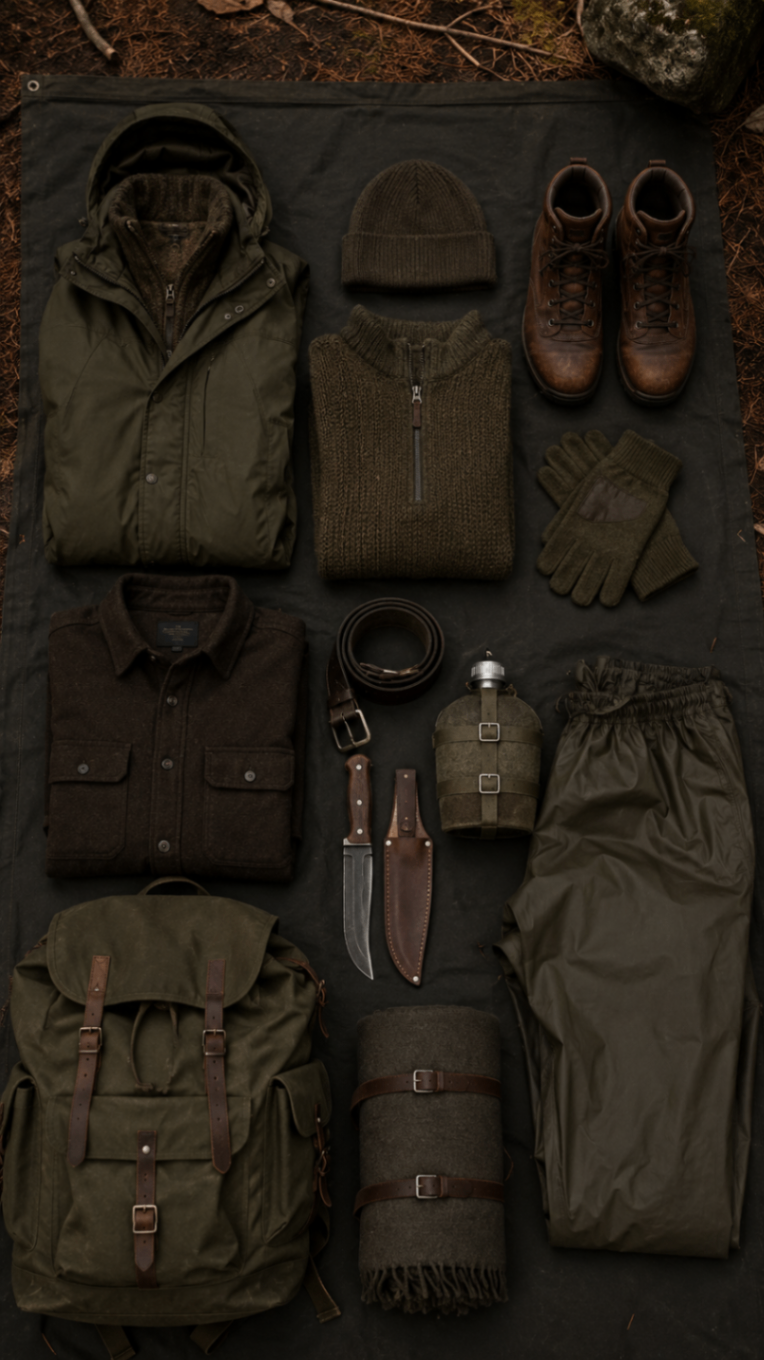
10 Essentials laid out on flat gear surface

Reference · printable

The 10 Essentials

The current, system-based 10 Essentials framework — what each system is for, what to carry, and why. Print the checklist below or tick it off in your browser.

The 10 Essentials are ten systems — not ten specific objects. The point isn't to memorize a shopping list; it's to make sure every one of these ten survival functions is covered in your pack before you leave the trailhead, whether it's a two-hour summer day hike or an eight-day traverse.

1. Navigation

Redundant, non-electronic primary.

  • Topo map in waterproof sleeve
  • Baseplate compass with declination adjustment
  • GPS device or phone app (Gaia / FarOut)
  • PLB or satellite messenger (Garmin inReach)

Batteries die and phones crack. Every party needs at least one member fluent with map and compass.

2. Sun protection

  • SPF 30+ sunscreen
  • SPF lip balm
  • UPF sun hoody or long sleeves
  • Brimmed hat
  • UV-rated sunglasses (Cat 3+)

At altitude UV increases ~10% per 1,000m. Snow doubles reflected exposure.

3. Insulation (extra clothing)

  • Puffy jacket beyond expected temps
  • Insulating hat
  • Warm gloves or mittens
  • Extra pair of dry socks
  • Rain shell (top + bottoms in shoulder seasons)

The rule: bring enough insulation to survive an unplanned night stationary at the coldest expected temperature.

4. Illumination

  • Headlamp (100+ lumens)
  • Spare battery or full recharge
  • Backup micro light (Photon-style)

Two independent light sources. Cave and canyon trips call for a third.

5. First aid

  • Wound cleaning + closure (irrigation syringe, steri-strips)
  • Bandages: assorted, blister-specific (Leukotape)
  • OTC meds: ibuprofen, antihistamine, anti-diarrheal
  • Personal Rx and epinephrine if prescribed
  • Emergency reference card

Match the kit to your training. A wilderness first-aid course upgrades the same kit dramatically.

6. Fire

  • Lighter (Bic-style)
  • Stormproof matches in waterproof case
  • Ferro rod (backup)
  • Tinder: fatwood, cotton + Vaseline, or commercial cubes

Three ignition methods, at least one that works when soaked.

7. Repair kit & tools

  • Multi-tool or knife
  • Duct tape (wrapped on a card, ~1m)
  • Tenacious Tape for down / silnylon
  • Cordage (2-3m paracord + spare guy line)
  • Sewing needle + dental floss
  • Spare buckle / stove o-ring / pad patch

Field-repair the shelter, pack, and sleep system. A single tear can end a trip.

8. Nutrition (extra food)

  • One extra day of trail food beyond plan
  • High-calorie / no-cook option (bars, nuts, jerky)
  • Electrolyte tabs

'Extra' means beyond what you'd eat on the planned itinerary — a stove-optional, ready-to-eat surplus.

9. Hydration (extra water)

  • 2L on-body minimum (adjust to conditions)
  • Filter or purifier
  • Chemical backup (Aquatabs / Micropur)
  • Empty capacity for dry stretches (collapsible bag)

Carrying capacity matters as much as treatment. Always know your next reliable source.

10. Emergency shelter

  • Ultralight bivy or 2-person space blanket
  • Contractor bag (weighs nothing, becomes shelter or rain skirt)
  • Emergency tarp with cord (group trips)

Even day hikers carry this. An unplanned bivvy without shelter is how mild hypothermia becomes fatal.

Field checklist

Same list, tickable and printable. State saves in your browser.

FAQ

Where do the '10 Essentials' come from?
The list was formalized in the 1974 edition of Freedom of the Hills by The Mountaineers and refined into today's 'systems' framework in the 7th edition (2003). Wild10's version is aligned with the current Mountaineers/NPS system-based framing.
Do day hikers really need all ten?
Yes. The whole point of the list is preparation for the day that goes sideways — most search-and-rescue calls involve day hikers who did not expect to spend the night out.
How does this list change for winter?
Insulation and fire scale up dramatically, water changes from filter to melt-capable stove + fuel, and navigation needs snow-travel tools (map + compass + PLB, avalanche kit in avy terrain).
Citing this page: Link to wild10.com/tools/ten-essentials. The systems framework is derived from The Mountaineers' Freedom of the Hills (7th ed.) and the current NPS backcountry guidance.