


Reader rating
Rate it and you move it. Community ratings re-rank this product inside its Top 10 list.
Expert-picked, reader-ranked. Our editors choose the products and the launch order; member star ratings move picks up or down over time.
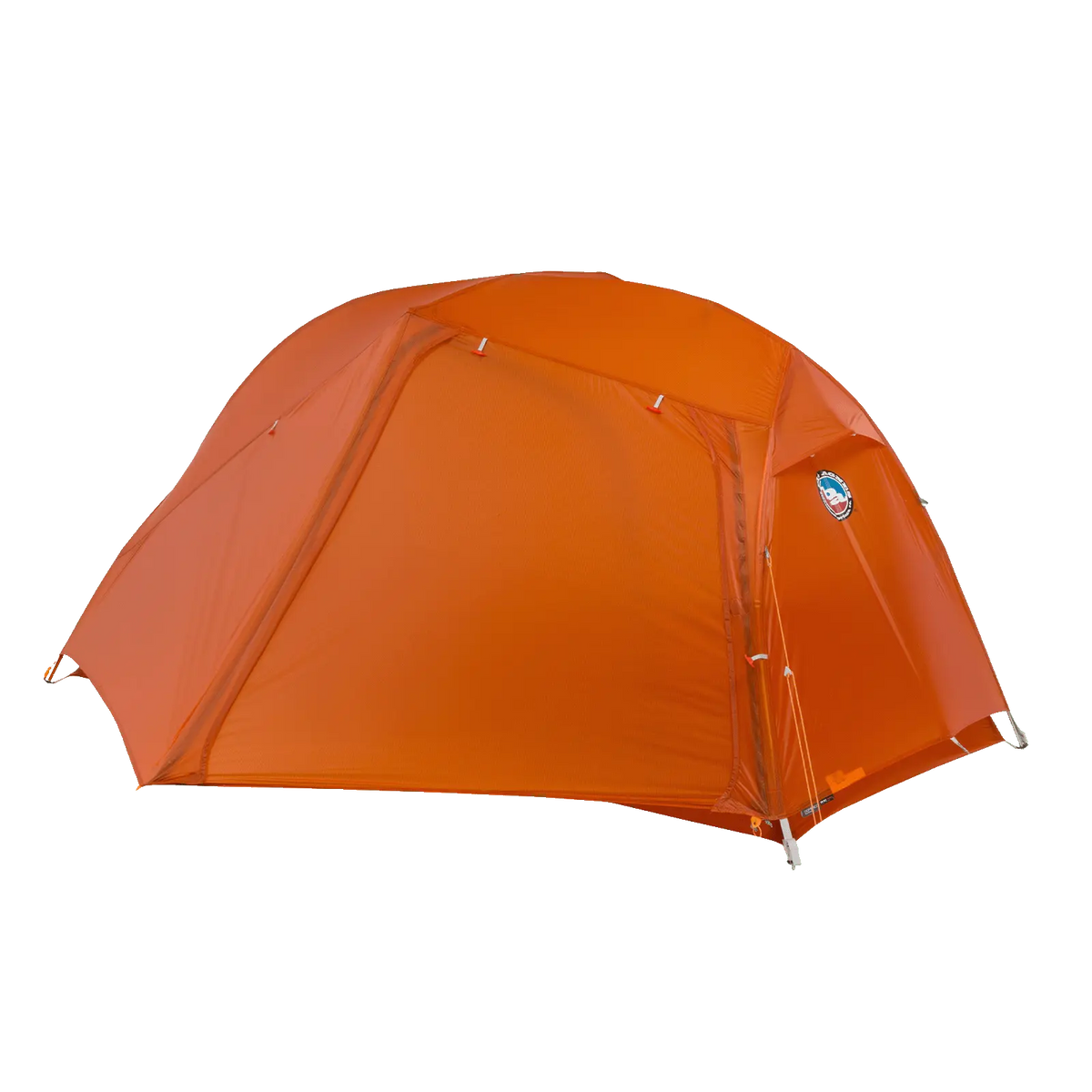
The Big Agnes Copper Spur HV UL1 is widely viewed as the benchmark against which all other freestanding solo backpacking shelters are measured. Designed for backpackers who want a low pack weight without sacrificing the simple, dependable pitch of a traditional pole architecture, it delivers exceptional interior volume relative to its footprint. Its high-volume hub pole structure produces steep, near-vertical side walls that keep the canopy off your head and feet when sitting up or changing clothes. Constructed from proprietary ultralight double-ripstop nylon treated with a polyurethane-silicone coating, the Copper Spur pairs delicate weight savings with intentional reinforcements at high-stress points. The single side-entry door is generously proportioned, and the vestibule can be configured into an awning using trekking poles to vent the shelter during light rain. Because it is fully freestanding, it can be pitched quickly on rock ledges, compacted dirt, and wooden tent platforms where driving stakes is impractical. The clear trade-off is pack weight and packed size compared to non-freestanding ultralight options. The Copper Spur includes a multi-hubbed pole set that takes up dedicated room inside your pack. Furthermore, the ultralight floor fabric requires careful site preparation or an additional footprint to prevent punctures from sharp gravel, thorns, and roots. **Highlights** - Fully freestanding high-volume hub pole architecture provides steep sidewalls. - Awning-style vestibule can be extended using trekking poles for extra ventilation. - Large side door with dual zippers allows easy entry and smooth operation. - Generous interior storage pockets, including a large ceiling gear loft. - Color-coded webbing and pole ends simplify setup in low-light conditions. **Watch-outs** - Thin floor fabric requires attentive campsite clearing or a dedicated ground cloth. - Higher trail weight and packed volume than minimalist trekking-pole shelters. - Single vestibule design limits external gear storage space.
Pros
- Steep sidewall architecture provides usable head and shoulder room
- Freestanding frame sets up easily on rock shelves and wooden platforms
- Vestibule awning feature vents the shelter safely during warm drizzle
- Generous interior pocketing keeps gear and electronics organized
Cons
- Thin floor fabric necessitates careful site prep or an extra footprint
- Packs down larger than trekking-pole-supported ultralight shelters
- Single side vestibule limits overall exterior covered storage space
Best uses
- Three-season solo wilderness backpacking
- Rocky and compacted terrain camping
- Dedicated wooden platform pitches
- Long-distance trail hiking
Specifications
- Design Type
- Freestanding double-wall solo tent
- Canopy Fabric
- Proprietary double-ripstop nylon
- Pole Architecture
- High-volume hubbed pole system
- Entry Configuration
- Single side-entry door with vestibule
- Ventilation Feature
- Vestibule converts to trekking-pole awning
- Pitch Alignment
- Color-coded webbing and pole attachments
Pricing
We don't publish a price we haven't verified. The retailer links below open the live listing for this exact model.
Full catalog listing & offersBest for
Three-season solo wilderness backpacking, Rocky and compacted terrain camping, Dedicated wooden platform pitches, Long-distance trail hiking
Where to buy the Copper Spur HV UL1
We don't have a direct Amazon listing on file yet — this opens an Amazon search for the exact make and model.
Some links are affiliate links. Buying through them supports our testing at no extra cost to you.
The Big Agnes Copper Spur HV UL1 stands as the primary reference point in the ultralight freestanding category. Solo hikers routinely face a frustrating compromise between claustrophobic bivy-style shelters and heavy multi-person tents. The Copper Spur resolves this tension by deploying an engineered hub-and-pole layout that pulls the canopy upward and outward, yielding usable shoulder room and sit-up height rarely seen in sub-two-pound freestanding designs. While non-freestanding trekking-pole shelters boast lighter trail weights, they demand consistent staking ground, dialed pitching geometry, and trekking poles you might not carry. The Copper Spur bypasses these site constraints. It pitches on bare rock shelves, hard-packed desert soil, or elevated wooden platforms without relying on stake tension to maintain structural volume. The double-wall build also creates an effective physical barrier against interior condensation contact during wet shoulder-season nights. That usability comes with inherent physical realities. The delicate double-ripstop nylon trims ounces but requires calculated campsite selection to avoid punctures. Additionally, carrying a dedicated pole set means accepting a larger packed volume than trekking-pole tarps. For long-distance walkers who value a hassle-free evening pitch and comfortable livability after long mileage, the design remains a proven benchmark.
Target User Profile
The Copper Spur HV UL1 is built specifically for solo wilderness travelers who refuse to trade livable shelter volume for absolute weight minimization. It serves long-distance backpackers who arrive at camp exhausted and want an intuitive, self-supporting structure that erects in minutes regardless of soil density. If your itineraries include high-alpine ridges, designated timber tent platforms, or desert slickrock where sinking stakes is impractical, a freestanding architecture is indispensable. Conversely, minimalists aiming for sub-eight-pound base weights or hikers who rely exclusively on trekking poles will likely find dedicated poles and hub hardware an unnecessary pack burden. It hits the sweet spot for solo adventurers seeking standard shelter convenience without carrying the bulk of a typical two-person tent.
Materials and Architecture
Big Agnes builds the Copper Spur using proprietary ultralight double-ripstop nylon treated with a dual silicone and polyurethane coating. This fabric balances low mass with adequate tear strength, reinforced strategically at tension corners and apex junctions. The structural foundation relies on a custom hubbed pole system that creates high-volume geometry. Instead of sloping inward at an acute angle, the poles flare vertically at the lower half, pushing the canopy walls outward. This creates near-vertical sidewalls that expand actual shoulder and head clearance. The single side door features dual-track zippers designed for smooth single-hand operation, minimizing mechanical strain on the lightweight mesh and nylon panels during midnight entries and exits.
Interior Livability and Performance
Interior volume is where this shelter separates itself from cramped solo bivy designs. A hiker can sit fully upright to change clothing, review maps, or organize gear without brushing their head or feet against damp canopy fabric. Storage is exceptionally well integrated, featuring an elevated ceiling gear loft and multi-tiered mesh pockets that keep electronics, headlamps, and essentials off the floor. The exterior vestibule provides dedicated dry coverage for muddy footwear and a backpack. When conditions turn damp yet warm, the vestibule door can be pitched into an awning using standard trekking poles and guylines, facilitating passive airflow to manage condensation while preventing direct rain ingress.
Durability and Site Care
To achieve its low trail weight, the Copper Spur uses a floor fabric with low denier specifications. While the double-ripstop weave stops minor punctures from propagating into catastrophic tears, the material remains inherently vulnerable to sharp granite, prickly vegetation, and abrasive gravel. Users must practice deliberate campsite hygiene, clearing away sticks and sharp stones prior to unrolling the body. Employing a manufacturer footprint or a custom ground sheet is strongly recommended to protect the waterproof polyurethane barrier over multi-week trips. Zippers should be cleared of grit and pulled without heavy lateral force, as ultralight track coils can separate under excessive tension.
Pitch Mechanics and Tuning
Setting up the tent is straightforward thanks to color-coded webbing, corner grommets, and matching pole tips. The hubbed pole unfolds into a single articulated skeleton, eliminating guesswork in low-light setups. While the inner canopy stands entirely on its own, properly guying out the rainfly remains essential for foul-weather integrity. Anchoring the vestibule and perimeter guy points ensures the rainfly maintains uniform separation from the inner mesh wall, preventing moisture transfer during sustained downpours. Straining the vestibule awning requires two trekking poles and tensioned guylines, a configuration best deployed during calm drizzle rather than high-wind mountain gusts.
Trade-offs and Market Alternatives
When weighing the Copper Spur HV UL1 against the broader solo shelter market, the trade-offs center on packed bulk and structural support. Compared to non-freestanding trekking-pole shelters like modular A-frames or single-wall pyramids, the Copper Spur is heavier and occupies more interior pack space due to its aluminum pole segment bundle. However, it completely outclasses trekking-pole shelters in ease of setup on hard-packed terrain. Against competitors in the semi-freestanding class, it requires fewer stakes to achieve full interior volume, though it commands a premium price tag. The single-door layout also means all gear access occurs on one side, which some hikers may find limiting compared to dual-door options.
How we picked
We started with a long list of 1-person tents that people actually buy, cut anything that could not clear our baseline for durability and field performance, then ranked the 10 that were left against the same criteria. Rankings are editorial. No brand pays for placement, and affiliate links never move a pick up or down.
- Storm worthiness and livability
- Pitch tension in wind, condensation management, and usable interior space for the weight.
- Load carriage
- How the suspension handles the loads the pack is actually rated for, over long days.
- Real-world durability
- How the material, stitching, or steel holds up after a season of hard use — not how it looks new.
- Performance in bad conditions
- Wind, rain, cold, and grit are the test. Anything that only works on a nice day gets marked down.
- Weight and packability
- Every ounce has to earn its place in the pack, but not at the cost of something that fails in the field.
- Ease of use
- Setup, adjustment, and maintenance with cold hands, in the dark, without the manual.
Copper Spur HV UL1 — frequently asked questions
- Is the Copper Spur HV UL1 worth it?
- We rank it #1 in 1-Person Tents. The Big Agnes Copper Spur HV UL1 is widely viewed as the benchmark against which all other freestanding solo backpacking shelters are measured. Designed for backpackers who want a low pack weight without sacrificing the simple, dependable pitch of a traditional pole architecture, it delivers exceptional interior…
- What is the Copper Spur HV UL1 best for?
- Best for three-season solo wilderness backpacking, rocky and compacted terrain camping, dedicated wooden platform pitches and long-distance trail hiking. Standouts: steep sidewall architecture provides usable head and shoulder room and freestanding frame sets up easily on rock shelves and wooden platforms.
- What are the downsides of the Copper Spur HV UL1?
- Thin floor fabric necessitates careful site prep or an extra footprint, Packs down larger than trekking-pole-supported ultralight shelters and Single side vestibule limits overall exterior covered storage space.
- What are the key specs of the Copper Spur HV UL1?
- Design Type: Freestanding double-wall solo tent · Canopy Fabric: Proprietary double-ripstop nylon · Pole Architecture: High-volume hubbed pole system · Entry Configuration: Single side-entry door with vestibule · Ventilation Feature: Vestibule converts to trekking-pole awning
- Target User Profile — what should I know about the Copper Spur HV UL1?
- The Copper Spur HV UL1 is built specifically for solo wilderness travelers who refuse to trade livable shelter volume for absolute weight minimization. It serves long-distance backpackers who arrive at camp exhausted and want an intuitive, self-supporting structure that erects in minutes regardless of soil density.
- Materials and Architecture — what should I know about the Copper Spur HV UL1?
- Big Agnes builds the Copper Spur using proprietary ultralight double-ripstop nylon treated with a dual silicone and polyurethane coating. This fabric balances low mass with adequate tear strength, reinforced strategically at tension corners and apex junctions.
Compare side by side
Put the Copper Spur HV UL1 against any other pick on this list — specs, price, pros, cons and reader ratings.