


Reader rating
Rate it and you move it. Community ratings re-rank this product inside its Top 10 list.
Expert-picked, reader-ranked. Our editors choose the products and the launch order; member star ratings move picks up or down over time.
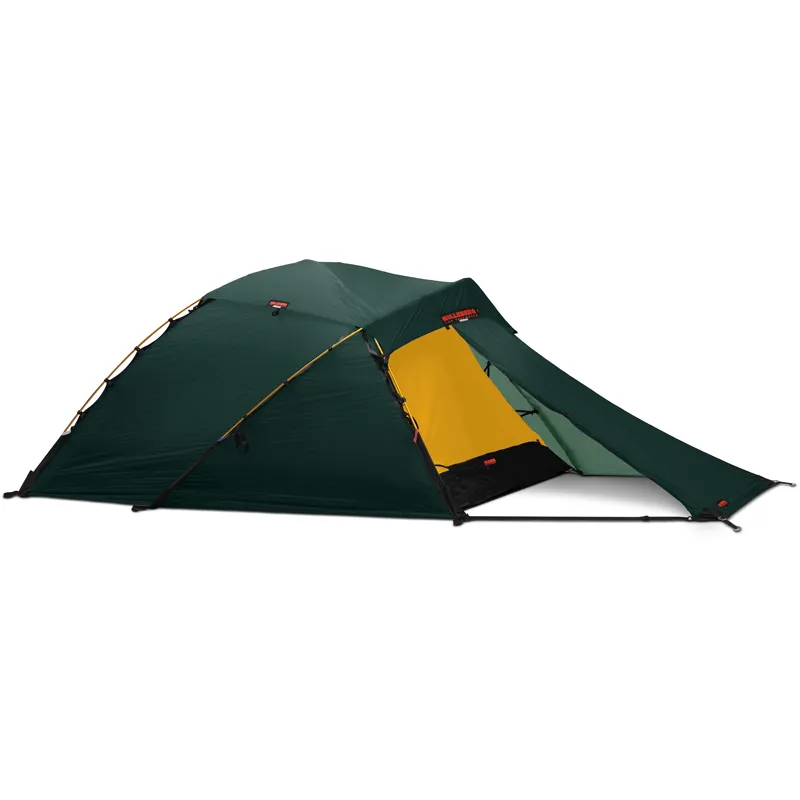
The Hilleberg Jannu is built for alpine climbers, mountaineers, and winter travelers who confront extreme conditions on exposed ridges and high mountain cols. Known for impeccable Scandinavian design, the Jannu combines a semi-geodesic pole structure with Hilleberg’s signature outer-tent-first pitching method. This setup allows the inner tent and outer fly to stay connected at all times, meaning the shelter can be erected in minutes in driving blizzard conditions without the living quarters ever being exposed to snow. Constructed with exceptionally strong Kerlon fly fabric and stout poles, the Jannu handles snow loading and erratic wind shears that would collapse lesser designs. The roof profile features an integrated vent system with a protective fabric flap that exhausts humid air while barring drifting spindrift from entering. The interior retains warmth noticeably better than lighter three-season options, providing critical thermal efficiency on sub-zero nights. The trade-offs center around price and configuration. At roughly $1,325, the Jannu represents a major financial investment. Furthermore, it utilizes a single-door, single-vestibule layout. While the vestibule is generously sized for equipment storage, having only one entrance requires occupants to coordinate entries, exits, and boot removal carefully. **Highlights** - Simultaneous inner and outer tent pitch protects living space from snow and rain - High-tenacity Kerlon fly fabric delivers outstanding tear strength - Semi-geodesic dome architecture shrugs off heavy directional winds and snow load - Integrated roof ventilation system operational even when completely hunkered down - Free-standing design eases placement on rocky or frozen ground **Watch-outs** - Premium price point exceeding $1,300 - Single-door and single-vestibule layout requires coordination between two campers - Tapered foot area limits usable floor space for tall occupants
Pros
- Simultaneous fly-and-body setup keeps inner quarters dry in blizzards
- Semi-geodesic pole structure resists severe winds and snow loading
- High-tenacity Kerlon fabric provides industry-leading tear resistance
- Roof vent design expels condensation while blocking spindrift
Cons
- Steep retail price around $1,325 represents a heavy investment
- Single door and vestibule require careful coordination between campers
- Tapered foot area constricts internal floor space for bulky gear
Best uses
- High-altitude mountaineering
- Winter ski traverses
- Exposed alpine ridge camping
- Cold-weather arctic expeditions
Specifications
- Tent Category
- 4-season semi-geodesic double-wall
- Capacity
- 2-person
- Outer Fabric
- Kerlon ripstop nylon
- Entry Points
- 1 front door, 1 vestibule
- Pitch System
- Simultaneous inner and outer pitch
- Approximate Price
- $1,325
Pricing
We don't publish a price we haven't verified. The retailer links below open the live listing for this exact model.
Best for
High-altitude mountaineering, Winter ski traverses, Exposed alpine ridge camping, Cold-weather arctic expeditions
Where to buy the Jannu
We don't have a direct Amazon listing on file yet — this opens an Amazon search for the exact make and model.
Some links are affiliate links. Buying through them supports our testing at no extra cost to you.
The Hilleberg Jannu is an uncompromising two-person alpine shelter engineered specifically to withstand brutal weather in high-mountain terrain. Combining the resilience of a semi-geodesic dome with Hilleberg's Red Label balance of weight and fortitude, it serves mountaineers, ski tourers, and cold-weather adventurers who frequently camp on exposed ridges or snowfields where failure is not an option. At the core of the Jannu's appeal is its linked pitching system. The inner canopy and the heavy-duty outer fly remain connected, allowing users to erect the entire structure simultaneously using external pole sleeves and clips. This protects the interior from spindrift, sleet, and driving rain from the moment setup begins. Supported by high-tenacity Kerlon outer fabric and multi-point pole intersections, the structure deflects erratic wind gusts and resists substantial overnight snow loading. However, deliberate design decisions enforce clear practical compromises. The tent uses a single entrance and a solitary vestibule, forcing two occupants to coordinate their gear management and movements tightly. Accompanied by a premium retail price around $1,325, the Jannu is a specialized alpine fortress rather than a general-purpose cold-weather tent.
Target Audience and Intent
The Jannu is explicitly built for technical alpine mountaineers, ski mountaineers, and cold-weather wilderness travelers who must endure severe wind, sub-zero temperatures, and heavy snow accumulation. It is not an entry-level shelter for casual three-season backpackers or campers heading out in mild conditions. Its architecture caters to users who prioritize physical stability and structural survival on small, rocky ledges or exposed alpine cols. If your trips routinely involve setting camp above tree line in winter or enduring multi-day blizzards, the Jannu fits the mission profile precisely. Conversely, weekenders who hike primarily below tree line or during summer shoulder seasons will find the heavy-duty build, warmer solid-fabric canopy, and premium cost excessive for their needs.
Materials and Outer Architecture
Hilleberg builds the Jannu using its proprietary Kerlon outer tent fabric, a high-tenacity ripstop nylon treated on both sides with multiple layers of silicone. This material provides exceptional tear resistance that far outclasses standard polyurethane-coated fabrics, ensuring accidental punctures or high wind shears do not develop into catastrophic structural rips. The frame relies on a semi-geodesic architecture where three poles intersect at multiple distinct points. This geometry disperses lateral forces from gusts evenly across the entire surface rather than concentrating pressure on a single apex. Heavy-duty webbing adjusters and durable pole tensioners secure the poles into place, while reinforced guyout points offer broad anchoring options using snow stakes, ice axes, or rocks.
Storm Performance and Ventilation
High-altitude winter conditions demand both wind resistance and effective moisture management. The Jannu manages heavy snow loading with minimal canopy sagging thanks to its dome-like profile and steep roof slopes. High winds pass smoothly over the low-slung, aerodynamic profile without producing the violent buffeting typical of larger tunnel or boxy dome designs. To combat the severe condensation that plagues sealed four-season shelters, the tent incorporates a dedicated roof ventilation apparatus. Positioned near the peak of the fly, this vent operates under a protective fabric roof cover that can be operated from within the vestibule. It allows moist exhalations to escape while preventing drifting spindrift or blowing sleet from penetrating the inner living area.
Pitching Mechanics and Durability
The Jannu utilizes Hilleberg's signature integrated pitch system, which links the inner tent to the outer fly using a network of elastic toggles. During setup, users insert poles through external fabric sleeves and snap burly clips directly onto the frame, elevating both walls at once. This configuration prevents the inner tent from ever being exposed to snow or rain during assembly, an indispensable advantage when establishing a campsite mid-storm. The durability of the materials translates into exceptional field longevity; the silicone-coated fly resists UV degradation significantly better than conventional PU coatings, and the solid inner tent fabric buffers occupants against freezing drafts while containing ambient body warmth.
Interior Space and Ergonomics
Living inside the Jannu requires realistic expectations regarding livable volume. While the tent provides adequate length for most sleepers, the floor plan tapers toward the foot end to reduce aerodynamic drag and overall weight. Two adults wearing bulky winter layers will find shoulder and elbow room tight, leaving little space inside the main compartment for large expedition packs. All primary gear storage, boot changes, and meltwater cooking tasks must occur in the single front vestibule. Because there is only one door, nighttime exits demand crawling over a tent partner, requiring good coordination and communication between climbing partners during long, stormbound waiting periods.
Market Context and Alternatives
At approximately $1,325, the Jannu sits at the upper limit of the high-end four-season market. Classic basecamp domes like The North Face Mountain 25 and Mountain Hardwear Trango 2 offer dual doors, two vestibules, and more palatial headroom for significantly less money, but they do so at the cost of noticeable extra weight and much bulkier packed volumes. Other alpine-oriented alternatives, such as the MSR Remote 2, provide dual entrances and competitive weather protection at a lower price point, though they lack Hilleberg's outer-first pitching mechanics and the proven tear strength of Kerlon fabric. For mountaineers who value rapid storm pitching and bombproof construction over living space, the Jannu remains a top-tier contender.
How we picked
We started with a long list of 4-season tents that people actually buy, cut anything that could not clear our baseline for durability and field performance, then ranked the 10 that were left against the same criteria. Rankings are editorial. No brand pays for placement, and affiliate links never move a pick up or down.
- Storm worthiness and livability
- Pitch tension in wind, condensation management, and usable interior space for the weight.
- Real-world durability
- How the material, stitching, or steel holds up after a season of hard use — not how it looks new.
- Performance in bad conditions
- Wind, rain, cold, and grit are the test. Anything that only works on a nice day gets marked down.
- Weight and packability
- Every ounce has to earn its place in the pack, but not at the cost of something that fails in the field.
- Ease of use
- Setup, adjustment, and maintenance with cold hands, in the dark, without the manual.
- Value at its price point
- Compared against the closest competitors in the same tier, not against cheaper gear in a different class.
Jannu — frequently asked questions
- Is the Jannu worth it?
- We rank it #4 in 4-Season Tents. The Hilleberg Jannu is built for alpine climbers, mountaineers, and winter travelers who confront extreme conditions on exposed ridges and high mountain cols. Known for impeccable Scandinavian design, the Jannu combines a semi-geodesic pole structure with Hilleberg’s signature outer-tent-first pitching method.
- What is the Jannu best for?
- Best for high-altitude mountaineering, winter ski traverses, exposed alpine ridge camping and cold-weather arctic expeditions. Standouts: simultaneous fly-and-body setup keeps inner quarters dry in blizzards and semi-geodesic pole structure resists severe winds and snow loading.
- What are the downsides of the Jannu?
- Steep retail price around $1,325 represents a heavy investment, Single door and vestibule require careful coordination between campers and Tapered foot area constricts internal floor space for bulky gear.
- What are the key specs of the Jannu?
- Tent Category: 4-season semi-geodesic double-wall · Capacity: 2-person · Outer Fabric: Kerlon ripstop nylon · Entry Points: 1 front door, 1 vestibule · Pitch System: Simultaneous inner and outer pitch
- Target Audience and Intent — what should I know about the Jannu?
- The Jannu is explicitly built for technical alpine mountaineers, ski mountaineers, and cold-weather wilderness travelers who must endure severe wind, sub-zero temperatures, and heavy snow accumulation. It is not an entry-level shelter for casual three-season backpackers or campers heading out in mild conditions.
- Materials and Outer Architecture — what should I know about the Jannu?
- Hilleberg builds the Jannu using its proprietary Kerlon outer tent fabric, a high-tenacity ripstop nylon treated on both sides with multiple layers of silicone. This material provides exceptional tear resistance that far outclasses standard polyurethane-coated fabrics, ensuring accidental punctures or high wind…
Compare side by side
Put the Jannu against any other pick on this list — specs, price, pros, cons and reader ratings.