We evaluated leading independent testing data to rank the best 4-season tents, balancing structural wind resistance, heavy snow shedding, packability, and real-world winter livability.
By Cal Brennan · Senior Gear Editor•Reviewed for 2026
Updated October 2026 · 10 picks re-checked for availability and current spec, reader ratings refreshed live.
Four-season tents are not simply warmer versions of standard backpacking shelters; they are engineered survival systems built to withstand the punishing physics of winter. Where three-season tents prioritize mesh ventilation and featherweight fabrics, true four-season models rely on stout pole geometries, durable fly fabrics, and rigid anchor systems designed to shrug off sustained gale-force winds and heavy snow loads. Choosing the right winter shelter requires balancing structural integrity against the physical burden of hauling it up a mountain.
The category splits into distinct design philosophies. Heavyweight double-wall geodesic domes serve as bombproof basecamps for multi-day blizzards, offering vast interior space and dual vestibules at the cost of substantial trail weight. On the other end of the spectrum, ultralight pyramid tarps and breathable single-wall alpine shelters strip weight down to the bare essentials for technical climbers and fast-moving ski tourers who value speed and pack volume above all else.
To establish these rankings, we synthesized consensus data across premier independent outdoor gear outlets, including OutdoorGearLab, CleverHiker, and Treeline Review. We cross-referenced these real-world findings with our own editorial weighting for material durability, weather security, ease of foul-weather pitching, and long-term value to highlight the most reliable shelters for cold-weather adventures.
We evaluated leading independent testing data to rank the best 4-season tents, balancing structural wind resistance, heavy snow shedding, packability, and real-world winter livability.
Key takeaways
#1 UltaMid 2 — Hyperlite Mountain Gear
#2 Trango 2 — Mountain Hardwear
#3 CrossBow 2 — Slingfin
#4 Jannu — Hilleberg
#5 Firstlight 3P — Black Diamond
#6 Samaya2.0 — Samaya2.0
Intended uses
Gear
Verification notes
Editorial ranked list, 10 entries. Evidence mix — 10 research only. Buy links open the maker or a retailer search. Last reviewed October 2026.
The gear reviews
We evaluated leading independent testing data to rank the best 4-season tents, balancing structural wind resistance, heavy snow shedding, packability, and real-world winter livability.
Rank this list
Loading community ratings… Ratings re-order the picks — they never change which products make the list.
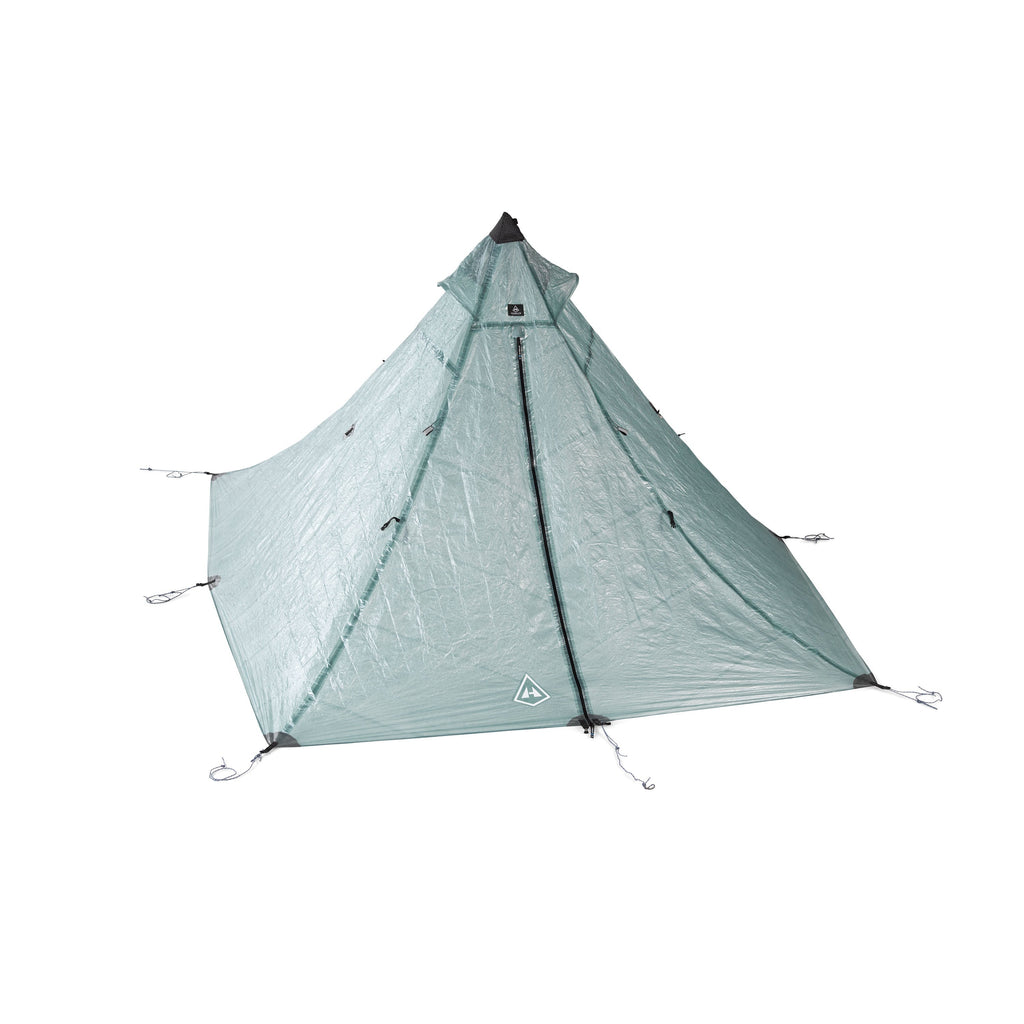
The Hyperlite Mountain Gear UltaMid 2 redefines winter shelter design by taking an ultralight pyramid footprint and executing it with high-grade Dyneema Composite Fabric. Designed primarily for backcountry ski tourers, winter mountaineers, and cold-weather thru-hikers, this floorless shelter rejects the heavy multiple-pole skeletons common among traditional winter domes. Instead, it relies on steep panel angles and a single reinforced center support to shed severe wind and driving snow.
Constructed from DCF, the canopy offers an exceptional strength-to-weight ratio and is inherently waterproof. Unlike standard coated nylon fabrics, Dyneema does not absorb water, freeze stiff when soaked, or stretch and sag as overnight temperatures drop. With a measured packed size of roughly 8.5 by 6 by 5.5 inches, the UltaMid 2 compresses down to a fraction of the bulk of standard four-season shelters, preserving critical volume inside a winter pack for cold-weather insulation and safety gear.
However, moving to an ultralight mid involves distinct functional compromises. Retailing near $730 for the outer shell alone, it represents a substantial financial investment before factoring in optional inner mesh or floor accessories. Living in the UltaMid 2 on snow also demands refined campcraft, as pitch stability depends entirely on anchor integrity, tension tuning, and deliberate campsite preparation.
Where it fits
Backcountry ski touring traverses
Fast-and-light mountaineering
Winter four-season backpacking
Alpine cold-weather expeditions
Pros
Steep pyramid profile sheds high winds and heavy snow loads easily
Dyneema fabric does not stretch, sag, or absorb moisture when wet
Remarkably small packed footprint measuring 8.5 x 6 x 5.5 inches
Floorless design permits customized internal snow trenches and footwells
Cons
Steep price near $730 covers only the unfloored outer canopy
Requires advanced snow anchoring techniques to stay secure in storms
Center support pole bisects interior floor space between occupants
The UltaMid 2 is built specifically for self-reliant backcountry travelers prioritizing minimal pack weight and maximum volume savings in freezing conditions. It suits fast-moving ski tourers, alpine climbers, and seasoned winter backpackers who understand snow anchoring and campsite selection. Because it ships as a floorless single-wall shell, it appeals to those comfortable managing ambient moisture and spindrift rather than casual campers looking for double-wall interior comfort. For users moving fast through mountainous terrain where every pound counts on the approach, the minimal footprint and negligible bulk provide undeniable utility. Conversely, individuals who demand a bug-free floor out of the box or who frequent loose, non-stakeable ground without anchors will find its minimalist setup demanding.
Materials and DCF Build
The core of the UltaMid 2 is its Dyneema Composite Fabric construction, a laminated non-woven material reinforced with ultra-high-molecular-weight polyethylene fibers. This material provides distinct structural benefits in freezing weather. Unlike nylon, DCF does not absorb moisture, eliminating the water weight gain and fabric sagging typical after wet snowstorms. The seams are bonded and taped, creating a continuous waterproof membrane that resists cold delamination. The apex of the pyramid features heavy-duty internal reinforcement designed to handle high mechanical pressure from trekking pole grips or lashed ski pole tips. While Dyneema is practically immune to cyclic stretching, it has lower puncture resistance against sharp metal crampons or ice axes compared to thick coated polyesters, meaning careful handling inside the pack remains essential.
Wind and Snow Dynamics
The four-sided pyramid geometry functions as an efficient passive shedding system in extreme weather. High winds split across the steep angular facets, driving downward force into the anchor points rather than collapsing broad side panels. Heavy snowfall slides down the steep canopy walls to collect along the ground hem rather than pooling on flat roof sections. However, maintaining this structural advantage requires adequate guyline tension across all perimeter tie-outs. If perimeter staking yields in loose snow, the flat panels can buffet in severe crosswinds. Unlike geodesic expedition domes that resist snow loading through intersecting aluminum poles, the UltaMid 2 relies on steady fabric tension and a solid center mast. Properly anchored, it handles alpine squalls with remarkable stability.
Pitching and Winter Anchoring
Achieving a drum-tight pitch with the UltaMid 2 requires skill and deliberate site preparation. In snow environments, traditional aluminum stakes will pull out immediately under load; users must rely on dedicated snow stakes, skis, trekking poles, ice tools, or buried deadman anchors. The pitch process starts by staking out the four rectangular corners square to one another before inserting the center pole inside the shelter. Using lashed ski poles or two trekking poles joined with straps yields the rigid vertical support required for high winds. On snow, dig-out versatility is a standout benefit. Campers can dig a footwell or central cold-air trench inside the floorless perimeter, dramatically increasing usable headroom while dropping ambient air temperatures below the sleeping platform level.
Internal Space and Ergonomics
While listed for two occupants, interior space management requires coordination. The single vertical center pole necessarily divides the shelter down the middle, separating occupants into designated halves. Because the walls angle sharply toward the ground, the usable floor area is smaller than the perimeter dimensions suggest. Taller sleepers using thick winter insulated pads may find their sleeping bag footboxes brushing the sloped Dyneema canopy, where frost condensation can accumulate. Careful placement away from the walls is necessary to keep down bags dry. There are no built-in gear vestibules; gear must be organized along the perimeter or inside excavated snow shelves. For a solo winter traveler, the internal space feels cavernous, while two large adults require disciplined gear staging.
Market Context and Alternatives
At around $730, the UltaMid 2 sits at the premium end of mountain shelters, particularly given that a bathtub floor or bug insert must be purchased separately. Traditional double-wall expedition tents like the Mountain Hardwear Trango 2 or The North Face Mountain 25 cost comparable amounts or slightly less while offering full freestanding pole frameworks, built-in dual doors, and vestibules. However, those models weigh three to four times as much and pack down to the size of a duffel bag. Alternative single-wall four-season tents like the Samaya 2.0 utilize breathable technical membranes to manage condensation at a higher price, but they lack the dig-out adaptability of a floorless mid. The UltaMid 2 remains the standard for weight-conscious travelers willing to trade turnkey comfort for pure pack efficiency.
As an Amazon Associate, Wild10 earns from qualifying purchases.
No ratings yet
Pick 02Research-based review
Trango 2
Mountain Hardwear
Trail Weight
9 lb 7 oz (approx. 4.28 kg)
Tent Category
Double-wall geodesic 4-season
Capacity
2-person expedition
Doors / Vestibules
2 doors / 2 vestibules
Estimated Price
Around $1,050
Frame Style
Multi-pole intersecting aluminum dome
The Mountain Hardwear Trango 2 has stood as a definitive benchmark for high-altitude expedition shelters for decades. Rather than chasing ultralight trends, this double-wall geodesic shelter is engineered for absolute structural integrity during prolonged winter storms. It is built specifically to handle hurricane-force wind gusts, sub-zero cold, and dense snow accumulation on exposed terrain above treeline where gear failure can turn catastrophic.
The tent relies on an intricate, multi-pole geodesic frame that resists deflection from crosswinds and heavy snow loads. By connecting the rainfly, poles, and tent body directly at key guyout points, the shelter acts as a unified rigid unit once properly staked out. Inside, the design emphasizes sustained livability during multi-day weather delays, featuring dual doors, internal tension shelving, and a massive poled front vestibule capable of storing wet boots, expedition duffels, and bulky cold-weather gear.
Those bulletproof defenses bring severe compromises in weight and bulk. At 9 pounds 7 ounces, the Trango 2 is substantially heavier than modern fast-and-light mountaineering tents. It demands deliberate gear division across climbing partners or transport via winter sled. For guides, high-altitude expeditions, and prolonged winter basecamps, however, its storm security routinely outweighs the carry penalty.
Where it fits
High-altitude mountain expeditions
Extended winter basecamps
Polar exploration trips
Severe winter storm camping
Pros
Bombproof geodesic frame resists massive snow loading and heavy wind gusts
Generous poled front vestibule provides dedicated storm gear storage
Dual doors and vestibules ensure independent entry and cross-ventilation
Durable, heavyweight materials engineered for extended UV and ice exposure
Cons
Heavy 9 lb 7 oz trail weight requires split carries or sled hauling
Large packed volume consumes considerable space inside an expedition pack
Pitching multi-pole sleeves can be difficult during high winds with gloves
The Trango 2 is tailored specifically for mountaineers, polar expedition crews, and dedicated winter campers who prioritize structural survival over base weight. This is not a shelter intended for weekend ski touring or moderate subalpine backpacking where a lighter shelter suffices. It belongs on exposed ridges, glaciated basecamps, and high-altitude peaks such as Denali, where unyielding gale winds and sustained snow accumulation routinely flatten standard shelters. If an itinerary involves sitting out multi-day blizzards waiting for a summit window, the Trango 2 provides the interior stability and space required to remain comfortable and dry. Conversely, solo travelers or fast-moving alpine teams will find its substantial mass and packed volume far too unwieldy for technical ascents.
Structural Architecture and Wind Resistance
The strength of the Trango 2 stems from its overlapping geodesic pole geometry. Multiple high-strength aluminum poles cross one another at several intersections, distributing external wind pressure evenly across the canopy rather than allowing force to concentrate on a single weak axis. Mountain Hardwear utilizes a Direct Connection system that locks the fly, tent body, and pole structure together at exterior guyout loops. When staked out with snow anchors or deadmen, the entire assembly behaves like a rigid bunker that resists sidewall buckling. The steep walls shed drifting powder efficiently, minimizing the need to venture out into whiteout conditions to shovel accumulated snow off the ceiling.
Interior Space and Vestibule Utility
Winter livability hinges on keeping critical insulation dry while managing wet, bulky gear, and the Trango 2 excels in layout efficiency. The interior floor plan comfortably fits two winter-rated sleeping pads with room along the perimeter for insulated clothing and electronics. An internal tension shelf provides additional elevated storage to dry damp gloves and socks away from the floor. Outside the sleeping quarters, a large, poled front vestibule offers dedicated space for boots, packs, and melting snow during foul weather. A smaller secondary vestibule at the rear provides independent exterior access for the second occupant, preventing partners from having to climb over one another during night exits.
Materials, Coatings, and Durability
Built to withstand rough treatment, coarse snow crystals, and punishing UV exposure at altitude, the Trango 2 employs heavy-duty coated fabrics throughout its construction. The floor is made from rugged, high-denier nylon with a thick waterproof polyurethane coating designed to resist sharp ice crystals and crampon nicks. Factory-taped seams eliminate the need for aftermarket sealing, and high-stress points are reinforced with multi-stitch bar tacks. The zipper hardware features burly pulls that can be manipulated without removing thick alpine mitts. While these dense textiles increase overall pack weight, they offer puncture resistance and long-term durability far superior to ultralight silnylons or composite fabrics.
Pitching Ergonomics in Storms
Erecting a four-season geodesic tent in freezing weather is inherently demanding, and the Trango 2 requires familiarity before tackling real mountain conditions. The setup relies on a combination of pole sleeves and heavy-duty external clips. Sleeves maximize structural load distribution, but threading multiple long poles through tight channels while contending with stiff winds and thick gloves requires patience and coordination. Staking out the inner tent first is essential to prevent gusts from catching the fabric like a sail. Once the inner frame is secure, attaching the fly and adjusting the color-coded webbing is straightforward, but solo setup in a blizzard remains an athletic, tedious process.
Market Context and Alternatives
Priced around $1,050, the Trango 2 competes directly with premier expedition shelters such as The North Face Mountain 25 and Hilleberg's double-wall mountaineering models. The Mountain 25 shares a comparable geodesic design and weight class, often at a slightly lower retail price, though the Trango 2 typically offers a more cavernous front vestibule configuration. For mountaineers focused purely on speed, single-wall alpine shelters like the Black Diamond Eldorado save several pounds and pack significantly smaller, but sacrifice ventilation, gear storage, and multi-day storm livability. The Trango 2 remains a dedicated tool designed purely for maximum safety when harsh weather conditions refuse to cooperate.
As an Amazon Associate, Wild10 earns from qualifying purchases.
No ratings yet
Pick 03Research-based review
CrossBow 2
Slingfin
Weight
5 lb. 2 oz.
Capacity
2-person
Shelter Type
Double-wall 4-season
Approximate Price
$790
Key Architecture
Internal guyline system
Primary Focus
Alpine stability and weight savings
The Slingfin CrossBow 2 is an engineered four-season shelter designed for winter backpackers, ski tourers, and mountaineers seeking heavy-weather stability without the punishing weight of traditional base-camp domes. While many severe-weather two-person tents push past eight pounds, the CrossBow 2 maintains a trail weight of roughly 5 pounds 2 ounces. It delivers this structural efficiency through a distinct framework that prioritizes lateral rigidity and modularity over sheer bulk.
At the core of the CrossBow 2 design is Slingfin's internal guyline architecture and flexible pitching options. The shelter uses internal cordage to connect the pole intersections directly to the floor, significantly reducing pole deflection and preventing side-wall collapse in gale-force winds. The inner tent features fabric panels that zip closed to block spindrift during blizzards or open up to mesh panels when humidity management is required in milder temperatures.
Retailing around $790, this tent represents a considerable financial investment and demands a working familiarity with specialized guying techniques. The internal floor area is relatively narrow, which means two adults on thick, insulated winter sleeping pads will experience tight quarters. For travelers willing to trade extra elbow room for high wind security and reasonable pack weight, the CrossBow 2 fills a specialized role in the winter shelter market.
Where it fits
Winter backcountry skiing
High-altitude mountaineering
Cold-weather alpine traverses
Exposed shoulder-season trekking
Pros
Internal guyline system offers unmatched lateral rigidity in high winds
Lightweight trail weight of 5 lb 2 oz for an expedition-grade double-wall tent
Fly-first pitch option protects the interior during severe storms and snow
High-grade silicone-treated fabrics resist water saturation and UV breakdown
Cons
Snug interior floor width limits comfort for two campers on wide winter pads
Steep initial learning curve to properly tension the internal architecture
The CrossBow 2 is engineered specifically for backcountry travelers who venture above treeline or into deep winter environments where shelter failure is dangerous. It appeals directly to high-route skiers, alpine climbers, and winter backpackers who find typical four-season domes far too heavy to haul across long mileage. Because the tent offers modular components, it also suits technical shoulder-season expeditions that might encounter anything from warm valley rain to sudden sub-freezing snowstorms. Casual car campers and summer backpackers will find the tent unnecessarily complex, cramped, and expensive. The design presupposes that the user understands the mechanics of anchor selection, snow staking, and guyline tensioning. For those who regularly operate in exposed alpine settings where wind sheer can buckle conventional lightweight poles, the CrossBow 2 offers structural peace of mind at an unusually manageable carry weight.
Materials and Structural Rigidity
Slingfin builds the CrossBow 2 with a clear emphasis on tensile strength and tear resistance. The fly relies on robust silicone-treated fabrics that avoid the sag, water absorption, and coating degradation typical of conventional polyurethane treatments. The structural backbone combines premium aluminum poles with an internal guyline system that braces the skeleton from the inside out. When crosswinds push against the outer tent, the internal lines tension against the opposite side of the frame, distributing stress down to the tent floor and snow stakes rather than allowing the leeward poles to bend inward. The modular design also allows setup using an external sleeve harness, enabling fly-first pitching to keep the inner tent completely protected from snow and rain during camp establishment. Every seam, clip, and grommet is calculated to endure high cycle fatigue under severe wind loading.
Real-World Storm Performance
In freezing winds and heavy precipitation, the CrossBow 2 behaves more like an expedition shelter than a backpacking tent. Reviewers consistently highlight its resilience against gusts that flatten lesser shelters, noting that the internal guy system eliminates much of the flapping and buffeting noise that exhausts sleepers during multi-day alpine storms. Snow loading is handled well thanks to the steep side walls and structural ridge crossover, which shed accumulation rather than allowing snow to form flat, heavy pockets. When freezing fog and interior moisture build up, the double-wall construction keeps occupants insulated from frost condensation on the outer fly. The inner tent doors feature solid panels backed by mesh, allowing users to tune airflow to minimize moisture while completely sealing out blowing drift. Proper exterior staking remains critical, but the shelter rarely requires auxiliary exterior reinforcement beyond standard storm lines.
Living Space and Interior Fit
Where the CrossBow 2 compromises is usable interior volume. With a modest footprint designed to fit onto narrow snow ledges and small alpine cuts, the interior floor space is tight for two adults. When packing two rectangular, wide winter sleeping pads, the mattresses will generally overlap or press against the lower sidewalls. Headroom is sufficient to sit upright near the central apex, but shoulder room is restricted when two people are sorting heavy winter gear, wearing bulky down parkas, or changing out of frozen outer layers. The dual vestibules provide dedicated storage for boots, crampons, and packs, though large expedition packs will fill the vestibule space rapidly, requiring careful organization to maintain a clear exit path. Solo winter travelers will find the shelter exceptionally spacious, while partners must accept close quarters as a deliberate trade-off for alpine wind protection.
Setup Tuning and Pitching Nuances
Setting up the CrossBow 2 requires practice and cannot be treated like an intuitive three-season clip tent. The interplay between the pole framework, external truss system, and internal tensioning lines creates a learning curve that users must work through before facing inclement weather in the backcountry. Dialing in the internal guylines takes patience; over-tensioning can pull the frame out of alignment, while under-tensioning leaves lateral play in the structure. Pitching the shelter fly-first in a winter squall demands methodical organization so that wind does not catch unsecured components while threading poles through the system. Once mastered, however, the pitching workflow is robust and dependable, allowing campers to erect a fully functional storm shelter without exposing the inner living space to rain or blowing spindrift. Clear snow anchors and solid deadman stakes are mandatory to achieve the tension this architecture requires.
Market Context and Alternatives
At an approximate retail price of $790, the CrossBow 2 competes directly with premier winter shelters such as the Mountain Hardwear Trango 2 and various single-wall alpine models. Compared to traditional expedition domes like the Trango, the CrossBow 2 saves roughly three to four pounds in pack weight while offering similar wind resistance, though it concedes several square feet of interior floor space and vestibule volume. Against single-wall mountaineering shelters, the CrossBow 2 is noticeably heavier and takes longer to pitch, but it vastly outperforms single-wall designs in condensation management, rain protection, and shoulder-season versatility. For trips where heavy snow and sub-zero temperatures are guaranteed without prolonged rain, a minimalist single-wall shelter may suit fast-and-light pushes better. However, for true multi-day winter routes where weather changes unpredictably and structural strength is non-negotiable, the CrossBow 2 hits a rare balance.
As an Amazon Associate, Wild10 earns from qualifying purchases.
No ratings yet
Pick 04Research-based review
Jannu
Hilleberg
Tent Category
4-season semi-geodesic double-wall
Capacity
2-person
Outer Fabric
Kerlon ripstop nylon
Entry Points
1 front door, 1 vestibule
Pitch System
Simultaneous inner and outer pitch
Approximate Price
$1,325
The Hilleberg Jannu is an uncompromising two-person alpine shelter engineered specifically to withstand brutal weather in high-mountain terrain. Combining the resilience of a semi-geodesic dome with Hilleberg's Red Label balance of weight and fortitude, it serves mountaineers, ski tourers, and cold-weather adventurers who frequently camp on exposed ridges or snowfields where failure is not an option.
At the core of the Jannu's appeal is its linked pitching system. The inner canopy and the heavy-duty outer fly remain connected, allowing users to erect the entire structure simultaneously using external pole sleeves and clips. This protects the interior from spindrift, sleet, and driving rain from the moment setup begins. Supported by high-tenacity Kerlon outer fabric and multi-point pole intersections, the structure deflects erratic wind gusts and resists substantial overnight snow loading.
However, deliberate design decisions enforce clear practical compromises. The tent uses a single entrance and a solitary vestibule, forcing two occupants to coordinate their gear management and movements tightly. Accompanied by a premium retail price around $1,325, the Jannu is a specialized alpine fortress rather than a general-purpose cold-weather tent.
Where it fits
High-altitude mountaineering
Winter ski traverses
Exposed alpine ridge camping
Cold-weather arctic expeditions
Pros
Simultaneous fly-and-body setup keeps inner quarters dry in blizzards
Semi-geodesic pole structure resists severe winds and snow loading
The Jannu is explicitly built for technical alpine mountaineers, ski mountaineers, and cold-weather wilderness travelers who must endure severe wind, sub-zero temperatures, and heavy snow accumulation. It is not an entry-level shelter for casual three-season backpackers or campers heading out in mild conditions. Its architecture caters to users who prioritize physical stability and structural survival on small, rocky ledges or exposed alpine cols. If your trips routinely involve setting camp above tree line in winter or enduring multi-day blizzards, the Jannu fits the mission profile precisely. Conversely, weekenders who hike primarily below tree line or during summer shoulder seasons will find the heavy-duty build, warmer solid-fabric canopy, and premium cost excessive for their needs.
Materials and Outer Architecture
Hilleberg builds the Jannu using its proprietary Kerlon outer tent fabric, a high-tenacity ripstop nylon treated on both sides with multiple layers of silicone. This material provides exceptional tear resistance that far outclasses standard polyurethane-coated fabrics, ensuring accidental punctures or high wind shears do not develop into catastrophic structural rips. The frame relies on a semi-geodesic architecture where three poles intersect at multiple distinct points. This geometry disperses lateral forces from gusts evenly across the entire surface rather than concentrating pressure on a single apex. Heavy-duty webbing adjusters and durable pole tensioners secure the poles into place, while reinforced guyout points offer broad anchoring options using snow stakes, ice axes, or rocks.
Storm Performance and Ventilation
High-altitude winter conditions demand both wind resistance and effective moisture management. The Jannu manages heavy snow loading with minimal canopy sagging thanks to its dome-like profile and steep roof slopes. High winds pass smoothly over the low-slung, aerodynamic profile without producing the violent buffeting typical of larger tunnel or boxy dome designs. To combat the severe condensation that plagues sealed four-season shelters, the tent incorporates a dedicated roof ventilation apparatus. Positioned near the peak of the fly, this vent operates under a protective fabric roof cover that can be operated from within the vestibule. It allows moist exhalations to escape while preventing drifting spindrift or blowing sleet from penetrating the inner living area.
Pitching Mechanics and Durability
The Jannu utilizes Hilleberg's signature integrated pitch system, which links the inner tent to the outer fly using a network of elastic toggles. During setup, users insert poles through external fabric sleeves and snap burly clips directly onto the frame, elevating both walls at once. This configuration prevents the inner tent from ever being exposed to snow or rain during assembly, an indispensable advantage when establishing a campsite mid-storm. The durability of the materials translates into exceptional field longevity; the silicone-coated fly resists UV degradation significantly better than conventional PU coatings, and the solid inner tent fabric buffers occupants against freezing drafts while containing ambient body warmth.
Interior Space and Ergonomics
Living inside the Jannu requires realistic expectations regarding livable volume. While the tent provides adequate length for most sleepers, the floor plan tapers toward the foot end to reduce aerodynamic drag and overall weight. Two adults wearing bulky winter layers will find shoulder and elbow room tight, leaving little space inside the main compartment for large expedition packs. All primary gear storage, boot changes, and meltwater cooking tasks must occur in the single front vestibule. Because there is only one door, nighttime exits demand crawling over a tent partner, requiring good coordination and communication between climbing partners during long, stormbound waiting periods.
Market Context and Alternatives
At approximately $1,325, the Jannu sits at the upper limit of the high-end four-season market. Classic basecamp domes like The North Face Mountain 25 and Mountain Hardwear Trango 2 offer dual doors, two vestibules, and more palatial headroom for significantly less money, but they do so at the cost of noticeable extra weight and much bulkier packed volumes. Other alpine-oriented alternatives, such as the MSR Remote 2, provide dual entrances and competitive weather protection at a lower price point, though they lack Hilleberg's outer-first pitching mechanics and the proven tear strength of Kerlon fabric. For mountaineers who value rapid storm pitching and bombproof construction over living space, the Jannu remains a top-tier contender.
As an Amazon Associate, Wild10 earns from qualifying purchases.
No ratings yet
Pick 05Research-based review
Firstlight 3P
Black Diamond
Minimum Weight
2 lb 9 oz (1.16 kg)
Packed Weight
3 lb 6 oz (1.53 kg)
Design Style
Single-wall alpine shelter
Capacity
3-person (recommended for 2 climbers)
Pole Architecture
Two internal DAC Featherlite poles
Approximate Price
Around $450
The Black Diamond Firstlight 3P occupies a distinct niche in the four-season tent category: high-altitude, fast-moving alpine climbing where low weight and a compact footprint matter far more than luxurious livability. At a packed weight of roughly 3 pounds 6 ounces, this minimalist single-wall shelter shaves pounds off conventional mountaineering models without sacrificing essential structural integrity against cold mountain winds.
Sized nominally for three occupants, alpine teams almost universally deploy the Firstlight 3P as a roomier two-person shelter. That added width prevents winter sleeping bags and thick insulated pads from pressing directly against the shelter walls, which is a critical design consideration when moisture management is at stake. The tent pitches using an internal two-pole framework, allowing climbers to crawl inside out of biting winds to secure the frame from the safety of the canopy.
Nonetheless, adopting a specialized single-wall tent demands a clear understanding of environmental limitations. Lacking a secondary fly or an included vestibule, the Firstlight relies on breathable canopy textiles engineered strictly for dry, sub-freezing snow conditions. In heavy sleet or warm, damp winter storms, condensation and wall weeping become genuine challenges. It remains an uncompromising alpine tool rather than an all-around winter camping shelter.
Where it fits
Fast-and-light alpine climbs
High-route ski mountaineering
Sub-freezing winter bivies
Technical ridge traverses
Pros
Remarkably light packed weight of 3 lb 6 oz for a 4-season shelter
Internal two-pole system allows safe setup from inside during high winds
The Firstlight 3P is engineered specifically for mountaineers, ski alpinists, and technical climbers who prioritize low pack weight and small bivy footprints above all else. For multi-day alpine pushes where every ounce carried up a couloir counts, a burly eight-pound geodesic tent is an absolute non-starter. This shelter fits on narrow snow benches cut into steep slopes, making it ideal for high-altitude objectives in places like the Cascades, the Rockies, or the Alaska Range. Conversely, casual winter campers expecting roomy vestibules, standing headroom, and dry performance during rain-snow mixes will find it frustratingly spartan. It belongs in the packs of experienced alpine travelers who understand high-mountain weather and need a light, reliable roof when moving quickly between camps.
Architecture and Setup Mechanics
Traditional external pole sleeves can be disastrous on an exposed, storm-battered ledge, where catching wind during setup can rip a tent from your hands. The Firstlight solves this with an internal pole configuration. Climbers stake or weigh down the floor, climb completely inside with the poles, and seat the ends into reinforced corner pockets before securing the frame with interior ties and clips. This allows setup from within the shelter, protected from spindrift and gale-force gusts. The two cross poles form a simple, taut dome that sheds heavy wind loads effectively. However, maneuvering long pole segments inside the confined, unpitched fabric canopy requires practice, and setting it up smoothly with cold, gloved hands demands familiarity before heading into technical terrain.
Fabric and Single-Wall Realities
Single-wall construction is the foundation of the Firstlight's low weight, utilizing a breathable, water-resistant canopy fabric designed to let moisture vapor escape while shedding frozen precipitation. In dry, cold conditions well below freezing, this system works reasonably well, letting interior humidity migrate out into dry alpine air. However, physics cannot be cheated: in humid maritime snowstorms or conditions hovering around freezing, condensation will inevitably collect on the ceiling and walls. Without a separate inner mesh wall to shield occupants, brushing against the interior fabric during the night transfers moisture directly onto down garments. Proper site selection and venting through the door and top vents are essential practices to mitigate interior frost buildup throughout freezing nights.
Living Space and Storage
While Black Diamond rates this model for three occupants, cramming three adult climbers inside requires shoulder-to-shoulder bivy-style endurance. In practice, the Firstlight 3P delivers the optimal dimensions for two mountaineers carrying bulky winter gear and sleeping on wide insulated pads. The extra interior volume ensures sleeping bags do not compress against moisture-laden walls. The major functional concession is the absence of an included vestibule. All dirty mountaineering boots, packs, and cooking equipment must either be brought directly inside the living quarters or left outside in stuff sacks. Black Diamond offers an add-on vestibule as an aftermarket accessory, but purchasing and packing it adds extra weight, cost, and complexity to an otherwise minimalist package.
Durability and Mountain Longevity
To achieve its 3-pound 6-ounce packed weight, the Firstlight utilizes lightweight textiles that require deliberate care and smart handling. While the floor is reinforced adequately for snow and ice, it does not possess the puncture resistance of heavy-duty expedition basecamp shelters. Sharp crampons, ice screws, and picket anchors must never be brought into the tent unprotected, as an accidental puncture compromises structural protection. The internal pole pockets and cross-tie points absorb significant tension during severe gusts, making periodic seam checks and reinforcement advisable. When pitched carefully on cleared snow platforms and shielded from jagged rock outcrops, the shelter demonstrates impressive resilience, surviving multiple seasons of demanding alpine assaults without structural failure.
Market Alternatives and Trade-Offs
At roughly $450, the Firstlight 3P represents a remarkably cost-effective entry into technical single-wall mountain shelters. Competitors like the Mountain Hardwear Direkt 2 or Rab Latok series offer similar single-wall profiles, often at higher prices and with tighter interior footprints. For climbers unwilling to manage single-wall condensation, lightweight double-wall models like the MSR Access 2 or Hilleberg Jannu offer superior moisture management and dedicated gear vestibules, but they carry significant penalties in packed weight, bulk, and price. Choosing the Firstlight means trading away vestibule storage and rain resistance in exchange for pure, packable efficiency on fast mountain approaches where moving quickly is your primary safety margin.
As an Amazon Associate, Wild10 earns from qualifying purchases.
No ratings yet
Pick 06Research-based review
Samaya2.0
Shelter Design
Single-wall alpine bivy
Capacity
2-person
Canopy Fabric
Nanovent breathable membrane
Floor Fabric
Dyneema Composite Fabric
Baseline Vestibule
None (available as add-on)
Approximate Price
$1,210
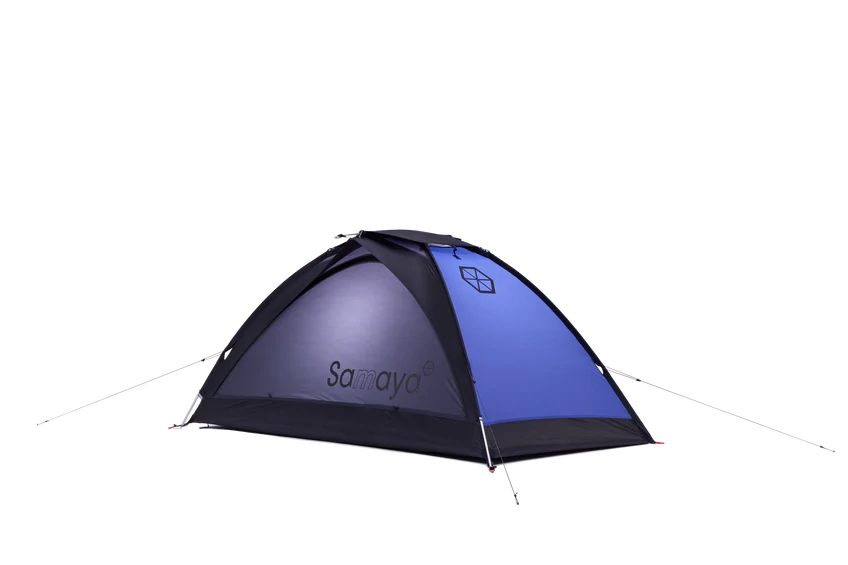
The Samaya2.0 occupies a specialized tier in the 4-season shelter market, built from the ground up for fast alpine ascents and high-consequence mountain environments. Rather than relying on traditional heavy double-wall architecture, French brand Samaya engineered this shelter to solve the core limitations of single-wall bivy tents. By pairing an advanced microporous breathable membrane with Dyneema composite reinforcements, the tent aims to provide storm-worthy shelter at a fraction of the bulk and weight required by standard expedition gear.
In field use reported across independent evaluations, the tent stands out primarily for managing interior moisture far better than historical single-wall predecessors. Frost and condensation buildup, the traditional bane of single-skin shelters in sub-freezing air, are noticeably reduced due to the material's high vapor transmission rates. The tent's semi-freestanding architecture is tailored for narrow mountain ledges and quickly carved snow platforms, making it an efficient tool when setting up camp in severe mountain weather.
However, this uncompromising focus on fast-and-light alpine utility introduces distinct compromises. At an approximate retail price of $1,210, the Samaya2.0 represents a massive financial investment. Furthermore, it ships without an integrated vestibule in its stock trim, meaning wet boots and heavy packs must either sit inside the compact living space or under an optional, aftermarket vestibule. It is not an all-around winter camping shelter, but rather a focused alpine machine.
The Samaya2.0 is not built for routine winter car camping or casual backcountry touring. It is engineered specifically for alpinists, ski mountaineers, and high-altitude climbers operating where pack volume and weight directly dictate safety. Its primary appeal lies in rapid mobility, allowing climbers on technical routes to shoulder minimal bulk during the day and erect shelter quickly on narrow, exposed bivouac ledges. For recreational winter campers who prioritize cavernous interior space, large storage vestibules, and double-wall warmth, traditional mountaineering domes remain more practical. The Samaya2.0 targets users who treat their shelter primarily as an emergency haven or a streamlined resting spot between demanding climbing pushes.
Breathability and Condensation Realities
Single-wall tents carry a notorious reputation for soaking interior walls with condensation, which subsequently freezes into frost and snow inside the living area. The Samaya2.0 tackles this physics problem through a specialized multi-layer breathable membrane designed to push water vapor out before it liquefies. Reviewers and technical evaluators consistently note that the fabric expels breath-induced moisture more effectively than traditional single-wall fabrics in cold, dry alpine air. However, physics cannot be entirely cheated. In wet, humid snowstorms or freezing rain just above the melt threshold, the exterior membrane can become saturated, slowing vapor transfer. Proper venting through the top vent remains mandatory to maintain steady cross-flow in humid weather.
Architecture and Storm Deployment
The tent uses an external pole configuration that keeps the interior completely shielded from snow intrusion during setup. In high winds on exposed terrain, being able to anchor the floor and snap poles into exterior sleeves quickly prevents the shelter from turning into an uncontrollable sail. Its footprint is purposefully compact and rectangular, designed to sit comfortably on small ledges chopped out of 45-degree snow slopes. Guyout points are heavily reinforced to distribute tension directly across the frame, allowing the structure to shed heavy alpine winds without buckling. While the taut, steep walls shed snow accumulation well, the tight geometry means two occupants will find their shoulders and sleeping bags in constant contact with the interior walls.
Space Constraints and Storage Trade-offs
Operating the Samaya2.0 in the deep cold requires disciplined camp management. Because the baseline model does not include a vestibule, all critical equipment must be managed inside the tent floor plan. Stashing two 70-liter alpine packs, insulated boots, and technical climbing hardware alongside two sleeping pads leaves virtually zero margin for error. Melting snow with a camp stove requires extreme caution inside a tight single-wall living chamber due to fire and carbon monoxide hazards. Samaya sells modular vestibules made of nylon or Dyneema to solve this issue, but they add substantial cost and weight, somewhat offsetting the minimalist rationale of choosing a single-wall shelter in the first place.
Materials and Durability Assessment
Samaya justifies its ultra-premium pricing by utilizing exceptionally advanced outdoor textiles. The floor incorporates laminated Dyneema Composite Fabric, delivering puncture resistance, tear strength, and complete waterproofing at a fraction of standard woven nylon weights. Critical tension junctions and peg-out loops feature structural Dyneema reinforcements that prevent hardware tear-out during fierce gusts. The poles are premium DAC aluminum alloys selected for reliable flex in sub-zero cold. While the Dyneema floor is mechanically robust against rough snow and ice, sharp crampon spikes and scree will still puncture it if mishandled. Users must exercise methodical care when entering with sharp alpine hardware.
Alternative Shelters and Final Value
At roughly $1,210, the Samaya2.0 faces stiff competition from established mountaineering workhorses. Heavyweight double-wall shelters like the Mountain Hardwear Trango 2 or The North Face Mountain 25 provide far more livable space, massive integrated vestibules, and bombproof basecamp comfort for substantially less money, albeit at more than double the weight. Against dedicated four-season double-walls like the Hilleberg Jannu, the Samaya offers a significantly smaller packed size and a lighter carry, but sacrifices vestibule gear storage and double-wall moisture buffering. The investment makes financial sense only for technical mountain athletes whose specific objectives demand high-altitude weather resistance within an ultralight, compact footprint.
As an Amazon Associate, Wild10 earns from qualifying purchases.
No ratings yet
Pick 07Research-based review
Storm Star 2
KUIU
Packaged Weight
5 lb. 14 oz.
Shelter Type
Double-wall four-season
Pole Architecture
External skeleton framework
Entry Points
2 doors, 2 vestibules
Approximate Price
$600
Setup Style
Simultaneous fly and inner pitch
The KUIU Storm Star 2 is engineered specifically for backcountry hunters, alpine trekkers, and winter backpackers who regularly camp in exposed, wind-scoured environments. While primarily recognized in the hunting market, KUIU approached this shelter from a technical mountaineering perspective. It uses an external pole frame that anchors directly over the rainfly, turning the entire exterior shell into a rigid, aerodynamic dome capable of handling brutal buffeting on open tundra or high ridgelines.
At 5 pounds 14 ounces, the Storm Star 2 strikes a practical middle ground between ultra-heavy basecamp geodesic domes and flimsy three-season shelters pushed beyond their limits. Its simultaneous pitch design stands out in foul weather: because the inner canopy stays clipped inside the fly, setup occurs without exposing the living quarters to falling sleet or driving snow. For roughly $600, it brings specialized design choices typically confined to Scandinavian expedition shelters down to a more accessible price bracket.
That storm-worthy stability does require livability compromises. The tent uses a low, wind-cheating profile that limits interior headspace, meaning two adult winter campers will find the footprint snug once thick insulated sleeping pads and heavy bags are inside. For those who prioritize surviving extreme gusts over lounging comfort, the Storm Star 2 delivers dependable four-season defense.
Where it fits
Late-season backcountry hunts
Exposed alpine ridgeline camping
Winter mountain backpacking
Above-treeline storm shelters
Pros
External pole frame provides exceptional structural rigidity against heavy winds
Simultaneous fly-first pitch keeps the inner canopy dry during wet setup
Two doors and dual vestibules simplify gear storage and camp routines
Competitive weight of 5 pounds 14 ounces for a four-season double-wall shelter
Cons
Aggressive wall taper limits headroom and space for tall sleepers
Stiff external clips can be difficult to engage with frozen fingers
Floor width is snug when fitting two wide, high-loft winter sleeping pads
The Storm Star 2 is built for remote mountain travelers who cannot afford structural failure in bad weather. It appeals directly to late-season hunters pursuing game across bleak ridgelines, winter backpackers, and mountaineers who camp above treeline. Because it foregoes the massive interior volume of a standard mountaineering basecamp tent, it is best suited for mobile groups moving camps in challenging alpine terrain rather than multi-week siege-style expeditions. The shelter demands users who understand how to pitch firmly into the prevailing wind and tension guyouts properly. If your trips primarily take place below treeline or during calm summer weekends, the burly external frame and dense fabrics will simply add unnecessary weight and complexity to your pack.
External Frame and Wind Resistance
The hallmark of the Storm Star 2 is its external pole skeleton. Instead of feeding poles through interior sleeves beneath a detached rainfly, the poles cross over the exterior shell and attach via heavy-duty clips. This layout pre-tensions the fly, effectively eliminating the buffeting and fabric slack that cause standard tents to flatten under sustained gale-force winds. Crossing external poles direct energy across the entire perimeter of the tent floor, significantly decreasing pole deflection under heavy snow accumulation. Independent reviewers have highlighted the Storm Star 2 specifically for this wind-shedding prowess. In sustained storms where traditional crossover poles might warp or snap, the rigid framework keeps the inner canopy taught and off the occupants.
Pitch Mechanics and Cold Setup
The connected double-wall construction allows simultaneous pitching, which solves a major headache of winter camping. In standard tents, the mesh or breathable inner tent is pitched first, leaving the interior vulnerable to snow and rain while you struggle to throw the fly over top. The Storm Star 2 avoids this completely; you lay out the footprint, assemble the poles, and clip the external skin directly to the frame while the interior stays completely dry. However, the trade-off comes down to manual dexterity. The external clips and tension points are built thick to endure wind loads, which makes them noticeably stiff to snap into place when working with bulky winter gloves or cold, numb fingers in freezing conditions.
Interior Space and Usability
To maintain structural rigidity against severe winds, KUIU kept the Storm Star 2 relatively low-slung. The interior ceiling height accommodates sitting upright near the center, but the walls slope inwards aggressively toward the foot and head ends. When paired with high-loft winter sleeping bags and thick inflatable insulated pads, taller users over six feet may find their feet or head lightly brushing the inner fabric. On the positive side, dual doors and twin vestibules make winter living significantly less chaotic. Each sleeper has an independent exit and a dedicated staging area to store boots, snowshoes, and packs without blocking the main doorway or forcing gear inside the sleeping compartment.
Materials and Construction Quality
The fabric selection prioritizes durability and weather resistance over ultralight trail weight. High-tenacity silicone-treated nylon is utilized across the rainfly, offering strong resistance to ultraviolet degradation and water penetration. Silicone coatings also prevent the fabric from absorbing water and sagging during prolonged precipitation, which is critical for maintaining an air gap between the outer fly and inner canopy. The floor fabric features a rugged polyurethane coating designed to withstand abrasive frozen ground and puncturing snow crusts without demanding a dedicated ground cloth on every pitch. Seam tape and reinforced tie-out webbing throughout the perimeter reflect a shelter assembled to withstand substantial storm loads without blowing out stitching.
Market Context and Alternatives
At approximately $600, the Storm Star 2 occupies a competitive niche among technical four-season shelters. Its primary competition comes from legacy expedition domes like the Mountain Hardwear Trango 2 and high-end external-pole models from European manufacturers like Hilleberg. While the Trango offers greater interior volume and headroom for extended delays, it carries substantially more weight. Conversely, premium Scandinavian external-frame tents offer similar fly-first pitching convenience but frequently command prices well north of eight hundred dollars. The Storm Star 2 manages to split the difference, delivering true alpine-grade wind performance and fly-first assembly in a sub-six-pound package that stays accessible to dedicated four-season backcountry travelers.
As an Amazon Associate, Wild10 earns from qualifying purchases.
No ratings yet
Pick 08Research-based review
Chogori 3
Nemo
Sleeping Capacity
3-person (ideal for 2 in winter)
Approximate Price
$899
Frame Architecture
External pole exoskeleton
Canopy Fabric
Silicone-treated nylon
Vestibule Count
2 doors and 2 vestibules
Intended Use
Four-season alpine and mountaineering
The Nemo Chogori 3 occupies a distinct niche in severe-weather shelters by emphasizing rapid deployment during active storms. Utilizing an integrated external pole architecture where the rainfly and tent body erect simultaneously, the design shields the interior from driven snow and precipitation throughout the pitch. While technically rated for three occupants, the Chogori is most practically deployed as an expansive winter base for two explorers carrying high-loft sleep systems, heavy packs, and technical mountaineering hardware.
The shelter relies on silicone-treated nylon, a material choice that sheds wet snow smoothly and avoids taking on excess water weight over prolonged trips. Independent outdoor reviewers highlight its high internal volume and functional dual-vestibule layout, which provide ample staging space for melting snow and sorting gear. A specialized zipper configuration even permits connecting two Chogori tents together for group expeditions.
At roughly $899, the Chogori sits in the premium tier of dedicated mountaineering gear. The external frame and generous footprint demand a wide, flat snow bench, and the silicone fly requires deliberate tensioning during temperature drops. For winter mountaineers and ski tourers seeking storm-ready livability, it remains a thoroughly engineered alpine dwelling.
Where it fits
Backcountry ski touring
Winter alpine basecamps
High-altitude mountaineering
Deep winter backpacking
Pros
External pole system prevents the interior from getting wet during pitch
Generous floor space comfortably accommodates two adults with winter gear
Silicone-treated fly fabric sheds snow cleanly and resists water absorption
Modular vestibule zippers allow linking two shelters for expedition basecamps
Cons
Silicone-treated nylon stretches when cold, requiring guyline retensioning
Wide footprint requires excavating an expansive snow platform
Steep $899 price represents a significant investment
The Nemo Chogori 3 is built specifically for mountaineers, winter backpackers, and ski tourers who brave sub-freezing temperatures and severe alpine weather. It is not an entry-level shelter or a three-season tent with thicker fabric; rather, it is an authentic four-season basecamp dwelling. While categorized as a three-person tent, real-world cold-weather demands dictate its optimal use. Two adults wearing thick down parkas and resting on wide, insulated sleeping pads will find the dimensions spacious and manageable, whereas three full-grown adults with heavy winter gear would face cramped sleeping arrangements. The tent is tailored to teams spending consecutive nights in snow country, where drying out soaked gear is nearly impossible and staying warm depends on keeping precipitation outside. It suits climbers awaiting weather windows on ridgelines or winter adventurers who require a dependable, wind-resistant haven. For casual summer hiking or moderate spring excursions, its heavy build and lack of open mesh make it unnecessary and poorly ventilated.
External Pole Engineering
The standout mechanical feature of the Chogori 3 is its external pole structure. Conventional mountaineering tents often require pitching an inner canopy with poles before throwing a freezing, flapping rainfly over the top. In high winds and driving snow, this traditional method risks blowing out poles and inevitably allows snow to accumulate on the exposed tent floor. The Chogori solves this by integrating the rainfly and tent body onto an exterior exoskeleton framework. The poles clip directly to the outside of the fly, allowing the entire shelter to erect as a unified capsule in minutes. Not only does this architecture protect the interior living quarters from moisture during pitch, but it also simplifies the process for climbers wearing bulky, insulated gloves. The aluminum pole geometry creates a rigid geodesic-style frame that withstands heavy side winds and resists the downward crushing weight of heavy snowpack.
Fabric Performance and Tensioning
Nemo employs a high-grade nylon fly treated with silicone coatings rather than standard polyurethane. Silicone impregnation substantially boosts the fabric's tear strength and creates a slick, hydrophobic surface that sheds frozen precipitation and wet snow cleanly. Because silicone does not degrade via hydrolysis like some older polyurethane coatings, the fabric retains its water-repellent properties over years of exposure. The primary trade-off with silnylon in alpine conditions is its tendency to stretch when wet or when exposed to abrupt temperature drops. When night falls and ambient temperatures plummet, the fly fabric naturally slackens slightly. To maintain structural rigidity and prevent the outer fly from contacting the inner tent wall, users must take advantage of the integrated external guyout points. Tensioning the shelter thoroughly before bedding down is an essential routine to prevent wind buffeting and maintain optimal aerodynamic stability through overnight storms.
Interior Living and Storage
Inside the Chogori 3, the design reflects the practical realities of winter livability. The steep sidewalls maximize usable headroom, allowing occupants to sit up comfortably without brushing their heads against frosty condensation on the ceiling. Storage pockets are situated throughout the inner perimeter to keep essentials, headlamps, and drying glove liners within arm's reach. The vestibule arrangement is particularly well thought out. An expansive front vestibule provides dedicated space for stomping off snowy boots, stashing bulky expedition packs, and carefully operating a camp stove in poor conditions. A secondary rear door and smaller vestibule give the second sleeper an unobstructed exit for nighttime relief without clambering over gear piles or disturbing their partner. Proper airflow is managed through top vents that can be adjusted from inside the shelter, an essential feature for mitigating internal condensation build-up in sub-zero air.
Modularity and Comparative Value
At roughly $899, the Chogori 3 competes against heavyweights like the Mountain Hardwear Trango 3 and Hilleberg geodesic models. What distinguishes the Chogori from traditional double-wall competitors is its combination of lower packed weight and innovative modularity. Nemo integrated specialized perimeter zippers on the vestibule that allow two Chogori shelters to link together face-to-face. This creates a conjoined, weatherproof communal area between two distinct sleeping quarters—an exceptional setup for four-person expedition teams sitting out multi-day storms. Compared to heavier legacy mountaineering tents, the Chogori offers a more streamlined package without sacrificing storm integrity. However, its broad external footprint means finding or excavating a wide snow bench is mandatory on steep alpine terrain. For serious winter explorers, the investment delivers a rugged, versatile fortress that addresses the worst pain points of winter campsite management.
As an Amazon Associate, Wild10 earns from qualifying purchases.
No ratings yet
Pick 09Research-based review
Remote 2
MSR
Capacity
2-person
Tent Category
Double-wall 4-season basecamp
Pole System
Easton Syclone composite poles
Key Protection
Snow flaps on primary front vestibule
Retail Price
Around $860
Standout Trait
Exceptional interior volume and headroom
The MSR Remote 2 is engineered specifically for winter mountaineers, backcountry ski tourers, and cold-weather expedition teams who need a reliable shelter during prolonged storm cycles. While many high-altitude tents prioritize a low, cramped profile to deflect hurricane-force winds, the Remote 2 takes a more balanced approach. It optimizes internal volume and steep wall angles without sacrificing structural stability, yielding an interior that feels significantly less claustrophobic during multi-day tent-bound delays.
At the core of its build is an Easton Syclone composite pole system. Unlike standard aluminum tubing that can kink, warp, or permanently snap under sudden wind shears or heavy snow accumulation, these composite poles flex under pressure and rebound to their original shape. Combined with a robust double-wall construction and a deep front vestibule equipped with perimeter snow flaps, the tent provides a tight perimeter against driving spindrift.
Retailing around $860, the Remote 2 represents a major investment for committed alpine users. It carries the weight typical of storm-ready four-season double-wall tents, requiring trail partners to split the load. While the hubbed pole structure introduces slight pitching friction when wearing thick winter mittens, it delivers a sturdy, comfortable refuge when conditions turn severe.
Where it fits
Winter ski touring
Mountaineering basecamps
Severe storm layovers
Cold-weather backcountry camping
Pros
Easton Syclone poles flex under heavy snow and wind loads without snapping
Steep wall angles provide class-leading interior shoulder room and headroom
Front vestibule snow flaps block spindrift from blowing inside gear storage
Abundant interior loops and pockets make winter gear drying straightforward
Cons
Hubbed pole assembly can feel fiddly when pitching with thick winter gloves
Heavier packed weight requires dividing components between two hikers
High price point requires genuine dedication to cold-weather camping
The Remote 2 is targeted directly at winter backcountry travelers who prioritize livability alongside weather protection. Ski tourers, high-angle mountaineers, and winter hikers regularly encounter situations where they must wait out fierce fronts for multiple days. While ultra-streamlined bivy-style shelters or ultralight pyramid tarps can save weight on rapid summit pushes, they often offer poor comfort during sustained foul weather. The Remote 2 caters to users who need a dependable basecamp platform where two adults can organize bulky winter gear, change out of damp layers, and rest without feeling pinned against the tent walls. It is less suitable for casual shoulder-season backpackers or fast-and-light summer alpinists who would find its weight, packed bulk, and complex architecture unnecessary for mild conditions.
Frame Architecture and Composite Poles
The structural backbone of the Remote 2 is built around Easton Syclone composite poles. Traditional aluminum poles perform well until pushed past their yield point, after which they suffer permanent bending or brittle fractures in sub-zero temperatures. Syclone poles use aerospace composite materials designed to flex under sudden wind gusts or heavy wet snow loads before snapping back into true alignment. This flex profile significantly reduces the risk of catastrophic frame failure in remote mountain settings. The central hub design anchors the crossing poles firmly to support vertical side walls, resisting wind deflection from multiple angles. When properly anchored with heavy-duty guyout lines, the tent creates a rigid, supportive cage capable of holding off substantial snow accumulation without bowing inward on sleeping occupants.
Storm Defense and Spindrift Management
Winter shelter survival depends as much on keeping fine, wind-driven snow out as it does on shedding downpours. The Remote 2 addresses this with a dedicated winter design, highlighted by integrated snow flaps along the front vestibule. Users can shovel snow blocks onto these flaps to seal the tent perimeter, effectively stopping spindrift from blowing underneath the fly and burying gear stored in the entry. The double-wall construction helps separate interior condensation from the inner living quarters, while closable vents allow airflow management when running a stove or venting moisture during damp freezes. Robust guyout points line the fly at strategic structural junctions, providing secure purchase for snow anchors, ice axes, or ski stakes when winds accelerate over exposed high-country ridges.
Interior Space and Livability
Where many mountaineering tents feel like dark, narrow tunnels, the Remote 2 stands out for internal volume. Its steep sidewall geometry maximizes usable floor space, keeping the canopy well away from faces and shoulders when sitting upright. This architecture makes spending long daylight hours pinned inside far more bearable for two adults. Storage and organization are also tailored to cold-weather demands. The tent interior incorporates multiple gear pockets and ceiling hanging loops that allow users to string drying lines for damp socks, boot liners, and gloves. Outside the inner chamber, the large front vestibule accommodates two bulky winter expedition packs and mountaineering boots, leaving clear passage for cooking in protected conditions or stepping out without tracking snow directly into the sleeping area.
Pitching Mechanics and Glove Usability
Erecting a four-season tent in freezing conditions presents distinct logistical challenges, especially when operating with heavy gloves or insulated mitts. The Remote 2 uses a hubbed pole architecture that speeds up gross assembly by joining main frame segments into a cohesive unit. However, manipulating the hub connectors, pole clips, and specific junction grommets can feel finicky in high winds or while wearing thick insulated handwear. Users must be deliberate when tensioning the inner tent and securing the outer fly to ensure the frame sits squarely. Taking the time to practice pitching before facing freezing winds and blowing snow is necessary, as the multi-point guyout system requires thoughtful tensioning to achieve maximum rigidity and maintain fabric separation across the double-wall structure.
Trade-offs and Market Comparisons
The Remote 2 occupies a competitive niche among four-season mountaineering shelters. Against burly expedition standard-bearers like the Mountain Hardwear Trango 2 or The North Face Mountain 25, the Remote 2 offers an attractive balance of spaciousness and modern composite pole resilience, though it remains a substantial load that must be divided between trail partners. Compared to premium Scandinavian tunnel and geodesic options like the Hilleberg Jannu, the Remote 2 provides a more generous interior footprint and vestibule arrangement, albeit with a setup process that can feel slightly less streamlined in high-wind scenarios. The trade-offs center around weight, price, and operational complexity: at roughly $860, it demands a genuine commitment to winter camping, but rewards users with exceptional comfort and storm reliability.
As an Amazon Associate, Wild10 earns from qualifying purchases.
No ratings yet
Pick 10Research-based review
2.0
Samaya
Base Weight
3 lb. 5 oz.
Shelter Type
Freestanding single-wall alpine
Canopy Fabric
Nanovent 3-layer membrane
Floor Fabric
Dyneema Composite Fabric
Capacity
2-person
Price
Approximately $1,100
The Samaya 2.0 sits at the cutting edge of modern alpine shelters. Engineered in the French Alps, this technical single-wall tent targets high-altitude mountaineers, ski tourers, and technical climbers who prioritize minimum weight above all else. At roughly 3 pounds 5 ounces, it delivers genuine four-season protection against severe mountain elements at a pack weight that rivals standard three-season backpacking tents.
The shelter achieves this balance by pairing a highly air-permeable Nanovent membrane canopy with an ultra-tough Dyneema composite bathtub floor. By eliminating the heavy inner-tent-and-fly architecture of traditional winter domes, Samaya created a freestanding shelter that packs down remarkably small in a haul pack. Its compact footprint is deliberately tailored to squeeze onto narrow rock ledges and tightly carved snow platforms where standard mountaineering shelters cannot physically sit.
That hyper-focused design inevitably brings severe compromises for general winter campers. Selling for roughly $1,100, the Samaya 2.0 demands a significant financial investment. In its baseline configuration, it also lacks a dedicated vestibule, meaning two occupants must manage wet gear, boots, and melt routines entirely inside a snug sleeping compartment.
Where it fits
High-altitude alpine climbing
Fast-and-light ski mountaineering
Technical winter ridge traverses
Exposed ledge bivouacs
Pros
Remarkable weight-to-strength ratio at only 3 pounds 5 ounces
The Samaya 2.0 is strictly purpose-built for fast-and-light mountaineers, ski traversers, and alpine climbers pushing technical terrain where every ounce matters. It is not intended for casual winter car camping, extended basecamp lounging, or leisurely weekend snowshoe trips. Its minimalist geometry and high-performance build cater to expeditions where parties must carry all gear on their backs across steep ridgelines, high-altitude passes, or exposed faces. If you are climbing in areas with limited tent platforms, the tiny footprint allows pitching on narrow snow ledges or cramped benches carved into steep mountain flanks. Climbers operating on fast push schedules will appreciate the swift freestanding setup and light pack burden. Conversely, if your winter excursions prioritize sprawling floor space, sprawling gear storage, or sitting out multi-day storms in warm comfort, a traditional double-wall expedition tent remains far more practical.
Membrane and Floor Construction
The technical core of the Samaya 2.0 lies in its exotic fabric combination. The canopy utilizes Samaya's proprietary three-layer Nanovent membrane, an electrospun porous laminate designed to allow moisture vapor to vent directly through the fabric walls while stopping driving liquid water and driven snow. This single-wall approach drastically trims weight by removing the need for a separate rainfly and inner mesh cabin. Underneath, the bathtub floor is constructed from Dyneema Composite Fabric, widely recognized for offering unmatched tensile strength, tear resistance, and puncture defense relative to its weight. This Dyneema foundation guards against jagged scree, frozen ice crusts, and crampon points far better than standard thin silnylons. Supporting the structure is an engineered internal pole framework that keeps the walls drum-tight under heavy wind loading, distributing pressure evenly throughout the canopy without sagging.
Weather Performance and Condensation
Single-wall alpine tents historically suffer from severe internal condensation, especially during sub-zero nights when exhaled breath freezes onto interior nylon. The Samaya 2.0 addresses this chronic issue better than most competitors thanks to the active air permeability of its Nanovent canopy. While some frost buildup remains inevitable in damp, freezing fog or when boiling water inside, moisture moves through the canopy at a noticeable rate, keeping down sleeping bags considerably drier. The steep, taut profile sheds heavy accumulating snow efficiently, preventing drift accumulation from crushing the roofline. In sustained alpine gale-force winds, the geodesic pole configuration holds the structure rigid, minimizing flapping noise and fabric deformation. However, because it lacks an exterior fly buffer, interior temperatures closely mirror the outside ambient cold, requiring sleepers to rely entirely on high-grade sleep systems for thermal warmth.
Durability and Packability
For a shelter weighing under three and a half pounds, the structural resilience of the Samaya 2.0 is remarkable. The Dyneema floor exhibits near-zero stretch and withstands abrasive frozen terrain without requiring a protective groundsheet, directly saving pack weight. Zippers and stress points are reinforced with bonded overlays rather than simple stitched seams, which helps maintain water resistance and seam longevity over seasons of hard mountain use. In terms of packability, the single-wall design compresses into a compact bundle about the size of a standard climbing rope coil, taking up minimal space inside technical alpine climbing packs. Still, Dyneema and membrane fabrics demand thoughtful care; stuffing the tent repeatedly while encrusted in sharp surface ice can abrade laminates over time. Proper post-trip drying and gentle folding extend the lifespan of the technical membrane.
Interior Space and Livability
Livability inside the Samaya 2.0 is clean, focused, and decidedly snug. With floor dimensions designed to minimize footprint size on mountain perches, two adults on standard 20-inch winter sleeping pads will occupy virtually the entire width of the floor. There is negligible margin for tossing packs or bulky boot liners along the edges. Because the baseline model does not include an integrated vestibule, wet outer layers, crampons, and expedition packs must either share interior floor space, be left outside in protective dry bags, or require purchasing the optional proprietary add-on vestibule. Entering and exiting through the single front door requires coordination between partners, especially when brushing heavy snow off parkas. Routine chores like melting snow must be performed with utmost caution at the threshold, reinforcing the shelter’s role as an assault bivouac rather than a comfortable basecamp.
Market Alternatives and Trade-offs
At approximately $1,100, the Samaya 2.0 occupies the highest price bracket in four-season shelters. Shoppers comparing high-end winter options typically look at the Black Diamond Firstlight or Mountain Hardwear AC 2, both of which cost significantly less and weigh similarly light. However, those legacy single-wall shelters use less breathable fabrics and lack the impenetrable puncture resistance of a Dyneema bathtub floor. Alternatively, conventional double-wall mountaineering shelters like the Mountain Hardwear Trango 2 or Hilleberg Jannu offer immense living space, massive vestibules, and superior storm comfort, but at double or triple the carry weight. The Samaya 2.0 delivers an unmatched ratio of structural strength to pack weight, but you pay a steep cash premium for specialized engineering that only high-angle mountaineers and weight-obsessed winter adventurers can genuinely exploit.
As an Amazon Associate, Wild10 earns from qualifying purchases.
No ratings yet
How we picked
Ranked by Cal Brennan, Senior Gear Editor
We started with a long list of 4-season tents that people actually buy, cut anything that could not clear our baseline for durability and field performance, then ranked the 10 that were left against the same criteria. Rankings are editorial. No brand pays for placement, and affiliate links never move a pick up or down.
Storm worthiness and livability
Pitch tension in wind, condensation management, and usable interior space for the weight.
Real-world durability
How the material, stitching, or steel holds up after a season of hard use — not how it looks new.
Performance in bad conditions
Wind, rain, cold, and grit are the test. Anything that only works on a nice day gets marked down.
Weight and packability
Every ounce has to earn its place in the pack, but not at the cost of something that fails in the field.
Ease of use
Setup, adjustment, and maintenance with cold hands, in the dark, without the manual.
Value at its price point
Compared against the closest competitors in the same tier, not against cheaper gear in a different class.
How often we recheck this: Reviewed on a rolling basis and rechecked at least once a year, or sooner if a pick is discontinued, revised, or beaten by something new.
Best 4-season tents for a specific job
Skip the ranking — jump to the pick that matches how you actually use it.
Best for backcountry ski touring traverses
#1 UltaMid 2 — Hyperlite Mountain GearThe Hyperlite Mountain Gear UltaMid 2 represents the pinnacle of modern fast-and-light winter travel. Built for ski tourers, winter thru-hikers, and mountaineers who count every ounce, this pyramid-style shelter swaps traditional pole architecture for a center support pitch using trekking poles or ski straps. Despite shedding traditional tent hardware, the geometric pyramid profile sheds wind effortlessly and prevents heavy snow accumulation by directing loads straight down its steep Dyneema walls.
Constructed from waterproof Dyneema Composite Fabric, the shelter will never stretch, sag, or absorb moisture, regardless of how damp the snow or freezing rain becomes. This ensures the shelter remains rigid through night-long squalls without requiring midnight guyline retensioning. Packing down exceptionally small—roughly the dimensions of a standard water bottle—it frees up vital pack space for cold-weather insulation and avalanche safety gear.
The inherent trade-offs are classic to pyramid shelters. The UltaMid 2 is sold as a floorless outer tarp shell; full protection against ground moisture or blowing spindrift requires an aftermarket insert or dedicated ground cloth. Furthermore, pitching a mid securely on deep snow requires proficient staking technique with snow stakes, deadman anchors, or buried skis.
**Highlights**
- Dyneema Composite Fabric construction that does not stretch or absorb water
- Exceptionally compact packed size measuring approximately 8.5 x 6 x 5.5 inches
- Aerodynamic pyramid shape effectively sheds heavy wind and snow loads
- Pitches using standard trekking poles or lashed ski poles
- Highly adaptable floorless design allows custom interior snow trench digging
**Watch-outs**
- High upfront cost around $730 for just the outer tarp shell
- Center pole divides internal living space between occupants
- Requires skilled anchor placement and snow-staking techniqueRead the full profile
Best for high-altitude mountain expeditions
#2 Trango 2 — Mountain HardwearThe Mountain Hardwear Trango 2 is an iconic double-wall geodesic fortress designed for unforgiving high-altitude expeditions and prolonged winter basecamps. If your objective involves weathering multi-day mountain blizzards, polar temperatures, and heavy snow loads above treeline, the Trango 2 provides the structural security needed to sleep through the night. Its overlapping pole framework creates a rigid, free-standing dome that will not buckle when the weather turns catastrophic.
Inside, the Trango 2 prioritizes winter livability and functional camp management. The dual-door layout prevents partners from crawling over each other, while the massive, poled front vestibule provides essential sheltered space for melting snow, boiling water, and storing bulky winter mountaineering packs. Interior tension shelves and dual dry-entry vestibules help keep wet gear separated from down sleeping bags, while equalized guyout loops allow the shelter to be anchored securely into hardpack snow.
The major drawback to this bombproof construction is weight and bulk. At 9 pounds 7 ounces, the Trango 2 is a significant load best shared between two partners or transported on a winter pulk sled. Pitching the multi-pole sleeve-and-clip architecture in high winds can also be challenging and tedious with heavy mountaineering mitts.
**Highlights**
- Bomber multi-pole geodesic dome geometry built for extreme snow loads
- Large poled front vestibule provides dedicated sheltered gear storage and cooking area
- Dual doors and dual vestibules ensure easy entry and cross-ventilation
- Direct Connection points secure tent body, frame, and fly together at guyout points
- Heavy-duty fabrics and taped seams engineered for expedition longevity
**Watch-outs**
- Substantial trail weight of 9 pounds 7 ounces
- Very large packed volume demands careful pack distribution
- Setup can be cumbersome during high winds with thick glovesRead the full profile
Best for winter backcountry skiing
#3 CrossBow 2 — SlingfinThe Slingfin CrossBow 2 is an ingeniously engineered double-wall shelter aimed at winter backpackers, alpine guides, and four-season adventurers who need expedition-grade stability without hauling an expedition-weight dome. Slingfin is renowned for structural integrity, and the CrossBow 2 punches far above its weight class in wind performance thanks to its internal guyline architecture, which reinforces the poles from within to prevent side-wall deflection during violent gusts.
Versatility is a core strength of this design. Weighing just over five pounds, it functions smoothly as a winter shelter while offering adaptability for shoulder seasons. The interior body can be pitched with breathable fabric panels closed to seal out blowing snow, or opened to manage condensation when temperatures hover around freezing. The fly-first or skeleton pitch options also ensure the inner tent remains completely dry when establishing camp amid wet snow or driving sleet.
While remarkably strong, the CrossBow 2 has a compact internal footprint. With two broad winter sleeping pads laid out, interior elbow room and floor space for bulky boot liners can feel tight. It also sits at a premium price point, reflecting the quality of its specialized materials and robust hardware.
**Highlights**
- Proprietary WebTruss pole system allows fly-first pitching in violent weather
- Internal guyline system adds immense lateral rigidity against scouring winds
- Modular design adapts between extreme cold and shoulder-season conditions
- Modest trail weight of 5 pounds 2 ounces for a true four-season shelter
- Premium silicone-treated fabrics resist UV degradation and moisture absorption
**Watch-outs**
- Snug interior floor dimensions for two large winter campers
- High investment cost around $790
- Proprietary rigging system requires practice to pitch efficientlyRead the full profile
Best for high-altitude mountaineering
#4 Jannu — HillebergThe Hilleberg Jannu is built for alpine climbers, mountaineers, and winter travelers who confront extreme conditions on exposed ridges and high mountain cols. Known for impeccable Scandinavian design, the Jannu combines a semi-geodesic pole structure with Hilleberg’s signature outer-tent-first pitching method. This setup allows the inner tent and outer fly to stay connected at all times, meaning the shelter can be erected in minutes in driving blizzard conditions without the living quarters ever being exposed to snow.
Constructed with exceptionally strong Kerlon fly fabric and stout poles, the Jannu handles snow loading and erratic wind shears that would collapse lesser designs. The roof profile features an integrated vent system with a protective fabric flap that exhausts humid air while barring drifting spindrift from entering. The interior retains warmth noticeably better than lighter three-season options, providing critical thermal efficiency on sub-zero nights.
The trade-offs center around price and configuration. At roughly $1,325, the Jannu represents a major financial investment. Furthermore, it utilizes a single-door, single-vestibule layout. While the vestibule is generously sized for equipment storage, having only one entrance requires occupants to coordinate entries, exits, and boot removal carefully.
**Highlights**
- Simultaneous inner and outer tent pitch protects living space from snow and rain
- High-tenacity Kerlon fly fabric delivers outstanding tear strength
- Semi-geodesic dome architecture shrugs off heavy directional winds and snow load
- Integrated roof ventilation system operational even when completely hunkered down
- Free-standing design eases placement on rocky or frozen ground
**Watch-outs**
- Premium price point exceeding $1,300
- Single-door and single-vestibule layout requires coordination between two campers
- Tapered foot area limits usable floor space for tall occupantsRead the full profile
Best for fast-and-light alpine climbs
#5 Firstlight 3P — Black DiamondThe Black Diamond Firstlight 3P is a minimalist single-wall shelter purpose-built for fast-and-light alpine climbing, ski touring traverses, and steep mountaineering routes. Where traditional four-season basecamp tents weigh upwards of eight or nine pounds, the Firstlight 3P delivers four-season protection at an astonishing packed weight of approximately 3 pounds 6 ounces. For climbers moving rapidly across technical terrain where pack space is at a premium and camping options consist of narrow snow ledges, this shelter excels.
The tent utilizes an internal two-pole setup that can be snapped into place entirely from the inside, a lifesaver when balancing on an exposed ridge in freezing gusts. The fabric is water-resistant and breathable, engineered to shed dry alpine snowfall with ease. Choosing the 3-person version gives two winter climbers enough elbow room to sleep on thick insulated pads without pressing their sleeping bags directly against the walls.
However, single-wall designs come with inherent environmental trade-offs. In wet, heavy snow, freezing rain, or humid conditions near the freezing mark, internal condensation will accumulate on the walls. Furthermore, the standard Firstlight comes without an integrated vestibule; storing wet boots, packs, and cooking gear safely requires purchasing an optional vestibule accessory.
**Highlights**
- Exceptionally low packed weight around 3 pounds 6 ounces
- Internal pole design can be completely assembled from inside the shelter
- Compact footprint fits easily onto narrow alpine bivy ledges
- Breathable fabric construction engineered for sub-freezing mountain air
- Competitive price point around $450 for a technical alpine shelter
**Watch-outs**
- Susceptible to internal frost and condensation in humid or wet-snow conditions
- Vestibule for gear storage must be purchased separately
- Lightweight fabric requires care around crampon points and ice toolsRead the full profile
Best for fast-and-light alpine ascents
#6 Samaya2.0 — Samaya2.0The Samaya2.0 Samaya2.0 is an ultra-premium single-wall shelter that represents the cutting edge of modern high-altitude mountaineering. Developed specifically for fast alpine ascents and high-consequence mountain environments, this shelter targets elite mountaineers who refuse to compromise between ultralight weight and structural winter protection. By utilizing high-tech breathable membranes and Dyneema composite reinforcements, it delivers exceptional storm performance in a package that takes up minimal volume in a technical pack.
The tent’s standout technical achievement lies in its moisture management. Single-wall tents notoriously suffer from heavy interior frost and condensation buildup, but the Samaya2.0’s advanced membrane allows significant water vapor to escape into the cold air while maintaining absolute resistance to exterior snow and wind. Its semi-freestanding architecture pitches quickly, and the internal living space feels surprisingly usable for a shelter engineered strictly for high-angle bivies.
The most significant barrier to entry is the extreme price tag, routinely listing around $1,210. Additionally, because it is conceived as a streamlined alpine bivy tent, it lacks an integrated vestibule in its base configuration. Campers seeking a covered space for melting snow or caching large winter packs will need to factor in the weight and expense of an add-on vestibule.
**Highlights**
- State-of-the-art breathable membrane drastically reduces interior condensation
- Dyneema composite reinforcements provide exceptional tear resistance at stress points
- Streamlined alpine footprint fits onto carved-out snow platforms and narrow ledges
- Rapid, intuitive pole setup designed for deployment in adverse mountain weather
- Ultra-compact packed volume frees space for technical mountaineering gear
**Watch-outs**
- Premium investment cost around $1,210
- Does not include a vestibule in the baseline setup
- Best suited for sub-freezing alpine environments rather than wet, rainy conditionsRead the full profile
Best for late-season backcountry hunts
#7 Storm Star 2 — KUIUThe KUIU Storm Star 2 is engineered specifically for backcountry hunters, alpine wanderers, and winter trekkers who expect to endure relentless, sustained winds on exposed ridgelines. Built around a sturdy external pole skeleton, the Storm Star 2 provides exceptional aerodynamic stability. By crossing its poles externally across the fly, the frame reinforces the tent fabric directly, preventing the structural deformation and buffeting common in lesser tents during heavy storms.
One of the most practical aspects of the Storm Star 2 is its simultaneous pitch design. Because the poles clip directly into the exterior rainfly, the inner tent body stays attached and completely sheltered from falling snow or rain throughout the pitching process. At 5 pounds 14 ounces, it hits a very respectable weight for a true double-wall four-season shelter, offering two doors and dual vestibules that make gear sorting and daily tent routines seamless.
While rugged and stable, the interior space of the Storm Star 2 is intentionally streamlined to keep its wind profile low. Taller users may find that their head and sleeping bag collar brush close to the end walls when sleeping on thick winter pads. Additionally, the external pole clips require a firm hand when setting up with cold, numb fingers.
**Highlights**
- External pole skeleton provides superior structural rigidity against heavy winds
- Integrated pitch system keeps inner canopy dry during wet or snowy setup
- Dual doors and dual vestibules simplify entry and gear staging for two users
- Balanced trail weight of 5 pounds 14 ounces for a burly double-wall build
- Durable silicone-treated fabrics resist UV breakdown and moisture saturation
**Watch-outs**
- Lower ceiling profile limits headroom for taller occupants
- Tight floor clearance when pairing two wide, high-loft winter sleeping pads
- Firm pole clips can be stubborn to engage in freezing temperaturesRead the full profile
Best for backcountry ski touring
#8 Chogori 3 — NemoThe Nemo Chogori 3 is a rugged four-season shelter designed for winter basecamps, ski mountaineering trips, and high-altitude adventures where speed of setup and cold-weather livability are equally critical. Built with an external pole structure, the Chogori eliminates the frustrating process of threading poles through an inner tent while freezing winds blow snow across your camp. The fly and body remain permanently connected, cutting pitch time down substantially.
What sets the Chogori apart is its cavernous interior volume. Designed with a 3-person footprint, it serves as an exceptionally comfortable palace for two winter explorers loaded down with thick sleeping pads, down clothing, and climbing hardware. The silicone-treated fly fabric sheds snow smoothly without soaking up water weight, and an expansive front vestibule offers ample room for gear storage. A unique zipper system even allows two Chogori shelters to be joined together to create a connected basecamp complex.
On the downside, silicone-treated nylon can stretch slightly when wet or subjected to sharp temperature drops, occasionally necessitating a quick guyline adjustment after dark. At around $899, it is a significant purchase, and its larger footprint requires a broader, well-cleared snow platform to pitch correctly.
**Highlights**
- External pole architecture cuts setup time and keeps interior protected from snowfall
- Spacious 3-person dimensions provide exceptional winter livability for two campers
- Modular vestibule system allows linking two tents together for expedition teams
- Durable silicone-treated nylon fly resists water absorption and shedding snow easily
- Dual vestibules and doors provide flexible venting and storage options
**Watch-outs**
- Larger footprint requires a wide, cleared snow platform
- Silicone-treated fly fabric may require retensioning in shifting temperatures
- Priced around $899, placing it in the premium gear bracketRead the full profile
Expert-picked, reader-ranked
Our editors test the gear, pick the ten, and set the order the day a list publishes. After that, the ranking is live: every member star rating feeds the community order, so picks climb or slide as real owners report back. Editorial judgment decides what earns a spot — you help decide where it sits.
Editors set the field
Hands-on testing and spec research choose the ten and the published order.
Readers re-rank it
Your 1–5 star ratings drive the community order on every list.
Rankings keep moving
Picks rise or fall over time — nothing is frozen at launch day.
Award picks
The ranking above is price-blind and judged on merit. These awards call out the pick we'd hand a specific person with a specific need.
For the ultimate balance of sub-zero protection and minimal pack weight, the Hyperlite Mountain Gear UltaMid 2 stands out as the premier floorless mid, while the Mountain Hardwear Trango 2 remains the undisputed standard for brutal high-altitude expedition basecamps.
How to choose 4-season tents
Every pick on this page was judged against the same criteria. If you want the short answer, UltaMid 2 by Hyperlite Mountain Gear is the one we point most people at. If you want to decide for yourself, here is what actually separates a good 4-season tent from an expensive one.
Storm worthiness and livability
Pitch tension in wind, condensation management, and usable interior space for the weight.
Real-world durability
How the material, stitching, or steel holds up after a season of hard use — not how it looks new.
Performance in bad conditions
Wind, rain, cold, and grit are the test. Anything that only works on a nice day gets marked down.
Weight and packability
Every ounce has to earn its place in the pack, but not at the cost of something that fails in the field.
Ease of use
Setup, adjustment, and maintenance with cold hands, in the dark, without the manual.
Value at its price point
Compared against the closest competitors in the same tier, not against cheaper gear in a different class.
Match the pick to your use
The right 4-season tents depends on what you are actually doing with it: Backcountry ski touring traverses; Fast-and-light mountaineering; Winter four-season backpacking; Alpine cold-weather expeditions; High-altitude mountain expeditions; Extended winter basecamps. Start from the use case, then work down the ranking until you hit the first pick that covers it.
Common mistakes
Buying the lightest 4-season tents you can find and discovering it cannot take a season of hard use.
Paying for a specialist feature you will use once a year instead of the versatile option.
Comparing headline specs across tiers instead of within the same class.
Skipping fit, sizing, or adjustment checks that decide whether you actually carry it.
Frequently asked questions
What is the best 4-season tents in 2026?
UltaMid 2 by Hyperlite Mountain Gear takes the top spot. The Hyperlite Mountain Gear UltaMid 2 represents the pinnacle of modern fast-and-light winter travel.
How did The Wild10 choose and rank these 4-season tents?
We judged every pick against the same criteria — storm worthiness and livability, real-world durability, performance in bad conditions, weight and packability — and ranked them on merit regardless of price. We evaluated leading independent testing data to rank the best 4-season tents, balancing structural wind resistance, heavy snow shedding, packability, and real-world winter livability.
What is the best budget 4-season tents?
Trango 2 by Mountain Hardwear — The Mountain Hardwear Trango 2 is an iconic double-wall geodesic fortress designed for unforgiving high-altitude expeditions and prolonged winter basecamps.
UltaMid 2 vs Trango 2 — which should I pick?
UltaMid 2 ranks first: The Hyperlite Mountain Gear UltaMid 2 represents the pinnacle of modern fast-and-light winter travel. Trango 2 is the close second: The Mountain Hardwear Trango 2 is an iconic double-wall geodesic fortress designed for unforgiving high-altitude expeditions and prolonged winter basecamps. Our full head-to-head compares them side by side.
How often is this list updated?
We review this ranking on a rolling basis and update it whenever a pick is discontinued, meaningfully revised, or beaten by something new. Rankings are editorial — brands do not see them before publication and affiliate links never change the order.