


Reader rating
Rate it and you move it. Community ratings re-rank this product inside its Top 10 list.
Expert-picked, reader-ranked. Our editors choose the products and the launch order; member star ratings move picks up or down over time.
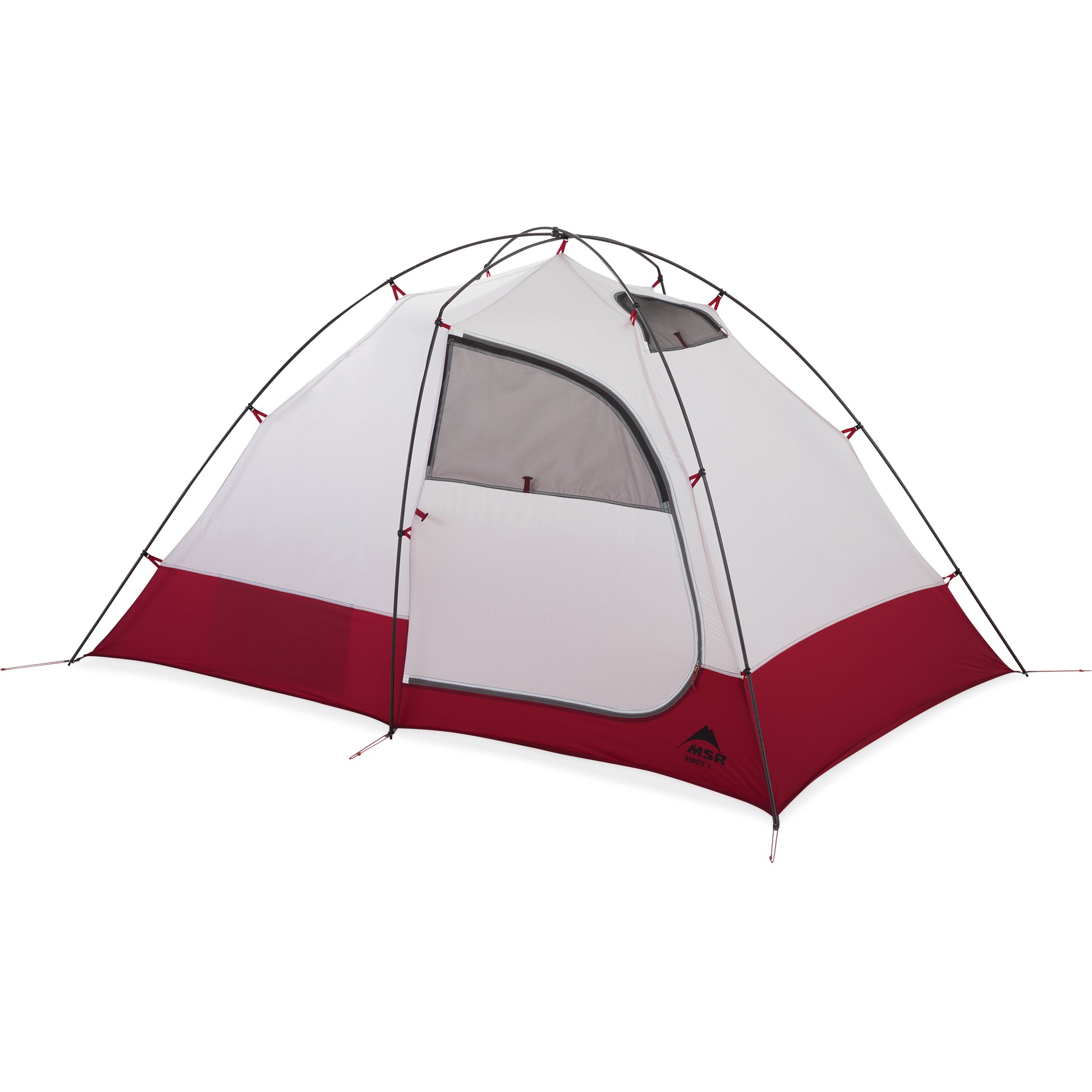
The MSR Remote 2 is built to serve as a robust, livable basecamp refuge for mountaineers, ski tourers, and winter campers spending multiple days waiting out storms. While many mountaineering tents feel dark, claustrophobic, and narrow, the Remote 2 is designed with steep side walls and a central support frame that dramatically increases interior shoulder room and headroom, making prolonged tent-bound days significantly more comfortable. MSR utilizes Easton Syclone composite poles on the Remote 2, which flex under heavy wind and snow loads before bouncing back into shape, avoiding the permanent bends or catastrophic snaps that can occur with traditional aluminum poles in severe freezes. The generous front vestibule includes snow flaps that can be sealed with snow blocks to lock out spindrift, while multiple internal gear loops provide places to hang damp socks and gloves to dry. At a weight reflecting its double-wall storm readiness, it requires commitment to carry on foot and is best split between partners on human-powered ascents. The hubbed pole architecture also adds complexity to the pitching process, demanding extra patience when handling the frame while wearing thick insulated gloves. **Highlights** - Easton Syclone composite poles resist bending and snapping under heavy loads - Steep wall geometry delivers exceptional internal headroom and shoulder room - Snow flaps on the primary vestibule create a reliable seal against drifting spindrift - Heavy-duty guyout points allow rock-solid anchoring in high winds - Abundant interior loops and pockets optimize winter gear drying and organization **Watch-outs** - Heavier packed weight requires dividing components between two hikers - Hubbed pole system can feel fiddly when pitching with heavy winter gloves - Premium price around $860 requires dedicated cold-weather commitment
Pros
- Easton Syclone poles flex under heavy snow and wind loads without snapping
- Steep wall angles provide class-leading interior shoulder room and headroom
- Front vestibule snow flaps block spindrift from blowing inside gear storage
- Abundant interior loops and pockets make winter gear drying straightforward
Cons
- Hubbed pole assembly can feel fiddly when pitching with thick winter gloves
- Heavier packed weight requires dividing components between two hikers
- High price point requires genuine dedication to cold-weather camping
Best uses
- Winter ski touring
- Mountaineering basecamps
- Severe storm layovers
- Cold-weather backcountry camping
Specifications
- Capacity
- 2-person
- Tent Category
- Double-wall 4-season basecamp
- Pole System
- Easton Syclone composite poles
- Key Protection
- Snow flaps on primary front vestibule
- Retail Price
- Around $860
- Standout Trait
- Exceptional interior volume and headroom
Pricing
We don't publish a price we haven't verified. The retailer links below open the live listing for this exact model.
Best for
Winter ski touring, Mountaineering basecamps, Severe storm layovers, Cold-weather backcountry camping
Where to buy the Remote 2
We don't have a direct Amazon listing on file yet — this opens an Amazon search for the exact make and model.
Some links are affiliate links. Buying through them supports our testing at no extra cost to you.
The MSR Remote 2 is engineered specifically for winter mountaineers, backcountry ski tourers, and cold-weather expedition teams who need a reliable shelter during prolonged storm cycles. While many high-altitude tents prioritize a low, cramped profile to deflect hurricane-force winds, the Remote 2 takes a more balanced approach. It optimizes internal volume and steep wall angles without sacrificing structural stability, yielding an interior that feels significantly less claustrophobic during multi-day tent-bound delays. At the core of its build is an Easton Syclone composite pole system. Unlike standard aluminum tubing that can kink, warp, or permanently snap under sudden wind shears or heavy snow accumulation, these composite poles flex under pressure and rebound to their original shape. Combined with a robust double-wall construction and a deep front vestibule equipped with perimeter snow flaps, the tent provides a tight perimeter against driving spindrift. Retailing around $860, the Remote 2 represents a major investment for committed alpine users. It carries the weight typical of storm-ready four-season double-wall tents, requiring trail partners to split the load. While the hubbed pole structure introduces slight pitching friction when wearing thick winter mittens, it delivers a sturdy, comfortable refuge when conditions turn severe.
Target Audience and Intended Use
The Remote 2 is targeted directly at winter backcountry travelers who prioritize livability alongside weather protection. Ski tourers, high-angle mountaineers, and winter hikers regularly encounter situations where they must wait out fierce fronts for multiple days. While ultra-streamlined bivy-style shelters or ultralight pyramid tarps can save weight on rapid summit pushes, they often offer poor comfort during sustained foul weather. The Remote 2 caters to users who need a dependable basecamp platform where two adults can organize bulky winter gear, change out of damp layers, and rest without feeling pinned against the tent walls. It is less suitable for casual shoulder-season backpackers or fast-and-light summer alpinists who would find its weight, packed bulk, and complex architecture unnecessary for mild conditions.
Frame Architecture and Composite Poles
The structural backbone of the Remote 2 is built around Easton Syclone composite poles. Traditional aluminum poles perform well until pushed past their yield point, after which they suffer permanent bending or brittle fractures in sub-zero temperatures. Syclone poles use aerospace composite materials designed to flex under sudden wind gusts or heavy wet snow loads before snapping back into true alignment. This flex profile significantly reduces the risk of catastrophic frame failure in remote mountain settings. The central hub design anchors the crossing poles firmly to support vertical side walls, resisting wind deflection from multiple angles. When properly anchored with heavy-duty guyout lines, the tent creates a rigid, supportive cage capable of holding off substantial snow accumulation without bowing inward on sleeping occupants.
Storm Defense and Spindrift Management
Winter shelter survival depends as much on keeping fine, wind-driven snow out as it does on shedding downpours. The Remote 2 addresses this with a dedicated winter design, highlighted by integrated snow flaps along the front vestibule. Users can shovel snow blocks onto these flaps to seal the tent perimeter, effectively stopping spindrift from blowing underneath the fly and burying gear stored in the entry. The double-wall construction helps separate interior condensation from the inner living quarters, while closable vents allow airflow management when running a stove or venting moisture during damp freezes. Robust guyout points line the fly at strategic structural junctions, providing secure purchase for snow anchors, ice axes, or ski stakes when winds accelerate over exposed high-country ridges.
Interior Space and Livability
Where many mountaineering tents feel like dark, narrow tunnels, the Remote 2 stands out for internal volume. Its steep sidewall geometry maximizes usable floor space, keeping the canopy well away from faces and shoulders when sitting upright. This architecture makes spending long daylight hours pinned inside far more bearable for two adults. Storage and organization are also tailored to cold-weather demands. The tent interior incorporates multiple gear pockets and ceiling hanging loops that allow users to string drying lines for damp socks, boot liners, and gloves. Outside the inner chamber, the large front vestibule accommodates two bulky winter expedition packs and mountaineering boots, leaving clear passage for cooking in protected conditions or stepping out without tracking snow directly into the sleeping area.
Pitching Mechanics and Glove Usability
Erecting a four-season tent in freezing conditions presents distinct logistical challenges, especially when operating with heavy gloves or insulated mitts. The Remote 2 uses a hubbed pole architecture that speeds up gross assembly by joining main frame segments into a cohesive unit. However, manipulating the hub connectors, pole clips, and specific junction grommets can feel finicky in high winds or while wearing thick insulated handwear. Users must be deliberate when tensioning the inner tent and securing the outer fly to ensure the frame sits squarely. Taking the time to practice pitching before facing freezing winds and blowing snow is necessary, as the multi-point guyout system requires thoughtful tensioning to achieve maximum rigidity and maintain fabric separation across the double-wall structure.
Trade-offs and Market Comparisons
The Remote 2 occupies a competitive niche among four-season mountaineering shelters. Against burly expedition standard-bearers like the Mountain Hardwear Trango 2 or The North Face Mountain 25, the Remote 2 offers an attractive balance of spaciousness and modern composite pole resilience, though it remains a substantial load that must be divided between trail partners. Compared to premium Scandinavian tunnel and geodesic options like the Hilleberg Jannu, the Remote 2 provides a more generous interior footprint and vestibule arrangement, albeit with a setup process that can feel slightly less streamlined in high-wind scenarios. The trade-offs center around weight, price, and operational complexity: at roughly $860, it demands a genuine commitment to winter camping, but rewards users with exceptional comfort and storm reliability.
How we picked
We started with a long list of 4-season tents that people actually buy, cut anything that could not clear our baseline for durability and field performance, then ranked the 10 that were left against the same criteria. Rankings are editorial. No brand pays for placement, and affiliate links never move a pick up or down.
- Storm worthiness and livability
- Pitch tension in wind, condensation management, and usable interior space for the weight.
- Real-world durability
- How the material, stitching, or steel holds up after a season of hard use — not how it looks new.
- Performance in bad conditions
- Wind, rain, cold, and grit are the test. Anything that only works on a nice day gets marked down.
- Weight and packability
- Every ounce has to earn its place in the pack, but not at the cost of something that fails in the field.
- Ease of use
- Setup, adjustment, and maintenance with cold hands, in the dark, without the manual.
- Value at its price point
- Compared against the closest competitors in the same tier, not against cheaper gear in a different class.
Remote 2 — frequently asked questions
- Is the Remote 2 worth it?
- We rank it #9 in 4-Season Tents. The MSR Remote 2 is built to serve as a robust, livable basecamp refuge for mountaineers, ski tourers, and winter campers spending multiple days waiting out storms. While many mountaineering tents feel dark, claustrophobic, and narrow, the Remote 2 is designed with steep side walls and a central support frame that…
- What is the Remote 2 best for?
- Best for winter ski touring, mountaineering basecamps, severe storm layovers and cold-weather backcountry camping. Standouts: easton syclone poles flex under heavy snow and wind loads without snapping and steep wall angles provide class-leading interior shoulder room and headroom.
- What are the downsides of the Remote 2?
- Hubbed pole assembly can feel fiddly when pitching with thick winter gloves, Heavier packed weight requires dividing components between two hikers and High price point requires genuine dedication to cold-weather camping.
- What are the key specs of the Remote 2?
- Capacity: 2-person · Tent Category: Double-wall 4-season basecamp · Pole System: Easton Syclone composite poles · Key Protection: Snow flaps on primary front vestibule · Retail Price: Around $860
- Target Audience and Intended Use — what should I know about the Remote 2?
- The Remote 2 is targeted directly at winter backcountry travelers who prioritize livability alongside weather protection. Ski tourers, high-angle mountaineers, and winter hikers regularly encounter situations where they must wait out fierce fronts for multiple days.
- Frame Architecture and Composite Poles — what should I know about the Remote 2?
- The structural backbone of the Remote 2 is built around Easton Syclone composite poles. Traditional aluminum poles perform well until pushed past their yield point, after which they suffer permanent bending or brittle fractures in sub-zero temperatures.
Compare side by side
Put the Remote 2 against any other pick on this list — specs, price, pros, cons and reader ratings.