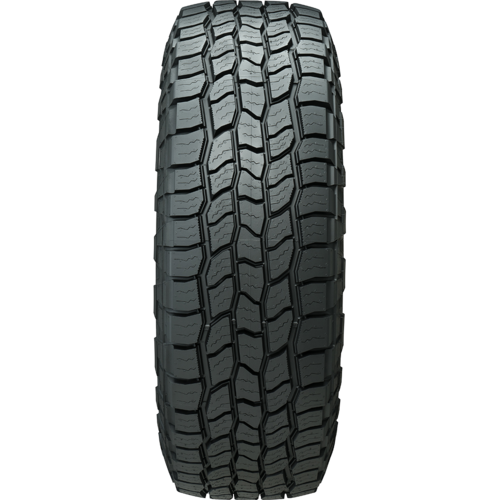
All-terrain tires occupy the demanding middle ground between everyday highway commuting and rugged backcountry exploration. While factory-installed tires focus primarily on rolling resistance and low cabin noise, dedicated all-terrain rubber introduces deeper void patterns, chip-resistant compounds, and reinforced sidewall construction. These attributes protect against punctures from sharp gravel, claw through loose dirt, and maintain control on rain-slicked mountain passes and snowy access roads.
The challenge lies in managing compromises. Aggressive tread blocks that dig into mud and shale can introduce road hum, increase unsprung vehicle weight, and reduce fuel efficiency on long highway stretches. Conversely, overly mild designs can pack with clay or suffer premature sidewall damage when aired down over jagged rock. Finding the right tire means matching tread aggression, load ratings, and rubber compounding to your specific vehicle weight and driving habits.
To build this ranking, we synthesized field performance data and comprehensive evaluations from independent gear and automotive testers, including GearJunkie. We factored in multi-season reliability, puncture resistance, and price-to-performance ratios across various light truck and SUV platforms to separate dependable expedition rubber from noisy, fast-wearing pretenders.
Quick picks
Shop links open Wild10 checkout products. External affiliate links may earn us a commission, at no extra cost to you.
The Cooper Discoverer AT3 XLT is engineered for light trucks and full-size SUVs tasked with demanding service, from hauling heavy bed loads to pulling equipment trailers over washboard gravel and rocky access routes. As the most reinforced variant in Cooper's AT3 family, the XLT targets drivers who require commercial-grade durability without accepting the relentless drone and accelerated wear typical of dedicated mud-terrain tires.
Its design focuses on bridging long-distance highway comfort with genuine backcountry resilience. Cooper achieves this by pairing stout, stone-shedding tread lugs with specialized sound-damping grooves across the footprint. Deep biting edges on the outer shoulders help resist sidewall abrasion in ruts, while the stable interlocking center blocks limit tread squirm when managing heavy tongue weights or making sudden braking maneuvers on wet pavement.
While well-suited for rocky trails, agricultural fields, and high-speed dirt roads, the AT3 XLT remains an all-terrain tire with clear design limits. The relatively close spacing of its center tread keeps road noise low, but it struggles to self-clean in deep clay or viscous mud. For truck owners who split their miles between loaded highway runs and backcountry work sites, it delivers a disciplined, hard-wearing balance.
Where it fits
Heavy Trailer Towing
Overland Expedition Travel
Rocky Backroad Driving
Working Farm and Fleet Trucks
Pros
Exceptionally quiet pavement cruising thanks to noise-dampening groove design.
Prominent shoulder lugs provide critical sidewall protection against rock punctures.
Integrated stone ejector ledges prevent harmful gravel drilling into the casing.
Stout internal construction minimizes tread squirm under heavy towing loads.
Cons
Tightly spaced center tread blocks pack easily when driving through heavy clay mud.
Heavier LT construction noticeably increases rolling resistance and reduces fuel economy.
Stiff multi-ply casing produces a noticeably firm ride on empty, unladen trucks.
The Discoverer AT3 XLT is specifically designed for three-quarter-ton and one-ton work pickups, heavily outfitted overland rigs, and full-size sport utility vehicles that regularly shoulder significant weight. Standard passenger-rated tires often flex too much and heat up under heavy payloads, creating a vague, wallowing feel on the highway and elevating blowout risks over sharp rocks. The XLT provides the structural rigidity necessary to stabilize tall, heavy vehicles while towing fifth-wheels, hauling slide-in campers, or running high-clearance mountain passes. Drivers with half-ton trucks that stay primarily unloaded on suburban pavement will find the tire overbuilt for their daily needs, but those who put their vehicles through rigorous commercial or remote trail service will appreciate the extra ply and stout load indexes.
Materials and Casing Strength
To resist chipping and tearing on harsh abrasive surfaces, Cooper equips the AT3 XLT with an advanced cut-and-chip resistant compound formulated to withstand continuous abuse on crushed rock and shale. The defining physical feature of the XLT designation is its raised, alternating shoulder traction lugs. These beefy protrusions provide functional biting edges for crawling out of deep wash ruts and offer essential armor against sidewall punctures when tires are aired down for trail traction. Beneath the surface, high-tensile casing plies give the tire the necessary backbone to absorb direct impacts from rocks without bruising the internal cords, ensuring structural integrity during demanding expeditions.
On-Pavement Manners and Acoustic Control
Aggressive all-terrain tires typically compromise highway serenity with a steady hum that worsens as the rubber wears. Cooper combats this issue with proprietary Whisper Groove technology, which incorporates small barriers within the outer tread channels to trap sound waves and reduce pattern resonance. Independent review consensus frequently highlights the AT3 XLT as one of the quieter heavy-ply truck tires available, making it suitable for long interstates between trailheads. The rigid tread block ties also prevent excessive tread squirm during high-speed lane changes and emergency stops, giving heavy trucks a planted, predictable steering response across dry concrete and saturated asphalt alike.
Backcountry Performance and Surface Limits
On loose gravel, embedded granite, and washboard dirt, the AT3 XLT excels by maintaining continuous traction without retaining debris. Integrated stone ejector ledges along the base of the tread grooves flex as the casing rolls, continuously popping out small stones before they can wedge into the rubber and drill into the underlying belt package. However, the tire exhibits limitations in wet environments. While it cuts through standing water and loose slush with confidence, the tightly clustered center blocks lack the wide voids needed to evacuate thick, cohesive clay. In heavy mud, the tread voids quickly pack full and become slick, requiring deliberate wheel spin to clear.
Weight and Vehicle Setup Notes
Because the AT3 XLT is built around a heavy LT casing, it introduces significant unsprung mass and rotational inertia compared to standard original-equipment tires. Buyers should expect a measurable reduction in fuel economy, typically dropping one to two miles per gallon depending on gearing and vehicle displacement. The stout plies also deliver a noticeably firmer ride over broken pavement, particularly on unladen pickup trucks with stiff leaf-spring rear suspensions. Achieving even tread wear requires attentive inflation monitoring; running commercial-grade cold pressures without a bed payload can cause the center tread to crown, while underinflating on the highway builds excessive casing heat.
Market Alternatives and Long-Term Value
In the heavy-duty all-terrain sector, the AT3 XLT competes directly with benchmarks like the BFGoodrich All-Terrain T/A line and the General Grabber A/TX. The BFGoodrich KO series offers slightly deeper biting edges for technical rock crawling and severe winter snow, but drivers who log high annual highway mileage often note that the Cooper runs quieter and exhibits more even wear over its service life. The General Grabber A/TX presents a competitive budget-friendly alternative with excellent multi-season grip, yet the Cooper retains an advantage in high-load stability and resistance to tread squirm while towing heavy trailers over long distances.
As an Amazon Associate, Wild10 earns from qualifying purchases.
No ratings yet
Pick 02Research-based review
Grabber A/TX
General
Tread Pattern
Symmetric five-row block layout
Winter Rating
Severe snow certified (3PMSF)
Base Price
Approximately $144 per tire
Stud Capability
Pinned for optional winter studs
Compound Type
Cut- and chip-resistant rubber
Vehicle Fit
Light trucks, midsize and full-size SUVs
The General Grabber A/TX addresses a straightforward problem in the light truck and SUV landscape: securing genuine off-road capability and harsh-weather dependability without paying the exorbitant prices demanded by tier-one tire brands. Flagship all-terrain tires frequently dominate trail conversations, but their escalating costs can strain the budget of daily drivers, overland builders, and commercial operators. The Grabber A/TX bridges this divide by pairing an aggressive, classic all-terrain tread profile with sensible compound engineering that delivers reliable mixed-surface traction.
Constructed around a five-row tread block layout with staggered shoulder scoops, the tire provides dependable mechanical bite across loose dirt, crushed gravel, deep sand, and packed snow. A dense network of siping works alongside a chip- and cut-resistant rubber formula to maintain grip across rain-slicked tarmac and freezing road surfaces. The compound remains pliable in cold climates, giving drivers genuine four-season utility on vehicles that split their time between job sites, highway commutes, and unmaintained access routes.
Inevitably, balancing off-pavement authority with a modest price point requires minor trade-offs. The open void ratio produces a noticeable highway hum compared to mild-mannered crossover tires, and the tread can hold onto loose stones before slinging them at speed. Even so, the Grabber A/TX stands out as an exceptionally capable workhorse that punches well above its retail tier.
Where it fits
Gravel and Logging Roads
Budget Overland Vehicle Builds
Winter Driving and Commuting
Farm and Work Truck Duties
Pros
Substantially lower purchase cost than flagship all-terrain rivals
Staggered shoulder scoops provide dependable traction in ruts and sand
Extensive siping maintains confident grip on wet and snowy roads
Factory-pinned tread allows installation of winter studs for ice
Cons
Audible highway hum compared to mild-mannered crossover tires
Wide tread voids tend to trap and discharge gravel at highway speeds
Stiffer ride quality over small bumps than passenger-rated rubber
The General Grabber A/TX is tailored for drivers of light trucks, older four-wheel-drive platforms, and midsize SUVs who want true off-pavement bite without the premium price tags commanded by flagship competitors. It appeals directly to outdoor enthusiasts, rural commuters, and tradespeople who split their mileage between paved highways and rough access roads. If your vehicle frequently encounters unpaved forestry tracks, muddy job sites, or rutted trailheads on weekends, this tire supplies the necessary grip and sidewall assurance. Conversely, drivers whose routines rarely stray from interstate lanes or suburban streets may find an aggressive tread pattern counterproductive. The Grabber A/TX assumes that you actually intend to take your vehicle onto unpredictable terrain, prioritizing mechanical bite and chip resistance over cloud-soft highway touring. It acts as an equalizer for older utility vehicles, offering contemporary compound technology and severe-weather capability without requiring a four-figure investment for a complete set.
Tread Design and Materials
At the core of the Grabber A/TX is an aggressive five-row tread block layout engineered to provide multiple biting edges regardless of steering angle. The tread blocks are arranged with substantial void spacing, allowing the tire to evacuate loose mud, slush, and packed dirt rather than packing up into a slick contact patch. Along the outer edges, alternating shoulder scoops deliver lateral traction, which proves particularly valuable when climbing out of deep ruts or maintaining momentum across off-camber soil. General incorporates a cut- and chip-resistant rubber compound formulated to survive repeated exposure to sharp gravel, shale, and rocky logging trails. Internally, deep traction sipes extend through the tread blocks to maintain flexibility across cold asphalt and provide wet-weather grip. Notably, the tread blocks are pre-drilled to accept winter studs in regions where local laws allow them, giving users the option to convert the tire into a dedicated ice performer during harsh winter months.
On-Road and Trail Handling
On pavement, the Grabber A/TX delivers predictable steering response and stable tracking, avoiding the vague, wandering feel common to mud-terrain alternatives. The interconnected tread architecture controls block squirm during panic stops and hard cornering, yielding dependable braking distances on dry and wet asphalt alike. Off the tarmac, the tire demonstrates its true strengths. On loose gravel and crushed rock, the biting edges find immediate purchase, allowing vehicles to climb moderate grades without wheel spin. In wet dirt and packed snow, the aggressive void ratio and full-depth siping combine to retain forward momentum where standard highway-terrain rubber breaks loose. Deep, greasy mud will eventually exceed the clearing capability of this all-terrain pattern, as is true for any tire not strictly dedicated to mud terrain. For mixed overland surfaces, riverbeds, and forest service corridors, however, the tire balances trail grip and road manners with impressive composure.
Tread Life and Durability
A primary concern for budget-friendly all-terrain tires is whether compound compromises lead to premature tread loss or vulnerability along rough tracks. In extended use across unpaved terrain, the chip-resistant rubber formulation holds up remarkably well against abrasive crushed limestone and sharp slate. Tread blocks resist chunking and tearing when subjected to high-torque crawling over exposed ledge rock. The sidewalls, while not as excessively armored as specialized extreme-duty rock-crawling options, provide ample protection against tree roots and trail debris under typical utility use. Tread life remains competitive across seasonal rotations, provided vehicle owners maintain appropriate inflation pressures and consistent wheel alignment. The deep starting tread depth ensures that wet and winter grip remains functional well into the tire's operational lifespan, rather than dropping off sharply after the first ten thousand miles of highway commuting.
Highway Acoustics and Quirks
Every aggressive all-terrain design demands an acoustic compromise, and the Grabber A/TX is no exception. While General designed the tread pattern using acoustic block sequencing to suppress harmonic drone, there is a perceptible hum at sustained highway speeds. The noise level is well below that of a dedicated mud tire, but drivers moving from smooth highway-season rubber will immediately register the change on coarse chip-seal asphalt. Furthermore, the void channels can capture small pieces of crushed rock when navigating gravel driveways or dirt roads. Once the vehicle accelerates up to highway velocity, centrifugal force ejects these retained stones, occasionally producing audible wheel-well clatter. For drivers who routinely transition between gravel lanes and fast-moving traffic, this stone retention is a genuine nuisance. The ride quality is noticeably firmer than passenger-spec tires, transmitting minor pavement seams directly into the chassis.
Market Value and Alternatives
In the current market, the Grabber A/TX occupies an advantageous position by delivering near-flagship trail performance at an accessible entry price, often listing around $144 per tire depending on sizing. Its most common rivals include premier standards like the BFGoodrich All-Terrain T/A KO2 or KO3 and the Cooper Discoverer AT3 series. While those premium options provide slightly quieter highway cruising and marginally broader brand recognition, they often carry a substantial price premium per corner. Another frequent benchmark is the Falken Wildpeak A/T3W or A/T4W, which shares a similar snow-capable ethos but often commands higher retail rates in popular truck fitments. The Grabber A/TX proves that drivers do not need to overspend to secure reliable trail traction, puncture resilience, and winter-rated rubber. For fleets, farm trucks, and value-oriented overland builds, the performance-to-cost ratio remains exceptionally difficult to outmatch.
As an Amazon Associate, Wild10 earns from qualifying purchases.
No ratings yet
Pick 03Research-based review
All-Terrain T/A KO3
BFGoodrich
Tire Category
Premium All-Terrain
Sidewall Tech
CoreGard puncture protection
Siping Type
Full-depth 3D locking sipes
Tread Pattern
Interlocking block design
Approximate Price
Around $263 per tire
Target Vehicles
Trucks, 4x4 SUVs, and overland rigs
The BFGoodrich All-Terrain T/A KO3 is the direct heir to one of the most recognized and widely used off-road tire lines in modern automotive history. Aimed at serious overland travelers, utility truck drivers, and off-road explorers, this model serves as BFGoodrich's benchmark all-terrain platform. It is engineered specifically for vehicles that spend meaningful time outside of suburban transit, prioritizing mechanical grip and structural invulnerability over plush pavement manners.
To address long-standing feedback regarding earlier designs, the KO3 introduces an updated tread compound that noticeably improves wet-weather braking and resists cutting or chipping on coarse gravel surfaces. Beneath the rubber, BFGoodrich employs its race-developed CoreGard sidewall technology, reinforcing critical impact zones to protect against pinch flats and rock slices. Interlocking tread blocks and full-depth sipes work together to maintain consistent traction across winter mountain passes, dirt tracks, and highway corridors.
The primary hurdle for most drivers will be the upfront cost. Sitting near the top of the price ladder, outfitting a vehicle with a full set of KO3s represents a significant investment. Furthermore, the stout internal plies generate a firmer highway ride than passenger-oriented all-terrain alternatives. For those who prioritize backcountry reliability above all else, the KO3 remains an industry standard.
Where it fits
Backcountry Overland Expeditions
Rocky Trail Driving
Mixed Highway and Dirt Commuting
Four-Season Light Truck Hauling
Pros
Exceptional sidewall puncture resistance via CoreGard construction
Improved wet-pavement braking and gravel chip resistance
Full-depth 3D sipes provide reliable cold-weather traction
The BFGoodrich All-Terrain T/A KO3 is built for drivers who subject their vehicles to demanding backcountry routes and require dependable puncture resistance. It specifically caters to overlanders, heavy half-ton or three-quarter-ton truck owners, and dedicated 4x4 SUV drivers who split their mileage between paved highways and rugged terrain. If your truck rarely leaves well-groomed gravel roads or smooth tarmac, the KO3 is likely more tire than you genuinely need. Instead, this model targets rigs loaded with camp gear, overland racks, or towing setups where sidewall failure in remote areas is not an acceptable risk. Drivers navigating sharp shale, granite outcrops, and unpredictable forestry tracks will benefit most from its heavy-duty structural layout. While lighter crossovers can run compatible sizes, the stout platform shines brightest on vehicles carrying substantial loads over abrasive, unpaved surfaces.
Carcass and Tread Architecture
At the heart of the KO3's build is BFGoodrich's CoreGard sidewall technology, derived from off-road racing architectures to deflect sharp hazards and guard against bruising impacts. The shoulder rubber extends further down the sidewalls to protect vulnerable zones from pinch flats against rocky obstacles. On the tread surface, an updated compound specifically targets the vulnerability of earlier all-terrain designs by increasing resistance to gravel cutting and chipping. Full-depth 3D locking sipes are molded throughout the tread blocks, maintaining biting edges as the tire wears down rather than disappearing halfway through the lifespan. The interlocking tread block design distributes mechanical stress uniformly across the footprint, reducing the risk of uneven block distortion and irregular wear patterns under acceleration, heavy braking, and continuous highway cruising.
Trail and Wet-Road Handling
Real-world evaluations show that the KO3 maintains the legendary off-pavement authority of its predecessor while resolving historical weak spots in wet conditions. On loose soil, packed sand, and coarse gravel, the deep tread voids provide continuous mechanical grip and clear debris effectively. Crucially, the revised rubber formulation provides shorter, more confidence-inspiring stopping distances on rain-slicked asphalt, addressing a frequent criticism of older heavy-duty all-terrain options. In cold weather, the combination of pliable compound additives and extensive 3D siping delivers dependable traction across packed snow and freezing roadways. While not a dedicated mud-terrain tire, the shoulder lugs offer adequate cleanout in moderate mud, ensuring drivers can push through sloppy trail segments without immediately packing the tread solid.
Toughness and Long-Term Wear
Durability remains the central calling card of the KO3 platform. The reinforced internal belts and rugged sidewall barrier are engineered to withstand thousands of miles of washboard gravel roads without shedding chunks of tread rubber. In fleet and overland use where trucks encounter sharp debris daily, this casing provides peace of mind that lighter metric-sized all-terrain tires cannot match. The wide, square contact patch ensures that vehicle weight is distributed evenly across the center and shoulder blocks, preventing the premature center-tread cupping or feathering often seen on solid-axle 4x4s. As long as standard rotation intervals are strictly maintained, the KO3 provides predictable wear patterns over tens of thousands of miles, resisting the degradation caused by abrasive surfaces.
Pavement Ride and Pressure Tuning
Because the KO3 utilizes a robust, heavy internal carcass, ride compliance requires deliberate attention to tire pressure tuning. At maximum cold inflation pressures recommended for heavy payload hauling, the tire can feel unforgivingly stiff over frost heaves, expansion joints, and broken asphalt. Unloaded drivers often report a noticeable improvement in highway ride quality by dialing pressures down to vehicle placard specifications rather than running high pressures indicated on the sidewall. While road noise is remarkably low for such an aggressive, blocky tread pattern, you will still notice a subtle hum at sustained freeway speeds. Balancing and mounting require a competent shop, as the substantial rubber mass demands precise wheel balancing to avoid steering vibrations.
Market Alternatives and Trade-Offs
The primary deterrent to choosing the KO3 is its retail price, which sits at the upper end of the category spectrum around $263 per tire before mounting. Value-focused competitors like the General Grabber A/TX provide respectable all-weather traction and trail competence at a substantially lower investment. Similarly, options like the Cooper Discoverer AT3 XLT offer alternative approaches to heavy-duty towing and highway refinement. However, the KO3 commands its premium pricing by delivering class-leading sidewall puncture defense and robust resistance to tread-chewing rock surfaces. If budget is your overriding priority, cheaper alternatives make good economic sense. If your travel plans involve isolated trails where a ruined sidewall could mean an expensive recovery, the KO3 justifies its higher price tag.
As an Amazon Associate, Wild10 earns from qualifying purchases.
No ratings yet
Pick 04Research-based review
HD-Terrain T/A KT
BFG
Tire Category
Commercial heavy-duty all-terrain
Target Rigs
Class 2b and Class 3 trucks
Wheel Sizes
16 to 22 inches (31 sizes)
Tested Weight
47.3 lbs (LT265/75R16)
Average Price
Approximately $419 per tire
The BFGoodrich HD-Terrain T/A KT is a purpose-built commercial all-terrain tire engineered specifically for three-quarter-ton and one-ton work trucks that operate in punishing, unpaved conditions. Unlike standard all-terrain tires balanced for daily commuting and weekend recreation, this model focuses entirely on structural toughness and resistance to abrasive stone under immense vehicle loads.
Modern high-output diesel trucks generate tremendous low-end torque that can shred and chunk conventional all-terrain tread blocks on rocky job sites or steep gravel logging spurs. BFGoodrich developed the HD-Terrain to mitigate this issue, using an aggressive chip-and-tear-resistant tread formulation coupled with massive, stable lugs that distribute drive forces evenly across the contact patch. Deep shoulder features help clear mud and debris without sacrificing structural rigidity.
That specialized focus carries definite trade-offs for everyday driving. At 47.3 pounds in an LT265/75R16 size, the tire adds noticeable unsprung weight that impacts acceleration, braking distance, and fuel economy. Its stiff sidewalls also transmit road imperfections sharply into the cabin, especially when running unladen. With prices around $419, this tire represents an intentional commercial investment for drivers who regularly haul or tow over jagged terrain.
Where it fits
Heavy-duty diesel towing
Commercial job-site transport
Crushed shale access roads
Slide-in camper hauling
Pros
Superior resistance to chipping, chunking, and tearing on sharp stone
Engineered specifically to handle the high torque of heavy-duty diesels
High structural stability under maximum payload and severe towing loads
Effective stone-ejecting channels prevent carcass drilling on gravel
Cons
Noticeably harsh and rigid ride quality when operating unladen
Substantial unsprung weight penalizes fuel economy and braking
Premium price point around $419 creates high replacement costs
The HD-Terrain T/A KT is built for drivers operating 2500 and 3500-series pickup trucks, cab-chassis commercial rigs, and heavily outfitted overland builds carrying constant weight. If your vehicle routinely hauls large slide-in campers, utility service beds, stock trailers, or heavy equipment across unpaved infrastructure, this tire provides the necessary load support and puncture resistance. It is engineered specifically for work environments like mining access roads, timber cuts, ranches, and remote pipeline corridors where sharp crushed shale or flint quickly ruins standard passenger-oriented tires. Conversely, this tire is fundamentally mismatched for half-ton pickups, midsize trucks, or daily-driven SUVs. Installing this level of commercial carcass on a light platform results in excessive unsprung mass, harsh ride characteristics, and poor fuel efficiency without delivering any tangible benefits over lighter all-terrain alternatives.
Compound and Casing Strength
The defining technical characteristic of the HD-Terrain is its focus on high-torque durability. Modern turbodiesel powertrains routinely deliver four-figure torque numbers, which can delaminate or tear standard tread patterns when drivers accelerate on sharp, loose rock. BFGoodrich countered this with a high-density, chip-and-tear-resistant rubber formulation paired with wide, interlocking tread blocks. These massive lugs resist squirm under load, preventing the localized heat buildup and micro-tearing that lead to chunking. Down in the tread channels, stone ejectors actively push out embedded gravel to prevent casing drilling. Along the edges, mud-phobic shoulder bars create lateral traction while assisting in shedding packed clay and wet soil. The entire package sits on a reinforced commercial casing designed to retain its integrity under high cold-inflation pressures and continuous tongue weights.
Unpaved Traction Profile
Off the asphalt, the HD-Terrain acts less like a compliant trail tire and more like an industrial workhorse. On hard-packed dirt, rocky haul roads, and coarse gravel, the broad contact patch delivers predictable lateral stability without washing out. The stiff tread blocks do not deform easily, which allows the tire to hold lines cleanly across embedded rock shelves. In loose shale and sharp river rock, the cut-resistant compound shines, deflecting edges that would gash standard consumer all-terrains. In moderate mud and sloppy job-site ruts, the alternating shoulder lugs provide sufficient bite to maintain forward momentum, though it will pack up faster than a dedicated mud-terrain in gumbo clay. Sand performance is adequate, but the stiff casing does not bag out as easily when aired down, meaning it prefers steady momentum over flotation.
Road Comfort and Handling
Highway manners are defined by the tire's heavy-duty internal architecture. On smooth tarmac, the HD-Terrain tracks reasonably straight and resists wandering, thanks to the stiff center tread blocks that avoid tread squirm. However, ride quality is noticeably firm. Expansion joints, potholes, and broken asphalt transmit directly into the suspension, particularly when the truck bed is empty. Lowering air pressure can mitigate some harshness, but the tire's robust sidewalls remain fundamentally rigid. Road hum is well-controlled for such an aggressive tread pattern, though a noticeable low-frequency drone develops at sustained interstate speeds. Wet pavement grip is solid, supported by lateral siping within the blocks, but drivers should expect longer stopping distances compared to lighter all-terrains due to the substantial rotating mass.
Long-Term Wear Resistance
Commercial fleets and hot-shot haulers prioritize tread life under heavy loads above all else. In this context, the HD-Terrain delivers impressive resistance to premature wear. Standard all-terrain tires often suffer from irregular cupping or rapid heel-toe wear when subjected to continuous towing cycles on hot highways. The wide, tied-together lug layout of the HD-Terrain resists this distortion, encouraging even wear across the face of the tire. Its chip resistance remains effective throughout the tire's lifespan, retaining intact edges rather than crumbling away after encounters with crushed limestone. To achieve maximum mileage, owners must adhere to strict rotation intervals and maintain correct load-adjusted inflation pressures, as running these heavy tires underinflated on pavement will generate excess heat and accelerate shoulder wear.
Pricing and Competitor Context
Priced around $419 per tire depending on size, the HD-Terrain sits at the top of the all-terrain price bracket. It demands a notable premium over popular consumer options like the BFGoodrich All-Terrain T/A KO3 or Falken Wildpeak A/T4W. However, comparing it to standard light-truck tires misses the point; its true competition includes commercial-grade alternatives such as the Cooper Discoverer AT3 XLT and heavy-duty configurations of the Goodyear Wrangler Duratrac. The Cooper offers slightly better unladen highway comfort and a lower purchase price, making it a friendlier choice for mixed-use personal trucks. The HD-Terrain counters with superior resistance to lug tearing and stone drilling under brutal high-torque conditions. The premium cost is justified strictly if your operating conditions routinely destroy lighter, cheaper tire casings.
As an Amazon Associate, Wild10 earns from qualifying purchases.
No ratings yet
Pick 05Research-based review
Open Country A/T III
Toyo
Tire Type
All-Terrain Radial
Tread Pattern
Symmetrical with 3D multi-wave sipes
Sidewall Design
Dual aesthetic options per tire
Target Platforms
Trucks, SUVs, and crossover utility vehicles
Primary Terrains
Dirt, gravel, light rock, and highway asphalt
Debris Defense
Integrated stone-ejecting groove ribs
The Toyo Open Country A/T III is engineered to bridge the performance gap between pavement-focused daily driving and off-pavement trail capability. Targeting owners of midsize trucks, full-size pickups, and adventure-oriented SUVs, this tire prioritizes wet-weather braking, responsive steering, and predictable gravel traction. Rather than leaning purely into aggressive rock-crawling extremes, Toyo balanced block stability and highway refinement with off-road durability.
Underneath, the construction focuses on structural integrity and tread-wear resistance. Specialized compound formulations provide confident bite in rain and colder temperatures, addressing a traditional weakness in rugged all-terrain categories. The void pattern is distributed evenly across the contact patch to maintain road stability without sacrificing the ability to claw through loose soil, gravel, and packed snow.
While it handles the vast majority of dirt roads, forest tracks, and highway road trips smoothly, the design does feature clear performance boundaries. It remains an all-terrain rather than a dedicated mud-terrain tire, meaning severe muck will pack the tread grooves. Still, for drivers wanting dependable four-season utility without suffering terrible on-center highway wander, it remains an established, well-rounded option.
Where it fits
Daily highway commuting
Forest road overlanding
Gravel road driving
Wet weather transit
Pros
Predictable wet braking and hydroplaning resistance on rain-soaked pavement
Stable tread blocks minimize squirm during highway cornering
Stone ejectors prevent rock retention and casing damage on gravel roads
Dual sidewall aesthetics allow customizable styling at installation
Cons
Tread voids pack quickly and struggle to clear out in thick mud
Road hum tends to increase noticeably as the tread compound wears down
LT-load options can feel overly harsh on lighter trucks if over-inflated
The Open Country A/T III suits daily drivers who split time between highway commuting and backcountry recreation. It is well matched for weekend campers, hunters, and overland travelers who clock thousands of paved miles getting to the trailhead. Drivers who want a secure, planted feel in torrential rain without stepping down to a mild highway tire will appreciate its balanced road manners. Conversely, dedicated rock crawlers or drivers who regularly encounter thick, clay-heavy mud bogs will find its tread voids insufficient. It is primarily built for owners seeking one reliable set of rubber to handle daily errands, long interstate hauls, and routine forest service roads throughout changing seasons.
Materials and Tread Construction
Toyo designed this tire around a high-silica compound formulated to enhance wet traction while resisting chipping and cutting on sharp rocks. The tread architecture features interlocking 3D multi-wave siping, which minimizes squirm by locking tread blocks together under hard braking and cornering. This helps maintain a stable contact patch and prolongs uniform tread wear. The center and shoulder blocks use staggered edges to provide multi-directional biting traction across loose dirt and rocky surfaces. Stone-ejecting ribs are integrated within the groove channels to prevent stone drilling from puncturing the casing. Furthermore, Toyo offers two distinct sidewall designs on opposite sides, letting owners choose between a classic or more aggressive shoulder appearance.
Real-World Performance Profile
On paved surfaces, the tire delivers reassuring tracking and crisp steering response, behaving more like a firm highway tire than a floaty off-road lug. Wet braking performance is a distinct strong suit, where the siping and silica blend resist hydroplaning over standing water and shorten stopping distances. Off pavement, the tire tracks with authority over hard-packed washboard dirt, gravel logging roads, and dry rock steps. The shoulder blocks grip cleanly during low-pressure crawling or rutted climbing. Its main limitation appears in deep, cohesive mud, where the relatively tight void pattern fails to evacuate heavy sludge as effectively as dedicated mud tires, leading to slick spinning if momentum is lost.
Durability and Mileage Expectations
Tread longevity ranks among the stronger aspects of the Open Country A/T III platform. The compound resists premature gouging and chunking when driven aggressively across jagged scree and shale. The interlocking block design promotes even wear across the face of the tire, provided proper rotation intervals are maintained. However, several aggregate user reports indicate that as the tread wears into its second half of life, acoustic feedback increases noticeably. While relatively quiet straight out of the box, highway drone becomes more pronounced around mid-life wear. Maintaining correct tire pressures according to vehicle weight is essential to prevent premature cupping and uneven shoulder wear over high mileage.
Fitment and Pressure Tuning
Selecting the right load rating is critical to getting the best ride quality from the Open Country A/T III. Toyo produces this tire in standard passenger sizes as well as heavy-duty Light Truck load ranges. Fitting an E-load tire to a light midsize truck will result in a stiff, unforgiving highway ride unless tire pressures are tuned down appropriately. For standard overland setups and light towing, standard or C-load variants provide better bump compliance over potholes and washboard roads. When airing down for technical trails or soft sand, dropping pressure noticeably broadens the footprint, allowing the aggressive sidewall lugs to grab edges and absorb trail chatter effectively.
Comparable Alternatives
Within the competitive all-terrain landscape, the Open Country A/T III contends directly with heavyweights like the BFGoodrich All-Terrain T/A line and the Cooper Discoverer AT3 series. Compared to the BFGoodrich options, the Toyo generally offers better initial wet-pavement braking and crisper on-center tracking, though the BFGoodrich lineup often gets higher marks for sidewall puncture resistance in extreme rock fields. The Cooper Discoverer AT3 family tends to deliver a quieter highway ride across its lifespan, yet the Toyo features a more aggressive shoulder profile that provides extra security on rutted tracks. Drivers choosing between them must weigh Toyo's wet-weather grip against the cabin quietness of milder highway-leaning rivals.
As an Amazon Associate, Wild10 earns from qualifying purchases.
No ratings yet
Pick 06Research-based review
Tyres Outpost nAT
Nokian
Tire Category
All-Terrain / All-Weather
Severe Snow Rating
Three-Peak Mountain Snowflake (3PMSF)
Casing Construction
Aramid-reinforced sidewalls and tread deck
Tread Features
Stone ejectors and canyon sipping
Origin
Manufactured in North America
Approximate Price
Starting around $210 per tire
The Nokian Tyres Outpost nAT represents a distinctive fusion of Scandinavian winter tire expertise and rugged North American all-terrain capability. Designed for truck and SUV owners who regularly split their driving between unpaved backcountry tracks and severe winter roadways, this tire targets durability and adverse-weather grip rather than pure highway touring manners.
At the core of the tire's design is Nokian's extensive use of aramid fiber reinforcement beneath the tread deck and inside the sidewalls. This construction offers genuine structural defense against sharp shale, hidden tree roots, and deep potholes. The tread layout balances interlocking center blocks with aggressive shoulder notches and specialized canyon sipes, creating ample mechanical biting edges to maintain forward traction on slick slush and packed snow.
While it delivers remarkable four-season versatility, the Outpost nAT is not a compromise-free option for every driver. The open tread pattern and pliable winter-leaning rubber compound can generate a softer steering response on dry summer pavement compared to pavement-biased competitors. For drivers living in northern climates or mountain corridors where freezing precipitation and unmaintained backroads are weekly realities, it provides a purpose-built alternative to mainstream all-terrain rubber.
Where it fits
Winter Backcountry Driving
Rocky Mountain Corridors
Forest Service Gravel Roads
Four-Season Pickup Utility
Pros
Aramid fiber reinforcement protects both sidewall and tread from punctures
Outstanding cold-weather, slush, and packed snow traction
Molded stone ejectors mitigate hazardous gravel retention
Aggressive shoulder lugs offer solid bite in loose trail dirt
Cons
Steering response feels somewhat soft on hot, dry asphalt
Less widely stocked on retail shelves than major competitor brands
The Outpost nAT is squarely built for pickup and full-size SUV drivers who navigate real seasonal extremes. It suits northern overland travel, hunting access roads, rural mail routes, and winter mountain commuting where paved surfaces quickly give way to packed powder or washboard gravel. Drivers who log heavy highway miles in arid southern regions will find its cold-weather compounding unnecessary. Instead, this tire shines on four-wheel-drive platforms that require dependable self-recovery characteristics in slush, wet mud, and loose sub-base materials without necessitating a mid-season changeover to dedicated winter footwear.
Aramid Shield and Construction
Nokian integrates high-tensile aramid fibers directly into both the sidewall layers and beneath the tread deck. This material, often utilized in aerospace and defensive armor, serves to arrest punctures from sharp rocks, debris, and jagged road hazards before they reach the inner liner. In addition to puncture defense, the rubber compound incorporates durable polymers designed to resist gouging on jagged scree and flint. Tread voids feature integrated stone ejectors that help toss out wedged gravel, preventing persistent stone drilling from degrading the steel belts over long washboard stretches.
Winter and Wet Performance
Winter competence is where the Outpost nAT establishes clear separation from typical all-terrain models. Certified with the Three-Peak Mountain Snowflake symbol, its tread geometry incorporates deep 3D canyon siping that flexes to trap snow against snow for mechanical cohesion. The wide lateral channels shed wet slush and heavy standing water effectively, drastically cutting hydroplaning risks during springtime thaws. On icy hardpack, the pliant tread block compound remains pliable at sub-freezing temperatures, offering confident braking distances that significantly outpace harder, warm-weather all-terrain compounds.
Highway Manners and Handling
On dry asphalt, the Outpost nAT reveals its engineering priorities. The deep tread blocks and cold-optimized compound yield a slightly squirmier, less immediate steering feel during high-speed lane changes and aggressive cornering. While road noise is well-controlled relative to aggressive mud-terrain rubber, a faint mid-pitch hum remains audible at highway speeds over grooved concrete. Tread life tracking indicates consistent wear, provided drivers maintain prompt rotation intervals and proper tire pressure monitoring to mitigate shoulder feathering under heavy vehicle payloads.
Market Context and Trade-Offs
Priced around $210 depending on sizing, the Outpost nAT competes directly against stalwarts like the BFGoodrich All-Terrain KO3 and General Grabber A/TX. It sacrifices the ultra-crisp dry-pavement handling of some competitors to deliver vastly superior traction in frozen slush, loose snow, and bitter temperatures. Availability remains somewhat tighter through regional tire retailers compared to household names, meaning emergency roadside replacement might require sourcing delays. For drivers facing brutal winters and rocky unpaved approaches, the extra defensive aramid armor and winter grip make the trade-offs easily worthwhile.
As an Amazon Associate, Wild10 earns from qualifying purchases.
No ratings yet
Pick 07Research-based review
Wildpeak A/T3W
Falken
Tire Category
All-Terrain Light Truck & SUV
Severe Snow Rating
Three-Peak Mountain Snowflake (3PMSF)
Tread Siping
3D Canyon Sipe Technology
Sidewall Tech
Lower outer apex heat diffuser
Sizing Range
Metric, LT-metric, and flotation fitments
Starting Price
Approx. $163 depending on diameter and load
The Falken Wildpeak A/T3W has become a benchmark in the all-terrain tire category, particularly favored by truck owners, overland travelers, and outdoor enthusiasts who require a durable setup capable of handling demanding road conditions. Engineered to bridge the gap between pavement comfort and backcountry capability, the tire emphasizes all-weather versatility, featuring a winter-rated tread design and an aggressive shoulder profile without the excessive cost typical of premium specialty rubber.
At the core of the A/T3W's design is an exceptionally deep factory tread pattern paired with specialized heat-diffusing sidewall elements. These features work in tandem to prolong tread life, reject heat buildup under heavy towing or loaded payload situations, and maintain consistent mechanical bite across sand, shale, slush, and wet asphalt.
The primary compromise of this rugged approach is heft. The reinforced carcass makes the A/T3W noticeably heavier than standard original-equipment tires and many lightweight competitors. While this extra mass translates to dependable puncture resistance off-road, it places an additional rotational load on vehicle drivelines, leading to slight drops in fuel efficiency. For drivers prioritizing multi-season traction and trail durability over pure highway rolling efficiency, it remains a thoroughly proven option.
Where it fits
Overland Expedition Travel
Four-Season Truck Driving
Heavy Trailer Towing
Gravel and Rocky Trail Navigation
Pros
Deep factory tread depth provides long-term traction and extended wear
Excellent wet pavement braking and certified severe snow performance
Sidewall heat diffusers protect the carcass during heavy payload hauling
Tough outer construction offers dependable puncture resistance on rocky trails
Cons
Heavier than average, which can reduce fuel economy and acceleration
Requires careful dynamic balancing to avoid highway-speed vibrations
Tread pattern can produce moderate road hum as the tire ages
The Wildpeak A/T3W is engineered primarily for half-ton pickups, midsize trucks, and body-on-frame SUVs that routinely split time between everyday commuting and backcountry recreation. It caters directly to drivers who find typical highway-terrain rubber too fragile for forest service roads, rocky terrain, or muddy camp approaches. Overland travelers who carry heavy static loads—such as bed racks, rooftop tents, and slide-in campers—benefit from the tire's robust carcass design. It is also well-suited for northern drivers who experience severe winters but prefer not to swap between dedicated summer and studless winter tire sets each year.
Casing and Tread Architecture
Falken constructs the A/T3W around a rigid casing featuring proprietary heat diffuser technology within the lower sidewall. These molded fins allow internal heat to escape during sustained highway driving and under heavy towing stress, shielding internal components from premature thermal degradation. On the contact surface, the tread incorporates rigid, stepped tread blocks that add biting edges while preventing small gravel from jamming in the voids. Interlocking 3D canyon sipes extend deep into the blocks to resist tread squirm under high torque while preserving continuous wet-weather biting capability across the life of the tire.
Trail and Winter Performance
In dirt, loose shale, and gravel, the tire's deep factory tread voids evacuate debris effectively, allowing the offset shoulder lugs to claw up rutted inclines and over rocky ledges. Unlike older all-terrain formulas that struggle on slick hardpack, the A/T3W stands out for its wet pavement braking distances and resistance to hydroplaning. Certified with the Three-Peak Mountain Snowflake symbol, it delivers reliable acceleration and braking on packed snow and slush. While it will not completely outmatch a dedicated studless ice tire on sheer sheet ice, its multi-season cold-weather capability ranks near the top of its class.
Durability and Wear Characteristics
One of the chief reasons the A/T3W retains a loyal following is tread longevity. Because Falken molds the tire with deeper initial grooves than many competitors, it typically retains viable off-road traction long after other all-terrain tires have worn down to shallow blocks. The rubber compound balances chip-and-tear resistance with enough flexibility to maintain grip in sub-freezing temperatures. The rugged shoulder armor defends the carcass against sidewall cuts from sharp shale or roots on unmaintained tracks, making it a reliable option for remote expeditions where tire failure carries heavy consequences.
Efficiency and Ride Refinement
The substantial mass of the Wildpeak A/T3W constitutes its most noticeable drawback. Weighing several pounds more per tire than average all-terrain alternatives, the extra unsprung rotational mass can slightly dull low-end acceleration and reduce overall fuel economy by one to two miles per gallon. On smooth pavement, road noise remains well suppressed for such an aggressive profile when new, though an audible hum can develop as the tread wears past midway. Due to the heavy construction, professional dynamic balancing is essential during installation and routine tire rotations to prevent high-speed steering wheel vibrations.
Price and Competitive Landscape
Positioned around the mid-tier price spectrum, the A/T3W consistently undercuts premium benchmark options like the BFGoodrich All-Terrain T/A series while offering comparable, and in some wet conditions superior, real-world traction. It competes closely with the General Grabber A/TX and Cooper Discoverer AT3 lines. While the Cooper offers slightly better highway quietness and rolling efficiency, the Falken provides deeper initial tread and an arguably more aggressive aesthetic shoulder. For budget-conscious truck owners who demand genuine off-pavement resilience and true winter capability, the A/T3W remains one of the most value-rich purchases on the market.
As an Amazon Associate, Wild10 earns from qualifying purchases.
No ratings yet
Pick 08Research-based review
Wrangler DuraTrac
Goodyear
Tire Category
Commercial Traction / Rugged All-Terrain
Snow Rating
Three-Peak Mountain Snowflake (3PMSF)
Studdable
Yes (pinned for TSMI #16 studs in select sizes)
Tread Technology
TractiveGroove base teeth
Wheel Protection
Built-in rim flange protector
Baseline Price
Starts around $199 depending on size
The Goodyear Wrangler DuraTrac occupies a deliberate middle ground between a conventional all-terrain tire and a dedicated mud-terrain. Engineered as a commercial-grade traction tire, it caters to drivers who frequently encounter deep mud, unplowed snow, and loose backroad surfaces rather than manicured highway asphalt. For utility fleets, rural landowners, and backcountry travelers, it supplies aggressive off-pavement performance without requiring a jump to a punishing full mud-terrain setup.
Goodyear achieves this balance through an open-tread architecture that incorporates wide self-cleaning shoulder voids alongside dense central siping. The design excels in conditions that typically clog milder all-terrain patterns, maintaining forward momentum through slush, soupy clay, and deep powder. It also carries severe snow duty ratings and provisions for optional metal studs in select sizes, underlining its workhorse winter pedigree.
However, that aggressive profile demands trade-offs on the pavement. The DuraTrac is noticeably louder on the highway than touring-focused all-terrain alternatives, producing an audible hum that tends to amplify as the miles rack up. Additionally, the pliable compound that delivers cold-weather flexibility can wear quickly under heavy loads on abrasive summer tarmac.
Where it fits
Rural work truck fleets
Winter mountain pass driving
Muddy backroad travel
Backcountry utility rigs
Pros
Aggressive open tread excels in thick mud and deep snow compared to standard A/T tires
TractiveGroove base teeth generate dependable forward bite in deep powder
Pinned for optional metal studs in select sizes for severe winter conditions
Integrated rim flange protector shields wheels from trail and curb abrasion
Cons
Noticeable highway tread hum that grows louder with uneven tire wear
Pliable winter-capable rubber compound can wear quickly on hot summer asphalt
Requires strict, regular rotations to prevent tread cupping and road drone
The DuraTrac is built primarily for work trucks, rural utility vehicles, and backcountry rigs that face unpaved terrain on a daily basis. If your vehicle rarely leaves paved suburbs, this tire is fundamentally overbuilt for your routine. It appeals most directly to rural property owners, forestry workers, winter commuters tackling unplowed mountain passes, and off-roaders who need reliable self-cleaning voids. The aggressive hybrid design targets motorists who find traditional all-terrain treads packing full of wet snow or thick clay, yet who cannot justify the poor road manners, poor wet-weather braking, and high fuel penalties associated with standard mud-terrain tires.
Tread Architecture and Construction
Goodyear constructs the DuraTrac with a bold, open-shoulder layout coupled with angled center blocks. At the base of the deep circumferential channels, Goodyear integrates its proprietary TractiveGroove technology, featuring small, stepped ridges designed to generate mechanical bite into deep snow and loose muck where normal tread faces lose purchase. The outer tread blocks feature wide evacuation channels that expel slush and debris via natural centrifugal force. A built-in rim protector runs around the bead area, acting as a buffer against jagged rocks and curb rash. Many light-truck variations feature robust multi-ply casings, though sidewall pliability is tuned to allow adequate flex over rough trail washboards.
Mud and Loose Dirt Performance
Where milder all-terrains flounder in sticky dirt, the DuraTrac operates with near-mud-terrain authority. The substantial void ratio prevents loose dirt and wet marl from creating a slick surface across the contact patch. Instead, the shoulder blocks claw into ruts and loose gravel, providing steady tractive drive on steep forestry trails and uneven two-tracks. In loose scree and sand, airing down allows the tire's aggressive shoulder lugs to bite effectively, aiding in slow-speed technical crawl maneuvers. While not an outright rock-crawling tire with cut-resistant competition sidewalls, it easily outclasses standard factory light-truck rubber across rocky, unmaintained dirt roads.
Winter Weather and Ice Capabilities
Winter traction is one of the DuraTrac's most celebrated attributes. Unlike many mud-oriented tires that harden into rigid plastic below freezing, the compound used here retains flexibility in sub-zero ambient temperatures. Abundant zig-zag siping across the central blocks creates numerous biting edges that grab onto hard-packed snow and slick, cold pavement. In deep snow drifts, the combination of wide channels and groove base teeth keeps the tread clear rather than glazing over. For drivers navigating severe mountain conditions where ice is persistent, several DuraTrac fitments come pre-drilled to accept metal studs, elevating foul-weather safety substantially.
Highway Manners and Longevity
The principal compromise of the DuraTrac centers on highway refinement and tread longevity. The open tread blocks generate a persistent resonance at interstate speeds, which becomes more pronounced as the tires accumulate mileage. Regular, meticulous tire rotations are mandatory to prevent heel-and-toe wear, which drastically increases cabin drone. Furthermore, because the rubber compound is formulated to grip well in cold temperatures, it can wear prematurely if subjected to heavy highway hauling during hot summer months. Drivers who primarily log high-speed highway miles with loaded trailers may find competitive hard-compound tires offer better mileage warranties.
Comparable Market Alternatives
Shoppers evaluating the DuraTrac frequently compare it to the BFGoodrich All-Terrain T/A KO series and the Falken Wildpeak A/T family. The BFGoodrich options offer quieter highway behavior, thicker sidewall protection against sharp rock punctures, and generally slower treadwear in warm climates, though they pack up with mud more easily than the DuraTrac. The Falken Wildpeak line provides a more civilized, car-like on-center highway feel and excellent wet-pavement braking at a competitive cost. However, for sheer mechanical grip in deep slop, wet spring snow, and rural utility work, the DuraTrac retains a distinct bite that tighter-pattern competitors struggle to match.
As an Amazon Associate, Wild10 earns from qualifying purchases.
No ratings yet
Pick 09Research-based review
Terra Grappler G2
Nitto
Tire Category
All-Terrain Light Truck & SUV
Sidewall Styling
Dual Reversible Sidewall Design
Tread Architecture
Reinforced Coupling Joints
Siping Pattern
Full-Depth Grooves for Wet Grip
Target Surfaces
Highway, Gravel, Hardpack Dirt
Starting Price
Around $177 per tire depending on size
The Nitto Terra Grappler G2 is built for truck and SUV owners who spend the vast majority of their driving hours on paved highways but still demand capable off-pavement performance for weekend trailheads, campsite routes, and towing duties. Recognizing that aggressive off-road rubber often compromises daily drivability, Nitto designed the G2 as a dependable bridge between highway-terrain comfort and all-terrain versatility. It prioritizes balanced road manners and extended tread wear over extreme off-road capability.
At the center of its design is an advanced rubber formulation engineered specifically to withstand heavy friction and prevent premature tread degradation during long-distance commuting. Nitto reinforced the tread pattern with connected block coupling joints, minimizing irregular heel-and-toe wear patterns that typically generate loud road droning over time. Full-depth siping across the tread blocks ensures wet-weather braking performance remains consistent even as the tire wears deep into its usable life.
While the G2 thrives on gravel tracks and graded forest service paths, its civilized footprint comes with definite trade-offs. The tighter void pattern limits mud evacuation, and the tire is not suited for severe rock-crawling or thick mud bogs. For the practical overland traveler or commuter seeking durability, quiet manners, and moderate trail security, it remains a proven, sensible choice.
The Nitto Terra Grappler G2 addresses a specific driver profile: pickup and SUV owners who spend ninety percent of their drive time on paved asphalt but still require reliable traction for weekend excursions. It is engineered specifically for drivers who want the rugged stance and utilitarian capability of an all-terrain tire without suffering the elevated noise levels, harsh ride quality, and rapid wear patterns often associated with aggressive tread designs. Half-ton pickups, mid-size adventure trucks, and full-size family SUVs that frequently haul camping trailers, boats, or cargo gear find a solid match here. For operators who routinely traverse long stretches of interstate to reach remote trailheads, unimproved access routes, or rural property, the G2 delivers an uncompromised balance. It bridges the divide between utilitarian all-season road rubber and burly off-road equipment, targeting those who prefer quiet stability over rock-crawling bravado.
Tread Architecture and Construction
Nitto engineered the Terra Grappler G2 with an emphasis on structural stability and long-term wear resistance. The centerpiece of its tread architecture is the integration of reinforced coupling joints that physically tie the outer shoulder blocks to the neighboring center tread lugs. This interlocking design dramatically stiffens the contact patch under cornering loads, mitigating the squirm that typically degrades handling feel and accelerates uneven wear. The proprietary compound is formulated to resist premature degradation under sustained highway speeds and thermal buildup. Furthering longevity, Nitto implemented full-depth siping across the tread blocks. Unlike tires where sipes disappear after thirty percent of the rubber is worn down, the G2 maintains its siping channels down to the base of the tread, ensuring that wet-surface water evacuation remains consistent across the entire operational lifespan. The tire also features dual sidewall styling, giving owners a choice between classic raised lettering and a more chiseled, aggressive block aesthetic.
On-Road Manners and Noise
Highway manners represent the G2's strongest performance category. All-terrain tires frequently suffer from a noticeable low-frequency drone on coarse concrete or asphalt, particularly as the tread pattern wears into an irregular heel-and-toe profile. The reinforced interlocking blocks on the G2 counter this issue by stabilizing tread element deflection, resulting in remarkably low cabin noise levels that rival standard highway-terrain rubber. On-center steering stability is crisp and predictable, tracking straight without the wandering or vague dead-band sensation common in softer, deep-lug alternatives. Braking distances on dry pavement are short and composed, supported by the broad, stable contact area of the linked center blocks. When carrying heavy payloads or towing trailers, the tread structure resists lateral squirm, maintaining a planted, reassuring posture during rapid lane changes or sweeping cloverleaf turns. For high-mileage road trips, it behaves like a touring tire wrapped in an all-terrain carcass.
Off-Road and Trail Capability
Off pavement, the Terra Grappler G2 performs admirably on groomed dirt, hardpacked earth, and loose gravel fire roads. Its shoulder lugs bite effectively into packed dirt tracks, providing adequate forward momentum and lateral stability for navigating rural access paths, forest service routes, and boat ramps. However, the tire's street-friendly design introduces distinct boundaries when terrain turns demanding. The tread void spaces are relatively tight compared to dedicated mud-terrain or aggressive hybrid tires, which restricts their self-cleaning efficiency. In sticky clay, heavy mud, or saturated ruts, the channels quickly clog and convert the tire into a slick contact surface. Similarly, when climbing sharp shale shelves or loose rock scree, the tread blocks lack the deep gouging edges required to claw upward without wheelspin. It is a capable companion for standard overland camping trails, but it is not intended for technical rock gardens or severe backcountry crawling.
Winter and Wet Performance
Wet-weather performance on paved surfaces is dependable thanks to the extensive full-depth sipes, which break surface tension and clear water away from the contact patch to prevent hydroplaning during heavy highway downpours. The tire delivers predictable grip through wet highway curves and maintains confidence under heavy braking in rainy conditions. Winter capabilities, however, are a mixed bag. On light snow dustings and slushy highways, the biting sipes provide respectable traction. However, the rubber compound is not optimized for sub-zero temperatures, and the tread pattern lacks the deep evacuation voids found on dedicated severe-snow-rated options. While certain specific sizes of the G2 carry the Three-Peak Mountain Snowflake designation, many metric and LT sizes carry standard all-season ratings. On hard-packed snowpack or glazed black ice, stopping distances elongate noticeably compared to specialized winter rubber or heavy-siped competitors, necessitating conservative driving speeds in severe alpine weather.
Comparative Market Alternatives
Within the competitive all-terrain space, the Terra Grappler G2 positions itself directly against the Cooper Discoverer AT3 family, the General Grabber A/TX, and the benchmark BFGoodrich All-Terrain KO2 and KO3. The General Grabber A/TX and BFGoodrich options offer significantly more aggressive void designs and deeper shoulder lugs, making them substantially better suited for deep mud, loose sand, and severe winter snowpacks where 3PMSF certification is standard across almost all sizes. However, both of those options often generate slightly more pavement noise and can wear more aggressively if not regularly rotated. The Cooper Discoverer AT3 XLT shares a similar highway-first philosophy, delivering excellent towing stability and quiet cruising. The G2 often appeals directly to buyers prioritizing balanced road refinement, consistent tread wear, and customizable dual-sidewall aesthetics at an accessible price point, even if it cedes some extreme off-road grip to its more aggressive rivals.
As an Amazon Associate, Wild10 earns from qualifying purchases.
No ratings yet
Pick 10Research-based review
Destination X/T
Firestone
Tire Category
All-Terrain (Light Truck / SUV)
Winter Rating
Three-Peak Mountain Snowflake (3PMSF)
Tread Siping
Full-depth 3D sipes
Typical Price
Around $200 per tire
Best Environment
Highway, rain, snow, and gravel roads
Primary Focus
Ride comfort and wet-weather traction
The Firestone Destination X/T occupies a practical middle ground for light truck and SUV owners who need genuine bad-weather capability without sacrificing daily highway manners. While many modern all-terrain tires lean aggressively into heavy trail armoring and thick multi-ply sidewalls, Firestone designed the Destination X/T with a lighter carcass. This structural balance keeps rotational mass low, helping drivers preserve factory braking response, steering agility, and reasonable fuel economy across routine pavement miles.
Underneath, the tire emphasizes foul-weather safety through a dense network of full-depth 3D sipes combined with wide shoulder evacuation channels. This layout excels at moving standing water away from the contact patch and providing bite across hard-packed snow and slick highway surfaces. It avoids the annoying hollow droning sound at highway speeds that frequently plagues more aggressive off-road rubber.
The trade-off is reduced resilience in unforgiving terrain. The Destination X/T is not engineered to bounce off jagged rock ledges or claw through axle-deep clay mud. Instead, it serves outdoor recreationists who commute through all four seasons, haul gear to rural trailheads, and navigate graded gravel roads with confidence.
The Destination X/T is built for truck and SUV owners who log the majority of their miles on highways, suburban streets, and graded rural routes rather than technical rock trails. It suits weekend outdoor enthusiasts—such as fly anglers, mountain bikers, and dispersed campers—who require dependable bad-weather grip and gravel competence to access remote trailheads. If your vehicle doubles as a weekday family hauler or job-site commuter, this tire avoids the sluggish acceleration and harsh ride characteristics caused by overly stiff commercial-grade tires. Conversely, dedicated rock crawlers and hardcore overlanders venturing into jagged boulder fields will find the casing too road-oriented for extreme hazards. It strikes a pragmatic balance for realistic outdoor duty.
Carcass and Tread Construction
Firestone builds the Destination X/T around an advanced tread compound paired with an open-shoulder geometry. Unlike mud-terrain designs that use giant solid blocks, this tire employs an interlocking center pattern that limits tread squirm under braking and lateral load. Full-depth 3D sipes run throughout the lugs, maintaining biting traction as the rubber gradually wears down rather than vanishing after the first twenty percent of tread life. The casing construction keeps overall mass down relative to heavily armored off-road tires. Circumferential grooves work alongside angled lateral notches to pump water out of the footprint during heavy rainstorms, keeping the vehicle planted during highway downpours.
Pavement and Rain Handling
Highway manners are where the Destination X/T separates itself from heavier competitors. Thanks to its disciplined block arrangement and low weight, it produces minimal road hum on smooth concrete and coarse asphalt, making long road trips noticeably less fatiguing. Wet stopping distances are predictable and confidence-inspiring. The deep circumferential channels clear pooling water effectively, preventing the abrupt loss of steering control often caused by hydroplaning at highway speeds. Drivers will notice crisp turn-in and predictable tracking during lane changes, avoiding the vague, wandering feel that often accompanies tall, un-siped off-road tread blocks. It behaves like a well-mannered all-season tire that simply carries extra bite.
Trail and Winter Capability
Off the pavement, the Destination X/T handles washboard dirt roads, loose gravel, and packed forest tracks with poise. The shoulder lugs offer enough bite to maintain forward momentum through rutted dirt access lanes and moderate trail inclines. Winter traction is another notable strength; the full-depth sipes interlock to hold snow within the voids, utilizing snow-on-snow friction for superior winter braking on packed surfaces. However, thick, sticky mud quickly reveals the tire's limits. The tread voids are not wide enough to fling out heavy clay, causing the surface to slick over if you venture into deep boggy trails. It is an all-terrain, not a mud tire.
Wear Life and Puncture Resistance
Firestone formulated the tread compound to resist chipping and tearing from sharp gravel and light rock impacts. Long-term wear patterns tend to remain even, provided tire rotations and air pressures are maintained consistently. However, durability expectations must match the tire's lighter structural profile. While the tread face resists ordinary gravel abrasion well, the sidewalls do not feature the ultra-heavy rubber gusseting or multi-ply synthetic shields found on hardcore overland tires. Running over jagged shale, sharp granite ledges, or hidden stumps at low tire pressures creates a tangible risk of sidewall tears. For routine washboard trails and highway miles, durability is solid, but mechanical trail abuse is outside its design envelope.
Pricing and Market Comparisons
Selling near the two-hundred-dollar mark depending on size, the Destination X/T competes against popular all-rounders like the General Grabber A/TX and Cooper Discoverer AT3. Compared to the Grabber A/TX, the Firestone generally yields a lighter, quieter ride on paved surfaces, but gives up some aggressive tread depth and sidewall puncture defense. The Cooper AT3 delivers similar highway refinement and towing stability, often at a comparable price point, though the Destination X/T holds its own in slushy winter road testing. The primary trade-off comes down to weight versus absolute toughness: you trade away boulder-proof sidewall protection in exchange for reduced unsprung weight, better fuel economy, and lower rolling noise.
Capable all-terrain tires evaluated for off-pavement traction, highway comfort, severe weather grip, and long-term treadwear.
Key takeaways
#1 Discoverer AT3 XLT — Cooper
#2 Grabber A/TX — General
#3 All-Terrain T/A KO3 — BFGoodrich
#4 HD-Terrain T/A KT — BFG
#5 Open Country A/T III — Toyo
#6 Tyres Outpost nAT — Nokian
Intended uses
Gear
Verification notes
Editorial ranked list, 10 entries. Evidence mix — 10 research only. Buy links open the maker or a retailer search.
How we picked
Ranked by Wild10 Editorial Team, Research desk
We started with a long list of all-terrain tires that people actually buy, cut anything that could not clear our baseline for durability and field performance, then ranked the 10 that were left against the same criteria. Rankings are editorial. No brand pays for placement, and affiliate links never move a pick up or down.
Fabric behavior over time
Breathability, DWR life, loft retention, and how the piece performs after repeated washing.
Real-world durability
How the material, stitching, or steel holds up after a season of hard use — not how it looks new.
Performance in bad conditions
Wind, rain, cold, and grit are the test. Anything that only works on a nice day gets marked down.
Weight and packability
Every ounce has to earn its place in the pack, but not at the cost of something that fails in the field.
Ease of use
Setup, adjustment, and maintenance with cold hands, in the dark, without the manual.
Value at its price point
Compared against the closest competitors in the same tier, not against cheaper gear in a different class.
How often we recheck this: Reviewed on a rolling basis and rechecked at least once a year, or sooner if a pick is discontinued, revised, or beaten by something new.
Best all-terrain tires for a specific job
Skip the ranking — jump to the pick that matches how you actually use it.
Best for heavy trailer towing
#1 Discoverer AT3 XLT — CooperThe Cooper Discoverer AT3 XLT is engineered for light-truck and full-size SUV drivers who routinely haul gear, pull trailers, and transition onto rugged washboard and rocky backroads. Positioned as an extreme-duty option within the AT3 lineup, the XLT variant introduces aggressive shoulder lugs and beefed-up sidewall protection designed to withstand abrasions when navigating ruts and aired down on rocky trails.
On the highway, third-party reviewers frequently commend the AT3 XLT for its surprisingly subdued road noise. Cooper's tread design incorporates whisper-groove technology that traps sound waves within the pattern, preventing the high-pitched drone common in heavy-ply all-terrain rubber. Tread stability under heavy loads remains firm, resisting squirm during hard braking or quick lane transitions on wet asphalt.
Off-pavement performance is strong across gravel, packed dirt, and shale, where built-in stone ejector ledges help shed debris before it drills into the casing. While the tire handles standard overland scenarios with confidence, its tightly packed center blocks can pack with sticky mud, making it less suitable for deep, clay-heavy bogs than a dedicated mud-terrain tire.
**Highlights**
- Rugged traction shoulders designed to resist rock tearing and punctures
- Center tread pattern engineered to minimize pavement noise
- Integrated stone ejector ledges to prevent debris retention
- High load ratings tailored for heavy towing and truck bed hauling
- Solid wet-pavement braking and hydroplaning resistance
**Watch-outs**
- Heavier construction can slightly ding fuel economy
- Tread voids can pack up in thick, clay-based mudRead the full profile
Best for gravel and logging roads
#2 Grabber A/TX — GeneralThe General Grabber A/TX targets budget-conscious truck and SUV owners who refuse to sacrifice rugged off-road credibility for low cost. Built to deliver aggressive, classic all-terrain aesthetics alongside dependable multi-surface traction, this tire regularly punches above its price class in independent testing, earning recognition as a premier value pick for mixed-surface travel.
The tire features a five-row tread block layout with staggered shoulder scoops that claw effectively through loose dirt, sand, and deeper snow. A chip- and cut-resistant compound shields the carcass from sharp shale on forest roads, while generous siping provides biting edges for wet roads and winter conditions. The rubber maintains pliability in sub-freezing temperatures, giving it dependable year-round capability.
The primary trade-offs stem from its aggressive void ratio. While quiet for an aggressive tread design, road noise is slightly more pronounced on coarse asphalt compared to milder crossover-style all-terrains. The aggressive block pattern can also retain fine gravel at lower speeds before clearing out on the highway, posing a minor stone-throwing nuisance.
**Highlights**
- Competitive pricing delivers strong value in the all-terrain category
- Staggered shoulder scoops provide lateral bite in ruts and loose sand
- Heavy siping creates reliable grip across wet pavement and packed snow
- Durable compound engineered to resist chipping on gravel
- Pinned for optional winter studs where regulations allow
**Watch-outs**
- Noticeable road hum compared to more pavement-oriented all-terrains
- Tends to hold onto small gravel before slinging it at speedRead the full profile
Best for backcountry overland expeditions
#3 All-Terrain T/A KO3 — BFGoodrichThe BFGoodrich All-Terrain T/A KO3 builds directly on the legendary pedigree of the KO2, aiming at serious overlanders, off-road enthusiasts, and daily drivers who demand benchmark durability. Serving as BFG's flagship all-terrain, the KO3 addresses long-standing user requests by updating the tread compound for extended tread life on coarse gravel and improving overall wet-pavement braking.
Construction remains exceptionally stout, utilizing BFG's race-proven CoreGard technology to shield critical sidewall zones from punctures, pinch flats, and jagged rock strikes. The interlocking tread block design distributes stress evenly to reduce uneven wear, while full-depth 3D sipes provide confident stability on snowy mountain passes and cold asphalt. Testers report that steering response feels predictable and solid despite the heavy carcass.
The main barrier with the KO3 is financial. It sits firmly in the premium pricing tier, representing a considerable investment for a full set plus a matching spare. Additionally, the stiff, reinforced plies that grant its renowned trail invulnerability result in a firmer ride quality over potholed city streets when run at standard highway pressures.
**Highlights**
- CoreGard sidewall technology offers elite puncture and abrasion resistance
- Updated tread compound improves gravel durability and wet braking
- Full-depth 3D siping provides dependable cold-weather and snow traction
- Interlocking tread pattern designed for balanced, even wear
- Wide footprint delivers stable highway tracking and steering feel
**Watch-outs**
- Sits at the high end of the category's price spectrum
- Stiff internal construction yields a firmer highway rideRead the full profile
Best for heavy-duty diesel towing
#4 HD-Terrain T/A KT — BFGThe BFG HD-Terrain T/A KT is a purpose-built commercial and heavy-duty tire tailored specifically for three-quarter-ton and one-ton work trucks that endure punishing, unpaved job sites. If your rig carries slide-in campers, heavy utility beds, or cattle trailers across sharp crushed limestone and flint, this tire is engineered to take continuous abuse without chunking out.
BFGoodrich constructed this tire with high-torque applications in mind. Modern heavy-duty diesel engines produce immense low-end torque that can shred standard passenger-oriented all-terrain rubber on rocky climbs. The HD-Terrain combats this with a dedicated chip-and-tear-resistant tread compound and broad, massive tread blocks that distribute intense rotational forces across the contact patch.
That extreme construction carries clear trade-offs for non-commercial drivers. At over 47 pounds in standard 16-inch sizing, it introduces substantial unsprung mass that dulls ride comfort and noticeably hits fuel economy. It is also one of the most expensive tires in the category and feels excessively rigid when installed on lighter half-ton platforms.
**Highlights**
- Extreme-duty compound engineered to handle high-torque commercial trucks
- Massive tread blocks resist chunking and tearing on sharp stone
- Broad contact patch maintains stability under heavy payload
- Deep mud-phobic shoulder bars assist in ejecting packed debris
- High load index ratings suitable for severe towing conditions
**Watch-outs**
- Premium commercial-grade price point
- Substantial weight impacts acceleration and fuel efficiency
- Excessively stiff for lighter, unladen passenger trucksRead the full profile
Best for daily highway commuting
#5 Open Country A/T III — ToyoThe Toyo Open Country A/T III is a versatile crowd-pleaser that balances trail bite, wet-weather handling, and on-pavement refinement. Designed for everything from light midsize pickups to lifted full-size rigs, this tire focuses heavily on wet asphalt traction and tread stability—two areas where traditional off-road designs often struggle.
Toyo utilized a specialized compound packed with wet-grip polymers to shorten stopping distances in downpours and resist hydroplaning. The tread pattern features an even void ratio with 3D multi-wave sipes, helping the blocks interlock under hard braking to eliminate tread squirm. In the dirt, stone ejector grooves clear debris efficiently, while aggressive sidewall patterns offer extra grip on rutted trail climbs.
In field assessments, the Open Country A/T III exhibits predictable road manners and crisp highway tracking. However, reviewers note that while noise levels start exceptionally low when new, road hum can increase moderately as the tread wears down over high mileage. It also performs best on dry rock and loose dirt, showing limitations when pushed into deep, soupy mud.
**Highlights**
- Advanced compound tuned specifically for short wet-braking distances
- 3D multi-wave siping maintains tread block rigidity under load
- Dual sidewall design allows buyers to choose their preferred look
- Reliable winter weather grip on packed snow and cold asphalt
- Predictable, car-like on-center highway steering feel
**Watch-outs**
- Road noise tends to increase as tread wears down
- Self-cleaning capability drops off in dense mudRead the full profile
Best for winter backcountry driving
#6 Tyres Outpost nAT — NokianThe Nokian Tyres Outpost nAT brings Scandinavian winter expertise into the rugged all-terrain market. Tailored for drivers who face severe northern winter conditions alongside year-round gravel, dirt, and rough trail driving, this tire stands out by incorporating aramid fibers into its internal construction for cut and impact protection.
Nokian's Aramid Shield technology reinforces both the sidewalls and the tread deck, creating an exceptionally tough defensive layer against pothole blowouts and jagged trail rocks. The tread features canopied grooves and canyon-like sipes that grip tenaciously into deep slush and winter snowpacks, delivering foul-weather confidence that rivals dedicated snow tires.
While its winter and wet performance is among the best in the all-terrain category, the Outpost nAT has a few quirks. The relatively open, aggressive block geometry can feel slightly softer on dry highway turns compared to tighter-blocked competitors. It is a specialized, rugged choice best suited for drivers who genuinely see snow, sleet, and backroad mud throughout the year.
**Highlights**
- Aramid fiber reinforcement protects sidewalls and tread from puncture
- Exceptional winter capability across hard-packed snow and slush
- Gravel ejectors molded into the tread grooves prevent stone drilling
- Deep void geometry offers solid self-cleaning in light mud and dirt
- Durable compounding suited for rough backroads and forest tracks
**Watch-outs**
- Slightly softer steering feel during aggressive dry pavement cornering
- Less widely stocked at regional retail tire shopsRead the full profile
Best for overland expedition travel
#7 Wildpeak A/T3W — FalkenThe Falken Wildpeak A/T3W has earned a massive following among overland and camping communities for its balance of reasonable pricing, aggressive styling, and rugged trail performance. Built for light trucks and four-wheel-drive SUVs, it is particularly praised for its deep factory tread depth, which ensures long-lasting traction through several seasons of hard use.
Falken equipped the A/T3W with heat diffuser technology in the lower sidewall, which keeps tire temperatures down when towing heavy cargo or operating at sustained highway speeds. A combination of stepped block edges and support bars provides lateral stability in loose gravel while preventing small rocks from wedging between the lugs. Wet road grip and snow braking are consistently noted as class-leading by independent testers.
The main drawback is vehicle weight penalty. In almost every sizing, the Wildpeak A/T3W weighs several pounds more per tire than comparable models from other brands, which can slightly reduce fuel efficiency and dull low-end acceleration on smaller engines. Some users also report requiring careful dynamic balancing to keep highway vibrations in check over time.
**Highlights**
- Deep initial tread depth offers long-term traction and extended wear
- Heat diffuser ribs in the sidewall dissipate heat during heavy towing
- Stepped tread block edges provide additional biting grip in loose dirt
- Dependable winter braking and packed-snow traction
- Stout, durable outer carcass resists trail impacts
**Watch-outs**
- Above-average tire weight can drag down fuel economy
- Can require frequent balancing to prevent highway steering vibrationRead the full profile
Best for rural work truck fleets
#8 Wrangler DuraTrac — GoodyearThe Goodyear Wrangler DuraTrac borders on the aggressive edge of the all-terrain spectrum, often functioning as a hybrid commercial traction tire. It is aimed directly at drivers who spend substantial time off-pavement—such as utility workers, hunting guides, and rural mountain residents—who require near-mud-terrain bite without giving up road manners entirely.
The DuraTrac uses Goodyear's TractiveGroove technology, featuring small teeth positioned in the base of the tread grooves that help churn through deep mud and untracked snow. Paired with wide self-cleaning shoulder blocks, this tire clears muck far better than standard tight-pattern all-terrains. Highly angled center blocks maintain forward drive across slippery winter roads.
The consequence of such an aggressive, open pattern is increased pavement noise. On the highway, the DuraTrac produces a recognizable whirr that grows louder as the tires log miles. The softer, pliable tread compound that gives it such strong snow traction can also wear down faster if driven primarily on hot, abrasive summer asphalt under heavy loads.
**Highlights**
- Hybrid-style open tread delivers exceptional mud and loose-dirt traction
- TractiveGroove base teeth provide extra bite in deep snow
- Self-cleaning shoulder blocks quickly shed accumulated muck
- Pinned for metal studs for extreme winter use
- Strong rim protector lip shields wheels from curb and rock scuffs
**Watch-outs**
- Produces noticeable highway hum that increases with mileage
- Softer compound can wear prematurely on hot, dry pavementRead the full profile
Expert-picked, reader-ranked
Our editors test the gear, pick the ten, and set the order the day a list publishes. After that, the ranking is live: every member star rating feeds the community order, so picks climb or slide as real owners report back. Editorial judgment decides what earns a spot — you help decide where it sits.
Editors set the field
Verified specs, feature and use-case comparison, and outside sources choose the ten and the published order; field-tested picks are labeled.
Readers re-rank it
Your 1–5 star ratings drive the community order on every list.
Rankings keep moving
Picks rise or fall over time — nothing is frozen at launch day.
Award picks
The ranking above is price-blind and judged on merit. These awards call out the pick we'd hand a specific person with a specific need.
The Cooper Discoverer AT3 XLT claims the top spot for its balanced blend of towing durability, quiet road manners, and dependable off-pavement bite. Drivers searching for rugged capability on a tighter budget will find tremendous value in the General Grabber A/TX, while the BFGoodrich All-Terrain T/A KO3 remains the premier choice for demanding backcountry routes and winter driving.
How to choose all-terrain tires
Every pick on this page was judged against the same criteria. If you want the short answer, Discoverer AT3 XLT by Cooper is the one we point most people at. If you want to decide for yourself, here is what actually separates a good all-terrain tire from an expensive one.
Fabric behavior over time
Breathability, DWR life, loft retention, and how the piece performs after repeated washing.
Real-world durability
How the material, stitching, or steel holds up after a season of hard use — not how it looks new.
Performance in bad conditions
Wind, rain, cold, and grit are the test. Anything that only works on a nice day gets marked down.
Weight and packability
Every ounce has to earn its place in the pack, but not at the cost of something that fails in the field.
Ease of use
Setup, adjustment, and maintenance with cold hands, in the dark, without the manual.
Value at its price point
Compared against the closest competitors in the same tier, not against cheaper gear in a different class.
Match the pick to your use
The right all-terrain tires depends on what you are actually doing with it: Heavy Trailer Towing; Overland Expedition Travel; Rocky Backroad Driving; Working Farm and Fleet Trucks; Gravel and Logging Roads; Budget Overland Vehicle Builds. Start from the use case, then work down the ranking until you hit the first pick that covers it.
Common mistakes
Buying the lightest all-terrain tires you can find and discovering it cannot take a season of hard use.
Paying for a specialist feature you will use once a year instead of the versatile option.
Comparing headline specs across tiers instead of within the same class.
Skipping fit, sizing, or adjustment checks that decide whether you actually carry it.
Frequently asked questions
What is the best all-terrain tires?
Discoverer AT3 XLT by Cooper takes the top spot. The Cooper Discoverer AT3 XLT is engineered for light-truck and full-size SUV drivers who routinely haul gear, pull trailers, and transition onto rugged washboard and rocky backroads.
How did The Wild10 choose and rank these all-terrain tires?
We judged every pick against the same criteria — fabric behavior over time, real-world durability, performance in bad conditions, weight and packability — and ranked them on merit regardless of price. Capable all-terrain tires evaluated for off-pavement traction, highway comfort, severe weather grip, and long-term treadwear.
What is the best budget all-terrain tires?
Grabber A/TX by General — The General Grabber A/TX targets budget-conscious truck and SUV owners who refuse to sacrifice rugged off-road credibility for low cost.
Discoverer AT3 XLT vs Grabber A/TX — which should I pick?
Discoverer AT3 XLT ranks first: The Cooper Discoverer AT3 XLT is engineered for light-truck and full-size SUV drivers who routinely haul gear, pull trailers, and transition onto rugged… Grabber A/TX is the close second: The General Grabber A/TX targets budget-conscious truck and SUV owners who refuse to sacrifice rugged off-road credibility for low cost. Our full head-to-head compares them side by side.
How often is this list updated?
We review this ranking on a rolling basis and update it whenever a pick is discontinued, meaningfully revised, or beaten by something new. Rankings are editorial — brands do not see them before publication and affiliate links never change the order.