


Best of the Best: Seneca Lake vs Deep Lake
Seneca Lake vs Deep Lake
Our #1 and #2 picks from Top 10 Alpine Lakes for Trout in the Wind River Range, compared spec-by-spec with clear pros, cons, and a verdict.
Choosing between Seneca Lake and Deep Lake for a Wind River Range trout fishing adventure means weighing different levels of commitment, accessibility, and fishing experiences. Both are high-alpine gems in Wyoming's backcountry, promising stunning scenery and the thrill of wild trout. Seneca offers a more established, albeit still challenging, destination with classic golden trout opportunities, while Deep Lake presents a more remote, rugged, and potentially less pressured angling experience. Your ultimate decision will hinge on your tolerance for distance, desire for solitude, and specific angling aspirations for the legendary Golden Trout.
Seneca Lake
Wyoming, USA
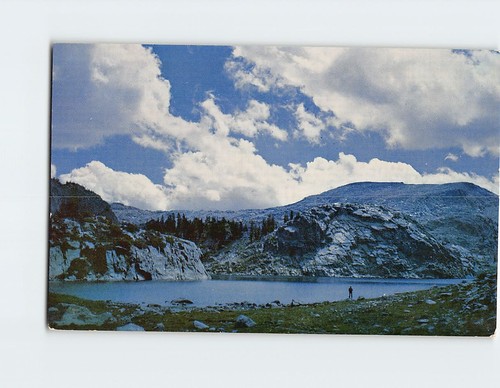
Seneca Lake is often considered the heart of the northern Wind River Range, a truly iconic destination that balances accessibility with a profound sense of high-alpine wilderness. Situated just over 10,000 feet, it's a popular multi-day backpacking objective and a fantastic basecamp for exploring the surrounding peaks and basins. The lake itself is expansive and picturesque, offering superb fishing for Yellowstone cutthroat trout. Its numerous inlets, outlets, and rocky shorelines provide ample structure for fish, and the surrounding meadows are perfect for spotting wildlife. While it's one of the more trafficked lakes on this list, especially on summer weekends, its size ensures plenty of solitude if you're willing to hike a bit further along its shores or explore side trails. The views of the Continental Divide are breathtaking, and it serves as a natural crossroads for many longer Wind River adventures. Access is typically from the Elkhart Park Trailhead, one of the primary entry points for the northern Winds. The trail is well-maintained but involves significant elevation gain over its 9-mile length. The best season for fishing is July through September, once the snow has melted and the trails are clear. This is a moderate backpacking trip, suitable for those with some multi-day wilderness experience. Permits are not required for day use or general backpacking, but standard wilderness ethics and Leave No Trace principles are strictly enforced. Expect to share the trail and campsites with others, especially during peak season, but the quality of the fishing and scenery makes it well worth the trip. **Highlights** * Elevation: ~10,170 feet * Target Species: Yellowstone Cutthroat Trout * Access: 9 miles from Elkhart Park Trailhead * Scenery: Iconic views of the Continental Divide and surrounding granite peaks * Camping: Numerous established and primitive campsites around the lake * Wildlife: Moose, marmots, pikas, various bird species **Watch-outs** * Crowds: Can be busy, especially on weekends and during prime summer months * Mosquitoes: Intense in early summer (July) * Weather: Rapidly changing alpine weather, including afternoon thunderstorms and cold nights * Bear Activity: Grizzly bears are present in the northern Winds; food storage is critical
Find it on AmazonDeep Lake
Wyoming, USA
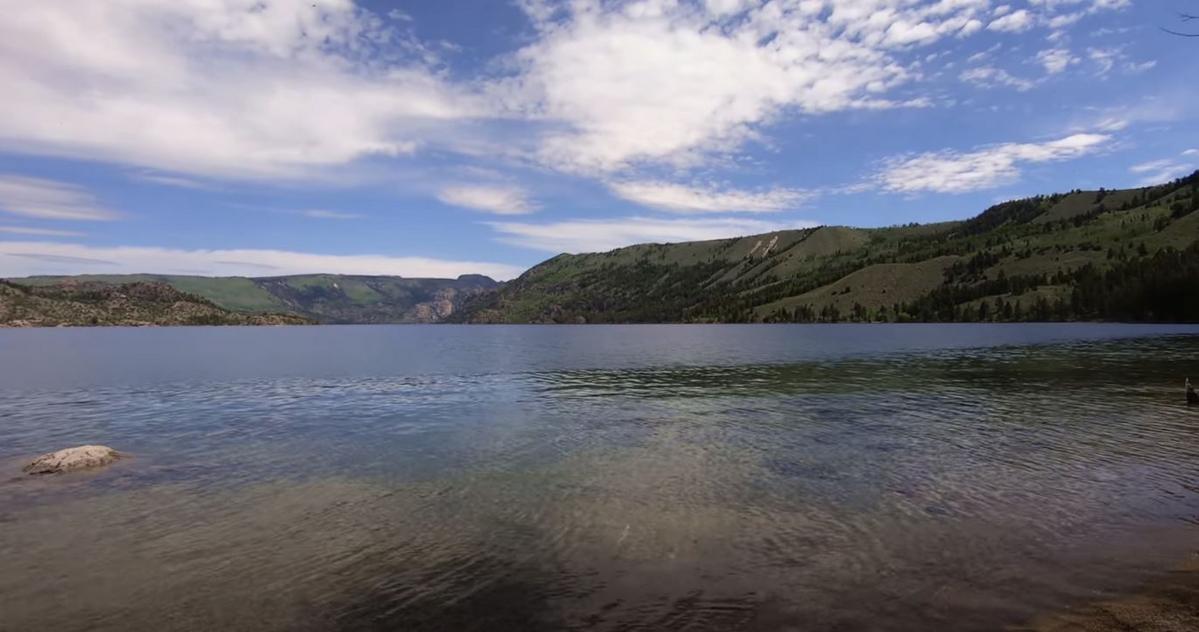
Deep Lake, nestled at the base of Gannett Peak – Wyoming's highest mountain – offers an unparalleled high-alpine fishing experience. This remote gem sits at over 10,500 feet and is surrounded by a rugged, glaciated landscape that feels truly wild. While the primary draw here for anglers is the prospect of strong, wild cutthroat trout, the sheer majesty of the scenery, dominated by towering granite walls and active glaciers, is a close second. The lake itself is appropriately named, plunging to significant depths that support a healthy fish population, often larger than those found in shallower alpine tarns. This isn't a casual hike; reaching Deep Lake is a serious multi-day expedition into the heart of the northern Winds, requiring commitment and solid backcountry skills. Access is most common from the Elkhart Park Trailhead, typically via Seneca Lake and the Indian Basin Trail, a journey that can take 2-3 days of strenuous hiking to reach. The final approach involves navigating challenging, often rocky and off-trail terrain. The ideal season is late July to early September, when snow has melted enough to permit passage and fishing conditions are stable. This is a trip for experienced backpackers comfortable with high mileage, significant elevation gain, and self-sufficiency in remote wilderness. No specific permits are required beyond standard wilderness regulations, but preparation for extreme conditions is a must. The solitude here is profound, a stark contrast to more accessible lakes. **Highlights** * Elevation: ~10,560 feet * Target Species: Yellowstone Cutthroat Trout * Location: Base of Gannett Peak, Wyoming's highest * Scenery: Glaciated peaks, dramatic cirques, true high-alpine environment * Remoteness: Requires multi-day, strenuous backpacking * Fishing: Healthy population of wild cutthroat **Watch-outs** * Remoteness: Very remote, far from trailheads, requires extensive planning * Navigation: Can involve off-trail travel and route finding in challenging terrain * Weather: Highly unpredictable and severe alpine weather, including snow in summer * Grizzly Bears: High probability of bear encounters; extreme caution and food storage essential
Find it on AmazonSpec-by-Spec
| Spec | #1 Seneca Lake | #2 Deep Lake |
|---|---|---|
| Primary Fish Species | Golden Trout (native), Cutthroat Trout | Golden Trout (native), Cutthroat Trout |
| Elevation | 10,200 ft (3,109 m) | 10,600 ft (3,230 m) |
| Typical Trip Length | 3-5 days (multi-day backpacking) | 4-7 days (extended backpacking) |
| Accessibility (Trailhead) | Elkhart Park Trailhead (Pinedale) | Green River Lakes Trailhead (Pinedale) |
| Approx. Hiking Distance (one way) | 9-10 miles (14.5-16 km) | 16-18 miles (25.7-29 km) |
| Terrain Difficulty | Moderate to Strenuous (well-maintained trail, elevation gain) | Strenuous (significant distance, elevation gain, potential for route finding) |
| Fishing Pressure | Moderate (popular destination) | Low to Moderate (more remote) |
| Best Time to Visit | Late July - Early September | Late July - Early September |
Seneca Lake
Best for: Anglers seeking a challenging yet achievable multi-day Golden Trout fishing trip with classic Wind River Range scenery.
Pros
- Iconic Wind River Range destination, often considered a must-do.
- More accessible for those with slightly less time or experience.
- Excellent Golden Trout fishery with reliable action.
- Breathtaking scenery, including views of Titcomb Basin.
Cons
- Can experience higher visitor traffic, especially during peak season.
- Requires significant elevation gain, still a demanding hike.
- Campsites can fill up quickly.
Deep Lake
Best for: Experienced backpacker-anglers prioritizing extreme solitude, rugged wilderness, and a demanding, extended backcountry adventure.
Pros
- Greater solitude due to significantly longer approach.
- Potentially less pressured Golden Trout fishing.
- Offers a more rugged, remote, and challenging wilderness experience.
- Part of the legendary 'Highline Trail' experience.
Cons
- Significantly longer and more strenuous hike, requiring more time and fitness.
- Increased risk of adverse weather conditions due to higher elevation and exposure.
- Requires advanced backpacking and navigation skills.
- Limited information and resources compared to more popular spots.
The Verdict
For the majority of anglers seeking a classic Wind River Range Golden Trout experience with a balance of challenge and reward, Seneca Lake is the clear winner. Its slightly shorter approach and well-established reputation make it a fantastic destination for an unforgettable multi-day fishing trip without requiring an expedition-level commitment. However, if you are an experienced, self-sufficient backpacker craving solitude, an extreme challenge, and the possibility of untouched fishing, Deep Lake beckons. It offers the ultimate remote wilderness angling adventure. Ultimately, Seneca Lake provides the more accessible and widely enjoyable experience, while Deep Lake caters to the most intrepid and wilderness-hungry anglers.