Skip to content
Wild10
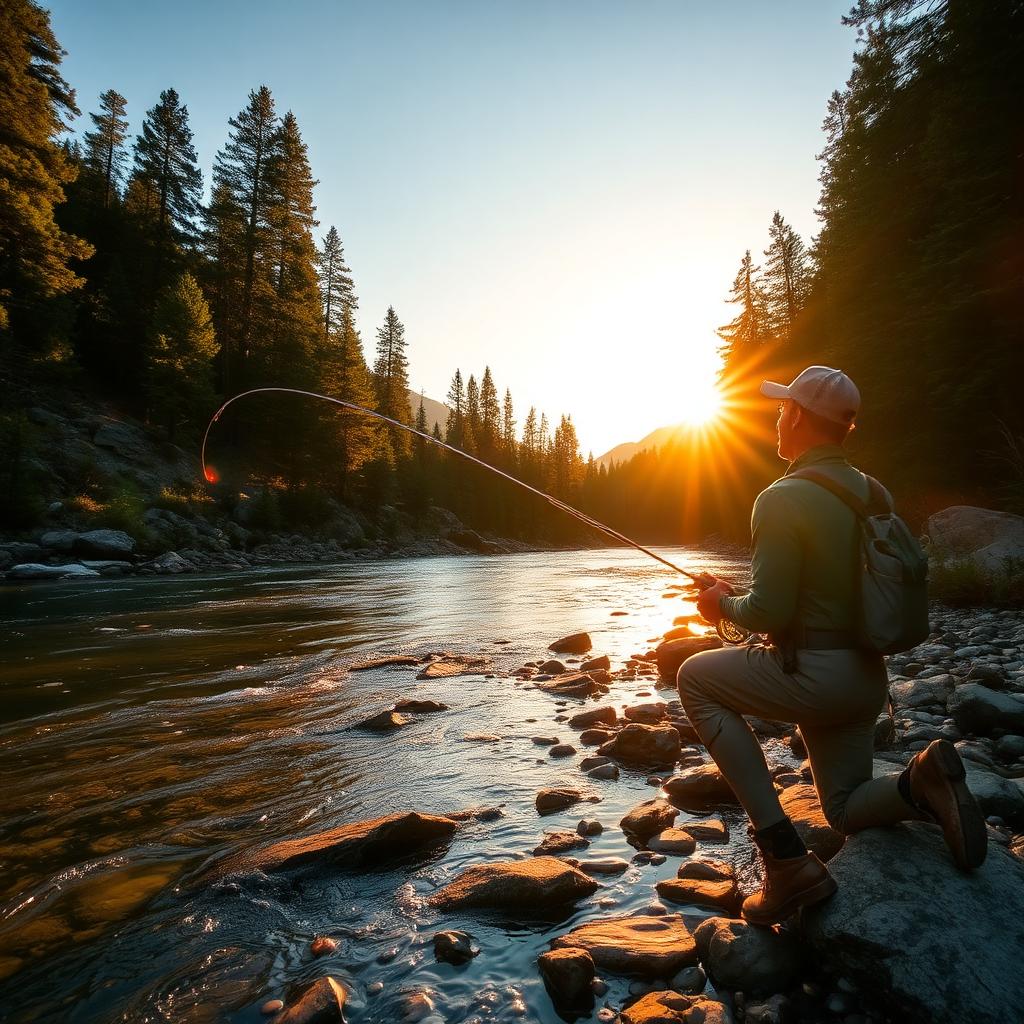
Cold moving water on a fly-fishing river

Top 10 · Places

Top 10 Alpine Lakes for Trout in the Wind River Range

High-elevation lakes above 10,000 feet in Wyoming's rugged Wind River Range, holding wild cutthroat and golden trout, offer unparalleled backcountry angling.

All lists

The Wind River Range, stretching across west-central Wyoming, is a backpacking and fishing paradise. Home to over 130 named peaks above 12,000 feet and countless glacial lakes, it offers some of the most remote and rewarding alpine fishing in the Lower 48. We're talking about crystal-clear waters, often above 10,000 feet, teeming with wild trout – primarily native cutthroat and brilliantly colored golden trout, stocked historically and now reproducing naturally. Getting to these lakes is an adventure in itself, often requiring multi-day treks deep into designated wilderness areas. But for those willing to put in the effort, the reward is an experience far removed from crowded frontcountry streams. Our selections for this list focus on lakes known for consistent wild trout populations, particularly cutthroat and golden trout, and those that offer a quintessential Wind River alpine experience. Access varies, from trails that are relatively well-trodden for the Winds to those that demand serious off-trail navigation. Remember, this isn't about volume; it's about the quality of the experience and the beauty of the fish you'll encounter in some of the most stunning mountain scenery imaginable. We've considered factors like remoteness, fish size potential, surrounding scenery, and overall adventure factor to assemble this definitive list. Before you go, understand the regulations. Most of the Winds are in national forest wilderness areas, meaning specific rules apply to camping, fires, and group sizes. A Wyoming fishing license is mandatory, and special regulations often apply to high-elevation lakes to protect native species. Be prepared for rapidly changing weather, significant elevation gain, and the very real possibility of encountering large wildlife. This isn't a casual outing; it's an expedition into true wilderness.

Best of the Best · Head to Head

Seneca Lake vs Deep Lake

#1 vs #2 — side-by-side specs, pros & cons, and the final verdict.

Topic summary

High-elevation lakes above 10,000 feet in Wyoming's rugged Wind River Range, holding wild cutthroat and golden trout, offer unparalleled backcountry angling.

Key takeaways

  • #1 Seneca Lake — Wyoming, USA
  • #2 Deep Lake — Wyoming, USA
  • #3 Lower Jean Lake — Wyoming, USA
  • #4 Upper Jean Lake — Wyoming, USA
  • #5 Lonesome Lake — Wyoming, USA
  • #6 Titcomb Basin Lakes — Wyoming, USA

Intended uses

Places

Verification notes

Editorial ranked list, 10 entries. Evidence mix — 10 research only. Buy links open the maker or a retailer search.

Rank this list

Loading community ratings… Ratings re-order the picks — they never change which products make the list.

Sign in to add your own ratings — it's free.

  1. 1
    Seneca Lake by Wyoming, USA

    Seneca Lake

    Wyoming, USA

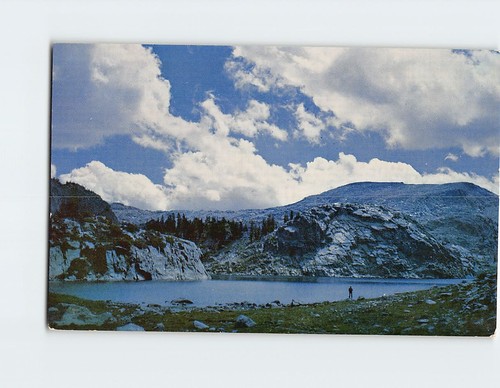
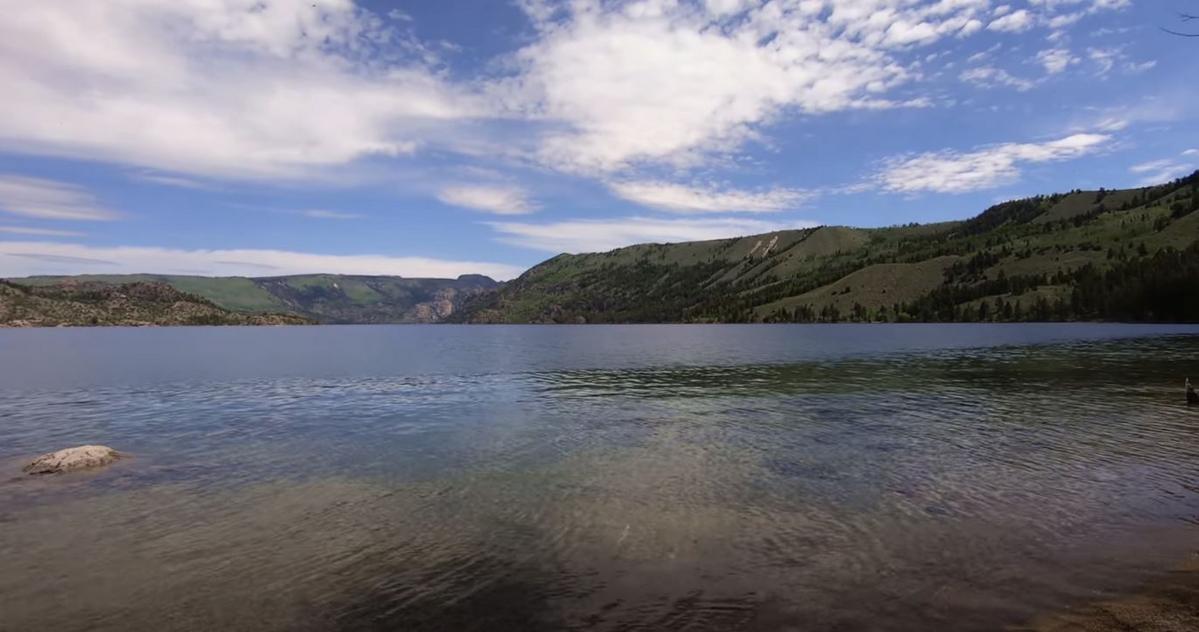
    Seneca Lake is often considered the heart of the northern Wind River Range, a truly iconic destination that balances accessibility with a profound sense of high-alpine wilderness. Situated just over 10,000 feet, it's a popular multi-day backpacking objective and a fantastic basecamp for exploring the surrounding peaks and basins. The lake itself is expansive and picturesque, offering superb fishing for Yellowstone cutthroat trout. Its numerous inlets, outlets, and rocky shorelines provide ample structure for fish, and the surrounding meadows are perfect for spotting wildlife. While it's one of the more trafficked lakes on this list, especially on summer weekends, its size ensures plenty of solitude if you're willing to hike a bit further along its shores or explore side trails. The views of the Continental Divide are breathtaking, and it serves as a natural crossroads for many longer Wind River adventures. Access is typically from the Elkhart Park Trailhead, one of the primary entry points for the northern Winds. The trail is well-maintained but involves significant elevation gain over its 9-mile length. The best season for fishing is July through September, once the snow has melted and the trails are clear. This is a moderate backpacking trip, suitable for those with some multi-day wilderness experience. Permits are not required for day use or general backpacking, but standard wilderness ethics and Leave No Trace principles are strictly enforced. Expect to share the trail and campsites with others, especially during peak season, but the quality of the fishing and scenery makes it well worth the trip. **Highlights** * Elevation: ~10,170 feet * Target Species: Yellowstone Cutthroat Trout * Access: 9 miles from Elkhart Park Trailhead * Scenery: Iconic views of the Continental Divide and surrounding granite peaks * Camping: Numerous established and primitive campsites around the lake * Wildlife: Moose, marmots, pikas, various bird species **Watch-outs** * Crowds: Can be busy, especially on weekends and during prime summer months * Mosquitoes: Intense in early summer (July) * Weather: Rapidly changing alpine weather, including afternoon thunderstorms and cold nights * Bear Activity: Grizzly bears are present in the northern Winds; food storage is critical

    Research onlyRead the full profile
    No ratings yet
  2. 2
    Deep Lake by Wyoming, USA

    Deep Lake

    Wyoming, USA

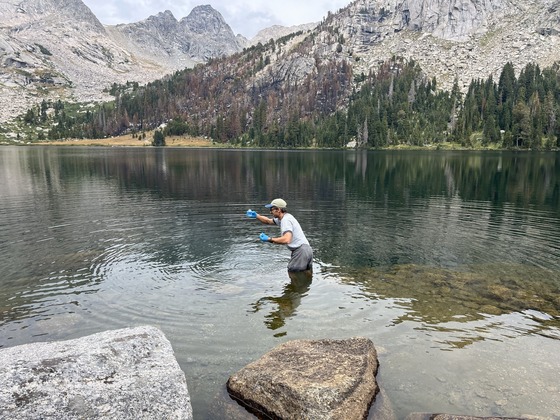
    Deep Lake, nestled at the base of Gannett Peak – Wyoming's highest mountain – offers an unparalleled high-alpine fishing experience. This remote gem sits at over 10,500 feet and is surrounded by a rugged, glaciated landscape that feels truly wild. While the primary draw here for anglers is the prospect of strong, wild cutthroat trout, the sheer majesty of the scenery, dominated by towering granite walls and active glaciers, is a close second. The lake itself is appropriately named, plunging to significant depths that support a healthy fish population, often larger than those found in shallower alpine tarns. This isn't a casual hike; reaching Deep Lake is a serious multi-day expedition into the heart of the northern Winds, requiring commitment and solid backcountry skills. Access is most common from the Elkhart Park Trailhead, typically via Seneca Lake and the Indian Basin Trail, a journey that can take 2-3 days of strenuous hiking to reach. The final approach involves navigating challenging, often rocky and off-trail terrain. The ideal season is late July to early September, when snow has melted enough to permit passage and fishing conditions are stable. This is a trip for experienced backpackers comfortable with high mileage, significant elevation gain, and self-sufficiency in remote wilderness. No specific permits are required beyond standard wilderness regulations, but preparation for extreme conditions is a must. The solitude here is profound, a stark contrast to more accessible lakes. **Highlights** * Elevation: ~10,560 feet * Target Species: Yellowstone Cutthroat Trout * Location: Base of Gannett Peak, Wyoming's highest * Scenery: Glaciated peaks, dramatic cirques, true high-alpine environment * Remoteness: Requires multi-day, strenuous backpacking * Fishing: Healthy population of wild cutthroat **Watch-outs** * Remoteness: Very remote, far from trailheads, requires extensive planning * Navigation: Can involve off-trail travel and route finding in challenging terrain * Weather: Highly unpredictable and severe alpine weather, including snow in summer * Grizzly Bears: High probability of bear encounters; extreme caution and food storage essential

    Research onlyRead the full profile
    No ratings yet
  3. 3
    Lower Jean Lake by Wyoming, USA

    Lower Jean Lake

    Wyoming, USA

    Lower Jean Lake is a gem for those targeting Golden Trout in the southern Wind River Range. Situated at around 10,500 feet, this pristine lake is part of the extensive Cirque of the Towers area, renowned for its dramatic granite spires and high-alpine beauty. The lake itself is fed by glacial melt, giving it a stunning clear blue-green hue, and its rocky shores and deep pockets provide ideal habitat for a thriving population of the brilliantly colored golden trout. While fishing is excellent, the visual spectacle of the surrounding peaks, particularly Lonesome Peak and the Pingora needle, makes this a truly unforgettable destination. It’s remote enough to ensure a wild experience, but part of a well-trodden network of trails. Access is typically from the Big Sandy Opening Trailhead, a significantly long but scenic approach of approximately 14-16 miles, often broken into a multi-day trip. The trail is well-defined for much of the way, passing through various ecosystems before climbing into the alpine. The best time to visit is late July through September. This trip requires moderate to advanced backpacking skills due to the mileage and elevation gain. While permits aren't typically required, adherence to wilderness regulations is crucial. Expect solitude once you’re beyond the main Big Sandy areas, but be prepared to share the iconic Cirque of the Towers with climbers and backpackers during peak season. **Highlights** * Elevation: ~10,540 feet * Target Species: Golden Trout * Scenery: Iconic views of the Cirque of the Towers (Lonesome Peak, Pingora) * Access: 14-16 miles from Big Sandy Opening Trailhead * Water Clarity: Exceptionally clear, glacial-fed waters * Camping: Excellent dispersed camping opportunities **Watch-outs** * Mileage: Long approach, requires multi-day commitment * Elevation: Significant elevation gain and high-altitude exposure * Weather: Sudden and severe thunderstorms are common in the afternoon * Bears: Black bears are prevalent in the southern Winds; proper food storage is essential

    Research onlyRead the full profile
    No ratings yet
  4. 4
    Upper Jean Lake by Wyoming, USA

    Upper Jean Lake

    Wyoming, USA

    Perched higher than its lower namesake, Upper Jean Lake offers an even more remote and arguably more spectacular golden trout fishing experience in the southern Winds. At around 10,800 feet, this lake sits in a rugged, less-visited basin, demanding a bit more effort to reach but rewarding anglers with stunning golden trout and unparalleled solitude. The landscape here is classic high-alpine cirque – vast granite slabs, scattered krummholz, and a profound silence broken only by wind and marmots. The golden trout in Upper Jean are known for their vibrant colors and feisty fight, thriving in the cold, clear waters. This is a place where you truly feel at the edge of the wild, far from any significant human impact. Access builds on the trek to Lower Jean, continuing further into the wilderness. From the Big Sandy Opening Trailhead, it’s a challenging 16-18 mile journey, often involving some off-trail navigation or cairn-following after you pass Lower Jean. This is firmly in the advanced backpacking category, requiring excellent navigation skills and a high level of fitness. The best time to go is from mid-August to mid-September, allowing more snowmelt and better weather stability, though always be prepared for anything. Expect very few other people once you reach this elevation, creating an intimate connection with the wilderness. Standard wilderness regulations apply; be prepared for self-sufficiency. **Highlights** * Elevation: ~10,820 feet * Target Species: Golden Trout * Scenery: Rugged, high-alpine cirque with dramatic granite features * Remoteness: Less trafficked than Lower Jean, offering greater solitude * Access: Long, challenging approach (16-18 miles) from Big Sandy * Fishing: Excellent for vibrant, wild golden trout **Watch-outs** * Remoteness/Navigation: Can be challenging, requiring advanced route-finding * Exposure: Above treeline in many areas, highly exposed to weather * Weather: Extreme and sudden weather changes, including snow in summer * Mosquitoes/Bugs: Can be relentless in early summer

    Research onlyRead the full profile
    No ratings yet
  5. 5
    Lonesome Lake by Wyoming, USA

    Lonesome Lake

    Wyoming, USA

    Lonesome Lake, majestically cradled within the iconic Cirque of the Towers, is a pilgrimage site for climbers and backpackers alike, and a phenomenal fishing destination for those seeking cutthroat trout in a truly world-class setting. At approximately 10,100 feet, it's one of the lower-elevation lakes on this list but no less spectacular. The lake is ringed by some of the most striking granite spires in North America, including Wolf's Head, Pingora, and Warrior Peak, creating a dramatic backdrop for every cast. The cutthroat here are robust and numerous, thriving in the cold, deep waters. It’s an ideal place to spend multiple days, using the lake as a base for exploring the surrounding cirque and peaks. Access is almost always from the Big Sandy Opening Trailhead, a roughly 10-mile hike that includes a significant pass (Jackass Pass). The trail is generally well-maintained, but the final ascent to Jackass Pass and the descent to the lake are steep and rocky. This is a moderate to strenuous backpacking trip, suitable for those with solid fitness and some prior wilderness experience. Peak season runs from late July to September. Due to its fame, Lonesome Lake and the surrounding Cirque can be quite popular, especially on weekends. Finding a secluded campsite requires a bit of effort, but the sheer beauty and fishing quality make it worthwhile. No specific permits beyond standard wilderness regulations are required. **Highlights** * Elevation: ~10,130 feet * Target Species: Cutthroat Trout * Scenery: Unrivaled views of the Cirque of the Towers, iconic granite spires * Access: ~10 miles from Big Sandy Opening Trailhead (via Jackass Pass) * Fishing: Consistent action for healthy cutthroat * Basecamp: Excellent base for climbing and exploring the Cirque **Watch-outs** * Crowds: Very popular destination, expect company at peak times * Pass: Jackass Pass is steep and exposed, especially in wind or inclement weather * Bears: Black bear activity is common; proper food storage is essential * Permits/Quotas: While not always required, wilderness areas can implement these at any time; check regulations

    Research onlyRead the full profile
    No ratings yet
  6. 6
    Titcomb Basin Lakes by Wyoming, USA

    Titcomb Basin Lakes

    Wyoming, USA

    Titcomb Basin is legendary in the Wind River Range, not just for its breathtaking alpine grandeur but also for its exceptional golden trout fishing. This high-altitude basin, sitting above 10,500 feet, is a mosaic of several interconnected lakes and tarns, all nestled beneath a wall of some of the highest peaks in the Winds, including Fremont Peak and Mount Sacagawea. The golden trout here are wild, vibrant, and often surprisingly large for such an exposed environment. The sheer scale of the landscape – vast rock slabs, snowfields even in summer, and endless views – makes every cast an experience. It truly embodies the spirit of a high-alpine wilderness. Access is a significant undertaking, typically from the Elkhart Park Trailhead, passing through popular spots like Photographers Point and Seneca Lake before veering north into the basin. The total distance is around 15-18 miles, and the final stretch into the basin is rocky and involves significant elevation gain. This is an advanced multi-day backpacking trip, requiring robust fitness, navigation skills, and a willingness to be self-sufficient in exposed terrain. The prime season is late July through early September. While not as crowded as the immediate vicinity of Seneca, Titcomb Basin sees its share of intrepid backpackers and climbers, especially during good weather windows. No specific permits are needed, but strict adherence to Leave No Trace is paramount due to the fragile environment. **Highlights** * Elevation: ~10,500-11,000 feet (various lakes) * Target Species: Golden Trout * Scenery: Panoramic views of towering peaks (Fremont, Sacagawea), vast alpine cirque * Access: Long, strenuous approach (15-18 miles) from Elkhart Park * Fishing: Known for quality golden trout in multiple lakes * Geology: Stunning glacial features and rock formations **Watch-outs** * Remoteness/Mileage: Very long and demanding approach * Exposure: Mostly above treeline, highly exposed to weather elements * Navigation: Can be tricky in parts, especially off main trail segments * Weather: Expect dramatic and sudden shifts, including strong winds and cold temperatures

    Research onlyRead the full profile
    No ratings yet
  7. 7
    Island Lake by Wyoming, USA

    Island Lake

    Wyoming, USA

    Island Lake is a classic Wind River Range destination, often serving as a critical junction for many longer backpacking trips into the high country. Located at roughly 10,300 feet, it's a large, beautiful lake known for its islands (hence the name) and excellent fishing for cutthroat trout, with a mix of rainbows and brook trout in some areas. The lake sits beneath the dramatic backdrop of Fremont Peak and Mount Helen, offering incredible photographic opportunities and a tangible sense of being deep in the mountains. While it's a popular camping spot due to its size and central location, its numerous coves and islands offer plenty of spots to fish and find relative solitude. Access is typically from the Elkhart Park Trailhead, a 12-mile hike that gains considerable elevation. The trail is well-trodden and maintained, making it a solid objective for experienced backpackers. This is a moderate to strenuous multi-day trip, usually taking 2 days to reach. The best season is July through September. Due to its popularity as a waypoint for trips further into Titcomb Basin or Indian Basin, expect company, particularly during peak summer months. Finding an undeveloped campsite away from others requires some scouting. No special permits are required, but follow all wilderness guidelines, especially regarding bear canisters or proper food hangs. The fishing here is consistent and reliable, making it a good target for a dedicated fishing trip. **Highlights** * Elevation: ~10,320 feet * Target Species: Cutthroat Trout (also Rainbow, Brook) * Location: Central hub for northern Wind River Range trips * Scenery: Stunning views of Fremont Peak and Mount Helen * Access: ~12 miles from Elkhart Park Trailhead * Camping: Numerous good dispersed camping options **Watch-outs** * Crowds: Can be very busy, especially in summer, due to its central location * Mosquitoes: Intense in early summer, particularly around campsites * Weather: Rapidly changing alpine weather, be prepared for anything * Bear Activity: Grizzly bears are present; safe food storage is a must

    Research onlyRead the full profile
    No ratings yet
  8. 8

    Cook Lakes

    Wyoming, USA

    The Cook Lakes Basin, a sprawling high-alpine area situated at elevations generally above 10,000 feet, offers a complex of interconnected lakes, each with its own character and fishing opportunities. This basin, found in the west-central part of the Wind River Range, is renowned for its diverse trout populations, including healthy cutthroat and golden trout. The landscape is a mosaic of open granite expanses, small pine forests, and numerous tarns, making it an ideal destination for exploring and finding your own private fishing hole. It’s less trafficked than some of the more famous destinations, offering a greater sense of solitude while still providing exceptional angling. Access to Cook Lakes can be achieved from several trailheads, but a common approach is via the Scab Creek Trailhead, requiring a multi-day hike that can range from 12-16 miles depending on which lakes you target. The trails are generally well-maintained but become more primitive as you explore deeper into the basin. This is a moderate to strenuous backpacking trip, suitable for those with good navigation skills and a willingness to explore. The best season is late July to September. While permits are not required, always check the latest regulations for the Bridger-Teton National Forest. The expansive nature of the basin means you can easily spend several days here, moving between lakes and enjoying varied fishing conditions. It's a great choice for those seeking a balance of good fishing and relative quiet. **Highlights** * Elevation: ~10,000-10,500 feet (multiple lakes) * Target Species: Cutthroat Trout, Golden Trout * Location: Extensive basin with numerous interconnected lakes * Access: Multi-day hike (12-16 miles) from trailheads like Scab Creek * Solitude: Generally less crowded than more famous areas * Exploration: Ideal for multi-day exploration and lake hopping **Watch-outs** * Navigation: Can be complex with many trails and off-trail sections * Weather: Exposure to high-altitude weather changes and sudden storms * Mosquitoes: Can be very heavy in early summer in forested areas * Bears: Both black and grizzly bears are present in the region; proper food storage is critical

    Research onlyRead the full profile
    No ratings yet
  9. 9

    North Fork Lake

    Wyoming, USA

    North Fork Lake, situated around 10,200 feet, offers a classic high-alpine experience in a somewhat less-visited corner of the Wind River Range. This beautiful lake is a strong contender for anglers seeking wild cutthroat trout in a pristine environment. The surrounding landscape features a mix of open meadows, scattered pine and fir forests, and rocky slopes that rise to impressive peaks. It provides an excellent basecamp for exploring smaller tarns and streams in the North Fork drainage, often yielding surprising fishing results. What it lacks in the dramatic granite spires of the Cirque or Titcomb, it makes up for in peaceful solitude and consistent angling. Access is typically from the Elkhart Park Trailhead, requiring a multi-day hike of approximately 14-16 miles. The trail follows the main path towards Island Lake before branching off, becoming less maintained and more rugged. This is a strenuous backpacking trip, best suited for those with a good level of fitness and experience in route-finding in wilderness settings. The best season is late July through early September. Due to its slightly more remote nature, you'll generally encounter fewer people here than at the more popular lakes along the main Elkhart Park corridor. Standard wilderness regulations apply. Be prepared for self-sufficiency and all forms of high-alpine weather. **Highlights** * Elevation: ~10,200 feet * Target Species: Cutthroat Trout * Access: ~14-16 miles from Elkhart Park Trailhead * Solitude: Generally less crowded than core popular lakes * Scenery: Mix of meadows, forests, and rocky peaks * Fishing: Consistent action for wild cutthroat **Watch-outs** * Remoteness: Long, strenuous approach; can be quite isolated * Navigation: Trails can be less distinct than major routes * Weather: Subject to rapid and severe alpine weather changes * Bears: Grizzly bear habitat; vigilance and proper food storage are essential

    Research onlyRead the full profile
    No ratings yet
  10. 10

    Hailey Pass Lakes

    Wyoming, USA

    The lakes nestled around Hailey Pass, at elevations pushing 10,500 to 11,000 feet, represent some of the highest and most remote angling opportunities in the southern Wind River Range. This area is a network of small, often unnamed tarns and larger lakes, many of which hold strong populations of both cutthroat and golden trout. The landscape here is stark and breathtaking – vast expanses of granite, high meadows, and panoramic views of distant peaks. Reaching these lakes is a true wilderness endeavor, appealing to those who prioritize solitude and a sense of exploration over ease of access. The fish here are hard-fighting and brilliant, a testament to their wild origins in this challenging environment. Access is typically from the Big Sandy Opening Trailhead, a multi-day expedition involving significant mileage and elevation gain. Expect a journey of 15-20 miles, with the final push to the pass being steep and often involving route-finding over rocky terrain. This is an advanced-level backpacking and fishing trip, demanding exceptional fitness, navigation skills, and comfort with extended periods of self-sufficiency. The short season runs from late July to early September, as snow can persist well into summer. You will encounter very few other people in this area, making it ideal for a true wilderness fishing adventure. No specific permits are required, but a deep respect for Leave No Trace principles is mandatory in this fragile ecosystem. **Highlights** * Elevation: ~10,500-11,000 feet (multiple lakes/tarns) * Target Species: Cutthroat Trout, Golden Trout * Remoteness: Very remote and offers profound solitude * Scenery: Vast, stark high-alpine granite landscape with panoramic views * Access: Long, challenging multi-day approach (15-20 miles) from Big Sandy * Exploration: Numerous small lakes and tarns to discover **Watch-outs** * Extreme Remoteness: Far from aid, requires full self-sufficiency and emergency preparedness * Navigation: Significant off-trail travel and route-finding can be necessary * Weather Exposure: High elevation means extreme exposure to winds, cold, and sudden storms * Short Season: Accessible for only a brief window in late summer

    Research onlyRead the full profile
    No ratings yet
Bottom line

The Wind River Range offers a lifetime of high-alpine angling. For those seeking iconic golden trout in a dramatic setting, Upper and Lower Jean Lakes or Titcomb Basin are hard to beat. If native cutthroat are your passion, the Cirque of the Towers area, including Lonesome Lake, provides classic opportunities. Beginners should consider areas like Big Sandy or Elkhart Park for shorter approaches to good fishing, while experienced wilderness travelers will find endless opportunities deeper in the range. Regardless of your choice, come prepared for a challenging but immensely rewarding adventure.

Next list
Best Backpacking Sleeping Pads
Read next

Get The Field List

One short, honest email a week: gear we actually trust, planning guides, and survival-TV coverage. Free, unsubscribe anytime.

Free forever. No spam, unsubscribe in one click.