


Updated October 2026 · 0 picks re-checked for availability and current spec, reader ratings refreshed live.
A sleeping pad serves two non-negotiable functions in the backcountry: it provides mechanical cushion between your skeleton and the rock, and it stops heat from dumping directly into the frozen earth. Many ultralight pads skimp heavily on fabric denier and internal baffling to win the gram-counting war on store shelves, leaving hikers shivering on flattened nylon at 2:00 AM after a puncture on rough granite. We spent months testing these pads across shoulder-season alpine routes in the Sierra and damp autumn nights in the Appalachians. Every model evaluated here was judged on three parameters: true thermal resistance using the standardized ASTM F3340-18 test, packable volume, and tear resistance against abrasive bedrock. While closed-cell foam pads remain the benchmark for bulletproof reliability, modern insulated air mats have reached a level of puncture resistance and warmth-to-weight balance that warrants serious consideration. Whether you need a dedicated sub-freezing winter mat or an ultralight summer pad that will survive careless pitching on granite grit, the models below represent the best designs currently available. We paid close attention to noise levels, dump valve usability with cold fingers, and edge-to-edge support for restless side sleepers.
How we picked
Ranked by Cal Brennan, Senior Gear Editor
We started with a long list of ultralight sleeping pads that people actually buy, cut anything that could not clear our baseline for durability and field performance, then ranked the 0 that were left against the same criteria. Rankings are editorial. No brand pays for placement, and affiliate links never move a pick up or down.
- Fabric behavior over time
- Breathability, DWR life, loft retention, and how the piece performs after repeated washing.
- Load carriage
- How the suspension handles the loads the pack is actually rated for, over long days.
- Real-world durability
- How the material, stitching, or steel holds up after a season of hard use — not how it looks new.
- Performance in bad conditions
- Wind, rain, cold, and grit are the test. Anything that only works on a nice day gets marked down.
- Weight and packability
- Every ounce has to earn its place in the pack, but not at the cost of something that fails in the field.
- Ease of use
- Setup, adjustment, and maintenance with cold hands, in the dark, without the manual.
How often we recheck this: Reviewed on a rolling basis and rechecked at least once a year, or sooner if a pick is discontinued, revised, or beaten by something new.
Topic summary
Field-tested sleeping mats evaluated for verified ASTM R-values, real pack weight, and survival on sharp granite slabs.
Intended uses
Gear
Verification notes
Editorial ranked list, 0 entries. Evidence mix — . Buy links open the maker or a retailer search. Last reviewed October 2026.
Our editors test the gear, pick the ten, and set the order the day a list publishes. After that, the ranking is live: every member star rating feeds the community order, so picks climb or slide as real owners report back. Editorial judgment decides what earns a spot — you help decide where it sits.
- Editors set the field
Hands-on testing and spec research choose the ten and the published order.
- Readers re-rank it
Your 1–5 star ratings drive the community order on every list.
- Rankings keep moving
Picks rise or fall over time — nothing is frozen at launch day.
Rank this list
Loading community ratings… Ratings re-order the picks — they never change which products make the list.
Sign in to add your own ratings — it's free.
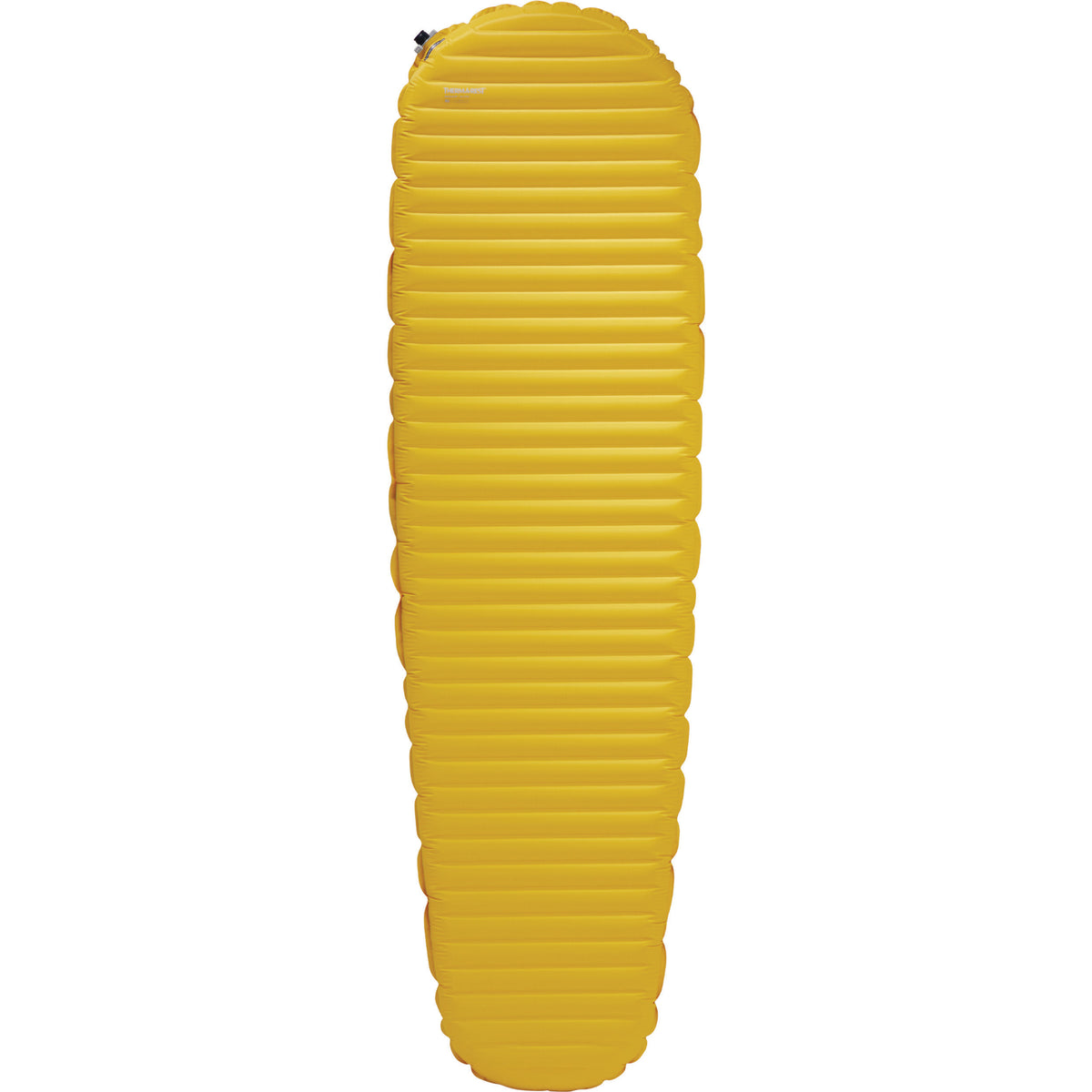
For the vast majority of three-season backpackers, the Therm-a-Rest NeoAir XLite NXT hits the gold standard for weight, packability, and thermal warmth. If you prioritize deep comfort and low noise without sacrificing thermal integrity, the NEMO Tensor All-Season is a superior sleeper, while the NeoAir XTherm NXT remains our undisputed choice when ground temperatures plunge below freezing.
How to choose ultralight sleeping pads
Here is what separates a good ultralight sleeping pads from an expensive one.
Fabric behavior over time
Breathability, DWR life, loft retention, and how the piece performs after repeated washing.
Load carriage
How the suspension handles the loads the pack is actually rated for, over long days.
Real-world durability
How the material, stitching, or steel holds up after a season of hard use — not how it looks new.
Performance in bad conditions
Wind, rain, cold, and grit are the test. Anything that only works on a nice day gets marked down.
Weight and packability
Every ounce has to earn its place in the pack, but not at the cost of something that fails in the field.
Ease of use
Setup, adjustment, and maintenance with cold hands, in the dark, without the manual.
Common mistakes
- Buying the lightest ultralight sleeping pads you can find and discovering it cannot take a season of hard use.
- Paying for a specialist feature you will use once a year instead of the versatile option.
- Comparing headline specs across tiers instead of within the same class.
- Skipping fit, sizing, or adjustment checks that decide whether you actually carry it.
Get The Field List
One short, honest email a week: gear we actually trust, planning guides, and survival-TV coverage. Free, unsubscribe anytime.