


Reader rating
Rate it and you move it. Community ratings re-rank this product inside its Top 10 list.
Expert-picked, reader-ranked. Our editors choose the products and the launch order; member star ratings move picks up or down over time.
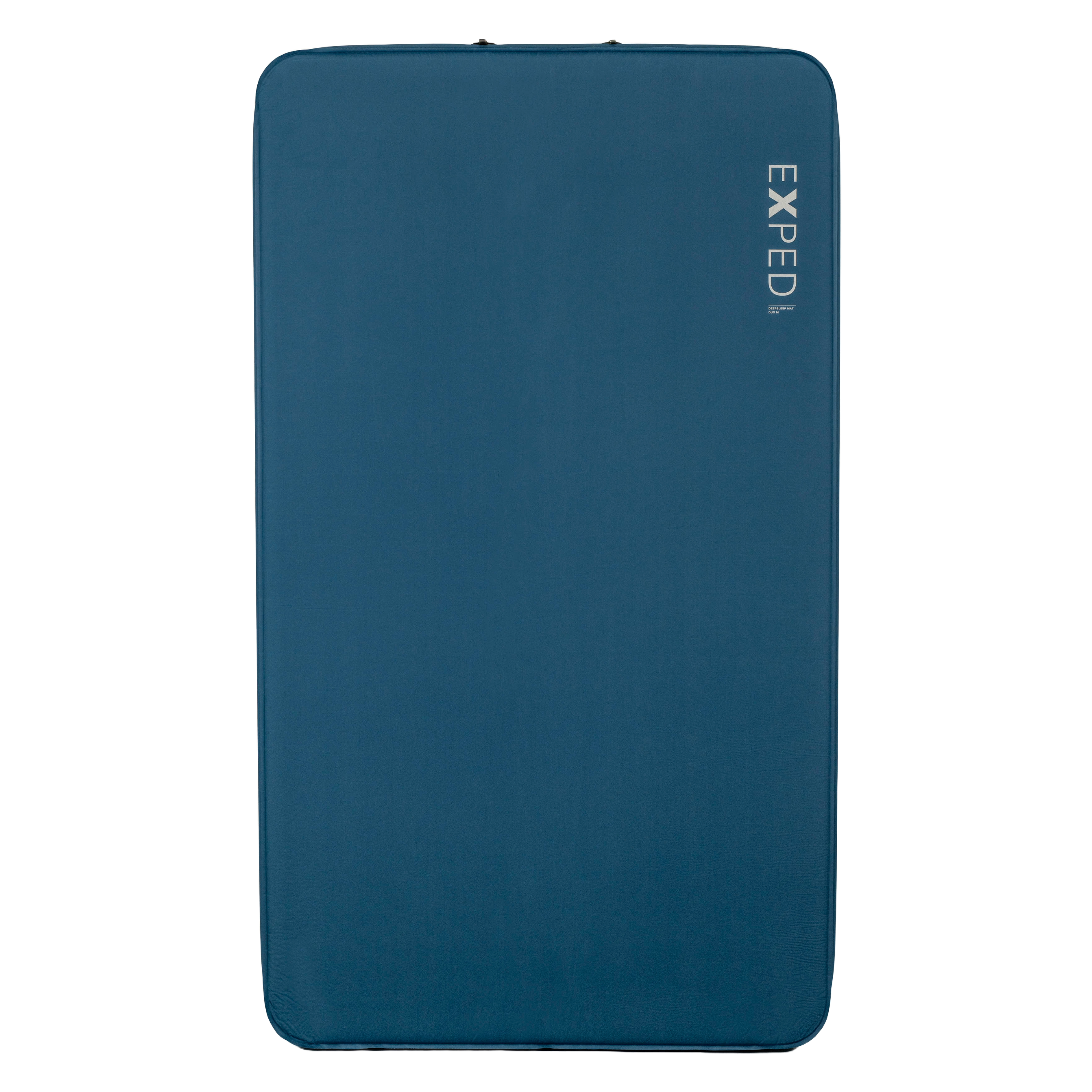
The Exped DeepSleep Sleeping Pad brings the core ergonomic strengths of Exped’s flagship MegaMat into a more accessible, streamlined package. Recommended by Switchback Travel as a top basecamp alternative, the DeepSleep maintains a generous 3-inch profile of supportive open-cell foam while eliminating some of the high-end accessories and multi-valves to keep the price around $190. In field reviews, the DeepSleep receives high marks for matching its more expensive siblings in edge-to-edge sleeping comfort. The 72 by 25.6-inch Medium-Wide model weighs 4 pounds 7.9 ounces, giving sleepers enough width to shift naturally without sliding off. It uses an extra-large deflation valve that lets air escape quickly when pressing and rolling the pad, though inflating the dense foam completely out of the box generally requires adding a few manual breaths or using an optional pump. The trade-off for the lower price point is the omission of an included mini-pump and the use of a standard brushed tricot top rather than the ultra-plush stretch face found on the MegaMat. For campers seeking four-season foam comfort from an industry leader under the $200 barrier, the DeepSleep is a very capable compromise. **Highlights** - Substantial 3-inch open-cell foam core provides excellent side-sleeper support - Extra-large purge valve facilitates fast, unobstructed air release during packing - Brushed polyester surface reduces sleeping bag sliding and dampens noise - 3D vertical sidewall construction maximizes usable mattress real estate - Reliable thermal protection for cold weather camping **Watch-outs** - Does not include a pump or inflation sack out of the box - Dense foam requires patience and a break-in period to self-inflate fully - Heavy and bulky, strictly suitable for vehicle-supported trips
Pros
- Vertical 3D sidewalls maximize edge-to-edge usable sleeping surface
- Dense 3-inch foam core delivers dependable support for side sleepers
- Extra-large purge valve allows rapid, hassle-free air release
- Brushed fabric face reduces rustle and prevents sleeping bag slippage
Cons
- Does not include an inflation pump or stuff-sack pump
- Substantial bulk and 4.5-pound weight restrict use strictly to car camping
- Dense foam requires significant resting time or manual air to fully loft
Best uses
- Vehicle and tent camping
- Truck bed sleeping setups
- Cold-weather basecamp trips
- Extended frontcountry stays
Specifications
- Pad Type
- Self-inflating open-cell foam
- Dimensions
- 72 x 25.6 x 3 inches (MW)
- Weight
- 4 lb. 7.9 oz.
- Construction
- 3D vertical sidewalls
- Face Fabric
- Brushed polyester tricot
- Approx. Price
- $190
Pricing
We don't publish a price we haven't verified. The retailer links below open the live listing for this exact model.
Full catalog listing & offersBest for
Vehicle and tent camping, Truck bed sleeping setups, Cold-weather basecamp trips, Extended frontcountry stays
Where to buy the DeepSleep Sleeping Pad
We don't have a direct Amazon listing on file yet — this opens an Amazon search for the exact make and model.
Some links are affiliate links. Buying through them supports our testing at no extra cost to you.
The Exped DeepSleep Sleeping Pad offers a no-frills entry point into luxury basecamp sleeping. Designed to deliver the core ergonomic benefits of Exped's premium camp mats at a lower price point, it provides dependable full-body support for car camping, truck beds, and long-term frontcountry shelters. Rather than pursuing lightweight packability, the pad focuses squarely on nocturnal recovery for travelers who arrive at camp on four wheels. At the heart of the DeepSleep is a three-inch layer of open-cell polyurethane foam encased in durable brushed polyester. Built with true vertical sidewalls, the Medium-Wide model measures 72 by 25.6 inches, ensuring sleepers can roll toward the edge without bottoming out or sliding off angled borders. The brushed surface also dampens plastic rustling and helps keep smooth sleeping bags anchored through the night. Priced around $190, the DeepSleep achieves its competitive cost by omitting supplementary gear like dedicated hand pumps or multi-valve setups. While it demands some patience during initial setup and carries notable bulk at four pounds 7.9 ounces, it remains a well-engineered option for campers seeking premium sleep ergonomics without paying flagship prices.
Target Audience and Use Case
The DeepSleep is built primarily for vehicle-supported campers who prioritize restorative sleep over packability. Side sleepers, restless sleepers, and basecampers frequently struggle with standard backpacking pads that taper at the edges or bounce with every movement. By incorporating three inches of continuous open-cell foam inside a rectangular cut, this mat addresses those specific aches. It works exceptionally well in the back of an SUV, in a rooftop tent, or inside a spacious family ground tent. It is not engineered for anyone who needs to carry their shelter system in a backpack; the 4-pound 7.9-ounce bulk demands direct vehicular transit to the campsite. For users who take seasonal trips, hunt from basecamps, or spend weekends at state parks, it provides a supportive foundation that mimics a conventional home mattress.
Materials and 3D Construction
Exped relies on a box-like 3D construction rather than traditional welded baffles. This geometry means the sidewalls stand vertically at three inches tall, preserving uniform depth all the way to the outer perimeter. The internal open-cell polyurethane foam core is cored horizontally to shave excess weight without undermining lumbar or hip support. Encasing the foam is a soft, brushed tricot polyester on the top surface and a rugged polyester base designed to resist friction against tent floors and vehicle decks. The brushed fabric treatment provides a gentle hand-feel that cuts down on the sticky, rubbery sensation common on budget camp mats. It also produces virtually zero crinkling noise when shifting position, making it a considerate choice for shared sleeping quarters or light sleepers.
Support and Real-World Comfort
The defining characteristic of the DeepSleep is its uniform, dampening support. Air-only mattresses often suffer from instability, creating a trampoline effect when tossing and turning. In contrast, the dense foam inside the DeepSleep absorbs body weight evenly, preventing hips and shoulders from striking the frozen ground or a hard truck bed. The 25.6-inch width in the Medium-Wide configuration gives broader frames sufficient space to spread out without falling off the sides. Furthermore, the solid layer of open-cell insulation provides reliable thermal resistance from freezing ground temperatures. Although Exped does not market this pad as an ultra-technical winter mountaineering mat, the physical thickness and high density of the foam provide a stout barrier against thermal bridging during sub-freezing shoulder-season outings.
Valve System and Inflation
To streamline manufacturing and keep the price accessible, Exped equipped the DeepSleep with an oversized purge valve rather than the dual micro-adjustment valves found on higher-tier models. Packing up the pad is straightforward: popping open the large exhaust port allows high-volume air release as you fold and kneel across the surface. However, inflating the mat requires some planning. The dense, self-inflating foam naturally expands on its own, but after prolonged storage in a compressed state, it requires significant time to loft fully. Because Exped does not include a hand pump or inflation sack in the box, sleepers must top off the mattress by mouth or buy a separate accessory pump to achieve their preferred firmness without introducing internal moisture.
Durability and Storage Considerations
The trade-off for true bed-like comfort is substantial mass. Packing down to a large cylinder, the DeepSleep claims a noticeable portion of a car trunk or cargo bin. Rolling the dense foam tightly requires physical effort, and the included stuff sack is generously sized to accommodate realistic camp breakdown conditions. The upside of this heavy-duty build is resilience. The durable exterior fabrics resist abrasions from dirt, gravel, and pet claws far better than lightweight technical gear. For optimal longevity, the pad should be stored unrolled with the valve open under a bed or in a closet. Keeping the foam uncompressed preserves its elastic memory, ensuring that it self-inflates much faster on subsequent camp outings.
Price Comparisons and Trade-Offs
At around $190, the DeepSleep occupies an appealing middle tier in the camp mattress landscape. Exped's flagship MegaMat 10 sets the benchmark for luxury basecamp comfort, but it routinely retails for significantly more and includes stretch fabrics and an inflation pump. Competitors like the Therm-a-Rest MondoKing also hover well above the $200 mark. Budget foam-and-air pads exist below $120, but they often feature sloped edges, thinner foam, and slippery nylon shells that roll inward. The DeepSleep cleanly isolates the core benefits of high-end vertical-sidewall architecture while discarding costly extras. If you already own an inflation bag or do not mind manually topping off the firmness, it represents one of the most cost-effective routes to premium basecamp ergonomics.
How we picked
We started with a long list of camping mattresses that people actually buy, cut anything that could not clear our baseline for durability and field performance, then ranked the 10 that were left against the same criteria. Rankings are editorial. No brand pays for placement, and affiliate links never move a pick up or down.
- Real-world durability
- How the material, stitching, or steel holds up after a season of hard use — not how it looks new.
- Performance in bad conditions
- Wind, rain, cold, and grit are the test. Anything that only works on a nice day gets marked down.
- Weight and packability
- Every ounce has to earn its place in the pack, but not at the cost of something that fails in the field.
- Ease of use
- Setup, adjustment, and maintenance with cold hands, in the dark, without the manual.
- Value at its price point
- Compared against the closest competitors in the same tier, not against cheaper gear in a different class.
- Repairability and support
- Field-fixable design, available parts, and a warranty the maker actually honors.
DeepSleep Sleeping Pad — frequently asked questions
- Is the DeepSleep Sleeping Pad worth it?
- We rank it #8 in Camping Mattresses. The Exped DeepSleep Sleeping Pad brings the core ergonomic strengths of Exped’s flagship MegaMat into a more accessible, streamlined package. Recommended by Switchback Travel as a top basecamp alternative, the DeepSleep maintains a generous 3-inch profile of supportive open-cell foam while eliminating some of the…
- What is the DeepSleep Sleeping Pad best for?
- Best for vehicle and tent camping, truck bed sleeping setups, cold-weather basecamp trips and extended frontcountry stays. Standouts: vertical 3d sidewalls maximize edge-to-edge usable sleeping surface and dense 3-inch foam core delivers dependable support for side sleepers.
- What are the downsides of the DeepSleep Sleeping Pad?
- Does not include an inflation pump or stuff-sack pump, Substantial bulk and 4.5-pound weight restrict use strictly to car camping and Dense foam requires significant resting time or manual air to fully loft.
- What are the key specs of the DeepSleep Sleeping Pad?
- Pad Type: Self-inflating open-cell foam · Dimensions: 72 x 25.6 x 3 inches (MW) · Weight: 4 lb. 7.9 oz. · Construction: 3D vertical sidewalls · Face Fabric: Brushed polyester tricot
- Target Audience and Use Case — what should I know about the DeepSleep Sleeping Pad?
- The DeepSleep is built primarily for vehicle-supported campers who prioritize restorative sleep over packability. Side sleepers, restless sleepers, and basecampers frequently struggle with standard backpacking pads that taper at the edges or bounce with every movement.
- Materials and 3D Construction — what should I know about the DeepSleep Sleeping Pad?
- Exped relies on a box-like 3D construction rather than traditional welded baffles. This geometry means the sidewalls stand vertically at three inches tall, preserving uniform depth all the way to the outer perimeter.
Compare side by side
Put the DeepSleep Sleeping Pad against any other pick on this list — specs, price, pros, cons and reader ratings.