



Top 10 · Gear
The 10 Best Canoes (2026)
Tripping and solo canoes ranked on hull efficiency, portage weight, and rough-water behavior.
Updated September 2026 · 10 picks re-checked for availability and current spec, reader ratings refreshed live.
A tripping canoe is a compromise between speed, capacity, and what you can carry across a mile portage. We ranked on hull efficiency at cruising speed, stability under load, and layup quality — Kevlar and carbon composites from small North American shops sit at the top, with Royalex-replacement plastics where rocks demand it.
The short answer
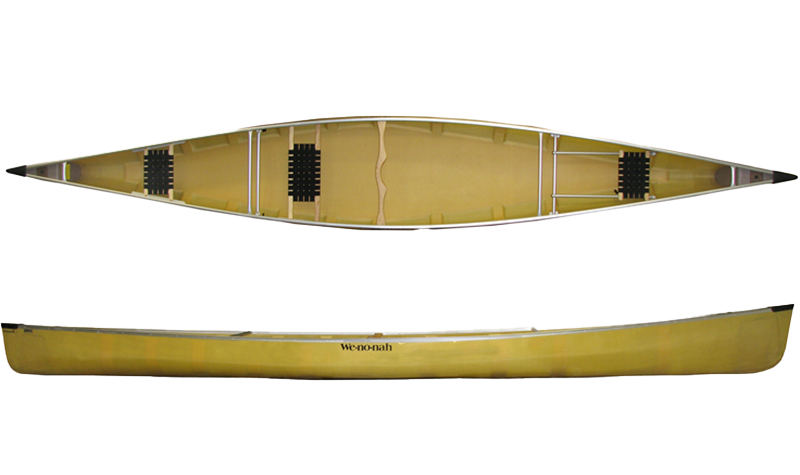
The Boundary Waters tandem tripper.
Why it wins
Minnesota-built with IXP layup that shrugs off rock.
Why it wins
Carbon pack canoe with a hull that rewards a double blade.
Why it winsCompare all 10 picks at a glance
Editorial ranking, what each pick is best at, and how we assessed it. Tap a name to jump to the full write-up.
| # | Pick | Best for | Key spec | Evidence |
|---|---|---|---|---|
| 1 | Minnesota II (Kevlar) Wenonah | Extended lake tripping | Construction: Kevlar Composite | Research only |
| 2 | Northwind 17 IXP Northstar Canoes | Multi-day wilderness tripping | Maker: Northstar Canoes | Research only |
| 3 | Keewaydin 16 Swift Canoe | Multi-day wilderness tripping | Maker: Swift Canoe | Research only |
| 4 | Prospector 16 TuffStuff Nova Craft | Multi-day wilderness tripping | Manufacturer: Nova Craft | Research only |
| 5 | Flashfire Bell / Colden | Technical river paddling | Manufacturer: Bell / Colden Canoe | Research only |
| 6 | Prospecteur 16 T-Formex Esquif | Multi-day river expeditions | Maker: Esquif | Research only |
| 7 | Discovery 158 Old Town | Family paddling | Maker: Old Town | Research only |
| 8 | New Trick 12 Hornbeck Boats | Solo backcountry paddling | Maker: Hornbeck Boats | Research only |
| 9 | Tripper S Clipper | Extended wilderness expeditions | Manufacturer: Clipper Canoes | Research only |
| 10 | RapidFire Placid Boatworks | Solo wilderness tripping | Maker: Placid Boatworks | Research only |
How we chose
We started with a long list of best canoes that people actually buy, cut anything that could not clear our baseline for durability and field performance, then ranked the 10 that were left against the same criteria. Rankings are editorial. No brand pays for placement, and affiliate links never move a pick up or down.
- Real-world durability
- How the material, stitching, or steel holds up after a season of hard use — not how it looks new.
- Performance in bad conditions
- Wind, rain, cold, and grit are the test. Anything that only works on a nice day gets marked down.
- Weight and packability
- Every ounce has to earn its place in the pack, but not at the cost of something that fails in the field.
- Ease of use
- Setup, adjustment, and maintenance with cold hands, in the dark, without the manual.
- Value at its price point
- Compared against the closest competitors in the same tier, not against cheaper gear in a different class.
- Repairability and support
- Field-fixable design, available parts, and a warranty the maker actually honors.
Best of the Best · Head to Head
Minnesota II (Kevlar) vs Northwind 17 IXP
#1 vs #2 — side-by-side specs, pros & cons, and the final verdict.
Compare any two picks
Build your own side-by-side
Choose any two of these 10 picks and compare specs, price, pros, cons and reader ratings.
Topic summary
Tripping and solo canoes ranked on hull efficiency, portage weight, and rough-water behavior.
Key takeaways
- #1 Minnesota II (Kevlar) — Wenonah
- #2 Northwind 17 IXP — Northstar Canoes
- #3 Keewaydin 16 — Swift Canoe
- #4 Prospector 16 TuffStuff — Nova Craft
- #5 Flashfire — Bell / Colden
- #6 Prospecteur 16 T-Formex — Esquif
Intended uses
Gear
Verification notes
Editorial ranked list, 10 entries. Evidence mix — 10 research only. Buy links open the maker or a retailer search. Last reviewed September 2026.
Best canoes for a specific job
Skip the ranking — jump to the pick that matches how you actually use it.
- Best for extended lake tripping
- #1 Minnesota II (Kevlar) — WenonahThe Boundary Waters tandem tripper. Fast, 42 pounds, and it carries a two-week load.Read the full profile
- Best for multi-day wilderness tripping
- #2 Northwind 17 IXP — Northstar CanoesMinnesota-built with IXP layup that shrugs off rock. The best all-around tripping canoe made.Read the full profile
- Best for technical river paddling
- #5 Flashfire — Bell / ColdenA cult solo hull that carves like a kayak and still hauls a week of gear.Read the full profile
- Best for multi-day river expeditions
- #6 Prospecteur 16 T-Formex — EsquifQuebec-built in the Royalex successor. The pick for rocky rivers and big loads.Read the full profile
- Best for family paddling
- #7 Discovery 158 — Old TownThree-layer polyethylene that survives anything. The workhorse for outfitters and truck racks.Read the full profile
- Best for solo backcountry paddling
- #8 New Trick 12 — Hornbeck BoatsAdirondack pack canoe at 16 pounds. The lightest real boat here.Read the full profile
- Best for extended wilderness expeditions
- #9 Tripper S — ClipperBritish Columbia craftsmanship in a high-volume expedition tandem for northern rivers.Read the full profile
- Best for solo wilderness tripping
- #10 RapidFire — Placid BoatworksCarbon pack canoe with a hull that rewards a double blade. Racing efficiency in a tripper.Read the full profile
Our editors test the gear, pick the ten, and set the order the day a list publishes. After that, the ranking is live: every member star rating feeds the community order, so picks climb or slide as real owners report back. Editorial judgment decides what earns a spot — you help decide where it sits.
- Editors set the field
Hands-on testing and spec research choose the ten and the published order.
- Readers re-rank it
Your 1–5 star ratings drive the community order on every list.
- Rankings keep moving
Picks rise or fall over time — nothing is frozen at launch day.
Rank this list
Loading community ratings… Ratings re-order the picks — they never change which products make the list.
Sign in to add your own ratings — it's free.
- Pros
- Exceptional speed and tracking for long distances
- Remarkably lightweight for its size and capacity
- Excellent secondary stability for choppy waters
- Generous carrying capacity for extended trips
- Durable Kevlar construction withstands wilderness use
Cons- High initial cost compared to other materials
- Lower initial stability can feel tippy to beginners
- Less maneuverable in tight, winding waterways
- Kevlar can be susceptible to sharp impacts if abused
Key features- Weight
- 42 lbs (approx)
- Capacity
- Up to 950 lbs
- Construction
- Kevlar Composite
- Length
- 18 ft 6 in
- Stability
- Good secondary, moderate initial
- Intended Use
- Extended wilderness lake tripping
Best forExtended lake tripping, Boundary Waters expeditions, Quetico paddling, Fast wilderness travel, Expedition canoe racing
Pros- Exceptional speed and tracking for long distances
- Remarkably lightweight for its size and capacity
- Excellent secondary stability for choppy waters
- Generous carrying capacity for extended trips
- Durable Kevlar construction withstands wilderness use
Cons- High initial cost compared to other materials
- Lower initial stability can feel tippy to beginners
- Less maneuverable in tight, winding waterways
- Kevlar can be susceptible to sharp impacts if abused
Assessed by Graham Eddy against our ranking criteria.No ratings yet - Pros
- Exceptional durability and impact resistance from IXP layup
- Excellent tracking and efficiency when loaded for tripping
- Generous cargo capacity for extended expeditions
- Stable yet maneuverable in varied water conditions
- Holds resale value due to robust construction and reputation
Cons- Heavier than ultra-light aramid/carbon composite canoes
- Not the fastest flatwater cruiser for recreational use
- Premium price point due to specialized construction
Key features- Maker
- Northstar Canoes
- Model
- Northwind 17 IXP
- Construction
- IXP (proprietary composite blend)
- Length
- 17 feet
- Made In
- Minnesota, USA
- Primary Use
- Tripping, expedition paddling
Best forMulti-day wilderness tripping, Expedition paddling in remote areas, Navigating rocky rivers and shallow sections, Outfitters and rental fleets, Paddlers prioritizing durability over minimal weight
Pros- Exceptional durability and impact resistance from IXP layup
- Excellent tracking and efficiency when loaded for tripping
- Generous cargo capacity for extended expeditions
- Stable yet maneuverable in varied water conditions
- Holds resale value due to robust construction and reputation
Cons- Heavier than ultra-light aramid/carbon composite canoes
- Not the fastest flatwater cruiser for recreational use
- Premium price point due to specialized construction
Assessed by Graham Eddy against our ranking criteria.No ratings yet - Pros
- Exceptional secondary stability in varied conditions
- Ultralight carbon-Kevlar construction for easy portaging
- Efficient hull design provides excellent glide and tracking
- Superb craftsmanship and durable build quality
- Comfortable for long-distance tripping
Cons- Premium price point, significantly higher than entry-level options
- While durable, composite can be vulnerable to sharp impacts if abused
- Not ideal for sustained whitewater or shallow, rocky river bashing
Key features- Material
- Carbon-Kevlar Composite
- Maker
- Swift Canoe
- Model
- Keewaydin 16
- Origin
- Ontario, Canada
- Intended Use
- Tripping, Flatwater, Rivers
- Construction
- Infused Laminate
Best forMulti-day wilderness tripping, Long flatwater expeditions, Lakes with unpredictable chop, Portage-heavy routes
Pros- Exceptional secondary stability in varied conditions
- Ultralight carbon-Kevlar construction for easy portaging
- Efficient hull design provides excellent glide and tracking
- Superb craftsmanship and durable build quality
- Comfortable for long-distance tripping
Cons- Premium price point, significantly higher than entry-level options
- While durable, composite can be vulnerable to sharp impacts if abused
- Not ideal for sustained whitewater or shallow, rocky river bashing
Assessed by Graham Eddy against our ranking criteria.No ratings yet - Pros
- Exceptional durability and impact resistance from TuffStuff composite
- Classic, versatile hull design excels in mixed conditions
- Good stability and predictable handling, even with a load
- Field-repairable, ensuring longevity in remote areas
- Maintains a competitive weight for its ruggedness
Cons- Not the fastest on flatwater due to rocker profile
- Heavier than some aramid-only ultralight options
- Requires a certain level of paddling skill to maximize whitewater potential
Key features- Capacity
- Ample for two paddlers + gear
- Material
- Basalt & Innegra Composite
- Manufacturer
- Nova Craft
- Model
- Prospector 16 TuffStuff
- Length
- 16 feet
- Key Feature
- Classic hull, modern durability
Best forMulti-day wilderness tripping, Canoe camping and fishing, Class I-II whitewater, General recreational paddling, Rental fleets
Pros- Exceptional durability and impact resistance from TuffStuff composite
- Classic, versatile hull design excels in mixed conditions
- Good stability and predictable handling, even with a load
- Field-repairable, ensuring longevity in remote areas
- Maintains a competitive weight for its ruggedness
Cons- Not the fastest on flatwater due to rocker profile
- Heavier than some aramid-only ultralight options
- Requires a certain level of paddling skill to maximize whitewater potential
Assessed by Graham Eddy against our ranking criteria.No ratings yet - Pros
- Exceptional maneuverability and carving ability
- Ample gear capacity for extended solo trips
- Lively and engaging paddling experience
- Lightweight construction options for easy portaging
- Excellent secondary stability inspires confidence
Cons- Demands skilled paddling; not for beginners
- Lower initial stability can feel tippy at first
- Higher price point compared to entry-level solo canoes
- Can be affected by strong winds due to freeboard
Key features- Capacity
- Ample for multi-day trips
- Manufacturer
- Bell / Colden Canoe
- Type
- Solo Tripping Canoe
- Hull Design
- Asymmetrical, Deep-V
- Stability
- Lower initial, High secondary
- Maneuverability
- Exceptional
Best forTechnical river paddling, Multi-day solo wilderness trips, Responsive lake cruising, Paddlers seeking an engaging hull
Pros- Exceptional maneuverability and carving ability
- Ample gear capacity for extended solo trips
- Lively and engaging paddling experience
- Lightweight construction options for easy portaging
- Excellent secondary stability inspires confidence
Cons- Demands skilled paddling; not for beginners
- Lower initial stability can feel tippy at first
- Higher price point compared to entry-level solo canoes
- Can be affected by strong winds due to freeboard
Assessed by Graham Eddy against our ranking criteria.No ratings yet - Pros
- Extremely durable T-Formex construction handles significant abuse
- Excellent stability and tracking, especially with a load
- Good maneuverability for a 16-foot boat in moving water
- Classic Prospector design is highly versatile for tripping
- Reliable choice for challenging river expeditions
Cons- Heavier than composite alternatives, making portages more strenuous
- Not the fastest or most efficient for flatwater cruising
- Higher initial cost than some basic recreational canoes
Key features- Material
- T-Formex
- Maker
- Esquif
- Model
- Prospecteur 16
- Length
- 16 feet
- Best Use
- River tripping, heavy loads
Best forMulti-day river expeditions, Rocky river running, Heavy load hauling, Wilderness fishing trips, Outfitter use
Pros- Extremely durable T-Formex construction handles significant abuse
- Excellent stability and tracking, especially with a load
- Good maneuverability for a 16-foot boat in moving water
- Classic Prospector design is highly versatile for tripping
- Reliable choice for challenging river expeditions
Cons- Heavier than composite alternatives, making portages more strenuous
- Not the fastest or most efficient for flatwater cruising
- Higher initial cost than some basic recreational canoes
Assessed by Graham Eddy against our ranking criteria.No ratings yet - Pros
- Extremely durable and impact-resistant three-layer polyethylene hull
- Exceptional stability, great for fishing and families
- High carrying capacity for gear and multiple passengers
- Excellent value for long-term performance and reliability
- Predictable and forgiving handling for all skill levels
Cons- Heavy, making solo portaging difficult
- Slower than more specialized or lightweight canoes
- Basic aesthetics, less refined than composite boats
Key features- Capacity
- Up to 3 people
- Material
- Three-layer Polyethylene
- Maker
- Old Town
- Model
- Discovery 158
- Length
- 15' 8"
- Primary Use
- Recreational, Outfitting
Best forFamily paddling, Outfitter fleets, Fishing trips, River camping, Rugged expeditions
Pros- Extremely durable and impact-resistant three-layer polyethylene hull
- Exceptional stability, great for fishing and families
- High carrying capacity for gear and multiple passengers
- Excellent value for long-term performance and reliability
- Predictable and forgiving handling for all skill levels
Cons- Heavy, making solo portaging difficult
- Slower than more specialized or lightweight canoes
- Basic aesthetics, less refined than composite boats
Assessed by Graham Eddy against our ranking criteria.No ratings yet - Pros
- Unmatched ultralight weight, making portages effortless
- Excellent for solo paddling and accessing remote waters
- Surprisingly good tracking and maneuverability for its class
- High-quality composite construction for durability
- Exceptional ease of transport and car-topping
Cons- Higher cost due to specialized materials and craftsmanship
- Limited capacity for gear compared to heavier canoes
- Less stable in rough water or high winds than wider boats
- Not designed for tandem use or heavy loads
Key features- Weight
- 16 pounds
- Maker
- Hornbeck Boats
- Model
- New Trick 12
- Type
- Adirondack Pack Canoe
- Length
- 12 feet
- Paddler Type
- Solo
Best forSolo backcountry paddling, Fly fishing small lakes, Quick day trips, Exploring shallow waterways, Easy portaging
Pros- Unmatched ultralight weight, making portages effortless
- Excellent for solo paddling and accessing remote waters
- Surprisingly good tracking and maneuverability for its class
- High-quality composite construction for durability
- Exceptional ease of transport and car-topping
Cons- Higher cost due to specialized materials and craftsmanship
- Limited capacity for gear compared to heavier canoes
- Less stable in rough water or high winds than wider boats
- Not designed for tandem use or heavy loads
Assessed by Graham Eddy against our ranking criteria.No ratings yet - Pros
- Exceptional stability, even when heavily loaded
- Massive carrying capacity for extended expeditions
- Robust construction designed for challenging conditions
- Reliable tracking across open water and moderate currents
- High freeboard keeps gear dry in waves
Cons- Heavy and requires effort for portages
- Not built for speed or quick maneuverability
- Large size can be cumbersome for transport and storage
Key features- Capacity
- High-Volume
- Manufacturer
- Clipper Canoes
- Type
- Tandem Expedition Canoe
- Intended Use
- Northern Rivers, Heavy Loads
- Origin
- British Columbia, Canada
Best forExtended wilderness expeditions, Multi-week river trips with heavy gear, Family canoe camping, Guiding on northern rivers
Pros- Exceptional stability, even when heavily loaded
- Massive carrying capacity for extended expeditions
- Robust construction designed for challenging conditions
- Reliable tracking across open water and moderate currents
- High freeboard keeps gear dry in waves
Cons- Heavy and requires effort for portages
- Not built for speed or quick maneuverability
- Large size can be cumbersome for transport and storage
Assessed by Graham Eddy against our ranking criteria.No ratings yet - Pros
- Exceptional speed and glide with a double-bladed paddle
- Featherlight weight makes portaging a breeze
- Responsive and agile, a joy for experienced paddlers
- Premium carbon fiber construction for stiffness and strength
- Excellent tracking in varied conditions
Cons- High price point due to advanced materials
- Low initial stability, not for beginners
- Less internal volume for bulky gear compared to wider boats
- Not ideal for rocky rivers or frequent impacts
Key features- Material
- Carbon Fiber
- Maker
- Placid Boatworks
- Model
- RapidFire
- Category
- Solo Pack Canoe
- Paddling Style
- Double-blade preferred
- Origin
- USA
Best forSolo wilderness tripping, Expedition paddling on lakes, Long-distance touring, Fast day paddles
Pros- Exceptional speed and glide with a double-bladed paddle
- Featherlight weight makes portaging a breeze
- Responsive and agile, a joy for experienced paddlers
- Premium carbon fiber construction for stiffness and strength
- Excellent tracking in varied conditions
Cons- High price point due to advanced materials
- Low initial stability, not for beginners
- Less internal volume for bulky gear compared to wider boats
- Not ideal for rocky rivers or frequent impacts
Assessed by Graham Eddy against our ranking criteria.No ratings yet


Award picks
The ranking above is price-blind and judged on merit. These awards call out the pick we'd hand a specific person with a specific need.
The Boundary Waters tandem tripper.
Ranked #1Minnesota-built with IXP layup that shrugs off rock.
Ranked #2Three-layer polyethylene that survives anything.
Ranked #7Ontario-designed, exceptional secondary stability, and beautifully finished carbon-Kevlar.
Ranked #3The classic prospector hull in basalt-fiber composite.
Ranked #4A cult solo hull that carves like a kayak and still hauls a week of gear.
Ranked #5Solo trippers should look at 15–16 feet and under 40 pounds; tandem trippers at 17 feet with a shallow-arch hull. Weight matters more than every other spec on a portage route.
How to choose best canoes
Every pick on this page was judged against the same criteria. If you want the short answer, Minnesota II (Kevlar) by Wenonah is the one we point most people at. If you want to decide for yourself, here is what actually separates a good best canoe from an expensive one.
Real-world durability
How the material, stitching, or steel holds up after a season of hard use — not how it looks new.
Performance in bad conditions
Wind, rain, cold, and grit are the test. Anything that only works on a nice day gets marked down.
Weight and packability
Every ounce has to earn its place in the pack, but not at the cost of something that fails in the field.
Ease of use
Setup, adjustment, and maintenance with cold hands, in the dark, without the manual.
Value at its price point
Compared against the closest competitors in the same tier, not against cheaper gear in a different class.
Repairability and support
Field-fixable design, available parts, and a warranty the maker actually honors.
Match the pick to your use
The right best canoes depends on what you are actually doing with it: Extended lake tripping; Boundary Waters expeditions; Quetico paddling; Fast wilderness travel; Expedition canoe racing; Multi-day wilderness tripping. Start from the use case, then work down the ranking until you hit the first pick that covers it.
Common mistakes
- Buying the lightest best canoes you can find and discovering it cannot take a season of hard use.
- Paying for a specialist feature you will use once a year instead of the versatile option.
- Comparing headline specs across tiers instead of within the same class.
- Skipping fit, sizing, or adjustment checks that decide whether you actually carry it.
Frequently asked questions
- What is the best best canoes in 2026?
- Minnesota II (Kevlar) by Wenonah takes the top spot. The Boundary Waters tandem tripper.
- How did The Wild10 choose and rank these best canoes?
- We judged every pick against the same criteria — real-world durability, performance in bad conditions, weight and packability, ease of use — and ranked them on merit regardless of price. Tripping and solo canoes ranked on hull efficiency, portage weight, and rough-water behavior.
- What is the best budget best canoes?
- Northwind 17 IXP by Northstar Canoes — Minnesota-built with IXP layup that shrugs off rock.
- Minnesota II (Kevlar) vs Northwind 17 IXP — which should I pick?
- Minnesota II (Kevlar) ranks first: The Boundary Waters tandem tripper. Northwind 17 IXP is the close second: Minnesota-built with IXP layup that shrugs off rock. Our full head-to-head compares them side by side.
- How often is this list updated?
- We review this ranking on a rolling basis and update it whenever a pick is discontinued, meaningfully revised, or beaten by something new. Rankings are editorial — brands do not see them before publication and affiliate links never change the order.
Get The Field List
One short, honest email a week: gear we actually trust, planning guides, and survival-TV coverage. Free, unsubscribe anytime.